Singapore
 Australia
 Indonesia
 Japan
Japan Malaysia
 New Zealand
 Philippines
 South Korea
 Taiwan
 Thailand
 VIETNAM
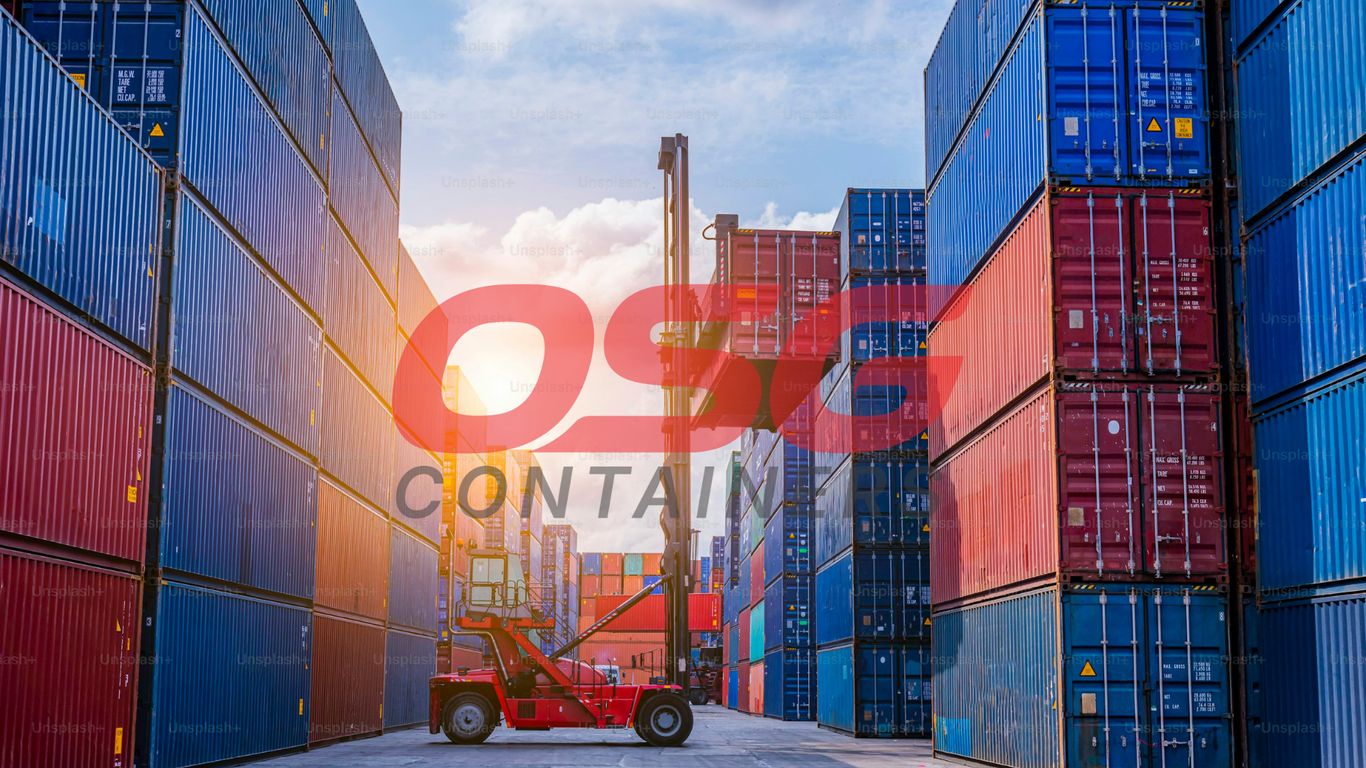
So, you’re trying to figure out the whole container thing for your business, huh? It can get a little confusing with all the different sizes and types out there. Today, we’re going to talk about the workhorses of the shipping world: the 40 foot containers. Specifically, we’ll look at the standard ones versus the high cube versions. It might seem like a small difference, but it can actually matter quite a bit depending on what you’re shipping and how you’re moving it. Let’s break it down.
Key Takeaways
- When comparing 40 foot containers, the main difference between standard and high cube models is height. High cubes are about a foot taller, offering more interior space.
- This extra height in high cube containers is great for tall items or bulky, lightweight goods that need more volume, like furniture or certain electronics.
- Standard 40 foot containers are usually a better fit for heavy items or when budget is a top concern, as they can be more affordable and simpler to handle.
- While both types share the same length and width, the high cube’s extra height means it weighs more and has a slightly lower payload capacity compared to a standard container.
- Choosing the right 40 foot container depends on your specific cargo, how much space it needs, your budget, and any height restrictions in your logistics chain.
1. 40ft Standard Container
When you’re looking at shipping options, the 40ft standard container is a real workhorse in the logistics world. It’s been around for ages and for good reason. This container offers a solid balance of space and practicality for a huge range of goods. It’s the go-to choice for many businesses because it fits well into most shipping systems without needing special handling.
Think of it as the reliable sedan of shipping containers. It’s not the biggest, and it’s not the smallest, but it gets the job done efficiently for a lot of different types of cargo. Whether you’re shipping manufactured goods, machinery, or even some types of food products, this 40 footer container usually has you covered.
Here’s a quick look at what you generally get with a 40ft container:
- External Dimensions: Around 40 feet long, 8 feet wide, and 8.5 feet tall.
- Internal Space: Roughly 67 cubic meters, which is plenty for many shipments.
- Weight Capacity: Typically can handle about 28,000 kg, but always check the specific container’s rating.
It’s important to know that while the 40ft container is standard, there are variations like the high cube. The standard one is a bit shorter than its high cube cousin, which can matter if you’re shipping tall items. But for most general cargo, the standard 40ft container is a dependable and cost-effective option.
Choosing the right container size and type is more than just picking a box. It directly impacts how much you can ship, how efficiently you can load and unload, and ultimately, how much your shipping costs will be. The 40ft standard container is a popular choice because it often hits that sweet spot for many different kinds of shipments.
2. 40ft High Cube Container
So, you’ve got a bunch of stuff to ship, and you’re looking at the 40-foot options. You’ve probably seen the standard 40ft container, but then there’s this other guy: the 40ft High Cube. What’s the big deal? Well, it’s pretty much what it sounds like – it’s a standard 40-footer, but it’s taller. We’re talking an extra foot of height, which might not sound like much, but in the world of shipping, it can make a real difference.
This extra height gives you more room to play with, especially if you’re shipping things that are a bit bulky or tall. Think furniture, large machinery, or even just a lot of lighter goods that take up space. The main advantage of a 40ft High Cube is its increased internal volume, offering about 13% more space than its standard counterpart. This can be a game-changer for certain types of cargo.
Here’s a quick look at how they stack up:
| Dimension | 40ft Standard Container | 40ft High Cube Container |
|---|---|---|
| Internal Height | 7 ft 10 in (2.39 m) | 8 ft 10 in (2.69 m) |
| Internal Volume | 67.5 m³ (2,386 cu ft) | 76 m³ (2,694 cu ft) |
| Tare Weight | 3,700 kg (8,160 lbs) | 3,980 kg (8,775 lbs) |
| Max Payload | 26,780 kg (59,040 lbs) | 26,500 kg (58,425 lbs) |
It’s not just about fitting more in, though. The extra height means you can stack certain items more efficiently, or even fit things that just wouldn’t go into a standard container. This can lead to fewer trips, which, as you can imagine, saves money and time. It’s a popular choice for industries that deal with a lot of consumer goods, textiles, or anything that’s more about volume than sheer weight.
While the high cube offers more space, it’s important to remember that the maximum weight capacity doesn’t change much. This means if you’re shipping dense, heavy items, you might not be able to fill the extra height. In those cases, a standard container might be more cost-effective because you’re not paying for space you can’t use.
So, when should you go for the High Cube? Definitely consider it if your cargo is:
- Taller than a standard container allows.
- Bulky but relatively lightweight, meaning volume is the limiting factor.
- Requiring more vertical space for efficient packing.
- A large quantity of items that fill up space quickly.
It’s a bit of a workhorse for specific shipping needs, offering that little bit of extra room that can make all the difference in getting your goods from point A to point B without a hitch.
3. 20ft Standard Container
The 20ft standard container is a workhorse in the shipping world, and for good reason. It’s the most common size you’ll find, making it super versatile for all sorts of cargo.
Think of it as the reliable, go-to option when you’ve got goods that are more on the dense and heavy side. Because it’s a bit smaller than its 40ft cousins, you can often fill it up by weight before you even get close to running out of space. This is perfect for things like machinery, metal parts, or even smaller batches of manufactured items.
Here’s a quick look at its typical specs:
- External Dimensions: 20 feet long x 8 feet wide x 8 feet 6 inches high.
- Internal Dimensions: Roughly 19 feet 4 inches long x 7 feet 8 inches wide x 7 feet 10 inches high.
- Capacity: Around 33 cubic meters (CBM).
- Maximum Payload: Typically about 28,000 kg.
This container is a solid choice for shipments where weight is the main concern, not necessarily volume. It’s easier to handle in tighter spaces and often more cost-effective for those specific types of loads.
While the 40ft container gets a lot of attention for its sheer size, the 20ft standard is often the unsung hero for many businesses. Its manageable dimensions and weight-carrying capabilities make it a practical and efficient choice for a wide range of goods, especially when you’re shipping items that are heavy but don’t take up a ton of room.
When you’re planning your shipment, it’s always a good idea to double-check the exact weight limits for your specific route, as some places have stricter rules than others. But generally, the 20ft standard container is a dependable option for getting your heavier cargo from point A to point B.
4. 20ft High Cube Container
So, you’ve got a bunch of stuff to ship, and you’re looking at containers. You’ve probably seen the standard 20-footers, but what about the High Cube version? Think of it as the standard 20ft container’s taller sibling. It’s the same length and width, but it gives you an extra foot of height. This might not sound like much, but it can make a surprising difference, especially for lighter, bulkier items.
The main draw of a 20ft High Cube is that extra vertical space, offering more cubic capacity without changing the footprint. This is super handy when you’re dealing with things that are just a bit too tall for a regular container, or when you’re trying to maximize the volume of less dense cargo.
Here’s a quick look at what you get:
- Internal Height: Around 8 feet 10 inches (2.69 meters), compared to about 7 feet 10 inches (2.39 meters) for a standard 20ft. That’s a whole extra foot!
- Internal Volume: Typically around 1,370 cubic feet (38.8 cubic meters), which is a decent bump up from the standard 20ft’s roughly 1,170 cubic feet (33.1 cubic meters).
- Payload: While the maximum gross weight limit stays the same as a standard 20ft (around 67,200 lbs or 30,480 kg), the High Cube’s slightly heavier empty weight means you can carry a tiny bit less net payload. For most lightweight goods, this isn’t an issue.
When does this extra height really pay off? Think about shipping furniture, large appliances, or even materials for construction projects. If your cargo is more about volume than sheer weight, the 20ft High Cube can be a more efficient choice, potentially allowing you to fit more in or consolidate shipments.
It’s important to remember that while the extra height is great for volume, it doesn’t change the external dimensions significantly. This means it still fits on standard ships, trains, and trucks, making it just as versatile for transport as its shorter counterpart. The key is matching the container’s dimensions to your cargo’s needs.
So, if you’re shipping items that are tall or just take up a lot of space relative to their weight, the 20ft High Cube container is definitely worth considering. It’s a simple modification that can offer a significant advantage in logistics.
5. 45ft Container
While 40ft containers are the workhorses of global shipping, you might sometimes see or need a 45ft container. Think of it as the bigger sibling, offering more space for those shipments that just barely don’t fit into a standard 40-footer. It’s not as common as the 40ft, and you’ll find it used more often on specific routes, particularly in North America and Europe where the infrastructure can handle the extra length.
The main draw of a 45ft container is its increased cubic capacity. This makes it a good option when your cargo is bulky and lightweight, filling up the space before it hits the weight limit. It’s like having a bit more wiggle room for your goods.
Here’s a quick look at how it stacks up:
| Feature | Approximate Dimensions (Internal) | Approximate Capacity | Max Payload (Approx.) |
|---|---|---|---|
| 45ft Container | 44ft 5in x 7ft 8in x 8ft 10in | ~85 CBM | ~25,000 kg |
It’s important to remember that not all ports, rail yards, or trucking companies can easily handle a 45ft container. Their longer length means they require specific equipment and space for loading, unloading, and transport. So, before you book one, always double-check that the entire logistics chain can accommodate it.
Using a 45ft container can be cost-effective if your cargo is volume-sensitive and fits perfectly, but it’s essential to confirm its availability and suitability for your specific shipping lanes and inland transport legs. It’s a specialized tool for specific jobs.
6. 10ft Container
While the 40ft and 20ft containers get most of the attention, especially the high cube variants, there are other sizes out there for specific needs. One of those is the 10ft container. These aren’t as common in the grand scheme of global shipping, but they definitely have their place.
Think of a 10ft container as the little sibling in the shipping container family. It’s basically half the length of a standard 20ft container. This makes it super handy for smaller shipments where a 20ft would just be overkill, wasting space and money. They’re often used for localized transport or when you just don’t have a massive amount of cargo.
Here’s a quick look at what you might expect:
- External Dimensions: Roughly 10 feet long, 8 feet wide, and 8.5 feet high.
- Internal Capacity: Around 15-16 cubic meters (CBM). This is significantly less than a 20ft, so you have to be mindful of how much you can actually fit.
- Payload: Typically around 5,000-6,000 kg, depending on the specific model and construction.
These containers are great for things like:
- Small equipment or machinery.
- Spare parts or components.
- Temporary storage on a job site.
- Shipping smaller batches of goods where consolidation into a larger container isn’t practical.
Because they’re less common, you might find they aren’t available on every shipping route. They’re more likely to be found in regional markets or for specific, shorter-haul logistics. If you’re dealing with very light but bulky items, you’d probably want to stick with a larger container, but for dense, smaller loads, the 10ft can be a cost-effective choice.
Choosing a 10ft container means you’re prioritizing a snug fit for your cargo. It’s about avoiding wasted space and the associated costs that come with shipping air. This size is a practical solution when your shipment just doesn’t warrant a larger box, making it a niche but important player in the logistics world.
7. Dry Container
Dry containers are the workhorses of the shipping world, and for good reason. They’re the most common type you’ll run into, basically a sturdy, fully enclosed metal box designed to keep your stuff safe and dry.
Think of them as the standard shipping box. They’re built tough with corrugated steel siding and reinforced frames, which helps them handle the bumps and jostles of being moved around the globe. Plus, those little corner bits, called twist locks, make them easy for cranes and other equipment to grab onto.
These containers are your go-to for a huge variety of goods that don’t need special temperature control or handling. We’re talking electronics, clothes, furniture, packaged foods that won’t spoil, and pretty much any manufactured item you can think of.
Here’s a quick look at what they’re good for:
- Electronics: Keeping delicate gadgets safe from moisture and impact.
- Clothing and Textiles: Shipping large volumes of apparel and fabrics.
- Furniture: Protecting pieces during long transit.
- Packaged Goods: Transporting everything from household items to retail products.
- Non-Perishable Foods: Moving canned goods, dry pasta, and similar items.
They’re designed to be stacked, too, which is a big help when you’re trying to fit as much as possible onto a ship or into a warehouse. The main thing to remember is that while they’re weatherproof, they aren’t insulated or temperature-controlled. So, if you’re shipping something that can’t handle a wide range of temperatures, you’ll need to look at other options.
When packing a dry container, it’s smart to spread the weight out evenly. Put the heavier stuff on the bottom and lighter items on top. You want things packed in snugly so they don’t shift around too much, but make sure there’s still a little room for air to move, especially if you’re shipping anything that might sweat a bit.
8. Reefer Container
When you’ve got stuff that needs to stay cold or frozen during its journey, a reefer container is your go-to. Think of it as a giant, mobile refrigerator. These aren’t your standard metal boxes; they’re built with thick insulation and come equipped with their own refrigeration units. This allows them to maintain a specific temperature, anywhere from a chilly -30°C up to a warmer +30°C.
Reefer containers are absolutely vital for shipping perishable goods like fresh produce, pharmaceuticals, and frozen foods. Without them, a lot of the food we eat and medicines we rely on wouldn’t make it to us in good condition.
Here’s a quick look at what makes them special:
- Temperature Control: They have built-in cooling systems that can be set to precise temperatures.
- Insulation: The walls, floor, and ceiling are heavily insulated to keep the temperature stable.
- Power Source: They need a constant power supply, usually from the ship, truck, or a generator set attached to the container.
Using a reefer container is definitely more expensive than a regular dry container because of the technology involved and the power needed to keep it running. Plus, they require extra checks to make sure the refrigeration is working perfectly and the insulation is intact.
When inspecting a reefer, it’s not just about looking for dents. You’ve got to verify that the cooling unit is functional, the temperature logs are accurate, and there are no leaks in the insulation. It’s a bit more involved than just checking the doors on a dry van.
So, if your cargo is sensitive to temperature changes, a reefer container is the only way to go to avoid spoilage or damage.
9. Tank Container
Tank containers are pretty specialized, you know? They’re basically big tanks built inside a standard shipping container frame. This means they can be handled just like any other container, moving from ships to trains to trucks without needing special equipment for the tank itself.
Their main job is to move liquids and gases in bulk. Think about things like chemicals, industrial gases, maybe even some food-grade liquids like oils or syrups. Because they’re carrying potentially hazardous stuff, they have to meet some pretty strict safety rules.
Here’s a quick look at what makes them tick:
- Construction: They’re usually made of stainless steel or other strong materials that can handle different kinds of liquids and gases without reacting.
- Safety Features: You’ll find things like pressure relief valves, special fittings, and sometimes even heating or cooling systems depending on what’s being shipped.
- Handling: They have the standard corner castings so they can be lifted and stacked like regular containers, but you still need to be careful when loading and unloading the actual product.
While they look like regular containers from the outside, the inside is all about safely holding bulk liquids or gases. This design makes them super efficient for moving large quantities of these materials across the globe.
They’re not for everyday stuff like furniture or electronics, but for specific bulk cargo, they’re the go-to solution. You won’t see them on every shipment, but when you need to move liquids or gases, a tank container is what you’ll use.
10. Open-Top Container
So, you’ve got some cargo that’s just too tall for a regular container, or maybe it’s shaped in a way that makes loading from the side or end a real pain. That’s where the open-top container comes in handy. Think of it like a standard container, but instead of a solid roof, it’s got a removable tarpaulin cover. This makes it super easy to load really tall items or awkward shapes from directly above using a crane.
The main selling point of an open-top container is its top-loading capability, which is a game-changer for certain types of cargo.
These aren’t your everyday shipping boxes, but they’re pretty important for specific industries. You’ll often see them used for things like:
- Heavy machinery
- Large industrial equipment
- Glass panels or other fragile, oversized items
- Certain types of lumber or construction materials
Because the roof is a tarp, it’s not completely weatherproof like a standard dry container. So, while it protects against rain and sun, you still need to make sure your cargo is secured well and that the tarp is properly fastened to keep out dust and smaller debris. It’s a bit of a trade-off between ease of loading and absolute protection from the elements.
When you’re dealing with cargo that needs to be lifted into the container from above, or if it’s just too tall to fit through standard doors, the open-top is often your best bet. It simplifies the loading process significantly, especially for bulky or awkwardly shaped items that would be a nightmare to maneuver otherwise. Just remember to factor in the need for secure tarping and potential exposure to the elements.
While they might not be as common as the standard dry vans, open-top containers fill a really specific niche in logistics. They’re designed for those jobs where a regular container just won’t cut it, making them a vital part of the shipping world for certain types of goods.
Wrapping It Up: Standard vs. High Cube
So, when it comes down to it, picking between a standard 40-foot container and its high cube cousin isn’t some huge mystery. It really just boils down to what you’re shipping and how much space you need. Standard containers are your go-to for a lot of everyday stuff, especially if you’re watching your budget or dealing with heavy items. But if you’ve got tall furniture, bulky goods, or just need that extra bit of room to make things fit, the high cube is definitely worth a look. Just remember to factor in the slight cost difference and any potential height restrictions. Ultimately, knowing these differences helps you make a smarter choice for your cargo, saving you headaches and maybe even some cash down the line.
Frequently Asked Questions
What’s the main difference between a 40ft standard container and a 40ft high cube container?
The biggest difference is height! A 40ft high cube container is about one foot taller than a standard 40ft container. This extra height gives it more space inside, which is great for taller items or if you need to fit more stuff in.
When should I choose a high cube container over a standard one?
You should consider a high cube if you’re shipping tall items like furniture, large machines, or lightweight but bulky goods that need more room. If your cargo is heavy and fills up space by weight rather than volume, a standard container might be fine.
Do high cube containers cost more than standard containers?
Yes, they usually do. Because they’re taller and have more material, high cube containers typically cost a bit more to buy or rent compared to their standard counterparts.
Can a high cube container fit on the same trucks and trains as a standard container?
Generally, yes, they are designed to fit within most transport systems. However, you need to be aware of any height restrictions on certain roads or in specific areas, as the extra height of a high cube could cause issues.
How much more can a high cube container hold compared to a standard one?
A 40ft high cube container offers about 13% more space inside. This means it can hold roughly 300 more cubic feet of cargo, which can be a significant amount depending on what you’re shipping.
Are there any downsides to using a high cube container?
While they offer more space, high cube containers are a bit heavier. This means their maximum carrying weight (payload) is slightly less than a standard container. Also, if your cargo isn’t tall, you might be paying for space you don’t need.