Singapore
 Australia
 Indonesia
 Japan
Japan Malaysia
 New Zealand
 Philippines
 South Korea
 Taiwan
 Thailand
 VIETNAM
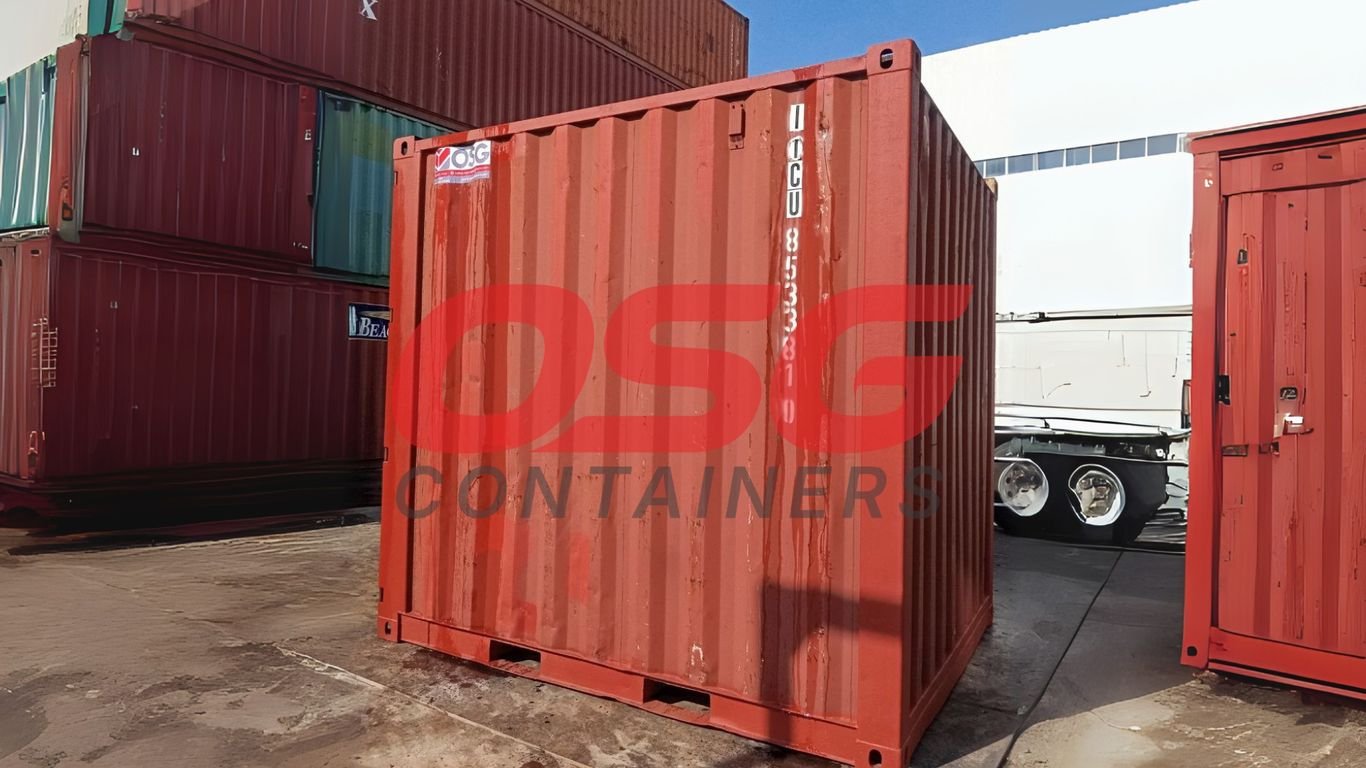
So, you’re looking into the big guys, huh? The 40 feet container. These massive metal boxes are the workhorses of shipping and storage, and for good reason. They hold a ton, can go pretty much anywhere, and are surprisingly efficient when you know how to use them. We’re going to break down what makes these containers tick, from their size and how much they can hold, to the different kinds available and how to best use them. Let’s get into it.
Key Takeaways
- A standard 40 feet container measures 40 feet long, 8 feet wide, and 8 feet 6 inches high externally, offering a substantial amount of space for cargo.
- These containers are vital for moving large volumes of goods globally, acting as efficient intermodal transport units that move between ships, trains, and trucks.
- Beyond shipping, 40 feet containers are often used for on-site storage at construction sites or events due to their durability and security.
- When loading, it’s important to distribute weight evenly, use pallets, stack carefully, and protect fragile items to prevent damage during transit.
- Different types exist, like High Cube (taller), Refrigerated (temperature-controlled), and Open Top or Flat Rack, each suited for specific cargo needs.
What Is A 40-Foot Shipping Container?
So, you’re curious about these big metal boxes, huh? A 40-foot shipping container is basically a standardized, super-durable metal box designed for moving stuff all over the world. Think of it as the workhorse of global trade. Its size and strength mean it can be easily grabbed by cranes, stacked high on ships, or loaded onto trains and trucks without much fuss.
These containers are a big deal for anyone shipping goods in large quantities. They’re pretty much everywhere, from factories to ports, and they’re used by all sorts of industries – think retail, manufacturing, even construction.
Here’s a quick look at the basic specs:
- Length: 40 feet (about 12.19 meters)
- Width: 8 feet (about 2.44 meters)
- Height: 8 feet 6 inches (about 2.59 meters) for a standard one.
The real magic is how much they can hold and how efficiently they move. They offer a huge amount of space, which often makes them a more cost-effective choice per cubic foot compared to smaller containers when you’re moving a lot of cargo.
These containers aren’t just for shipping, either. People get pretty creative with them, turning them into everything from on-site storage units to pop-up shops and even small homes. Their tough build and standard size make them surprisingly versatile.
They come in a few different flavors, too, like the "High Cube" which is a foot taller, or "Refrigerated" ones for keeping things cold. But at their core, they’re all about providing a secure, standardized way to transport or store large amounts of goods.
External Dimensions
When you’re looking at a 40-foot shipping container, the first thing that matters is how much space it’s going to take up. These big metal boxes have pretty standard outside measurements, which is great for planning where you’ll put it and how it will fit onto ships, trains, or trucks.
The standard external dimensions for a 40-foot container are 40 feet long, 8 feet wide, and 8 feet 6 inches tall. This is the typical size you’ll see for most general cargo containers.
Here’s a quick breakdown:
- Length: 40 feet (12.19 meters)
- Width: 8 feet (2.44 meters)
- Height: 8 feet 6 inches (2.59 meters)
It’s worth noting that there’s also a "High Cube" version. This one is the same length and width but is a full foot taller, making its external height 9 feet 6 inches (2.90 meters). This extra height can make a big difference for certain types of cargo.
Knowing these outside measurements is super important. It helps you figure out if the container will actually fit on your property, if it can be delivered to your site without issues, and how it will stack with other containers if you’re using them for shipping.
These external dimensions are pretty consistent across the board, which is a big part of why they’re so popular for moving goods all over the world. It makes logistics a lot simpler when you know exactly what you’re dealing with size-wise.
Internal Dimensions
So, you’ve got your eye on a 40-foot container, which is great because it offers a good chunk of space. But what exactly does that space look like on the inside? Knowing the internal dimensions is super important for figuring out if your stuff will actually fit and how you’ll arrange it.
When we talk about the inside of a standard 40-foot container, you’re generally looking at dimensions that are a bit less than the outside. This is because of the container’s walls, floor, and ceiling. The interior length is typically around 39 feet and 5 inches, the width is about 7 feet and 9 inches, and the height is usually 7 feet and 10 inches. These numbers can vary slightly depending on the manufacturer and the specific container’s age and condition, but they give you a solid ballpark.
Here’s a quick rundown of what that looks like:
- Length: Roughly 39′ 5" (12.01 m)
- Width: Around 7′ 9" (2.34 m)
- Height: Approximately 7′ 10" (2.39 m)
This gives you a total interior volume of about 2,350 cubic feet. That’s a lot of room, enough to fit the contents of a large house, multiple cars, or a significant amount of inventory for a business. It’s always a good idea to measure your largest items, like furniture or equipment, just to be sure they’ll clear the door opening and fit comfortably inside.
Remember, these are for a standard container. If you need a bit more headroom, a "high cube" version of the 40-foot container adds an extra foot of height inside, which can make a big difference for taller items or if you plan on stacking things higher.
Weight Specifications
When you’re thinking about a 40-foot container, figuring out the weight situation is pretty important. It’s not just about how much the container itself weighs, but also how much stuff you can actually put inside it. This is often called the payload capacity.
Understanding these weights is key to avoiding problems like fines, shipping delays, or even safety hazards.
Here’s a breakdown of the typical weights you’ll encounter:
- Tare Weight: This is the weight of the empty container. For a standard 40-foot container, it’s usually around 3,750 kg (about 8,270 lbs). A 40-foot High Cube (HC) container is a bit heavier, typically around 3,900 kg (about 8,600 lbs) because it’s taller.
- Payload Capacity: This is the maximum weight of cargo you’re allowed to load into the container. For a standard 40-foot container, this is generally about 27,230 kg (around 60,030 lbs). The HC version can usually take a bit more, around 28,600 kg (about 63,030 lbs).
- Maximum Gross Weight (MGW): This is the absolute maximum weight the container and its contents can be combined. For most 40-foot containers, this limit is around 30,480 kg (about 67,200 lbs). For the High Cube, it might be a bit higher, up to 32,500 kg (about 71,650 lbs).
It’s super important to remember that these are general figures. Different manufacturers and the age of the container can cause slight variations. Always check the specific weight information printed on the container’s door or manufacturer’s plate before you start loading.
Calculating your allowable cargo weight is straightforward: subtract the container’s tare weight from its maximum gross weight. This gives you the payload. Don’t guess; use the actual numbers on the container.
Specialized containers, like refrigerated units or flat racks, will have different tare weights due to their added features or reinforced structures. For instance, a reefer container is heavier because of the refrigeration unit, and a flat rack might be heavier due to its robust frame for oversized cargo.
Types Of 40-Foot Containers
When you’re looking at a container 40 feet long, you’ll find they aren’t all built the same. While the standard dry van is the most common, there are specialized versions designed for specific jobs. Think of it like different types of trucks – you wouldn’t use a flatbed for hauling liquids, right? The same idea applies here.
Here are some of the main types you’ll come across:
- Standard Dry Van: This is your go-to for general cargo. If your goods don’t need temperature control or special handling, this is likely what you’ll use. It’s built tough and keeps things protected from the elements.
- High Cube (HC) Container: These look a lot like the standard ones, but they’re about a foot taller. This extra height is a game-changer if you’re shipping bulky items or things that stack high. It gives you more room to play with, which can be really useful.
- Refrigerated (Reefer) Container: For anything that needs to stay cold – think food, pharmaceuticals, or certain chemicals – the reefer is your best bet. It’s basically a giant, mobile refrigerator, complete with its own cooling unit.
- Open Top Container: These have a removable roof, usually made of tarpaulin. They’re great for cargo that’s too tall to fit through a standard door, like heavy machinery, or when you need to load from the top using a crane.
- Flat Rack Container: These are pretty unique. They have no side walls or roof, just a base and end walls that can often fold down. They’re perfect for oversized items that wouldn’t fit in any other container, like boats, large pipes, or construction equipment.
Choosing the right type of container 40 feet long is key to making sure your cargo arrives safely and efficiently. It’s not just about size; it’s about matching the container’s features to the cargo’s needs. While a 20 footer container is smaller, the 40-foot versions offer more space, and these specialized types ensure that space is used effectively for a wider range of goods.
The variety of 40-foot containers available means there’s a solution for almost any shipping or storage challenge. Don’t just assume one size fits all; explore the options to find the best fit for your specific requirements.
High Cube Container
So, you’ve got a bunch of stuff to ship, and it’s not exactly small. Maybe it’s furniture, maybe it’s some kind of bulky equipment, or perhaps just a whole lot of lighter, airy items like pillows or packaging materials. In these situations, a standard 40-foot container might feel a little… short. That’s where the 40-foot High Cube (HC) comes in.
Think of it as the taller sibling of the regular 40-footer. It’s the same length and width, but it gets an extra foot of height. This might not sound like much, but it adds up to a significant amount of extra space – about 12% more volume, to be exact. This extra vertical room is a game-changer for certain types of cargo.
Here’s a quick look at how it stacks up:
- Standard 40-foot Container: External height is 8 feet 6 inches.
- 40-foot High Cube Container: External height is 9 feet 6 inches.
This extra height means you can fit more in, stack things higher, or accommodate items that just wouldn’t fit in a standard container. It’s particularly useful when you’re dealing with cargo that’s tall or when you want to maximize the use of space with lighter, bulkier goods. You’ll often find these used for things like:
- Large appliances
- Furniture sets
- Machinery parts
- Lightweight, voluminous products
While the extra height is great, it’s worth remembering that the internal dimensions are what really matter for your cargo. A 40-foot HC typically offers around 2,669 cubic feet of space, compared to about 2,390 cubic feet for a standard 40-footer. The door opening is also a bit taller, making loading and unloading those taller items a bit easier.
When you’re deciding between a standard 40-foot and a High Cube, it really comes down to what you’re shipping. If your items are dense and heavy, you might hit the weight limit before you fill the space anyway. But for anything that’s tall or takes up a lot of air, that extra foot of height in a High Cube can make all the difference in fitting everything you need and potentially saving you money by avoiding a second container.
Refrigerated Container
When you need to ship things that can’t just sit around at room temperature, like food or certain medicines, you’ll want to look into a refrigerated container, often called a ‘reefer’. These aren’t your average shipping boxes; they’re basically giant, insulated coolers on wheels (or, well, on ships and trucks).
These specialized containers come equipped with their own built-in refrigeration units. This means they can maintain a very specific, consistent temperature, whether it’s freezing cold or just cool, for the entire journey. This is super important for keeping goods fresh and safe.
Here’s a quick look at what makes them tick:
- Temperature Control: They can be set to a wide range of temperatures, usually from around -25°C (-13°F) up to +25°C (77°F). This flexibility is key for different types of cargo.
- Power Source: The refrigeration unit needs power, which is usually supplied by a generator attached to the container or by the power source on the ship, train, or truck carrying it.
- Insulation: The walls, floor, and ceiling are heavily insulated to keep the cold air in and the warm air out, making the refrigeration system more efficient.
Think of them as mobile, temperature-controlled warehouses. They’re a big deal for industries that deal with perishables, like the food and beverage sector, pharmaceuticals, and even some chemical transport. Without reefers, a lot of the fresh produce and temperature-sensitive items we rely on wouldn’t make it to us in good condition.
While they offer amazing protection for sensitive cargo, reefers are generally more expensive to buy or rent than standard dry containers. You’re paying for that complex refrigeration technology and the extra insulation. Plus, they tend to be a bit heavier when empty due to the machinery.
Open Top And Flat Rack Containers
When standard shipping containers just won’t cut it, you’ve got specialized options like open-top and flat-rack containers. These are designed for cargo that’s a bit tricky – maybe too tall to fit through a regular door, or just too bulky and awkward for a closed box.
An open-top container is pretty much what it sounds like: it has a removable tarpaulin roof instead of a solid one. This makes loading and unloading from the top super easy, which is a lifesaver for tall items or when you’re using a crane. Think of machinery, large pipes, or even things like lumber that you want to stack high.
Flat-rack containers are even more specialized. They have a base and sides, but no roof or end walls. They’re built tough to handle really heavy and oversized cargo that wouldn’t fit in any other container. We’re talking about things like construction equipment, boats, or large industrial parts. The sides can often fold down, giving you more flexibility for securing your load.
Here’s a quick look at their typical weights, though remember these can change a bit depending on the manufacturer:
| Container Type | Tare Weight (approx.) |
|---|---|
| Open Top | 4,100 kg (9,040 lbs) |
| Flat Rack | 5,200 kg (11,460 lbs) |
Loading these types of containers requires careful planning. You need to make sure everything is properly secured to prevent shifting during transit, especially since there are fewer walls to hold things in place. Proper lashing and bracing are key.
These aren’t your everyday containers, but for the right kind of cargo, they’re absolutely indispensable. They solve problems that standard containers just can’t handle, making global shipping possible for a wider range of goods.
Applications And Benefits
These big metal boxes, originally just for shipping stuff across oceans, have turned out to be pretty handy for all sorts of things. Their sheer size and tough build make them super useful beyond just moving goods from port to port.
Think about it, they’re not just for cargo ships anymore. Lots of businesses use them for storage, especially on construction sites where you need to keep tools and materials safe from the weather. They’re also popular for events, acting as temporary shops or even stages. Because they’re built to withstand rough seas, they’re naturally good at protecting whatever you put inside from the elements.
Here’s a quick look at some common uses:
- Global Shipping: Moving large amounts of products like furniture, electronics, or raw materials across the world.
- On-Site Storage: Keeping equipment, supplies, or inventory secure at construction sites, farms, or event venues.
- Modular Structures: Being converted into offices, workshops, classrooms, or even small homes.
- Temporary Retail: Setting up pop-up shops or exhibition booths for markets and trade shows.
The real beauty of these containers is how easily they can be moved between different types of transport – ships, trains, and trucks. This makes getting your goods from point A to point B much smoother and often cheaper because you don’t have to unload and reload everything multiple times. It really cuts down on handling time and the chances of something getting damaged.
And when you compare them to the smaller 20-foot containers, the 40-foot ones usually give you more than double the space for not quite double the price. That’s a pretty good deal if you’re moving a lot of stuff or have bulky items.
Global Shipping Of Bulk Goods
When you think about moving a lot of stuff across oceans, 40-foot containers are pretty much the go-to choice. They’re big, they’re tough, and they can hold a surprising amount of cargo. We’re talking about everything from furniture and electronics to raw materials and machinery. Because they’re standardized, these containers fit perfectly onto massive cargo ships, making long-distance transport way more efficient.
This standardization is a huge deal for international trade. It means less hassle and lower costs when moving goods from one side of the world to the other.
Here’s a quick look at what makes them so good for bulk shipping:
- Capacity: They offer a lot of space, usually around 2,300 cubic feet. This means you can pack a lot in, which is great for reducing the number of trips needed.
- Durability: Built from strong steel, they can handle rough seas and the general wear and tear of global transit.
- Intermodal: They can easily move from a ship to a train or a truck without needing to unload and reload the cargo. This saves time and reduces the risk of damage.
The sheer volume these containers can carry makes them incredibly cost-effective for businesses shipping large quantities. You’re essentially paying for a lot of space at a relatively low price per cubic foot compared to smaller options.
It’s not just about stuffing as much as possible inside, though. Proper loading is key to making sure everything arrives in one piece. Things like distributing weight evenly and using pallets help a lot. You don’t want your container tipping over or your goods getting crushed during the journey.
On-Site Storage
When you’re not shipping things across the globe, a 40-foot container makes a pretty solid storage unit right where you need it. Think about construction sites – these things are tough and keep tools and materials safe from the weather and sticky fingers. They’re also great for events, giving you a secure spot for equipment or merchandise.
These containers offer a flexible and secure way to store a lot of stuff without building anything permanent.
Here’s why they’re a good choice for on-site storage:
- Security: Made of steel, they’re hard to break into. You can even add extra locks.
- Weather Protection: They keep your items dry and protected from sun, rain, and wind.
- Mobility: Need to move it? You can relocate the container to a different spot on your property or even to a new site.
- Versatility: Use them for tools, inventory, documents, equipment, or even as a temporary office.
Setting up a container for on-site storage is pretty straightforward. You just need a level spot and enough space for delivery. Most people find they can get a container placed and ready to use in a day or two.
They’re a practical solution when you need extra space but don’t want the hassle or cost of a permanent building. Plus, you can often rent them if you only need them for a short while, which is handy for temporary projects.
Intermodal Transportation Efficiency
One of the biggest wins with 40-foot containers is how easily they move between different types of transport. Think about it: your stuff gets loaded once, and then it can hop onto a ship, a train, and a truck without anyone having to unpack and repack it. This whole process, called intermodal transport, is a game-changer for moving goods around the world.
It means less time spent at ports or transfer yards, which usually translates to lower costs. Plus, every time you handle cargo, there’s a chance something could get damaged. By minimizing those handling steps, you also cut down on the risk of your goods getting dinged up.
Here’s a quick look at how it works:
- Ocean Vessels: The primary way these containers travel long distances. They’re stacked high on ships, making maritime shipping super efficient.
- Rail Freight: Trains are great for moving large volumes of containers across land. The standardized size means they fit perfectly onto rail cars.
- Trucking: For the final leg of the journey, from the port or rail yard to a warehouse or customer, trucks take over. This door-to-door capability is key.
The beauty of the standardized container system is that it creates a universal language for logistics. Whether it’s a port in Shanghai or a rail yard in Chicago, the equipment and the process for moving these boxes are largely the same. This predictability is what makes global trade flow as smoothly as it does.
This ability to switch modes of transport so smoothly is a huge reason why 40-foot containers are so popular. It simplifies the supply chain, making it faster and more reliable for businesses.
Cost-Efficiency Per Cubic Foot
When you’re looking at shipping options, especially for larger quantities of goods, the cost per cubic foot really starts to matter. A 40-foot container is a big box, and while it costs more upfront than a 20-foot one, you get a lot more space for your money. Think about it: you’re not paying double for just a little bit more room; you’re getting almost twice the space for a significantly smaller price increase.
This makes the 40-footer a smart choice for businesses that move a lot of stuff, particularly if those items are bulky or lightweight. You can fill up the entire volume of the container without hitting the weight limit, which is a common scenario with things like furniture, plastics, or textiles.
Here’s a quick look at how the costs can stack up:
- 20-Foot Container: Higher cost per cubic foot. Good for smaller shipments or when weight is the main concern.
- 40-Foot Container: Lower cost per cubic foot. Ideal for bulkier items and maximizing space efficiency.
- 40-Foot High Cube: Offers even more volume for a slightly higher cost, making it the most economical per cubic foot if your cargo fits.
The trick is to know your cargo. If you’re shipping dense items like machinery, you might hit the weight limit before you fill the space. In that case, a standard 40-footer might be just as good as a high cube, and you save a bit on the container itself. But for most general cargo, that extra height in a high cube really pays off.
So, while the initial price tag of a 40-foot container might seem higher, the savings you get by utilizing its space more effectively, especially on long hauls, can add up. It’s all about getting the most bang for your buck when it comes to shipping volume.
Tips For Loading A 40-Foot Container
Loading a 40-foot container might seem straightforward, but doing it right makes a huge difference. It’s not just about stuffing things in; it’s about making sure your cargo arrives safely and that you’re using all that space efficiently. Think of it like packing for a really long trip – you want to fit everything you need without it all falling apart when you get there.
First off, weight distribution is key. You don’t want one side heavier than the other. This can cause problems when the container is being lifted or moved, and it’s just asking for trouble during transit. Try to spread the weight evenly across the floor. Heavy items should generally go on the bottom, and lighter things on top, but always keep that balance in mind.
Here are some practical steps to get your loading done right:
- Use Pallets: Whenever possible, put your goods on pallets. They make it much easier to move things with a forklift and help keep your items off the container floor. Plus, they create a stable base for stacking.
- Stack Smartly: Don’t just pile boxes up randomly. Stack them as high as you safely can, but make sure the boxes themselves are strong enough to handle the weight from above. You want to use that vertical space without crushing what’s underneath.
- Secure Everything: Use straps, bracing, or dunnage (packing materials) to fill any gaps. You don’t want your stuff shifting around. Even a little movement can cause damage over a long journey.
- Consider the Door Area: Leave a little bit of space right by the doors. This makes it easier for inspectors to check the contents without having to unload the whole container. It can speed things up at customs.
Loading a container is a bit of an art and a science. It requires planning to make sure everything fits, stays put, and doesn’t exceed weight limits. Taking the time to load properly saves a lot of headaches down the road.
Think about the order you load things too. Items that need to come out first should go in last, near the doors. This saves you from having to dig through the entire container when you reach your destination.
Even Weight Distribution
When you’re loading up a 40-foot container, thinking about how the weight is spread out is super important. It’s not just about not going over the total weight limit; it’s about making sure that weight is balanced.
An unevenly loaded container can cause serious problems, from making it hard to handle to potentially damaging the cargo or even the container itself.
Here’s why it matters and how to get it right:
- Safety First: A container that’s heavier on one side can tilt or shift during transit, especially on rough seas or bumpy roads. This can lead to accidents or damage.
- Handling Ease: When the weight is balanced, forklifts and cranes can lift and move the container more easily and safely at ports and warehouses.
- Container Integrity: Concentrating too much weight in one spot can put undue stress on the container’s floor and walls, potentially causing structural damage over time.
- Compliance: Many transport regulations have rules about weight distribution, not just total weight. Getting this wrong can lead to fines or delays.
Think about it like packing a suitcase. If all your heavy shoes are on one side, the suitcase will always want to tip over. The same idea applies here, just on a much bigger scale.
When loading, aim to place heavier items towards the center of the container and lower down. Distribute the weight as evenly as possible from front to back and side to side. This stability is key for safe transport and handling.
Use Pallets And Maximize Vertical Space
When you’re loading up a 40-foot container, thinking about how you stack things is super important. Using pallets is a game-changer. They keep your goods off the container floor, which can sometimes be damp or dirty, and they make it way easier to move stuff around with a forklift. Plus, they give you a solid base for stacking.
Don’t just fill the container from front to back. Look up! There’s a lot of empty space above your cargo that you’re paying for. Think about stacking boxes or items as high as you safely can. This is where those high-cube containers really shine, giving you that extra foot of height.
Here’s a quick rundown on how to make the most of that space:
- Palletize everything possible: This makes loading and unloading faster and safer.
- Stack smart: Place heavier, sturdier items on the bottom and lighter, more fragile things on top.
- Fill the gaps: Use smaller boxes, packing materials, or even specialized dunnage to stop things from shifting. Every bit of space counts.
- Consider shelving: For storage or workspace setups, adding shelves can turn that vertical space into organized storage.
It’s easy to get caught up in just filling the floor space. But really, the ceiling is where a lot of your potential capacity is hiding. Think in three dimensions – length, width, and height – to really pack it in efficiently.
Protect Fragile Goods
When you’re packing up a 40-foot container, especially with items that aren’t exactly built tough, you’ve got to think about how they’ll handle the journey. Stuff can get jostled around a lot during shipping, whether it’s on a boat, a train, or a truck. Proper cushioning is your best friend here.
Think about using materials like bubble wrap, foam padding, or even those air-filled pillows you see in packages. These things act like shock absorbers. They can soak up a lot of the bumps and vibrations that happen during transit. Without them, even sturdy-looking items can get damaged from constant movement.
Here are a few things to keep in mind:
- Box Strength Matters: Don’t skimp on the boxes themselves. Use strong, double-walled boxes for anything delicate. A flimsy box can get crushed easily when you stack other items on top, even if those items aren’t heavy.
- Fill the Gaps: Make sure there’s no empty space inside the boxes. Loose items will shift and bang against each other. Fill any voids with packing paper, peanuts, or more bubble wrap.
- Stacking Smartly: If you’re stacking boxes, put the heavier, sturdier items on the bottom and lighter, more fragile ones on top. And try to keep stacks even and stable.
Sometimes, you might think something is tough enough to go in without extra padding, but the reality of shipping is that things get moved and shifted constantly. It’s better to over-protect than to have to deal with broken goods later on. A little bit of extra packing material goes a long way in saving you headaches and money.
Also, consider how you’re arranging things inside the container. If you have items that are particularly sensitive to temperature or moisture, you might need to think about how they’re positioned to avoid direct contact with the container walls, which can get hot or cold.
Clearance Near The Door
When you’re loading up a 40-foot container, it’s a good idea to leave a little bit of space right by the doors. This small gap can make a big difference when it comes to inspections.
Think about it: if customs officials or inspectors need to take a peek inside, having some room to maneuver means they might be able to check things out without having to unload the whole container. This can speed things up considerably, especially at busy ports or border crossings. It’s like leaving a little breathing room for the paperwork and the process.
Here’s why that space is handy:
- Easier Inspections: Inspectors can get a quick look without a full unpack.
- Faster Clearance: Less time spent opening and closing means quicker movement through checkpoints.
- Reduced Risk of Damage: Less chance of bumping or damaging goods while trying to get a look.
Leaving a bit of open space near the doors isn’t just about convenience; it’s a practical step that can help avoid delays and potential issues during transit. It’s a small detail that contributes to a smoother overall shipping experience.
Comparison: 20-Foot Vs. 40-Foot Containers
When you’re figuring out shipping or storage, you’ll often see two main sizes: the 20-foot container and the 40-foot container. They’re both built to the same standards, meaning they stack and travel well on ships, trains, and trucks. But they’re definitely not the same when it comes to what you can fit inside.
The 40-foot container offers roughly double the internal space of a 20 ft container, but it usually doesn’t cost double to ship. This makes it a more budget-friendly option per cubic foot, especially for larger loads.
Here’s a quick look at how they stack up:
- 20-Foot Container: Great for smaller shipments, less bulky items, or when you don’t need a massive amount of space. Think of it for things like a few pieces of furniture, smaller equipment, or a limited amount of inventory.
- 40-Foot Container: Ideal for bulk goods, large machinery, or when you’re moving a lot of stuff. It’s the go-to for businesses shipping large volumes of products or needing significant on-site storage.
| Feature | 20-Foot Container | 40-Foot Container |
|---|---|---|
| External Length | 20 ft | 40 ft |
| Internal Volume | ~1,170 cu ft | ~2,390 cu ft |
| Max Payload | ~55,000 lbs | ~59,000 lbs |
| Cost per Cubic Ft | Higher | Lower |
Choosing between the two really comes down to how much stuff you have, how big it is, and what your budget looks like for transport. Don’t just pick the bigger one because it’s bigger; make sure it’s the right fit for your specific needs.
Accessories For 40-Foot Containers
So, you’ve got a 40-foot container, and you’re thinking about how to make it work even better for you. It’s not just about the big metal box itself; there are actually some neat accessories that can really boost its usefulness. Think of these as the little extras that turn a basic storage unit into something more specialized.
These add-ons can make a big difference in organization, security, and ease of use.
Here are some common accessories you might want to consider:
- Shelving and Racking Systems: These are a game-changer for organizing stuff inside. They let you use the vertical space, which is often wasted. Whether you’re storing tools, inventory, or equipment, good shelving keeps things tidy and accessible. You can find all sorts of configurations, from simple shelves to more complex multi-tier racking.
- Ramps: Getting heavy items in and out of a container can be a real workout, or even impossible without help. A ramp makes this process much smoother. They come in different sizes and strengths, so you can pick one that fits your needs, especially if you’re moving machinery, furniture, or lots of boxes.
- Locks and Lock Boxes: Security is a big deal, right? Standard container doors have locking bars, but adding a heavy-duty padlock is a must. A lock box goes a step further by covering the padlock, making it much harder for someone to cut it or tamper with it. It’s an extra layer of protection for whatever you’re storing.
- Shelving Brackets: If you’re a bit of a DIYer or have very specific items to store, shelving brackets are your friend. They allow you to build custom shelves exactly where you need them and to the size you need them. This is great for oddly shaped items or equipment that doesn’t fit standard shelving.
When you’re looking at accessories, always check for compatibility with your specific container model. Things like ramp widths, shelving depths, and bracket mounting points need to line up. It’s also worth thinking about the environment where the container will be used – will the accessories need to withstand outdoor weather, or will they be inside a controlled space?
These accessories aren’t just for shipping anymore; they help turn these containers into functional workshops, extra storage rooms, or even temporary offices. It’s all about making the space work for you.
Shelving And Racking Systems
When you’re looking to get the most out of your 40-foot container, especially if it’s going to be used for storage or as a workspace, shelving and racking systems are a game-changer. They really help you keep things organized and make use of all that vertical space. Think about it – a big empty box can get messy fast, but with the right setup, you can store a lot more without just piling it all up.
These systems aren’t just about tidiness; they’re about efficiency. You can set them up to hold tools, inventory, equipment, or whatever else you need to store. It makes finding things so much easier, saving you time and frustration. Plus, a well-organized container is often a safer one, reducing the risk of items falling or shifting.
Here are some common types of shelving and racking you might consider:
- Heavy-duty shelving units: These are often freestanding and can hold significant weight, perfect for bulky items or large quantities of smaller goods.
- Pallet racking: If you’re storing items on pallets, this is the way to go. It allows you to stack pallets high, maximizing storage capacity.
- Custom-built shelves: For oddly shaped items or specific storage needs, you might opt for shelves built to your exact specifications.
- Wall-mounted shelves: These can be a good option if you want to keep the floor space clear, but make sure your container walls can support the weight.
The key is to plan your layout based on what you’ll be storing and how you’ll access it.
Proper installation is important. Make sure any shelving or racking you install is securely fastened to the container’s structure to prevent it from tipping or falling, especially during transit or if the container is moved.
When choosing a system, think about the weight of the items you’ll store and how high you can safely stack them. It’s always better to be a bit conservative with weight limits to keep everything secure.
Ramps
Moving heavy items into or out of a 40-foot container can be a real workout. That’s where ramps come in handy. They make the whole process a lot easier, especially if you’re loading or unloading equipment, machinery, or just a lot of boxes.
Ramps are a simple but effective accessory for making your container more accessible.
There are a few things to think about when choosing a ramp:
- Material: Most ramps are made of steel or aluminum. Steel is strong and durable, but heavier. Aluminum is lighter and won’t rust, which is nice if you’re in a damp climate.
- Weight Capacity: Make sure the ramp you pick can handle the weight of whatever you plan to move. You don’t want it buckling under pressure.
- Length and Slope: A longer ramp will have a gentler slope, making it easier to push or pull heavy items. Consider the height of your container and the ground level to figure out the best length.
- Portability: Some ramps are fixed, while others are designed to be moved around. If you need to use the ramp in different spots, a portable one is a good idea.
Using a ramp can save your back and prevent damage to both your goods and the container itself. It’s a small investment that can make a big difference in how you use your 40-foot container.
For example, if you’re using your container as a workshop, a ramp lets you easily roll in a generator or a heavy workbench. If it’s for storage, it makes getting those big, awkward items in and out much less of a hassle.
Locks And Lock Boxes
When you’re using a 40-foot container, whether it’s for shipping goods across the ocean or just storing stuff on your property, keeping it secure is a big deal. That’s where good locks and lock boxes come in.
A sturdy lock is your first line of defense against unwanted visitors. But even the best padlock can sometimes be tampered with or cut if someone has enough time and the right tools. This is where a lock box really shines.
A lock box is essentially a metal casing that fits over your padlock and the container’s locking mechanism. It makes it much harder for bolt cutters or grinders to get to the padlock itself. Think of it like a little metal shield for your lock.
Here’s a quick rundown of why they’re a good idea:
- Added Security: They make it significantly harder to break into your container.
- Tamper Deterrence: The visible presence of a lock box can deter casual thieves.
- Protection for the Lock: It shields the padlock from direct attack and the elements.
When choosing a lock box, make sure it’s designed for shipping containers and fits your specific padlock. Some are welded on, while others are bolted. For most people, a bolt-on lock box is easier to install and remove if needed.
Keeping your container locked up tight is important, but a lock box adds an extra layer of protection that can make a big difference. It’s a relatively small investment that can save you a lot of headaches down the road by keeping your belongings safe and sound.
Shelving Brackets
When you’re setting up a 40-foot container for storage or as a workspace, you’ll want to make the most of that big space. Sometimes, standard shelving units just don’t cut it, especially if you’ve got oddly shaped items or specific equipment to store. That’s where shelving brackets come in handy.
These simple metal pieces are the backbone of custom shelving solutions. They attach directly to the container walls, providing a sturdy base for planks of wood or other materials you choose to use as shelves. It’s like building your own storage system, tailored exactly to what you need to put away.
Here’s why they’re a good idea:
- Flexibility: You decide the height and width of your shelves. Need a tall spot for long items? Easy. Need a low, wide shelf for heavy boxes? No problem.
- Strength: When installed correctly, brackets can hold a surprising amount of weight, making them suitable for tools, supplies, or inventory.
- Customization: You can mix and match bracket sizes and shelf materials to create a storage setup that perfectly fits your container and your stuff.
Think about the kind of weight you’ll be putting on these shelves. Heavy-duty steel brackets are usually the way to go for anything substantial. You’ll want to make sure they’re rated for the load you expect. It’s not super complicated, but a little planning goes a long way to avoid shelves sagging or, worse, collapsing.
Attaching shelving brackets usually involves drilling into the container’s corrugated walls. It’s important to use the right kind of fasteners and to seal any holes properly to prevent water from getting inside, especially if you’re concerned about rust or keeping things dry.
Buying A 40-Foot Container
So, you’ve decided a 40-foot container is the way to go. That’s a big step! Before you hand over your cash, let’s talk about what you need to know. Buying a container outright means you own it, plain and simple. This is different from container renting, which can be a good option for short-term needs, but owning gives you total freedom.
When you’re looking to buy, you’ll find containers come in different conditions. It’s not just about new or used; there are grades.
- One-Trip/Like New: These have only made one journey. They’re in great shape, pretty much spotless, and will last you a long time with minimal fuss.
- Cargo Worthy (CW) / Wind and Watertight (WWT): These are solid and safe for shipping, but they’ve seen a bit more action. Expect some minor dings or maybe a bit of rust, but they’re still good for storage or projects.
- As Is / Used: These containers have been around the block a few times. They’ll likely have more dents, rust, and general wear. They can still be useful, especially for storage, but you might need to do a little work to get them just right.
Here’s a quick look at what you might expect in terms of size, though remember these are approximate:
| Feature | Approximate Measurement |
|---|---|
| External Length | 40 feet |
| External Width | 8 feet |
| External Height | 8.5 feet |
| Internal Length | 39.5 feet |
| Internal Width | 7.75 feet |
| Internal Height | 7.9 feet |
| Total Volume | ~2,350 cubic feet |
Think about what you’ll be using the container for. If it’s just for storing old lawn equipment, an ‘As Is’ might be fine. If you’re planning to convert it into a workshop or office, you’ll probably want something in better condition, maybe even a ‘One-Trip’ or a ‘CW’ container. You can also look into customization options like adding extra doors or windows, which can really make it work for you.
Finding a reliable seller is key. Do a little digging, read reviews, and don’t be afraid to ask questions about the container’s history and condition. Getting a good deal on a container you can depend on is what it’s all about.
Wrapping It Up: The 40-Foot Container’s Role
So, we’ve gone over what a 40-foot container is, how much it can hold, and what you can actually do with it. These big metal boxes are pretty much everywhere in shipping because they’re a good size for moving lots of stuff and they work with ships, trains, and trucks. Plus, they’re not just for shipping; people use them for storage on job sites or even to build things. Just remember to think about the weight and how you pack things inside. Whether you’re shipping goods across the ocean or just need a sturdy place to store equipment, the 40-foot container is a solid, reliable option that keeps things moving.
Frequently Asked Questions
What exactly is a 40-foot shipping container?
Think of a 40-foot shipping container as a giant, super-strong metal box. It’s built to standard sizes so that ships, trains, and trucks can easily pick it up, move it, and stack it. People use these all over the world to send lots of stuff from one place to another because they hold so much and are pretty cheap to use for the space they give you.
How much can a 40-foot container actually hold?
A standard 40-foot container can hold about 2,390 cubic feet of stuff. If you get a ‘high cube’ version, which is a bit taller, you get even more space, around 2,700 cubic feet. It’s like having a small room or a big garage to fill up!
Can I put anything I want inside a 40-foot container?
Mostly, yes! You can ship things like furniture, electronics, clothes, or even building materials. However, there are special types like ‘reefer’ containers that keep things cold for food, or ‘open top’ ones for really tall items. Always check if your item needs a special kind of container.
How heavy can the stuff inside be?
Even though these containers are huge, they have a weight limit. A standard 40-foot container can usually carry around 59,000 pounds of cargo. It’s super important not to pack it too heavy, or it can cause problems during shipping.
Why would I choose a 40-foot container over a smaller one?
The main reason is space and cost. A 40-foot container gives you almost twice the space of a 20-foot container, but it usually doesn’t cost twice as much to ship. So, if you have a lot of things to send, it’s often a much cheaper way to do it per item.
Can I use a 40-foot container for storage on my property?
Absolutely! Many people use them as tough, weather-proof storage sheds. They’re great for construction sites to keep tools safe, for businesses needing extra inventory space, or even for events. They’re basically a ready-made, secure storage unit.