Singapore
 Australia
 Indonesia
 Japan
Japan Malaysia
 New Zealand
 Philippines
 South Korea
 Taiwan
 Thailand
 VIETNAM
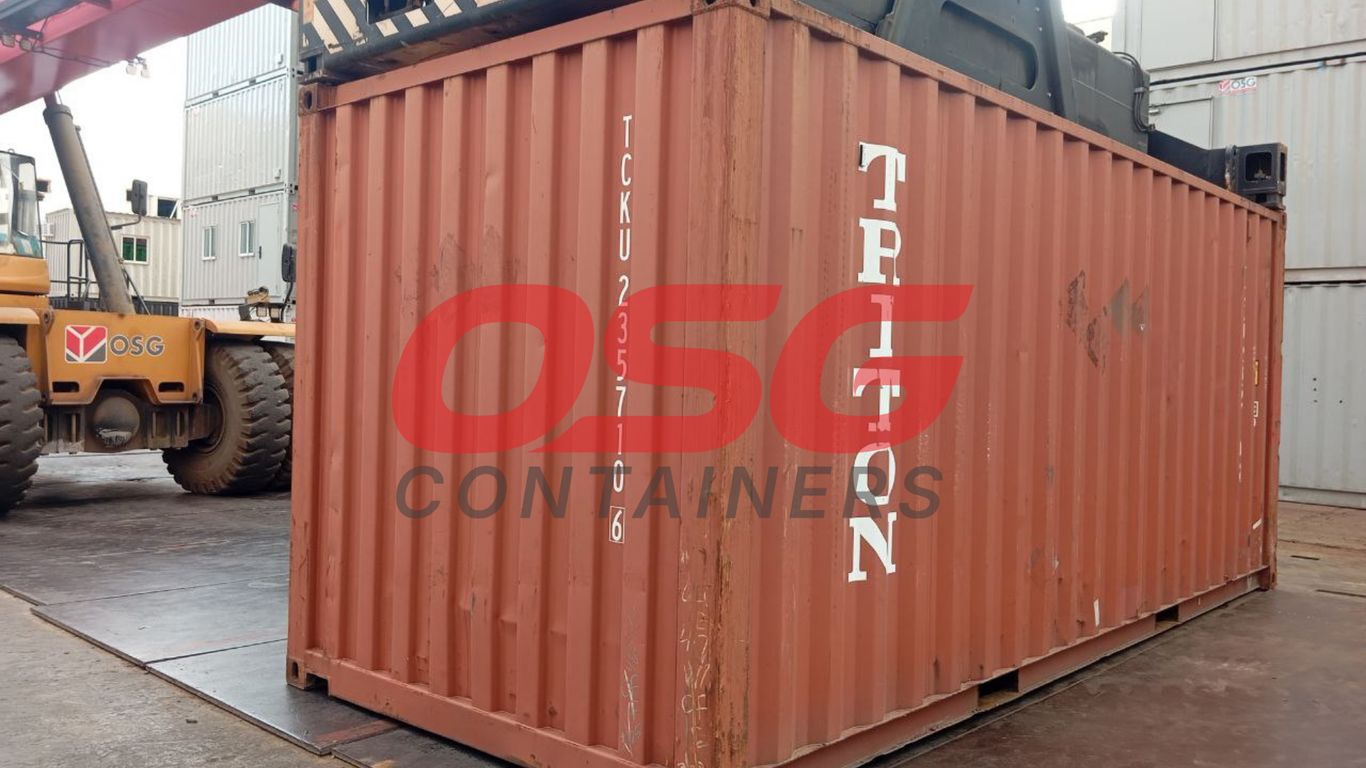
Trying to figure out if a 20ft or a 40 feet container is right for you? It’s not just about how much stuff you have, but also where you want to put it, what you plan to use it for, and how much you want to spend. Both sizes have their place, whether you’re moving, storing business inventory, or setting up a pop-up shop. Let’s break down the main differences so you can pick the best fit without any guesswork.
Key Takeaways
- A 40 feet container gives you nearly double the space of a 20ft, but it needs more room on your property and can be harder to move or deliver.
- 20ft containers are easier to fit in tight spots and cost less to buy, ship, and set up—great for homes and small businesses.
- The weight you can load in each container is similar, but the 20ft is better for heavy cargo, while the 40 feet container is better for bulky, lighter items.
- Buying new costs more than used, and a 40 feet container is only about 30% pricier than a 20ft, even though you get twice the space.
- Think about your future needs—if you expect to grow or need more storage later, a 40 feet container might save you hassle down the road.
1. Dimensions and Volume: 20ft Vs Container 40ft
So, you’re trying to figure out which container size is the better bet, the 20ft or the 40ft. It’s not just about how much stuff you have, but also where you plan to put it, what you’ll actually use it for, and, of course, how much you’re willing to spend. Both sizes have their own strengths, whether you’re moving house, storing business inventory, or even setting up a temporary shop.
The 40ft container offers nearly double the space of a 20ft, but it needs more room on your property and can be trickier to move or deliver.
Let’s get down to the nitty-gritty of what these containers actually offer in terms of space.
| Container Size | External Dimensions (L x W x H) | Internal Dimensions (L x W x H) | Approximate Volume (Cubic Feet) |
|---|---|---|---|
| 20ft | 20’ x 8’ x 8.5’ | 19’4” x 7’8.5” x 7’10” | ~1,170 |
| 40ft | 40’ x 8’ x 8.5’ | 39’5” x 7’8.5” x 7’10” | ~2,390 |
As you can see, the 40ft option really doubles the available storage volume. It’s important to note that both sizes share the same height and only have a minor difference in width. That extra volume in the 40ft comes almost entirely from its length, which is a big factor when you’re thinking about what you can fit inside and how you’ll arrange it.
Think of it this way:
- A 20ft container can typically hold the contents of a one or two-bedroom apartment, or roughly 100 medium-sized boxes along with some furniture.
- A 40ft container is more like a full four-bedroom house, or enough space for large business inventory, machinery, or enough product to fill several small vans.
Both container types have the same width and height. So, if you have items that are unusually wide or tall, the length is the main differentiator for total capacity.
If your main goal is to maximize the amount of stuff you can store, a single 40ft container actually uses less ground space compared to trying to fit everything into two separate 20ft units. You get more usable space with one longer container.
When you’re deciding, consider the space you actually have available. Does your site have a clear 40 feet of space, or is it a bit tight for maneuvering a larger unit? Planning this out beforehand will save you a lot of hassle later on.
2. Standard External and Internal Measurements
When you’re looking at shipping containers, whether it’s a 20-footer or a 40-footer, the actual size really matters. It’s not just about the length; it’s about how much space you have to work with inside and how much room the container takes up outside.
The 40ft container offers almost double the internal storage space of a 20ft container, but it also requires significantly more ground space.
Here’s a breakdown of what you can generally expect:
| Container Size | External Dimensions (Approx. L x W x H) | Internal Dimensions (Approx. L x W x H) | Volume (Cubic Feet) |
|---|---|---|---|
| 20ft Standard | 20′ x 8′ x 8.5′ | 19’4" x 7’8.5" x 7’10" | ~1,170 |
| 40ft Standard | 40′ x 8′ x 8.5′ | 39’4" x 7’8.5" x 7’10" | ~2,390 |
Keep in mind that these are standard measurements. There are also ‘High Cube’ versions, especially for the 40ft, which add about a foot of extra height. This can be a big deal if you’re storing tall items or planning modifications like shelving or mezzanines.
Don’t forget to factor in the space needed for delivery. A 20ft container needs about 60 feet of clearance for the truck to maneuver and drop it off, while a 40ft container typically requires around 100 feet due to its longer length and the truck’s turning radius. It’s more than just the container’s footprint; it’s about the whole operation of getting it into place.
3. Which Fits Your Needs: 20ft or Container 40ft?
Alright, so you’re trying to figure out which container size is the right one for you. It’s not just about how much stuff you have, but also where you plan to put it and what you’ll actually be doing with it. Both the 20ft and the 40ft containers are workhorses, but they have different strengths.
Think about it like this: a 20ft container is like a compact car. It’s easier to park, gets you where you need to go without a fuss, and it’s generally cheaper to run. It’s perfect for smaller storage needs, like the contents of a one or two-bedroom apartment, or for a small business that doesn’t have a massive inventory. If you’ve got limited space on your property or live in a tighter urban area, this is probably your best bet. Delivery and moving it around are way simpler too.
On the other hand, the 40ft container is more like a big van or a small truck. It gives you nearly double the storage space of the 20ft, which is fantastic if you’re moving a whole house, have a growing business with lots of stock, or need to store large equipment. You can fit the contents of a four-bedroom house in one of these, or a significant amount of business inventory. The trade-off? It needs more room. You’ve got to make sure you have enough clear space not just for the container itself, but also for the truck to maneuver it into place. Delivery can be trickier and might cost a bit more.
Here’s a quick rundown to help you decide:
- Space Requirements: A 20ft container needs about 160 sq ft, while a 40ft needs roughly 320 sq ft. Don’t forget to factor in space for the delivery truck!
- Storage Volume: A 20ft container holds around 1,170 cubic feet, and a 40ft container offers about 2,390 cubic feet. That’s a big difference if you’re storing a lot.
- Accessibility: If your site is tight or has limited access, the 20ft is usually the easier option to get in and out.
- Future Growth: If you’re a business and expect to expand, thinking about the 40ft now might save you the hassle of upgrading later.
When you’re choosing, it’s really about balancing your current needs with the space you have available. Don’t just pick the biggest one because you can; make sure it actually fits your site and your budget for delivery and placement. Sometimes, two 20ft containers might even be more practical than one 40ft if your site is awkward.
Ultimately, the 40ft container offers more bang for your buck in terms of sheer storage volume per dollar, but only if you have the space and the need for it. If space is tight or your storage needs are modest, the 20ft is often the more practical and cost-effective choice overall.
4. Evaluating Your Long-Term Storage Goals
When you’re thinking about getting a shipping container, it’s not just about what you need to stash away right now. You’ve really got to look ahead. What’s your plan for the next year? Five years? Will your business inventory grow? Are you expecting to need more space for hobbies or equipment down the line? Thinking about your future needs now can save you a lot of hassle and money later on.
It’s easy to just grab the smaller, cheaper option if you only have a few things to store today. But if you anticipate needing more room, upsizing from the start might be the smarter move. Trying to cram too much into a container that’s too small, or having to rent a second one because you outgrew the first, can get complicated fast.
Here’s a quick way to think about it:
- Current Needs: List out everything you absolutely need to store right now. Consider the size and shape of these items.
- Future Growth: How much do you expect your storage needs to increase? Think about inventory for a business, seasonal items, or even just accumulating more stuff over time.
- Accessibility: Even with more space, you want to be able to get to your things without a major excavation project. Leaving a little room to move around inside is always a good idea.
Don’t just focus on the total volume. Consider how you’ll actually use the space. Will you be stacking things high, or do you need easy access to items spread out on the floor? The layout and how you organize things matter just as much as the raw square footage.
| Feature | 20ft Container | 40ft Container |
|---|---|---|
| Approx. Volume | ~1,170 cubic ft | ~2,390 cubic ft |
| Floor Space Needed | 160 sq ft | 320 sq ft |
| Best For | Small storage, tight sites | Large storage, business stock |
| Max Cargo Weight | ~28,200 kg (62,170 lbs) | ~26,730 kg (58,933 lbs) |
If you’re on the fence, it’s often better to go with the larger size if you have the space and budget. It gives you breathing room and flexibility that a smaller container just can’t match when your needs evolve.
5. Advice for Growing Businesses
So, you’ve got a business that’s really taking off. That’s awesome! Now, about your storage or workspace needs – it’s time to think ahead. If you’re eyeing a 20ft container right now, but you know your inventory is going to balloon or your operations will expand, maybe it’s worth looking at a 40ft container from the get-go. Sure, it’s a bigger upfront cost, but trust me, the hassle and expense of having to move or upgrade later can really add up.
Think about it this way:
- Future-proofing your space: A 40ft container gives you double the room of a 20ft. This means more room for stock, equipment, or even setting up a small office or workshop area within the container itself.
- Avoiding costly transitions: Constantly reorganizing, needing extra storage units, or having to sell and buy a bigger container down the line? That’s time and money you could be putting back into growing your business.
- Flexibility for new ventures: As your business evolves, so might your needs. A larger container offers more flexibility to adapt, whether that’s for a new product line, a different type of operation, or just more breathing room.
The extra space in a 40ft container can save you significant headaches and costs as your business scales.
When you’re looking at containers, especially if you’re considering used ones, don’t just focus on the price tag. Think about the long game. How long do you plan to use it? Could you resell it later? What if your needs grow into something much bigger, like a dedicated workshop or a more elaborate office setup?
Choosing the right container size now is an investment in your business’s future efficiency. It’s about making a smart decision that supports your growth, rather than hinders it down the road. Don’t let a cramped space become a bottleneck for your success.
6. Making the Most Efficient Container Choice
Alright, so you’re trying to figure out which container size is the real winner for your situation. It’s not just about picking the biggest or the smallest; it’s about making smart choices that save you headaches later. Think about it like buying shoes – you wouldn’t get a size 12 if you wear a size 9, right? Same idea here.
First off, you absolutely have to measure your space. I mean, really measure it. Don’t just eyeball it. You need to know the length and width where the container will sit. But here’s the kicker: you also need to think about the delivery truck. Those big rigs need room to maneuver, especially to back the container into place. A 40ft container needs a lot more wiggle room than a 20ft. If you’ve got a tight driveway or a busy street, that 40ft might just be a non-starter.
Here’s a quick rundown of what to consider:
- Space Assessment: How much room do you actually have? Measure the spot where the container will go, and then add space for the delivery truck’s path. A 20ft usually needs about 60 feet of clear space, while a 40ft can easily need 100 feet or more, depending on the angle.
- Item Size and Quantity: What are you putting inside? If it’s just a few boxes or some tools, a 20ft might be plenty. If you’re storing furniture, equipment, or a whole business’s inventory, that 40ft starts looking pretty good.
- Future Needs: Are you planning to grow? If you think you might need more space down the line, it can sometimes be cheaper to get a 40ft now than to buy a 20ft and then have to upgrade or buy a second one later.
Don’t forget to check the ground where the container will sit. Soft or uneven ground can cause problems, especially with the weight of a loaded 40ft container. You want a solid, level spot.
When you’re looking at options, especially used ones, remember that a 40ft container often gives you more bang for your buck per cubic foot. So, if space is your main goal and you have the room, the larger size can be more economical in the long run. But if access is tricky or your needs are modest, the 20ft is often the simpler, more practical choice. The most efficient choice is the one that fits your space, your stuff, and your budget without causing a logistical nightmare.
7. Transport Restrictions and Considerations
So, you’ve picked out your container, but how’s it actually going to get to your place? This is where things can get a little tricky, and it’s not just about the size of the container itself.
Think about where it needs to go and how it will get there. A 20ft container is generally easier to handle. It can fit on smaller trucks, making it a better choice for places with tight turns, narrow roads, or if you’re in a busy urban area where getting a big rig in might be a headache. Plus, some local areas have weight limits or restrictions on larger vehicles, and a 20ft is more likely to fly under the radar.
Now, a 40ft container, while offering more space for your buck, needs more room. Delivery trucks for these are longer and heavier. You’ll need to make sure your delivery route is clear, there’s enough space for the truck to back in, and that the ground can handle the weight. Low bridges, overhanging trees, or even just a tight driveway can turn a simple delivery into a major problem.
Here are a few things to keep in mind:
- Access is Key: Before you even order, scout the location. Can a large truck actually get there? Is there enough clearance for the truck and the container itself?
- Weight Limits: Roads and bridges have weight limits. A fully loaded 40ft container, plus the truck and chassis, can get pretty heavy. You don’t want to get halfway there and find out you’re over the limit.
- Local Ordinances: Some towns or cities have specific rules about where you can place large structures like shipping containers, or even if you can have them delivered at all. It’s worth a quick call to your local planning department.
Getting the container to its final spot is a big part of the puzzle. Don’t just assume it will be easy. A little planning upfront can save you a lot of stress and unexpected costs down the line. It’s always better to be overprepared when it comes to transport logistics.
8. Storage and Use Cases for Each Container Size
So, you’ve got your eye on a shipping container, but which size is the right fit for what you need to do? It really boils down to what you’re storing and where you’re putting it.
A 20ft container is your go-to for a lot of everyday situations. Think of it as a super-sized shed or a compact storage unit. It’s perfect for:
- Storing furniture during a move or home renovation.
- Keeping tools, equipment, or lawn supplies safe and out of the way.
- Small businesses needing extra room for inventory, especially seasonal items.
- Setting up a temporary shop for a market or event.
Because they’re smaller, 20ft containers are easier to place in tighter spots, like a city lot or a narrow driveway. They’re also generally simpler to move around if you need to relocate it later.
Now, the 40ft container is where you get serious space. This is the choice for bigger jobs and businesses that need to store a lot more.
- Warehousing larger items like furniture, electronics, or textiles.
- Construction sites needing to store bulky equipment like scaffolding, mixers, or pipes.
- Businesses receiving large international shipments.
- Long-term storage for event materials, AV gear, or retail stock.
If you’re moving a whole house with 4-5 bedrooms, or if you’re a construction company with several machines to keep secure, a 40ft container makes a lot of sense. Farmers might use them for seasonal equipment or large harvest bins.
Here’s a quick look at how much fits:
| Item Type | 20ft Container | 40ft Container |
|---|---|---|
| Queen Beds | 2 | 4+ |
| Sofa Sets | 1 | 2+ |
| Medium Boxes | 100 | 200+ |
| Pallets (48”x40”) | 8–10 | 18–20 |
When deciding, always measure the space where the container will sit. A 40ft container needs about twice the footprint of a 20ft, not just for storage but also for the delivery truck to maneuver.
Ultimately, the 40ft offers more storage for your dollar if you need a lot of space, but only if you have the room to put it and get it there. For smaller needs or tight locations, the 20ft is usually the more practical pick.
9. Best Residential and Small Business Applications
When you’re figuring out storage for your home or a small business, picking between a 20ft and a 40ft container is a pretty big deal. Think of a 20ft container as roughly the size of a single-car garage. It’s usually the sweet spot for most folks needing extra space at home or for a smaller shop.
For residential use, a 20ft container is great for storing furniture when you’re moving or renovating. It can also hold seasonal items like holiday decorations or outdoor gear. If you’re a hobbyist, it makes a decent workshop space, keeping your tools and projects out of the way. For small businesses, these containers are perfect for overflow inventory, especially if you sell things that come in boxes or have seasonal stock. Think about a small boutique needing extra room for summer dresses or winter coats, or a local craft business storing supplies.
Here’s a quick look at what fits:
- Home Moves/Renovations: Store furniture, appliances, and boxes.
- Seasonal Storage: Lawn equipment, holiday decor, sports gear.
- Small Business Inventory: Stock overflow, retail displays, event materials.
- Hobby/Workshop Space: Tools, art supplies, project materials.
If you’re in a tighter spot, like a city driveway or a narrow business lot, the 20ft container’s smaller footprint is a real advantage. It’s easier to get delivered and positioned without taking up too much room. Plus, if you’re thinking about turning it into something like a small office or a pop-up shop, a 20ft is often more manageable to set up and customize.
For many residential and small business needs, the 20ft container hits the sweet spot. It offers a good amount of storage without being overwhelming in terms of space or delivery logistics. It’s often the most practical choice unless you have very specific, large-scale storage requirements.
On the other hand, if your business deals with larger items or you anticipate significant growth, a 40ft container might be the better long-term bet. It can hold roughly double the amount of goods, making it more cost-effective per cubic foot for bulk storage. This is where you’d look at storing larger furniture sets, multiple pieces of equipment, or a much bigger inventory for a growing online store.
10. Shipping and Delivery Cost Differences
So, you’ve picked out your container, but hold on – getting it to your spot is another piece of the puzzle, and it can really add to the bill. Delivery costs aren’t just a flat fee; they change based on a few things.
The further away the container needs to travel from the depot, the more you’ll likely pay for delivery. Think of it like this: a short hop across town is way cheaper than a cross-country trek.
Here’s a rough idea of what you might see:
- Local Delivery (within the same city): Usually the most budget-friendly, often falling between $300 and $500. This is for when the depot is pretty close by.
- Medium Hauls (under 200 miles): Expect to spend anywhere from $600 to $1,200. This covers a decent distance but isn’t a massive journey.
- Long Hauls (over 500 miles): This is where costs can really climb, potentially ranging from $1,000 up to $5,000 or more. It all depends on the exact mileage and the trucking company’s rates.
On top of the mileage charge, there are often separate fees for the actual drop-off and pickup. These can be around $150 each way, regardless of whether you’re getting a 20ft or a 40ft container. So, if you’re moving it twice, that’s another $300 right there.
Remember that delivery is a specialized job. It requires specific trucks, often tilt-bed trailers, that need a good amount of space to maneuver and unload. You’ll need to make sure your site has enough clearance – think about 100 feet of straight space for a 40ft container and about 60 feet for a 20ft. Plus, the path needs to be at least 12 feet wide, and you’ve got to watch out for low-hanging branches or power lines.
When you’re comparing container prices, always ask for a full quote that includes these delivery charges. Sometimes, the sticker price of the container itself doesn’t tell the whole story, and delivery can be a significant chunk of your total investment.
11. Cost-Effectiveness for Bulk Storage
When you’re looking at storing a lot of stuff, the bigger container often makes more sense financially, even if it costs more upfront. Think about it: a 40ft container gives you almost double the space of a 20ft, but it doesn’t cost double. This means the price per cubic foot is significantly lower for the 40ft. So, if you’ve got bulky items or just a ton of inventory, going with the 40ft can save you money in the long run.
Here’s a quick look at how the costs can stack up:
| Container Size | Typical Used Price Range | Typical New Price Range | Monthly Rental Range |
|---|---|---|---|
| 20ft | $1,500 – $3,500 | $3,000 – $5,000 | $99 – $150 |
| 40ft | $3,000 – $4,500 | $5,000 – $7,000 | $149 – $250 |
Delivery fees can also add up, and while they might be similar for both sizes, the sheer volume you can fit into a 40ft means fewer trips or less need for multiple smaller units, which can offset those delivery costs.
Choosing the right container size isn’t just about the initial purchase price. It’s about evaluating how much space you actually need and how that translates to cost per unit of storage over time. For bulk storage, the 40ft container usually wins out on efficiency.
So, what really tips the scales in favor of one size over the other for bulk storage?
- Volume of Goods: How much stuff do you actually have? If it’s a lot, the 40ft is your friend.
- Type of Goods: Bulky, lightweight items fill up space fast. A 40ft container handles these better without hitting weight limits too quickly.
- Long-Term vs. Short-Term: If you need storage for a while, the lower per-cubic-foot cost of a 40ft becomes a bigger advantage.
- Location and Access: Sometimes, even if a 40ft is more cost-effective, you might be limited by space or delivery access, forcing you to consider a 20ft.
12. Weight and Load Capacity Differences
When you’re looking at a 20ft versus a 40ft container, it’s not just about the space inside. How much weight these things can actually hold is a pretty big deal, and it can really change which one makes sense for your stuff.
Think of it like this: every container has two main weight numbers. First, there’s the ‘tare weight,’ which is just the weight of the empty container itself. Then there’s the ‘payload capacity,’ which is the maximum weight of the cargo you can safely put inside. It’s important to know both.
Here’s a quick look at the typical weights:
| Container Size | Tare Weight (approx.) | Max Payload Capacity (approx.) |
|---|---|---|
| 20ft | 5,100 lbs | 47,800 – 55,100 lbs |
| 40ft | 8,270 lbs | 58,900 – 61,200 lbs |
What’s interesting is that even though a 40ft container has way more room, its maximum cargo weight doesn’t quite double compared to a 20ft. This means if you’re moving really dense items, like bricks or metal parts, a fully loaded 20ft container might actually weigh more than a 40ft container filled with lighter, bulkier things.
- 20ft containers are often better for heavy, compact cargo.
- 40ft containers are more suited for bulky items that aren’t super heavy.
- You might hit the weight limit on a 20ft container before it’s completely full if you’re using lighter materials.
Going over the weight limit can cause all sorts of problems, from extra fees and delivery delays to safety issues on the road. It’s always best to check your weights carefully and give yourself a little buffer.
The total weight limit for a container, including the truck and chassis, is usually around 67,200 lbs on public roads. Exceeding this can lead to fines and transport issues. Always factor in the weight of the container itself, your cargo, and the transport vehicle.
So, while the 40ft gives you more space, the 20ft can sometimes handle a heavier load for its size, which is something to really think about depending on what you’re storing or moving.
13. Tare Weight and Payload Explained
Okay, so you’ve got these big metal boxes, right? But they’re not all just empty space. Each one has a weight of its own when it’s empty, and then there’s the maximum amount of stuff you can actually cram inside. Knowing these two numbers is pretty important, honestly.
First up, there’s the tare weight. This is basically the container’s own weight – just the steel, the wood floor, the doors, all that jazz, but with absolutely nothing inside. Think of it like the empty suitcase before you start packing.
Then you have the payload capacity. This is the real star of the show – it’s the maximum weight of cargo you can safely load into the container. It’s what you’re actually paying to transport or store.
Here’s a quick look at how they stack up:
| Container Size | Tare Weight (approx. lbs) | Payload Capacity (approx. lbs) |
|---|---|---|
| 20ft Standard | 5,000 – 5,200 | 47,800 – 62,380 |
| 40ft Standard | 8,200 – 8,300 | 58,900 – 62,600 |
It’s kind of interesting, isn’t it? Even though a 40ft container is way bigger, its maximum cargo weight doesn’t quite double compared to a 20ft. This means if you’re hauling something really dense, like a ton of bricks or metal parts, a fully loaded 20ft might actually weigh more than a 40ft carrying the same kind of goods. So, for super heavy, compact stuff, the 20ft is often the better bet. If you’ve got lighter, bulkier items, the 40ft makes more sense.
Overloading is a real pain. It can lead to extra fees, delays at the port, or even dangerous situations if it’s being transported. Always check your weights and give yourself a little wiggle room. It’s better to be safe than sorry.
So, when you’re figuring out what goes where, keep these weights in mind. It’s not just about fitting things in; it’s about doing it safely and legally.
14. Maximum Cargo Weight Considerations
Okay, so we’ve talked about how much stuff fits inside, but what about how much it weighs? This is where things can get a little tricky, and honestly, it’s super important to get right. You don’t want to be that person who overloads their container and causes a whole mess.
Think of it like this: a 20ft container might be smaller, but it can often handle a heavier load if you’re packing dense stuff. A 40ft, while way bigger, doesn’t necessarily double the weight capacity. It’s more about volume for lighter items.
Here’s a rough idea of what these things can carry:
- 20ft Container: Can typically hold around 47,800 to 55,100 lbs of cargo.
- 40ft Container: Usually handles about 58,900 to 61,200 lbs of cargo.
See? The 40ft doesn’t carry that much more weight, even though it’s twice the length. This is why if you’re hauling something super dense, like a ton of bricks or metal parts, a 20ft might actually be your better bet for staying within weight limits.
Exceeding weight limits isn’t just a minor inconvenience. It can lead to hefty fines, significant delays at ports or during transit, and even pose serious safety risks on the road. Always check the specific weight ratings for your container and factor in the weight of your cargo carefully.
And it’s not just about what the container itself can hold. You’ve also got to think about the trucks, cranes, and even the roads themselves. Different places have different rules about how much weight they allow on highways or bridges. So, while you might be able to cram more into your container, you might not be able to legally move it if it’s too heavy.
15. Modifications, Customization, and Accessories
So, you’ve got your container, whether it’s the handy 20-footer or the spacious 40-footer. Now what? Well, most people don’t just leave them as plain metal boxes. They want to make them work for them, and that’s where modifications, customization, and accessories come in. It’s like buying a basic car and then deciding you want a better stereo or some custom rims.
The real magic happens when you start tailoring the container to its specific job. Think about turning a 40ft container into a pop-up shop or a 20ft into a secure workshop. It’s not just about slapping some paint on it; it’s about making it functional and, let’s be honest, a bit more pleasant to be around.
Here are some common ways people upgrade their containers:
- Doors and Windows: Adding extra doors makes access way easier than just using the big cargo doors all the time. Windows let in natural light and help with airflow, which is a big deal if you’re planning to spend any time inside.
- Insulation and Climate Control: If you plan to use the container for anything other than just storing dry goods, like an office or a workshop, insulation is a must. It keeps things cooler in the summer and warmer in the winter. You might also need ventilation fans or even a small AC unit.
- Electrical and Lighting: Need power for tools, lights, or computers? You’ll need to get an electrician to run power into the container. This usually involves installing outlets, light fixtures, and a breaker box.
- Flooring: The standard container floor is usually made of thick plywood. For some uses, like a retail space or an office, you might want to add a more finished flooring material on top.
- Partitioning: Want to create separate rooms within your container? You can build interior walls to divide the space up for different uses, like a small office area and a storage section.
When you’re looking at accessories, think about what will make your container more secure and easier to use. For a 40ft container, which offers a lot more space, you might consider heavy-duty shelving systems to keep things organized. Good locking bars are also a smart investment for added security. And don’t forget about moisture control – dehumidifiers or extra vents can be a lifesaver, especially in humid climates.
Choosing the right modifications and accessories upfront can save you a lot of hassle and money down the line. It’s better to plan out what you need before you start cutting or welding, as some changes are easier and cheaper to make when the container is still in its original state. Plus, thinking about how you’ll access and use the container daily is key to a successful setup.
16. Popular Modifications for Office or Retail Use
So, you’ve got a shipping container and you’re thinking about turning it into something more than just a big metal box. Maybe a small office for your business, or even a little shop? It’s totally doable, and honestly, pretty popular.
The biggest thing is making it functional and comfortable. You don’t want to feel like you’re working inside a tin can, right?
Here are some common upgrades people make:
- Windows: Lets in natural light and makes the space feel less cramped. Plus, you can get some airflow going.
- Insulation and Climate Control: This is a big one, especially if you plan to use the space year-round. Nobody wants to freeze in winter or bake in summer. Think about adding some basic insulation and maybe a small AC/heater unit.
- Personnel Doors: Standard container doors are heavy and awkward for daily use. Swapping one out for a regular door makes getting in and out way easier.
- Electrical Wiring and Lighting: You’ll need power for lights, computers, or whatever else you’re running. Getting an electrician to wire it up safely is a good idea.
- Interior Walls: If you need separate areas, like a small office space and a storage nook, adding some simple partition walls can make a huge difference.
People setting up for retail often want things to look bright and inviting. That means good lighting, maybe some display shelves, and definitely a secure spot for your cash box. Some folks even add ramps for easier access or exterior signage to draw people in.
Turning a container into a usable space is all about smart planning. Think about how you’ll actually use it day-to-day. What do you need to see, reach, or do inside? Getting these details right from the start saves a lot of headaches later on.
For a 40ft container, you’ve got more room to play with. You could easily fit a decent-sized office with a reception area, or a retail space with room for inventory and displays. The extra length means you can create more distinct zones within the container without it feeling too crowded.
17. Essential Accessories for Container 40ft
So, you’ve decided a 40ft container is the way to go. Awesome! That extra space is fantastic for bulk storage, workshops, or even a bigger office setup. But just like with the 20ft version, there are some bits and bobs that can make using your 40ft container way easier and more practical. Think of these as the upgrades that really let you get the most out of that larger footprint.
Don’t underestimate the power of good shelving in a 40ft unit; it’s a game-changer for organization.
When you’re dealing with a container that’s twice as long, you’ve got more room to play with, which means you can really optimize how you store things. Here are some things that are pretty handy:
- Heavy-duty shelving systems: Forget flimsy racks. With a 40ft container, you can install multi-tier shelving that goes almost floor to ceiling. This is perfect for stacking inventory, tools, or equipment without wasting any of that precious vertical space.
- Enhanced security: While all containers need good locks, the 40ft often holds more valuable stuff. Consider heavy-duty locking bars and maybe even extra padlocks for peace of mind.
- Moisture control: These big boxes can get damp, especially if they’re sitting for a while or in humid climates. Adding more ventilation vents or even a dehumidifier can really help keep your stored items dry and prevent mold or rust.
- Corner castings: These are the little metal bits on the top corners. They’re not just for looks; they make it much easier to stack another container on top or to lift the whole thing with a crane.
When you’re setting up a 40ft container, especially for regular use like a workshop or office, think about how you’ll get in and out. Keeping the door area clear is one thing, but if you’re moving large items, you might even want to look into wider or roll-up doors. Also, if you’re planning on running electricity to it, figure that out before the container is placed – running wires later can be a real headache.
Here’s a quick look at how accessories might differ between the two sizes:
| Accessory | 20ft Container | 40ft Container |
|---|---|---|
| Shelving | Basic racks | Multi-tier racks |
| Locks | Standard bar lock | Heavy duty locks |
| Ventilation | 2 vents | 4+ vents |
| Lighting | LED strip | Multi-fixture |
| Dehumidifier | Optional | Strongly suggested |
Adding these kinds of accessories can really transform your 40ft container from just a big metal box into a truly functional space that works for you.
18. Frequently Asked Questions
So, you’re trying to figure out the whole 20ft versus 40ft container thing, and you’ve got questions. Totally understandable! It’s a big decision, and there’s a lot to consider.
How long do these things actually last?
Well, when they’re out at sea, doing their job, they usually last about 10 to 15 years. But once they’re retired and used for storage on land, they can stick around for a really long time – think 20 to 25 years, maybe even more, if you take decent care of them. Treating any rust spots and making sure the door seals are good goes a long way.
Here’s a quick rundown on some common questions:
- Do I need a permit to put a container on my property?
This is a big one, and the answer is: it depends. Rules change a lot from one town or county to another. You really need to check with your local authorities before you even think about buying or placing a container. It’s a critical step to avoid headaches later. - Is it better to buy or rent?
If you only need it for a short time, like less than three years, or you like having a monthly expense instead of a big upfront cost, renting makes sense. But if you plan to keep it for a while, especially if you want to change it up with windows or electricity, buying is usually the way to go after about three years. Plus, if you own it, you can move it or sell it later. - What about weight limits?
Yep, both sizes have weight limits. It’s not just about how much space you have, but how much weight you can safely put in. A 20ft container is often better for really heavy stuff because it can handle a good amount of weight for its size. A 40ft container has more space, but it’s better suited for lighter, bulkier items. You don’t want to overload it – that can lead to extra fees, delays, or even accidents.
Here’s a little table to show the difference in weight:
| Container Size | Tare Weight (Empty) | Max Cargo Weight (Payload) |
|---|---|---|
| 20ft | ~5,100 lbs | ~47,800 – 55,100 lbs |
| 40ft | ~8,270 lbs | ~58,900 – 61,200 lbs |
It’s interesting, right? A 40ft doesn’t hold double the weight of a 20ft, even though it’s twice as long. This is why dense items often go in 20ft containers.
When you’re picking a container, don’t just think about what fits today. Consider if you’ll need more space down the road or if you plan to use it for something specific like an office. Making the right choice now saves you trouble later.
Choosing the right container really comes down to your specific situation. Think about what you need to store, how much space you have, and what your budget looks like. It’s not a one-size-fits-all deal, but hopefully, this clears things up a bit!
19. How Do I Choose Between a 20ft and 40ft Container?
So, you’re trying to figure out if a 20 ft container or a container 40 feet is the way to go. It’s a common question, and honestly, it’s not just about how much stuff you have. You’ve got to think about where it’s going to sit, what you’ll actually be doing with it, and, of course, your budget. Both sizes are solid choices, but they really shine in different situations.
Here’s a quick rundown to help you decide:
- Volume: A container 40 feet gives you almost double the storage space of a 20 ft. Think of it like this: a 20 ft can handle a one or two-bedroom apartment’s worth of stuff, while a 40 ft can take on a whole house or a significant amount of business inventory.
- Space Requirements: A 20 ft container is much easier to place, especially if you’ve got a tighter spot. A container 40 feet needs more room, not just for storage but also for the delivery truck to maneuver. Make sure you’ve got the space cleared before it arrives!
- Weight Capacity: While a 40 ft container holds more volume, a 20 ft container often has a slightly higher maximum cargo weight. This means if you’re storing really heavy items, the 20 ft might be better suited, even if it means you can’t fit as much overall.
- Cost: Generally, a container 40 feet will cost more than a 20 ft, but the price per cubic foot is usually lower. So, if you need a lot of space, the 40 ft can be more economical in the long run.
When you’re making your choice, it’s always a good idea to think about your needs not just for today, but for the next few years too. If you think your storage needs might grow, it might be smarter to go with the larger container now to avoid having to upgrade later.
| Container Size | Approx. Volume (Cubic Feet) | Typical Use Case |
|---|---|---|
| 20 ft | ~1,170 | Small storage, tight sites, quick moves |
| 40 ft | ~2,390 | Large storage, full house moves, business stock |
20. Are There Weight Limits for 20ft and 40ft Containers?
So, you’ve got your eye on a shipping container, maybe a 20ft or a 40ft. Before you start loading it up like a game of Tetris, it’s super important to know about weight limits. These aren’t just suggestions; they’re there for safety and to keep things legal.
Both the 20ft and 40ft containers have a maximum gross weight, which is the total weight of the container itself plus whatever you put inside. This limit isn’t just about what the container can hold, but also what the trucks, trains, and even the ground can handle.
Here’s a quick look at the numbers:
| Container Size | Tare Weight (Empty) | Max Payload (Cargo Weight) | Max Gross Weight (Container + Cargo) |
|---|---|---|---|
| 20ft | Approx. 5,100 lbs | Up to 47,800 lbs | Around 67,200 lbs (with truck/chassis) |
| 40ft | Approx. 8,270 lbs | Up to 58,900 lbs | Around 67,200 lbs (with truck/chassis) |
It’s kind of interesting, right? Even though the 40ft is way bigger, its maximum cargo weight isn’t double that of the 20ft. This means if you’re hauling really dense stuff, like metal or bricks, a loaded 20ft can actually be heavier than a 40ft carrying lighter, bulkier items. So, the 20ft is often the better choice for heavy cargo, while the 40ft is better for things that take up a lot of space but don’t weigh a ton.
Going over these limits can cause a whole bunch of problems:
- Extra Fees: Ports and transport companies often charge more for overweight containers.
- Delays: You might get held up at weigh stations or during inspections.
- Safety Hazards: Overloaded containers can be unstable, leading to accidents during transport or unloading.
- Equipment Issues: Cranes and forklifts have their own weight limits, and exceeding them is dangerous.
Always remember that the weight limits aren’t just for the container itself. You also have to consider the weight restrictions for the roads you’ll be using, the capacity of the lifting equipment, and even how many containers can be safely stacked on a ship or at a depot. It’s a whole system, and every part has its limits.
So, when you’re planning what to put in your container, think about the weight. It’s not just about fitting everything in; it’s about making sure it can get from point A to point B safely and without costing you a fortune in unexpected fees.
21. Is It Cheaper to Buy or Rent a 20ft or 40ft Container?
When you’re looking at getting a shipping container, one of the first big questions is whether to buy one outright or go the route of container renting. It really depends on how long you need it and what your budget looks like.
Buying a container means a bigger upfront cost, but if you plan to use it for a long time, it can save you money over the years. You own it, so you can modify it, sell it later, or just keep it for as long as you need. On the flip side, renting is great if you only need temporary storage or want to try out a container without a huge commitment. Monthly rental fees are usually lower than the purchase price, but they add up over time. For short-term needs, renting is almost always the more budget-friendly option.
Here’s a general idea of what you might expect:
- 20ft Container Rental: Typically ranges from $99 to $150 per month.
- 40ft Container Rental: Usually falls between $149 to $250 per month.
Keep in mind these are just estimates. Prices can change based on your location, the condition of the container (new vs. used), and the rental company. Delivery and pickup fees are also separate costs you’ll need to factor in, and these can add a significant amount to your total expense, especially for longer distances.
When deciding between buying and renting, think about your timeline. If you need storage for less than a year or two, renting is probably the way to go. If you see yourself needing the container for five years or more, buying might make more financial sense in the long run.
22. Can I Put a Shipping Container Anywhere?
So, you’ve got your eye on a shipping container, maybe a 20ft for some extra storage or a 40ft for a bigger project. It’s easy to think you can just plop it down wherever you want, but hold on a second. Putting a shipping container somewhere isn’t as simple as finding an empty spot.
First off, think about delivery. These things are big, and the trucks that move them need space to maneuver. A tight driveway or a street with lots of parked cars can make delivery a real headache, especially for the longer 40ft containers. You’ll need to make sure there’s a clear path for the truck and the crane or forklift that’s going to place it.
Then there are the rules. Depending on where you live, there might be local zoning laws or even homeowner association rules that dictate where you can put a container, how long it can stay, and what you can do with it. Some places are pretty relaxed, treating them like temporary sheds, while others might require permits, especially if you’re planning to use it as an office or living space. It’s always a good idea to check with your local planning department before you buy.
Here are a few things to keep in mind:
- Local Regulations: Check your city or county’s zoning laws. They might have specific rules about container placement.
- Site Accessibility: Ensure there’s enough room for delivery trucks and the equipment needed to place the container.
- Intended Use: Using a container for simple storage might have fewer restrictions than converting it into a dwelling or business.
- HOA Rules: If you live in a neighborhood with a Homeowners Association, review their guidelines.
Before you even start looking at containers, do your homework on local ordinances. A little bit of research upfront can save you a lot of trouble, like fines or having to move your container later on.
23. What Can I Use a 20ft or 40ft Container For?
So, you’ve got these big metal boxes, right? A 20ft container and a 40ft container. What can you actually do with them? Turns out, quite a lot. They’re not just for shipping stuff across the ocean.
For starters, think about storage. Need to stash furniture while you’re renovating your place? Or maybe you’ve got a small business and your inventory is starting to spill out of the back room? A 20 footer container is a solid choice for this. It’s roughly the size of a one-car garage, so it can handle a good amount of household goods or business stock. People use them for storing tools and equipment on construction sites too, or even for seasonal items like holiday decorations or garden furniture.
If you’re looking at bigger jobs, like moving a whole house with four or five bedrooms, or if your business deals with larger items or expects a lot of incoming shipments, the 40ft container really shines. It’s like having two 20ft containers worth of space, which is handy for things like construction materials, big machinery, or large amounts of retail inventory. Think of it as a mobile warehouse.
Here’s a quick look at what fits:
- 20ft Container:
- Around 8-10 standard pallets
- Enough space for a small apartment’s worth of furniture
- Good for pop-up shops or market stalls
- 40ft Container:
- Around 18-20 standard pallets
- Can hold furniture for a larger home (4-5 bedrooms)
- Ideal for storing construction equipment or bulk business inventory
Beyond just storage, these containers are super adaptable. You can turn them into offices, workshops, or even retail spaces. Add some insulation, windows, and doors, and you’ve got a functional workspace. For a small business, a 20ft container could become a cool little coffee stand or a boutique shop. A 40ft container offers more room to spread out, maybe for a larger workshop or a more elaborate retail setup.
Remember, while these containers are tough, you still need to think about where you’re putting them. A 40ft container needs a lot more space for delivery and placement than a 20 footer container. Always check your site and local rules before you get one delivered.
So, whether you need a compact spot for your extra stuff or a big space for your growing business, there’s a container size that can work for you.
24. Can I Make Changes to My Container, Like Add Doors or Windows?
You bet! Shipping containers aren’t just for hauling stuff. They’re basically big, sturdy metal boxes that can be modified for all sorts of uses. Think of them as a blank canvas.
Most modifications are totally doable, whether you have a 20ft or a 40ft container. People add windows for natural light, extra doors for easier access, insulation to make them comfortable year-round, and even interior walls to create separate rooms. It really opens up the possibilities for turning a container into an office, a workshop, a small shop, or even extra living space.
Here are some common changes people make:
- Adding Doors: Beyond the standard cargo doors, you can install regular personnel doors, sliding doors, or even roll-up doors depending on your needs.
- Installing Windows: Windows bring in light and help with ventilation. You can choose from simple single-pane windows to more secure, double-glazed options.
- Insulation: This is a big one for comfort. Spray foam, rigid foam boards, or even fiberglass batts can be added to regulate temperature.
- Electrical and Plumbing: Yes, you can run electricity and water into a container. This is key for making them functional living or working spaces.
- Interior Walls: Drywall or other materials can be used to partition the space, creating distinct areas for different purposes.
When you’re thinking about changes, it’s good to consider the container’s structure. You don’t want to cut into critical support beams, for example. Also, think about how these changes might affect the container’s weight and its ability to be stacked.
Planning your modifications ahead of time is super important. It helps you figure out exactly what you need and how to get it done without causing structural problems. A little planning goes a long way in making sure your modified container is safe and functional for whatever you have in mind.
25. Conclusion and More
So, we’ve gone over a lot about 20ft and 40ft containers, right? It really boils down to what you need right now and what you think you might need down the road. If you’re just trying to store a few things, maybe for a home renovation or a small business that doesn’t have a ton of inventory, the 20ft container is usually the way to go. It’s easier to get delivered, takes up less space, and honestly, it’s often cheaper to move around. It’s a solid choice for a lot of common situations.
But if you’ve got bigger plans – like moving a whole house, setting up a workshop, or running a business that needs more room for stock – that 40ft container starts looking pretty good. You get a lot more space for not a huge jump in price, which can be a real money-saver if you’re shipping things regularly or need a lot of storage. Just remember, it’s a bigger beast to handle, so make sure you’ve got the space for delivery and that it can actually get where you want it.
Here’s a quick look at what fits where:
- 20ft Container: Great for storing furniture from a few rooms, tools and equipment, or small business inventory. Also good for pop-up shops or farmer’s markets.
- 40ft Container: Ideal for whole-house moves (think 4-5 bedrooms), construction site equipment, large commercial goods, or event materials.
Ultimately, the best container for you depends on your specific situation, budget, and available space. Don’t just pick the cheapest or the biggest without thinking it through. Consider how you’ll use it, how much it needs to hold, and any potential delivery challenges.
When you’re looking to buy, don’t forget to check out local sellers. They can often make delivery easier and cheaper, and you might be able to see the container in person before you buy. Always get everything in writing, too – no verbal agreements! It just makes the whole process smoother and helps you avoid surprises later on.
Think about the long game. Will your needs change? Could you resell it later? Making a smart choice now means fewer headaches later.
Wrapping It Up: Which Container Wins?
So, after all that, picking between a 20ft and a 40ft container really boils down to your specific situation. If you’re tight on space or just need a spot for a smaller load, the 20ft is usually the easier and cheaper route to go. It’s a solid choice for most homes, small businesses, or anyone who doesn’t need a massive amount of storage. But, if you’ve got a lot of stuff, or you’re running a larger operation, that 40ft container offers a whole lot more room without costing a fortune more. Just keep in mind it needs more real estate and can be a bit more of a hassle to get delivered. Really think about what you’re storing, what you can afford, and how much space you actually have before you make the final call. There’s no single right answer for everyone, but hopefully, this helps clear things up a bit.
Frequently Asked Questions
How do I pick between a 20ft and a 40ft container?
Think about what you need to store or move. If you have a small space or only a few things, a 20ft container is easier to fit and move. For bigger jobs, like moving a whole house or lots of business supplies, a 40ft container gives you double the room.
Are there weight limits for 20ft and 40ft containers?
Yes, both containers have weight limits. A 20ft container can carry more weight for its size, making it good for heavy items. A 40ft container holds more stuff, but because it’s bigger and heavier, it’s better for lighter, bulky things.
Is it cheaper to buy or rent a 20ft or 40ft container?
Generally, a 20ft container costs less to buy or rent than a 40ft one. However, if you need a lot of space, a 40ft container offers more room for your money. It’s always a good idea to compare prices for both new and used containers, as used ones are typically more affordable.
Can I put a shipping container anywhere on my property?
Not always. You need enough space for the container to be delivered and placed. Some areas also have rules about where you can put containers. In cities, a 20ft container is usually easier to fit. A 40ft container needs more room, especially for the delivery truck.
What can I use a 20ft or 40ft container for?
Both sizes are great for storing things, moving, or even turning into offices or shops. A 20ft container is perfect for storing items at home or for small businesses. A 40ft container is better for large moves, storing a lot of goods, or creating a bigger workspace.
Can I make changes to my container, like adding doors or windows?
Yes! You can add shelves, windows, doors, or even build a small office or store inside. Both 20ft and 40ft containers can be changed to fit your needs. Just remember to plan for any extra space or weight if you add a lot of features.