Singapore
 Australia
 Indonesia
 Japan
Japan Malaysia
 New Zealand
 Philippines
 South Korea
 Taiwan
 Thailand
 VIETNAM
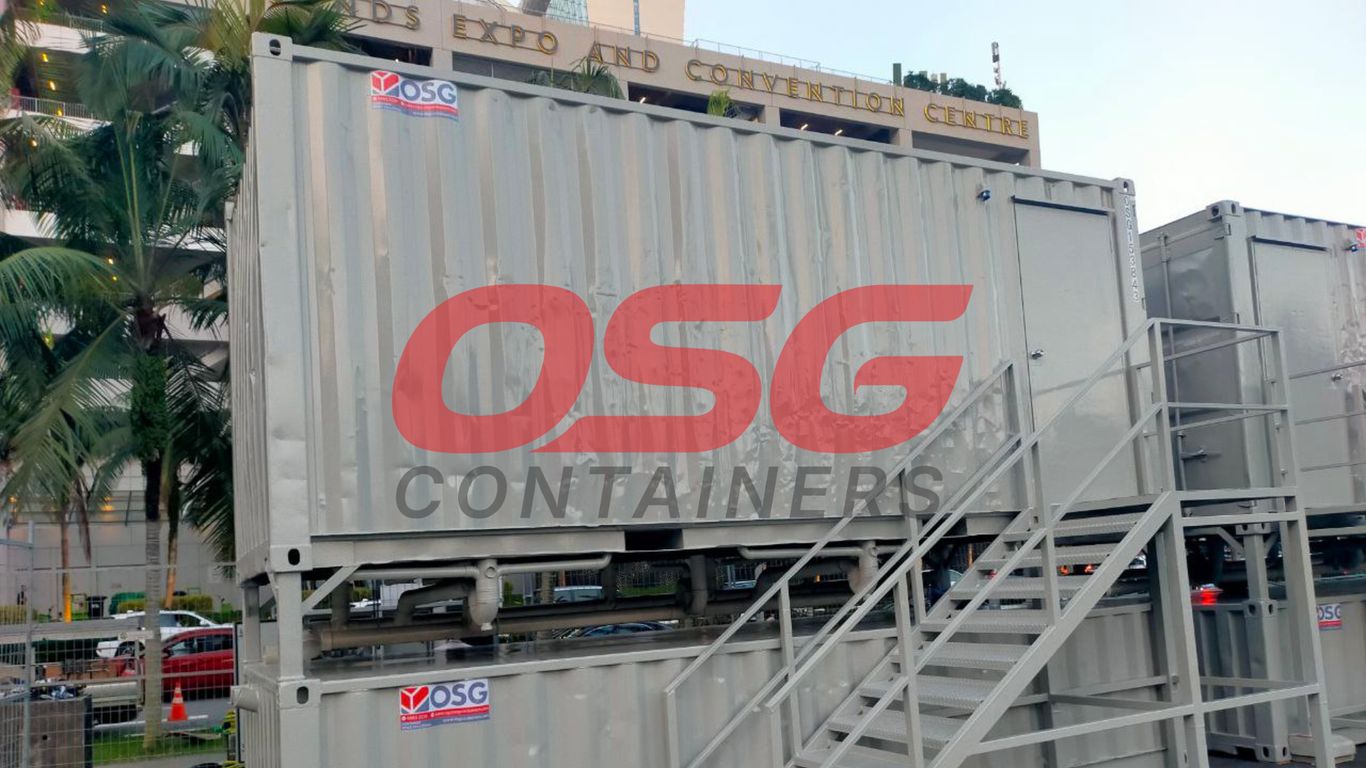
So, you’re thinking about building something cool with shipping containers, huh? It’s a pretty neat idea, and honestly, it’s becoming more popular for a reason. These big metal boxes, especially the 20ft container size, are tough and can be turned into all sorts of things, from tiny homes to offices. We’re going to break down some of the key bits that make these containers such handy building blocks.
Key Takeaways
- The 20ft container is a versatile modular building block, offering a sturdy steel frame.
- Corten steel construction provides durability and resistance to weather.
- Cargo doors on a 20ft container are designed for easy loading and unloading.
- Reinforced frames add structural integrity for building applications.
- Various insulation and finishing options like spray foam, rock wool, drywall, and vinyl flooring allow for customization.
1. Corten Steel
When you first see a shipping container, you might notice its distinctive reddish-brown hue. That’s usually Corten steel, also known as weathering steel. It’s designed to form a stable, rust-like appearance over time, which actually protects the underlying metal from further corrosion. This makes it a pretty tough material, perfect for something that’s going to be shipped all over the world and then potentially used as a building.
Corten steel is a bit of a marvel. It’s an alloy that contains small amounts of copper, nickel, and chromium. When exposed to the elements, it develops a protective layer of rust, called a patina. This layer isn’t like the flaky rust you see on an old car; it’s more like a tight, textured coating that seals the metal.
Here’s a quick look at why it’s a good choice:
- Durability: It holds up well against weather and general wear and tear.
- Low Maintenance: Once that protective layer forms, you don’t have to do much.
- Aesthetic: That rustic look is pretty popular for a modern, industrial vibe.
- Longevity: Properly maintained, structures made from it can last for decades.
While it’s called ‘weathering steel,’ it’s not completely immune to rust, especially in constantly wet conditions or if the protective layer gets damaged. Regular checks and touch-ups can keep it looking good and performing well for a long time.
2. Shipping Container
Shipping containers are these big metal boxes, right? They’re designed to haul stuff all over the world on ships, trains, and trucks. Because they’re built tough to survive the journey, they make a pretty solid base for building things. Think of them as pre-made, super-strong modules.
What’s cool is that they come in standard sizes, which makes planning a lot easier. Architects and builders can just grab these standard units and start putting them together, kind of like a giant, industrial LEGO set. This standardization really speeds up the whole design and construction process.
Plus, using old shipping containers is a good way to be more environmentally friendly. Instead of making new building materials, you’re giving these containers a second life. It cuts down on waste, which is always a good thing.
These containers are built from steel, which means they’re really strong and can handle all sorts of weather. They’re also resistant to things like pests and fire, so whatever you build is going to last.
They’re not just for warehouses or storage anymore. People are using them for all sorts of projects, including container offices, homes, and even shops. They’re pretty versatile.
- Built for Travel: Designed to withstand harsh conditions during transport.
- Modular Design: Standard sizes make them easy to combine and stack.
- Durable Material: Strong steel construction offers longevity.
- Sustainable Option: Repurposing old containers reduces waste.
3. 20ft Container
The 20 foot container is a staple in the modular building world, known for its straightforward size and durability. This container is frequently chosen for site office conversions thanks to its practical footprint and robust steel construction. With outside measurements typically at 20ft (L) x 8ft (W) x 8ft 6in (H), it brings just the right amount of interior space without being overly bulky or hard to deliver.
Here’s a quick look at the key specs for a standard 20 foot container:
| Feature | Details |
|---|---|
| Exterior Dimensions | 20ft x 8ft x 8ft 6in |
| Interior Length | ~19ft 4in |
| Material | Corten Steel |
| Doors | Double cargo, end opening |
| Weight (empty) | ~4,850 lbs |
Common uses for a 20ft container include:
- Temporary or permanent site office setups
- Modular storage or workshop space
- Raw building block for custom homes, pop-up shops, or art studios
If you need a quick, movable building that holds up against wind and rain, a 20 foot container checks all the boxes for simplicity and flexibility.
Most folks go with the 20ft container because you can set it up quickly and move it again if plans change. There’s no need for a complicated foundation, and with just a few modifications—like basic insulation, flooring, and lighting—you’re well on your way to a simple site office or extra workspace.
4. Cargo Doors
Cargo doors on a 20ft container might not sound like a big deal at first, but they really make a difference in how you use the whole box. Cargo doors are designed to swing open fully, turning one entire end of the container into a giant access point. This feature means you can load big or heavy items without any trouble, and unloading is just as simple. You don’t have to worry about narrow doors or tight spaces.
Here are a few practical things you should know about cargo doors on 20ft containers:
- They usually come with a locking mechanism that keeps everything inside secure.
- Weather seals line the edges to block rain and wind—great for keeping your storage dry.
- You’ll find handles and locking rods, which make it easy to open and close, even if the doors are heavy.
- Some containers offer extra padlock boxes for more security.
- Regular maintenance is important, especially greasing hinges and checking the seals to stop any leaks or rust.
| Feature | Description |
|---|---|
| Standard Door Opening | About 7’ 8” wide x 7’ 5” high |
| Number of Hinges | Usually 4 per door |
| Locking Mechanism | 2-4 vertical locking rods |
| Seal Material | Rubber gasket |
If you’re repurposing a 20ft container as a modular room or even a tiny office, don’t underestimate the role those big cargo doors can play—they’re perfect for moving furniture or even just letting in some fresh air if you choose to keep them functional.
5. Reinforced Frame
The reinforced frame is really the backbone of any 20ft container build. It’s what takes the weight, handles the twists, and keeps the whole unit standing strong—no matter how you use it. These containers were originally designed to stack up to nine high on the deck of a ship while loaded with tons of cargo, so the corner posts, crossbeams, and perimeter rails are not just for show.
A typical 20ft container frame is made of heavy-duty steel, and is over-engineered for almost any building project you throw at it. Here are some real-world benefits of this beefy construction:
- Supports loads from multiple stories or rooftop decks without buckling.
- Handles openings for doors and windows if you reinforce the areas you cut (welded steel tubes are often used for this).
- Stands up to daily use, transport, and even some pretty harsh weather.
If you’re planning to modify your container, like taking out sections of wall or joining several boxes together, you’ll want to pay close attention to the frame – it’s the difference between a sturdy structure and a wobbly one. Here’s a quick look at the frame’s key parts:
| Element | Material | Function |
|---|---|---|
| Corner Posts | Steel | Bearing all vertical loads |
| Top/Bottom Rails | Steel | Distributes weight, adds rigidity |
| Crossmembers | Steel | Support floor and internal load |
Remember, every cut or change you make should be matched with new support in the frame, otherwise, things can get dicey fast. Keep the core strength, and your container will last for decades.
6. Spray Foam Insulation
Okay, so you’ve got your container, maybe you’ve cut out some openings for windows and doors, and you’re thinking about how to make it livable. Insulation is a big deal, especially with these metal boxes. They get hot, like, really hot, in the summer, and freezing cold in the winter. Spray foam insulation is a popular choice for a reason.
It’s a fantastic way to seal up your container and keep the temperature inside much more stable. It expands to fill every nook and cranny, which is super helpful given the corrugated walls. This means you don’t have to worry as much about those tiny gaps where air could sneak in or out. Plus, it adds a good bit of structural support, which is always a bonus when you’re working with a repurposed shipping container.
There are two main types of spray foam:
- Closed-cell: This stuff is dense and has a higher R-value per inch. It also acts as a vapor barrier, which is pretty important to stop condensation from forming on the inside of the steel walls. You know, that annoying moisture that can lead to rust or mold.
- Open-cell: This is lighter and less dense. It’s a good sound dampener, but it doesn’t offer the same level of moisture protection as closed-cell foam. You’d likely need a separate vapor barrier with this type.
Applying spray foam isn’t really a DIY job for most people. It involves special equipment and safety gear because the chemicals can be pretty harsh. You’ll probably want to hire a professional for this part. They can get it done quickly and correctly, making sure you get the best insulation performance.
When you’re insulating a container, think about the whole picture. Spray foam is great for the walls and ceiling, but don’t forget about the floor. Moisture can come up from the ground, so a good vapor barrier underneath your flooring is just as important as insulating the walls.
7. Rock Wool Insulation
When you’re thinking about insulating a shipping container, rock wool is a solid choice. It’s made from molten rock or slag, which gets spun into fibers. This stuff is pretty good at keeping heat in during the winter and out during the summer. Plus, it doesn’t really burn, which is a nice safety bonus.
One of the main reasons people go for rock wool is its soundproofing ability. If your container is going to be near a busy road or you just want a quieter space, rock wool really helps dampen noise. It’s also resistant to mold and mildew, which is important because condensation can be a problem in metal containers.
Here’s a quick look at why it’s a good option:
- Fire Resistance: It has a very high melting point, making it a safer material.
- Sound Dampening: Significantly reduces noise transfer.
- Moisture Resistance: Doesn’t absorb water easily and resists mold growth.
- Thermal Performance: Offers good insulation value, though often slightly less per inch than spray foam.
You’ll typically install rock wool between studs or framing inside the container. It comes in batts or boards, and you need to make sure you fill all the gaps to avoid thermal bridging, where heat can sneak through uninsulated spots. It’s a bit more work than spray foam, which just expands to fill everything, but it’s a more DIY-friendly option for some folks.
While spray foam might give you a higher R-value per inch and act as a vapor barrier all in one go, rock wool is a great alternative, especially if you’re concerned about fire safety or noise. You’ll just want to be extra careful about sealing up any little cracks to get the best performance out of it.
8. Drywall
After all the wiring, plumbing, and insulation are in place, it’s time to think about the interior walls. Drywall is a common choice for finishing the inside of a shipping container conversion. It gives you that familiar, smooth wall surface you’d expect in a regular house.
It’s a pretty standard material for interior finishing, and for good reason. It’s relatively inexpensive, easy to work with, and provides a good base for paint or wallpaper. When you’re installing it inside a container, you’ll typically attach it to metal or wood studs that have been framed out inside the container’s steel shell. This creates a cavity for insulation and hides all the utility lines.
Here’s a quick look at why drywall is a go-to:
- Cost-Effective: Compared to some other finishing materials, drywall is budget-friendly.
- Smooth Finish: It creates a clean, flat surface that’s easy to paint or cover.
- Fire Resistance: Gypsum drywall offers a decent level of fire resistance, which is a plus.
- Easy Installation: While it takes some effort, it’s a familiar process for most builders.
You’ll want to make sure the drywall is properly sealed and finished, especially around any seams or corners. This helps prevent cracks and gives the wall a solid feel. It’s also important to consider moisture resistance in areas like kitchens or bathrooms, where special types of drywall might be needed.
Sometimes, people opt for other finishes like wood paneling or even leaving the corrugated steel exposed for an industrial vibe. But if you’re aiming for a more conventional interior look, drywall is usually the way to go.
9. Vinyl Flooring
When it comes to finishing the floors in your container build, vinyl is a really solid choice. It’s tough, looks good, and is pretty forgiving if you’re doing the work yourself. The original marine-grade plywood floor that comes with most containers is surprisingly durable, so you often don’t even need a subfloor. This can save you a good chunk of time and money right off the bat.
Vinyl comes in a few forms, like planks (LVP) or sheets. LVP is super popular because it clicks together easily, making installation much simpler, especially for DIYers. It’s also great because you can get it in tons of styles – think wood grain, stone looks, or even abstract patterns. Plus, it holds up well against spills and foot traffic, which is a big plus in any home, let alone one made from a shipping container.
Here’s a quick rundown of why vinyl works well:
- Durability: Resists scratches, dents, and moisture.
- Ease of Installation: Click-lock systems for planks make it straightforward.
- Variety: Huge range of colors, patterns, and textures.
- Cost-Effective: Generally more affordable than hardwood or tile.
- Low Maintenance: Easy to clean with just a mop or broom.
You can install vinyl flooring directly over the container’s original plywood floor, provided it’s in good condition. This saves on materials and labor, making the most of the container’s existing structure. Just make sure the surface is clean and level before you start laying down your new vinyl.
If you’re looking for something that’s practical, looks decent, and won’t break the bank, vinyl flooring is definitely worth considering for your container project.
10. LED Lighting
When you’re setting up a container as a living space or workspace, good lighting is a must. That’s where LED lights come in. They’re super efficient, meaning they don’t use a ton of electricity, which is great for keeping your power bill down. Plus, they last a really long time, so you won’t be up on a ladder changing bulbs all the time.
LEDs offer a bright, clean light that can make a small space feel more open and inviting. They come in all sorts of colors and brightness levels, so you can really tailor the mood of your container. Whether you need bright task lighting for a workshop or a softer glow for a cozy reading nook, LEDs can do it.
Here’s a quick look at why LEDs are a smart choice:
- Energy Savings: Use significantly less power than older lighting types.
- Longevity: Last for tens of thousands of hours, reducing replacement hassle.
- Versatility: Available in various color temperatures (warm to cool) and styles.
- Durability: More resistant to shock and vibration than traditional bulbs.
Integrating LED lighting is usually pretty straightforward during the conversion process. It typically involves running wires from a breaker panel to the fixture locations, often using low-voltage systems for added safety and efficiency. This makes them a practical and cost-effective lighting solution for any container build.
The electrical system in a converted container needs careful planning. It’s not just about screwing in a light bulb; it involves proper wiring, grounding, and circuit protection to meet safety standards. LEDs simplify this by being low-heat and low-draw, making the overall electrical load more manageable.
Wrapping It Up
So, there you have it. Shipping containers are more than just boxes for stuff. They’re tough, they’re adaptable, and honestly, they’re pretty cool. Whether you’re thinking about a small backyard office or a bigger project, these containers offer a solid way to build. They save time, can save money, and are a good choice for the planet too. It’s not the old way of building, but it’s a smart way forward. Give it some thought – you might be surprised at what you can create.
Frequently Asked Questions
What exactly is a 20ft shipping container?
A 20ft shipping container is a strong metal box, typically made of tough Corten steel, designed to move goods around the world. It’s about 20 feet long and serves as a sturdy, ready-made module that can be used for many things, including building homes or other structures.
Why are shipping containers good for building?
Shipping containers are great for building because they are already strong, weather-resistant, and come in standard sizes, making them like pre-made building blocks. This speeds up construction, can save money, and is a more eco-friendly choice since you’re reusing something that already exists.
What is Corten steel and why is it used?
Corten steel, also known as weathering steel, is a special type of metal used for shipping containers. It’s designed to form a protective rust-like layer on the outside when exposed to the weather. This layer prevents further rusting and makes the container very durable and resistant to damage from rain and salt, which is perfect for shipping and building.
How are the cargo doors on a shipping container useful for building?
The large, sturdy cargo doors on a shipping container are designed for easy loading and unloading of goods. When used for building, they can be kept as functional doors for access, or they can be removed and the opening can be used for large windows, sliding doors, or to connect with other container modules, offering flexibility in design.
What kind of insulation is typically used in container homes?
Common insulation types for container homes include spray foam, which is sprayed on and expands to fill gaps, and rock wool, which is made from volcanic rock and is fire-resistant. These help keep the inside temperature comfortable by preventing heat from escaping in the winter and getting in during the summer.
Can you really build a whole house out of just one 20ft container?
Yes, you can! A single 20ft container can be turned into a small, functional living space like a studio apartment, an office, or a guest house. For larger homes, multiple containers can be combined and modified to create more rooms and space.