Singapore
 Australia
 Indonesia
 Japan
Japan Malaysia
 New Zealand
 Philippines
 South Korea
 Taiwan
 Thailand
 VIETNAM
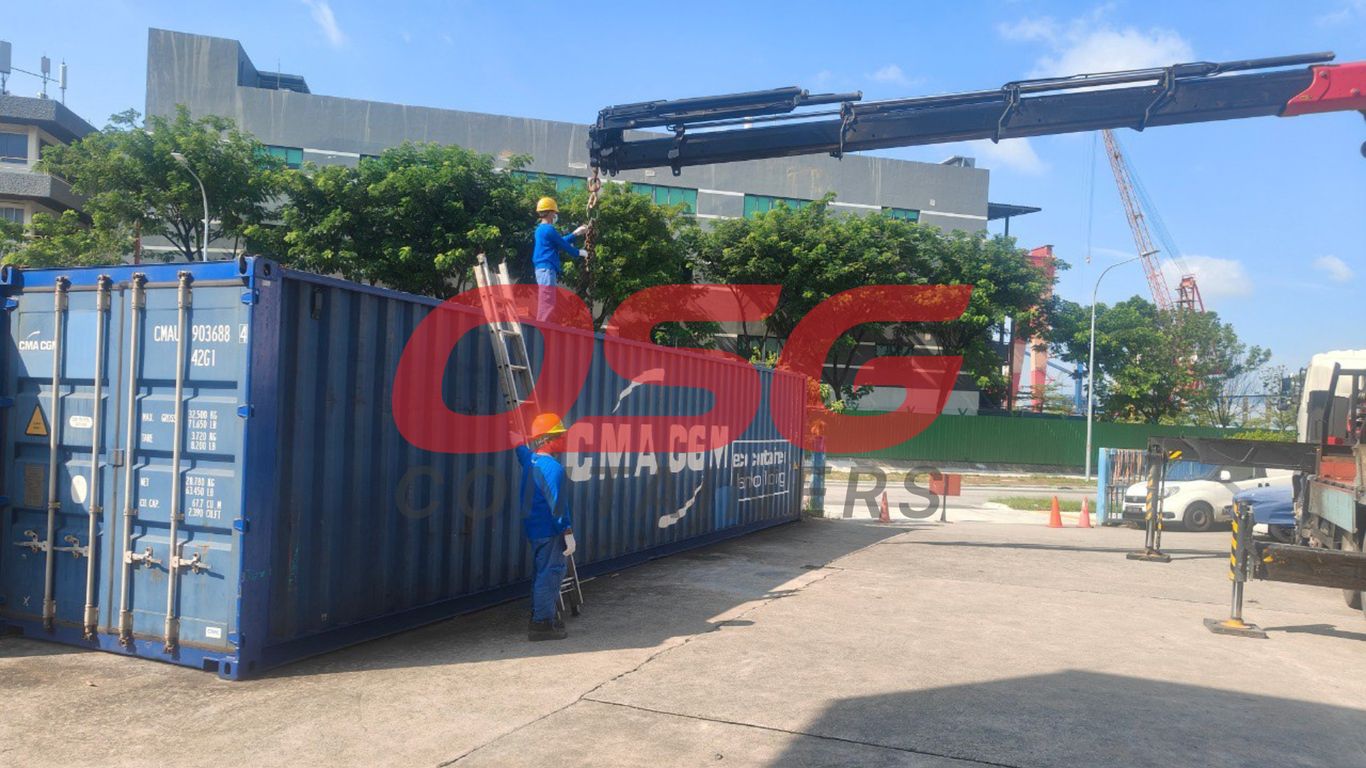
Getting your goods from point A to point B across the globe can seem like a puzzle. Especially when you’re dealing with a 20 footer container, making sure everything fits and arrives in one piece is a big deal. This guide breaks down some smart ways to load that container, looking at different container types and the gear you might need. We’ll cover everything from how to handle tricky cargo to the tools that make the job easier, helping you get your exports moving without a hitch.
Key Takeaways
- Open-top containers are great for tall items or cargo that needs loading from above, like machinery or timber.
- Flat rack containers are your go-to for oversized or awkwardly shaped items that won’t fit in a standard box, such as vehicles or large equipment.
- Using the right loading equipment, like forklifts, cranes, or specialized conveyors, makes the job faster and safer.
- Securing your cargo properly with lashing straps, nets, or dunnage bags prevents shifting and damage during transit.
- Choosing the correct 20 footer container type and using smart loading techniques are vital for efficient and cost-effective exporting.
1. Open-Top Containers
When you’ve got cargo that just won’t fit through a regular door, the open-top container is your go-to. Think of it like a standard container, but instead of a solid roof, it’s got a removable tarpaulin cover. This makes loading from the top a breeze, especially with cranes or other lifting gear. It’s perfect for items that are too tall or awkwardly shaped for standard container doors.
These containers are built tough, usually from corten steel, just like their regular counterparts. They still offer good protection from the elements once that tarp is secured. The door header above the regular doors can often be swung open or even removed, giving you even more room to maneuver tall items.
Here’s a quick look at what makes them useful:
- Top Loading Capability: The removable tarpaulin roof allows for easy loading and unloading from above.
- Height Accommodation: Ideal for cargo that exceeds standard container height limits.
- Versatile Securing: Equipped with lashing points inside to keep your cargo stable during transit.
- Standard Compatibility: They can still be stacked with other containers if the cargo stays within standard height limits.
Commonly, you’ll see these used for things like large machinery, construction materials such as steel beams, or even logs. They come in the usual 20-foot and 40-foot sizes, and sometimes even high cube versions for that extra bit of height.
Loading tall or bulky items can be tricky. The open-top design simplifies this process significantly, reducing the need for specialized equipment or complex maneuvers that might be required with standard containers. Just make sure that tarpaulin is well-secured before it heads out.
Typical Uses:
- Heavy machinery and industrial equipment
- Construction materials (steel beams, pipes)
- Timber, logs, and large metal parts
- Bulky agricultural or mining equipment
2. Flat Rack Containers
Flat rack containers are pretty neat for stuff that just won’t fit into a regular box. Think of them as a sturdy base with end walls, but no roof or sides. This open design is a lifesaver for really big, oddly shaped, or super heavy items that would be impossible to load through standard container doors.
These are your go-to for things like large industrial machinery, construction equipment, vehicles, boats, or even long pipes and beams. Because they’re open, you can load them from the top or sides using cranes or forklifts, which makes getting those awkward items in place a lot easier.
The real advantage of flat racks is their flexibility for oversized cargo. They come in 20-foot and 40-foot sizes, and while they might look less secure than a closed container, they’re built tough. The steel floor and robust end walls provide a solid foundation, and there are plenty of lashing points all around. You’ll use straps or chains to secure your cargo tightly to the frame, making sure it doesn’t shift during the journey.
Here’s a quick look at what they can handle:
- Machinery: Excavators, generators, turbines.
- Construction Materials: Large pipes, steel beams, pre-fabricated modules.
- Vehicles & Boats: Cars, trucks, yachts.
When it comes to weight, flat racks are beasts. A 20-foot flat rack can typically handle around 30,000 kg, and a 40-foot one can manage up to 45,000 kg, depending on the specific model. Just remember, because the cargo is exposed, proper securing is absolutely key. You don’t want anything coming loose at sea!
Loading flat racks requires careful planning. You need to consider how the cargo will be lifted, where it will sit on the flat rack, and how it will be secured from all angles. It’s not just about getting it in; it’s about making sure it stays put.
3. Tank Containers
Tank containers, also known as ISO tanks, are a specialized type of shipping container designed specifically for the transport of bulk liquids. Think of them as a large, cylindrical tank built into a standard ISO frame, usually made of stainless steel. This frame makes them handleable just like any other container, meaning they can be easily moved between ships, trains, and trucks without needing to unload the liquid itself.
These are super important for moving all sorts of liquids, whether they’re hazardous chemicals or just food-grade stuff like juice or oil. You’ll see them used for:
- Chemicals and petrochemicals
- Food-grade liquids like wine, oils, and milk
- Industrial oils and lubricants
- Gases that are kept under pressure
- Pharmaceutical products
The stainless steel construction is a big deal because it resists corrosion and keeps things clean, which is vital for food and chemical transport. They’re built to strict international safety rules, so you know they’re designed to handle potentially dangerous materials. Some tanks even have insulation and heating systems to keep temperature-sensitive liquids just right during their journey.
Loading and unloading are usually done through valves at the top or bottom, designed for efficiency and safety. A typical 20-foot tank container can hold anywhere from about 17,500 to 26,000 liters of product. It’s a pretty neat system for moving liquids around the world without a fuss.
When you’re dealing with tank containers, safety and compliance are the absolute top priorities. Make sure you know exactly what you’re shipping and that the tank is rated for it. Double-checking valves and seals before and after loading is just standard practice.
4. Dry Storage Containers
Dry storage containers, often called general purpose (GP) containers, are the backbone of international shipping. Think of them as the standard box you see everywhere – they’re built tough from corten steel and are designed to keep your non-perishable goods safe and sound.
These containers are your go-to for a huge variety of items that don’t need any special temperature control. We’re talking about things like electronics, clothes, furniture, car parts, and even packaged foods and drinks that won’t spoil.
Here’s a quick look at what makes them so useful:
- Weatherproof Design: They have a solid roof, floor, and walls, so your cargo is protected from rain, wind, and salty sea air. They can handle pretty rough conditions.
- Secure and Enclosed: The fully enclosed nature helps prevent theft and keeps everything contained.
- Intermodal Compatibility: They’re built to international standards, meaning they can be easily moved between ships, trains, and trucks without needing to unload the cargo itself. This makes door-to-door shipping much simpler.
These are the workhorses of the shipping world, offering a reliable and versatile solution for a vast array of dry goods.
While standard sizes are common, you can also find "high cube" versions. These give you an extra foot of height, which is handy for lighter items that take up a lot of space, like furniture or large boxes of clothing.
Just remember, these containers aren’t insulated or ventilated. So, if you’re shipping anything that needs a specific temperature or air circulation, like fresh produce or certain chemicals, you’ll need to look at other container types.
5. Ventilated Containers
Ventilated containers are a bit like the standard dry storage boxes, but with a key difference: they have extra vents. These openings are usually found along the top edges and the lower side panels. The main idea here is to let air move through the container naturally. This airflow is super important for certain types of cargo that can get a bit sweaty or hot during a long trip.
Think about things like coffee beans, cocoa, or grains. These items can release moisture or heat, and if that trapped air doesn’t have anywhere to go, you can end up with mold or spoilage. Ventilated containers help prevent that by allowing a constant, gentle circulation of air. It’s not active cooling like a reefer, but it’s enough to keep things from getting too stuffy.
Here’s a quick rundown of what they’re good for:
- Agricultural Products: Coffee beans, cocoa, grains, seeds, onions, garlic, and other produce that needs to breathe.
- Wood Products: Timber and wood chips can benefit from airflow to prevent moisture buildup.
- Certain Manufactured Goods: Some items might need a bit of air circulation to stay in good condition.
These containers are still built tough, usually from corten steel, so they handle the usual shipping rigors just fine. They stack and move like any other container, which is a big plus for logistics. You’ll find them in the standard 20-foot and 40-foot sizes, offering a good amount of space for these specific types of goods.
While they offer protection from rain and sun, the primary function is managing internal air quality through passive ventilation. It’s a simple but effective solution for cargo that doesn’t need strict temperature control but definitely can’t handle being sealed up tight.
6. Half-Height Containers
When you’re dealing with really dense, heavy stuff, a standard 20 ft container might be overkill, or worse, not practical. That’s where half-height containers come into play. These are basically standard containers cut in half vertically, giving you a lower profile. They’re built tough for cargo that’s heavy but doesn’t take up a ton of space.
Think about shipping things like:
- Ores and minerals
- Scrap metal
- Heavy aggregates like gravel or sand
- Construction debris
Because they’re shorter, they have a lower center of gravity. This makes them a bit more stable when you’re loading or unloading really heavy items, reducing the risk of tipping. Loading is usually easier too, whether you’re using a crane, excavator, or even just manual labor for smaller pieces. They’re still made of strong steel, so they can handle the impact of dense materials, and they stack just like regular containers, which is handy for transport.
The reduced height simplifies access for loading and unloading, especially with heavy, dense materials. This design choice prioritizes stability and ease of handling for specific types of bulk cargo.
Here’s a quick look at what you might expect from a 20-foot half-height container:
| Feature | Dimension (Internal) | Approx. Capacity |
|---|---|---|
| Length | 5.94 m | 15–17 m³ |
| Width | 2.35 m | |
| Height | 1.30 m |
So, if your shipment is more about weight than volume, a half-height container 20 ft could be the smart choice for your export needs. It’s a specialized tool for a specific job, making the handling of dense cargo much more manageable.
7. Belt Conveyor
When you’re dealing with bulk goods, a belt conveyor can be a real game-changer for loading containers. Forget the old way of shoveling or manually moving stuff; these machines really speed things up. Basically, a belt conveyor takes your product, whether it’s grain, beans, or even small manufactured items, and moves it directly into the container.
The main idea is to get your cargo from its source into the container efficiently and with minimal fuss. They’re super useful for things that come in bags that need to be cut open, or for loose materials. You can get them in different lengths, and some even have adjustable chutes with flexible sleeves to help direct the flow and keep the product from getting damaged. It’s all about making the loading process smoother and faster.
Here’s a quick look at how they help:
- Increased Speed: Load containers much faster than manual methods.
- Reduced Labor: Fewer people are needed for the loading process.
- Product Protection: Gentle handling minimizes damage to goods.
- Versatility: Can handle various types of bulk cargo.
Some systems even have a platform where you can stack pallets and cut bags, feeding the contents directly onto the conveyor. This setup can handle quite a few bags, making the whole operation more streamlined. They’re built to be tough and easy to maintain, which is always a plus when you’re dealing with industrial equipment. Plus, their mobility means you can often move them from one site to another if needed.
Using a belt conveyor system can significantly improve your container loading operations, especially for bulk goods. It’s about making the process quicker, safer, and better for your product.
They can handle a good amount of tonnage per hour, usually somewhere between 100 to 120 tons. This kind of performance really makes a difference when you have a lot of cargo to move. They’re designed to work with containers whether they’re sitting on the ground, on a trailer, or even tilted, giving you flexibility depending on your setup.
8. Telescopic Conveyor
When you’re dealing with bulk goods and need to load them into containers that are sitting directly on the ground, a telescopic conveyor really shines. Think of it like an extendable arm for your loading operation. It can reach into the container and distribute the material evenly.
The main advantage of a telescopic conveyor is its ability to sweep across the container’s length, allowing for efficient filling and minimizing manual labor. This is especially handy if you have multiple containers lined up side-by-side. You can keep loading one while the next one is being prepped, which really speeds things up.
Here’s a quick rundown of why they’re useful:
- Adjustable Reach: The extending sections let you precisely control how far into the container the conveyor reaches.
- Even Distribution: Many models have features to help spread the load evenly, preventing the cargo from piling up in one spot.
- Site Flexibility: They work well on flat ground, making them a good option when you don’t have a loading dock.
- Continuous Loading: You can often keep loading operations going without interruption, even if you’re switching between containers.
These conveyors are designed to make bulk loading simpler and faster, especially when containers aren’t elevated. They help get the job done with less fuss and more efficiency.
Loading capacity can vary, but these systems are typically built to handle significant volumes, often in the range of 100 to 120 tons per hour, depending on the specific model and the material being handled.
9. Mobile Loading Conveyor
When you’re dealing with bulk goods, getting them into a container efficiently can be a real puzzle. That’s where mobile loading conveyors come in handy. These are basically conveyor belts on wheels, designed to move cargo from a staging area right into the container’s opening. They’re super useful because you can position them exactly where you need them, and then just wheel them away when you’re done. They really speed things up compared to manual loading.
There are a few different types, depending on how your container is sitting and what you’re loading:
- Loading Conveyor: This is a common setup. It has a part that lifts the product up and another part that lays it horizontally into the container. It often has wheels that can turn, letting you swing it left or right, and you can tilt the front end to spread the goods evenly. Sometimes, the truck itself moves forward to help fill the container gradually.
- Telescopic Conveyor: If you have multiple containers lined up side-by-side, a telescopic conveyor is a good choice. It can extend and retract, allowing you to load one container while the next one is being positioned. This keeps the loading process going without much interruption.
- Belt Conveyor with Chute: For some setups, especially when the container is tilted on a special trailer, a belt conveyor might feed into an orientable chute. This chute often has a flexible sleeve to protect the product and help distribute it better inside.
These conveyors are built to be tough and easy to maintain. Their mobility means you can move them between different loading sites or even use them at customer locations. They’re a big step up in making loading faster and safer.
Loading bulk goods used to mean a lot of manual labor or less efficient methods. Mobile loading conveyors offer a practical solution for exporters looking to streamline this process, especially with the growing trend of bulk shipping over bagged goods. They help maintain product quality and significantly boost loading speed.
Here’s a quick look at what they can do:
| Feature | Benefit |
|---|---|
| Mobility | Easy to move between loading sites |
| Adjustable Tilt | Better distribution of cargo inside |
| Orientable Chute | Protects product, optimizes filling |
| Loading Capacity | Typically 100-120 tons per hour |
10. Unloading Hopper
When you’re dealing with bulk goods, especially things like coffee beans or cocoa, getting them into a container efficiently is key. That’s where an unloading hopper comes into play. Think of it as a funnel, but for your cargo. It’s designed to receive goods, often from bags that are cut open right there, and then feed them onto a conveyor belt.
These hoppers usually sit at the start of the loading process. You might have a platform attached where pallets of bagged goods can be placed. Workers can then cut open the bags directly over the hopper, letting the contents slide in. It’s a pretty straightforward setup, but it makes a big difference in keeping the loading flow going.
Here’s a quick look at how it generally works:
- Bagged Goods Input: Pallets of bagged cargo are brought to the hopper.
- Bag Cutting: Workers cut open the bags, allowing the bulk material to fall into the hopper.
- Material Transfer: The hopper then directs the material onto a conveyor belt for transport into the container.
- Dust Control: Many hoppers are designed with features to help manage dust, which is a big plus for worker safety and the environment.
The main goal of an unloading hopper is to streamline the initial stage of bulk loading, turning a potentially messy job into a more organized and faster operation. It’s a piece of equipment that really helps speed things up, especially when you’re dealing with large volumes and need to maintain a good loading rate, often between 100 to 120 tons per hour depending on the system.
Using an unloading hopper, combined with a suitable conveyor system, helps maintain the quality of the product by providing a controlled way to transfer it, while also optimizing how the goods are distributed within the container.
11. Hydraulic Trailer
When you’ve got a container that needs to be loaded or unloaded, especially if it’s sitting on the ground or at a dock without built-in ramps, a hydraulic trailer can be a real lifesaver. Think of it as a heavy-duty platform that can adjust its height. This means you can easily bring the trailer bed up to the level of a truck or a loading dock, or lower it down to the ground.
The main benefit is the flexibility it offers in positioning the container for loading or unloading.
Here’s how it generally works:
- Positioning: The trailer is driven to the location where the container needs to be accessed.
- Height Adjustment: Using hydraulic systems, the trailer bed is raised or lowered to match the height of the container or the loading/unloading point.
- Container Transfer: Once aligned, the container can be slid onto or off the trailer, often using specialized equipment like a forklift or a sidelifter.
- Transport: After the container is secured, the trailer transports it to its next destination.
These trailers are particularly useful for:
- Moving containers from rail yards to warehouses.
- Loading containers onto ships when a crane isn’t readily available.
- Handling containers at sites with uneven terrain.
While they add a layer of complexity and cost, hydraulic trailers significantly simplify the logistics of container movement, especially in situations where standard loading docks or equipment are not available or practical.
12. Forklifts
Forklifts are pretty much the workhorses when it comes to moving stuff around, especially when you’re loading containers. They’re super handy for getting pallets or heavy items into a container, particularly if you’ve got standard dry storage or open-top containers.
The real trick with forklifts is matching the right type and size to your cargo and the container. You don’t want to be trying to shove a massive piece of machinery in with a tiny forklift, or vice versa. It’s all about efficiency and safety, right?
Here’s a quick rundown of why they’re so useful:
- Versatility: They can lift, stack, and move a wide range of palletized and unpalletized goods.
- Speed: Compared to manual labor, forklifts significantly speed up the loading process.
- Accessibility: They can reach into the container to place goods further back, especially useful in 20-footers.
- Safety: When operated correctly, they reduce the risk of injury from manual lifting.
When you’re thinking about using forklifts, consider a few things:
- Weight Capacity: Make sure the forklift can handle the weight of your cargo. Overloading is a big no-no.
- Lift Height: Can it lift high enough to get pallets to the back of the container, or even onto racking if you’re using that?
- Tire Type: Cushion tires are better for indoor use, while pneumatic tires are good for rougher surfaces outside.
- Container Door Clearance: Will the forklift itself fit through the container doors?
Remember, while forklifts are great, they do have limitations. They can’t typically reach the very front of a 40-foot container without driving all the way in, which might not always be possible or safe. Also, the floor of the container needs to be strong enough to support the forklift’s weight, especially when it’s loaded.
For really heavy or awkwardly shaped items that don’t fit on pallets, you might need to look at other equipment like cranes or specialized loading systems. But for most standard export cargo, a forklift is usually your go-to tool.
13. Cranes
When you’ve got big, heavy stuff to move, cranes are often the go-to solution for loading containers. They’re especially useful for those awkward, oversized items that just won’t fit through a regular door, or for when you’re dealing with open-top or flat-rack containers. Think massive machinery, construction beams, or even boats – cranes can lift them right up and into place.
There are a few types you might see at play:
- Gantry Cranes: These are the big ones you see at ports, straddling the entire track or area. They’re great for moving containers around the terminal and onto ships.
- Mobile Cranes: Mounted on trucks or wheels, these offer flexibility. They can be brought to where the container needs loading, making them useful for sites without fixed port equipment.
- Overhead Cranes: Often found in warehouses or factories, these run on tracks along the ceiling or elevated beams. They’re perfect for loading items directly from a production line into a container.
The key advantage of using cranes is their sheer lifting power and precision. They can handle weights that forklifts or other equipment simply can’t manage, and they allow for careful placement of cargo, which is vital for stability during transit.
Loading with cranes requires careful planning. You need to know the exact weight and dimensions of your cargo, and ensure the crane operator has a clear view and the right rigging is in place. Safety is paramount, and proper communication between the crane operator and the ground crew is non-negotiable.
14. Lashing Straps
When you’re getting ready to ship something out, especially in a big container, making sure everything stays put is a pretty big deal. That’s where lashing straps come in. They’re basically heavy-duty straps used to tie down your cargo, preventing it from shifting around during the bumpy journey.
Think of them as the seatbelts for your goods. They come in different materials, but you’ll most often see polyester or nylon ones. Polyester is a good all-rounder, strong and resistant to stretching, while nylon is a bit more flexible and can handle some shock. The strength of a strap is measured in its breaking strength, and you need to pick straps that can handle way more weight than your cargo actually is. It’s all about safety margins.
Here’s a quick rundown of what to look for:
- Material: Polyester is common, good for general use. Nylon offers more stretch.
- Width and Strength: Wider straps distribute pressure better. Always check the "Working Load Limit" (WLL), which is the safe amount of weight the strap can hold. It’s usually a fraction of the strap’s breaking strength.
- End Fittings: These are the bits that connect the strap to anchor points. Common ones include claw hooks, snap hooks, or flat hooks.
- Ratchet or Tensioner: This is the mechanism used to tighten the strap. Ratchet systems are really popular because they let you get things super snug.
Using them correctly is key. You want to secure the cargo to the container’s internal anchor points. The goal is to stop any movement, whether it’s side-to-side, forward-and-back, or up-and-down. It’s not just about throwing a strap over the top; you need to think about how the cargo will be stressed during transit and anchor it accordingly. Sometimes, you might need to use straps in combination with other methods, like dunnage bags, to fill any gaps and keep things from shifting.
Proper lashing isn’t just about preventing damage to your cargo; it’s also about safety for everyone involved in the shipping process, from the loading dock to the final destination. A loose item can become a dangerous projectile if the container is jolted unexpectedly.
15. Cargo Nets
Cargo nets are pretty handy when you’ve got oddly shaped items or a load that needs extra security inside a container. Think of them as a big, strong net that wraps around your goods, keeping them from shifting around during transit. They’re especially useful for items that might not fit perfectly on a pallet or could roll around.
These nets are a great way to add an extra layer of protection for your cargo, preventing damage and ensuring everything arrives in one piece.
Here’s a quick rundown of why you might use them:
- Prevent Shifting: They hold items in place, stopping them from moving and potentially getting damaged.
- Secure Odd Shapes: Great for cargo that doesn’t stack neatly.
- Combine with Other Methods: Often used alongside straps or bracing for maximum security.
When you’re picking out a cargo net, you’ll want to think about a few things. The size is obviously important – you need one that’s big enough to cover your load. Then there’s the material. Most are made from strong synthetic fibers like polyester or nylon, which are tough and can handle a good amount of weight. You’ll also see different types, like those with mesh patterns or solid webbing.
Using cargo nets isn’t just about throwing them over the top. It’s about properly securing them to the container’s lashing points. A net that isn’t attached correctly is pretty much useless and could even become a hazard.
Some nets come with built-in straps or buckles to make attachment easier. Others might require separate tie-down straps. It really depends on the specific net and your cargo. Just make sure whatever system you use, it’s rated for the weight you’re carrying.
16. Dunnage Bags
Dunnage bags, also known as air bags or inflatable dunnage, are a pretty straightforward but effective way to keep your cargo from shifting around inside a container during transit. Think of them as big, tough balloons you inflate between your goods and the container walls. They’re designed to fill empty spaces and absorb shock, preventing damage that can happen from movement.
Using dunnage bags is a smart move, especially when you’re shipping items that aren’t packed tightly or when there are gaps in the load. They’re way better than just stuffing old cardboard or blankets in there because they can be inflated to just the right pressure to provide firm support without crushing your product.
Here’s a quick rundown of why they’re useful:
- Prevent Shifting: They brace your cargo, stopping it from sliding forward, backward, or sideways. This is super important for everything from electronics to bagged goods.
- Absorb Impact: When a truck brakes suddenly or a ship rolls in rough seas, these bags act like cushions, taking some of the force so your cargo doesn’t.
- Versatile: You can use them in almost any type of container and for a huge variety of products, whether they’re on pallets, in boxes, or even loose.
- Cost-Effective: Compared to some other methods of securing cargo, dunnage bags are generally quite affordable, especially considering the potential cost of damaged goods.
When you’re using them, you’ll typically place them in the voids between your cargo and the container walls, or between stacks of goods. Then, you use a special air source (often a simple air compressor or a manual pump) to inflate them to the recommended pressure. You don’t want to over-inflate them, as that could actually damage your cargo or the bag itself. It’s all about finding that sweet spot where they’re snug and supportive.
The key is to use the right size bag for the void you need to fill. Too small, and it won’t do much. Too big, and you might struggle to get it in place or risk over-inflation. Always check the manufacturer’s guidelines for inflation pressure – it’s usually printed right on the bag.
17. Pallet Jacks
Pallet jacks, also known as pump trucks or jiggers, are simple yet incredibly useful tools for moving palletized cargo within a warehouse or staging area before it gets loaded into a container. They’re not for long-distance hauling, but for that crucial last-mile maneuver inside your facility, they’re a lifesaver.
These devices allow a single person to lift and move heavy pallets with relative ease. They work by using a hydraulic pump to raise the forks just enough to clear the ground, allowing for transport. When you’re dealing with stacks of goods on pallets, getting them positioned correctly for forklift or crane pickup can be a real chore without them.
Here’s a quick rundown of why they’re handy:
- Maneuverability: They can get into tight spaces where larger equipment might not fit.
- Simplicity: Easy to operate, requiring minimal training.
- Cost-Effective: Much cheaper than investing in forklifts for basic pallet movement.
- Versatility: Can be used on various surfaces, though they perform best on smooth, level floors.
When loading a 20-footer, you’ll often have pallets lined up, ready to go. A pallet jack helps you bring those pallets from the storage area right up to the container door or position them for a forklift to take the final step inside. It’s all about making the loading process smoother and faster.
Think of a pallet jack as the workhorse for short, heavy hauls within your loading zone. It bridges the gap between where your goods are stored and where the main loading equipment can access them, saving time and physical strain.
18. Twist Locks
When you’re loading a 20-footer, making sure it stays put is pretty important. That’s where twist locks come in. These little guys are key to securing the container to the chassis or the ship. They’re basically rotating devices that fit into the corner castings of the container and lock into corresponding slots on the transport vehicle or stacking foundation.
Think of them as the primary connection point. Without them, your container could shift during transit, which is a big no-no. They’re designed to handle a lot of force, both vertical and lateral, keeping everything stable.
Here’s a quick rundown of why they matter:
- Secure Connection: They create a strong, locked interface between the container and whatever it’s sitting on.
- Stacking Stability: When containers are stacked, twist locks on the lower container engage with the one above, preventing movement.
- Handling Ease: They allow for quick and safe engagement and disengagement by crane operators and stevedores.
Twist locks are a fundamental part of container logistics, providing the mechanical link that ensures stability and safety from the moment a container is placed on a chassis until it reaches its final destination. They are engineered to withstand significant forces encountered during sea voyages and road transport.
There are different types, but the most common ones are manual and automatic. Manual ones you have to turn with a wrench, while automatic ones engage as the container is lowered into place. Either way, they’re a pretty simple but really effective piece of equipment.
19. Container Seals
When you’re sending goods out in a 20 foot sea container, the last thing you want is for your cargo to go missing or get tampered with. That’s where container seals come in. Think of them as the security guard for your shipment. They’re basically a one-time-use locking device that you attach to the container doors once they’re closed and locked.
The main job of a container seal is to show if anyone has tried to open the container after it’s been sealed. If the seal is broken or looks like it’s been messed with, it’s a big red flag that something might be wrong with the cargo inside. This is super important for keeping track of your goods and making sure they arrive just as you sent them.
There are a few different types of seals you’ll see:
- Bolt Seals: These are the most common and are made of metal. They have a locking mechanism that requires a tool to break, making them pretty tough.
- Cable Seals: These use a steel cable that threads through the door handles and locks. They’re more flexible than bolt seals but still offer good security.
- Plastic Seals: These are usually less secure and are often used for internal movements or when the highest level of security isn’t the top priority. They’re easy to break by hand.
When you’re packing your 20 foot sea container, make sure you get a good quality seal and attach it correctly. The seal number should also be recorded on your shipping documents. This creates a clear record of who sealed the container and when.
Using the right kind of seal and documenting its number properly is a key step in protecting your shipment. It adds a layer of accountability and helps prevent unauthorized access during transit. It’s a small detail that makes a big difference in the overall security of your cargo.
It’s not just about the seal itself, but also the process. The person loading the container should be the one to apply the seal, and they should note the seal number on the bill of lading. This way, everyone involved knows that the container was sealed at the source.
20. Weighing Scales
Knowing the exact weight of your cargo before it goes into a container is super important. It’s not just about filling up space; it’s about safety, regulations, and making sure you don’t get hit with unexpected fees.
Accurate weight information is key for preventing overloading and ensuring compliance with international shipping laws. Overloaded containers can cause serious damage to the container itself, the transport vehicle, and even the infrastructure at ports. Plus, there are strict limits on how much weight different types of containers and transport modes can handle.
Here’s why having reliable weighing scales is a big deal:
- Preventing Overloading: Each container has a maximum payload. Exceeding this can lead to structural failure, accidents, and hefty fines. Weighing scales help you stay within these limits.
- Customs and Documentation: Accurate weights are required for customs declarations and other shipping documents. Incorrect information can cause delays and complications.
- Load Balancing: Knowing the weight distribution helps in properly balancing the load within the container, which is vital for stability during transit.
- Cost Efficiency: Some shipping charges are based on weight. Knowing your exact weight can help you manage costs and avoid overpaying.
There are a few ways to get these weights:
- On-site Scales: These can be large platform scales where you can weigh the entire container before loading, or smaller scales used to weigh individual items or pallets.
- Forklift Scales: Some forklifts come equipped with integrated scales, allowing you to weigh cargo as you lift and move it.
- Weighbridges: For very large operations, dedicated weighbridges at your facility or nearby can provide precise measurements of the loaded container.
It’s really about being prepared. Having the right tools to measure weight means fewer surprises down the road and a smoother journey for your goods from start to finish. Don’t skip this step; it’s a small effort for a lot of peace of mind.
Wrapping It Up
So, there you have it. Loading a 20-foot container might seem straightforward, but getting it right really matters for your business. We’ve talked about different container types, from the standard dry boxes to the more specialized open-tops and flat racks, and how picking the right one is key. Remember, proper loading isn’t just about fitting stuff in; it’s about making sure your goods arrive safe and sound, without any nasty surprises like damage or delays. Paying attention to weight distribution, securing your cargo, and knowing the container’s limits can save you a lot of headaches and money down the line. It’s all about being smart with your packing and choosing the best approach for what you’re shipping. Do it right, and your exports will be that much smoother.
Frequently Asked Questions
What is an open-top container and when should I use it?
An open-top container is like a regular container but without a solid roof. It has a removable tarp instead, which means you can load things from the top. This is super handy for big or awkward items like scrap metal, wood, or heavy machines that won’t fit through the normal doors. It’s great for overseas shipping when you need that top access.
How are flat rack containers different from standard ones?
Flat rack containers have collapsible sides and no roof. This open design is perfect for cargo that’s too wide or too tall for regular containers. Think of big machinery, vehicles, or even boats. The sides can fold down, making it easier to load these oversized items from the top or sides.
What are the main benefits of using containerization for shipping?
Containerization makes shipping much safer and cheaper. Before containers, goods were handled a lot, leading to damage and theft. Now, goods are packed once into a strong container. This protects them from weather and tampering. Plus, containers can easily move between ships, trains, and trucks without unloading, saving time and labor costs.
Can I ship almost anything in a container?
Mostly, yes! There are many types of containers for different needs. You have standard ones for general goods, refrigerated ones for food, open-tops for tall items, and flat racks for super wide or heavy things. There are even tank containers for liquids. So, you can ship a huge variety of items globally.
What is the difference between FCL and LCL shipping?
FCL stands for Full Container Load, meaning you rent the entire container just for your stuff. It’s best for big shipments and usually faster because your cargo isn’t mixed with others. LCL means Less-than-Container Load, where you share container space with other people’s goods. It’s cheaper for small amounts of cargo but might take a bit longer due to consolidation.
Why is proper loading and securing of cargo important inside a container?
Loading cargo correctly is super important for safety and to prevent damage. You need to spread the weight evenly so the container doesn’t tip over. Using things like lashing straps and dunnage bags helps keep items from shifting around during the journey. This protects your goods and ensures they arrive in good condition.