Singapore
 Australia
 Indonesia
 Japan
Japan Malaysia
 New Zealand
 Philippines
 South Korea
 Taiwan
 Thailand
 VIETNAM
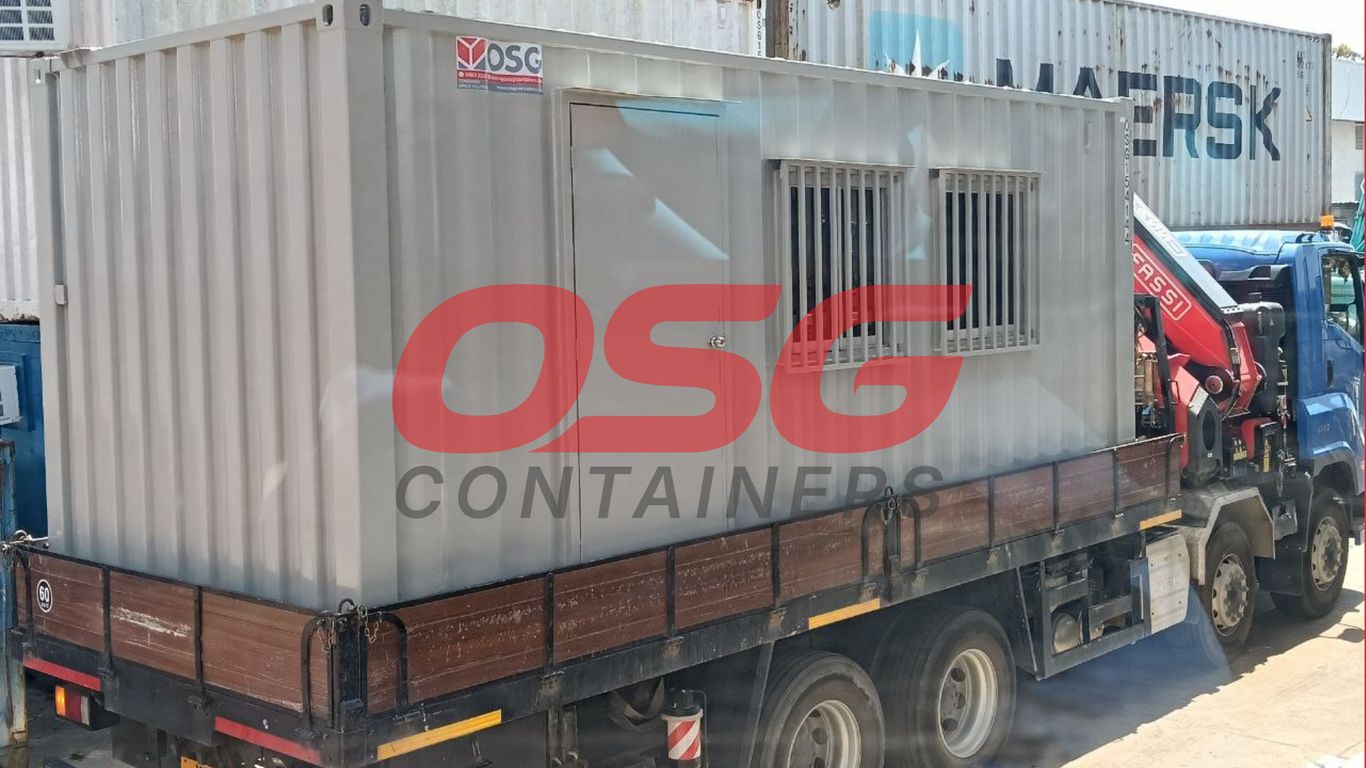
You know, it’s easy to think that bigger is always better when it comes to shipping containers. We often see those huge 40-footers moving all sorts of goods. But sometimes, a smaller option, like the classic 20 foot container, actually makes more sense. It’s not just about fitting more stuff; it’s about smart logistics, saving money, and getting your goods where they need to go, especially when you don’t have a massive shipment. Let’s look at why this workhorse is still super important.
Key Takeaways
- The 20 foot container is ideal for heavy, dense cargo that might not fill a larger container but reaches its weight limit, making it cost-effective for specific items like machinery parts or metal ingots.
- Its smaller size and lighter weight often mean lower shipping and handling fees, which is a big win for small to medium businesses trying to keep costs down.
- For deliveries in urban areas or to remote sites with limited access, the 20 foot container is easier to maneuver and position than larger units.
- Weight restrictions on certain roads and rail lines can make the 20 foot container the only practical option for inland transport, preventing delays and extra costs.
- While 40-foot containers handle bulk trade, the 20 foot container remains essential for specialized uses, including project-specific shipments, heavy machinery, and certain types of liquid cargo like ISO tanks.
1. Heavy Machinery
When you’re dealing with heavy machinery, the 20-foot container often becomes your best friend. It might seem counterintuitive, right? You’ve got a big, heavy piece of equipment, so why not a big container? Well, it’s all about efficiency and practicality. A single, substantial piece of machinery can perfectly fill a 20-foot container, maximizing its weight capacity without paying for empty space. This is a huge win when you’re shipping items like industrial presses, large generators, or specialized manufacturing units that are dense and don’t necessarily take up a lot of volume but pack a serious punch in terms of weight.
Think about it this way: you can load a 20-footer right up to its maximum weight limit with something like a heavy-duty engine block or a large pump. This means you’re getting the most bang for your buck on that shipment. Trying to fit that same piece of machinery into a larger container might leave a lot of unused space, and you’d still be paying for the whole container. Plus, these 20-footers are built tough. They can handle the weight and the rigors of transport, getting your valuable equipment to its destination safely.
Here’s a quick look at why they’re so good for this:
- Weight Optimization: You can often hit the container’s maximum payload capacity with a single heavy item.
- Handling and Maneuverability: Smaller containers are generally easier to load, unload, and move around job sites or ports.
- Cost-Effectiveness: Avoid paying for unused space in a larger container when a 20-footer fits the bill perfectly.
- Infrastructure Compatibility: They are often more manageable for transport routes with weight restrictions.
Sometimes, the most efficient solution isn’t the biggest one. For heavy, dense items like machinery, a 20-foot container offers a smart way to manage weight, cost, and logistics, especially when a single item is the primary cargo.
It’s not just about the initial move, either. When that machinery arrives at its destination, especially if it’s a remote site or a busy construction zone, a 20-foot container is much easier to position and work with. You don’t need a massive crane or a huge amount of space to get it off the truck and ready for installation. This practicality can save a lot of time and hassle on the ground.
2. Steel Products
When it comes to moving steel products, the 20-foot container is a real workhorse. Think about things like steel beams, rebar, or even finished steel components for construction. These items can be pretty heavy, and sometimes, a single 20-footer can be filled right up to its weight limit. This means you’re getting a lot of value for your shipping dollar because you’re not paying for empty space like you might with a larger container that you can’t quite fill.
Using multiple 20-foot containers for heavy loads can often be more economical than trying to cram everything into fewer, larger containers that you can’t fully utilize by weight.
Here’s why they work so well for steel:
- Weight Capacity: Steel is dense. A 20-foot container can typically handle around 28,000 kg (about 61,700 lbs), which is often perfect for a full load of steel products without exceeding road or rail limits.
- Handling: They’re easier to manage on-site and during transit. Loading and unloading steel beams or bundles is straightforward with standard equipment.
- Security: The enclosed nature of a standard 20-footer keeps your steel products safe from the elements and potential theft during transit.
For projects that require specific steel components, using 20-foot containers allows for organized, project-specific shipments. This means the right materials arrive at the right time, keeping construction or manufacturing timelines on track without the logistical headaches of trying to manage oversized or awkwardly shaped loads in less suitable containers.
It’s not just about raw materials either. Finished steel goods, like pre-fabricated parts or structural elements, also benefit from the standardized dimensions and robust protection offered by these containers. They make intermodal transfers simple, moving from a ship to a train to a truck without needing special handling equipment beyond what’s standard for containerized cargo.
3. Construction Materials
When you’re dealing with construction projects, getting the right materials to the site efficiently is a big deal. Think about things like steel beams, pre-cast concrete sections, or even large pipes needed for infrastructure work. A 20-foot container is often the perfect fit for these kinds of items.
It’s not just about fitting them in; it’s about making the whole process smoother.
Why is a 20-footer so good for construction stuff? Well, for starters, many construction materials are dense and heavy. You can load a 20-foot container right up to its weight limit, getting the most out of each shipment without paying for empty space. This is way better than using a larger container and only filling it partially, which can get expensive fast.
Here’s a quick rundown of why they work so well:
- Weight Optimization: Load up heavy items like steel or concrete components to the max weight capacity. This means you’re shipping efficiently.
- Site Accessibility: Smaller sites or remote locations might have tricky access. A 20-foot container is generally easier to maneuver and place compared to a much larger one.
- Project Specificity: For projects that need specific, heavy-duty components, a 20-footer can be the ideal size to transport just what’s needed, without excess.
Sometimes, you just need a container that’s the right size for the job. Trying to force a lot of heavy, awkward construction materials into a container that’s too big just doesn’t make sense. The 20-foot container offers a practical solution for moving these essential building blocks.
Plus, these containers are built tough. They can handle the rough and tumble of being transported and unloaded at a busy construction site. They’re a reliable way to get critical supplies where they need to go, keeping your project on track.
4. Metal Parts
When you’re shipping metal parts, especially smaller batches or specialized components, a 20-foot container often makes a lot of sense. Think about it – you might have a few hundred pounds of intricate machine components, or maybe a shipment of custom-made metal brackets. Trying to fill a larger container might mean a lot of wasted space, and you’d still be paying for that extra volume.
Using multiple 20-foot containers for heavy loads can often be more economical than trying to cram everything into fewer, larger containers that you can’t fully utilize by weight. This is especially true if your metal parts are dense and heavy. You can load a 20-footer right up to its weight limit, getting the most bang for your buck.
Here’s why a 20-footer works well for metal parts:
- Weight Capacity: Many metal parts are dense. A 20-foot container can be loaded to its maximum weight capacity, making it efficient for heavy items.
- Space Utilization: For smaller or medium-sized batches, a 20-footer prevents paying for empty space that a larger container would have.
- Handling and Maneuverability: Smaller containers are generally easier to move around in workshops, factories, or at delivery sites, especially if space is tight.
- Security: A fully loaded 20-footer offers a secure, contained environment for valuable metal components, protecting them from damage and theft during transit.
Sometimes, the best way to move things isn’t about having the biggest box. It’s about having the right-sized box that you can fill up properly. For metal parts, that often means the trusty 20-foot container. It’s a practical choice that balances cost and efficiency.
Consider a scenario where a manufacturer produces specialized metal fittings. They might have several orders going to different locations, each order fitting neatly into a 20-foot container. Instead of waiting to accumulate enough parts to fill a 40-foot container, they can ship more frequently, keeping their customers happy and their production line moving. This flexibility is a big win.
5. Engines
When you’re shipping engines, whether they’re for vehicles, industrial equipment, or specialized machinery, a 20-foot container often hits the sweet spot. These units are perfect for single, heavy engines that might not fill a larger container but are too bulky or heavy for standard LCL (Less than Container Load) options.
Think about it: engines are dense. You’re paying for weight and volume, and with engines, the weight is usually the main factor. A 20-footer can handle a significant amount of weight, often up to its maximum payload capacity, without you having to pay for a lot of empty space. This makes it a really cost-effective choice.
Here’s why they work well:
- Weight Capacity: 20-footers are built tough and can carry substantial weight, which is ideal for heavy engine blocks.
- Handling: They are easier to maneuver in tight spaces, like factory floors or smaller loading docks, compared to 40-footers.
- Security: A single engine secured inside a 20-foot container offers a good balance of protection and manageable transport.
Sometimes, trying to fit multiple smaller engines into a 40-foot container just doesn’t make sense. You end up with a lot of wasted space and potentially higher shipping costs. A 20-foot container, used efficiently, can be the smarter move for these kinds of specialized, heavy items.
6. Machinery Parts
Moving machinery parts isn’t as straightforward as it sounds. These components can be heavy, oddly shaped, and sometimes quite expensive, which makes picking the right container important. The 20-foot container is often ideal when you need to ship smaller batches of machinery parts, especially if they’re dense or weight-sensitive. With a smaller unit like the 20-foot, you don’t have to wait until you have enough cargo to fill a 40-foot container, which saves time and reduces storage costs.
Let’s look at why 20-foot containers are the go-to choice for many machinery part shipments:
- They fit dense or heavy items without overloading, keeping you compliant with road weight limits.
- Smaller loads mean quicker unloading and less downtime at delivery sites.
- Easier to move around crowded sites or locations with tight access.
| Container Size | Max Weight (kg) | Typical Capacity (CBM) |
|---|---|---|
| 20-foot | 28,000 | 33 |
| 40-foot | 28,800 | 67 |
For companies shipping specialty machinery parts, sticking with 20-foot containers helps cut the hassle that comes with moving partial loads or waiting for enough inventory. It’s just faster, simpler, and gets the right components to where they’re actually needed, when they’re needed.
7. Metal Ingots
When you’re dealing with metal ingots, think dense. These aren’t your light-and-fluffy items. Because they’re so heavy, you can often fill a 20-foot container right up to its weight limit without even coming close to filling its volume. This is a big deal for cost savings.
Imagine you have a load of aluminum ingots. A 40-foot container might hold more volume, sure, but you’d likely hit the maximum weight capacity of that larger container long before it’s full. With a 20-footer, you can pack it solid with ingots, maximizing the payload and getting the most bang for your buck on that shipment. You’re essentially paying for the weight of the metal you’re moving, not for a bunch of empty space.
Here’s a quick look at why this works:
- Weight Capacity Maximization: You can load a 20-foot container to its maximum payload, which is often more efficient for dense cargo like ingots.
- Cost-Effectiveness: Paying for weight rather than unused volume means lower per-unit shipping costs.
- Handling and Maneuverability: 20-foot containers are generally easier to handle at ports and can navigate tighter spaces or areas with weight restrictions on roads.
The strategic use of 20-foot containers for dense cargo like metal ingots allows shippers to optimize their logistics by focusing on weight capacity rather than just volumetric space, leading to significant cost efficiencies and simpler handling.
So, while a 40-footer might seem like the default for big shipments, for something as heavy as metal ingots, the 20-foot container often makes way more sense. It’s all about picking the right tool for the job, and for these dense materials, the 20-footer is a real winner.
8. Bulk Raw Materials
When it comes to moving bulk raw materials—think minerals, ores, scrap metal, or dense powder—the 20-foot container is often the go-to choice for operational reasons. The main advantage is you hit the weight limit before running out of floor space, especially with heavy, compact cargo. Unlike with bigger containers, you’re not paying to move a bunch of empty air.
Typical raw materials moved in 20-foot containers include:
- Metal ores (copper, zinc, nickel)
- Dense powders and granules (cement, limestone, plastic pellets)
- Scrap metal and recyclables
- Bulk agricultural inputs like fertilizer
Here’s a quick look at why 20-foot containers work so well for bulk raw goods:
| Container Size | Max Payload (kg) | Typical Use Case |
|---|---|---|
| 20-foot | ~28,000 | Heavy, dense, bulk cargo |
| 40-foot | ~28,800 | Voluminous, moderate weight cargo |
- Easier to pack to full weight capacity
- Less prone to shifting loads compared to larger containers
- Faster and simpler to unload at smaller sites or facilities
Many shippers find the 20-footer is a sweet spot: no wasted space, fewer headaches with local regulations, and quicker turnarounds for projects that need steady supplies but not massive single deliveries.
9. Steel Beams
When you’re moving steel beams, especially for construction projects, the 20-foot container is often a really practical choice. It might seem like a big item, but a standard 20-footer can handle a good amount of these heavy, long pieces.
Using multiple 20-foot containers can be more economical than trying to fit everything into fewer, larger containers that you can’t fully utilize by weight. This means you’re not paying for empty space or weight capacity you don’t need. Plus, they’re built tough, usually from Corten steel, so they can handle the weight and rough handling that comes with shipping construction materials.
Here’s why they work well:
- Weight Capacity: A 20-foot container can often be loaded right up to its maximum weight limit with steel beams, making each shipment efficient.
- Manageability: They are easier to handle and reposition at ports or construction sites compared to larger containers.
- Project Specificity: For projects requiring specific lengths or quantities of beams, using several 20-footers allows for better organization and delivery.
Loading steel beams requires careful planning to ensure they are properly secured and balanced within the container. This prevents shifting during transit and ensures safety.
Think about a bridge construction or a new building project. You need those beams to arrive on time and in good condition. A 20-foot container provides a secure, standardized way to get them from the mill to the job site, fitting into the usual shipping and trucking infrastructure without much fuss.
10. Concrete Components
When you’re dealing with concrete components, like pre-cast slabs, pillars, or specialized blocks, the 20-foot container really comes into its own. These items can be heavy and awkward, and often, a single 20-footer is the perfect fit for a specific batch or a particular part of a construction project. It’s often more economical to use multiple 20-foot containers for these heavy loads than to try and fill up a larger container that you can’t fully utilize by weight.
Think about it: you might have a set of custom-made concrete supports for a bridge, or a series of large, pre-cast wall sections. Trying to fit these into a 40-foot container might leave a lot of wasted space, or worse, you might exceed the weight limit before the container is even full. With 20-footers, you can load them up to their maximum weight capacity, getting the most bang for your buck.
Here’s why they work well for concrete components:
- Weight Management: Concrete is dense. A 20-foot container allows you to precisely manage the weight per unit, avoiding overloads and ensuring compliance with transport regulations.
- Project Specificity: You can ship exactly what’s needed for a particular phase of a construction job, reducing the need to store excess materials on-site.
- Handling and Placement: These containers are easier to maneuver on busy construction sites, especially when using standard lifting equipment. They can be placed precisely where the components are needed.
- Durability: The robust nature of a 20-foot container means it can handle the rough edges and weight of concrete items without issue, protecting them during transit.
Using multiple 20-foot containers for heavy loads can often be more economical than trying to cram everything into fewer, larger containers that you can’t fully utilize by weight. This approach also helps in managing the flow of materials to a project site, ensuring that components arrive just in time for installation, which is a big deal when you’re trying to keep a construction schedule on track.
11. Large Pipes
When you’re shipping large pipes, whether they’re for water systems, oil and gas, or construction projects, the 20-foot container often makes a lot of sense. These pipes can be really heavy and awkward, and a 20-footer is built tough to handle that kind of load.
It’s not just about fitting them in; it’s about getting them there efficiently and safely.
Think about it: a single, massive pipe might fill up a 20-foot container pretty well, especially if it’s dense material. Trying to fit multiple large pipes into a 40-foot container might leave a lot of wasted space or make the load unstable if not packed just right. Plus, when you’re dealing with project sites that might not have the best roads or access, a 20-foot container is just easier to maneuver.
Here’s why they’re a good choice for pipes:
- Weight Capacity: 20-footers can be loaded close to their maximum weight limit with dense items like pipes, making them cost-effective. You’re paying for a container that’s actually full of valuable cargo, not just air.
- Handling and Access: Their smaller size means they’re generally easier to load, unload, and transport, especially in areas with limited space or challenging terrain.
- Project Specifics: For many infrastructure projects, specific lengths and diameters of pipes are needed. A 20-foot container can be the perfect fit for these specialized shipments, ensuring the right components arrive on site.
Sometimes, the best way to move big, heavy things isn’t to use the biggest box available. It’s about finding the container size that matches the cargo’s weight and dimensions perfectly, and that’s often where the 20-foot container shines for items like large pipes.
So, while 40-foot containers get a lot of attention for moving bulk goods, don’t overlook the humble 20-footer when your shipment involves substantial, heavy items like large pipes. It’s often the smarter, more practical choice.
12. Generators
When you need to get a generator from point A to point B, especially if it’s a single, substantial unit, a 20-foot container often hits the sweet spot. It’s not always about filling every inch of space; sometimes, it’s about having a secure, robust box that can handle the weight and protect sensitive equipment during transit. Think about remote power setups or backup systems for industrial sites – these generators can be heavy and awkward, and a 20-footer provides a good fit without the overkill of a larger container.
Using a 20-foot container for generators can be more cost-effective than opting for a larger container if the generator’s dimensions and weight don’t fully utilize the bigger unit.
Here’s why a 20-footer works well for generators:
- Weight Capacity: Many generators are dense. A 20-foot container is built to handle significant weight, often up to its maximum payload capacity, making it suitable for these heavy items.
- Protection: The steel construction offers solid protection against weather, impacts, and theft during transport, which is important for valuable equipment like generators.
- Handling: Smaller dimensions mean easier maneuvering in tight spaces, whether at the origin, destination, or during intermodal transfers.
- Cost Efficiency: For a single generator or a few smaller ones, a 20-footer is usually more economical than paying for the unused space in a 40-foot container.
Sometimes, the best container isn’t the biggest one available. It’s the one that fits the cargo just right, offering protection and manageable handling without unnecessary expense. For generators, this often means the trusty 20-foot standard container.
This approach is particularly useful for project-based shipments where specific, heavy equipment needs to reach a site efficiently, or for backup power solutions being deployed to various locations.
13. Pumps
When you’re shipping pumps, especially larger industrial ones, a 20-foot container often hits that sweet spot. You might think, ‘Why not just use a bigger container?’ Well, sometimes a single, heavy pump fills up a 20-footer perfectly, and trying to fit it into a 40-footer means you’re paying for a lot of empty space. Plus, these containers are built tough, ready to handle the weight and vibrations that come with moving heavy machinery.
Using 20-foot containers for pumps can be more cost-effective than using larger containers that aren’t fully utilized by weight.
Here’s why they work well:
- Weight Efficiency: Many industrial pumps are dense. A 20-footer lets you get close to the maximum weight limit, making your shipping costs more efficient per unit of weight.
- Handling: Smaller containers are generally easier to maneuver at ports and on job sites, especially in tight or remote locations.
- Protection: They offer solid protection against weather and damage during transit, keeping your valuable equipment safe.
For projects that need specialized equipment delivered to less accessible areas, like remote construction sites or offshore platforms, the 20-foot container is a reliable choice. Its manageable size means it can often be transported and placed with less specialized heavy lifting gear compared to a larger container.
Think about a large water pump for a municipal project or a specialized pump for an oil rig. A 20-foot container can house it securely, and its standardized dimensions mean it fits into the global shipping network without much fuss. It’s all about getting the right-sized box for the job, and for many pumps, the 20-footer is just right.
14. Euro Pallets
When you’re dealing with shipments that use Euro pallets, the 20-foot container really shines. These pallets, measuring 1.2 meters by 0.8 meters, are a common sight in European logistics, and fitting them into a 20-footer is pretty straightforward. The 20-foot container is often the sweet spot for maximizing Euro pallet capacity without overpaying for unused space.
Think about it: a standard 20-foot container can typically hold around 11 Euro pallets if you load them efficiently on a single layer. This is a really practical number for many businesses, especially those sending goods across Europe or to regions where Euro pallets are the standard.
Here’s a quick look at why this works so well:
- Efficient Space Utilization: You can get a good number of Euro pallets in without needing a much larger, more expensive container.
- Weight Management: Euro pallets, especially with certain types of goods, often allow you to reach the container’s weight limit before you run out of physical space. This means you’re paying for full capacity, not just air.
- Handling Ease: Because the 20-foot container is easier to move around, especially in busy ports or tight urban areas, it simplifies the process of getting your palletized goods where they need to go.
It’s not just about stuffing them in, though. Proper planning is key. You need to consider how you’ll arrange them to make sure they’re stable and secure for the journey. Sometimes, you might even be able to double-stack if your cargo is sturdy enough and the pallet design allows for it, but that’s less common with standard Euro pallet loads.
Using a 20-foot container for Euro pallet shipments often hits that perfect balance between cost and capacity. It avoids the situation where you’re paying for a huge container but only filling a fraction of it, especially when your goods are dense enough to hit the weight limit.
So, if your logistics involve a lot of Euro pallets, the 20-foot container is definitely worth a close look. It’s a reliable and cost-effective choice for getting those goods moved.
15. Retail Goods
When it comes to getting all sorts of retail items from point A to point B, the 20-foot container still has a solid place, even with the big push for 40-footers. Think about all those products you see on store shelves – from electronics and clothing to packaged foods and home decor. Many of these items, especially when shipped in mixed loads or by smaller businesses, fit perfectly into a 20-foot container.
The 20-foot container offers a practical and often more cost-effective solution for businesses that don’t need to fill a larger container. It’s especially useful for regional distribution or when dealing with goods that might not be super dense but take up a good amount of space. Plus, for smaller retailers or those just starting out, the lower cost and easier handling of a 20-foot unit can make a big difference in their logistics budget.
Here’s why they’re still relevant for retail:
- Cost Savings: Lower rental and shipping fees compared to 40-foot containers mean better margins for smaller shipments.
- Handling Ease: They’re lighter and easier to maneuver in busy warehouses or distribution centers, especially in urban areas.
- Flexibility: Ideal for mixed loads, allowing different types of products to be consolidated without overpaying for unused space.
- Availability: Readily available globally, reducing wait times for businesses needing to ship.
While the trend leans towards larger containers for massive, high-volume shipments, the 20-foot container remains a workhorse for specific retail needs. It provides a balance of capacity, cost, and manageability that larger containers can’t always match for smaller or more specialized retail logistics.
16. Furniture
When it comes to shipping furniture, especially for smaller volumes or specific pieces, the 20-foot container actually makes a lot of sense. You might think bigger is always better, but with furniture, it’s often about how efficiently you can pack it and protect it. A 20-footer gives you a more manageable space to work with, which can be a good thing.
Using 20-foot containers can be more economical than trying to fill a larger container that you can’t fully utilize by weight or volume. This is especially true if you’re not shipping enough to fill a 40-footer, or if your furniture pieces are bulky but not necessarily super heavy. You avoid paying for a lot of empty space.
Here’s why a 20-footer can be a smart choice for furniture:
- Better Load Control: It’s easier to arrange and secure furniture within a smaller container. This means less shifting during transit, which is a big deal for preventing damage to delicate items like tables, chairs, or cabinets.
- Cost-Effectiveness for Smaller Lots: If you’re sending a few pieces, a few rooms’ worth, or even a small business’s inventory, a 20-footer is often the most cost-effective option. You’re not overpaying for space you don’t need.
- Easier Handling and Positioning: Smaller containers are generally easier to move around yards and position for loading and unloading, especially if you don’t have massive port equipment available.
- Reduced Risk of Damage: With less space to fill, you can often pack the container more snugly, using dunnage and bracing to keep everything stable. This reduces the chance of items getting knocked around.
For furniture shipments, especially those that don’t fill a larger container, the 20-foot unit offers a practical balance. It allows for careful packing and securing, minimizing the risk of damage during transit and often proving more budget-friendly than using a larger container that remains partially empty.
Think about it like packing a moving truck. If you have a small apartment’s worth of stuff, trying to cram it into a huge moving van might seem like overkill. You’d have more space to fill, and your items might slide around more. A smaller, more appropriately sized container works similarly for furniture.
17. ISO Tank Containers
When you’re shipping liquids or gases in bulk, you’ll often see specialized containers called ISO tank containers. These aren’t your typical boxy shipping containers. Instead, they’re essentially a sturdy tank built inside a standard 20-foot frame. This frame is the key. It means that even though you’re carrying something like oil or chemicals, the container itself handles just like any other 20 ft container. Ships, trains, and trucks can all load and unload them using the same equipment. It really simplifies moving these kinds of goods around the world.
The 20 foot container format is the standard for most ISO tank containers, making them incredibly easy to integrate into existing logistics chains.
Here’s a look at what they typically carry:
- Food-grade liquids: Think edible oils, juices, or dairy products.
- Industrial chemicals: This includes things like solvents and non-hazardous chemicals.
- Liquefied gases: Refrigerants and various industrial gases fall into this category.
The clever design of an ISO tank container, housed within a 20ft container frame, allows for the safe and efficient transport of bulk liquids and gases. This standardization means they can be moved using the same infrastructure as dry cargo containers, cutting down on specialized handling needs and costs.
While larger containers exist, the 20ft container is often preferred for ISO tanks because it helps manage weight limits more effectively. A full tank of liquid can get very heavy, and a 20-foot unit is usually easier to keep within legal weight restrictions for road transport compared to a larger container that might have a lot of empty space left over but still be over the weight limit. This makes the container 20 feet a practical choice for many bulk liquid shipments.
18. Temperature-Controlled Cargo
When you’ve got goods that need to stay at a specific temperature, whether it’s cold or just not too hot, a standard container won’t cut it. That’s where specialized units come in. While 40-foot high cube reefers often dominate major shipping routes for their sheer volume, the 20-foot container still has a role, especially for smaller, high-value shipments or when you need precise temperature control for a specific product.
Think about it: you might be shipping a batch of sensitive pharmaceuticals, specialty food items, or even certain chemicals that degrade if the temperature fluctuates. A 20-foot reefer unit offers a more manageable solution for these kinds of loads. It’s easier to fill precisely, reducing wasted space and energy if you don’t have enough cargo for a full 40-footer. Plus, for intermodal transfers, especially in busy ports or when moving inland, the smaller footprint can be a real advantage.
Here’s a quick look at why a 20-foot reefer might be the right choice:
- Precise Temperature Management: These units are equipped with refrigeration systems that can maintain a set temperature range, from freezing to chilled.
- Reduced Energy Waste: For smaller volumes, a 20-foot unit can be more energy-efficient than running a larger container that’s only partially full.
- Easier Handling: Their compact size simplifies loading, unloading, and maneuvering, particularly in congested areas or at facilities not equipped for larger units.
- Ideal for Niche Markets: Perfect for smaller businesses or specific product lines requiring consistent temperature control without the need for massive capacity.
While the trend leans towards larger containers for bulk temperature-controlled goods, the 20-foot reefer provides a flexible and efficient option for smaller, specialized shipments where maintaining exact conditions is paramount. It’s about matching the container size to the specific cargo needs, not just going for the biggest option available.
19. Remote Site Supplies
Getting supplies to places that are hard to reach is a big deal, right? Think about construction projects way out in the middle of nowhere, or maybe a research station in a remote area. This is where the 20-foot container really proves its worth. Its manageable size makes it way easier to get to these spots compared to a giant container.
These containers aren’t just for shipping goods across oceans. They can be a lifesaver for setting up temporary facilities or getting critical equipment to sites that don’t have much infrastructure. You can load them up with generators, pumps, tools, building materials, or even temporary living quarters. Because they’re a standard size, they can often be moved by smaller trucks, barges, or in some extreme cases, even helicopters, which is something you just can’t do with a 40-footer.
Here’s why they’re so good for remote locations:
- Easier Transport: Smaller trucks or specialized vehicles can handle them.
- Quick Setup: They can be offloaded and put into place with less fuss.
- Versatile Use: They can serve as storage, workshops, or even basic offices on-site.
- Durability: They protect supplies from harsh weather and conditions.
When you’re dealing with a project far from the usual supply lines, the ability to get what you need there reliably is key. A 20-foot container offers a practical way to deliver essential items without needing massive logistical support or extensive site preparation. It’s about making sure the job can actually get done, no matter how far away it is.
20. Urban Deliveries
When you’re trying to get goods into the heart of a busy city, space is usually the biggest problem. Narrow streets, tight loading docks, and constant traffic jams can make delivering anything a real headache. This is where the 20-foot container really proves its worth.
Its smaller size makes it much easier to maneuver and position in congested urban environments. Unlike its larger 40-foot cousin, a 20-footer takes up less room on the street while it’s being loaded or unloaded, which means less disruption for everyone else. It’s just a more practical choice when you’re dealing with limited access.
Here’s why it’s a good fit for city logistics:
- Easier Maneuverability: Fits down narrower streets and around tighter corners.
- Reduced Dock Congestion: Takes up less space at loading docks, speeding up turnaround times.
- Less Traffic Impact: Shorter loading/unloading times mean less time blocking city traffic.
- Weight Compliance: Often stays within weight limits for older city infrastructure.
Think about a small business that needs regular deliveries of supplies. Using a 20-foot container means they can get what they need without causing a major traffic snarl or needing special permits for oversized vehicles. It’s about making the delivery process smoother and less stressful for both the delivery company and the city residents.
For businesses operating in dense urban centers, the 20-foot container isn’t just an option; it’s often the most sensible solution for getting products where they need to go efficiently.
The 20 Foot Container: Still a Smart Choice
So, while the big 40-foot containers get a lot of attention for moving massive amounts of goods, let’s not forget about the trusty 20-foot container. It’s not just a smaller version; it’s actually a really good option for certain jobs. Think about shipping heavy stuff that fills up a 20-footer perfectly, or when you’re dealing with roads that have weight limits. Plus, they’re often cheaper to move around and store, which is a big deal for smaller businesses. They’re easy to get, easy to handle, and can even be used for things like temporary offices on a job site. Basically, the 20-foot container is still a solid, practical tool in the shipping world, especially when you need something that fits just right without being overkill.
Frequently Asked Questions
Why choose a 20-foot container for smaller shipments?
A 20-foot container is perfect for smaller shipments because it’s easier to fill without wasting space or money. It’s also cheaper to move and store, making it a smart choice for businesses that don’t need a huge container.
What types of goods are best suited for a 20-foot container?
Heavy items like engines, metal parts, steel products, and construction materials fit well in a 20-foot container. It’s also great for furniture, retail goods, and anything that’s dense or heavy but doesn’t take up a lot of space.
Are 20-foot containers easier to handle than larger ones?
Yes, 20-foot containers are lighter and smaller, so they’re easier to move around, especially in crowded areas or places with narrow roads. This makes them ideal for city deliveries and remote sites.
How do 20-foot containers help save on costs?
Because they’re smaller, 20-foot containers usually cost less to ship and store. You also save on handling fees since they’re easier to load and unload, which is great for small and medium businesses.
Can 20-foot containers be used for different types of transport?
Absolutely! 20-foot containers work well with trucks, trains, and ships, so you can move your goods using different transport types without any trouble. They’re easy to transfer from one vehicle to another.
Are 20-foot containers secure for storing valuable items?
Yes, they’re made from strong steel and have solid locks, so they keep your things safe from theft, weather, and pests. That’s why they’re often used to store equipment and supplies at job sites or events.