Singapore
 Australia
 Indonesia
 Japan
Japan Malaysia
 New Zealand
 Philippines
 South Korea
 Taiwan
 Thailand
 VIETNAM
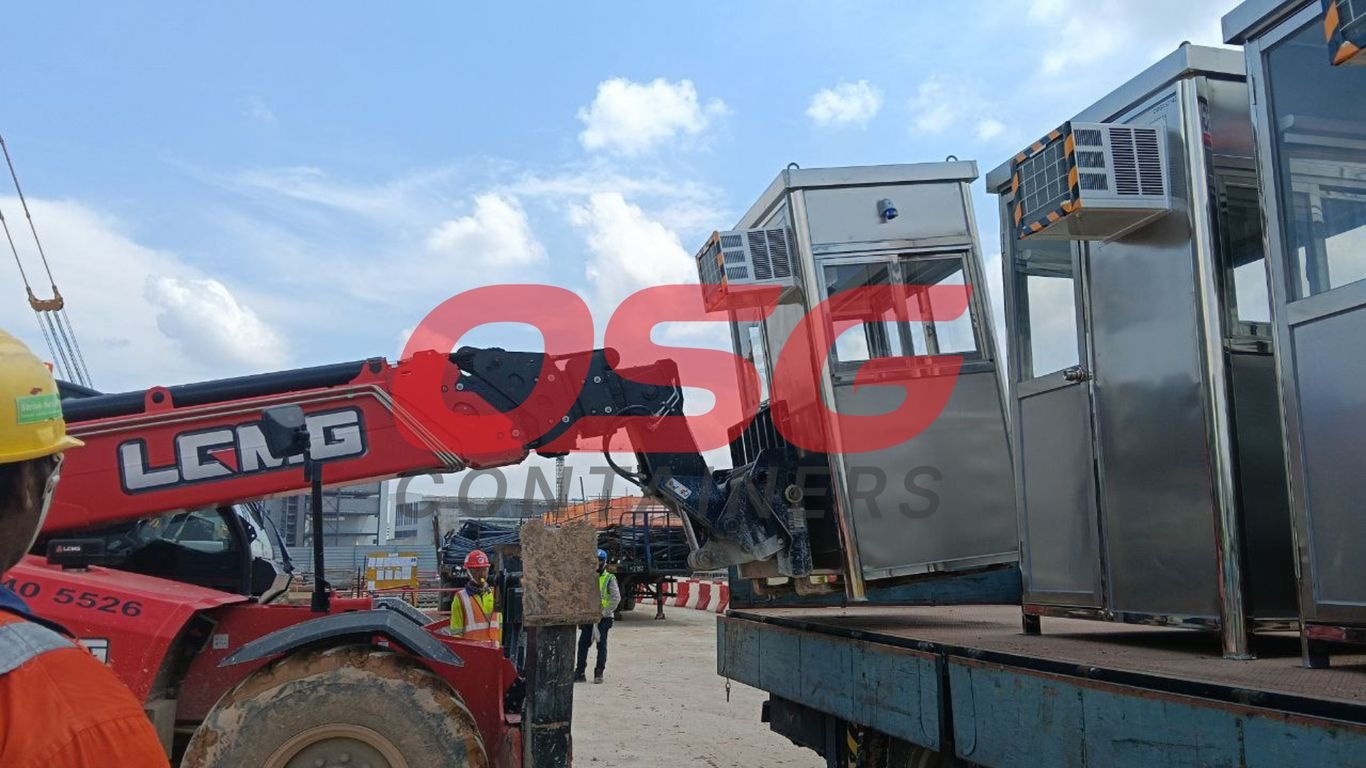
Setting up a guardhouse on your construction site might seem like a big task, but it doesn’t have to be complicated. Think of it as getting a secure little outpost for your crew and your gear. Whether you need a place for someone to watch over things or just a dry spot for tools, a guardhouse can really help keep your project running smoothly and safely. Let’s break down how to get one set up right.
Key Takeaways
- Prep your site properly with a flat, firm, and dry foundation for your guardhouse to prevent sinking and water issues.
- Pick a guardhouse with strong steel construction, good locks, and windows for visibility to keep things secure.
- Consider the size and type of guardhouse needed, whether it’s portable or a more permanent setup, to fit your site’s demands.
- Place your guardhouse where it can easily see who’s coming and going, while also being protected from bad weather.
- A guardhouse is more than just security; it can be a useful checkpoint, a comfortable workspace, and help operations run better.
Preparing The Ground For Your Guardhouse
When it comes to putting a guardhouse container on a construction site, the starting point is always the ground beneath it. Get this part wrong, and you’ll be dealing with headaches later—think sinking, shifting, or muddy chaos after every storm. Let’s break down exactly what goes into getting the site ready, so your guardhouse sits strong and steady from day one.
Ensuring A Flat, Firm, And Dry Foundation
A guardhouse needs to rest on ground that won’t move, wash away, or let the container slide out of position.
- Clear out grassy patches, rocks, and debris from the chosen spot.
- Use a spirit level or laser level to check that the ground is actually flat, not just “looks about right.”
- Pick a place that won’t pool rainwater or turn soft when it’s wet. Soft, muddy spots make for terrible container locations.
If you notice puddling or unevenness, fix it before going any further. Poor prep here explains most leaning, sticking door problems people complain about later.
Considering Gravel Pads And Footings
Sometimes, the soil is just too soft for a container, or you want to avoid future headaches with settling and drainage. That’s when gravel pads or simple footings come in mighty handy.
- Spread a layer of compacted gravel at least 4-6 inches deep. Gravel stops mud problems and helps water drain away.
- For longer stays or heavier containers, use concrete footings, blocks, or railroad ties at each corner.
- Tie everything together by tamping down loose soil around your pad to stop erosion.
| Foundation Type | Recommended For | Advantage |
|---|---|---|
| Gravel Pad | Short/Medium Term Use | Good drainage |
| Concrete Footings/Blocks | Long Term/Heavy Loads | No settling, stability |
| Timber Beams/Ties | Temporary Sites | Quick to install |
Understanding Site Access And Container Placement
It’s not just about where the container sits. You’ve got to think about how it’ll get there and what happens next:
- Make sure the delivery truck can actually reach your prepared spot—no low branches, tight corners, or soft mud.
- Decide if the guardhouse doors need to face the road, the entrance, or a specific site direction.
- Leave extra room for moving around the container or adding more later if your site expands.
Planning ahead for truck access and future changes saves you a lot of headaches if your project grows or if you ever want to reposition your guardhouse.
Essential Features For A Secure Guardhouse
Setting up a guardhouse container on your construction site isn’t just about dropping a box on some dirt and calling it a day. You’ll want a space that’s more than just a metal shell. It has to be practical, safe, and comfortable, or your team will be miserable, and all the expensive gear you’re trying to protect won’t be secure anyway. Let’s get into the real must-haves for a modern guardhouse.
Durable Construction And Weatherproofing
- Steel is the gold standard for guardhouse containers. It handles wind, rain, and even the odd bump from heavy equipment.
- Floors should be non-slip because muddy boots and smooth metal is a recipe for disaster.
- Doors and windows need real seals around them, so you don’t end up with puddles inside after every storm.
- Insulation is a must—not just for cold, but for baking-hot summer days too.
Table: Key Construction Features
| Feature | Why It Matters |
|---|---|
| Steel panels | Stops break-ins and vandalism |
| Insulated walls | Keeps it warm/cool inside |
| Non-slip flooring | Prevents slips and falls |
| Weather seals | Blocks out rain and dust |
A well-built guardhouse stands up to all sorts of weather, so your security staff isn’t fighting the elements just to do their job.
Climate Control And Interior Comfort
Nobody wants to be stuck inside a metal container that’s freezing in the morning and roasting by noon.
Some things to look for:
- Built-in HVAC units, or at least a wall heater and space for a small AC.
- Windows that actually open, for when you just need some fresh air.
- Enough electrical outlets for phones, radios, and maybe a coffee maker (trust me, you’ll want the option).
- Basic insulation in both the walls and ceiling.
It’s hard to focus on security if your teeth are chattering or you’re sweating bullets all shift.
Visibility And Security Enhancements
You can’t keep an eye out for trouble if your view’s blocked. Good sightlines, combined with security add-ons, make all the difference.
Here are some essentials:
- Large, shatter-resistant windows – so staff can spot vehicles and visitors before they reach the gate.
- Bright interior and exterior lighting – nobody wants a dark booth during overnight shifts.
- Steel doors with reinforced locks – not the cheap stuff; you need something that holds if someone tries to force their way in.
- Space for cameras or a basic security system, in case you want extra surveillance later on.
If you get these features right, day-to-day security runs smoother, and your team feels a lot safer. Guardhouses shouldn’t feel like afterthoughts—they’re the front line of your site’s safety.
Selecting The Right Guardhouse For Your Needs
The right guardhouse container can make security easier and routine tasks much smoother on any construction site. But picking one isn’t just about what’s available right now—it’s about what will work best for you day in and day out.
Evaluating Guardhouse Dimensions And Capacity
Choosing the correct container size is the first step for comfort and usability. You’ll need to think about how many people will use the guardhouse at once, the kind of work they need to do inside, and how much room you’ll need for storage or equipment.
Here’s a quick comparison of common guardhouse container sizes:
| Container Size | Occupancy | Typical Uses |
|---|---|---|
| 8 ft x 10 ft | 1–2 people | Small site, entry checkpoint |
| 8 ft x 20 ft | 2–4 people | Equipment storage, busy entrance |
| 8 ft x 40 ft | 4–6+ people | Large projects, meetings, storage |
A few things to ask yourself:
- How many staff will work in the guardhouse at busy times?
- Do you need room for electronics, paperwork, or other resources?
- Should the space double as a mini office or break room?
For most sites, a little extra square footage pays off in flexibility—especially as your needs change throughout a project.
Portable Versus Permanent Guardhouse Options
Deciding between a moveable or a fixed guardhouse is about more than cost or timing.
- Portable (container-based) guardhouses:
- Permanent structures:
Be honest about the life of your project. If you expect regular changes, portable is usually smarter, but if your crew will be in one spot for years, think about a permanent solution.
Customization For Specific Site Requirements
Guardhouses aren’t all built the same, and your site probably has quirks others don’t. Some common customization options include:
- Security glass and reinforced doors.
- Extra windows for better visibility and fresh air.
- Built-in shelves, desks, or workbenches.
- Insulation and upgraded climate control.
- Acoustic dampening, if your site is especially noisy.
Always make sure the features you choose reflect the daily reality of your site. It can be tempting to order every bell and whistle, but sometimes the basics are enough to get the job done.
Before deciding, make a quick list of must-haves vs. nice-to-haves—that way, you get what you need without blowing the budget.
Strategic Placement Of Your Guardhouse
Optimizing Visibility And Access Control
Where you put your guardhouse matters. Think about what needs to be seen and what needs to be controlled. The best spot usually offers a clear view of the main entrance or access points to your site. This way, your guard can see who’s coming and going without any obstructions. It’s also about making it easy for authorized personnel to get in and out while making it difficult for anyone unauthorized. Consider the flow of traffic – you don’t want your guardhouse to become a bottleneck during busy times. A good placement means your guard can effectively monitor activity and respond quickly if needed.
Ensuring Protection From The Elements
Nobody likes working in a place that’s too hot, too cold, or constantly getting rained on. When you’re deciding where to put your guardhouse, think about shelter. Can you position it so it gets some shade in the summer and maybe blocks some of the wind in the winter? Sometimes, placing it near an existing structure can offer a bit of natural protection. You want your guardhouse to be a comfortable and safe place for your staff, and that includes shielding them from harsh weather. This isn’t just about comfort; it’s about making sure the guardhouse itself stays in good shape for a long time.
Planning For Future Site Expansion
Construction sites change. What looks like a good spot today might be in the way of a new building or access road next month. When you’re placing your guardhouse, take a moment to look around and think about the future. Is there room to add another container if your needs grow? Will moving the guardhouse later be a huge hassle, or can you plan for it now? It’s smart to pick a location that gives you some flexibility. You don’t want to have to go through the whole setup process again just because your site plans changed. Thinking ahead can save you a lot of trouble down the road.
Here’s a quick checklist for placement:
- Visibility: Can the guard see the primary entry/exit points?
- Access: Is it easy for authorized vehicles and personnel to reach?
- Traffic Flow: Does it impede or help manage site movement?
- Protection: Is it somewhat shielded from direct sun, wind, and heavy rain?
- Future Proofing: Is there space around it for potential expansion or changes?
Security Considerations For Your Guardhouse
When you’re setting up a guardhouse, especially one made from robust security containers, thinking about security itself is a big deal. It’s not just about having a structure; it’s about making sure that structure is as secure as possible for the people and assets it’s protecting.
Reinforced Steel Construction For Durability
Most guardhouses, particularly those built from shipping containers, start with a strong foundation: steel. This isn’t just for looks. Steel offers a solid defense against break-ins and the elements. It’s tough, it doesn’t rot like wood, and it can withstand a lot of wear and tear. When you’re looking at security containers for your guardhouse, check the gauge of the steel. Thicker steel means better protection. Also, consider how the container is modified. Are the welds strong? Are there any weak points where someone could pry it open? A well-built steel guardhouse is your first line of defense.
Advanced Locking Systems For Peace Of Mind
Even the strongest steel box isn’t much good if the doors and windows can be easily opened. That’s where good locks come in. We’re talking more than just a standard padlock. Think about heavy-duty deadbolts, reinforced door frames, and maybe even electronic access control systems if your budget allows. For a construction site, where tools and materials are valuable, you want locks that are hard to pick or break. It’s worth looking into:
- High-security deadbolt locks
- Reinforced strike plates
- Key card or keypad entry systems
- Window security bars or reinforced glass
Integrating Guardhouse With Site Security Measures
Your guardhouse shouldn’t be an island. It needs to work with the rest of your site’s security plan. This could mean placing it where it has a clear view of entry points, or perhaps equipping it with communication systems to alert other security personnel or site managers. Think about:
- CCTV camera placement: Can cameras cover the guardhouse and its surroundings?
- Alarm systems: Does the guardhouse have its own alarm, or is it linked to a central system?
- Communication tools: Radios, phones, or intercoms to stay in touch with the rest of the site.
The goal is to create a layered security approach. The guardhouse is a key component, but it’s most effective when it’s part of a larger strategy that covers the entire construction site.
Guardhouse Functionality Beyond Security
While the primary role of a guardhouse container is, of course, security, these structures are surprisingly versatile. Think of them as more than just a place to keep an eye on things; they can actually improve how your site operates.
Utilizing Guardhouses As Checkpoints
Beyond just watching, a guard house container can act as a central hub for managing site access. It’s where deliveries are logged, visitor information is collected, and personnel can be accounted for. This structured approach helps keep track of who and what is coming and going, making site management much smoother. It’s a simple way to add a layer of organization to a busy construction site.
Creating Comfortable Workspaces For Staff
Let’s be honest, working long hours in a basic shed isn’t ideal. A well-equipped guardhouse container, especially one with climate control, provides a much-needed comfortable space for your staff. This means a place to sit, stay warm in winter or cool in summer, and have access to basic amenities. A happy, comfortable guard makes for a more alert and effective employee. This isn’t just about comfort; it’s about productivity and staff well-being. Some units, like those found in places that might offer a ‘container canvas Singapore’ option, can be customized to feel more like a small office than just a box.
Facilitating Efficient Site Operations
When your guardhouse is set up right, it can really speed things up. Imagine a place where tools and materials can be securely stored nearby, reducing time spent searching or waiting for deliveries. It can serve as a communication point, a place to grab a quick break, or even a temporary first-aid station if needed. This multi-functional aspect means your guard house container isn’t just a security feature; it’s an operational asset that helps keep your entire project running like a well-oiled machine.
Here are some ways a guardhouse container can boost efficiency:
- Streamlined Check-ins: Quickly log personnel and vehicle movements.
- Material Staging: Keep frequently used supplies accessible and secure.
- Communication Hub: Serve as a central point for site-wide announcements or coordination.
- Break Area: Provide a sheltered spot for staff to rest during shifts.
A well-placed and equipped guardhouse container can transform from a simple security post into a vital operational center, positively impacting workflow and staff morale on any construction site.
Wrapping It Up
So, setting up a secure guard house container might seem like a big job, but really, it’s pretty straightforward. You get a tough, safe spot for your crew or your gear, and it doesn’t have to break the bank. Just remember to prep the ground right and think about where you’re putting it so trucks can get in and out. It’s a smart move for keeping things safe and organized on any job site. Plus, these things are built tough, so they’ll handle whatever the weather throws at them and keep unwanted visitors out. It’s a solid way to add a layer of security without a lot of fuss.
Frequently Asked Questions
Why is it important to prepare the ground before placing a guardhouse container?
It’s super important to make sure the ground is flat, solid, and dry before you put your guardhouse container on it. If the ground is soft or uneven, the container could sink or become unstable over time. This preparation ensures your guardhouse stays put and lasts longer, kind of like making sure a table has level legs so it doesn’t wobble.
What are the key features that make a guardhouse secure?
A secure guardhouse is built tough, usually with strong steel, so it can handle bumps and bad weather. It should also have good locks on the doors and windows that let you see out clearly without being easily broken into. Think of it like a mini-fortress for your site’s security person.
Can I move a guardhouse container if I need to change its location?
Yes, many guardhouse containers are designed to be moved. Some are built on skids, making them easy to drag with a forklift or similar equipment. If it’s a more permanent setup, moving it might require professional help, so it’s good to think about the best spot from the start.
What kind of climate control is usually included in a guardhouse?
Good guardhouses often come with insulation to keep the temperature steady. You can usually add heating or air conditioning (HVAC) to make it comfortable for the person working inside, no matter how hot or cold it is outside. This helps them stay focused and alert.
How big should a guardhouse be?
The size depends on what you need. Some are small, just big enough for one person to sit and watch. Others are larger, accommodating two people, a desk, and maybe even a small break area. You should choose a size that fits your site’s needs and the number of people who will use it.
Are guardhouses only for security, or can they be used for other things?
While security is their main job, guardhouses can do more! They can act as a check-in point for deliveries, a small office space for site supervisors, or even a comfortable break room for workers. Their sturdy build makes them versatile for many uses on a busy site.