Singapore
 Australia
 Indonesia
 Japan
Japan Malaysia
 New Zealand
 Philippines
 South Korea
 Taiwan
 Thailand
 VIETNAM
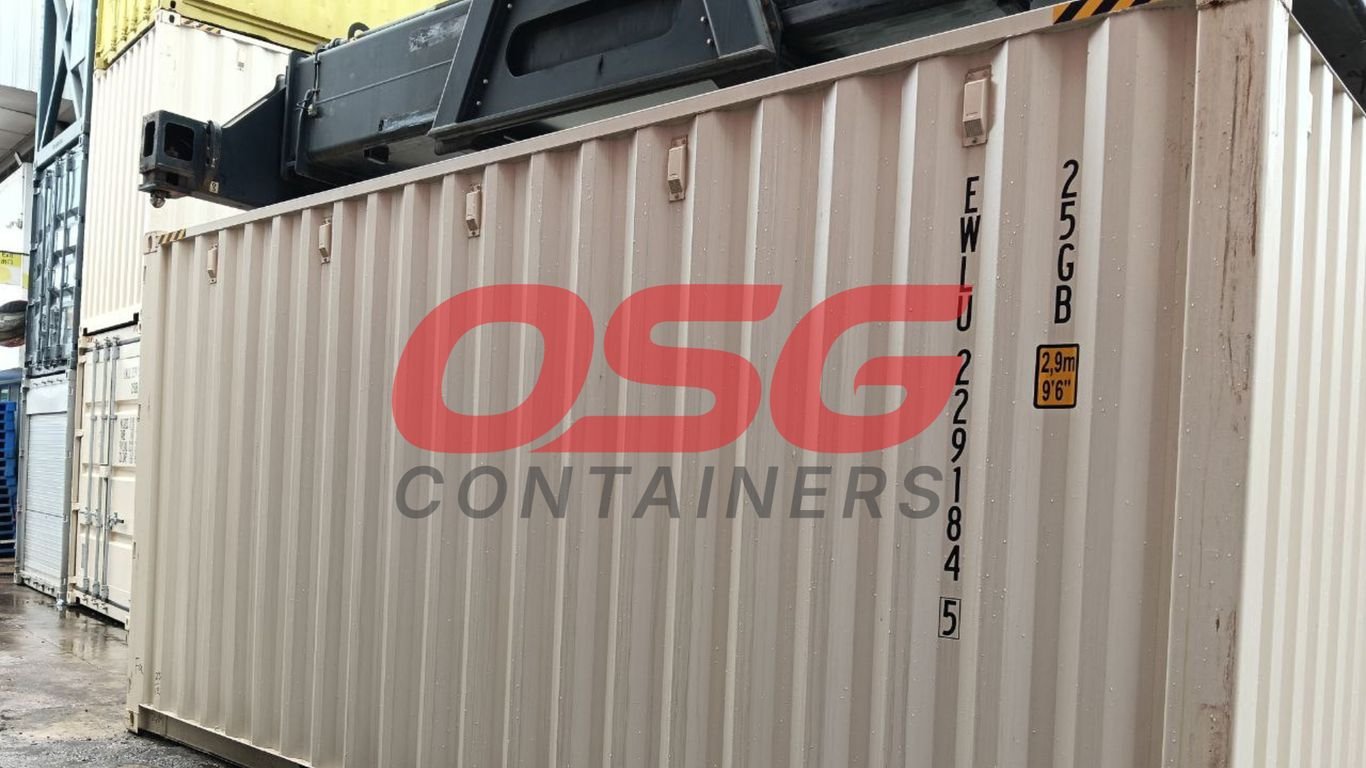
So, you’re thinking about shipping or storage and wondering if a standard container is enough. Let me tell you, for a lot of folks, that extra foot of height in a 40-foot high cube container makes a world of difference. It’s not just about fitting more stuff, though that’s a big part of it. It’s about making your whole operation smoother, maybe even saving some cash. We’re going to break down why this particular container might just be the unsung hero of your logistics.
Key Takeaways
- A 40-foot high cube container offers an extra foot of height compared to a standard 40-foot container, significantly increasing its storage volume.
- This extra vertical space is ideal for bulky items, stacking more pallets, or fitting taller cargo that wouldn’t fit elsewhere.
- Using a high cube container can lead to cost savings by reducing the number of containers needed for shipments and improving overall shipping efficiency.
- Proper loading strategies, including smart pallet configuration and weight distribution, are vital to fully utilize the space in a high cube container and maintain stability.
- High cube containers are versatile, finding use in on-site storage, retail, construction, and even as mobile offices or workshops due to their increased capacity and flexibility.
Key Distinctions Between Standard and High Cube Containers
Height and Capacity Differences Explained
When you stack a standard 40-foot container next to a 40-foot high cube, it’s the height that jumps out right away.
- Standard 40-foot containers stand at 8 feet 6 inches tall.
- High cube containers give you an extra foot, totaling 9 feet 6 inches in height.
This difference isn’t just about inches—it bumps up the container’s volume by roughly 12%.
| Container Type | Length (ft) | Width (ft) | Height (ft) |
|---|---|---|---|
| Standard 40′ | 40 | 8 | 8’6” |
| High Cube 40′ | 40 | 8 | 9’6” |
That extra foot can make or break whether tall machinery or stacked pallets fit without hassle.
Interior Dimensions and Volume Comparisons
On the inside, these containers keep the same footprint, but the vertical clearance is where the high cube pulls ahead. For many, the volume boost is not just a bonus—it’s a necessity for oversized or oddly shaped cargo. Here’s a quick comparison:
| Container Type | Interior Height | Approx. Volume (cu ft) |
|---|---|---|
| Standard 40′ | 7’10” | 2,390 |
| High Cube 40′ | 8’10” | 2,694 |
- High cube containers fit larger goods standing upright.
- Better suited for jobs that need more stacking room.
- Sometimes, even a single pallet on top of another is only possible in a high cube.
Choosing the Right Container for Your Cargo
Selecting between these two isn’t always about bigger being better. Standard containers are typically cheaper and easier to find—they fit most general shipments like household goods, bikes, or retail stock. High cube containers, though, come out on top when your inventory demands extra clearance:
- Pick a standard container if your cargo isn’t taller than 8 feet and you want to save on costs.
- Go with a high cube if you regularly handle large, odd-sized, or stacked loads.
- Remember, transport costs may be a bit higher with high cubes, but the increased capacity often pays off if you use every inch.
Ultimately, the right container comes down to what you need to store, your budget, and how often you anticipate needing extra space.
Physical Specifications of a 40 High Cube Container
When you’re looking at a 40 high cube container, it’s all about those extra inches that make a big difference. Think of it as getting a bit more bang for your buck in terms of space. These aren’t just any old shipping boxes; they’re designed to hold more, especially if your cargo is a bit on the tall side.
Exact Measurements and What They Mean for Storage
The "high cube" part of the name tells you the main story. While a standard 40-foot container is about 8.5 feet tall, the 40 high cube container stretches to 9.5 feet. That extra foot might not sound like much, but it adds up, giving you more room to stack or fit bulkier items.
Here’s a quick look at the numbers:
| Dimension | Measurement (Approx.) |
|---|---|
| External Length | 40 feet |
| External Width | 8 feet |
| External Height | 9.5 feet |
| Internal Length | 39.5 feet |
| Internal Width | 7.7 feet |
| Internal Height | 8.9 feet |
| Internal Volume | 76 cubic meters |
This extra height means you can often fit about 10% more volume compared to a standard 40ft container. It’s great for things like furniture, machinery parts, or even just maximizing pallet loads.
Maximum Gross Weight and Payload Capacity
Even though the 40 high cube container is taller, it’s built tough. You still need to be mindful of weight limits, though. Overloading can cause all sorts of problems, from fines to safety issues.
- Maximum Gross Weight: Usually around 67,200 pounds (30,480 kg). This is the total weight of the container and its contents.
- Tare Weight: This is the weight of the empty container itself, typically around 8,000 pounds (3,630 kg).
- Payload Capacity: This is what you can actually put inside, usually about 59,200 pounds (26,850 kg). Always check the specific container’s rating, as it can vary a bit.
It’s super important to distribute the weight evenly inside the container. A heavy load packed all on one side can make the whole thing unstable, which is a big no-no when it’s being moved.
Door Openings and Internal Accessibility
Getting stuff in and out of a 40 hq container is pretty straightforward. The doors are usually on one end and swing open wide. The internal dimensions, especially the height, are what really matter for loading.
- Door Width: Typically around 7.7 feet (2.35 meters).
- Door Height: Usually about 8.5 feet (2.6 meters).
This means most standard forklifts and pallet jacks can get in and out without too much trouble, as long as you’re not trying to shove something that’s exactly 9.5 feet tall through the door. The extra internal height is where you gain the advantage, allowing for more efficient stacking or fitting taller items that wouldn’t fit in a standard container.
Top Advantages of Using a High Cube Container
When you’re looking to get the most out of your storage or shipping, the extra height of high cube containers really makes a difference. It’s not just a little bit more space; that extra foot can seriously change how much you can fit and how efficiently you can use it. This added vertical real estate is the primary reason businesses turn to high cube containers.
Increased Vertical Storage for Bulky Items
That extra foot of height isn’t just for show. It means you can finally store those awkwardly tall items that just wouldn’t fit in a standard container. Think machinery, specialized equipment, or even just taller stacks of inventory. It opens up possibilities for storing things you might have had to leave behind or find a separate, more expensive storage solution for.
- Accommodates taller equipment and machinery.
- Allows for higher pallet stacking, increasing density.
- Provides room for items with unusual vertical dimensions.
Enhanced Efficiency for Large-Scale Shipments
For businesses moving a lot of goods, efficiency is key. High cube containers let you pack more into each unit. This can mean fewer containers needed for the same amount of cargo, which translates directly into savings on shipping costs and less time spent loading and unloading. It’s a smart way to streamline your logistics.
| Container Type | Internal Height | Approximate Volume Increase |
|---|---|---|
| Standard 40′ | 8′ 6" | N/A |
| 40′ High Cube | 9′ 6" | ~12-13% |
The ability to fit more into each container is a game-changer for large operations. It reduces the number of trips needed and simplifies inventory management, making the whole process smoother and less costly.
Greater Flexibility for Modifications and Custom Builds
Beyond just storage and shipping, high cube containers are popular for custom projects. That extra headroom makes a big difference when you’re converting a container into an office, a workshop, or even a retail space. It feels less cramped and more functional, especially if people will be spending a good amount of time inside. It gives you more design freedom.
- More comfortable for mobile offices and on-site workspaces.
- Provides better headroom for custom shelving and workbenches.
- Allows for more creative interior layouts in converted spaces.
Optimal Cargo Loading Strategies for High Cube Containers
Getting the most out of a 40-foot high cube container isn’t just about stacking things to the roof. It takes planning, the right tools, and a few tricks to really take advantage of all that extra vertical space. Below are several strategies to help you make every cubic inch count, protect your cargo, and stay within weight limits.
Smart Pallet Configuration and Stacking Tips
- Pick stackable, sturdy packaging that can handle a few layers.
- Make sure your pallets fit well across the container’s width (standard and Euro pallets work best).
- Use shrink wrap or straps to keep weaker boxes or loose items from falling off during transport.
| Pallet Type | Fits Across (Width) | Typical Max Stack Height |
|---|---|---|
| Standard 48” | 2 | Up to 7 ft |
| Euro 40” | 2 | Up to 8 ft |
Weight Distribution and Stability Best Practices
- Put your heaviest cargo at the bottom and toward the center.
- Spread weight side-to-side and front-to-back (don’t let one end do the heavy lifting).
- Interlock boxes, brick-style, for better support and fewer wasted gaps.
Utilizing Dunnage and Securing Techniques
- Fill empty spaces with foam, cardboard, or air bags to stop things from sliding around.
- Use straps or bracing boards for especially wobbly or top-heavy loads.
- If you’re packing anything moisture-sensitive, make sure to leave air flow paths and consider ventilation.
With the extra height, you can stack more—but always check your container’s weight limit and plan your loading order to avoid costly surprises. A little bit of extra care up front saves money and headaches when your shipment hits the road.
By keeping these strategies in mind, you’ll not only fit more in your high cube container, but you’ll also protect your goods and keep your shipping bills in check.
Common Applications for 40 High Cube Containers
On-Site Storage for Construction and Industry
When you’ve got a big project going on, like building something or a major industrial operation, you often end up with a lot of stuff that needs to be kept safe and close by. Think tools, materials, equipment, and all sorts of bits and pieces. A 40-foot high cube container is a fantastic option for this. It’s like a super-secure, weather-proof shed that you can put right where you need it. Because they’re so tall, you can fit a surprising amount inside, making it easier to keep your worksite organized and everything accessible. Plus, they’re pretty tough, so your gear is protected from the elements and potential theft.
Retail Backroom and Inventory Overflow
Retailers know all too well that sometimes, the stockroom just isn’t enough. Whether it’s seasonal items, a big sale coming up, or just a surge in popular products, you need extra space to keep things organized. A 40-foot high cube container can act as an extension of your backroom. You can store extra inventory, seasonal displays, or even fixtures that aren’t currently in use. This extra space can prevent stockouts and keep your main retail floor looking tidy and appealing to customers. It’s a practical way to manage inventory without needing to rent expensive warehouse space.
Mobile Offices and Modular Workspaces
These containers aren’t just for storing things; they’re also super versatile for creating temporary or even permanent workspaces. Imagine needing a site office for a construction crew, a temporary sales office, or even a break room for a large event. A 40-foot high cube can be modified to include windows, doors, insulation, and even basic utilities. They’re sturdy, transportable, and offer a blank canvas for creating functional spaces quickly. It’s a cost-effective way to get a solid structure up and running without the hassle of traditional building.
Here’s a quick look at how they stack up for different uses:
- Construction Sites: Storing tools, materials, safety equipment, and temporary offices.
- Warehousing: Overflow inventory, seasonal stock, and temporary storage solutions.
- Event Management: Storing equipment, setting up temporary offices, or creating vendor stalls.
- Disaster Relief: Providing temporary shelter or storage for aid supplies.
The real beauty of these containers is their adaptability. You can use them as-is for straightforward storage, or you can get creative and transform them into something entirely new, like a workshop or a small studio. It really depends on what you need them for.
Recycling and Waste Management
Dealing with large volumes of recyclable materials or waste can be a challenge. 40-foot high cube containers are often used in this sector because they can hold a significant amount of material, whether it’s scrap metal, paper, or other recyclables. Their robust construction means they can handle heavy loads, and they’re designed for easy transport between collection points and processing facilities. This makes managing waste streams more efficient and organized.
Improving Cost Efficiency With High Cube Containers
When you’re looking to get the most bang for your buck with shipping and storage, a 40-foot high cube container really shines. It’s not just about having more space; it’s about how that extra space translates into real savings and better operations.
Reducing Shipping Costs Through Maximized Space
The most direct way a high cube container saves you money is by letting you fit more stuff in a single unit. Think about it: that extra foot of height means you can stack pallets higher or fit bulkier items that just wouldn’t go into a standard container. This can cut down on the number of containers you need for a big shipment, which directly lowers your transportation fees. Less shipping means less money spent on freight, plain and simple.
Here’s a quick look at how the volume stacks up:
| Container Type | Volume (approx.) |
|---|---|
| Standard 40ft | 67.7 cubic meters |
| 40ft High Cube | 76.4 cubic meters |
That’s a nearly 13% jump in usable space, which can make a big difference over time.
Minimizing Damage and Ensuring Safe Transit
Beyond just fitting more, the way you load a high cube container can also prevent costly damage. When you have that extra vertical room, you can arrange your cargo more thoughtfully. This means better weight distribution and more room to use dunnage or bracing materials to keep everything snug and secure. Less shifting during transit means fewer damaged goods, which translates to fewer claims, less product loss, and happier customers. It’s about protecting your investment from the moment it leaves your facility until it reaches its destination.
Proper loading isn’t just about filling up space; it’s about creating a stable, secure load that can handle the rigors of transport. This careful planning prevents costly damage and ensures your goods arrive in the condition you expect.
Lowering the Environmental Footprint of Cargo Moves
Saving money often goes hand-in-hand with being more environmentally friendly, and high cube containers are no exception. By consolidating more goods into fewer containers, you’re reducing the overall number of trips needed. Fewer trips mean less fuel consumption, which in turn means lower carbon emissions. It’s a win-win: you save on fuel costs, and you contribute to a cleaner planet. For businesses looking to improve their sustainability metrics, using high cube containers is a smart, practical step.
- Fewer truck or ship movements.
- Reduced fuel usage per item shipped.
- Lower overall greenhouse gas emissions.
Understanding Equipment Compatibility and Security Features
Compatibility With Forklifts and Pallet Jacks
Even though 40-foot High Cube containers offer that extra vertical space, they’re built on the same base dimensions as standard containers. This is good news because it means your usual loading equipment, like forklifts and pallet jacks, will work just fine. You won’t need special gear just because the container is taller. The width and length are the same, so maneuvering and loading goods remain pretty straightforward. It’s all about making sure your existing tools can handle the job without a hitch.
Stacking and Transportation Considerations
When it comes to stacking, High Cubes are designed to interlock with standard containers. However, you’ve got to remember that extra foot of height. If you’re stacking them in a yard or a warehouse, make sure your overhead clearance is sufficient. This applies to delivery too; the truck and crane need to account for the added height when placing or removing the container. It’s not a huge difference, but it’s something to keep in mind for logistics.
- Delivery Clearance: Always check that the delivery path and final placement area have enough vertical space for the High Cube.
- Warehouse Stacking: Confirm that warehouse ceilings or any overhead structures can accommodate the stacked height.
- Intermodal Transport: Ensure all transport modes (ships, trains, trucks) can handle the increased height according to their specific regulations.
Security Enhancements for Valuable Goods
These containers are built tough, using heavy-duty steel that’s meant to keep your stuff safe. For extra peace of mind, especially if you’re storing valuable items or working on a construction site, many come with reinforced lock boxes. These are basically steel housings that completely cover your padlock, making it really hard for someone to just snip it off with bolt cutters. It adds a solid layer of protection against theft and tampering. Plus, the doors seal up tight, keeping out weather and pests, which is another form of security for your stored items.
When you’re setting up a container, especially a long one like a 40-footer, the ground it sits on matters a lot. If one corner sinks even a little, the whole frame can twist. This twisting, often called ‘racking,’ can make the doors really hard to open and close, and it messes with the seals. So, making sure the ground is level and firm, maybe with some gravel or concrete blocks under the corners, is super important for keeping the doors working right and the container secure.
Wrapping It Up
So, when you’re looking to get the most out of your shipping or storage, that extra foot of height in a 40-foot high cube container really does make a difference. It’s not just about cramming more stuff in; it’s about smarter packing, better stability, and often, saving a bit of cash on shipping costs. Whether you’re dealing with bulky furniture, stacked goods, or just need to make every inch count, the high cube option gives you that extra edge. It’s a simple change, but it can really help streamline your operations and make your logistics a whole lot easier.
Frequently Asked Questions
What makes a 40-foot High Cube container different from a regular 40-foot container?
The biggest difference is height! A high cube container is about a foot taller than a standard one. Think of it like an extra floor in a building. This extra space means you can fit about 10% more stuff inside, which is super helpful for bulky items or stacking things higher.
How much weight can a 40-foot High Cube container hold?
These containers can hold a lot! The maximum weight they can carry, including the container itself and the cargo, is usually around 67,200 pounds (or about 30,480 kilograms). But remember, you can’t just fill it to the brim with heavy stuff; you also need to spread the weight out evenly to keep things stable.
Is it hard to load a High Cube container because it’s taller?
Not really! They are designed to work with regular equipment like forklifts and pallet jacks, just like standard containers. The extra height mainly gives you more room to work with inside, making it easier to stack items efficiently and safely.
What kind of items are best to put in a High Cube container?
High cube containers are great for things that take up a lot of space but aren’t super heavy, like furniture, electronics, or textiles. They’re also perfect for stacking pallets of goods because you can use that extra height to get more on each layer. If you have tall equipment, this is the container for you!
Can I use a High Cube container for something other than shipping?
Absolutely! Many people use them for storage on their property, like for construction sites or extra inventory space for stores. They can even be turned into cool things like mobile offices, workshops, or temporary shops because that extra height makes them feel more spacious inside.
How does using a High Cube container save money?
By fitting more cargo into one container, you can often reduce the number of shipments you need. This means less money spent on transportation. Plus, packing smarter and reducing the chance of damage during shipping also helps cut down on extra costs.