Singapore
 Australia
 Indonesia
 Japan
Japan Malaysia
 New Zealand
 Philippines
 South Korea
 Taiwan
 Thailand
 VIETNAM
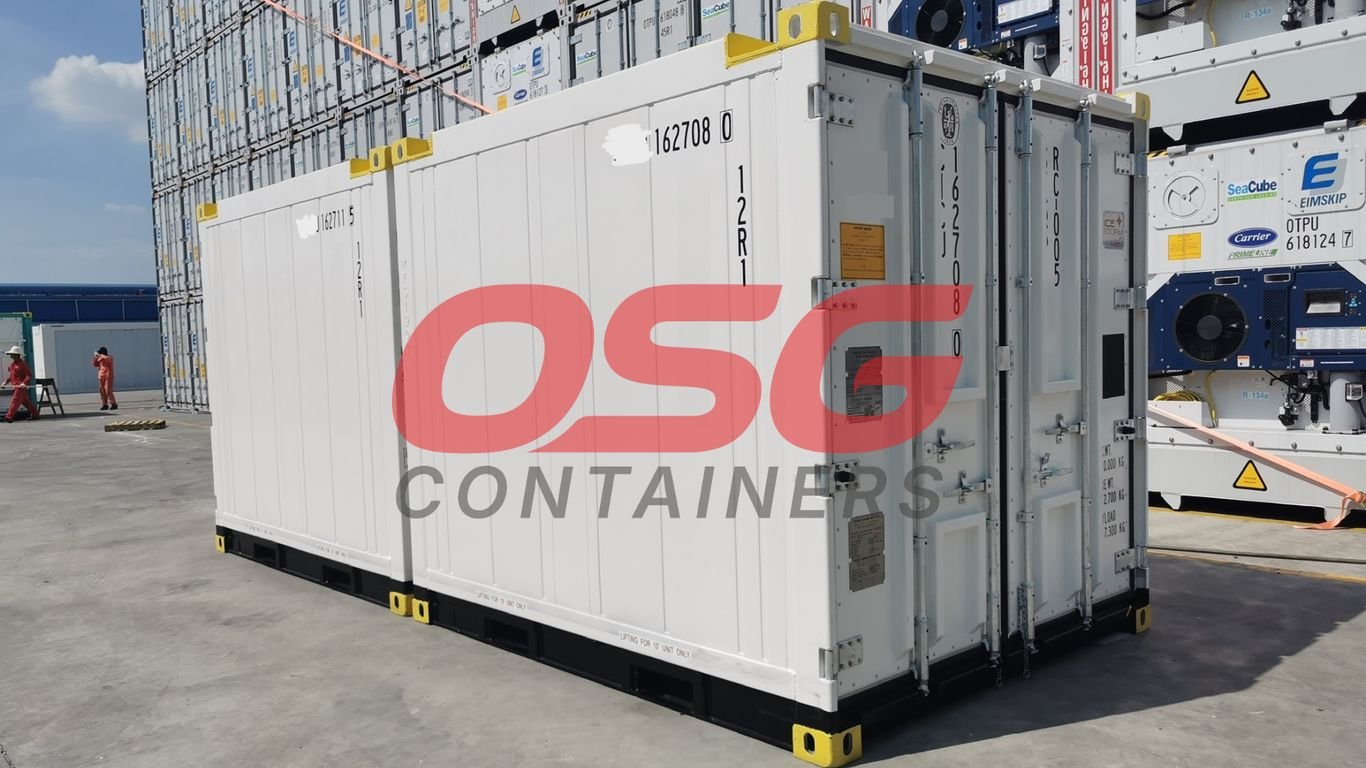
If you’ve ever wondered how ice cream stays frozen or vaccines remain safe during transport in Singapore’s hot climate, the answer often lies in a container reefer 40. These massive refrigerated containers are a common sight at ports and warehouses, keeping all sorts of goods at just the right temperature. Renting one is a practical solution for businesses that need reliable cold storage but don’t want to commit to building a permanent facility. In this article, we’ll break down how container reefer 40 units work, what to consider before renting, and why they’re so important for cold chain logistics in Singapore.
Key Takeaways
- A container reefer 40 provides portable, reliable refrigeration for goods needing strict temperature control in Singapore’s climate.
- These containers are used by many industries, from food and beverage to pharmaceuticals and events, for both storage and transport.
- Proper loading and airflow are key to keeping products safe; avoid blocking vents or overfilling the container.
- Continuous power supply is necessary—plan for backup options during transport or storage to avoid spoilage.
- Renting a container reefer 40 is often more cost-effective for short-term or seasonal needs compared to buying one outright.
Understanding the Role of Container Reefer 40 in Singapore’s Cold Chain
How Reefer Containers Preserve Product Quality
Reefer containers are pretty much the backbone of keeping things fresh in Singapore’s busy logistics scene. They’re basically specialized shipping containers with built-in refrigeration units. This means they can keep a steady temperature, whether you need to freeze something solid or just keep it chilled. Think of them as mobile, controlled environments. They can handle a wide range of temperatures, usually from about -30°C up to +30°C. This flexibility is key because different products need different conditions. For example, frozen seafood needs a much colder environment than fresh fruits or dairy products.
The real magic is in how they maintain that exact temperature, no matter what’s happening outside. This is super important in a place like Singapore, where the weather can be hot and humid. Without this consistent cooling, your goods could spoil quickly, leading to waste and lost money. They work by circulating air, but sometimes, especially with things like produce that release gases as they ripen, they can also bring in fresh air. This helps slow down the ripening process and keeps things from going bad too fast.
Industries and Applications in Singapore
Lots of different businesses in Singapore rely on these reefer containers. The food and beverage industry is a big one, obviously. Keeping meat, fish, dairy, and produce fresh from the farm or port to the consumer is a huge job. Then there are pharmaceuticals – many medicines and vaccines need to be kept at very specific temperatures to stay effective. Even some chemicals require controlled environments to remain stable. Beyond that, you see them used for events and catering, providing temporary cold storage when permanent facilities aren’t available or practical. They’re also useful for businesses that might not have a constant need for cold storage, allowing them to rent what they need, when they need it.
Here’s a quick look at who uses them:
- Food & Beverage: From restaurants to supermarkets, keeping perishables fresh.
- Pharmaceuticals: Ensuring the integrity of medicines and vaccines.
- Events & Catering: Temporary cold storage for functions.
- Agriculture: Storing and transporting fresh produce.
Benefits Over Permanent Cold Storage
So, why rent a reefer container instead of building a permanent cold storage facility? Well, for starters, it’s usually a lot cheaper upfront. Building a cold room takes time, space, and a big chunk of cash. Renting a container is much more flexible. You can get one set up pretty quickly and, if your needs change, you can move it or get a different size. This mobility is a big deal. If you need storage at a specific site for a limited time, like during a construction project or for a seasonal event, a reefer container is perfect. You don’t have to invest in a fixed structure that you might not need later. Plus, modern reefer containers are pretty energy-efficient, which helps keep running costs down compared to older, less efficient permanent setups.
Renting a reefer container offers a practical and cost-effective way to manage temperature-sensitive goods without the commitment of building permanent infrastructure. It provides the flexibility to adapt to changing business needs and locations, which is a significant advantage in a dynamic market like Singapore.
Key Features and Specifications of Container Reefer 40
When you’re looking at a 40 reefer container for your cold chain needs in Singapore, it’s good to know what makes them tick. These aren’t just big metal boxes; they’re sophisticated pieces of equipment designed to keep your goods at just the right temperature, no matter what the weather’s doing outside.
Temperature Range and Controls
The main job of a reefer is temperature control. A typical 40 reefer container can keep things anywhere from a chilly -30°C up to a mild +30°C. This wide range means they’re good for everything from frozen seafood to fresh produce that just needs to stay cool. Most units have digital panels right on the front. You can set your exact temperature and check on it anytime. This makes it easy to see what’s going on, especially when the container is on the move.
Capacity, Dimensions, and Insulation
Let’s talk size. A 40-foot high-cube reefer container gives you a good amount of space. Externally, it’s about 12.19 meters long, 2.44 meters wide, and 2.89 meters tall. Inside, you get a bit less, around 11.56 meters long, 2.29 meters wide, and 2.55 meters high. This gives you a total volume of roughly 67.5 cubic meters. The walls are thick and insulated, which is key to stopping outside heat from getting in and inside cold from escaping. This insulation works hand-in-hand with the cooling unit to maintain a steady temperature.
Power Supply Requirements
These containers need power to run their cooling systems. They usually need a 380–460 volt, 3-phase electrical connection, and they draw about 15 to 32 amps. This power can come from the dock when the container is at a port, from a generator set on a truck, or from a portable generator. Keeping a constant power supply is absolutely vital; if the cooling stops, your cargo is at risk.
One thing to watch out for is pre-cooling. It might seem like a good idea to cool the container down before you load it, but it can actually cause problems. When you open the doors in a warm, humid place like Singapore, the cold air inside meets the hot air outside, and you get condensation. This moisture can damage packaging and even the product itself. It’s usually better to load into a container that’s at ambient temperature and let the unit do its job.
Selecting the Right Container Reefer 40 for Your Operations
So, you’re looking to rent a 40-foot reefer container in Singapore, but where do you even start? It’s not like picking out a regular shipping box; this is about keeping your valuable cargo at just the right temperature. Picking the wrong one could mean spoiled goods and a serious headache. Let’s break down how to make sure you get the perfect fit for what you need to move.
Assessing Product Temperature Needs
First things first, what exactly are you shipping? Different products have wildly different temperature requirements. You wouldn’t store ice cream the same way you’d store fresh flowers, right? It’s super important to know the exact temperature range your goods need to stay in. This isn’t just a ballpark figure; we’re talking precise degrees Celsius.
- Frozen Goods: Think ice cream, frozen meats, or certain pharmaceuticals. These usually need temperatures well below freezing, often down to -25°C or even -30°C.
- Chilled Goods: This covers things like fresh produce, dairy products, and some medicines. They typically need to be kept cool, but not frozen, usually somewhere between 0°C and 8°C.
- Controlled Room Temperature: Some items, like certain wines or specialized chemicals, might need a stable temperature that’s just above freezing, maybe around 10°C to 15°C, to prevent damage.
Knowing these specific needs will guide you to the right type of reefer unit. Some units are better suited for deep freezing, while others excel at maintaining a steady chill.
Estimating Storage Volume Requirements
Next up, how much stuff are you actually moving? A 40-foot reefer container is pretty big, offering about 67.5 cubic meters of space. But you don’t want to rent a massive container if you’re only shipping a few pallets, nor do you want to cram too much into one if you have a huge order.
- Measure your cargo: Get the dimensions of your typical shipment. How many pallets fit? What’s the height of your stacked goods?
- Consider airflow: Remember, you can’t just fill every inch. You need space for air to circulate. Blocking airflow is a common mistake that leads to uneven temperatures.
- Think about future needs: Are your orders likely to grow? It might be worth getting a slightly larger container than you need right now if you anticipate expansion.
It’s easy to underestimate how much space you’ll need once you factor in proper stacking and the essential requirement for air circulation. Always err on the side of having a little more room than you think you’ll need to avoid issues down the line.
Evaluating Additional Features and Customization
Most 40-foot reefers come with standard temperature controls, but sometimes you need a bit more. Think about what else might make your life easier or protect your cargo better.
- Humidity Control: Some products, like certain fruits and vegetables, are sensitive to humidity levels. If this is a concern, look for units that offer specific humidity controls.
- Data Logging: Do you need a detailed record of the temperature throughout the journey for compliance or quality assurance? Many units come with built-in data loggers.
- Racking or Shelving: For smaller, varied items, custom racking might be beneficial, though this is less common for standard 40-foot rentals and might require a custom build.
- Power Source Options: How will the container be powered? Will it be on a truck with a generator, plugged into a dock, or need a standalone generator? Make sure the rental includes the right setup for your operational environment.
By carefully considering these points, you can move beyond just renting ‘a’ reefer container and instead select ‘the right’ reefer container that truly supports your cold chain logistics in Singapore.
Best Practices for Loading and Operating a Container Reefer 40
Getting the loading and operation of your reefer container right is super important for keeping your reefer cargo in good shape. It’s not just about shoving stuff in and closing the doors; there’s a bit more to it if you want to avoid problems.
Preparing the Container for Use
Before you even think about loading, make sure the container itself is ready. It needs to be clean and dry. Seriously, don’t skip this. Any leftover debris or moisture from a previous trip can cause issues later on. Also, check the inside for any damage. You want a solid, clean space for your goods. A quick visual inspection can save you a lot of headaches down the road.
Proper Cargo Arrangement and Airflow
This is where things get technical, but it’s really about making sure the cold air can get everywhere it needs to. Reefers work by circulating cold air, usually from the bottom up. If you block those pathways, you’ll end up with warm spots, and that’s bad news for your reefer cargo.
- Use the T-bar floor: The special floor in reefers is designed to let air flow underneath your cargo. Make sure your pallets or goods don’t completely seal off this floor. Leave some space for air to move.
- Respect load lines: There are usually lines marked inside the container. Don’t stack your cargo above these lines. Overfilling restricts airflow at the top, leading to uneven temperatures.
- Pallet choice matters: Opt for pallets that allow air to pass through them. Avoid solid, flat pallets that can create a barrier.
- Maintain space: Don’t pack the container so tightly that air can’t circulate around individual boxes or pallets. Leave small gaps where possible.
The internal design of a reefer container is all about creating a consistent cold air current. Any obstruction, whether it’s a poorly stacked pallet or a piece of dunnage placed incorrectly, can disrupt this flow. This disruption is the primary cause of temperature variations within the container, directly impacting the quality and shelf life of your sensitive cargo.
Avoiding Common Mistakes During Loading
People make mistakes, and in reefer logistics, these can be costly. Here are a few common pitfalls to steer clear of:
- Don’t pre-cool the container: It sounds like a good idea to get it cold before loading, but it actually causes more condensation when you open the doors in Singapore’s warm, humid air. Load your cargo into a container at ambient temperature.
- Overloading: Going above the marked load lines is a recipe for disaster, as mentioned. It messes with airflow and puts stress on the container structure.
- Wet pallets or packaging: Bringing moisture into the container is a big no-no. It increases humidity and can lead to frost buildup and spoilage.
- Not securing the load: While you want airflow, you also don’t want your cargo shifting during transit. Make sure everything is stable but not so tight that it blocks air.
Ensuring Temperature Consistency During Singapore’s Logistics Challenges
Singapore’s climate can really put your cold chain to the test. High humidity and heat mean that keeping your temperature-sensitive goods just right requires constant attention. It’s not just about setting a temperature and forgetting it; you’ve got to be actively managing the situation.
Monitoring and Logging Temperatures
This is probably the most important part. You need to know what’s happening inside that container at all times. Most modern reefer units come with built-in data loggers, which is super handy. These devices record the temperature at set intervals, giving you a clear history of your cargo’s environment. Having this data is your proof that you did everything you could to maintain quality. It’s also vital for identifying any potential issues before they become big problems.
Here’s a quick look at what to track:
- Temperature Readings: The core data. Make sure it stays within your product’s required range.
- Door Openings: Frequent or long door openings can cause temperature spikes.
- Defrost Cycles: These are normal but can temporarily affect internal temperature.
- Power Status: Any interruptions need to be noted.
Managing Humidity and Ventilation
Humidity is a big deal in Singapore. Too much moisture can lead to condensation, mold, and damage to certain products, especially electronics or sensitive foods. Your reefer container has ventilation settings that help manage this. You can often adjust the amount of fresh air entering the container, which helps control humidity levels. It’s a balancing act, though, because too much ventilation can also let in warm, humid air, making the cooling unit work harder.
Proper airflow inside the container is also key. Don’t pack items too tightly. Leave space for the cold air to circulate around your goods. Blocking the vents or stacking boxes right up against the walls can create hot spots, even if the rest of the container is cold.
Maintaining Power Supply During Transit
Power is the lifeblood of your reefer container. Whether it’s plugged into a shore power source at a port or warehouse, or running off a generator during transit, a stable power supply is non-negotiable. For transport, many containers use clip-on diesel generators. You need to make sure these generators are well-maintained, have enough fuel, and are monitored regularly. Power outages, even short ones, can be disastrous for temperature-sensitive cargo. Always have a backup plan, especially for longer journeys or when relying on generators.
Cost Considerations for Renting a Container Reefer 40 in Singapore
When you’re looking at renting a reefer container, especially a 40-foot unit for your cold chain needs in Singapore, it’s not just about the sticker price. There are a few things to think about to make sure you’re getting the best deal and that it fits your budget.
Rental Versus Purchase: Which Is Better?
For many businesses, renting makes more sense than buying outright. If your needs change often, or you only need the container for a specific project or season, renting gives you flexibility. You avoid the big upfront cost of buying and don’t have to worry about long-term maintenance or eventual resale. Buying is usually better if you know you’ll need a container for a very long time, like years on end, and have a steady volume of goods to store.
Typical Costs and Pricing Models
Rental rates can change based on how long you need the container and the specific features it has. Shorter rentals might have a higher daily rate, while longer commitments often come with discounts. The container size also plays a role; a 40-foot reefer will naturally cost more to rent than a smaller 20-foot one. You’ll also want to factor in delivery and pickup fees, which can add up.
Here’s a general idea of what you might expect:
- Daily Rental: Typically ranges from S$10 to S$25 per day.
- Monthly Rental: Often comes with a discount, potentially S$200 to S$500 per month.
- Long-Term Leases: Negotiable rates, usually significantly lower per day/month than short-term options.
Don’t forget to ask about what’s included. Does the price cover basic maintenance? Are there extra charges for specific temperature settings or power hookups?
The total cost of using a reefer container isn’t just the rental fee. You also need to account for the electricity it uses to keep things cool, especially in Singapore’s warm climate. Regular checks and any necessary repairs, if not covered by the rental agreement, can also add to the overall expense.
Maximizing Value With Flexible Rental Terms
To get the most bang for your buck, talk to your rental provider about flexible terms. Can you easily switch to a different container size if your needs change? Are there options to pause your rental if you have a lull in business? Understanding these options can save you money and hassle down the line. Always get a clear, written contract that details all costs, terms, and responsibilities. This way, there are no surprises.
When comparing providers, look beyond just the daily rate. Consider their reputation for reliability, the condition of their containers, and the level of support they offer. A slightly higher rental fee might be worth it if it means fewer breakdowns and better service.
Compliance and Safety When Using Container Reefer 40
Using a container reefer 40 in Singapore means you’re dealing with some serious equipment. To make sure everything runs smoothly and safely, there are a few key things to keep in mind. It’s not just about keeping things cold; it’s about following the rules and looking after your cargo and the people handling it.
Meeting ISO and CSC Regulations
First off, any shipping container you rent, especially a reefer, needs to meet certain standards. The big ones are ISO (International Organization for Standardization) and CSC (Container Safety Convention). These aren’t just fancy acronyms; they mean the container is built to handle the rigors of international transport and is safe to use. You’ll usually see a CSC plate on the container, which is like its ID card, showing it’s been inspected and meets these safety requirements. Without a valid CSC plate, you can’t legally ship the container. It’s a basic check that tells you the container’s structure is sound and it’s ready for the journey, whether by sea, rail, or road.
Routine Maintenance and Inspections
Reefers are complex machines, and like any machine, they need regular care. When you rent, the provider should handle the major maintenance, but it’s good to know what’s involved. This includes:
- Cleaning: Making sure the inside is spotless between loads prevents cross-contamination and keeps the air fresh.
- Defrosting: Ice buildup can mess with airflow and cooling efficiency. Regular defrosting is a must.
- Inspections: Checking door seals, gaskets, and insulation for any damage is important. Even small leaks can let warm air in and cause problems.
- Mechanical Checks: The refrigeration unit itself needs servicing to keep the compressor and other parts running well.
Before you load anything, a Pre-Trip Inspection (PTI) is usually done. This is a thorough check of the cooling system, power, and overall condition. It’s your assurance that the unit is ready to go.
Training Staff in Safe Operation
Even the best equipment is only as good as the people using it. Your team needs to know how to handle the reefer safely. This means understanding:
- Loading Procedures: How to load cargo without blocking airflow and how to secure it properly.
- Temperature Monitoring: How to read the controls, set the right temperature, and what to do if there’s an alert.
- Power Connections: How to safely connect and disconnect the power supply, whether it’s from a shore connection or a generator.
- Emergency Procedures: What to do if the temperature starts to drift or if there’s a mechanical issue.
Proper training reduces the risk of accidents, cargo damage, and costly delays. It ensures that everyone involved understands their role in maintaining the integrity of the cold chain and the safety of the operation. This attention to detail is what separates good logistics from great logistics.
By paying attention to these compliance and safety aspects, you’re not just avoiding trouble; you’re protecting your valuable cargo and building a more reliable cold chain operation in Singapore.
Wrapping It Up
So, when it comes to keeping your goods cold and fresh in Singapore’s climate, renting a 40-foot reefer container is a pretty solid move. It’s not just about having a big fridge on wheels; it’s about making sure your products, whether they’re delicate pharmaceuticals or frozen treats, arrive in perfect condition. We’ve talked about how important it is to get the temperature right, how these containers are built to handle the heat outside, and why picking the right rental company matters. Think about your specific needs – how cold do things need to be, for how long? Getting those details sorted means you’re setting yourself up for success. Renting gives you that flexibility, especially if your needs change or you’re not shipping all the time. It’s a practical way to manage your cold chain without the huge upfront cost of buying. Just remember to check the specs, ask questions, and work with a provider who knows their stuff. That way, you can focus on your business, knowing your cargo is in good hands, or rather, in good, cold containers.
Frequently Asked Questions
What is a reefer container and why is it important in Singapore?
A reefer container is like a special fridge on wheels, designed to keep things cold or frozen. In Singapore, where it’s hot and humid, these containers are super important for keeping food, medicines, and other sensitive items fresh and safe during shipping and storage. They help make sure your products don’t go bad before they reach their destination.
What’s the difference between a 20-foot and a 40-foot reefer container?
Think of them like different sizes of storage units. A 20-foot reefer is smaller and good for less stuff or if you don’t have much space. A 40-foot reefer is bigger, like a long truck trailer, and can hold a lot more goods. You pick the size based on how much you need to store or move.
Can I set any temperature I want in a reefer container?
Mostly, yes! Reefer containers let you choose a wide range of temperatures, usually from very cold (like -30°C for frozen items) to cool (like +30°C for chilled items). You can adjust it to exactly what your products need to stay in good condition.
Do I need to pre-cool the reefer container before loading my goods?
Actually, it’s better not to pre-cool it. If you cool it down a lot and then open the doors in Singapore’s warm, humid air, you’ll get a lot of condensation (water droplets). This can make things wet, damage packaging, and make the fridge work harder. It’s best to load your items into a container that’s at the normal outside temperature.
How does a reefer container get power to stay cold?
Reefer containers need electricity to run their cooling machines. They usually plug into a power source. This could be electricity from a dock, a special generator on a truck, or a portable generator. It’s really important to have a steady power supply so the temperature doesn’t go up and spoil your cargo.
Is it better to rent or buy a reefer container in Singapore?
Renting is often a great choice, especially if you don’t need a container all the time or if you want to try different sizes. Buying is a big investment. Renting gives you flexibility, can be cheaper for short-term needs, and means you don’t have to worry about maintenance as much. It’s like renting a car versus buying one – renting is easier for occasional use.