Singapore
 Australia
 Indonesia
 Japan
Japan Malaysia
 New Zealand
 Philippines
 South Korea
 Taiwan
 Thailand
 VIETNAM
Thinking about getting a cargo container? They’re pretty handy things, really. You see them everywhere, holding all sorts of stuff. Whether you need to store some old furniture, set up a workshop, or even build a small office, these metal boxes can be a surprisingly good solution. They come in different shapes and sizes, and you can even get them modified. Let’s break down what you need to know about cargo containers.
Key Takeaways
- Cargo containers come in various grades, from ‘new one trip’ (barely used) to ‘wind and watertight’ (older, but still sealed).
- You can find containers in different sizes, like 10ft, 20ft, 40ft, and even 45ft, to fit your space and needs.
- Special options exist, such as refrigerated containers for temperature-sensitive items or modified containers for offices and workshops.
- Containers can be transformed for many uses, from simple storage to living spaces or job site offices, with custom modifications available.
- Buying and delivering a cargo container involves understanding pricing, financing, and site preparation requirements for smooth delivery.
Understanding Cargo Container Grades
When you’re looking to buy a shipping container, you’ll quickly notice they aren’t all created equal. They come in different ‘grades,’ which basically tells you about their condition and how much life they have left in them. Picking the right grade is super important because it affects the price and what you can actually do with the container.
New One Trip Containers
These are pretty much as close to brand new as you can get. They’ve only made one trip across the ocean, usually from the factory overseas to a port here. Because they’ve only been handled a few times and haven’t spent years out at sea or sitting in storage yards, they look really good. You’ll see very few dents, scratches, or rust spots. They’re the top-tier option if you want something that looks pristine and has the longest potential lifespan.
Multi Trip Containers
Think of these as the slightly more experienced cousins of the one-trip containers. They’ve been on a few more journeys, maybe two or three trips. They’re still in pretty good shape, much better than older containers, but you might notice a few more minor dings or scuffs from being moved around more. They offer a good balance between condition and cost, making them a popular choice for many.
Cargo Worthy Containers
These containers have seen a fair bit of action. They’ve been used for shipping for a while, but they’re still considered structurally sound and fit for sea travel. This means they’ve passed an inspection and are guaranteed to be watertight and strong enough to handle being loaded onto ships. You’ll likely see more signs of wear, like surface rust, dents, and faded paint, but they’re perfectly good for long-term storage or on-land use. They’re a solid, more budget-friendly choice if you don’t need that ‘like new’ appearance.
Wind and Watertight Containers
These are usually the most affordable option. They’ve been around the block a few times and are no longer certified for shipping. The main thing here is that they are sealed against wind and rain, so your stuff inside will be protected from the elements. However, they will definitely show their age with plenty of rust, dents, and maybe some missing labels. They’re great if you just need a basic, secure storage space and budget is your main concern.
Here’s a quick rundown:
- One Trip: Almost new, minimal wear, best appearance.
- Multi Trip: A few trips, good condition, good value.
- Cargo Worthy: Used for shipping, structurally sound, good for storage.
- Wind and Watertight: Older, weathered, most affordable, protects from weather.
When choosing a grade, think about what you’ll be using the container for. If it’s for a business display or a home office where looks matter, you’ll want to go higher up the grade list. If it’s just for storing old lawn equipment in the backyard, a lower grade might be perfectly fine.
Exploring Cargo Container Sizes
When you’re looking into cargo containers, you’ll find they come in a few standard sizes. It’s not a one-size-fits-all situation, and picking the right one really depends on what you need to store or build.
Compact 10ft Containers
These little guys are great for tight spaces or when you don’t have a ton of stuff to put away. Think of them as a super-sturdy shed or a small, secure storage unit. They’re easy to place just about anywhere, and while they’re small, you can still get pretty creative with how you organize the inside. Shelving and hooks can make a big difference in maximizing the space.
Versatile 20ft Containers
Now, the 20 foot container is probably the most common size you’ll see. It hits a sweet spot between being manageable and offering a decent amount of room. It’s big enough for a lot of storage needs, like for a small business, a home garage addition, or even a starter tiny home project. Because they’re so popular, you can find them in various conditions, from ‘one-trip’ (meaning they’ve only been used once for shipping) to older, ‘wind and watertight’ units.
Here’s a quick look at what you might expect:
- Dimensions: Roughly 20 feet long, 8 feet wide, and 8.5 feet tall.
- Interior Space: Around 1,170 cubic feet, which is a good chunk of room.
- Common Uses: Storage, workshops, small offices, temporary job site facilities.
Spacious 40ft Containers
If you need more room, the 40-foot container is your next step up. These are seriously large and can hold a lot of goods or serve as a much bigger workspace. They’re a popular choice for businesses needing significant storage or for larger construction projects. You can also get these in different grades, depending on your budget and how new you need it to look.
Largest 45ft Containers
For those who need the absolute most space, the 45-foot container is the biggest standard option. These are less common than the 20ft or 40ft, but they offer that extra length for very specific or large-scale storage and building projects. They provide a significant amount of square footage, making them suitable for extensive warehousing needs or ambitious custom builds.
Choosing the right size is all about balancing your space requirements with the physical footprint of the container itself. Don’t forget to consider how it will be delivered and where it will sit once it arrives.
Specialized Cargo Container Options
Refrigerated Containers
When you need to keep things chilly, a standard container just won’t cut it. That’s where refrigerated containers, or ‘reefers’ as they’re sometimes called, come in. These aren’t your average boxes; they’re built with serious insulation and a built-in refrigeration unit to maintain precise temperatures. Think of them as mobile walk-in coolers or freezers. They’re perfect for transporting or storing anything that needs to stay cold, like food products, pharmaceuticals, or even certain chemicals. The technology inside allows for real-time monitoring, so you always know if the temperature is holding steady. It’s a pretty neat piece of engineering, honestly.
Modified Containers
This is where things get really interesting. Modified containers are basically standard shipping containers that have been altered to serve a completely different purpose. Need a pop-up shop for your business? A secure workshop for your tools? Maybe even a small office space on a remote job site? A modified container can be the answer. People cut out doors and windows, add insulation, install plumbing and electrical systems – you name it. The possibilities are pretty much endless, limited only by your imagination and budget. They’re a flexible and often more affordable alternative to traditional construction for many projects.
Container Offices
Forget about renting expensive office space or dealing with lengthy construction. Container offices offer a quick, practical, and often budget-friendly solution for a dedicated workspace. These are typically modified shipping containers, outfitted to function as a comfortable and secure office environment. They can be set up almost anywhere, making them ideal for construction sites, remote work locations, or even as an extra office space at home. Many come with basic amenities like insulation, lighting, and ventilation, and can be further customized with desks, shelving, and other office essentials. Setting up a container office is a straightforward way to get a functional workspace up and running fast.
The beauty of specialized containers lies in their adaptability. What was once just a box for shipping goods can be transformed into a climate-controlled storage unit, a custom workshop, or even a fully functional office. This versatility makes them a smart choice for a wide range of needs, offering practical solutions without the usual hassle and expense of traditional structures.
Cargo Container Modifications and Uses
So, you’ve got a cargo container, maybe a sturdy cont 40 feet one, and you’re wondering what else it can do besides just holding stuff. Turns out, these metal boxes are way more versatile than you might think. People are turning them into all sorts of cool spaces.
Transforming Containers for Living or Workspace
Think outside the box, literally! A used OSG container can be a fantastic starting point for a home office, a backyard workshop, or even extra living space. We’re talking about adding insulation, windows, and electricity to make it comfortable. It’s a pretty neat way to get extra room without building something from scratch. Plus, they’re built tough, so you know your stuff or your workspace is going to be secure.
Here’s a quick look at what you can do:
- Home Office: Escape the distractions of the main house and set up a dedicated work zone.
- Workshop/Studio: Perfect for hobbies, crafts, or even a small business.
- Guest House/ADU: With proper modifications, a container can become a cozy place for visitors.
- Storage Hub: Beyond basic storage, organize it with shelves and racks for tools, equipment, or seasonal items.
Custom Modifications for Specific Needs
Need something a bit more specialized? That’s where custom modifications come in. Whether you need a refrigerated container to keep things cool or a specific setup for a unique business idea, it’s often possible. Think about adding roll-up doors, specialized ventilation, or even plumbing. The possibilities really depend on your imagination and budget.
| Modification Type | Common Uses |
|---|---|
| Roll-up Doors | Easy access for vehicles or equipment |
| Windows | Natural light and ventilation |
| Insulation | Temperature control for comfort |
| Electrical Packages | Power for lighting, tools, and appliances |
| Ventilation Systems | Air circulation for various environments |
Applications for Homeowners and Contractors
For homeowners, a cargo container can be a game-changer for storage needs, like keeping gardening equipment safe or creating a dedicated space for bikes and outdoor gear. Contractors find them invaluable for job site security, storing tools and materials, or even setting up temporary site offices. It’s a practical solution that’s readily available and can be delivered right where you need it.
Using a shipping container for a project means you’re working with a structure that’s already built to withstand harsh conditions. This inherent durability saves time and resources compared to traditional construction, making it a smart choice for many different applications.
Purchasing and Delivery of Cargo Containers
So, you’ve decided a cargo container is the way to go for your storage or project needs. That’s great! But before you get one dropped in your driveway, there are a few things to think about when it comes to buying and getting it to your place.
Transparent Pricing and Delivery Options
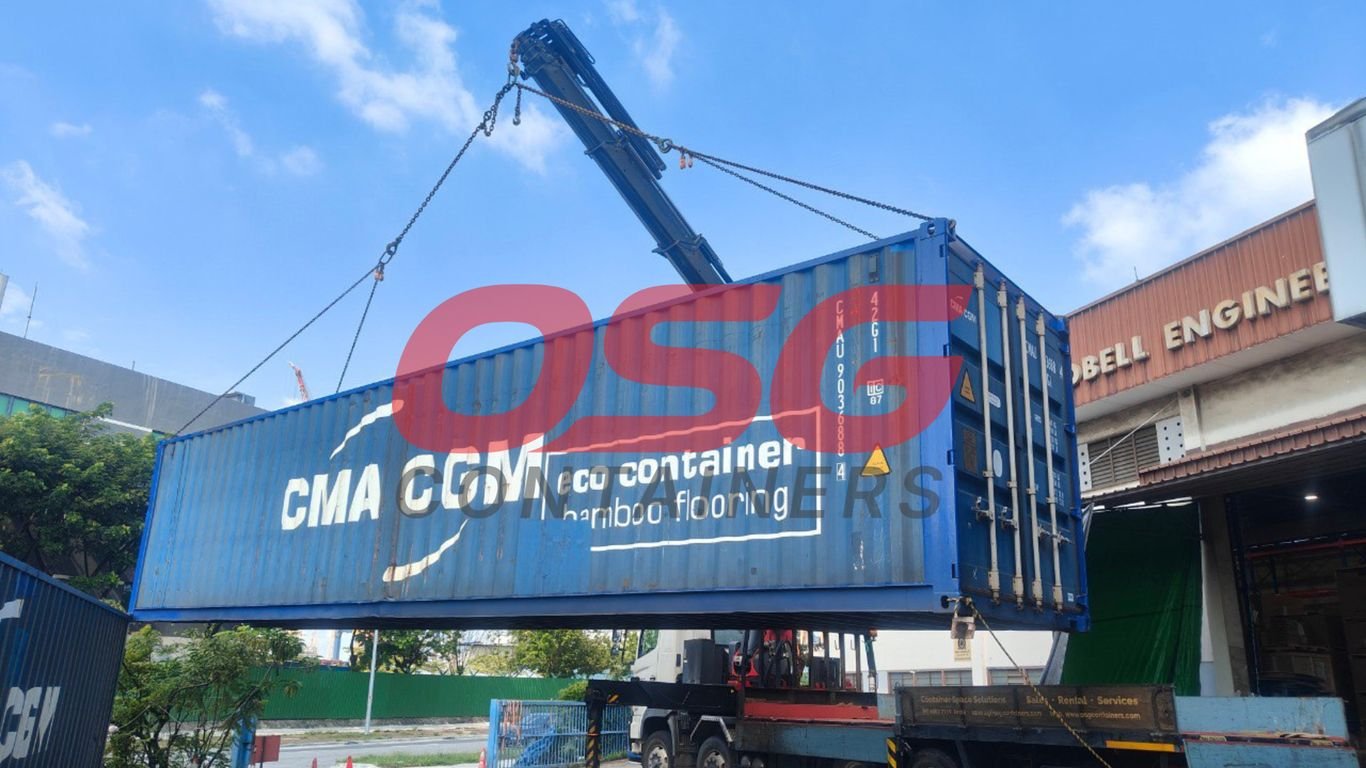
When you’re looking at prices, make sure you know exactly what’s included. Some places might just give you a base price for the container itself, and then delivery is a whole separate charge. Always ask for a delivered price upfront so there are no surprises later. This usually means they’ll tell you the total cost to get the container from their yard right to your property. Different companies have different ways they deliver, too. The most common is a tilt-bed truck, which is pretty straightforward. They just back up, tilt the bed, and slide the container off. For trickier spots, they might use a flatbed, which requires a bit more maneuvering or a special crane.
Here’s a quick look at common delivery methods:
- Tilt-Bed Delivery: The truck uses its hydraulic system to tilt the bed, allowing the container to slide off smoothly. This is usually the easiest for most driveways.
- Flatbed Delivery: The container is loaded onto a flat trailer. This might be used if the tilt-bed can’t access the spot, and it often requires a forklift or crane on your end to unload.
- Specialized Equipment: For very tight spaces or specific placement needs, some companies might use cranes or other heavy machinery, which will affect the cost.
Financing and Payment Flexibility
Buying a container is a pretty big purchase, and not everyone has the cash sitting around. Thankfully, many suppliers get this. They often have options to help make it work for your budget. You might find rent-to-own programs, which let you pay a monthly fee and eventually own the container. Some also work with financing companies to offer loans, similar to how you’d finance a vehicle or other large equipment. It’s worth asking about these possibilities early on, especially if you’re a business needing multiple units or a homeowner planning a big project.
Delivery Requirements and Site Preparation
This is super important, and often overlooked. The delivery truck needs space to get to where you want the container placed. Think about:
- Access: Can a large truck (like a semi-truck with a trailer) actually get down your street and into your driveway or chosen spot? Are there any low-hanging branches, tight turns, or steep inclines to worry about?
- Level Ground: The area where the container will sit needs to be as level and firm as possible. If the ground is soft or uneven, the container can settle unevenly, making it hard to open doors or even causing structural issues over time. Many people use concrete blocks, gravel pads, or even a concrete slab to create a solid foundation.
- Clearance: Make sure there’s enough overhead clearance if a crane is involved, and plenty of space for the truck to maneuver and unload without hitting fences, buildings, or other obstacles.
Getting the site ready before the container arrives saves a lot of headaches. It means you can start using your container right away without having to deal with ground leveling or clearing issues after it’s already in place. A little prep work goes a long way in making the whole process smooth and successful. It’s better to be overprepared than to have the delivery truck turn around because the spot isn’t ready.
Don’t be shy about asking the seller for specific measurements and requirements for their delivery trucks. They deal with this every day and can tell you exactly what kind of space they need.
Maintaining Your Cargo Container
So, you’ve got your cargo container, and it’s doing its job, whether it’s holding your stuff, serving as a workshop, or whatever else you’ve put it to. But like anything, it needs a little attention now and then to keep it in good shape. It’s not exactly like a car that needs oil changes, but there are things to keep in mind.
Understanding Container Wear and Tear
Containers are built tough, no doubt about it. They’ve seen the ocean, they’ve been moved around a lot. Even a "one-trip" container has been handled, so expect some minor scuffs or maybe a little surface rust here and there. That’s pretty normal. The big things to watch for are actual damage – like big dents that compromise the structure, or holes. If you’ve got a "Wind and Watertight" container, it means it’s sealed up against the elements, which is great. But over time, seals can degrade, especially if they’re constantly exposed to harsh weather. Just give it a once-over every so often, especially after a big storm or if you notice any new rust spots.
Prohibitions on Storing Certain Materials
This is a big one, and it’s mostly about safety and regulations. You can’t just throw anything in there. Certain things are a no-go. Think hazardous materials – chemicals, flammables, anything that could be a fire risk or toxic. Also, perishable goods that aren’t properly refrigerated can cause issues, not just with the goods themselves but with potential odors or pests. It’s always best to check local regulations and the container provider’s guidelines before storing anything sensitive or potentially problematic. Your container provider will have a list of prohibited items, and it’s your responsibility to follow it.
Container Pickup Process
When it’s time to say goodbye to your container, the pickup is usually pretty straightforward, similar to how it arrived. The delivery truck, often a tilt-bed model, will need clear access. They’ll back up to the container, tilt the bed, and then drive out from underneath, letting the container slide gently into place. For the pickup, they’ll drive the truck under it and lift it away. You’ll want to make sure the area around the container is clear of obstructions. If you’re renting, your provider will let you know the specifics, but generally, you just need to ensure the container is empty and accessible. If you’re returning it mid-month, don’t worry about the full month’s charge; your final bill will be prorated based on the number of days you had it. So, if it’s picked up on the 9th, you’ll only pay for those 9 days.
Wrapping It Up
So, there you have it. Shipping containers are way more than just big metal boxes for stuff. They’re tough, they’re adaptable, and honestly, they’re pretty useful for all sorts of things, from storing your lawnmower to setting up a little workshop. Whether you’re getting a brand new one or a used one that’s seen a bit of the world, there’s likely a container out there that fits what you need and your wallet. They’re a solid choice for anyone needing extra space or a project base. Pretty neat, right?
Frequently Asked Questions
What are the different grades of cargo containers?
Cargo containers come in different conditions. ‘New One Trip’ containers are practically new, having only made one journey. ‘Multi Trip’ containers have seen a few trips but are still in great shape. ‘Cargo Worthy’ containers are solid and safe for shipping or storage, while ‘Wind and Watertight’ containers are sealed against the elements but might have more wear. The cheapest option is usually ‘Economy’ grade, which is best for basic storage.
What are the most common sizes for cargo containers?
You’ll find containers in several standard sizes. The smallest is typically 10 feet long, great for tight spaces. The 20-foot container is a popular all-around choice. For more room, there are 40-foot containers, and the largest are 45-foot containers, offering the most storage space.
Can I get a container that controls temperature?
Yes, you can! Refrigerated containers, often called ‘reefers,’ are designed to keep goods at a specific temperature. They use special insulation and cooling systems, making them perfect for storing food, medicine, or anything that needs to stay cold or frozen.
What kind of modifications can be done to containers?
Containers are super versatile! You can turn them into offices, workshops, extra living spaces, or even homes. Common changes include adding windows, doors, insulation, ventilation, and electricity. Whatever you need, there’s a good chance a container can be modified to fit.
How do I get a container delivered to my location?
Delivery usually involves a special truck. The most common method is a tilt-bed truck that slides the container off. You’ll need to make sure the area where the container will be placed is flat, clear, and has enough space for the truck to maneuver. Always check the specific space requirements for the container size you choose.
What should I NOT store in a cargo container?
It’s important to keep certain things out of containers. You can’t store anything illegal, toxic, hazardous, flammable, explosive, or chemical. Basically, if it’s dangerous or could harm people or the environment, it’s a no-go. Always check the specific rules before storing materials.