Singapore
 Australia
 Indonesia
 Japan
Japan Malaysia
 New Zealand
 Philippines
 South Korea
 Taiwan
 Thailand
 VIETNAM
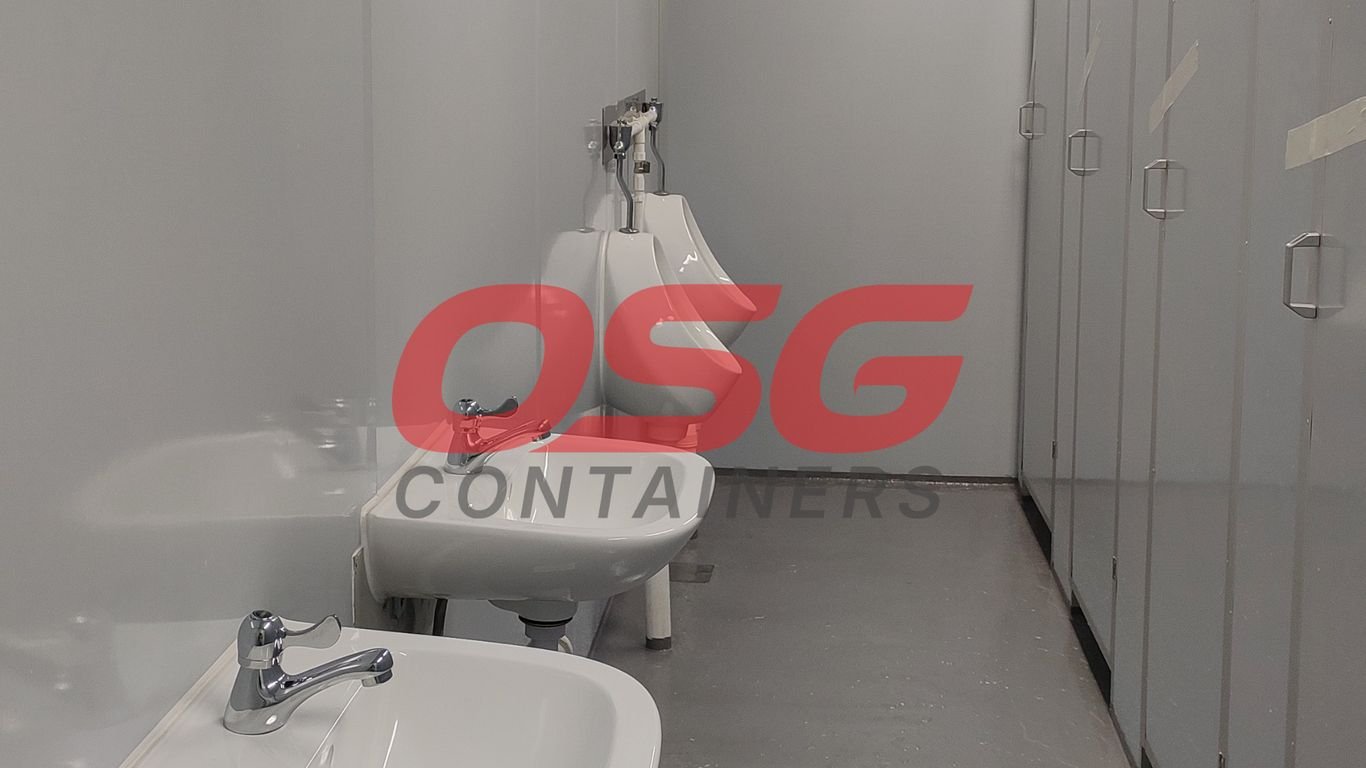
So, you’re in the market for a new toilet container, huh? It might seem like a simple purchase, but honestly, there’s a lot more to it than just picking one that looks okay. Most people just grab whatever fits the space or budget, and then they wonder why things aren’t quite right later on. We’re going to break down some of the stuff that often gets overlooked when you’re trying to find the perfect toilet container for your bathroom.
Key Takeaways
- When picking out a toilet container, pay close attention to its dimensions. Make sure it fits your bathroom space and that the height is comfortable for you. Don’t forget to check the ‘rough-in’ measurement, which is how far the wall is from the center of your drain pipe.
- Look at the flushing system to make sure it’s efficient. A good flush saves water and money. Also, think about the material – porcelain is common because it’s tough and easy to clean. Consider the toilet seat too; some have fancy features like slow closing.
- Toilets come in different styles, like one-piece (tank and bowl are one unit) or two-piece (tank and bowl are separate). There are also different flushing mechanisms like gravity-fed or pressure-assisted. Each has its pros and cons.
- Don’t just focus on the price tag. A cheap toilet container might not last or work as well, but an expensive one isn’t automatically better. Also, think about how the toilet’s color fits your bathroom’s look and if you might want to add a bidet seat later.
- Keeping your toilet container in good shape is important. Regularly check for leaks and make sure all the parts are working right. Simple things like knowing how to fix a leaky flapper valve or using the right cleaning tools can make your toilet last much longer.
Understanding Toilet Container Dimensions and Fit
When you’re picking out a new toilet, it’s easy to get caught up in how it looks or what fancy features it has. But before you even think about those things, you’ve got to make sure it’s actually going to fit in your bathroom. This isn’t just about whether it’ll squeeze into the space; it’s about making sure it works with your plumbing and is comfortable for everyone who uses it. Getting these basics wrong can lead to a whole lot of headaches down the road, from leaks to a toilet that just feels awkward to use.
Considering Toilet Bowl Shape and Size
Toilets generally come with either a round or an elongated bowl. Think of a round bowl as more of a circle, and an elongated bowl as more oval-shaped. Round bowls tend to be a bit smaller, which can be a good choice if you’re working with a smaller bathroom and need to save space. Elongated bowls are longer and often considered more modern. They can also offer a bit more seating surface, which some people find more comfortable. If you’re replacing an old toilet, it’s usually best to stick with the same bowl shape to avoid any surprises with how it fits in the room.
Evaluating Toilet Height for Comfort
Toilet height is another big one that people often overlook. Most toilets come in a standard height, which is usually around 15 inches from the floor to the top of the bowl rim. Then there’s the "comfort height" or "chair height" option, which is typically a few inches taller, often around 17 to 19 inches. This extra height can make a huge difference, especially for taller individuals or older folks, as it makes sitting down and standing up much easier. It’s like the difference between sitting on a regular chair and a taller bar stool – much less effort involved.
The Importance of Rough-In Measurements
This is probably the most technical part, but it’s super important. The "rough-in" measurement tells you how far the toilet’s drain outlet is from the finished wall behind it. The standard rough-in is 12 inches, but you might find 10-inch or 14-inch rough-ins, especially in older homes. To measure it, you’ll need to measure from the finished wall (not the baseboard) to the center of the floor drain or the bolts that hold the toilet down. If you get this wrong, the toilet won’t line up with your waste pipe, and you’ll have a big problem on your hands. Always double-check this measurement before you buy anything.
Getting the dimensions right from the start saves a lot of hassle. It means your new toilet will connect properly to your plumbing and fit comfortably within your bathroom’s layout. Don’t skip this step; it’s the foundation for a successful toilet installation.
Key Features of Toilet Containers to Examine
When you’re looking at toilet containers, especially if you’re thinking about something like a shipping container toilet shower setup, there are a few things that really matter beyond just how it looks. It’s easy to get caught up in the big picture, but these details make a difference in daily use and how long it lasts.
Assessing Flushing System Efficiency
The flush is, well, the main event, right? You want a system that works well without wasting water. Most modern toilet containers use gravity-fed systems, which are pretty reliable. But some are more efficient than others. Look for toilets that use less water per flush. High-efficiency models might use around 1.28 gallons or even less, which adds up to big savings over time, especially if you’re using this for a business or a larger project. Some toilet container suppliers might even offer dual-flush options, letting you choose a lighter flush for liquids and a full flush for solids. That’s a nice touch for saving water.
Material Durability and Ease of Cleaning
Most toilet containers you’ll find, especially from toilet container suppliers in places like Singapore, are made from porcelain. It’s a solid choice because it’s tough and doesn’t stain easily. Plus, cleaning porcelain is usually pretty straightforward. You don’t want a material that’s going to chip or scratch after a few uses. Think about how much traffic it will get. If it’s for a busy site or a rental, durability is key. Easy cleaning is also a big plus – nobody wants to spend ages scrubbing.
Exploring Toilet Seat Functionality
Don’t forget the toilet seat itself! It might seem minor, but it affects your comfort. A slow-close lid is a small feature that can prevent a lot of annoying slamming noises. Some seats are also designed for easier removal, which makes deep cleaning much simpler. When you’re looking at options, especially for a shipping container toilet shower combo, think about the overall user experience. A comfortable and easy-to-clean seat is part of that.
Types of Toilet Containers and Their Construction
When you’re picking out a new toilet container, it’s not just about how it looks. The way it’s built makes a big difference in how it works and how easy it is to keep clean. Most toilets you’ll see fall into a couple of main categories based on their construction and how they handle flushing.
One-Piece Versus Two-Piece Toilet Designs
This is probably the most common distinction you’ll run into. A one-piece toilet container has the tank and the bowl all molded together as a single unit. This means there are no seams or gaps where the tank meets the bowl, which can make cleaning a bit simpler because there’s nowhere for grime to hide. They often have a sleeker, more modern look too. However, if a part breaks, you might have to replace the whole unit, and they can sometimes be a bit pricier upfront.
A two-piece toilet container, on the other hand, is made of two separate parts: the tank and the bowl. These are bolted together during installation. The upside here is that if one part has an issue, you can often just replace that specific piece, which can be more cost-effective. They’re also really common, so you’ll find a huge variety of styles and prices. The downside is that the connection point between the tank and bowl can be a spot where dirt and bacteria can build up, making cleaning a little more involved.
Understanding Gravity-Fed Systems
Most toilets, whether they’re one-piece or two-piece, use a gravity-fed flushing system. It’s pretty straightforward physics. When you flush, a valve opens in the tank, and the weight of the water inside rushes down into the bowl, pushing the waste and water out through the trapway and into your drainpipe. It’s a reliable method that’s been around forever. The amount of water used per flush can vary, with newer "high-efficiency" models using less water than older ones.
- How it works: Water fills the tank, creating potential energy.
- The flush: Lifting a flapper allows water to flow rapidly into the bowl.
- Efficiency: Modern gravity toilets are designed to use less water per flush while still clearing the bowl effectively.
Exploring Pressure-Assisted and Composting Options
Beyond the standard gravity system, there are a couple of other types of toilet containers worth knowing about. Pressure-assisted toilets use compressed air stored in a tank to create a more powerful flush. This can be great for clearing clogs and often uses less water per flush than older gravity models, but they can be a bit louder when flushing and might require more specialized repairs.
Then there are composting toilets. These are a whole different ballgame and are usually found in off-grid situations or for those really focused on sustainability. Instead of using water to flush waste away, they use a biological process with aerobic bacteria to break down waste. They don’t need a sewer connection, but they do require regular maintenance and careful management to control odors and handle the composted material. It’s a unique approach to waste management, for sure.
Choosing the right type of toilet container construction impacts not only its performance and water usage but also how you’ll maintain it over time. Think about your cleaning habits and any specific needs you might have before making a decision.
Beyond the Basics: Additional Toilet Container Considerations
So, you’ve looked at the dimensions, the flushing power, and even the type of construction. But hold on, there’s a bit more to think about before you commit to that new toilet. It’s easy to get caught up in the main specs, but these smaller details can really make a difference in your bathroom’s overall feel and your daily experience.
The Role of Toilet Color in Bathroom Design
When we think about toilets, we usually picture white, right? It’s the standard for a reason – it looks clean and fits with pretty much any bathroom decor. But what if you’re going for something a bit different? You can actually find toilets in other colors, like black, gray, or even a subtle beige. Choosing a color that complements your tiles, vanity, and overall bathroom theme can tie the whole room together. Think about it: a sleek black toilet could be a real statement piece in a modern bathroom, while a soft gray might blend in nicely with a more neutral palette. It’s a small detail, but it can have a big impact on the look and feel of your space.
Integrating Bidet Seats with Your Toilet Container
This is becoming a really popular upgrade, and for good reason. Bidet seats offer a more hygienic and comfortable experience than just using toilet paper. They come with all sorts of features, from heated seats and warm water washes to air dryers and even night lights. When you’re looking at a new toilet, it’s smart to consider if you might want to add a bidet seat down the line. Some toilets are designed with bidet integration in mind, making installation a breeze. Others might require a bit more planning. It’s worth checking the compatibility and any necessary electrical hookups if this is something you’re considering.
Here’s a quick look at some common bidet seat features:
- Warm Water Wash: Adjustable temperature for a comfortable cleanse.
- Heated Seat: No more cold surprises on chilly mornings.
- Air Dryer: Reduces the need for toilet paper after washing.
- Deodorizer: Helps keep the bathroom smelling fresh.
- Night Light: Gentle illumination for nighttime visits.
Don’t Be Fooled by Price Alone
It’s tempting to think that the most expensive toilet must be the best, or conversely, that a super cheap one will do just fine. But that’s not always the case. Sometimes, you’re paying extra for brand name or fancy aesthetics that don’t actually improve how the toilet works. On the flip side, a budget-friendly option might lack durability or have a less efficient flush. The key is to find a balance between cost, performance, and the features that matter most to you. Look for reviews, check the water usage (gallons per flush), and consider the warranty. A mid-range toilet with a solid reputation for reliability might be a much better investment than the priciest model or the absolute cheapest.
When you’re shopping, remember that the toilet is a workhorse in your bathroom. It needs to be reliable, easy to clean, and comfortable to use every single day. Don’t let the flashy features or the bargain-basement prices distract you from what really matters: a well-built toilet that fits your needs and your budget.
Maintaining Your Toilet Container for Longevity
So, you’ve picked out the perfect toilet container, and it looks great. But what happens after it’s installed? Just like anything else in your home, it needs a little attention now and then to keep it working right and looking good. Ignoring it can lead to small annoyances turning into bigger, more expensive problems. It’s not rocket science, but a few simple habits can make a big difference.
Regular Inspections for Leaks and Efficiency
This is probably the most important thing you can do. Keep an eye out for any drips or moisture around the base of your toilet. Sometimes, a loose bolt is the culprit, and tightening it up is a quick fix. Other times, it might be a sign of a worn-out seal or a problem with the tank. Catching these early saves water and prevents potential damage to your bathroom floor. Also, pay attention to how the toilet flushes. Does it sound normal? Is the water level in the tank correct? These little checks can head off trouble before it starts.
Understanding Common Toilet Component Issues
Toilets have a few moving parts inside the tank that can wear out over time. The most common ones are the flapper and the fill valve. The flapper is the rubber seal at the bottom of the tank that lifts to let water into the bowl. If it’s old or warped, it might not seal properly, leading to a constant trickle of water into the bowl or a weak flush. The fill valve is what refills the tank after each flush. If it’s not working right, the tank might not fill up enough, or it might keep running. Replacing these parts isn’t usually too difficult, and you can find plenty of guides online to help you out. It’s often much cheaper than calling a plumber for a simple fix.
The Importance of Proper Toilet Accessories
When we talk about accessories, we’re not just talking about fancy toilet seat covers. We mean things that help the toilet function better and last longer. For example, a good toilet brush and holder are key for keeping the bowl clean without resorting to harsh chemicals that can damage the porcelain over time. Speaking of chemicals, avoid using bleach or abrasive cleaners inside your toilet bowl. They might seem like they’re cleaning better, but they can actually wear down the finish and internal parts faster than you’d think. Stick to cleaners designed for toilets, and use them sparingly. Also, remember that only human waste and toilet paper should go down the drain. Things like paper towels, wipes, or feminine hygiene products can cause serious clogs.
Think of your toilet like a car. You wouldn’t just drive it without ever checking the oil or tire pressure, right? A little regular maintenance goes a long way in keeping it running smoothly for years. Ignoring it means you’re just waiting for something to break.
Here’s a quick rundown of what to look for:
- Leaks: Check the base, the tank connections, and the supply line.
- Flush Strength: Is it a solid flush, or does it seem weak?
- Tank Refill: Does the tank fill up at a normal pace after flushing?
- Unusual Noises: Gurgling or constant running sounds are red flags.
- Visible Wear: Look for cracks or chips in the porcelain, though this is less common.
By staying on top of these simple checks, you can keep your toilet container in great shape and avoid those unexpected, inconvenient breakdowns.
So, What’s the Takeaway?
Look, picking out a toilet might not be the most exciting part of home improvement, but it really does matter. We’ve talked about how the height, the shape, and even the flushing system can make a big difference in your day-to-day life. Don’t just grab the first one you see or the cheapest option. Take a moment, think about what feels right for you and your bathroom space. A little bit of thought now can save you a lot of hassle and maybe even some money down the road. It’s just one of those things that, when you get it right, you don’t even think about it – and that’s usually the sign of a good choice.
Frequently Asked Questions
What’s the most important measurement I need to take before buying a new toilet?
The ‘rough-in’ measurement is super important. It’s the distance from the wall behind the toilet to the center of the drain hole on the floor. Getting this wrong means the new toilet won’t fit where the old one was.
Are taller toilets always better?
Taller toilets, often called ‘comfort height,’ can be easier for some people, especially older folks or taller individuals, to sit on and get up from. But if you have a small bathroom or prefer a standard height, a regular toilet might be a better fit.
What’s the difference between a one-piece and a two-piece toilet?
A one-piece toilet has the tank and bowl all joined together as one unit, which can be easier to clean. A two-piece toilet has a separate tank and bowl that get bolted together, and these are usually less expensive and have more style options.
How can I tell if a toilet’s flush is good?
Look for toilets that use a good amount of water per flush without wasting it, like those with dual-flush options. A weak flush can mean it won’t clear waste properly. You can also check reviews for how well different models perform.
Does the color of the toilet really matter?
While white is the most common and often easiest to find, toilets come in many colors like beige, black, or even blue. The color can help match your bathroom’s style, but it’s usually less important than how the toilet functions.
Why should I care about the toilet seat features?
Toilet seats can make a big difference in comfort and cleanliness. Features like ‘soft-close’ hinges prevent loud slamming, and seats that are easy to remove make cleaning much simpler. Some people also like seats that are heated or have bidet functions.