Singapore
 Australia
 Indonesia
 Japan
Japan Malaysia
 New Zealand
 Philippines
 South Korea
 Taiwan
 Thailand
 VIETNAM
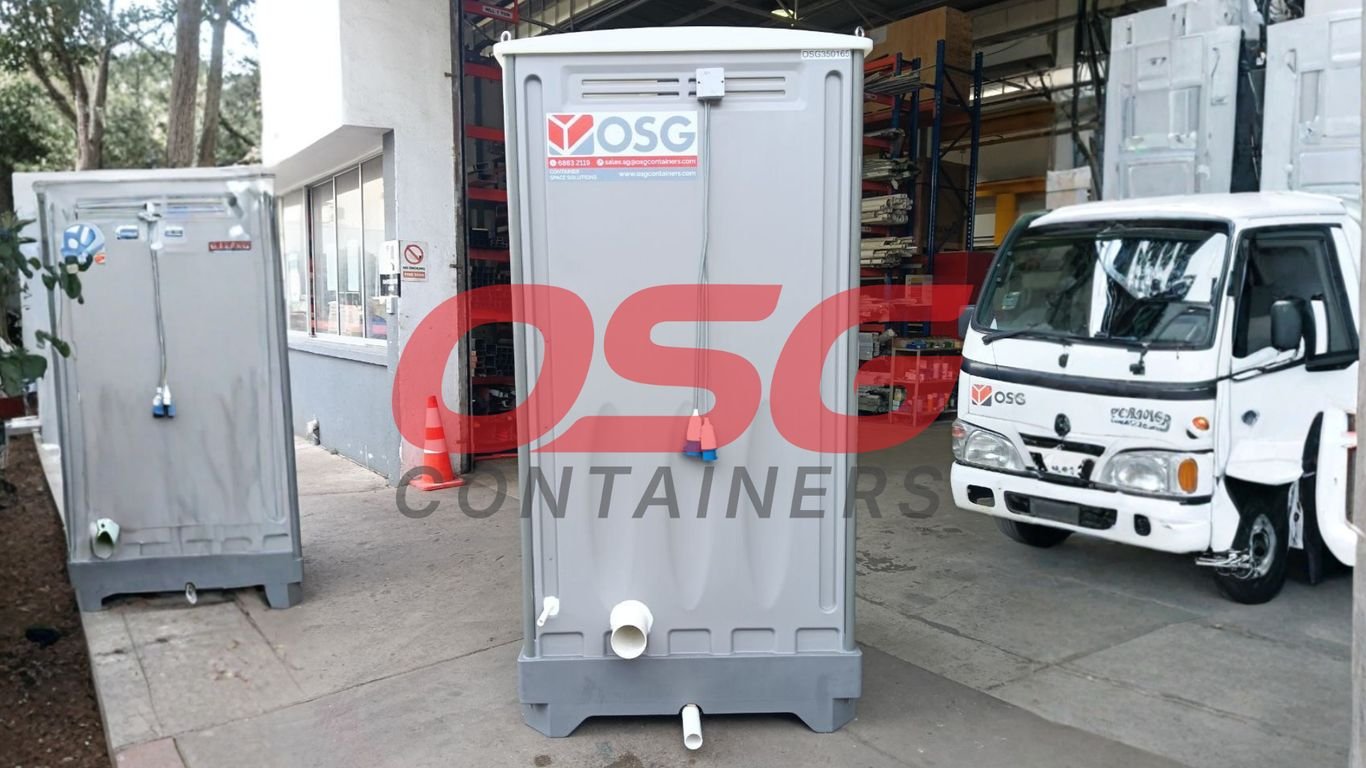
When you’re managing a construction project, the details matter. And that includes making sure your crew has decent places to, well, do their business. We’re talking about toilet containers here – not just a basic porta potty, but a more robust solution for sanitation on site. Setting up these units properly is a big part of keeping everyone happy, healthy, and on schedule. Let’s break down what you need to know to get this right.
Key Takeaways
- Containerized toilet units offer superior durability and comfort compared to standard portable toilets, making them ideal for long-term or demanding job sites.
- Proper placement and regular servicing are vital for maintaining hygiene and functionality, with recommended frequencies often exceeding basic weekly checks.
- Consider specialized configurations like ADA-compliant units or those with ablution features to meet diverse workforce needs and legal requirements.
- Understanding and adhering to compliance standards, including OSHA guidelines and local regulations, is non-negotiable for site sanitation.
- Strategic planning for weather extremes, such as winter preparations and flood-prone area positioning, ensures uninterrupted sanitation services.
Understanding Containerized Toilet Unit Specifications
When you’re planning sanitation for a construction workforce, especially for longer projects or larger crews, the standard portable toilet might not cut it. Containerized toilet units are a whole different ballgame. Think of them as mini, self-contained restrooms built inside sturdy shipping containers. They’re designed to be tough, comfortable, and functional, even in challenging environments.
For sites where space is a bit tight or the crew isn’t massive, the 10ft and 20ft container units are great options. The 10ft unit is pretty compact, often set up as a ‘1+1’ meaning one toilet and one shower, with separate doors on the outside for privacy. It’s good for smaller teams or as an extra facility. The 20ft container offers more room and flexibility. A common setup here is a ‘3+1’, which gives you three toilet stalls and maybe a urinal, plus a separate, private toilet. These units are also pretty smart because they can often be stacked, and you can even put effluent tanks underneath them to save ground space. This makes them really adaptable to different site layouts.
Now, if you’ve got a big industrial site or a really large construction project, the 40ft container is where it’s at. These are the workhorses. A typical 40ft unit can easily fit five toilets and four urinals. Based on OSHA guidelines, a unit like this can comfortably serve up to 160 full-time employees. That’s a lot of people getting their sanitation needs met in one go. They’re built tough, usually from strong corten steel, so they can handle rough conditions and stay put, even in windy areas.
These aren’t just basic boxes with toilets. Modern containerized units come with some pretty neat tech. You’ll find units with HVAC systems that keep the temperature just right, whether it’s blazing hot or freezing cold outside – usually set around a comfortable 72°F (22°C). They often have LED lighting with motion sensors, which is good for saving energy. Some specialized units, called ablution containers, even include foot-washing stations, which is a nice touch for diverse workforces or specific cultural needs. Plus, some are ‘high-cube’ versions, meaning they’re a bit taller inside, making them feel less cramped and improving air circulation. The real advantage is their durability and the comfort they provide, which can really boost worker morale on long projects.
When selecting containerized units, always think about the specific needs of your site and workforce. Factors like crew size, project duration, site location, and local regulations all play a part in choosing the right configuration and number of units.
Strategic Applications for Containerized Toilet Rentals
When you’re planning sanitation for a project, especially one that’s going to last a while or be in a tricky spot, a simple porta-potty might not cut it. That’s where a toilet container rental really shines. These aren’t your average portable toilets; they’re built tough and offer a lot more.
Industrial and Remote Jobsites
Think about oil rigs, mines, or any site far from regular facilities. Workers out there are often on the job for long stretches. Providing a clean, comfortable restroom isn’t just about following rules; it’s a smart move to keep good people. If your site has a proper containerized unit with climate control and flushing toilets, and the next site over only has basic plastic boxes, where do you think the best workers will want to be? It makes a big difference in morale and can help keep your team happy and productive.
Disaster Relief and Emergency Response
When natural disasters hit, infrastructure can be completely wiped out. That’s when containerized units become lifesavers. They can be dropped into place quickly using cranes or forklifts, giving people immediate access to sanitation when they need it most. Because they’re made of strong steel, they can handle rough conditions, like debris on the ground or strong winds that might still be a problem.
Music Festivals and Large Events
For big events, especially those with different ticket tiers, standard portable toilets just don’t fit the bill for VIP areas. Containerized units can be set up to look and feel much more like permanent restrooms. We’re talking about things like porcelain fixtures, mirrors, and even hot water. This level of comfort can help justify higher ticket prices and give attendees a much better experience.
Choosing the right toilet container rental is about more than just waste disposal; it’s about worker welfare, site readiness, and event experience. These units offer a robust and dignified solution for a variety of demanding situations.
Here’s a quick look at how they stack up for different needs:
- Industrial/Remote Sites: Durability and long-term comfort are key. These units can withstand harsh conditions and provide a reliable facility for extended periods.
- Emergency Situations: Rapid deployment and resilience are paramount. Containerized units can be set up quickly and function even in challenging environments.
- Large Events: Comfort, aesthetics, and capacity matter. They offer an upgrade from basic portable toilets, enhancing the attendee experience.
Selecting Containerized Toilet Options for High-Traffic Sites
When you’ve got a lot of people using the facilities, you need to think a bit more about what you’re putting on-site. It’s not just about having a toilet; it’s about having enough toilets that work well and don’t become a problem. The key is balancing capacity, functionality, and site logistics.
Calculating Based on the 1:40 Ratio
This is a pretty standard rule of thumb, especially for construction sites. OSHA suggests having one toilet seat and one urinal for every 40 workers. So, if you have 200 people on site, you’re looking at needing about five toilet seats and five urinals. A 40ft container unit often comes with five toilets and four urinals, which can handle around 160 workers. For larger crews, you might need more than one unit or a different setup.
Here’s a quick look at how that ratio plays out:
| Number of Workers | Minimum Toilet Seats | Minimum Urinals |
|---|---|---|
| 40 | 1 | 1 |
| 80 | 2 | 2 |
| 120 | 3 | 3 |
| 160 | 4 | 4 |
| 200 | 5 | 5 |
Remember, this is a baseline. If your site involves a lot of food and drink consumption, or if you have a mix of genders, you might need to adjust these numbers upwards.
Pairing Units with Dedicated Effluent Tanks
Sometimes, you can’t hook directly into a sewer line. That’s where effluent tanks come in handy. You can place these tanks under or next to your containerized restroom. The toilets and sinks drain into these tanks, which then get pumped out by a service truck, usually on a weekly basis. This setup is great for remote locations or temporary sites where sewer access just isn’t an option. It keeps the units running smoothly without needing a direct connection.
- Effluent Tank Benefits:
- Allows for off-grid operation.
- Reduces the need for complex plumbing.
- Simplifies waste management for temporary sites.
- Can be sized to match usage needs.
Functionality Without Direct Sewer Hookup
So, how does this all work without a sewer? It’s pretty straightforward, really. The containerized units themselves have internal plumbing, just like a regular bathroom. When you use a toilet or sink, the wastewater goes into a holding tank or an connected effluent tank. A service company then comes out on a schedule to pump out the waste and refill any freshwater tanks. This means you get all the benefits of a real bathroom – flushing toilets, sinks with running water – without needing to be connected to a municipal sewer system. It’s a practical solution for many job sites.
When planning for high-traffic areas, think about the flow of people. Where will they enter and exit? How will service vehicles access the units for pumping and restocking? Good planning here prevents bottlenecks and keeps things running smoothly.
Specialized Containerized Toilet Configurations
When you need more than just a basic place to go, containerized toilet units really shine. These aren’t your average portable potties; they’re built tough inside sturdy shipping containers, offering a whole range of options for different needs. Think of them as mini, mobile restrooms that can be placed almost anywhere, from a busy construction site in Singapore to a remote work camp.
ADA-Compliant Container Units
Accessibility is a must, and containerized units can be specifically kitted out to meet ADA requirements. This means wider doorways, plenty of space inside for a wheelchair to turn around (we’re talking a 60-inch turning radius), and sturdy grab bars. They’re designed so everyone can use them comfortably and safely.
Culturally Specific Configurations
For projects with a diverse workforce, it’s important to consider cultural needs. Some container toilet setups include features like dedicated prayer areas or ablution stations for ritual washing. These thoughtful additions show respect and help ensure all workers feel accommodated and can maintain their personal hygiene practices.
Ablution Containers with Foot-Washing Stations
These specialized units go a step further, often incorporating foot-washing stations alongside standard toilet facilities. This is particularly useful in regions or for workforces where foot washing is a common practice for religious or cultural reasons. They’re a practical way to provide comprehensive sanitation on-site.
The flexibility of container toilets means they can be adapted for almost any situation. Whether it’s a standard setup, something for accessibility, or a unit catering to specific cultural practices, these mobile toilet solutions offer a robust and dignified option for sanitation planning.
Compliance Standards for Toilet Containers
When you’re setting up sanitation for a construction crew, you can’t just wing it. There are rules, and you’ve got to follow them to keep things running smoothly and legally. It’s not just about having a toilet; it’s about having the right toilet, placed correctly, and kept clean.
Local and Industry Requirements
First off, every area has its own set of rules. What’s okay in one state or city might not fly in another. These local regulations often dictate things like how many toilets you need per worker, how often they need to be serviced, and even where they can be placed on a site. It’s always a good idea to check with your local building department or health authority before you rent anything. Beyond local laws, industry standards also play a part. For instance, certain construction sectors might have specific expectations for insulation values or electrical safety if your units have power.
OSHA Cleanliness Standards
OSHA, the Occupational Safety and Health Administration, has specific guidelines to make sure workplaces are safe and healthy. For sanitation, this means more than just having a toilet available. They expect units to be kept clean and in good working order. While OSHA doesn’t usually specify exact cleaning frequencies down to the day, their general duty clause requires employers to provide a workplace free from recognized hazards. A filthy, overflowing toilet is definitely a hazard. This is why a regular service schedule is so important.
Here’s a general idea of what’s expected:
- Regular Pumping: Waste tanks need to be emptied frequently to prevent overflow.
- Restocking Supplies: Toilet paper and soap (if applicable) must be kept available.
- Cleaning: Surfaces should be wiped down, and the unit should be deodorized.
- Repairs: Any damage or malfunctions need to be fixed promptly.
Keeping units clean isn’t just about following rules; it’s about worker well-being. A clean restroom shows respect for your crew and can actually boost morale and productivity. Nobody wants to use a gross bathroom, especially when they’re working hard all day.
Recommended Weekly Service Schedule
For most construction sites, a weekly service schedule is the bare minimum, especially for containerized units that might be serving a larger workforce or are in use for extended periods. This typically includes:
- Waste Tank Pumping: Removing all accumulated waste.
- Thorough Cleaning: Sanitizing the interior, including the toilet bowl, floor, and walls.
- Restocking: Ensuring fresh toilet paper, paper towels, and hand soap are available.
- Deodorizing: Applying treatments to keep odors under control.
- Inspection: Checking for any damage or needed repairs.
For very high-traffic sites or during hot weather, you might need to increase the service frequency to twice a week. It’s all about monitoring the usage and condition of the units and adjusting as needed. Think of it like this: if a standard porta potty might need servicing every few days, a larger, more robust container unit serving many people still needs regular attention to stay compliant and comfortable.
Comparing Containerized Units to Traditional Portable Toilets
So, you’re looking at sanitation options for your crew and wondering, "Why bother with those big container toilets when a standard porta potty seems so much simpler?" It’s a fair question, and honestly, for a quick weekend event or a small home renovation, those familiar plastic boxes do the job. But when your project stretches out, or the site conditions get a bit rough, that’s where containerized units really start to show their worth.
Durability and Wind Resistance
Let’s talk about weight. A typical portable toilet weighs around 170 pounds. Now, picture a 20-foot steel container restroom – we’re talking over 10,000 pounds. This isn’t just a number; it’s a serious safety advantage. If you’ve ever been on a job site in a windy area, you know those plastic units can become a hazard, tipping over with little provocation. Container units, built from tough steel, stay put. They’re designed to handle more than just a stiff breeze; they’re built to last through various weather conditions.
User Comfort and Morale
For projects that last weeks or months, the daily experience of using a basic portable toilet can really wear on people. It might sound minor, but having a more comfortable restroom can actually boost morale and, believe it or not, productivity. Containerized units often come with insulated walls, proper lighting, and even climate control – meaning no more freezing in winter or sweating buckets in summer. When workers feel like their basic needs are met with dignity, they tend to stick around longer and work better.
Hygiene and Maintenance Features
Think about the surfaces inside. Container units frequently use materials that are much easier to clean, like PVC or even ceramic flooring, and they often have better slip resistance. A big upgrade is the ability to have real running water for handwashing, not just a small dispenser of sanitizer. This makes a huge difference in overall site hygiene.
Here’s a quick look at how they stack up:
| Feature | Standard Porta Potty | Containerized Restroom |
|---|---|---|
| Construction | Polyethylene | Corten Steel |
| Climate Control | None | HVAC (AC & Heating) |
| Typical Lifespan | 5-10 years | 20-30 years |
When you’re planning sanitation for a long-term construction project, the difference between a basic portable toilet and a containerized unit can be more than just comfort; it can impact worker retention and overall site efficiency. It’s about providing a more stable, dignified, and functional facility.
Ultimately, while standard portable toilets have their place, containerized units offer a more robust, comfortable, and long-lasting solution for demanding job sites and extended durations.
Servicing Schedules and Requirements for Toilet Containers
Keeping your containerized toilet units in good shape is super important, not just for comfort but for keeping everyone healthy and happy on the job. It’s not quite like just dropping off a regular porta-potty; these units are more complex and need a bit more attention to run right.
Standard and Recommended Service Frequencies
For most construction sites, a weekly service is the absolute minimum you should aim for. But honestly, if you’ve got a lot of people using the units, especially during peak times or in hot weather, you’ll want to bump that up. Think about servicing them 2 or even 3 times a week. It makes a big difference in keeping things fresh and preventing any unpleasantness.
Here’s a quick rundown of what a typical service includes:
- Pumping out the waste tanks to keep levels down.
- Making sure there’s always toilet paper and hand sanitizer available.
- Giving all the surfaces a good clean and a proper sanitizing.
- Refilling any fresh water tanks and adding necessary chemicals.
- A quick check to spot any damage or issues that need fixing.
Essential Service Inclusions
When you book a service, you want to know you’re getting the full package. This means not just emptying the tanks, but also a thorough cleaning. They should be restocking all the consumables like paper towels and soap. For units with water systems, checking and refilling those is key. And of course, a quick inspection to make sure everything is working as it should be is part of the deal. It’s all about maintaining a hygienic and functional space for the workforce.
The goal is to treat these units like any other facility on site – they need regular upkeep to function properly and prevent issues down the line. Ignoring service can lead to bigger problems and unhappy workers.
Adjusting Service for Weather and Usage
Weather plays a huge role, doesn’t it? When it’s scorching hot outside, odors can become a real problem much faster, so you’ll definitely need more frequent cleanings. Similarly, if you have a sudden influx of workers or a particularly busy period, you’ll need to adjust the service schedule accordingly. It’s all about being proactive and responding to how the units are actually being used and the conditions they’re in. Don’t wait for a problem to pop up; stay ahead of it with smart servicing.
Weather and Environmental Considerations for Toilet Containers
Construction sites are always dealing with whatever Mother Nature throws at them, and that means our sanitation plans need to be flexible. It’s not just about having toilets; it’s about making sure they work right, no matter the season or the weather.
Winter Preparations
When the cold really sets in, nobody wants to use a freezing bathroom. For sites in colder climates, we really need to think about heated units. These keep the interior at a comfortable temperature, making them usable. Also, having warm-water hand washing stations becomes a big deal. It’s a small comfort, but it makes a huge difference for worker morale and hygiene when it’s frigid outside.
Summer Heat Management
Summer heat can turn a standard container into an oven. Positioning units in shaded areas whenever possible is key to preventing them from overheating. If shade isn’t an option, good ventilation and powerful HVAC systems are a must. Nobody wants to step into a sauna just to use the restroom. Keeping things cool helps maintain comfort and prevents unpleasant odors from becoming a bigger issue.
Flood-Prone Area Positioning
If your site is in an area that tends to flood, you’ve got to be smart about where you put the toilets. We need to make sure they’re placed on higher ground if possible. Securing the units properly is also important so they don’t get washed away in a flood. It’s all about preventing damage to the units and keeping them accessible even if there’s a lot of rain.
Storm Preparation Plans
Severe weather, like hurricanes or heavy storms, requires a solid plan. This usually means having a way to quickly secure the units so they don’t blow over or get damaged. In some cases, it might even be necessary to temporarily remove the units from the site until the storm passes. Having a clear protocol for this saves a lot of hassle and potential damage.
Thinking ahead about these environmental factors isn’t just about convenience; it’s about safety and functionality. A well-placed and properly maintained unit works better and lasts longer, regardless of the weather.
Wrapping Up Your Sanitation Plan
So, when you’re planning out your next big project, don’t forget about the toilets. It might seem like a small detail, but getting the right setup for your construction workforce makes a big difference. Whether you go with basic units or something a bit more advanced, making sure everyone has access to clean and functional facilities is key. It shows you care about your crew and helps keep things running smoothly on site. Plus, meeting all those rules and regulations is just part of the job, right? A little planning now saves a lot of headaches later.
Frequently Asked Questions
What’s the main difference between a container toilet and a regular porta potty?
Container toilets are like sturdy, steel rooms, much tougher and more comfortable than basic plastic porta potties. They offer features like air conditioning, heating, and better privacy, making them ideal for longer projects where worker comfort is important.
How many people can a containerized toilet unit serve?
A typical 40-foot container unit, with multiple toilets and urinals, can comfortably serve around 160 workers on a job site, following safety guidelines. For events with lots of food and drinks, you might need more units.
Are container toilets better for long-term construction jobs?
Yes, they often are! Even though they might cost a bit more to rent at first, container toilets last longer, need less frequent servicing per person, and can even help keep workers happy and reduce employee turnover, saving money in the long run.
What special features can container toilets have?
Many container toilets come with advanced features like heating and cooling systems to keep a comfortable temperature, LED lights that save energy, and even special foot-washing stations for areas where that’s important.
Do I need a special hookup for a container toilet?
Not necessarily! While they can connect to a sewer, container units can also work with separate tanks for waste. These tanks are then emptied regularly by a service truck, meaning they don’t need a direct sewer line to function.
Are there container toilets that meet accessibility rules?
Absolutely. There are specially designed container units that are accessible for people using wheelchairs. They have extra space inside, grab bars, and ramps, making sure everyone on the job site has access to clean facilities.