Singapore
 Australia
 Indonesia
 Japan
Japan Malaysia
 New Zealand
 Philippines
 South Korea
 Taiwan
 Thailand
 VIETNAM
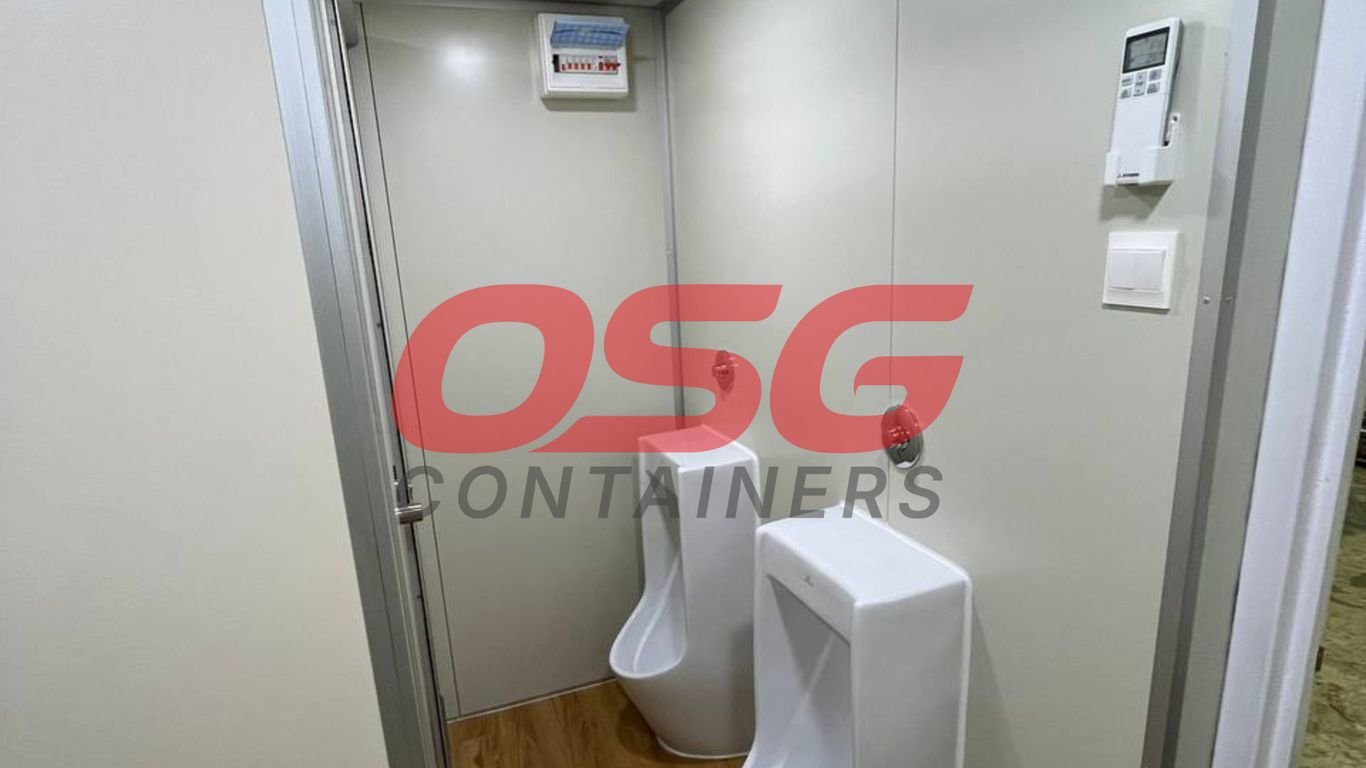
So, you’re working on a project and need to sort out bathroom facilities. You’ve probably seen those standard portable toilets everywhere, right? They’re okay for a lot of things. But sometimes, especially on certain types of jobs or in specific places, a toilet container might actually be a better choice. Let’s break down why that might be the case.
Key Takeaways
- A toilet container system uses sealable, removable containers to collect waste, which are then transported for treatment. This approach offers a different sanitation solution compared to traditional portable toilets.
- These container-based systems can offer better security and privacy, making them suitable for populations that might be more vulnerable or need to stay close to their homes.
- While portable toilets are common, toilet containers can be more practical in areas with limited infrastructure or for longer-term needs where regular servicing is reliable.
- Compared to portable toilets, container systems might have different user experiences and environmental impacts, particularly concerning water usage and waste containment methods.
- Challenges with toilet containers include initial costs and the absolute necessity for a dependable collection and disposal service to function properly.
Understanding The Toilet Container System
Principles Of Container-Based Sanitation
Container-based sanitation is a system where human waste is collected in sealed, removable containers. Think of it like a specialized bin for your waste. These containers, often called cartridges, hold both urine and feces. The main idea is to keep the waste contained and prevent it from spreading into the environment. Once a container is full, it’s swapped out for a fresh one. The full container is then taken away for proper treatment or disposal. This method is quite different from traditional flush toilets or even some portable chemical toilets. It’s a practical approach, especially in places where setting up extensive sewage systems is difficult or impossible. For instance, a toilet container in Singapore might be designed with specific local needs in mind, focusing on efficient collection and hygiene.
Design Considerations For Toilet Containers
When designing these systems, several things need to be thought about. The size of the container is important; it shouldn’t be too big to handle easily, usually around 50-60 liters is a good range. It needs to seal up tight to stop smells and leaks, and have sturdy handles for carrying. People might build a small, private cubicle around the container, often out of wood or similar materials, to give users a sense of privacy. If people prefer squatting, a simple wooden platform can be built over the container. The whole setup needs to be practical for both the user and the collection service.
Materials Used In Toilet Container Construction
The containers themselves are usually made from durable plastic or metal. The structures built around them can vary a lot. Wood is common, but you might also see woven mats, ferro-cement, or even metal sheets used for the cubicles. The actual toilet seat or squatting pan can be bought or made locally. Some systems use special bags inside the container, and it’s better if these are biodegradable, as they make the waste easier to process later. The choice of materials often depends on what’s available locally and the budget for the project.
A key benefit of this system is that it increases security for users by eliminating the need to leave their homes to use the toilet, especially at night.
- Container Size: Typically 50-60 liters for easy manual handling.
- Sealing Mechanism: Must be fully sealable to prevent odors and leaks.
- Handling Features: Equipped with handles for safe and convenient transport.
- Privacy Structures: Often supplemented with locally built cubicles for user comfort.
Advantages Of Toilet Containers In Specific Scenarios
When you’re planning a project, especially one that’s a bit out of the ordinary or in a tricky location, the usual portable toilet might not cut it. That’s where toilet containers really start to shine. They offer some pretty big pluses that standard porta-potties just can’t match in certain situations.
Enhanced Security And Privacy
One of the biggest wins for toilet containers is how much more secure and private they feel. Think about it: these units are often designed to be placed right inside a home or a temporary shelter. This means people, especially women and children, don’t have to venture out into the dark or unfamiliar areas to find a toilet. It cuts down on a lot of worry.
- Reduces risk of harassment or violence: By keeping facilities within a private dwelling or a well-defined, secure area, the chances of users encountering trouble are significantly lowered.
- Convenient for nighttime use: No more stumbling around in the dark. Access is right there, making late-night bathroom breaks much safer and easier.
- Better child supervision: Parents can keep a closer eye on young children when the toilet is located within their living space.
The feeling of safety and dignity is a huge factor in how people accept and use sanitation facilities. When a toilet is close by and feels secure, it makes a world of difference to daily life.
Suitability For Mobile Or Transient Populations
Projects involving people on the move, like temporary work camps, refugee settlements, or disaster relief sites, need sanitation solutions that can keep up. Toilet containers are great here because they don’t need permanent structures. They can be set up relatively quickly and, if needed, moved to a new location without a huge fuss.
- No permanent infrastructure needed: This is a lifesaver when you can’t build anything lasting or when the population might shift.
- Easy to relocate: If the camp moves or the project site changes, the toilet containers can often be transported along with the people.
- Quick deployment: When you need to get sanitation up and running fast for a newly arrived group, these units can often be distributed and set up faster than building traditional latrines.
Application In Densely Populated Urban Environments
Cities can be tough places to manage sanitation, especially in areas with lots of people packed into a small space. Toilet containers offer a practical way to provide sanitation without taking up a lot of room or requiring complex plumbing.
- Space efficiency: They can be placed in tight spots where larger facilities or extensive pipe networks wouldn’t fit.
- Scalability: You can add or remove units as the population or needs change, making them flexible for urban settings.
- Reduced disruption: Compared to digging trenches for sewage lines, installing container toilets causes less disruption to city life and infrastructure.
Operational Aspects Of Toilet Containers
Collection and Transport Logistics
Getting the waste from the container to a proper treatment spot is a big deal. It’s not like you can just haul these things anywhere. Usually, there’s a service provider that comes around on a schedule to pick up the full containers. These containers, often around 50-60 liters, need to be sealable and have handles so they can be moved safely. They get taken to a transfer station or a treatment facility. Sometimes, if you have a lot of toilets, they might use bigger containers that serve multiple units, which can make emptying a bit simpler. The transport itself can be done by hand, or with vehicles, depending on the scale of the operation and the terrain.
Maintenance and User Training
Keeping these toilets working right means a few things. First, the containers themselves need to be cleaned regularly. This is usually done by trained staff at the treatment facility, and they have to be careful with the wastewater from cleaning. Also, users need to know how to use the system properly. This is especially true if it’s a fancy model, like one that separates urine. People need to be shown how to use it, what to do with toilet paper or other cleaning materials, and why it’s important to keep things clean. Handwashing stations are a must, and people need to be reminded to use them.
- Regular container emptying and cleaning.
- User education on proper usage and hygiene.
- Provision of anal cleansing materials.
- Training for service personnel on safe handling and cleaning procedures.
Dependence On Regular Servicing
This is a big one. If you don’t have a reliable service coming to empty and clean the containers, the whole system falls apart. It’s not a set-it-and-forget-it kind of deal. You absolutely need a company or organization that’s committed to regular pickups and proper disposal. Without that consistent service, these toilets just become smelly, unusable boxes. The whole point is that the waste is contained and then taken away safely. If that part of the chain breaks, you’ve got a real problem on your hands.
The success of a toilet container system hinges entirely on the reliability and efficiency of its collection and maintenance services. Without a consistent schedule for emptying, cleaning, and transporting the waste, the system quickly becomes unhygienic and impractical.
Comparing Toilet Containers To Portable Toilets
When you’re looking at sanitation options for a project, especially if it’s a bit out of the ordinary or temporary, you’ll likely run into two main choices: toilet containers and what we usually call portable toilets. They both aim to solve the same problem – providing a place to go when permanent facilities aren’t available – but they go about it in pretty different ways. Understanding these differences is key to picking the right one for your situation.
Excreta Containment Methods
Portable toilets, the kind you see at construction sites or outdoor events, typically use a chemical system. Waste drops into a tank below the seat, and chemicals are added to break down solids and control odors. It’s a self-contained system, but the waste stays put until the whole unit is serviced. Toilet containers, on the other hand, work a bit differently. They’re designed to hold waste in removable containers or cartridges. Think of it like a specialized bin for waste. These containers are sealed and then transported away for emptying and treatment elsewhere. This means the toilet unit itself doesn’t need to be emptied on-site in the same way a portable toilet does.
Here’s a quick look at how they differ:
- Portable Toilets: Waste collected in a fixed tank within the unit, treated with chemicals. Servicing involves pumping out the tank on-site.
- Toilet Containers: Waste collected in removable, sealable containers. Servicing involves swapping out full containers for empty ones.
User Experience And Familiarity
Most people are pretty familiar with standard portable toilets. They’re common, and their function is straightforward. You use it, and then it gets serviced. Toilet containers, especially those designed for more permanent or semi-permanent use, might feel a bit more like a regular bathroom. Some designs can even be installed within a structure, offering more privacy and a sense of security than a standalone portable unit. This can be a big deal for users, especially in areas where safety is a concern or for families with young children. The familiarity of a portable toilet is a plus, but the enhanced privacy and security of some toilet container setups can be a significant advantage.
Water Usage And Environmental Impact
This is where things get interesting. Standard portable toilets often use chemicals that can have an environmental impact if not disposed of properly. While they don’t use much water per flush (if they even have a flush), the chemical treatment is a factor. Toilet containers, especially those that are part of a well-managed system, can be designed with environmental impact in mind. Some systems focus on separating urine and feces, which can make treatment easier and more efficient. The collection and transport logistics are crucial here; if the waste is taken to a proper treatment facility, the overall environmental footprint can be managed effectively. The choice often comes down to the specific system’s design and the availability of proper disposal infrastructure.
When considering toilet container rental versus a mobile toilet, think about the entire lifecycle of the waste. It’s not just about where it goes immediately, but how it’s handled, treated, and disposed of in the long run. A well-planned toilet container system can often offer a more sustainable solution than relying solely on chemical-based portable units, especially for larger or longer-term projects.
When Toilet Containers Outperform Portable Options
Emergency Situations and Rapid Deployment
When disaster strikes, getting basic services up and running fast is key. Toilet containers really shine here. Unlike portable toilets that might need individual setup at each spot, a container system can be dropped in place and made ready for use much quicker. Think about a flood or an earthquake – you need something robust and ready to go, not a bunch of small units scattered everywhere. These systems offer a more contained and manageable sanitation solution during chaotic times. They can be deployed as a central facility, making it easier to manage waste collection and maintain a degree of order when everything else is upside down.
Projects With Limited Infrastructure
Some projects, especially those in remote areas or developing regions, just don’t have the plumbing or water supply needed for traditional toilets, or even for some fancier portable units. This is where container toilets really make sense. They don’t need a constant water source to function, and the waste is collected in sealed containers that can be swapped out. This makes them perfect for construction sites far from town, temporary camps, or even disaster relief operations where building permanent facilities isn’t an option. They’re a self-contained sanitation unit that can be brought in and serviced without needing a whole lot of groundwork.
Long-Term Sanitation Needs
For projects that are going to be around for a while – think months or even years – portable toilets can start to become a hassle. Constantly renting, servicing, and replacing them adds up. Toilet containers, on the other hand, can be a more stable, long-term solution. They offer a more permanent feel and can be integrated into a site’s infrastructure more effectively. Plus, if you’re looking at a situation where people will be living or working on-site for an extended period, the enhanced privacy and security of a container unit often become a bigger deal than with a temporary portable toilet.
While portable toilets are great for short-term events, container-based systems often prove more practical and dignified for longer durations or when infrastructure is a challenge. They provide a more stable and secure sanitation option that can be managed effectively over time.
Addressing Challenges With Toilet Containers
While toilet containers offer some great benefits, they aren’t without their hurdles. It’s important to go into any project with your eyes wide open about what these challenges are.
Initial Cost Considerations
Let’s be real, setting up a toilet container system often means a bigger upfront investment compared to just renting a few portable toilets. You’re looking at the cost of the containers themselves, plus any modifications needed for your site, like a base or a small enclosure for privacy. It’s not just a one-time rental fee; this is more of a capital expense. However, for longer-term projects, this initial outlay can sometimes pay off down the line.
Need For Secure Disposal Sites
This is a big one. You can’t just dump the contents of these containers anywhere. You need a plan for where the collected waste will go. This means identifying and securing a proper treatment facility or a designated disposal site. Without this, the whole system grinds to a halt. It requires coordination with local authorities or waste management services, which can add another layer of complexity to your project planning.
Ensuring Quality Of Collection Services
Toilet containers rely heavily on a consistent and reliable collection service. If the containers aren’t emptied regularly, they become unusable and frankly, quite unpleasant. You need to be sure that whoever is responsible for collection – whether it’s an in-house team or a contracted service – is dependable. This involves:
- Clear scheduling: Knowing exactly when collections will happen.
- Trained personnel: Staff who know how to handle the containers safely and hygienically.
- Proper transport: Using appropriate vehicles to move the waste without spills or odors.
- Container maintenance: Ensuring containers are cleaned and repaired as needed.
The success of a container-based sanitation system hinges on the operational efficiency of its collection and disposal chain. Any breakdown in this chain, from irregular emptying to inadequate waste treatment, can quickly render the system ineffective and lead to public health concerns. It’s not just about having the containers; it’s about the entire support system working like clockwork.
Wrapping It Up
So, when you’re planning out a project, especially one where things might change or people need a more private, secure option, thinking about container-based toilets makes a lot of sense. They aren’t just a quick fix; they can be a really solid choice for keeping things clean and people comfortable, without needing a whole lot of permanent setup. It’s about picking the right tool for the job, and sometimes, that means looking beyond the most common portable options.
Frequently Asked Questions
What exactly is a toilet container system?
A toilet container system is a way to handle human waste. Instead of flushing it away with water, the waste goes into special containers. These containers are sealed and then taken away to be treated or disposed of properly. Think of it like a special bin for waste that gets emptied regularly.
Why would someone choose a toilet container over a regular portable toilet?
Toilet containers can be better in certain situations. They often offer more privacy and security because they can be placed inside buildings or homes. They’re also good for places where people might move around a lot, like refugee camps or construction sites that change locations. Plus, they can be a cleaner option since the waste is sealed away.
Are toilet containers safe and easy to use?
Yes, they are designed to be safe. The containers are sealed, so you don’t come into contact with the waste. They can be made to feel like regular toilets, with options for sitting or squatting. People using them usually get some training to make sure they use them correctly and keep them clean.
How is the waste collected and transported from these containers?
Special trucks or services pick up the full containers. They are carefully removed and replaced with empty ones. The full containers are then taken to a special place where the waste is treated or safely thrown away. This collection needs to happen regularly to keep things clean and working well.
Do toilet containers use water?
Some toilet container systems use very little water, while others might not use any water at all. This is different from regular flush toilets that use a lot of water. Not using much water makes them a good choice for places that don’t have a lot of water available or for helping to save water.
What are the main downsides of using toilet containers?
One challenge is that they can cost more to set up at first compared to simple portable toilets. Also, you really need a reliable service to come and collect the waste regularly. If that service isn’t good, the whole system won’t work properly. You also need a place to take the collected waste for treatment.