 Singapore
 Australia
 Indonesia
 Japan
Japan Malaysia
 New Zealand
 Philippines
 South Korea
 Taiwan
 Thailand
 VIETNAM
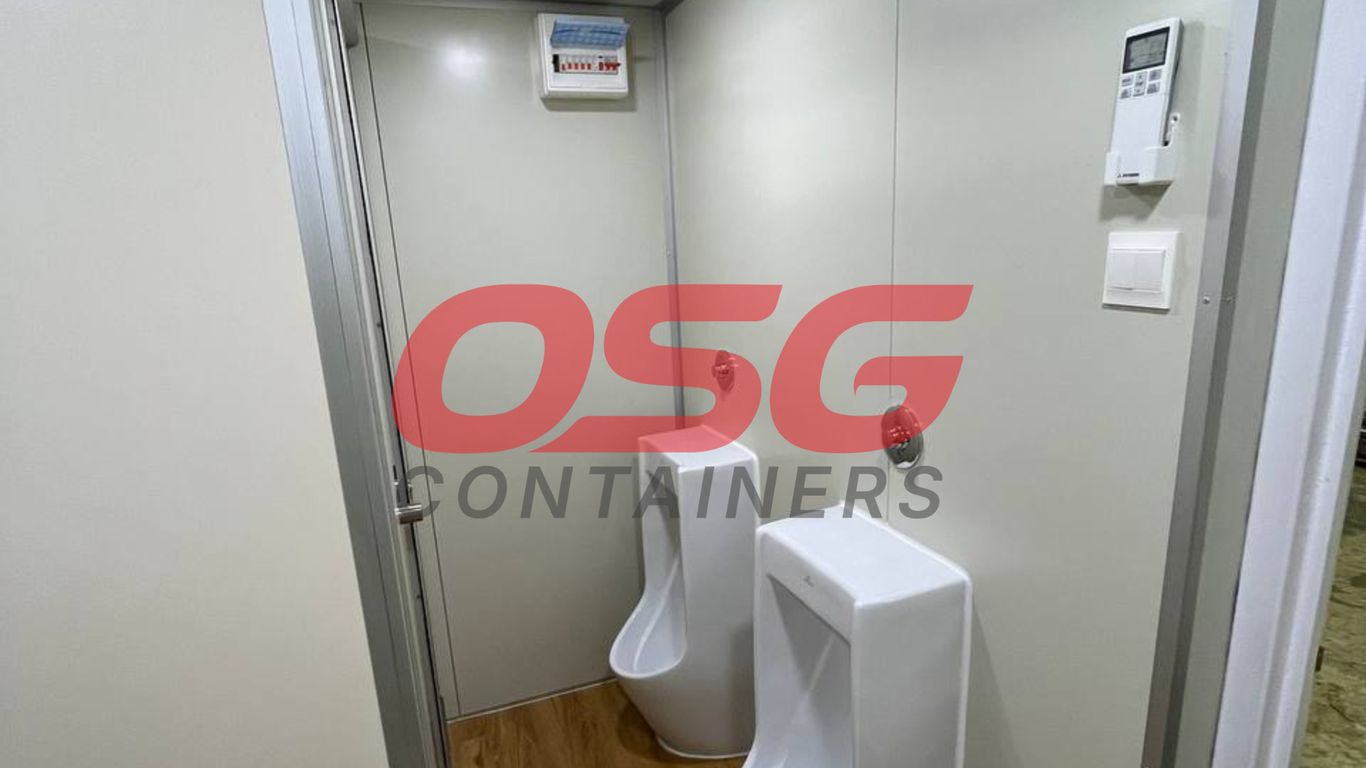
Planning an event, especially in a busy place like Singapore, means thinking about all the little things that make it run smoothly. You’ve got to figure out how many people are coming, what they’ll need, and how to get it all sorted without breaking the bank. It’s not just about the big stuff like stages; it’s also about the basics, like making sure there are enough portable toilets. This article looks at how to plan for these needs, especially when everyone wants the same things at the same time.
Key Takeaways
- When planning events, especially in peak seasons, it’s smart to book major suppliers and critical equipment like stages and generators at least a year in advance. Don’t forget about essentials like fencing and portable toilets; even these can be scarce.
- Always have a backup plan and some extra supplies. Things go wrong, and having a reserve of fuel, water, or spare parts can save the day. Setting aside 5-15% of your budget for unexpected costs is a good idea.
- Managing demand for services like mobile toilet Singapore requires early booking with providers. Assess your exact needs based on expected crowd size and duration, and have a plan if supply runs short.
- Control costs by seeking sponsorships to offset expenses and implementing strict on-site financial tracking. Creative budgeting and exploring cost-sharing opportunities are important for infrastructure needs.
- To combat labor shortages, use technology to help staff manage more, train your team to handle different tasks, and build a reliable crew. Consider backup options like volunteers or partnerships with other events for shared resources and bulk purchasing power.
Strategic Planning For Event Essentials
The difference between an event that runs smoothly and one that’s chaotic often comes down to how early and well you plan, especially for stuff people can’t do without—like toilets, water, and power. If you leave critical decisions to the last minute, you may find yourself scrambling for what’s left.
Prioritizing Critical Equipment Procurement
Some gear is almost impossible to replace if it falls through—think main stage platforms or a block of portable toilets. The first step is to list everything you’ll need, then rank these items:
- Which ones would be a true disaster if missing?
- What items have limited suppliers in your region?
- Can some things be swapped or sourced locally if there’s a gap?
| Equipment | Difficulty to Replace | Peak Season Risk |
|---|---|---|
| Main Stage Roof | Very High | High |
| Portable Toilets | High | High |
| Fencing/Barriers | Medium | Medium |
| Lighting Towers | Medium | Medium |
| Radios/Comms | Low | Low |
Always lock in critical and scarce items first, even before budgeting for extras.
Securing Major Suppliers Well In Advance
If you want the best choices on dates and prices, you’ve got to move early. Most big event suppliers will take bookings more than a year out, especially for busy weekends. This means:
- Get tentative holds on must-have gear ASAP—even before you’ve confirmed your venue.
- Negotiate contracts with clear cancellation or flexibility options (sometimes plans change).
- Check your suppliers’ own capacity; a smaller company can be stretched thin over back-to-back weekends.
A little paranoia goes a long way here. If in doubt, have a backup lined up!
Booking big-ticket rentals a year in advance isn’t overkill—it’s how you get the gear everyone else wants, at a price you can live with.
Understanding Peak Season Supply Chain Challenges
When you’re fighting for the same equipment as every other event, the risks multiply. Peak season means:
- Sudden supplier shortages (everyone wants toilets the same weekend)
- Prices surge as demand goes up
- Transport and delivery times may stretch out unexpectedly
Be proactive. Ask suppliers lots of questions: “Who are your other major clients this weekend?” or “What’s your backup plan if another customer over-runs their contract?” Consider building relationships with two or more vendors per category if you can. It’s not about being pessimistic—it’s about not getting caught off guard.
- Create a gear needs timeline: When does each item need to arrive and be set up?
- Plan for possible vendor delays due to weather, traffic, or overbooking.
- Put contingency clauses in all major contracts.
If you nail down the really important gear early, everything else is far less stressful later. The scramble for last-minute essentials is where the biggest headaches—and costs—show up.
Contingency Planning And Buffer Stock
Okay, so you’ve got your main plans sorted, but what happens when things go sideways? Because let’s be real, they often do, especially when you’re dealing with events. This is where contingency planning and having some extra stuff on hand, or buffer stock, really saves the day. It’s all about preparing for the unexpected so a small problem doesn’t turn into a full-blown disaster.
Allocating Budget for Unforeseen Needs
Think of this as your ‘oops’ fund. It’s not about being pessimistic; it’s about being smart. A good chunk of your budget, maybe 5-10%, should be set aside for things you didn’t see coming. This could be for anything from a last-minute equipment rental because something broke, to paying extra for a rush delivery when a supplier flakes. Having this money ready means you can act fast without having to scramble for approvals or cut corners elsewhere.
Stockpiling Essential Consumables
During busy times, like a big festival weekend, it’s tough to get more supplies. Local stores might be wiped out, and delivery trucks could be stuck in traffic. So, it makes sense to have some extra critical items right there on site. What kind of stuff? Well, think about what could stop your event dead in its tracks if you ran out.
- Fuel: If you’ve got generators, have an extra fuel tank or trailer. Figure out how much you’ll use and then add another 10-20% just in case.
- Water: Especially in hot weather, water is super important. Maybe rent an extra small water tanker or buy a few pallets of bottled water.
- Basic Fix-It Stuff: Things like duct tape, zip ties, and extra batteries for radios are lifesavers. You don’t want your communication to go down because of dead batteries.
- First Aid & PPE: Always good to have more bandages, sunscreen, and masks than you think you’ll need.
Having these extra supplies means you can handle small issues on the spot. Instead of a generator dying and halting the show, you can swap it out or refuel quickly. It’s about keeping things running smoothly, even when the unexpected happens.
Developing Emergency Response Plans
This is where you get specific about who does what when something goes wrong. You need clear steps. For example, if a key vendor doesn’t show up, who has the authority to immediately find a replacement and how much can they spend without asking permission? It’s also smart to have a communication plan – a ‘who calls whom’ list for emergencies. Doing a quick run-through of potential problems with your core team can make a huge difference. It helps everyone know their role and react faster when the pressure is on. It’s like a fire drill, but for event mishaps.
Managing Peak Season Demand For Mobile Toilet Singapore Services
When planning an event in Singapore, especially during peak seasons, getting enough portable toilets can feel like a real challenge. It’s not just about having a few units; it’s about making sure you have the right number, in the right places, and that they’re serviced properly. This is where smart planning really pays off.
Advance Booking For Portable Toilet Providers
Booking your portable toilets well ahead of time is non-negotiable during busy periods. Think of it like booking a popular restaurant for a holiday dinner – if you wait too long, you’re out of luck. Suppliers have limited stock, and popular dates get snapped up fast. You might even find that some providers require larger deposits or full payment upfront to secure your booking, which is a cash flow point to consider.
- Lock in your dates: Aim to book at least 6-12 months in advance for major events.
- Confirm service schedules: Don’t just book the toilets; confirm how often they’ll be cleaned and serviced. This is often overlooked but is super important for attendee comfort.
- Understand contract terms: Read the fine print regarding delivery, pickup, and any cancellation policies. What happens if they can’t deliver?
Assessing Mobile Toilet Singapore Needs
Figuring out exactly how many toilets you need isn’t just a guess. It depends on a few factors:
- Event Duration: Longer events mean more usage.
- Attendee Numbers: This is the biggest driver. Use your expected attendance figures.
- Demographics: Consider if you have a higher proportion of men or women, as usage rates can differ. Also, think about accessibility needs.
- Alcohol Service: Events serving alcohol typically see higher toilet usage.
A common guideline is to use industry standards, but it’s always better to err on the side of caution. You don’t want long queues forming, especially during peak times.
Contingency For Toilet Supply Shortages
What if, despite your best efforts, you face a shortage? It’s rare, but possible. Having a backup plan is key.
Sometimes, you might need to think outside the box for temporary facilities. While not directly for toilets, the concept of using 40 foot containers as temporary structures, like containers office spaces or even basic container home setups, shows how adaptable shipping containers can be. For toilet needs, this might mean looking into more basic, standalone units if your primary provider falls through, or even exploring rental of containers that could be outfitted for temporary sanitation if absolutely necessary, though this is a more complex solution.
- Identify backup suppliers: Have a list of other portable toilet companies in Singapore you can call in an emergency.
- Consider smaller units: If large units are scarce, could you use more smaller ones to meet the total number needed?
- Communicate with attendees: If there’s a temporary shortage or long queues, let people know what’s happening and when more facilities will be available. Transparency helps manage expectations.
Resource Management And Cost Control
Keeping your event budget under control is much harder when things move fast, and the stakes feel high. Peak seasons can make costs balloon if you’re not careful, so it helps to get creative and strict with your resources.
Leveraging Sponsorships For Resource Offset
Partnering with brands, companies, or even local government can make a huge difference to your bottom line. Sponsors often supply resources or discounts in exchange for branding opportunities, which takes some of the strain off your budget. Here are a few ways to approach it:
- Ask beverage companies for in-kind water or cooling stations, branded for their marketing.
- Reach out to local businesses for subsidy on logistics needs (like shuttle buses or waste removal).
- Negotiate with tent or furniture suppliers to turn them into minor sponsors, offering them onscreen or onsite acknowledgment in return for discounts.
This approach can prevent you from paying last-minute premiums during the busiest times.
Implementing Stringent On-Site Financial Controls
On event day, costs can spiral if you don’t have systems in place. Here’s what usually works:
- Require pre-approval for any onsite expenses over a certain amount—no exceptions.
- Use digital purchase order and inventory systems so every spend is tracked in real time.
- Give crew chiefs limited-access company cards, but require end-of-day reporting on all emergency purchases.
| Measure | Benefit |
|---|---|
| Real-time spending approval | Stops unplanned costs before they grow |
| Digital PO/inventory tracking | Keeps every dollar accounted for |
| Card limits and reporting | Prevents overspending by staff |
Sometimes, in the rush, you’ll want to just say yes to everything. Don’t. That’s when budgets disappear and explainers get written after the fact. Slow down, double-check, and you’ll be glad you did when reconciliations come around.
Creative Budgeting For Event Infrastructure
Think outside the box when planning for equipment and facilities. Pooling resources with another event, scheduling setups back-to-back, or even going minimalist with infrastructure can save a surprising amount. Here are three ideas worth considering:
- Schedule deliveries together with another event near your site—split the fees.
- Use modular or reusable structures to cut down on one-time costs.
- Set aside 10% as a contingency fund for surprise needs (and don’t use it unless you have to!).
At the end, do a thorough post-event review. Find out exactly where you overpaid. Sometimes one supplier’s rush fees bite the hardest, or maybe the crew’s overtime ate up your margin. Every event is a lesson—use those numbers to plan smarter next year.
Addressing Labor Shortages In Event Management
Labor shortages can throw a wrench into even the tightest festival or event planning timelines, especially when everyone’s chasing the same pool of skilled crew. The reality is, the event world lost a big chunk of experienced talent during the pandemic, and many never returned. So now, you have to get creative to fill those gaps and keep your event running smoothly.
Strategic Technology Adoption For Staff Augmentation
Sometimes, tech is the only way to make fewer hands go further. A few things I’ve seen actually work:
- Use crew management or scheduling apps—seriously, they’ll save you from double-booking staff, which always turns into a panic.
- Good security cameras and radio communication can let one security guard cover what used to be the job of three.
- For technical roles, have your specialist set up and tune the system in advance, then let a capable assistant handle day-to-day with remote check-ins.
If you can automate or centrally manage any process (from lighting checks to restroom cleaning schedules), do it. You’ll need fewer people and lose a lot less sleep the night before go-live.
Cross-Training Staff For Versatility
You never know when someone will get sick or just not show up. That’s why it pays to make sure your key people can jump between roles:
- Train your build crew to operate a forklift or troubleshoot audio gear.
- Site managers should know basic first aid or security procedures.
- Even volunteers can be upskilled with a few quick workshops before gates open.
A cross-trained crew is like a safety net—you might not need to stretch it, but it’s there when things go sideways.
Building A Resilient And Prepared Event Team
A strong event team starts with early recruitment and training in the off-season. Don’t wait until the rush—find your core workers, even if that means looking beyond the usual suspects. Try:
- Partnering with local trade schools or universities for interns or apprentices.
- Recruiting folks from theater, construction, or even retirees from emergency services.
- Setting up a crew co-op with other events in your area—share vetted staff across multiple weekends.
| Method | Benefit | Drawback |
|---|---|---|
| Technology/Automation | Reduces headcount, increases efficiency | Upfront cost, training |
| Cross-Training | Flexibility, less downtime | Training time required |
| Crew Pooling | Access to larger labor force | Coordination needed |
Sometimes the best fix isn’t just finding more people—it’s stretching those you have, giving them tools, and making everyone feel they’re part of something important. If you show your crew respect and trust, they’ll usually go the extra mile when it counts.
Collaborative Procurement Strategies
Look, planning a big event in Singapore, especially when things get busy, means you can’t just wing it with supplies and services. Sometimes, you’ve got to team up with other event folks. It might sound odd, working with people who are kind of your rivals, but honestly, it makes a lot of sense.
Sharing Vendor Lists And Expertise
Think about it: you’ve found a fantastic sound system company that’s always on time and does a great job. Instead of keeping that gem all to yourself, why not share that contact with another event organizer who needs similar services, maybe for a different date? This builds good vibes all around. You help them out, and that vendor gets more work. It’s a win-win. We’ve seen groups of festivals create shared lists of reliable people for everything from staging to security. It’s like having a secret handshake for finding good help.
Group Purchasing For Bulk Deals
This is where you really see the power of numbers. If you and a few other event planners all need, say, a hundred portable toilets for your respective events happening around the same time, you can go to a supplier together. Instead of each of you asking for a small number, you’re asking for a big number. This makes you a much more attractive customer. Suppliers are more likely to give you a better price or guarantee you get your equipment when everyone else is scrambling.
Here’s a quick look at how that might work:
- Event A: Needs 50 portable toilets for a festival in July.
- Event B: Needs 75 portable toilets for a concert in August.
- Event C: Needs 100 portable toilets for a corporate event in September.
Together, you approach a provider with a combined request for 225 units. This larger, consolidated order can lead to:
- Discounted pricing per unit.
- Priority booking and guaranteed availability.
- Potentially bundled delivery or setup services.
Formalizing Inter-Festival Partnerships
When you decide to work together on buying things or sharing resources, it’s smart to put it in writing. This isn’t about distrust; it’s about clarity. You want to make sure everyone knows who’s paying for what, what happens if one event gets canceled, and who’s responsible for the equipment. A simple agreement, like a Memorandum of Understanding, can sort all this out. It stops misunderstandings down the road and keeps things friendly. This kind of structured cooperation helps everyone secure what they need, even when supplies are tight.
Working with others isn’t just about saving money; it’s about making sure your event actually happens. When you pool resources, you create a safety net. You’re less likely to be left high and dry because one supplier can’t meet your needs. It’s about building a stronger event ecosystem for everyone involved.
Wrapping Up: Planning for Success
So, when it comes to putting on a big event, especially during busy times, it’s all about being prepared. We’ve talked about figuring out how many people will show up and making sure you have enough toilets, but it goes way beyond that. It means booking your big stuff, like stages and sound systems, super early. It also means having backup plans for when things go wrong, like equipment breaking or staff not showing up. Having a little extra money set aside for unexpected costs is a smart move, and so is having extra supplies like fuel or water on hand. Basically, the more you plan ahead and think about what could go wrong, the smoother your event will run. Don’t wait until the last minute to sort things out – get those bookings in and have a plan B (and maybe even a plan C).
Frequently Asked Questions
How do I figure out how many portable toilets my event in Singapore needs?
To estimate the number of portable toilets, first count how many people you expect at your event. As a general rule, plan for one toilet per 50 people for events lasting up to four hours. If your event is longer, or if food and drinks are served, you may need more. Always add a few extra to avoid long lines and to have a backup in case one breaks.
Why should I book portable toilets and other important equipment early?
Booking early is important because suppliers can run out of equipment during busy times, like festival season. If you wait too long, you might not get what you need, or you might have to pay more. Booking ahead also gives you time to plan for any problems that might come up.
What should I do if my portable toilet supplier cancels last minute?
Always have a backup plan. Keep a list of other toilet suppliers, and try to have a contract with a second company if possible. If you can’t find more toilets, make sure you have cleaning crews ready to keep the ones you have in good shape, and let your guests know about any changes.
How can I save money on event equipment like toilets and fences?
You can save money by teaming up with other event organizers to buy or rent equipment in bulk. This way, suppliers may give you a discount. You can also ask local businesses to sponsor parts of your event in exchange for advertising, which can offset costs.
What should I include in my emergency plan for event supplies?
Your emergency plan should cover what to do if you run out of important items like water, fuel, or toilets. Keep extra supplies on hand, and have a list of local stores or suppliers you can call quickly. Assign someone on your team to handle emergencies so you can act fast if something goes wrong.
How can I make sure I have enough staff during busy event seasons?
Start looking for staff early, and train your team to handle more than one job if possible. Using technology, like scheduling apps, can help you keep track of shifts and avoid mistakes. If you can’t find enough workers, try to get help from volunteers or use technology to make your team more efficient.


