Singapore
 Australia
 Indonesia
 Japan
Japan Malaysia
 New Zealand
 Philippines
 South Korea
 Taiwan
 Thailand
 VIETNAM
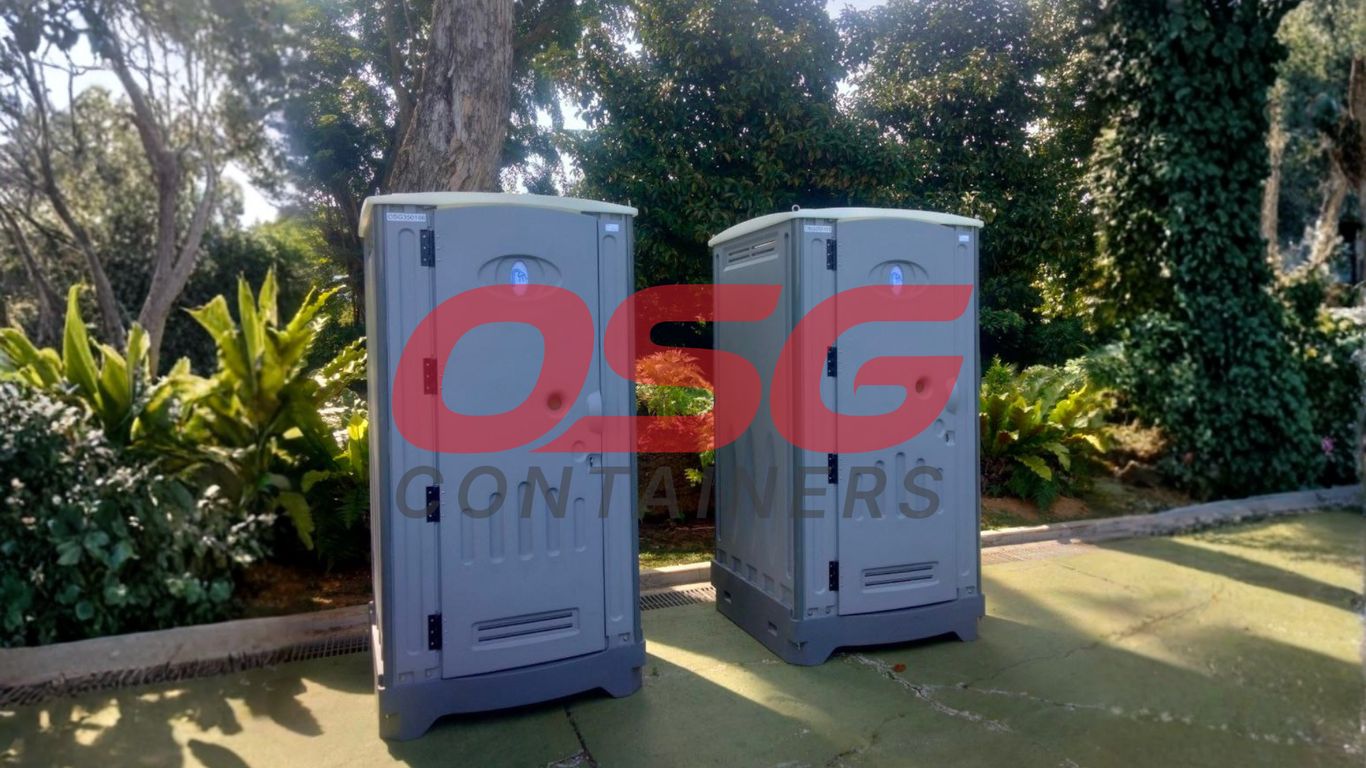
Planning a project that needs portable toilets can feel like a puzzle. Whether it’s a big outdoor event or a construction site that’s going to be around for a while, figuring out how many portable toilet rental units you actually need is key. Get it wrong, and you could end up with unhappy guests or workers, or just spend more money than you have to. This guide will help break down the basics of portable toilet rental so you can get it right.
Key Takeaways
- When figuring out your portable toilet rental needs, think about how many people will be there, how long they’ll be around, and if food or drinks will be served, as this all impacts usage.
- For construction sites, OSHA rules and the number of workers on different shifts matter a lot. It’s good to check with experts for the best portable toilet rental setup.
- There are different types of portable toilets, from basic models to more comfortable ones and accessible units. Choosing the right kind makes a big difference for your project.
- Knowing the tank size of your portable toilet rental units helps you plan how often they’ll need to be cleaned out, which affects costs and convenience.
- Don’t forget about the space needed for portable toilet rentals, how they’ll get there, and where they’ll be placed. Also, consider adding handwashing stations for better hygiene.
Key Factors Influencing Portable Toilet Rental Needs
Making an informed decision about portable toilet rentals means looking at more than just headcount. These are the angles you really need to consider:
Assessing Event Attendance and Duration
How many people are you expecting, and for how long? The answer directly changes how many toilets you’ll need—there’s a big difference between a three-hour picnic and a 12-hour music festival. Also, factor in staff, volunteers, and setup or teardown crews. For multi-day projects or events, remember that usage accumulates over time, so unit numbers may need to rise.
| Expected Attendance | Event Length | Recommended Portable Toilets |
|---|---|---|
| 1-50 | Up to 4 hrs | 1-2 |
| 51-100 | Up to 4 hrs | 2-3 |
| 101-250 | Up to 4 hrs | 3-4 |
| 251-500 | Up to 4 hrs | 5-8 |
Don’t forget to add about 20% more units for every extra two hours, especially if people aren’t coming and going.
Considering Food and Beverage Impact
When food and drinks (especially alcohol) are part of your event, restroom demand always goes up. Keep this in mind:
- Events with alcohol or heavy meals need more toilets due to increased usage.
- You might need extra units near bars or food tents.
- Handwashing stations are almost a must when serving food.
Planning for Crew and Multiple Shifts
Portable needs don’t end with guests. Think about:
- Shift work—does your site or event have overlapping crews?
- Will staff arrive before or stay after the main event?
- Sites with multiple working areas (more than 200 yards apart) usually each need their own units.
If your crew is on site for long shifts, comfort and efficiency go up when you actually provide enough clean units.
Adhering to Local Regulations and Requirements
Local and OSHA rules can dictate the minimum number of units. Double-check codes for public events and construction sites, including:
- ADA/accessible unit requirements
- Rules about handwashing sinks
- Specific ratios of toilets to people for jobsites or gatherings
Compliance isn’t optional—sometimes, it’s strictly enforced.
Portable toilet counts aren’t just a guess—they’re the result of balancing all these moving pieces and following the rules, so your event (or project) goes off without a hitch.
Calculating the Right Number of Portable Toilets
Figuring out the exact number of portable toilets needed for your project can feel a bit like guesswork, but it doesn’t have to be. Getting this right is super important for keeping everyone comfortable and happy, and also for avoiding unnecessary costs. Too few, and you’ll have long lines and unhappy guests. Too many, and you’re spending more than you need to. Let’s break down how to get it right.
Recommended Units Per Person at Events
For general events, a good starting point is to plan for one standard portable toilet for every 50 to 75 attendees. This is a baseline, though, and you’ll want to tweak it based on other factors we’ll discuss. Think of it as your initial estimate before you start fine-tuning.
OSHA and Construction Site Guidelines
Construction sites have their own set of rules, often dictated by OSHA (Occupational Safety and Health Administration) and local building codes. These guidelines usually focus on the number of workers and the duration of shifts. Unlike events, construction sites might start with just a couple of units and scale up as the project grows, then scale back down. It’s always best to check the specific requirements for your location and project type.
Here’s a general idea for construction sites:
- 1-10 workers: 1 unit
- 11-20 workers: 2 units
- 21-30 workers: 3 units
- 31-40 workers: 4 units
- 41-50 workers: 5 units
For sites with over 50 workers, you’ll need to add units more frequently, often one for every 10-15 additional workers, depending on shift length and work intensity.
Adjusting Unit Counts for Long Events
If your event is stretching beyond a few hours, you’ll definitely need more units. For events lasting between 4 to 8 hours, consider increasing your initial estimate by about 15-20%. For full-day or multi-day events, you’ll need even more, and you should also think about increasing the frequency of servicing to keep things clean and functional.
The longer an event goes on, the more people will use the facilities. This means wear and tear increases, and the need for more units, or more frequent cleaning, becomes apparent. Don’t forget to factor in the duration when you’re doing your calculations.
Handicap Accessibility and Special Requirements
It’s not just about the total number of units; accessibility is key. You’ll need to provide ADA-compliant (Americans with Disabilities Act) portable toilets. A good rule of thumb is to include at least one handicap-accessible unit for any event, and more for larger gatherings. If your event involves serving food or alcohol, or if it’s a longer duration, you might also want to consider adding more accessible units or even separate handwashing stations to manage the increased traffic and hygiene needs.
Selecting the Best Portable Toilet Types for Your Project
When you’re planning for any kind of project, whether it’s a big outdoor festival or a construction site, figuring out the right kind of portable toilet is pretty important. It’s not just about having a toilet, but having the right toilet for the job. Think about it – a fancy wedding has different needs than a week-long music festival, and a busy construction crew needs something reliable. We’ve got a few options to consider, and knowing the differences can save you a lot of hassle.
Standard versus Deluxe Portable Toilets
The most common type you’ll see is the standard portable toilet. These are the workhorses. They’re usually pretty basic, offering a toilet, a urinal, and often a small dispenser for hand sanitizer. They’re compact and get the job done, making them a go-to for many construction sites and smaller events. They typically have a tank capacity of around 60-70 gallons, which is good for moderate use.
Deluxe units, on the other hand, offer a bit more comfort and amenities. These might include a larger interior space, a mirror, a small shelf, and sometimes even better ventilation. For events where guests might be spending more time or where you want to offer a slightly more pleasant experience, the deluxe option is worth considering. They often come with features like a foot-pump sink for handwashing, which is a big step up from just sanitizer.
Benefits of Towable and U-Tow Units
Sometimes, you need a portable toilet solution that’s easy to move around a site without needing a dedicated truck for each unit. That’s where towable units come in. These are designed to be hitched to a vehicle and towed, making them super flexible for projects that span large areas or where you need to reposition facilities frequently. They can be a cost-effective solution if you have the means to tow them yourself.
U-tow units are similar, often smaller and designed for easier towing by standard vehicles. They’re great for smaller gatherings or sites where you don’t need a full-sized portable toilet but still require a self-contained sanitation option. Think of them for backyard parties or small work crews.
Importance of Accessible Portable Toilets
This is a big one. You absolutely need to consider accessibility for everyone. Accessible portable toilets, often called ADA-compliant units, are specifically designed to accommodate individuals with disabilities. They are larger, have wider doorways, interior grab bars, and a ramp for easy entry. Ensuring you have enough accessible units is not just good practice; it’s often a legal requirement. Don’t forget to factor these into your overall count, especially for public events.
Evaluating Handwashing and Hygiene Options
Beyond the toilet itself, hand hygiene is super important. While many standard units come with hand sanitizer, it’s often not enough, especially for longer events or high-traffic situations. You can rent standalone handwashing stations that provide running water and soap. These are usually larger units with multiple sinks. Some deluxe portable toilets also have built-in sinks. For projects in places like portable toilet singapore, where hygiene standards are high, providing robust handwashing facilities is a must.
Here’s a quick look at common hygiene add-ons:
- Hand Sanitizer Dispensers: Standard on most units, good for quick use.
- Standalone Handwashing Stations: Offer soap and running water, ideal for events.
- Waterless Urinals: Some units feature these to conserve water and reduce waste.
- In-Unit Sinks: Found in deluxe models, providing convenience.
Choosing the right type of portable toilet and accompanying hygiene solutions really depends on the specifics of your project. It’s always best to talk to your rental provider about your needs so they can guide you to the most suitable options.
Capacity Specifications and Service Frequency
When you’re figuring out how many portable toilets you’ll need, it’s not just about the number of people. You’ve got to think about how long they’ll be around and how much they’ll actually use the facilities. This is where tank capacity and how often you plan to service the units really come into play.
Tank Volume and Usage Calculations
Most standard portable toilets come with a holding tank that can hold about 60 to 70 gallons. Some bigger models can go up to 90 gallons. The general idea is that a standard unit can handle around 50 to 60 uses before it’s full and needs a good cleaning. If you’ve got a big event or a construction site where people are there all day, every day, you’ll want to do some math.
Here’s a quick look at how usage can add up:
- Standard Unit Capacity: 60-70 gallons
- Estimated Uses Per Standard Unit: 50-60 uses
- High-Capacity Unit Capacity: Up to 90 gallons
If you’re expecting a lot of people or they’ll be there for a long stretch, picking units with larger tanks can save you a lot of hassle and money on frequent servicing.
Estimating Frequency of Servicing Based on Capacity
So, how often do these things need to be emptied and cleaned? It really depends on how many people are using them and the size of the tank. For a small gathering of, say, 50 people for a few hours, one or two units might be fine with a single service at the end. But for a multi-day festival with hundreds or thousands of attendees, you’re looking at daily or even twice-daily servicing for some units.
The key is to avoid having units overflow or become unusable. It’s better to have a service schedule that’s a bit more frequent than you think you’ll need, especially if you’re unsure about usage patterns.
High-Traffic Situations and Large Gatherings
For events like concerts, festivals, or large corporate functions, you’ll need to bump up both the number of units and the service frequency. Think about peak times – usually when people are arriving, during breaks, or right after food is served. These are the moments when restroom usage spikes. If you’re serving alcohol, expect even more frequent use. It’s wise to consult with your rental provider; they often have calculators or experience to help you figure out the right balance between unit count and service visits to keep things running smoothly and keep your guests happy.
Spatial Planning and Logistical Considerations for Portable Toilet Rental
When you’re figuring out the whole portable toilet rental situation, it’s not just about how many units you need. You also have to think about where they’re going to go and how they’ll get there. This is where spatial planning and logistics come into play, and honestly, it can be a bit of a puzzle.
Standard Dimensions and Setup Requirements
Most standard portable toilets are pretty similar in size. Think about a footprint of roughly 3.5 to 4 feet wide and deep, with a height of about 7 to 7.5 feet. This might not seem like much, but when you’re trying to fit a bunch of them into a specific area, those dimensions matter. You’ll need a bit of extra space around each unit for access and, importantly, for servicing. A level spot is also a must; nobody wants a wobbly toilet!
Transportation and Placement Logistics
Getting these units to your site is a whole operation. They’re not exactly light, especially when they’ve been used. You’ll need to make sure the delivery vehicle can actually get to where you want them placed. If you’re thinking about a port o potty rental in a tight urban area, like in Singapore, for example, this becomes even more important. Consider access roads, overhead obstructions like tree branches or power lines, and any gates or narrow passages. Proper placement isn’t just about convenience; it’s about making sure the units are accessible for users and service crews.
Space Constraints and Accessibility
Sometimes, you’re just working with limited space. This is where you might need to get creative. Maybe you can stack units if they’re not in use, or perhaps you need to opt for more compact mobile toilet options. Accessibility is also a big deal. You’ll need to designate spots for any handicap-accessible units that are easy for everyone to get to, without ramps or steps if possible. Think about the flow of people around the toilets too – you don’t want bottlenecks, especially at busy events.
Here’s a quick look at typical dimensions:
| Feature | Approximate Size (Feet) | Approximate Size (Meters) |
|---|---|---|
| Width | 3.5 – 4 | 1.07 – 1.22 |
| Depth | 3.5 – 4 | 1.07 – 1.22 |
| Height | 7 – 7.5 | 2.13 – 2.29 |
| Door Width | 2 – 2.2 | 0.61 – 0.66 |
Planning ahead for where each unit will go, considering both user access and service vehicle routes, can save a lot of headaches down the line. It’s easy to overlook, but it’s a big part of a successful portable toilet rental project.
Cost Drivers in Portable Toilet Rental Projects
When you’re figuring out the budget for portable toilets, there are a few things that really bump the price up or down. It’s not just about the toilet itself, but all the bits and pieces that go along with it. Understanding these factors can help you avoid surprises and get the best deal for your project.
Typical Weekly Rental and Purchase Prices
Rental costs can vary quite a bit. A basic unit might start around $75 to $150 per week. If you’re looking for something a bit fancier, like a deluxe model with a sink or extra space, you could be looking at $150 to $300 weekly. Buying a unit outright is a bigger upfront cost, usually ranging from $700 to $3,000, depending on the features and how sturdy it is. Keep in mind that these are just general figures; your specific location and the rental company will have their own pricing.
Maintenance and Service Fee Structure
Servicing is a big part of the cost, especially for rentals. Most rental agreements include regular cleaning and restocking of supplies. The frequency of these services directly impacts the price. If you need daily servicing for a busy event, that’s going to cost more than a unit that only gets serviced once a month for a small construction site. For purchased units, you’ll be responsible for maintenance, which includes buying cleaning chemicals and potentially arranging for waste removal.
Factors Affecting Pricing (Location, Service Frequency, Unit Type)
Several things can change the final price:
- Location: Where your project is located matters. Delivery fees can add up, especially if you’re in a remote area or far from the rental company’s service hub.
- Service Frequency: As mentioned, how often the toilets are cleaned and restocked is a major cost driver. High-traffic events or construction sites with many workers will need more frequent servicing.
- Unit Type: Standard units are the most budget-friendly. Deluxe models with sinks, mirrors, or better ventilation cost more. Accessible units for people with disabilities are also priced higher due to their specialized design.
- Rental Duration: Longer rental periods might come with a slightly lower weekly rate, but the overall cost will be higher than a short-term rental.
When you’re planning, it’s always a good idea to get a few quotes from different companies. Ask them to break down all the costs, including delivery, setup, servicing, and any potential pickup fees. This way, you know exactly what you’re paying for and can compare apples to apples.
Enhancing Sanitation and Guest Comfort at Events
When you’re planning any kind of gathering, from a small backyard party to a large music festival, thinking about the restrooms is super important. It’s not just about having enough toilets; it’s about making sure everyone has a good experience. Nobody likes waiting in a long line or dealing with a less-than-clean facility, right?
Providing Handwashing Stations and Sanitizers
Beyond just the toilet units themselves, offering good hand hygiene options makes a big difference. Think about adding separate handwashing stations, especially if you’re serving food or drinks. These can be simple setups with a water tank, soap, and paper towels, or even foot-pump sinks for a more hands-free experience. Hand sanitizer dispensers are also a must-have, and most portable toilets come with them already installed. Making hygiene a priority shows your guests you care about their well-being.
Reducing Wait Times and Improving Traffic Flow
Long lines at the restroom can really put a damper on an event. To avoid this, you need to do a bit of math. A good rule of thumb is to have about one portable toilet for every 50 to 75 people for a standard 4-hour event. But this number changes. If you’re serving alcohol, or if the event is longer than 4 hours, you’ll definitely need more units. It’s better to have a couple of extra than not enough.
Here’s a quick look at how duration can affect needs:
- Events up to 4 hours: Use the standard 1:50-75 person ratio.
- Events 4-8 hours: Increase your unit count by about 15-20%.
- Multi-day events: Plan for additional units and more frequent servicing.
Strategically placing the units can also help. Don’t just put them all in one spot. Spread them out a bit, especially at larger venues, to help people get to them easily and reduce bottlenecks.
Choosing Features for Premium Experiences
For events where you want to offer a bit more, consider upgrading your portable toilet options. Some units come with features like better lighting, mirrors, or even small music players. For a truly upscale feel, luxury restroom trailers are available. These often include flushing toilets, running water sinks, air conditioning, and nicer finishes, making them feel more like a permanent restroom than a temporary one. Offering these premium options can really impress your guests and make your event stand out.
When planning, always think about the total number of people, how long the event will last, and if food or alcohol will be served. These factors are key to getting the number of units right. It’s also wise to include at least one accessible unit for guests with disabilities, and potentially more for larger events. Don’t forget about handwashing facilities; they’re a simple addition that significantly boosts guest satisfaction and hygiene standards.
Wrapping It Up
So, figuring out how many portable toilets you actually need can feel like a puzzle. It’s not just a simple guess. You’ve got to think about how many people will be there, for how long, and if you’re serving food or drinks, which always bumps up usage. Plus, don’t forget about things like accessibility and keeping things clean with handwashing stations. Whether it’s for a big event or a long construction job, getting the number right from the start saves headaches later. If you’re feeling overwhelmed, talking to the rental company is a smart move; they’ve seen it all and can help you nail down the perfect number so everyone stays comfortable and happy.
Frequently Asked Questions
How many portable toilets do I need for an event?
The number of portable toilets you need depends on how many people will attend and how long the event will last. A good rule of thumb is one toilet for every 50-75 people for a 4-hour event. If food or drinks are served, you might need more. It’s always best to check with a rental expert for large events.
What’s the difference between standard and deluxe portable toilets?
Standard portable toilets are basic and functional. Deluxe units offer more space, better ventilation, and sometimes a sink or mirror, making them more comfortable for guests at events where a slightly nicer experience is desired.
Do I need to provide accessible portable toilets?
Yes, it’s highly recommended, and often required by law, to have at least one accessible portable toilet at your event or job site. These units are larger and designed for people with disabilities, ensuring everyone has access to sanitation.
How often should portable toilets be cleaned?
This depends on how many people are using them and the event’s duration. For events, toilets might need servicing once or twice. For construction sites, regular weekly servicing is common. High-traffic situations require more frequent cleaning to maintain hygiene.
Can I rent portable toilets for a construction site?
Absolutely! Construction sites have specific needs, and portable toilets are essential for worker comfort and productivity. The number needed depends on the number of workers and their shifts, with guidelines often provided by OSHA.
What factors affect the cost of renting portable toilets?
The price depends on the type of unit you choose (standard, deluxe, accessible), how long you need to rent them, and how often you require them to be serviced. Delivery fees and your location can also play a role.