Singapore
 Australia
 Indonesia
 Japan
Japan Malaysia
 New Zealand
 Philippines
 South Korea
 Taiwan
 Thailand
 VIETNAM
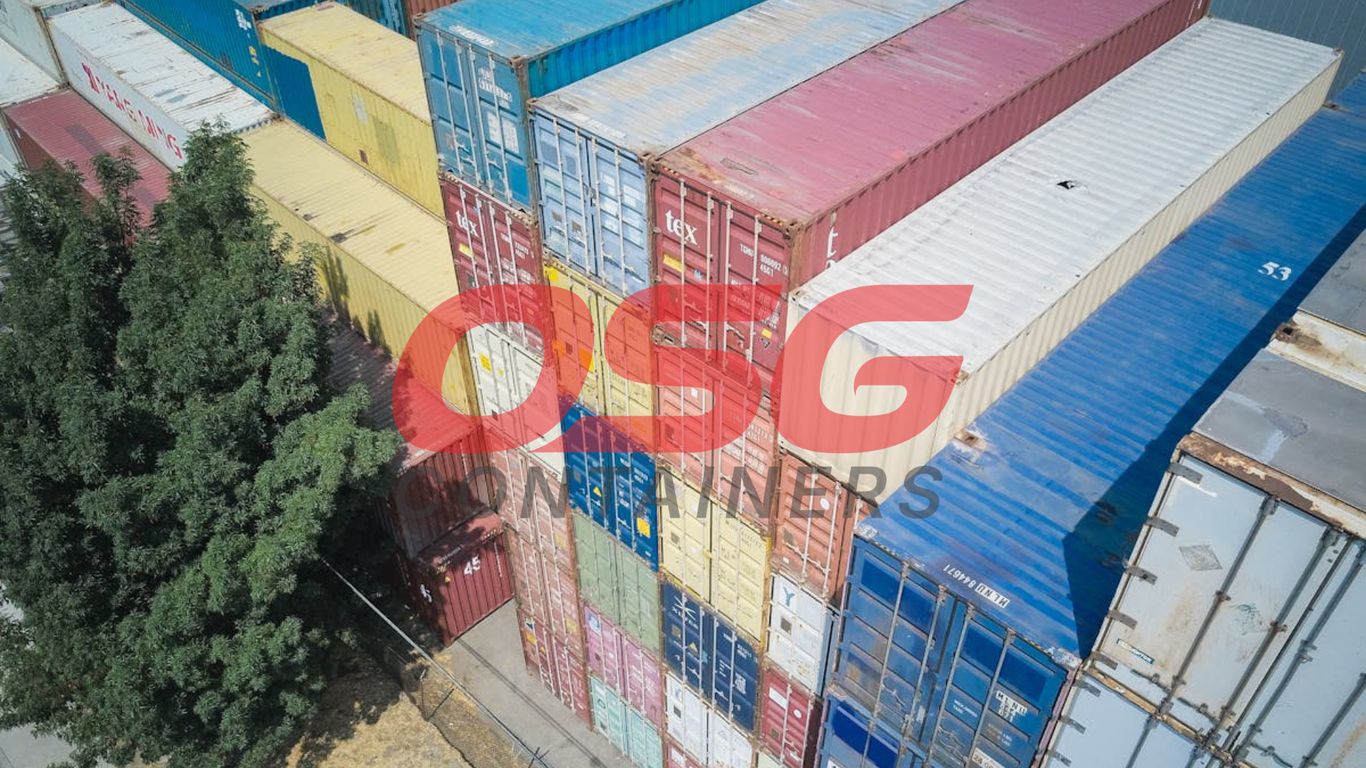
You know, those big metal boxes you see everywhere? They’re called ship containers, and they’ve totally changed how we get stuff from one place to another. It might seem simple, but the way these standardized containers work has had a huge effect on businesses, big and small, and pretty much the whole world economy. Let’s take a look at how these humble boxes became such a big deal.
Key Takeaways
- Standardized ship containers made shipping way cheaper and faster, changing global trade.
- These containers opened up world markets for smaller businesses that couldn’t afford old shipping methods.
- Ship containers are central to modern supply chains, helping with things like just-in-time manufacturing.
- Newer, smarter containers and the rise of online shopping are changing how shipping works.
- While ship containers help trade, the industry is working on reducing their environmental impact and finding sustainable solutions.
The Genesis Of Standardised Ship Containers
Malcolm McLean’s Visionary Idea
Before the arrival of standardized containers, shipping was a slow, clunky affair. Longshoremen had to load goods piece by piece, leaving ships stuck in port for ages. Malcolm McLean, a trucking entrepreneur, had an idea in the 1950s that changed everything: Why not pack cargo into big, uniform boxes that you can move directly from trucks to ships, and then back to trucks when you land?
Here’s what made McLean’s idea so groundbreaking:
- It cut down on manual labor at ports.
- Ships spent less time anchored, which saved a lot of money.
- Cargo stayed safer and more secure inside sealed boxes.
The first container ship, Ideal X, set sail in 1956. That trip was the official start of global container shipping. Over the next decade, McLean’s methods became the blueprint for the world.
Key Innovators And Their Contributions
Malcolm McLean doesn’t get all the credit. Lots of people needed to contribute to make containerization work—engineers, business leaders, and governments. They sorted out crucial bits, like:
- Figuring out a standard size so containers fit on ships, trucks, and trains.
- Creating systems for locking containers so they could be stacked safely.
- Convincing ports to invest in new cranes and loading equipment.
This team effort led to the International Organization for Standardization (ISO) setting container dimensions in the 1960s:
| Container Type | Dimensions (feet) |
|---|---|
| Standard ISO (TEU) | 20 x 8 x 8.5 |
| High Cube | 40 x 8 x 9.5 |
The combined efforts of these early pioneers built what eventually became a global system, making the movement of goods more predictable and affordable for everyone.
Technological Advancements In Container Design
The early metal boxes were just the start. As container shipping took off, improvements arrived fast:
- New materials made containers lighter but stronger.
- Weatherproof features protected cargo on long ocean trips.
- Innovations like refrigeration opened up shipping for food, medicine, and other perishables.
There was also a lot of thought put into making containers trackable and tamper-resistant. Later came tech upgrades—automated cranes, sensors, and tracking systems—so companies could locate any box, anywhere, at any time.
All these upgrades didn’t just create a new way to pack and ship cargo. They changed how the entire world trades. It’s funny to think that, in hindsight, everything hinged on a box almost anyone could recognize today.
Economic Advantages Driven By Ship Containers
Significant Cost Reductions In Shipping
Shipping containers have shaved a massive chunk off the cost of moving goods around the world. Before containers, shipping meant loading boxes one by one, by hand, eating up time and money. Now, everything goes into one standardized box. With fewer hands needed, labor costs go down, and with more stuff packed tightly in each trip, fuel gets used more efficiently. Also, goods are less likely to be stolen or broken because they’re locked away during the trip.
| Type of Cost | Before Containers | After Containers |
|---|---|---|
| Labor (per ton, USD) | $5.80 | $0.16 |
| Cargo Loss/Damage (per ton) | $0.50 | $0.02 |
| Average Shipping Time | 3 weeks | 4-5 days |
Enhanced Operational Efficiency And Speed
With containers, switching from ship to truck to train happens fast. Those big cranes at ports can move hundreds of containers in an hour. There’s no unpacking or repacking. Also, the standardized size means ports, ships, trains, and trucks are all built to fit, speeding things up big time. This was impossible in the old days when everything came in a different shape and size.
Key drivers behind this improved efficiency:
- Standard container sizes make loading and unloading predictable.
- Automated equipment speeds up port operations.
- Less manual handling cuts down waiting times and mistakes.
Being able to track exactly where a whole container is at any time, plus the fast handovers between transport modes, has really turned shipping into a smooth-running system.
Global Market Access For Small Businesses
Container shipping isn’t just for mega-corporations anymore. Small shops can now send their goods worldwide, too. It’s safe and affordable, and minimum amounts for shipping aren’t as high as they used to be. A small business can send a few pallets or just share a container with others. That levels the playing field, letting newcomers get their products in front of international customers.
Why containers matter for small businesses:
- Lower minimum shipment sizes mean even a small order can travel far.
- The same network that delivers for big companies is open to everyone.
- Reliable and secure containers mean mom-and-pop stores are less worried about loss or damage.
In the end, more businesses can compete globally thanks to the lower costs and better logistics containers bring to the table.
Ship Containers And The Modern Supply Chain
Facilitating Just-In-Time Manufacturing
Shipping containers have totally changed how factories work. Before, companies had to keep huge piles of parts and finished goods sitting around, which costs a ton of money. Now, with reliable shipping, businesses can get exactly what they need, right when they need it. This means less money tied up in warehouses and a quicker response to what customers want. It’s all about keeping things lean and efficient.
Streamlining Global Logistics Networks
Moving stuff around the world used to be a real headache. But with standardised shipping containers, it’s become way simpler. These boxes can hop from a ship to a train to a truck without anyone having to unpack and repack everything. This makes the whole process faster and cheaper. Think of it like a universal language for moving goods. Even specialized containers like the iso tank, designed for liquids, fit into this system. This smooth transfer is the backbone of today’s global trade.
Boosting Cross-Border Trade Opportunities
It’s never been easier for businesses, big or small, to sell their products overseas. Shipping containers have broken down a lot of the old barriers. Now, a small artisan in one country can easily ship their goods to a customer on the other side of the planet. This has opened up markets and created new opportunities for growth that just weren’t there before.
The ability to move goods predictably and affordably across vast distances has fundamentally reshaped how businesses operate and how economies connect.
The Evolving Landscape Of Ship Containers
Beyond The Standard ISO Container
While the standard ISO container has been the workhorse of global trade for decades, the shipping world isn’t just sticking with the same old boxes. We’re seeing a move towards specialized containers designed for specific types of cargo. Think about refrigerated containers that can maintain super precise temperatures for sensitive goods, or open-top containers that make loading really tall items easier. It’s all about fitting the container to the job, not the other way around. This flexibility is key to handling a wider variety of products more efficiently.
Technological Innovations In Tracking And Management
Remember when you had no clue where your package was until it showed up? Those days are fading fast. Modern containers are getting "smart." We’re talking about sensors that can tell you not just where the container is, but also its temperature, humidity, and even if it’s been tampered with. This real-time data is a game-changer for logistics. It helps prevent spoilage, theft, and delays. Plus, companies are looking into things like blockchain to make the whole tracking process more secure and transparent.
Here’s a quick look at some tracking tech:
- GPS Trackers: Pinpoint location data, updated regularly.
- RFID Tags: For quick scanning and inventory management at ports and warehouses.
- Environmental Sensors: Monitor temperature, humidity, and shock.
- IoT Devices: Connect sensors to the internet for remote monitoring.
The Impact Of E-Commerce On Shipping Needs
Online shopping has totally changed the game. Suddenly, there’s a massive demand for moving smaller shipments, faster. This means the big, slow container ships aren’t always the best fit for every delivery. We’re seeing more smaller, specialized vessels being developed that can get into more ports and deliver goods quicker. It’s a direct response to what shoppers want: their stuff, like, yesterday. This push for speed means shipping companies have to get creative and adapt their entire operations.
The rise of online shopping has put a huge amount of pressure on shipping companies to be faster and more flexible. It’s not just about moving big loads anymore; it’s about getting individual packages to people’s doorsteps quickly and reliably. This shift is forcing a lot of innovation in how we handle and transport goods.
Environmental Considerations Of Ship Containers
While standardized ship containers have been a massive win for global trade and efficiency, we can’t ignore their environmental footprint. These metal boxes move a lot of stuff, but the ships they travel on burn a ton of fuel. That means a lot of greenhouse gases get pumped into the air, which isn’t great for our planet.
Addressing Greenhouse Gas Emissions
The big ships that carry these containers are often powered by heavy fuel oil, and burning that releases significant amounts of carbon dioxide and other pollutants. It’s a major contributor to climate change. The industry is starting to look at cleaner fuels, like liquefied natural gas (LNG), and even exploring hydrogen power for the future. The goal is to move goods without warming up the planet.
Sustainable Practices In Container Shipping
Companies are slowly but surely trying to be greener. This includes:
- Using more fuel-efficient engines on ships.
- Optimizing routes to cut down on travel time and fuel use.
- Exploring alternative power sources for vessels.
- Improving how cargo is loaded to maximize space and reduce trips.
Even smaller things, like making sure a reefer refrigerated container is running as efficiently as possible, can make a difference over time. It’s about finding ways to do more with less environmental impact.
Innovative Reuse Of Ship Containers
What happens to containers when they’re no longer fit for sea travel? Well, instead of just letting them rust away, people are getting really creative. They’re being turned into all sorts of things:
- Homes and apartments
- Offices and retail shops
- Temporary shelters or even guard house structures
This reuse is a fantastic way to cut down on waste and give these sturdy boxes a second life. It’s a form of recycling that’s also pretty neat to see.
The challenge is finding a balance. Container shipping is vital for the global economy, but we have to find ways to make it less harmful to the environment. It’s a work in progress, but the efforts are definitely picking up steam.
Challenges And Future Trends In Ship Container Logistics
So, while those big metal boxes have been amazing for getting stuff around the world, it’s not all smooth sailing. Things can get pretty messy when unexpected stuff happens, and there are always new rules to figure out. Plus, we’ve got to think about the planet.
Navigating Supply Chain Disruptions
Look, nobody likes it when things get delayed, right? A hurricane in one part of the world or a political spat somewhere else can totally mess up the flow of goods. These disruptions can cause a domino effect, making it hard for businesses to get what they need, when they need it. It’s like trying to drive a car when there’s a huge traffic jam miles ahead – you just don’t know when you’ll get moving again.
- Weather Events: Major storms can shut down ports for days, sometimes weeks.
- Geopolitical Issues: Trade wars or conflicts can lead to sudden border closures or increased shipping costs.
- Pandemics: As we’ve seen, global health crises can halt production and travel, creating massive backlogs.
The unpredictability of global events means that companies relying on container shipping have to build in extra time and cost just to account for potential delays. It’s a constant balancing act.
Regulatory Hurdles And Environmental Compliance
Then there’s the whole tangle of rules. Every country has its own way of doing things, and these rules can change without much warning. Trying to keep up with all of it can be a real headache, leading to fines or more delays if you get it wrong. And with everyone talking more about the environment, there are always new regulations popping up.
The Future Of Sustainable Container Transport
This is where things get interesting. The industry knows it needs to clean up its act. We’re seeing more talk about using cleaner fuels, like natural gas or even hydrogen, for ships. There’s also a big push to make the containers themselves more energy-efficient. And it’s not just about the ships; people are getting creative with reusing old containers for buildings and other projects, which is pretty neat.
- Greener Fuels: Research and investment into alternatives to traditional bunker fuel are increasing.
- Smart Containers: Technology is making containers ‘smarter,’ with sensors that track location, temperature, and even humidity, helping to reduce spoilage and loss.
- Circular Economy: Finding new uses for retired containers is becoming more common, reducing waste and offering innovative building solutions.
It feels like the industry is at a turning point, trying to figure out how to keep goods moving efficiently while also being kinder to the planet. It’s a big job, but necessary.
Conclusion
So, looking back at everything, it’s kind of wild how much those big metal boxes have changed the world. Standardized ship containers made shipping faster, cheaper, and a lot less of a headache for everyone involved. Businesses—big and small—can now send stuff across the globe without worrying about it getting lost or damaged along the way. Sure, there are still some bumps in the road, like environmental concerns and the occasional shipping delay, but the benefits are hard to ignore. The industry is trying to figure out greener ways to move goods, and people are even finding new uses for old containers. At the end of the day, these containers are more than just boxes—they’re a key part of how our economy works and how we get the things we use every day. It’s not perfect, but it’s definitely made the world feel a lot smaller.
Frequently Asked Questions
What exactly is a standardized ship container?
Think of a standardized ship container as a big, strong metal box. It’s built to a specific size, like a giant Lego brick for shipping. This means it can be easily moved between ships, trains, and trucks without having to unpack and repack everything inside. It’s like having a universal key that fits all the locks in the shipping world.
How did these containers make shipping cheaper?
Before these boxes, people had to load and unload ships one item at a time, which took ages and lots of workers. With containers, machines can do most of the work super fast. Also, packing things tightly into these boxes means fewer trips are needed, saving tons of fuel and money. It’s like buying in bulk – you get a better price because it’s more efficient.
Can small businesses really use these containers to sell things overseas?
Absolutely! Because shipping is now cheaper and more reliable, even small companies can afford to send their products to other countries. It’s like a level playing field. Before containers, international shipping was too expensive for many smaller businesses, but now they can reach customers all over the globe.
How do containers help modern factories and stores get what they need?
Containers make it possible for factories to get parts exactly when they need them, not too early and not too late. This is called ‘just-in-time’ manufacturing. It means factories don’t need huge warehouses to store lots of parts, saving them money. It also helps stores keep their shelves stocked without having too much unsold stuff.
Are there different kinds of containers besides the basic ones?
Yes, there are! While the standard ones are super common, companies also use ‘high cube’ containers, which are a bit taller and can hold more stuff. There are also special ones for things that need to stay cold, like food, or for liquids. Technology is also adding ‘smart’ features, like sensors that tell you where the container is and if the temperature inside has changed.
What’s the biggest problem with shipping containers today?
One big challenge is that shipping burns a lot of fuel, which isn’t great for the planet because it releases pollution. Also, sometimes things go wrong, like bad weather or problems in certain countries, which can delay shipments and cause headaches for everyone. Finding ways to ship more cleanly and keep things moving smoothly, even when there are problems, is a major focus.