Singapore
 Australia
 Indonesia
 Japan
Japan Malaysia
 New Zealand
 Philippines
 South Korea
 Taiwan
 Thailand
 VIETNAM
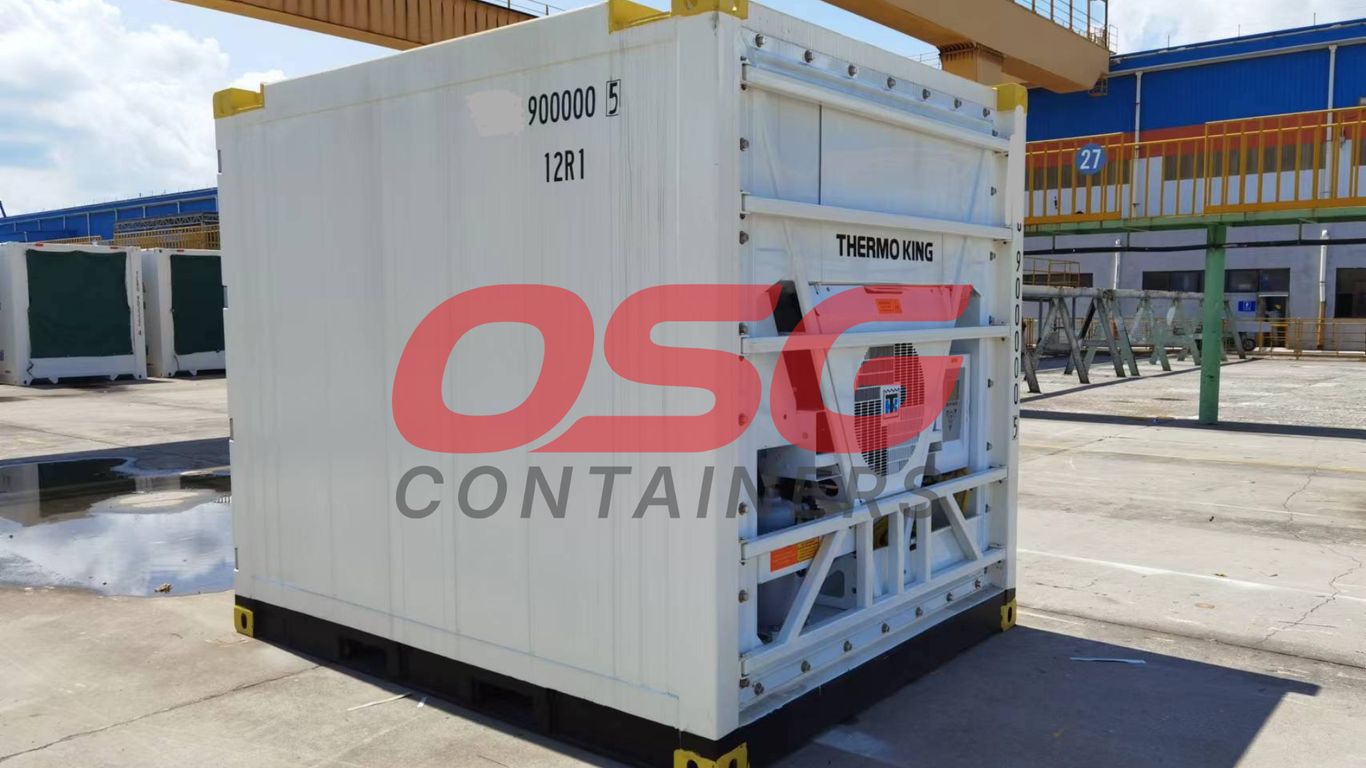
Ever wonder how that carton of milk or those imported strawberries get to your table without spoiling? It’s not by chance; it’s the work of refrigerated containers, or reefers. These aren’t just metal boxes; they’re essentially mobile refrigerators, built to maintain a very specific internal environment, regardless of what’s happening outside. They are absolutely vital for global trade, especially for items like food and medicine that can’t handle sitting around at room temperature for extended periods. Without them, a significant portion of the food we eat and the medicines we depend on simply wouldn’t reach us in a usable state. They truly are the quiet workhorses of the shipping world.
Key Takeaways
- A reefer container is a specialized shipping unit with a built-in refrigeration system, acting like a mobile cold room to keep goods like food and pharmaceuticals at precise temperatures during transit.
- The technology behind reefer containers has advanced significantly, moving from basic ice cooling to sophisticated, insulated units with reliable power systems for global shipping.
- Various sizes, including 20ft and 40ft, along with specialized models, are available, allowing businesses to select the most suitable reefer container for their specific cargo and logistical needs.
- The effectiveness of a reefer container depends on the integration of its cooling machinery and its insulating shell, which together maintain the required environment and impact energy use.
- Global trends like the rise of e-commerce for perishables and strict demands from pharmaceutical distribution are increasing the reliance on reefer containers, driving innovation in the sector.
Understanding The Reefer Container: A Cold Chain Cornerstone
Ever wonder how those fresh berries from across the globe end up on your plate, still tasting like they were just picked? It’s not magic, it’s the reefer refrigerated container. These specialized boxes are the backbone of shipping anything that needs to stay cold. They’re pretty important for global trade, especially for food and medicine. Let’s take a closer look at what makes these cold workhorses tick and why they’re so vital for getting goods from point A to point B without spoiling.
Defining Refrigerated Containers and Their Crucial Role
A reefer container is basically a self-contained, insulated shipping unit that comes with its own built-in refrigeration system. Its main job is to keep the temperature inside exactly where it needs to be, and sometimes it even manages the humidity and the air mix. This controlled environment is what protects things like fresh produce, frozen foods, and medicines during their long trips. They are the main part of what we call the ‘cold chain’ – that whole process of keeping sensitive items at a steady low temperature from when they’re made until someone eats or uses them. This is a pretty big deal when you think about how much of our modern economy depends on moving these kinds of goods around the world.
The Evolution of Refrigerated Shipping Technology
Shipping things in a temperature-controlled way isn’t exactly new, but how we do it has changed a lot. Back in the day, people used ice, which was often messy and hard to get right. Then came insulated rooms on ships. Now, we have these self-sufficient reefer units, which are pretty much advanced refrigerators on wheels, or more accurately, on ships, trains, and trucks. They’ve gotten way more sophisticated, with better insulation and cooling systems that can be powered in different ways. This makes the global trade of perishable items possible on a huge scale. It’s a far cry from those early ice-filled boxes, and it has really changed how we get our food and medicine.
Key Features And Functionality Of Reefer Containers
So, what makes these reefer containers so special? It’s not just a big metal box with a freezer unit attached. They’re engineered with some pretty neat features to keep your sensitive stuff in tip-top shape, no matter where it’s going.
- Precise Temperature Control: Reefers can maintain temperatures from as low as -25°C (-13°F) for frozen goods up to ambient temperatures for certain produce, with accuracy often within 0.5°C.
- Insulation: High-quality insulation, typically polyurethane foam, is used in the walls, floor, and ceiling to minimize heat transfer from the outside.
- Refrigeration Unit: A self-contained, electrically powered refrigeration unit is integrated into one end of the container, capable of cooling or heating as needed.
- Power Source: These units can be powered by electricity from shore power at ports, generator sets attached to the container, or the vessel’s own power supply.
The effectiveness of a reefer container hinges on the coordinated effort between its cooling machinery and its insulating shell. This integrated approach guarantees the integrity of temperature-sensitive goods throughout their transit, while also significantly impacting the overall energy consumption and cost of global shipping operations. The careful selection and maintenance of both components are paramount for successful cold chain logistics.
Diverse Reefer Container Options For Global Logistics
When you’re moving temperature-sensitive goods around the globe, it’s not a one-size-fits-all situation. Choosing the right reefer container is key to making sure your cargo arrives in good condition. Think of it like picking the right tool for a job; you wouldn’t use a tiny screwdriver for a huge bolt, right? These specialized shipping containers come in different sizes and have different capabilities, and picking the wrong one can lead to spoiled products and lost money.
Exploring Size Variants: 20ft, 40ft, and Specialized Units
Most people picture shipping containers as standard metal boxes, and reefer containers are no different in their basic dimensions. The most common sizes you’ll encounter are the 20-foot and 40-foot models. The 40-foot containers, especially the ‘high cube’ versions which are a bit taller, are quite popular because they offer more space for your goods. This can be more cost-effective per unit if you have a large volume of items to ship.
However, bigger isn’t always better. Sometimes, a 20-foot reefer is perfectly fine, particularly for smaller shipments or when you need more flexibility in where the container can go. Some ports or inland transport routes might have limits on the larger units.
Beyond these standard sizes, there are also more specialized reefer containers available. These might be built for very specific temperature ranges, like ultra-low temperature freezers for certain biological samples or medicines, or they could have features for handling specific types of cargo, such as rails for hanging meat.
Selecting The Right Reefer Refrigerated Container
So, how do you actually pick the best reefer for your specific needs? It really comes down to a few main things:
- Cargo Type: What are you shipping? Fruits, vegetables, meat, dairy, pharmaceuticals, or something else entirely? Each has its own temperature and humidity requirements.
- Temperature Requirements: What exact temperature range does your cargo need to stay within? Some items need just cool, while others need deep freezing.
- Volume of Goods: How much are you shipping? This will help determine whether a 20ft or 40ft container is more appropriate.
- Transit Time: How long will the journey take? Longer trips might require more robust cooling systems and better insulation.
Here’s a quick look at some common reefer container specs:
| Container Size | Internal Dimensions (approx.) | Cubic Capacity (approx.) | Max Payload (approx.) |
|---|---|---|---|
| 20ft Reefer | 5.46m x 2.29m x 2.16m | 28.4 m³ | 27,540 kg |
| 40ft Reefer | 11.59m x 2.29m x 2.40m | 67.5 m³ | 29,400 kg |
The precise temperature control and humidity management capabilities are what truly define a reefer container’s value.
Maintaining the correct internal environment is paramount. This involves not just the cooling unit itself, but also the quality of the container’s insulation and its ability to manage air exchange and humidity. Getting these factors right prevents spoilage and maintains product quality throughout the supply chain.
Industries Reliant On Reefer Refrigerated Container Technology
It’s not just about shipping apples and oranges. A wide range of industries depend heavily on reefer containers to get their products to market safely and effectively. The reliability of these reefer containers is a cornerstone of modern global trade for many sectors.
- Food and Beverage: This is the most obvious one, covering everything from fresh produce and frozen foods to dairy products and specialty beverages.
- Pharmaceuticals: Many medicines, vaccines, and biological samples require strict temperature control to remain effective and safe for use.
- Floriculture: High-value cut flowers and plants are often shipped in reefers to maintain their freshness and prevent wilting during long journeys.
- Chemicals: Certain chemicals are temperature-sensitive and require controlled environments during transport to prevent degradation or dangerous reactions.
- Specialty Goods: This can include anything from high-end chocolates and fine wines to certain types of artwork or sensitive electronic components that need stable conditions.
How Reefer Refrigerated Containers Power Global Logistics
Integrated Cooling and Insulation Synergy
Reefer containers are basically big, mobile refrigerators, and their ability to keep things cold, or even frozen, relies on a smart combination of two main things: the cooling unit itself and the container’s walls. Think of the insulation as a really good thermos; it stops outside heat from getting in and inside cold from escaping. Then, the refrigeration unit actively works to remove any heat that does sneak in, keeping the temperature exactly where it needs to be. This teamwork between insulation and cooling is what lets us ship ice cream from across the ocean without it turning into soup, or get fresh berries to your table still firm. It’s a delicate balance, and getting it right means your cargo stays in good shape.
Powering The Refrigeration Unit
Keeping that cold air flowing isn’t magic; it needs power. When a reefer container is sitting at a port or a warehouse, it usually plugs into an electrical outlet. But when it’s on the move – on a ship, a train, or a truck – it needs its own power source. Most often, this comes from a generator attached to the container, usually running on diesel. This generator is like the engine for the cooling system, making sure the temperature stays steady no matter where the container is. It’s a constant job, and the power system has to be reliable.
Maintaining Constant Temperature, Humidity, and Atmosphere
These containers are the reason we can get fresh produce year-round or life-saving medicines to remote locations, all while keeping things at just the right temperature. It’s not merely about keeping things cold; it’s about preserving quality and integrity, no matter the distance. As technology advances, these cold boxes are becoming even more efficient and reliable. They are the quiet workhorses that keep global trade moving, ensuring our goods remain fresh and safe throughout their transit.
Here’s a look at some typical specifications:
| Feature | 20ft Reefer | 40ft Reefer |
|---|---|---|
| Cubic Capacity | 28.40 m³ | 67.50 m³ |
| Max Payload | 27,540 kg | 29,400 kg |
| Temperature Range | -30°C to +30°C | -30°C to +30°C |
| Humidity Control | 65% to 95% RH | 65% to 95% RH |
The effectiveness of a container reefer hinges on the coordinated effort between its cooling machinery and its insulating shell. This integrated approach guarantees the integrity of temperature-sensitive goods throughout their transit, while also significantly impacting the overall energy consumption and cost of global shipping operations. The careful selection and maintenance of both components are paramount for successful cold chain logistics.
Global Trends Shaping Reefer Shipping
Things are really changing in how we ship temperature-sensitive goods, and it’s all happening pretty fast. These reefer containers, the backbone of keeping things fresh, are being pushed in new directions by a few big shifts in how the world works.
E-commerce Expansion for Perishables
Online shopping has gone way beyond just clothes and electronics. Now, people are ordering groceries, meal kits, and all sorts of fresh food right to their doorsteps. This means a massive jump in the need for shipping that keeps things cold and controlled. Getting those ripe avocados or frozen pizzas to you without a hitch relies heavily on a solid cold chain. This trend is making companies use more reefers and is also leading to smaller, local cold storage spots popping up in cities. It’s all about getting that fresh stuff to you quickly and safely.
Pharmaceutical Distribution Demands
We all know how vital it is to keep medicines and vaccines at the right temperature, especially after the past few years. But it’s not just about those big-name items. There’s a growing need for specialized drugs and products for medical studies that also have very strict temperature rules. This means reefers are in high demand across all types of transport – planes, ships, and trucks – to make sure these important supplies stay effective and don’t go bad.
Decentralized Warehousing and Agile Hubs
Instead of one giant warehouse, companies are starting to spread things out. This means more smaller, strategically placed storage hubs, often closer to where people live. These hubs need to be flexible and quick to respond to orders. For reefers, this translates to needing more frequent, smaller shipments and a greater need for efficient loading and unloading processes at these decentralized locations. It’s about being nimble and getting goods where they need to be, fast.
The way we get our food, our medicine, and even our flowers is being reshaped by what’s happening in global trade, and these reefers are right in the middle of it all. They’re not just boxes; they’re critical links in a complex chain.
Here’s a quick look at what’s driving these changes:
- More Frequent Shipments: Online shopping means smaller orders, but more of them, needing constant temperature control.
- Stricter Rules: Food and medicine safety regulations leave no room for error in temperature management.
- Global Reach: As trade routes expand, reefers are needed for longer journeys to keep goods fresh.
- Efficiency Focus: Companies are constantly looking for ways to make reefer transport use less energy and cost less.
Reefer Containers: The Unsung Heroes Of Global Trade
Redefining Global Food Markets
It’s easy to take for granted that we can buy avocados in the winter or enjoy fresh seafood flown in from halfway across the world. But behind that convenience is a complex system, and at its heart are reefer containers. These aren’t just metal boxes; they’re sophisticated, mobile refrigerators that keep our food fresh and safe during long journeys. They’ve completely changed how we access food, allowing for a global marketplace where seasonal limitations are far less of a barrier. This means more variety for us and new markets for producers, a win-win situation that relies heavily on these specialized units. Even when dealing with bulk liquids, specialized containers like iso tanks, when refrigerated, play a similar role in preserving product integrity.
The Cool Future of Food Distribution
The way we get our food is constantly evolving, and reefer containers are right there with it. Online grocery shopping is booming, and that means more and more perishable items need to be shipped directly to our homes. This trend is pushing for faster, more efficient cold chains. We’re seeing more advanced technology in reefers, like better insulation and more precise temperature controls, to handle these demands. It’s all about making sure that your online order of ice cream or fresh produce arrives in perfect condition, no matter how far it travels.
Understanding Potential Operational Challenges
While reefers are amazing, they aren’t without their headaches. Keeping them running requires a steady power supply, which can be tricky when they’re on a ship or a train. Sometimes, they have their own generators, but those need fuel and maintenance. Imagine a generator running out of gas miles from anywhere – not good for the cargo! Plus, these containers can get banged up during transit, which could mess with their seals and insulation. Regular checks and careful handling are super important to avoid problems.
- Power Supply Issues: Ensuring consistent electricity at ports, terminals, and during transit is vital.
- Mechanical Failures: Refrigeration units and attached generators can break down.
- Physical Damage: Impacts during loading, unloading, or transit can compromise the container’s integrity.
- Temperature Fluctuations: Even small deviations can spoil sensitive goods.
The constant battle between the internal cooling system and external environmental conditions is what defines the operational success of a reefer container. The better this balance is maintained, the less energy is consumed and the higher the likelihood of cargo arriving in optimal condition.
The Cool Chain Continues
So, when you think about how that fresh food gets to your table or how vital medicines reach people who need them, remember the reefer container. These aren’t just metal boxes; they’re high-tech refrigerators on the move, keeping global supply chains humming. They’ve come a long way from older methods, getting smarter and more efficient all the time. As we rely more on getting things from all over the world, these specialized containers are more important than ever. They really are the quiet workhorses making sure our world keeps moving, one cool shipment at a time.
Frequently Asked Questions
What exactly is a reefer container and why is it important?
A reefer container is basically a big, mobile refrigerator used for shipping. It has its own cooling system built-in to keep things like food, medicine, or flowers at a very specific, steady temperature. This is super important because it stops these items from spoiling or losing their quality during their long trips on ships, trains, or trucks. Without them, we wouldn’t be able to get many of the fresh foods and important medicines we rely on.
How have reefer containers changed over time?
Reefer technology has improved a lot! In the past, people used ice or just cooled rooms on ships, which wasn’t very reliable. Now, reefer containers are high-tech. They have much better insulation to keep the cold in and more efficient cooling systems. They can also be powered in different ways, making them much more dependable for shipping all sorts of temperature-sensitive items across the globe.
What kinds of businesses really need reefer containers?
Lots of businesses depend on reefers! The food and drink industry needs them to keep fruits, veggies, meat, and dairy fresh. The medicine and health industry uses them for vaccines and other important drugs that can’t get too warm. Even flower shops use them to keep delicate plants and flowers from wilting during shipping.
How do reefer containers actually keep things cold during a trip?
Reefer containers work by using a powerful refrigeration unit that runs on electricity. This unit is connected to the container’s power source, whether that’s from the ship or a generator. The cold air is then circulated inside the container to make sure everything stays at the set temperature. The container’s thick, insulated walls also help a lot by preventing outside heat from getting in.
Are there different types of reefer containers?
Yes, there are! The most common sizes you’ll see are 20-foot and 40-foot long containers, which are like standard shipping boxes but refrigerated. But there are also specialized ones for different needs, like containers that can get extremely cold for certain medicines or biological samples. It’s important to pick the right size and type of reefer container based on what you’re shipping and how sensitive it is to temperature changes.
What are some challenges when using reefer containers?
Even with these amazing containers, there can be problems. One big issue is making sure they have a constant power supply, whether that’s from a port’s electricity or a generator on the container itself. If the power goes out, the cargo is at risk. Also, the cooling units or generators can sometimes break down, and the containers themselves can get damaged during handling, which could let the cold air escape.