Singapore
 Australia
 Indonesia
 Japan
Japan Malaysia
 New Zealand
 Philippines
 South Korea
 Taiwan
 Thailand
 VIETNAM
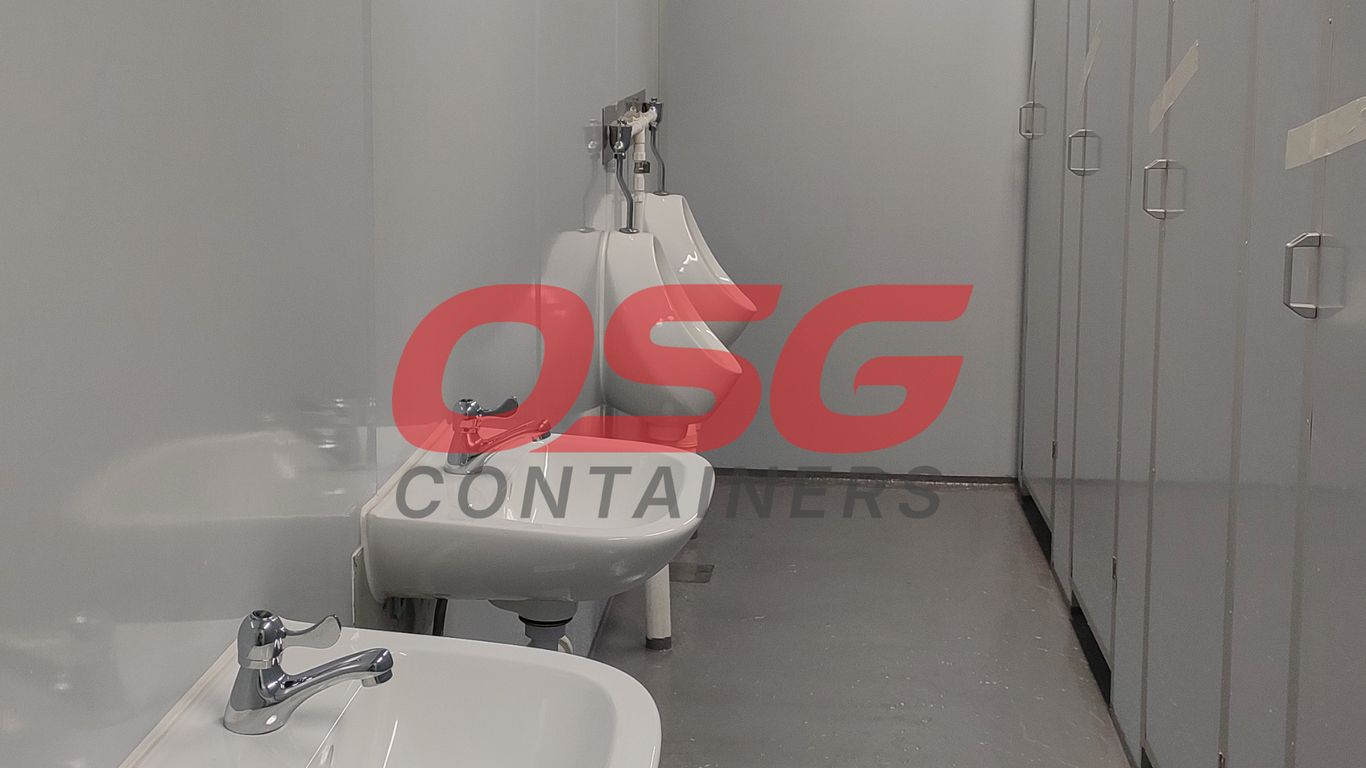
So, you’re looking into renting portable restrooms for an event or a job site. It’s a practical choice, but a big question that pops up is how often these units actually get serviced. It’s not just about dropping them off; keeping them clean and functional is key. Let’s break down what goes into the service schedule for a portable restroom rental, so you know what to expect and how to keep everyone happy.
Key Takeaways
- The frequency of servicing for a portable restroom rental depends heavily on how many people use it. More users mean more frequent cleaning and pumping.
- Weather can play a role; hot weather might make odors stronger, potentially requiring more frequent services to keep things fresh.
- Special features like built-in sinks mean more tanks to manage, affecting how a unit is serviced.
- Watch for signs like high waste levels, persistent bad smells, or empty supplies – these mean your unit needs attention now.
- Talk to your rental company upfront about your specific needs and agree on a service schedule, including what happens if there’s an emergency.
Understanding Portable Restroom Rental Service Frequency
When you rent a porta john, figuring out how often it needs to be serviced is pretty important. It’s not just about keeping things from smelling bad, though that’s a big part of it. It’s also about making sure the units are actually usable and don’t become a health hazard. The frequency of service really depends on a few things, and there’s no single answer that fits every situation.
Factors Influencing Service Intervals
Several things play a role in how often your porta john rental needs attention. Think about it: a small backyard party is going to have different needs than a busy construction site. The number of people using the units is probably the biggest factor. More users mean more waste, and that means more frequent pumping and cleaning.
- Usage Volume: The more people who use the portable toilet, the quicker it fills up and the more often it needs servicing. For construction sites, a common guideline is to service the unit at least once a week for every ten workers.
- Weather: Hot weather can speed up waste decomposition, leading to stronger odors. This might mean you need more frequent services, especially if the units are sitting in direct sun.
- Event Type: A wedding or a corporate event might have different expectations for cleanliness and odor control compared to a long-term construction project.
Standard Servicing Schedules
For many standard porta john rentals, a weekly service is the norm. This usually includes pumping out the waste, cleaning and sanitizing the interior surfaces, and restocking essential supplies like toilet paper and hand sanitizer. It’s a good baseline for many situations.
A regular service schedule helps maintain a clean and pleasant environment, which is key for user satisfaction and health. It prevents issues before they become major problems.
High-Traffic Area Servicing Needs
If your porta john rental is going to be in a place with a lot of activity, like a large festival, a busy public park, or a major construction site, you’ll likely need more frequent servicing. For these kinds of high-traffic areas, servicing might happen two or three times a week, or even daily, to keep up with the demand and maintain hygiene standards. Ignoring this can quickly lead to an unpleasant and unsanitary experience for everyone.
Key Determinants for Portable Toilet Servicing
Figuring out how often to service portable toilets isn’t a one-size-fits-all deal. It really depends on a few things that can change how quickly a unit gets used up or becomes unpleasant. Getting this right means happy users and a smoother operation, whether it’s for a big event or a long construction job.
Impact of Usage Volume on Cleaning
The number of people using the portable toilet is probably the biggest factor. Think about it: more users mean more waste and more frequent cleaning. For construction sites, a common guideline is to service the unit at least once a week for every ten workers. For events, it’s a bit different. A steady flow of people, like at a festival, will need more attention than a smaller, more spread-out crowd. You might even need daily or twice-daily servicing to keep things clean and usable for thousands of attendees.
Weather’s Influence on Pumping Schedules
Believe it or not, the weather can really mess with your pumping schedule. When it’s hot, waste breaks down faster, and that means stronger smells. If your porta potty is sitting out in the sun during those warmer months, you’ll likely need more frequent services than you would when it’s cooler. Using a good deodorizer and disinfectant helps, but sometimes you just need to pump it more often to keep the odors in check.
Event Type and Duration Considerations
What kind of event or job is it, and how long will it last? A short weekend party might only need a service at the start and end. But a multi-month construction project? That needs a regular, scheduled service, often weekly. If you skip those regular cleanings on a long-term rental, things can get pretty gross pretty fast, which isn’t great for anyone’s morale or health. Special events, like weddings or corporate functions, have higher expectations for cleanliness, so you’ll want to plan for more frequent servicing to keep things looking good.
The frequency of servicing isn’t just about emptying the tank. It also involves cleaning the interior, restocking supplies like toilet paper and sanitizer, and making sure the deodorizer is working. A thorough service visit ensures the unit remains hygienic and pleasant for all users, regardless of how heavily it’s being used.
Here’s a quick look at how usage can affect service needs:
- Low Usage: A few people over a weekend might only need one service at the beginning and one at the end.
- Moderate Usage: A small job site with a handful of workers might be fine with weekly servicing.
- High Usage: A large event with thousands of attendees could require daily or even multiple services per day.
- Extended Duration: Long-term rentals, like on construction sites, need consistent, scheduled maintenance, usually weekly, to prevent unsanitary conditions.
Specialized Portable Toilet Rental Features and Servicing
Servicing Units with Integrated Sinks
Some portable toilets go beyond the basic. Units with built-in sinks, often found in more upscale portable toilet rentals or those designed for longer-term use, add a layer of complexity to servicing. These aren’t just about waste removal; they also involve managing fresh water and greywater tanks. Regular servicing for these units means not only pumping out the main waste tank but also emptying the greywater tank from the sink and refilling both the fresh water reservoir and the soap dispenser. It’s a more involved process than with standard porta potties.
Addressing Greywater and Fresh Water Tanks
When you rent portable toilets that include sinks, you’re essentially dealing with a mini-plumbing system. The greywater tank collects water from the sink, and the fresh water tank supplies it. Servicing these requires a careful balance: pumping out the used water, ensuring the fresh water tank is full for the next user, and making sure the soap dispenser is topped off. This dual-tank system needs attention to keep the hand-washing stations functional and hygienic throughout the rental period.
Maintaining Hand-Washing Station Supplies
It’s not just about the water. For portable toilets on rent that feature hand-washing stations, keeping the supplies stocked is just as important as the pumping schedule. This includes:
- Soap: Ensuring there’s always enough liquid soap for users.
- Paper Towels/Hand Dryer: Checking that paper towel dispensers are full or that any hand-drying mechanisms are operational.
- Sanitizer: In some units, a hand sanitizer dispenser might be present as an additional hygiene measure.
Neglecting these supplies can render the hand-washing feature useless, defeating its purpose and potentially leading to a less sanitary experience, even if the main toilet unit is clean.
When considering the rental of portable toilets, especially those with added features like sinks, it’s wise to discuss the servicing plan for these specific components with your rental company. This ensures that every aspect of the unit, from waste management to user amenities, is properly maintained.
Signs Your Portable Toilet Needs Immediate Attention
Sometimes, even with a good service schedule, things can get a bit… much. Portable toilets are workhorses, and they can fill up or get a bit rough around the edges faster than you might expect. Knowing the signs that your unit needs a check-up pronto can save you from a messy situation. It’s not just about comfort; it’s about hygiene and keeping things usable for everyone.
Recognizing High Waste Levels
The most obvious clue is when the waste inside is getting close to the seat. Think of it like a full trash can – once it’s overflowing, it’s a problem. For a portable toilet, this usually means the waste is within about six inches of the toilet seat. At this point, it’s not just unsanitary, but there’s a real risk of overflow, which is a situation nobody wants to deal with. If you see this, it’s time to call for service right away. Waiting can turn a simple service call into a much bigger, and more expensive, cleanup.
Identifying Persistent Odors
Okay, portable toilets aren’t exactly known for smelling like a rose garden, but there’s a difference between a faint chemical smell and a truly foul, lingering odor. The chemicals used are meant to break down waste and keep smells in check. If you start noticing a strong, pungent smell that just won’t go away, it’s a pretty good indicator that the holding tank is nearing capacity and the deodorizers are losing their battle. This is your cue to get it serviced.
Checking for Depleted Supplies
It’s easy to overlook, but a well-functioning portable toilet should have the basics: toilet paper and hand sanitizer. If you notice the toilet paper dispenser is empty, or the hand sanitizer pump is dry, it means the unit has seen a lot of use. While this might not seem like an emergency, it points to heavy usage and suggests that a full service, including restocking, is probably due. It’s a simple check that can prevent user frustration and maintain a basic level of hygiene.
Best Practices for Portable Restroom Maintenance
Keeping portable restrooms in good shape isn’t just about making them look okay; it’s about making sure they’re actually usable and hygienic for everyone. Think of it like maintaining any tool – if you don’t take care of it, it won’t work right and might even break. For these units, that means regular attention to keep them clean and stocked.
Daily Inspections and Cleaning Routines
Little and often is the name of the game here. A quick check each day can catch a lot of potential problems before they become big headaches. This means looking inside to see how full the tank is, checking if supplies like toilet paper and hand sanitizer are running low, and giving high-touch surfaces a quick wipe-down. Things like the door handle, the toilet seat itself, and the dispenser for sanitizer get touched a lot, so keeping them clean makes a big difference in how pleasant the unit feels.
- Wipe down high-traffic surfaces: Door handles, toilet seats, and dispenser buttons.
- Check waste levels: Note if the tank is getting close to full.
- Inspect supplies: Ensure toilet paper and sanitizer are adequately stocked.
- Quick sweep of the floor: Remove any obvious debris.
A clean portable restroom isn’t just about appearances; it’s a direct reflection of the care taken for the people using it. Small, consistent efforts prevent bigger issues down the line.
Importance of Restocking Supplies
Running out of toilet paper or hand sanitizer is a surefire way to make a portable restroom experience unpleasant. It’s not just about convenience; it’s about hygiene. Make it a habit to check and refill these items during your daily inspections. Having a small stash of extra supplies on hand means you can quickly top things up without having to make a special trip. This proactive approach keeps things running smoothly, especially during busy periods.
Ensuring Area Cleanliness Around Units
Don’t forget the space around the portable restroom. Trash can accumulate quickly, especially at events or busy work sites. Keeping the immediate area tidy not only looks better but also helps prevent pests and makes it easier for people to access the unit. A quick sweep or a few minutes spent picking up stray litter can go a long way in maintaining a positive impression of the facilities.
Ensuring Quality Service for Your Rental
So, you’ve got portable restrooms on order for your event or job site. That’s great! But getting them there is only half the battle. To make sure everyone has a good experience, you really need to talk with the rental company about how they’ll keep those units clean and stocked. It’s not just about dropping them off; it’s about the ongoing care.
Discussing Specific Needs with Rental Companies
Before you even sign anything, have a real chat with the company. Tell them exactly what you expect. Are you expecting a lot of people? Is it going to be hot out? These things matter. A good company will ask you questions too, to figure out the best plan. They should be able to tell you what their standard service includes and what extra options you might need. Don’t be shy about asking for details – it’s your event, after all.
Agreeing on a Service Schedule Upfront
This is super important. You need to know exactly when and how often your units will be serviced. For most situations, a weekly service might be enough. But if you’ve got a big festival or a busy construction site, you’ll probably need more frequent visits. Maybe even daily checks.
Here’s a general idea of what to expect:
- Standard Rentals: Typically serviced once a week. This usually covers pumping out waste, cleaning surfaces, and restocking toilet paper and sanitizer.
- High-Traffic Areas: Might need servicing 2-3 times a week, or even daily, depending on usage.
- Special Events: Units are cleaned before delivery, and servicing during the event is based on its length and the number of guests.
Make sure this schedule is written down so there are no surprises later.
Understanding Emergency Service Policies
What happens if something goes wrong? A unit gets tipped over, or maybe it just gets way dirtier than expected, way faster than you thought it would. You need to know if the rental company offers emergency service and what that entails. Can you call them at any hour? Is there an extra charge? Knowing this beforehand can save you a lot of stress if an unexpected problem pops up.
It’s easy to think of portable toilets as just a basic necessity, but their upkeep is a big part of user comfort and overall satisfaction. A well-serviced unit makes a world of difference, preventing unpleasant situations and keeping your guests or workers happy. Don’t underestimate the impact of good maintenance.
When you’re talking with rental companies, ask them about:
- What counts as an emergency?
- How quickly can they respond?
- What are the costs associated with emergency calls?
- Do they provide a log of services performed, especially for longer rentals or specific compliance needs?
Wrapping It Up
So, when it comes down to it, keeping portable restrooms clean and ready for use isn’t just a simple task. It really depends on a bunch of things, like how many people are using them, the weather, and what kind of event or job site it is. A quick weekend party might need way less attention than a big construction project that goes on for months. The main thing is to talk with your rental company, figure out a service schedule that makes sense for your situation, and don’t be afraid to ask for extra help if things get busy. Staying on top of this means everyone stays comfortable and things run smoothly, no matter what you’ve got going on.
Frequently Asked Questions
How often do portable toilets get cleaned?
Most portable toilets are cleaned about once a week. This includes emptying the waste, refilling toilet paper and hand sanitizer, and giving the unit a good cleaning and deodorizing. For places with lots of people using them, like busy construction sites or big events, they might need cleaning more often, sometimes two or three times a week, or even every day.
What makes a portable toilet need cleaning sooner?
Several things can make a portable toilet fill up or get dirty faster. The biggest factor is how many people use it. More users mean more frequent cleanings. Also, very hot weather can make smells stronger and waste break down quicker, so they might need servicing more often in the summer. The type of event or job also matters; a dusty construction site might need different care than a wedding.
What’s included in a standard portable toilet cleaning?
A standard cleaning usually involves pumping out all the waste from the tank. Then, the cleaning crew will wash and disinfect all the surfaces inside the unit. They also make sure there’s enough toilet paper, hand sanitizer, and a good deodorizer to keep things fresh and pleasant for the next users.
How can I tell if a portable toilet needs immediate service?
You can tell if a unit needs immediate attention if the waste level is very close to the seat, almost overflowing. Also, if there’s a really strong, bad smell that doesn’t go away, it’s a sign the tank is full and the chemicals aren’t working anymore. Running out of toilet paper or hand sanitizer is another clue that it’s been used a lot and might be due for a service.
What about portable toilets with sinks?
Portable toilets that have sinks attached have a bit more to them. They have two tanks: one for the toilet waste and another for the water and soap from the sink. When these units are serviced, both tanks need to be emptied, and the fresh water and soap dispensers need to be refilled. This makes the cleaning process a little more involved.
What should I do when renting portable toilets to ensure good service?
When you rent portable toilets, it’s best to talk clearly with the rental company about your specific needs. Make sure you agree on a service schedule right from the start, so you know when the units will be cleaned. It’s also a good idea to ask about their emergency service options in case something unexpected happens. This helps make sure you get the best service for your event or job.