Singapore
 Australia
 Indonesia
 Japan
Japan Malaysia
 New Zealand
 Philippines
 South Korea
 Taiwan
 Thailand
 VIETNAM
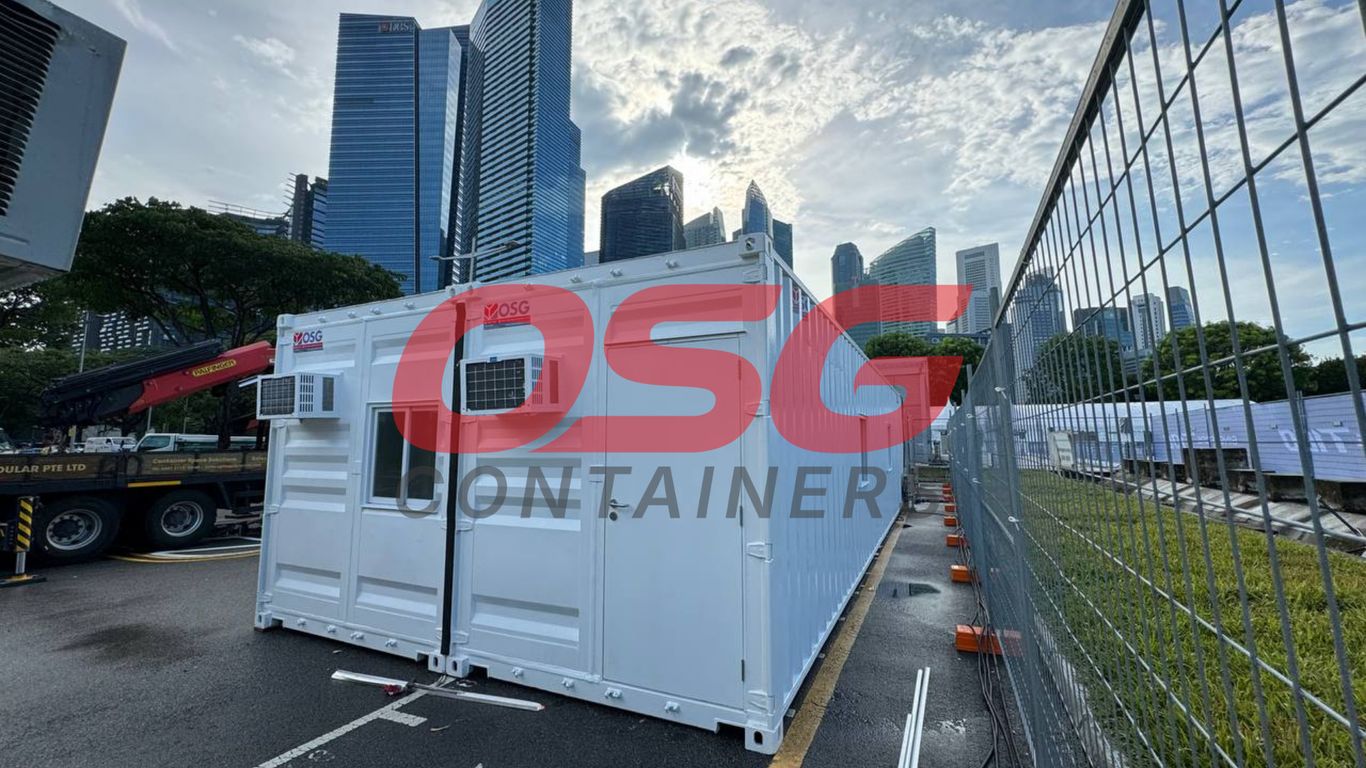
Thinking about setting up an office space, but need something quick and maybe even movable? Container offices, often called containers office, are popping up everywhere for good reason. They offer a practical way to get a workspace ready without a lot of fuss. Whether you’re managing a construction site, running an event, or just need a temporary spot for your team, these modified shipping containers are worth a look. They’re not just boxes; they can be made into pretty functional and comfortable places to work. Let’s break down why they’re becoming so popular and what you need to know.
Key Takeaways
- Container offices provide rapid deployment, getting your team operational much faster than traditional construction, which helps avoid project delays.
- Their mobility allows them to be relocated easily, making them perfect for businesses that move sites or adapt to changing work environments.
- These offices can be customized extensively to meet modern workplace needs, including climate control, technology, and comfortable interiors.
- Container offices are a cost-effective and sustainable choice, repurposing strong steel structures and reducing environmental impact.
- They are versatile, serving as headquarters for construction sites, hubs for events, or offices in remote locations, offering adaptable solutions for various applications.
Strategic Deployment Of Container Offices
Getting your container office set up right from the start is a big deal. It’s not just about dropping a box somewhere; it’s about making sure it helps your project run smoothly from day one. The speed at which you can deploy these units is a major advantage, cutting down on setup time significantly. This means your team can get to work faster, which is a lifesaver when deadlines are tight or you need to get operations going quickly.
Rapid Deployment For Operational Readiness
When you need a functional workspace fast, container offices are the answer. They arrive ready to go, or with minimal assembly. This quick setup capability means you aren’t waiting weeks for traditional construction. Your team can be operational almost immediately, which is a huge plus for projects that can’t afford delays.
Minimizing Project Delays With Quick Setup
Think about a construction site or a remote work location. Traditional offices take time to build, often causing delays. Container offices, however, can be delivered and set up in a matter of days, sometimes even hours. This speed directly translates to fewer project delays and keeps your team productive without interruption. For instance, a 40 foot container can serve as a substantial command center, getting your project management team in place right away.
Immediate Workspace Solutions
Sometimes, you just need a place to work, and you need it now. Container offices provide exactly that. They offer a straightforward way to get your team set up without the usual construction headaches. This rapid deployment capability is a game-changer for businesses that need to adapt quickly or for projects with tight timelines. You can have a secure, functional office space ready almost anywhere, on demand, allowing your team to start productive work without delay.
Enhancing Mobility With Container Office Solutions
When we talk about container offices, one of the biggest draws is how easy they are to move. Unlike a traditional building that’s pretty much cemented in place, a container office can pack up and go with you. This is a huge deal for businesses that don’t stay put. Think about construction projects that shift locations, or event companies that need a base for different festivals throughout the year. The ability to relocate your entire office setup quickly is a major advantage. It means your operations don’t have to skip a beat just because you’re changing sites.
Mobility And Relocation Capabilities
Moving a container office is way simpler than you might think. Because they’re built for transport, they’re designed to be lifted and moved. This flexibility is a lifesaver. You can pick up your office and take it to the next job site, or even to a different city if needed. This keeps your team working in a familiar environment, no matter where the project takes them. It cuts down on the disruption that comes with setting up a new workspace from scratch.
Enhanced Mobility For Modern And Remote Work Environments
Today’s work world isn’t always about being in one central office. More and more, teams are spread out, working from different locations or needing temporary bases. Container offices fit right into this. They can be set up quickly in remote areas where traditional construction would be a nightmare. Imagine needing a field office for a research team in a remote location, or a temporary hub for a festival. These containers provide that immediate, functional space. They can even be equipped with things like climate control and internet, making them comfortable and productive, no matter how far from civilization they are. You might even need to consider facilities like mobile toilet singapore units to support these remote setups.
Versatile Applications For Container Offices
These mobile offices aren’t just for one type of business. Their adaptability means they can be used in so many ways:
- Temporary Project Offices: Perfect for construction sites, film sets, or any project with a defined timeline and location.
- Event Management Hubs: A central point for organizers to manage logistics, ticketing, and operations during events.
- Remote Workforce Support: Providing a dedicated workspace for teams operating in areas without existing infrastructure.
- Disaster Relief Operations: Quickly deployable command centers or temporary shelters in emergency situations.
The ease of transport and setup means that your workspace can adapt to your business needs, rather than the other way around. This flexibility is key in today’s fast-paced economy.
Customization And Configuration Of Container Offices
Customization Options To Meet Modern Workplace Standards
Forget the image of a basic metal box. Today’s container offices can be transformed into really nice, functional workspaces. It’s all about making them fit what you need them to do. Manufacturers can add all sorts of things to make them look and feel like a proper office, not just a temporary shelter. Think about things like:
- Climate control systems (HVAC): Keeping the temperature just right is a big deal for comfort and productivity.
- Electrical wiring and lighting: Getting enough power for computers and good lighting makes a space usable.
- Internet infrastructure: High-speed connections are a must for most businesses these days.
- Soundproofing: If you need quiet for calls or focused work, this is important.
- Windows and doors: Adding more natural light and easy access makes a big difference.
- Interior finishes: Things like flooring, wall panels, and ceiling treatments can make it feel like a real office.
- Built-in furniture and storage: Smart solutions can save space and keep things tidy.
- Restrooms and kitchenettes: These amenities add a lot of convenience, especially for longer stays.
These modifications mean a container can be more than just an office; it can be a sophisticated executive suite or a collaborative team space.
Essential Customizations For A Functional Container Office
So, you’ve got your container, and you’re thinking about how to make it actually work as an office. It’s not just about sticking a desk inside a metal box, you know. There are some key things you’ll want to sort out to make sure it’s a place where people can actually get stuff done, comfortably and efficiently. Nobody wants to work in a sauna or an icebox. Proper insulation and a good HVAC system are non-negotiable for year-round comfort. Think about it – a freezing cold office in January or a sweltering one in July? That’s a recipe for low morale and even lower productivity. Beyond just temperature, you might need to think about running water. Adding a small sink for handwashing or even a basic kitchenette can make a huge difference for your team, especially if they’re on-site for long hours. It cuts down on trips away from the workspace, keeping everyone focused. Integrated technology infrastructure is also a must.
When planning your container office, consider the practical needs of your team. Basic amenities like climate control, adequate lighting, and reliable power are not luxuries but necessities for a productive work environment. Don’t overlook the importance of connectivity and comfort.
Understanding Container Office Configurations
When you’re looking at a modified container office, the first thing to figure out is how you want it set up. It’s not just a box; it’s a space you can shape. Think about what you need it for – is it a quiet spot for one person, or a place for a small team to brainstorm?
- Single Unit Office: A standard 20-foot container offers about 150 square feet, which is great for a private office or a small meeting space. It’s a simple way to get a workspace going quickly.
- Connected Units: Need more room? You can join two or more containers together. This lets you create larger open-plan areas, separate offices, or dedicated conference rooms. It’s a flexible way to expand.
- Stacked Units: If ground space is limited, stacking containers is a smart move. You can create multi-level offices or combine office space with storage underneath. This makes the most of your available area.
These configurations offer a lot of flexibility. You aren’t stuck with one layout forever. As your needs change, you can reconfigure or expand your container office solution.
The Advantages Of Container Office Deployments
Container office deployments are gaining popularity for good reason. They’re not just about convenience; they have solid, practical advantages that traditional builds often can’t match. Let’s break down exactly why so many people are choosing container-based workspaces.
Durability And Lifespan
Shipping container offices are built from high-grade steel, originally made to survive years at sea, so they’re naturally tough. With the right maintenance, these units can last 25 years or maybe even more. That’s a pretty long shelf life for something that can be picked up and moved as needed. They’re resilient against harsh weather, pests, and are less likely to develop leaks compared to old buildings.
Benefits usually include:
- Minimal upkeep compared to wood or brick structures
- Stands up to wind, rain, and snow
- Can be moved without damaging the structure
I’ve seen container offices still going strong years after their first use on a construction project, barely worse for wear despite being moved around multiple times.
Cost-Effectiveness Compared To Traditional Builds
Container offices cost less in many ways—and not just upfront. They’re made off-site, so carpenters and trades spend less time on your property. You don’t need fancy foundations or a big construction crew, and budgets are easier to keep in check. Here’s a quick look:
| Expense Area | Container Office | Traditional Build |
|---|---|---|
| Construction Time | Weeks | Months |
| Upfront Cost | Lower | Higher |
| Site Preparation | Minimal | Substantial |
| Maintenance | Low | Medium or High |
| Expandability | Easy/modular | Difficult/costly |
On top of lower startup costs, you don’t end up tied to one spot—if business changes, you can relocate or expand with extra containers without a big construction bill.
Sustainability And Environmental Benefits
Container offices are a smart pick for companies that care about the planet. Each converted shipping container is one less chunk of steel rusting away or filling up a landfill. Old containers get a second use, which saves a whole lot of energy compared to the process of making brand new building materials.
Some big environmental pluses:
- Reduces the demand for new resources by upcycling steel
- Can include energy-efficient insulation and LED lighting
- Flat roofing allows easy addition of solar panels or even green roofs
- Minimal ground disturbance since heavy digging isn’t needed
- Buildings are reusable—move them, reconfigure them, or resell when needs change
If sustainability matters to your company, a container office shows you’re serious, not just about saving money, but about using resources wisely too.
Container Offices For Diverse Applications
Container offices are surprisingly versatile. They aren’t just for basic office work anymore. Think about all the places and situations where a solid, portable workspace is a game-changer. These units can be adapted for so many different needs, making them a smart choice for businesses that need flexibility.
Construction Site Headquarters
For any construction project, having a central spot to manage things is key. Container offices are perfect for this. You can put them right on the job site, giving your project managers and supervisors a dedicated place to work. This means less time wasted traveling back and forth to a distant office and more time actually overseeing the project. You can even connect a few units together to create a larger complex for bigger sites, with separate areas for different teams or meetings. It really helps streamline how things get done on-site. The ability to quickly set up a functional workspace directly on the construction grounds means teams can get to work right away.
Event Management Hubs
When you’re coordinating a big event, like a festival, a sports competition, or a corporate gathering, you need a main command center. Container offices fit this role perfectly. They can be brought to the event site quickly, providing a secure and practical space for your event management team. You can set up areas for ticketing, security coordination, volunteer management, and even a media center. Linking multiple units can create a surprisingly spacious and organized hub, allowing different departments to work efficiently without getting in each other’s way. The mobility and fast deployment of container offices make them ideal for the changing needs of event planning.
Remote Field Offices
Sometimes, your work takes you far from the usual city buzz. Think about remote research stations, mining operations, or even temporary setups for outdoor events. Getting traditional buildings to these places can be a huge hassle, or just not possible. Container offices, however, can be transported to almost any location a truck can reach. They provide a solid, secure, and comfortable workspace no matter how isolated the location. They’re built tough, so they can handle pretty rough conditions and keep your team productive, even miles from anywhere. Need to set up a temporary facility for a few months? A container office is a practical solution. A standard 20 ft unit can be a great starting point for these remote needs, and they can even be adapted into something resembling a container home for longer stays.
Container offices are more than just temporary shelters; they are adaptable modules that can transform into specialized operational centers. Their strength lies in their ability to be placed where needed, configured for specific tasks, and scaled up or down with ease, making them a smart choice for businesses that value agility and efficiency.
Here are some common applications:
- Construction sites: Project management, site offices, break rooms.
- Events: Command centers, ticketing booths, first aid stations.
- Remote locations: Field research labs, temporary worker housing, operational bases.
- Temporary retail: Pop-up shops, seasonal stores, kiosks.
- Emergency services: Mobile command posts, temporary shelters, medical units.
Planning Your Container Office Acquisition
So, you’ve decided a container office is the way to go. That’s a smart move for a lot of projects needing quick, adaptable workspace. But before you just pick one, there are a few things to think about to make sure you get exactly what you need. It’s not just about grabbing a box; it’s about setting up a functional space that works for your team and your budget.
Buying Versus Renting A Container Office
This is probably the first big decision you’ll make. Do you buy it outright, or do you go for the rental of containers? Each has its own set of pros and cons, and what’s right really depends on how long you plan to use the space and your financial setup.
- Buying: This is usually the better option if you know you’ll need the container office for a long time, say, five years or more. The upfront cost is higher, sure, but over the years, it can end up being cheaper than paying monthly rent. Plus, you own it. You can customize it however you want, and when you’re done with it, you can sell it or use it for another project. It becomes an asset.
- Renting: If your needs are short-term – maybe for a specific project that’s only going to last a year or two – renting makes a lot of sense. The initial cost is much lower, which is great for cash flow. You also get more flexibility. If your needs change, it’s easier to switch out a rented unit or just stop the rental when the project ends. However, the monthly payments add up, and you never actually own the unit.
Here’s a quick look:
| Factor | Buying | Renting |
|---|---|---|
| Duration of Use | Long-term | Short-term |
| Upfront Cost | Higher | Lower |
| Customization | Full freedom | More limited |
| Ownership | Yes | No |
| Monthly Cost | None after purchase | Ongoing charges |
The choice between buying and renting isn’t just about the immediate price tag. It’s about aligning the acquisition method with your project’s timeline, your company’s financial strategy, and your future space requirements. Thinking this through now saves a lot of headaches later.
Design And Fabrication Process
Once you’ve decided on buying or renting, you’ll want to think about how the container is actually made into an office. Most companies that provide container offices offer standard layouts, but they can also do custom work. You’ll need to consider:
- Size: Standard shipping containers come in 20-foot and 40-foot lengths. Think about how much space you actually need. A 20-foot unit is about 150 square feet, which is fine for a single office or a small meeting space. A 40-foot unit gives you double that.
- Layout: Do you need an open space, or separate rooms? Some people connect multiple containers to create larger, more complex layouts. You can even stack them if you’re short on ground space.
- Features: What’s inside? You’ll want to think about insulation, HVAC (heating, ventilation, and air conditioning), electrical wiring, lighting, windows, and doors. Do you need plumbing? A small kitchenette or a bathroom can be added.
- Finishes: What kind of flooring, wall coverings, and paint do you want? These details make the space feel more like a proper office and less like a shipping container.
The fabrication process usually involves cutting openings for doors and windows, reinforcing the structure, adding insulation and interior walls, and installing all the necessary utilities. It’s a pretty involved process to turn a basic container into a comfortable workspace.
Safety And Regulatory Considerations
Don’t forget about the practical stuff. Depending on where you plan to put your container office, there might be rules and regulations you need to follow.
- Permits: Check with your local city or county planning department. You might need building permits, zoning permits, or other approvals before you can set up your container office, especially if it’s going to be on your property for a while.
- Site Preparation: The ground where the container will sit needs to be level and stable. You might need to pour a concrete foundation or use specialized footings, depending on the site and local building codes.
- Utilities: How will you connect to power, water, and sewer if needed? You’ll need to arrange for these connections, which might involve working with local utility companies.
- Safety Standards: Make sure the container office you acquire meets relevant safety standards for workplaces. This includes things like fire safety, electrical safety, and structural integrity.
Taking the time to sort out these details upfront will make the whole process of getting your container office set up much smoother and prevent any unexpected issues down the road.
Wrapping It Up
So, we’ve talked a lot about how container offices are more than just metal boxes. They’re tough, they can move, and you can actually make them look pretty good and work well. Whether you’re building a big project, running a remote operation, or just need a quick office space, these things offer a really practical way to get set up fast. Plus, with more companies looking at greener options, reusing these containers makes a lot of sense. It seems like these adaptable spaces are here to stay, fitting right into how we work now and how we might work in the future.
Frequently Asked Questions
What makes container offices so easy to move?
Container offices are built from old shipping containers, which are designed to be moved around the world on ships and trucks. This means they already have a strong frame and structure that makes them easy to pick up with a crane and transport to a new spot. It’s way faster than building something new or moving a regular office building.
Can I make a container office look like a regular office?
Absolutely! You can do a lot to make them look and feel like any other office. People add things like insulation, nice flooring, windows, air conditioning, and even kitchens or bathrooms. You can paint them, add company logos, and make them really comfortable and professional-looking.
Are container offices good for the environment?
Yes, they can be! Using old shipping containers means we’re reusing materials instead of making new ones, which saves energy and resources. Plus, they can be made very energy-efficient with good insulation and solar panels, and they don’t disturb the land as much as building from scratch.
How long do container offices usually last?
These containers are made of strong steel and built to handle tough weather conditions. With the right care and modifications, a container office can last for 25 years or even longer. They are built to be durable and stand up to a lot of use.
What kind of projects are container offices good for?
They’re great for all sorts of things! Construction sites use them as main offices, event organizers use them as command centers, and businesses use them for temporary stores or pop-up shops. They’re also perfect for remote locations where setting up a traditional office would be difficult or take too long.
Is it better to buy or rent a container office?
It really depends on your needs. If you need an office for a short time, like for a specific project, renting might be cheaper. But if you plan to use it for many years or need to customize it a lot, buying could be a better long-term investment. It’s good to think about how long you’ll need it and what changes you might want to make.