Singapore
 Australia
 Indonesia
 Japan
Japan Malaysia
 New Zealand
 Philippines
 South Korea
 Taiwan
 Thailand
 VIETNAM
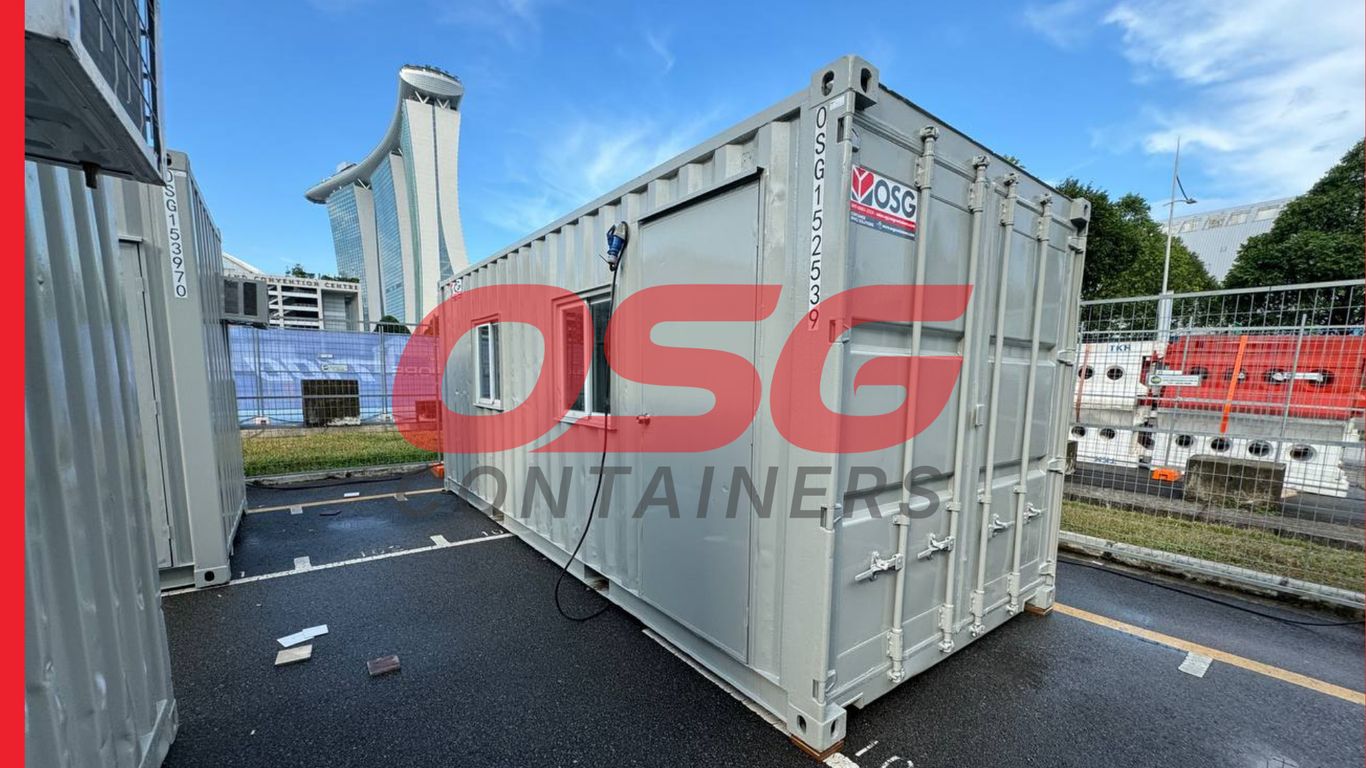
Thinking about using a 40-foot container for a big project or just need a lot more storage space? You’re not alone. These containers are everywhere, and for good reason. They offer a ton of room and can be used for so many things beyond just shipping goods. Whether you’re looking to expand your business, need a place for equipment, or even thinking about a unique building, a 40 footer container might be just the ticket. Let’s break down what makes them so useful.
Key Takeaways
- A 40-foot container, especially the High Cube model, provides extra height, which is super helpful for modifications and projects where every inch counts.
- These containers are really flexible and can be turned into homes, offices, or even shops, showing they can be used for all sorts of different needs.
- Using a 40-foot container is often faster and more predictable with costs compared to building with traditional methods, and it causes less disruption on site.
- They can be adapted for many uses, from simple extra storage to more complex buildings, making them a solid choice for lots of different plans.
- The standard size of a container 40 feet makes it easy to move between ships, trains, and trucks, which is great for shipping things efficiently.
1. High Cube Container
When you’re looking at 40-foot containers for a big storage project, the High Cube version is often the one that gets a second look. It’s essentially a standard 40-foot container, but with an extra foot of height. This might not sound like much, but it can really change what you can do with the space.
Think about it: that extra height means you can stack more boxes, fit taller equipment, or even create more headroom if you’re planning to convert the container into something like an office or workshop. It’s a simple difference, but it adds a good chunk of usable volume without changing the container’s footprint.
Here’s a quick look at what that extra height gives you:
- More Vertical Storage: Stack items higher, making better use of the entire volume.
- Accommodate Taller Goods: Fit machinery, furniture, or other bulky items that wouldn’t clear the roof of a standard container.
- Easier Interior Modifications: Provides more room for shelving, insulation, or custom builds.
While the external dimensions stay pretty much the same as a standard 40-footer (around 40 feet long, 8 feet wide), the internal height jumps up. A standard 40-foot container is typically about 8.5 feet tall inside, but a High Cube pushes that to around 9.5 feet. That extra foot is pure, usable space.
The real advantage of a High Cube container lies in its ability to maximize vertical space. This is particularly beneficial for businesses that deal with bulky goods or plan to stack inventory high. It offers a more efficient use of space compared to its standard-height counterpart, potentially reducing the number of containers needed for a given volume of goods.
When you’re comparing options, always check the exact internal dimensions. That extra foot can be the difference between a project that fits perfectly and one that requires more containers or a different solution altogether.
2. Standard Dry Container
When you’re planning large-scale storage or shipping, the standard dry container is probably the first thing that comes to mind. It’s the most common type out there, and for good reason. Think of it as the reliable workhorse of the container world. These containers are built tough, usually from corrugated steel, and they’re designed to keep your goods protected from the weather. They’re perfect for a huge range of items that don’t need any special temperature control or handling – things like furniture, electronics, clothing, or just general dry goods.
These are your go-to for most everyday cargo needs. They offer a good balance of space, security, and cost-effectiveness. While they might not have the extra height of a ‘high cube’ or the specialized features of a reefer, their simplicity and widespread availability make them a solid choice for many projects.
Here’s a quick look at what makes them tick:
- Material: Typically made of strong, corrugated steel for durability.
- Protection: Designed to be wind and watertight, keeping your cargo dry.
- Versatility: Suitable for a vast array of non-perishable, non-hazardous goods.
- Dimensions: A 40-foot standard dry container offers a significant amount of space, usually around 2,390 cubic feet.
When you’re looking at a 40-foot standard dry container, you’re getting a pretty straightforward, dependable option. They’re built to strict ISO standards, meaning they fit pretty much anywhere – ships, trains, and trucks are all set up to handle them. You’ll find they have standard external dimensions of about 8 feet wide and 8 feet 6 inches tall, with the 40-foot length giving you plenty of room.
While they are built to be watertight, condensation can still be an issue inside, especially on long journeys or in humid environments. It’s always a good idea to consider adding desiccant bags to absorb any moisture, just to be safe.
3. Reefer Container
When you’ve got stuff that needs to stay cold, like food or certain medicines, a standard container just won’t cut it. That’s where the 40-foot reefer container comes in. Think of it as a big, mobile refrigerator. It’s got a built-in cooling unit that keeps the temperature just right, whether you need things chilled or frozen solid.
These specialized containers are a lifesaver for supply chains that deal with perishable goods.
Here’s a quick look at what makes them tick:
- Temperature Control: The main feature is the integrated refrigeration unit, allowing precise temperature settings.
- Power Source: They need a constant power supply, usually from the ship, truck, or a generator set attached to the container.
- Insulation: The walls are thicker and better insulated than standard containers to maintain the internal temperature.
Key Specifications for a 40-Foot Reefer Container:
| Feature | Specification |
|---|---|
| Internal Volume | Approx. 67 m³ (slightly less than HC) |
| Door Width | Approx. 2.29 m |
| Door Height | Approx. 2.57 m |
| Max Gross Weight | Around 34,000 kg |
| Tare Weight | Around 4,700–4,800 kg |
| Payload Capacity | Around 29,000 kg |
Because of the cooling equipment and extra insulation, a reefer container usually has a bit less usable space inside compared to a high cube. You also have to factor in the weight of the refrigeration unit itself. Planning for these differences is key when you’re figuring out how much you can actually fit and transport.
Loading a reefer requires careful attention to airflow. You don’t want to block the vents or pack items too tightly, as this can mess with the temperature regulation and potentially spoil your cargo. Always make sure the unit is running and set to the correct temperature well before you start loading.
4. Open-Top Container
When you’ve got cargo that just won’t fit through a standard container door, the open-top is your best friend. Think really tall machinery or bulky construction equipment that needs to be loaded from above. Instead of a solid roof, these 40 feet containers have a removable tarpaulin cover and bows. This setup means you can easily lift items straight in using a crane.
The open top design is perfect for oversized cargo that requires vertical loading.
While the internal length and width are pretty much the same as a regular 40-foot container, the height you have to work with really depends on how you load it. It’s not about a fixed internal height like in a standard or high-cube unit.
Here’s a quick rundown of why you might pick one:
- Vertical Loading: Ideal for items too tall for standard doors, loaded via crane.
- Oversized Cargo: Accommodates machinery, construction equipment, or other bulky items.
- Special Handling: Useful for cargo that can’t be tilted or maneuvered through side doors.
Using an open-top container means you’re trading a bit of weather protection for a lot of loading flexibility. You’ll want to make sure that tarpaulin is secured tightly to keep rain and dust out once your cargo is in place.
5. Flat-Rack Container
When you’ve got cargo that’s just too big or too awkward for a regular box, the 40-foot flat-rack container is your go-to. Think oversized machinery, vehicles, boats, or construction equipment that just won’t fit through standard doors. These containers are essentially a strong steel floor with no fixed sides or roof, and some even have collapsible end walls. This design gives you a ton of flexibility for loads that are extra wide or extra tall, extending beyond the usual container dimensions.
Because they’re open on the sides and top, you can load them from above using a crane, which is super handy for heavy items. They also have a really high weight capacity, making them suitable for dense, heavy loads. If you’re shipping something that doesn’t conform to standard container shapes, a flat-rack is often the only option. It’s a specialized piece of equipment for specialized transport needs.
Here’s a quick look at what makes them different:
- Open Design: No fixed roof or sides, allowing for loads that overhang.
- Loading Flexibility: Can be loaded from the top or sides, often with cranes.
- High Weight Capacity: Built to handle very heavy items.
- Collapsible Ends: Some models allow for the end walls to fold down, creating a platform.
When planning large-scale storage or transport, especially if you’re looking into container renting for specific projects, understanding the capabilities of a flat-rack is key. It’s not your everyday container, but for the right job, it’s indispensable.
Flat-rack containers are designed for cargo that exceeds standard container dimensions in width or height. Their open structure allows for flexible loading and accommodates irregularly shaped items that would otherwise be impossible to ship using conventional containers.
6. Chassis Trailer
So, you’ve got your 40-foot container, and now you need to get it from point A to point B. That’s where the chassis trailer comes in. Think of it as the specialized truck bed designed specifically to haul these big metal boxes. Without the right chassis, moving a 40-footer is pretty much impossible.
These aren’t your average flatbed trailers. A chassis is built with a specific frame and locking mechanisms, called twistlocks, to securely hold a container in place. For a 40-foot container, you’ll need a chassis that’s designed for that length and can handle the considerable weight. They come in different configurations, like straight-deck or drop-frame, depending on the specific needs of the transport job.
The right chassis is key for safe and efficient container transport.
When planning large-scale storage, you’ll need to consider how these containers will arrive. This involves:
- Route Planning: Checking if the roads, bridges, and turns can accommodate a truck pulling a container chassis. Low bridges are a common problem.
- Ground Preparation: Ensuring the final storage location can support the weight of the container and the chassis when it’s being placed.
- Accessibility: Making sure there’s enough space for the truck and chassis to maneuver into position and then drive away.
Getting the container to its final resting place is a whole operation. It requires more than just a big truck; it needs a specialized trailer, careful route scouting, and a prepared site. Mess this part up, and you could be looking at delays, extra costs, or even damage to the container or its surroundings.
Different types of chassis exist, and choosing the correct one depends on the container’s dimensions and weight. For a standard 40-foot container, a 40-foot chassis is the obvious choice, but sometimes a multi-purpose chassis that can also handle 20-foot containers might be used, though it requires careful positioning.
7. Tilt Cab Truck
When you’re dealing with a 40-foot container, getting it from point A to point B is a big part of the puzzle. That’s where the tilt cab truck, often just called a cab-over or COE, comes into play. These trucks are designed with the driver’s cabin mounted directly over the engine, which gives them a shorter wheelbase. This shorter length is a real advantage in tight spots, like busy ports or crowded depots, where maneuvering a longer rig would be a nightmare.
The tilt cab design allows for better weight distribution, which is super important when you’re hauling a heavy 40-foot container. Because the cab lifts up, mechanics can get to the engine more easily for maintenance, which can save time and money in the long run. They’re built tough to handle the weight, usually paired with a specialized trailer called a chassis to properly support the container.
Here’s a quick look at why they’re a good fit for container transport:
- Maneuverability: Their shorter turning radius makes navigating tight port areas or city streets much simpler.
- Visibility: The elevated cab often gives the driver a better view of the road and surroundings, which is a big plus for safety.
- Weight Distribution: The design helps spread the load more evenly, which is critical for stability when carrying a heavy container.
- Maintenance Access: The tilting cab makes engine and component access straightforward.
While a tilt cab truck is great for getting containers around, remember that the total weight of the truck, chassis, and container still needs to meet local road regulations. Exceeding these limits can lead to fines or require special permits, so always check the rules for your specific route.
Think of the tilt cab truck as the workhorse that bridges the gap between the port and your storage site. It’s a specialized piece of equipment that makes the whole process of moving these large containers much more manageable, especially in congested areas.
8. Container Crane
When you’re dealing with large-scale storage planning that involves 40-foot containers, you’re going to run into the need for some serious lifting equipment. That’s where the container crane comes in. These aren’t your average construction cranes; they’re massive, specialized machines designed specifically for moving these heavy metal boxes around ports and storage yards.
Container cranes are the backbone of intermodal freight transfer, enabling the efficient loading and unloading of containers onto ships, trains, and trucks. They come in a few main types, but the ones you’ll see most often at major ports are the ship-to-shore (STS) cranes. These giants straddle the dock, reaching out over the vessel to grab containers.
Here’s a quick rundown of what makes them tick:
- Size and Reach: STS cranes are enormous, with booms that can extend far over a container ship. Their height is also impressive, allowing them to stack containers several high on deck.
- Lifting Capacity: They’re built to handle the weight of fully loaded 40-foot containers, which can easily exceed 30 tons. This is no small feat.
- Speed and Precision: Despite their size, these cranes operate with surprising speed and accuracy. Automated systems and skilled operators work together to move containers quickly and safely.
- Mobility: While they move along rails on the dock, their primary function is to transfer containers between the ship and the landside operations.
The sheer scale of container cranes is something to behold. They represent a huge investment in infrastructure, but without them, the global trade we rely on wouldn’t be possible. They’re a testament to engineering and logistics working hand-in-hand.
Beyond the STS cranes, you might also encounter yard cranes or gantry cranes within the storage area itself. These help move containers around the yard, stacking them or positioning them for pickup by trucks or trains. Planning for container crane availability, especially during peak times, is something to consider if your operation is directly tied to port movements. It’s all about keeping those containers moving efficiently.
9. Reach Stacker
When you’re dealing with a lot of containers, especially in a busy yard or port, you need a serious piece of equipment to move them around. That’s where the reach stacker comes in. Think of it as a super-powered forklift, but built specifically for shipping containers. It’s designed to lift, stack, and move these massive metal boxes quickly and efficiently.
A reach stacker can lift and stack containers up to four or five high, making it ideal for managing dense container yards. They’re a common sight at ports, rail yards, and large distribution centers because they can handle the constant flow of containers much faster than older methods.
Here’s a quick look at what makes them so useful:
- Speed and Agility: They can pick up a container and move it to its next spot in just a couple of minutes. This speed is key when you have a lot of containers waiting.
- Stacking Capability: They can stack containers several high, which really helps make the most of limited space in a storage yard.
- Versatility: While they’re built for containers, some models can also handle other heavy loads with the right attachments.
- Reduced Damage Risk: Because they’re designed for containers, they tend to cause less damage to the container walls and corners compared to less specialized equipment.
| Feature | Typical Specification |
|---|---|
| Lifting Capacity | 40-50 tons (enough for a loaded 40ft container) |
| Stacking Height | Up to 5 containers high |
| Travel Speed | Up to 25 km/h (loaded), 40 km/h (unloaded) |
| Boom Type | Telescopic, allowing for reach and stacking |
Using reach stackers means you can process more containers in less time. This efficiency is a big deal for businesses that rely on getting goods moved quickly. It cuts down on waiting times and keeps the whole operation running smoothly.
They’re not cheap, mind you, but if you’re managing a large volume of containers, the investment usually pays off in terms of speed, space utilization, and overall operational flow. They’re a pretty standard tool in the modern logistics world for a reason.
10. Container Handler
When you’re dealing with large quantities of 40-foot containers, especially in a busy yard or at a port, you need some serious equipment to move them around. That’s where container handlers come in. Think of them as the workhorses for shifting these massive metal boxes.
These machines are designed specifically to lift, stack, and move containers efficiently. They’re not your everyday forklift; they’re built for the sheer weight and size of ISO containers.
There are a few main types you’ll see:
- Top-lift handlers: These have a special attachment called a ‘spreader’ that locks onto the top corner castings of the container. They can lift containers from the top and stack them quite high.
- Side-loaders: As the name suggests, these lift containers from the side. They’re often used for placing containers directly onto chassis or into tight spots where a top-lift might not have the reach.
- Reach stackers: These are versatile machines that can lift containers from the ground or from a stack and place them onto trucks, trains, or other containers. They have a telescopic boom that gives them a good reach.
Using the right container handler makes a huge difference in how quickly and safely you can manage your container inventory. It cuts down on the time it takes to load or unload, which is pretty important when you’re trying to keep things moving.
The choice of container handler often depends on the specific layout of the storage facility, the volume of containers being moved, and the required stacking height. A well-equipped yard with appropriate handlers can significantly speed up logistics operations.
11. ISPM-15 Pallet
When you’re planning to ship goods in a 40-foot container, especially internationally, you’ll run into something called ISPM-15. It sounds complicated, but it’s really just a set of rules for wooden packaging materials. The main goal is to stop pests and diseases from spreading between countries.
Basically, if your goods are packed on wooden pallets or in wooden crates, they need to be treated and marked according to these international standards. This usually means either fumigation or heat treatment. You’ll see a special stamp on the wood that shows it’s been treated and is good to go for international travel. Without this stamp, your shipment could be rejected at customs, or worse, you might have to pay for it to be treated or even destroyed.
Here’s a quick rundown of why it matters:
- Prevents Pest Spread: Stops bugs and diseases from hitching a ride on your cargo.
- Customs Compliance: Most countries require it for wooden packaging.
- Avoids Delays & Costs: Skipping this can lead to fines, re-shipment, or disposal fees.
- Protects Your Goods: Treated wood is generally more durable and less likely to harbor unwanted guests.
Using ISPM-15 compliant pallets isn’t just a suggestion; it’s a requirement for most international shipments. It’s a small step that makes a big difference in keeping global trade moving smoothly and safely. Think of it as a passport for your wooden packaging.
So, when you’re getting your items ready for that 40-footer, double-check your pallets and crates. Make sure they have that ISPM-15 mark. It’s a simple thing, but it can save you a whole lot of headaches down the line.
12. Shrink Wrap
When you’re planning to store items long-term in a 40-foot container, especially if it’s going to be sitting for a while or traveling through different climates, you’ve got to think about moisture. Even though these containers are built to be watertight, condensation can still be a real problem. That’s where shrink wrap comes into play.
Shrink wrap creates a protective barrier around your goods, helping to keep moisture and dust out. It’s not just about wrapping things up; it’s about creating a sealed environment for your cargo. This is particularly important for items that can be damaged by humidity, like electronics, furniture, or anything made of wood or fabric.
Here’s a quick rundown of why it’s a good idea:
- Moisture Control: It helps prevent condensation from forming directly on your items.
- Dust and Debris Protection: Keeps your stored goods clean and free from airborne particles.
- Tamper Evidence: A tightly wrapped package can show if someone has tried to access your cargo.
- Load Stability: It can add a bit of stability to smaller items within a larger load, preventing them from shifting too much.
When using shrink wrap, you’ll often see it paired with desiccant bags. These little packets absorb any moisture that might still get trapped inside the wrap or the container itself. Think of it as a two-pronged attack against humidity. You’ll want to use a good quality, heavy-duty shrink wrap, usually applied with a heat gun to get it nice and tight. It takes a bit of effort, but for valuable or sensitive items, it’s totally worth it to protect your investment.
13. Desiccant Bag
When you’re planning to store items long-term in a 40-foot container, especially if it’s going to be sitting for a while or traveling across different climates, moisture is your enemy. Even though containers are built to be wind and watertight, condensation can still form inside. This is where desiccant bags come into play.
These aren’t your typical little packets you find in shoe boxes. For large-scale storage, you’ll be looking at larger, more potent bags designed to absorb significant amounts of moisture. They work by using materials like silica gel, clay, or calcium chloride, which have a natural ability to draw water vapor out of the air. Placing these bags strategically inside your container can prevent mold, mildew, rust, and other moisture-related damage to your stored goods.
Here’s a quick rundown of why they’re so useful:
- Moisture Control: They actively pull water vapor from the air, lowering the humidity inside the container.
- Cargo Protection: This helps safeguard everything from electronics and furniture to documents and textiles from water damage.
- Versatility: They can be used in any type of 40-foot container, whether it’s a standard dry, high cube, or even a reefer unit when it’s not actively cooling.
- Ease of Use: Simply place them around your cargo or in corners of the container. Larger bags might be designed to hang or be secured.
The amount of desiccant needed really depends on the volume of the container, the length of storage, and the expected environmental conditions. It’s better to overestimate slightly than to underestimate when it comes to protecting valuable inventory.
For really long-term storage or shipments through very humid regions, you might need to calculate the required amount based on the container’s cubic footage and the expected moisture load. Some manufacturers provide guidelines for this, helping you figure out how many bags or what total weight of desiccant material you’ll need to keep your stored items safe and dry.
14. Ratchet Strap
When you’re planning to move or store goods in a 40-foot container, keeping everything from shifting is a big deal. That’s where ratchet straps come in. These straps are your go-to for securing cargo, preventing it from moving around during transit, especially on rough seas or bumpy roads. They work by using a ratcheting mechanism to tighten the strap around your items, holding them firmly in place.
Think of it like this: you’ve got a bunch of boxes, maybe some machinery, or even furniture. If you just stack them in there and hope for the best, a sudden jolt could send them tumbling. This not only damages your goods but can also make the container unstable. Ratchet straps, along with other dunnage like airbags, create a system to keep everything snug.
Here’s a quick rundown on why they’re so useful:
- Preventing Damage: They stop items from banging into each other or the container walls.
- Load Stability: A secure load is a stable load, which is safer for everyone involved.
- Versatility: You can use them for all sorts of cargo, from light boxes to heavier equipment.
- Ease of Use: The ratcheting system makes them relatively simple to tighten and release.
When you’re choosing straps, pay attention to their working load limit (WLL). This tells you how much weight the strap can safely handle. You don’t want to skimp here; using straps that are too weak is just asking for trouble. Always check the straps for wear and tear before each use, too. A frayed strap is a weak strap.
Securing your cargo properly isn’t just about preventing damage; it’s a key part of safe transport. Using the right tie-down methods, like ratchet straps, means your goods arrive in the same condition they left, and it helps keep the whole shipping process running smoothly.
15. Airbag Restraint
When you’re moving goods in a 40-foot container, especially over long distances or rough seas, keeping everything from shifting is a big deal. That’s where airbag restraints come in. Think of them as big, inflatable cushions you put between your cargo and the container walls, or even between stacks of goods.
Their main job is to fill empty space and brace your load, stopping it from sliding around during transit. This is super important because cargo shift can damage your products, the container itself, and even create safety hazards for handlers.
Here’s a bit more on how they work and why they’re useful:
- How they’re used: You typically inflate them once they’re in place. They come in different sizes and strengths, so you can pick what fits your specific load and the gaps you need to fill. They’re often used in conjunction with other bracing methods, like straps or dunnage.
- Benefits: They’re pretty lightweight when deflated, making them easy to store and handle. Plus, they can be reused if they don’t get damaged, which is a nice bonus for cost-effectiveness. They also adapt to irregular spaces better than rigid bracing.
- When to consider them: If you’re shipping items that aren’t perfectly packed to fill the container, or if you’re dealing with a mix of heavy and light items that could move independently, airbags are a good idea. They’re also great for loads that might experience a lot of movement, like on a ship.
Using airbag restraints is a smart way to add an extra layer of security for your shipment. They help make sure your goods arrive in the same condition they left, reducing the risk of damage and the headaches that come with it. It’s a simple but effective tool in the large-scale storage planning toolkit.
16. Shelving Unit
When you’re planning to use a 40-foot container for storage, especially for a large volume of items, you’ll quickly realize that just piling things in isn’t going to cut it. That’s where shelving units come into play. These aren’t just simple racks; they’re key to maximizing the usable space inside that big metal box.
Think about it: a standard 40-foot container has a lot of vertical space, especially if you’re using a high-cube model. Without shelves, a lot of that height goes to waste. You end up with a jumble of boxes at the bottom and a whole lot of empty air above. Shelving lets you stack items safely and efficiently, turning that vertical potential into actual storage capacity.
Here’s why they’re so important for large-scale planning:
- Organization: Keeps items sorted and easy to find, reducing time spent searching.
- Space Maximization: Utilizes the full height of the container, allowing for more items.
- Protection: Prevents items from being crushed under the weight of other goods.
- Accessibility: Makes it easier to retrieve specific items without disturbing everything else.
When choosing shelving for a container, you’ve got a few options. You can go with pre-fabricated industrial shelving that’s designed to fit within the container’s dimensions. These are often sturdy and can handle significant weight. Alternatively, some people opt for custom-built solutions, especially if they have very specific items or layout requirements. You might even see heavy-duty pallet racking adapted for container use, which is great for bulk storage.
The material and design of your shelving will depend on what you’re storing. For lighter goods, simpler wire shelving might suffice. But if you’re dealing with heavy machinery parts, tools, or large quantities of inventory, you’ll need robust steel shelving that can handle the load without bending or collapsing. Always check the weight capacity of any shelving unit you consider.
It’s also worth noting that some shelving systems are designed to be modular or even removable. This flexibility can be a big plus if you plan to repurpose the container later or need to store very large, single items occasionally. Proper installation is also a must; you don’t want your shelves coming down during transit or even just from regular use.
17. Partition Wall
When you’re looking at turning a 40-foot container into something more than just a big box for stuff, you’ll probably start thinking about dividing up the space. That’s where partition walls come in. They’re basically interior walls you can add to section off different areas inside the container.
These walls are super useful for creating distinct zones, like separating a storage area from a small office space, or dividing a workshop into a main work zone and a quieter area for planning. It really makes the container feel less like a single room and more like a functional building.
Here are some common reasons you might want to add partition walls:
- Creating separate rooms: Need a place to sleep and a place to cook? Partitions can make that happen.
- Improving organization: Designate specific areas for different types of storage or activities.
- Enhancing privacy: If you’re using the container as an office or living space, partitions offer much-needed privacy.
- Acoustic separation: Some materials can help reduce noise between different sections.
When you’re planning these, think about what you want the walls to do. Do they just need to block your view, or do they need to offer soundproofing? Some partitions are as simple as plywood sheets screwed to the container’s frame, while others can be more complex, incorporating insulation or even built-in shelving. You can also get creative with materials, using things like corrugated metal, wood paneling, or even fabric dividers depending on the look and function you’re going for. Just remember to consider the container’s original structure and make sure any additions are secure.
The key is to plan your layout before you start building. Sketch out where you want your walls, and think about how you’ll access each section. This will save you a lot of headaches down the line and make sure your container conversion works just right for you.
18. Roll-Up Door
When you’re planning out how to use a 40-foot container for storage or a specific project, thinking about access is pretty important. Standard containers usually just have those big, hinged doors on one end. But sometimes, you need something different, and that’s where a roll-up door comes in handy.
These doors offer a different way to get into your container, often used when you need to load or unload frequently or when space around the container is limited. Unlike the standard swing doors, a roll-up door lifts vertically, kind of like a garage door. This can be a real plus if you’re stacking containers or if you have other equipment parked nearby that would get in the way of swinging doors.
Here’s a quick look at why you might choose a roll-up door:
- Space Saving: They don’t swing outwards, so you don’t need extra clearance on that end of the container. This is great for tight spots.
- Ease of Use: Many are designed for quick opening and closing, which speeds up loading and unloading.
- Security: When closed, they can offer a robust barrier, similar to the original container doors.
- Customization: They can be added to existing containers, making them a popular modification for storage units or workshops.
While a standard 40 ft container’s door opening is about 7.7 feet wide and 7.5 feet high, a roll-up door can be fitted to offer similar or even slightly different dimensions depending on the specific unit and installation. It’s a practical addition for making a container more functional for specific storage needs.
Adding a roll-up door can really change how you interact with your container space. It’s not just about getting stuff in and out; it’s about making the whole process smoother, especially if you’re using the container as a workshop, a temporary office, or just a more accessible storage unit. Think about how often you’ll need to access it and what kind of equipment you’ll be using nearby when making your decision.
19. Container Window
So, you’ve got a 40-foot container and you’re thinking about making it more than just a big metal box. Adding windows is a pretty common step when you want to make a container usable for something other than just hauling cargo. It’s all about bringing in natural light and making the space feel less confined.
When you’re planning to convert a container, say for an office, a workshop, or even a small living space, windows become pretty important. They let in daylight, which is nice, and can help with ventilation if you open them up. You can get them installed in various sizes and styles, depending on what you need. Some people go for simple, fixed windows, while others might want ones that can open for better airflow. It really depends on how you plan to use the space inside.
Think about it this way: a standard 40-foot container, or even a 20 footer container if you’re going smaller, is basically a steel shell. Without any openings, it can get pretty dark and stuffy in there, especially if it’s going to be occupied for any length of time. Adding windows is one of the first things people do to make it feel more like a room.
Here are a few things to consider when adding windows:
- Purpose of the space: Will it be occupied? Does it need natural light? Is ventilation important?
- Window type: Fixed, sliding, or awning windows all offer different benefits.
- Placement: Where will the windows go to maximize light and views, while also considering structural integrity?
- Security: How will the windows be secured when the space is not in use?
Cutting into a container’s walls requires careful planning. You need to make sure you’re not weakening the structure too much. Professionals often reinforce the cut-out areas to maintain the container’s strength, especially if you’re adding large openings like windows or doors.
20. Insulation Panel
So, you’ve got a 40-foot container and you’re thinking about making it more than just a metal box. Maybe it’s going to be a workshop, a temporary office, or even a place to crash for a bit. That’s where insulation panels come into play. They’re key to making the inside comfortable, no matter what the weather’s doing outside.
Think about it: a plain steel container can get scorching hot in the summer and freezing cold in the winter. Insulation panels act like a blanket for your container. They help keep the heat out when it’s sunny and keep the warmth in when it’s chilly. This makes a huge difference if you plan on spending any real time inside or storing things that need a stable temperature.
There are a few ways to go about insulating:
- Spray Foam: This is a popular choice because it expands to fill every nook and cranny, creating a really good seal. It’s applied by professionals, though.
- Rigid Foam Boards: These are like big, stiff sheets of foam that you can cut to size and attach to the walls and ceiling. They’re a bit more DIY-friendly.
- Insulated Panels: These are pre-made panels that often have foam sandwiched between metal or wood layers. They can be quicker to install.
When you’re adding insulation, you’re usually sacrificing a little bit of interior space because the panels take up room. It’s a trade-off, but for most people looking to use a container for more than just dumping stuff in, it’s totally worth it. You’ll want to think about ventilation too, so you don’t end up with moisture problems.
Adding insulation isn’t just about comfort; it’s about protecting whatever is inside your container from extreme temperature swings. This can prevent damage to sensitive items and make the space much more pleasant to work or live in.
21. Steel Corrugated Wall
So, you’ve got a 40-foot container, and you’re looking at its walls. Most of the time, these are made of steel, and they’ve got this wavy, corrugated pattern. It’s not just for looks, you know. That corrugation actually makes the steel much stronger and more rigid. Think of it like an accordion – it can bend and flex a bit without collapsing. This design is what gives the container its strength to hold up all that cargo and withstand the bumps of shipping.
When you’re planning to modify a container, especially if you’re cutting into these walls, you’ve got to be smart about it. Just hacking a big hole in the side can seriously weaken the whole structure. You might need to add extra framing around any openings you make, like for a window or a door, to keep things stable. It’s always a good idea to check with someone who knows containers if you’re planning big changes.
Here’s a quick rundown of why that corrugated steel is so important:
- Structural Integrity: The waves add a lot of strength, letting the container handle heavy loads and external forces.
- Durability: Steel is tough, and the corrugated design helps it resist dents and impacts.
- Stackability: This wall design allows containers to be stacked high without crushing the ones below.
- Weather Resistance: Properly sealed, these walls keep out rain and wind.
Remember, the corrugated steel walls are the backbone of the container’s strength. Any modifications need to respect this design to maintain safety and stability. It’s not just a flat sheet of metal; it’s engineered for toughness.
22. Locking Rod
When you’re thinking about securing the contents of a 40-foot container, especially for long-term storage or transport, the locking rod system is a pretty big deal. It’s the part that actually keeps those big doors shut tight. You’ll find these rods on the inside of the container doors, and they slide into keepers on the container frame. This creates a strong seal.
The main job of the locking rod is to provide a secure closure for the container doors, preventing unauthorized access and keeping the cargo safe from the elements.
These rods are usually made of steel, and they’re designed to handle a lot of force. They work in conjunction with the door handles and cam systems. When you turn the handle, it engages the rods, either sliding them into the keepers or retracting them. It’s a simple mechanism, but it’s built to be robust.
Here’s a quick look at how they function:
- Engagement: The rod slides into a bracket or keeper on the container’s frame when the door is closed.
- Security: This connection prevents the doors from being easily opened.
- Sealing: Along with the rubber gasket around the doors, the rods help create a weather-tight seal.
- Operation: They are typically operated by external door handles, often with a cam mechanism.
Think about it: if these rods weren’t strong or didn’t engage properly, your cargo would be at risk. For storage planning, making sure these are in good working order is key. You don’t want to find out a locking rod is bent or missing when you go to check on your stored items.
Regular inspection of the locking rods and their associated hardware is a good practice. Look for signs of wear, damage, or corrosion. If you notice any issues, it’s best to address them promptly to maintain the security and integrity of your container.
23. Corner Casting
Okay, so you’ve got this big metal box, right? A 40-foot container. You might be wondering what makes it so strong and stackable. A lot of that has to do with these things called corner castings. They’re basically the reinforced corners of the container, and they’re super important.
These corner castings are where all the lifting and securing happens. They’re designed to take a beating, whether that’s a crane grabbing onto them or a ship stacking dozens of containers high.
Think of them as the container’s handshake with the world. They have specific holes that twist and lock into other fittings, like twistlocks, to keep everything stable. Without them, containers would just be wobbly metal rectangles.
Here’s a quick rundown of why they matter:
- Lifting Points: Cranes and other lifting gear grab onto these corners. The design makes sure the container can be picked up safely from any side.
- Stacking: They have to support the weight of containers stacked on top. The reinforced structure prevents crushing.
- Securing: They’re the main connection points for tying down a container to a ship, train, or truck chassis. This stops it from shifting around during transit.
- Interlocking: They allow containers to lock into each other, creating a solid block of cargo.
The strength of a container isn’t just in its walls; it’s heavily concentrated in these corner castings. They’re engineered to handle immense forces, making them a critical component for safe and efficient global shipping and storage.
When you’re planning how to use or move these containers, understanding the role of the corner castings is key. They’re not just random bits of metal; they’re precisely engineered parts that make the whole system work.
24. Twistlock Fitting
When you’re planning large-scale storage using 40-foot containers, the way they connect and stay put is super important. That’s where twistlock fittings come in. Think of them as the specialized locks that secure containers to each other, to ships, trains, or even directly to the ground if you’re building a more permanent setup.
These fittings are designed to rotate 90 degrees, hence the ‘twist’ in their name, and then lock securely into the corner castings of the container. This simple but effective mechanism is what keeps everything stable, especially when you’re stacking containers high or moving them around.
Here’s a quick rundown of why they matter:
- Security: They prevent containers from shifting or falling, which is vital for safety, especially during transit or in windy conditions.
- Stacking: Twistlocks are essential for safely stacking containers, allowing them to interlock and form stable towers.
- Interchangeability: They ensure containers can be easily and securely attached to different modes of transport, like ships, trains, and trucks.
- Ground Anchoring: For storage facilities or container homes, twistlocks can be used to anchor containers to foundations or chassis, providing a solid base.
There are a few types, but the most common ones are manual and automatic. Manual twistlocks require a person to turn them with a wrench, while automatic ones engage when a container is lowered onto them. For big storage projects, you’ll see a lot of these used to make sure everything is locked down tight.
The strength and reliability of twistlock fittings are a big deal in container logistics. They’re a small part of the overall system, but without them, stacking and moving these massive boxes would be way more complicated and dangerous. They’re engineered to handle immense forces, making sure your stored goods stay put.
25. Container Anchor and more
So, you’ve got your 40-foot container all set up, maybe as a storage unit, a workshop, or even a cool backyard office. Now, let’s talk about making sure it stays put, especially if you’re in an area where wind or weather could be an issue. That’s where container anchors come into play. They’re basically the tie-downs for your giant metal box.
Securing your container is a really important step, no matter what you’re using it for. You don’t want a strong gust of wind turning your storage solution into a projectile. Anchoring systems can range from simple ground anchors to more complex bolted foundations, depending on your site and local regulations.
Here are a few common ways people secure their containers:
- Ground Anchors: These are driven deep into the ground and then attached to the container’s corner castings. They’re a good option for temporary setups or areas with softer soil.
- Concrete Foundations: Pouring a concrete pad and then bolting the container to it offers the most robust and permanent solution. This is ideal for long-term installations.
- Ballast Systems: Sometimes, you might use heavy materials like concrete blocks or water tanks placed strategically on or around the container to add weight and stability.
Beyond just anchoring, there are other bits and pieces that can make your container setup even better. Think about things like:
- Ramps: If you’re moving heavy equipment in and out, a sturdy ramp makes a huge difference.
- Skids or Blocks: These can be used to level the container on uneven ground or to lift it slightly for better airflow underneath.
- Exterior Lighting: For security or just to make it easier to access at night.
When you’re planning how to anchor your container, it’s always a good idea to check local building codes. Some areas have specific requirements for how structures like shipping containers need to be secured, especially if they’re going to be used as anything other than temporary storage.
Choosing the right anchoring method really depends on your specific situation – the ground conditions, the climate, and how permanent your container setup is going to be. Don’t skip this step; it’s all about safety and making sure your container stays right where you put it.
Wrapping It Up
So, we’ve talked a lot about these 40-foot containers. They’re pretty handy, right? Whether you need to store a ton of stuff, move goods around the world, or even build something unique, these big metal boxes offer a lot of possibilities. They’re strong, they can be moved pretty easily between ships, trains, and trucks, and they’re often a more straightforward option than traditional building. Just remember to think about the specifics – like the exact size you need (standard or high cube?), how you’ll get it to its spot, and what you’ll actually do with it. Planning ahead makes all the difference. These containers are a solid choice for a lot of different projects and storage needs.
Frequently Asked Questions
What are the basic sizes of a 40-foot container?
A standard 40-foot container is about 40 feet long on the outside. Inside, it’s a bit shorter, around 39.5 feet long, 7.75 feet wide, and 7.9 feet tall. There’s also a ‘High Cube’ version that’s about a foot taller, giving you more room to stack things up.
Can I use a 40-foot container for more than just shipping?
Absolutely! People turn these containers into all sorts of things like homes, offices, workshops, or extra storage. They’re like big, sturdy building blocks that you can change to fit your needs.
Is it easy to move a 40-foot container to where I need it?
Moving a 40-foot container needs some planning. You’ll need a special truck with a trailer, called a chassis, that’s built for its heavy weight. You also have to think about the path it will take, making sure bridges aren’t too low and roads are clear.
What’s the difference between a standard and a High Cube 40-foot container?
The main difference is height. A High Cube container is about one foot taller than a standard one. This extra space is really helpful if you have tall items or want to build shelves higher up inside.
Are 40-foot containers safe from weather?
Yes, these containers are built to be strong and keep your stuff dry and protected from wind and rain. However, moisture can sometimes build up inside, so it’s a good idea to use things like desiccant bags to soak up any extra dampness, especially for long storage.
Why are 40-foot containers so popular for big projects?
They offer a lot of space, which is great for storing large amounts of items or for building projects. Plus, they’re designed to be moved easily between ships, trains, and trucks, making them very useful for businesses that move goods around the world or need flexible, large-scale storage.