Singapore
 Australia
 Indonesia
 Japan
Japan Malaysia
 New Zealand
 Philippines
 South Korea
 Taiwan
 Thailand
 VIETNAM
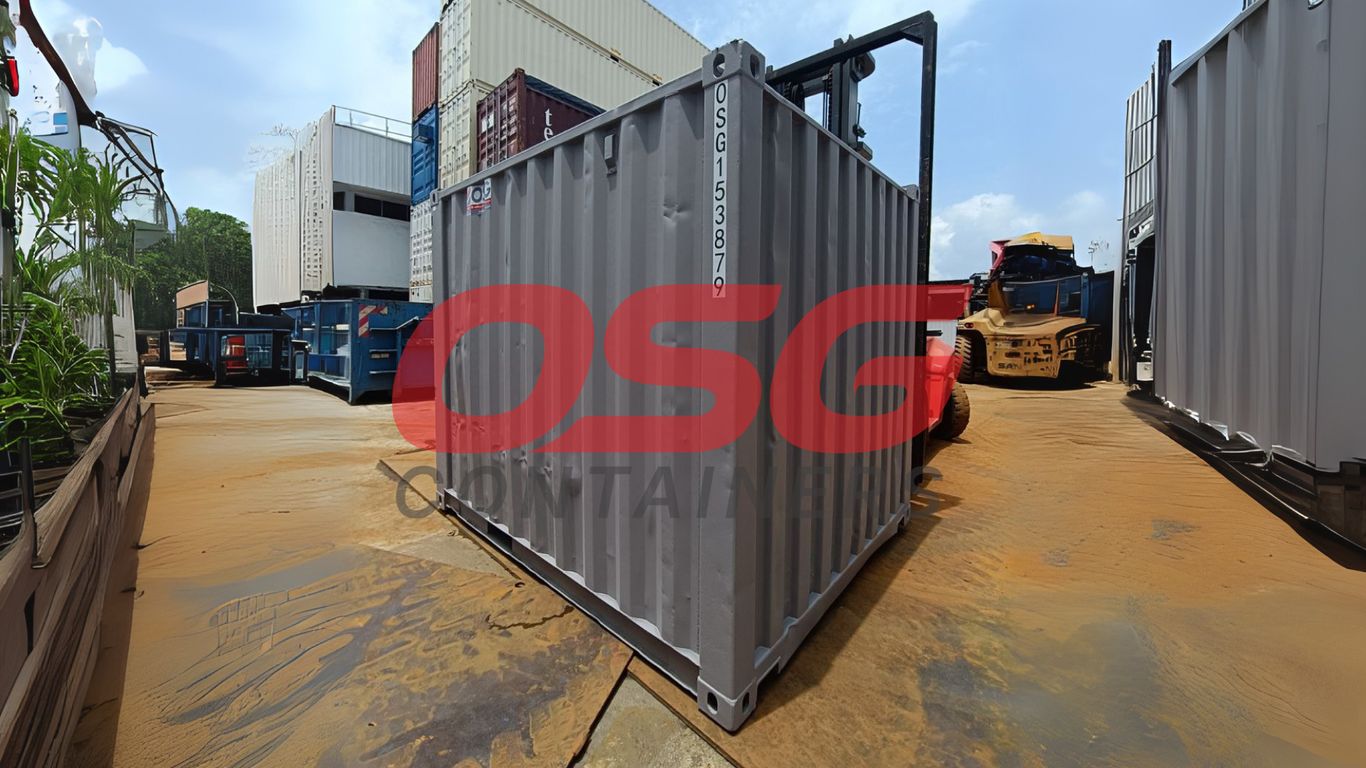
When moving goods, figuring out the right container size can be a real puzzle. You want to get your stuff there safely and without spending too much cash. Sometimes, the smaller, the better. Let’s talk about how using a container 20 feet might just be the smart move to avoid booking more space than you actually need, saving you headaches and money along the way.
Key Takeaways
- Using a container 20 feet helps match shipment size to actual needs, cutting down on paying for empty space. This is great when your cargo volume changes a lot.
- Smaller containers can mean less risk of overbooking. You’re less likely to book a whole big container if you only have a medium amount of stuff.
- A container 20 feet can be easier to handle and move, especially for shorter trips or when combining different transport methods like trucks and trains.
- When you need to move specific types of goods, a container 20 feet might be the perfect fit, reducing the chance of damage or issues compared to a container that’s too big or too small.
- Choosing the right size, like a container 20 feet, helps keep costs down by avoiding fees for unused space and potentially speeding up how quickly your goods move through ports.
Optimizing Freight Mix With Container 20 Feet
Balancing Shipment Sizes and Cargo Types
A 20 feet container offers unique advantages when you’re trying to fit your shipping needs into fast-changing supply chain demands. If your shipments aren’t massive or you’re dealing with a variety of cargo types, it’s often smarter to go with a smaller box rather than wasting money (and space) on something too big.
- Short production runs, limited batch sizes, or multiple SKUs fit well in 20 feet containers.
- These containers work for everything from general merchandise to specialized items that need separation.
- They’re easier to match to LCL (Less than Container Load) situations if you aren’t moving a full load every time.
| Container Size | Ideal Use Case | Space (Cubic Meters) | Best For |
|---|---|---|---|
| 20 feet container | Mixed goods, small batches | ~33 | Multiple small shipments, dense cargo |
| 40 feet container | Bulk or single-type shipments | ~67 | High-volume, single-type cargo |
Choosing 20 feet containers keeps your inventory moving without having to commit to more space or cost than you need.
Reducing Underutilization and Empty Runs
One big risk with containers is moving boxes that aren’t completely full. That’s wasted money every time. The smaller 20 feet container helps you avoid that. You’re less likely to pay for moving air or for repositioning heavy, empty equipment later.
- Load balancing gets easier when you’re using appropriately-sized containers.
- Empty container returns, or repositioning, become less frequent since more loads are shipped full.
- Cost per cubic meter is lower if you avoid the headaches of a mostly-empty big container.
| Scenario | 40′ Container (Underfilled) | 20′ Container (Full) |
|---|---|---|
| Cost per shipped CBM | Higher | Lower |
| Space wasted | Moderate to high | Minimal |
| Repositioning required | Often | Seldom |
Adapting To Fluctuating Demand Patterns
Sales and manufacturing aren’t always predictable. A 20 feet container helps you adjust to that. Maybe one week you ship three, and the next only one, and that’s normal for most businesses these days.
- You don’t need to wait and fill a huge box before it makes sense to send a load.
- Smaller shipment sizes lower the pressure to forecast months ahead.
- Flexibility goes up because you can react quickly—especially when there’s a seasonal surge or a sudden drop.
Using 20 feet containers makes it much easier to keep pace with reality, not wishful thinking about steady demand.
Cost Control Strategies Using Container 20 Feet
When you’re trying to keep a lid on shipping expenses, the humble 20-foot container can be a real workhorse. It’s not just about the base rate; it’s about how you use it and manage the associated fees. Smart choices with 20 ft containers can significantly trim your overall logistics bill.
Minimizing Demurrage and Detention Charges
These are the fees that can sneak up on you and really inflate costs. Demurrage is what you pay when a container sits at the port terminal longer than the allowed free time. Detention kicks in after you’ve taken the container off the terminal but haven’t returned it empty on time. It’s all about keeping things moving.
- Plan your drayage schedules carefully: Build in a little buffer time for unexpected delays. Traffic, port congestion, or even just waiting for gate appointments can eat up your free days.
- Track your containers actively: Use your Transportation Management System (TMS) or carrier updates to know exactly where your container is and when it’s due back.
- Talk to your carrier about free days: In areas known for congestion, see if you can negotiate for a few extra free days upfront. It might cost a little more on the contract, but it can save a lot if things get held up.
- Improve your loading/unloading speed: The faster your team or your partners can get cargo in or out of the container, the less time it spends incurring these charges.
The key here is proactive management. Don’t wait for the bill to arrive; anticipate potential delays and have a plan to avoid them. A few extra hours can turn into days and a lot of extra money.
Smart Leasing and Flexible Contracts
If you don’t own your containers, how you lease them matters. The price for a 20 ft container can vary a lot depending on whether you need it for a week or a year.
| Lease Type | Typical Monthly Cost (USD) | Notes |
|---|---|---|
| Short-Term | $150 – $300 | Good for unpredictable needs, higher daily rate |
| Long-Term | $60 – $120 | Better for stable, predictable shipping |
- Consider longer leases for consistent needs: If you know you’ll be shipping regularly on certain routes, a long-term lease is usually more cost-effective per month.
- Explore container sharing programs: Sometimes, you can join pools with other companies to share equipment, which can lower individual leasing costs.
- Align leases with your shipping cycles: Try to match the lease duration to how long you actually need the container, avoiding paying for idle equipment.
Leveraging Technology for Rate Forecasting
Knowing what shipping rates might do in the future can help you make better decisions now. Tools that look at things like fuel costs, trade volumes, and what carriers are saying can give you a heads-up.
- Use rate benchmarking tools: These platforms compare current quotes against market averages for specific lanes.
- Integrate freight procurement platforms: These systems can give you a clearer view of all the charges involved, not just the base rate.
- Automate invoice auditing: Software can flag discrepancies in surcharges or container sizes, catching errors before they cost you.
By using these tools, you can budget more accurately and avoid getting caught off guard by sudden rate hikes. It’s about making informed decisions based on data, not just guessing.
Improving Space Utilization and Load Planning
When you’re moving goods, figuring out how to best use the space inside a shipping container is a big deal. It’s not just about stuffing as much as you can in there; it’s about doing it smartly to cut down on costs and avoid problems. The 20-foot container, being a bit smaller than its 40-foot cousin, often forces a more thoughtful approach to packing.
Matching Container Type to Cargo Needs
Choosing the right container is the first step. You wouldn’t use a standard dry box for fresh fruit, right? For general stuff, a 20-foot or 40-foot dry container works fine. If you have lighter but bulky items, a high-cube version gives you extra height. Perishables need refrigerated (reefer) containers, which come with their own set of power and temperature needs. Then there are specialized ones like open-tops, flat-racks, and tanks for oddly shaped or liquid cargo. Picking the container that actually fits your cargo is key to avoiding wasted space and extra fees.
Right-Sizing Shipments to Lower Risks
This is where the 20-foot container really shines for some businesses. Instead of booking a big 40-footer and only filling half of it, using a 20-footer means you’re paying for what you actually need. This prevents you from paying for empty space, especially if your cargo is more weight-based than volume-based. It also means less risk of items shifting around if the container isn’t packed tightly. Think about it: a half-empty 40-foot container has more room for things to move during transit than a well-packed 20-footer.
Automated Load Optimization Workflows
Nobody wants to spend hours trying to figure out the best way to stack boxes. That’s where technology comes in. Software can help plan how to load containers, suggesting the best placement for different items to maximize space and keep the weight balanced. This not only saves time but also reduces the chance of errors that could lead to damaged goods or inefficient use of space. It’s like having a virtual loading expert.
Using technology to plan your loads can really take the guesswork out of packing. It helps make sure you’re not paying for air and that your goods arrive in good shape. It’s a smart move for any business looking to save money and hassle.
Here’s a quick look at how different container types stack up for various needs:
| Cargo Type | Recommended Container Type(s) | Key Considerations |
|---|---|---|
| General Dry Goods | 20′ or 40′ Dry Van | Standard, cost-effective for most non-perishables |
| Bulky, Lightweight | 20′ or 40′ High Cube | Extra vertical space for volume-heavy items |
| Perishable Items | Refrigerated (Reefer) | Temperature control, power supply needed |
| Oversized/Overheight | Open Top, Flat Rack | Requires careful securing, often specialized handling |
| Liquids | Tank Container | Specific safety and handling protocols |
Enhancing Operational Flexibility Through 20-Foot Containers
When you’re trying to keep your supply chain running smoothly, having options is key. That’s where the humble 20-foot container really shines. It’s not just about fitting more stuff; it’s about being able to pivot when things change, which, let’s be honest, they always do.
Adjusting For Variable Production Volumes
Sometimes production ramps up, and other times it slows down. A 20-foot container is a great middle ground. You can use them for smaller, more frequent shipments when demand is steady or lower. If production suddenly spikes, you can just add more 20-footers to your shipment plan without needing to commit to a whole fleet of larger containers. This flexibility means you’re not stuck with half-empty big boxes when demand dips, saving you money and space.
Facilitating Multimodal Supply Chains
These smaller containers are workhorses when it comes to moving goods between different types of transport. Think about it: a 20-foot container can easily hop from a ship to a train, and then onto a truck. This makes them perfect for supply chains that use a mix of transport methods. Unlike a massive 40-foot container, which might be too big for certain rail cars or local delivery trucks, the 20-foot is often the go-to size for that last mile. Even specialized units, like an open top container for awkward loads, come in this versatile size, making complex routes much simpler.
Enabling Proactive Logistics Management
Being able to react quickly is a big deal in logistics. With 20-foot containers, you can manage your inventory and shipments more precisely. If you need to reroute a shipment or make a last-minute change, dealing with a few 20-footers is a lot easier than rearranging a massive load. This agility helps you avoid delays and keep your customers happy. It also means you can better manage things like container office needs on-site for temporary project management, as they are easier to deploy and relocate.
The ability to scale shipments up or down using standardized 20-foot units provides a buffer against unexpected changes in demand or production. This adaptability is crucial for maintaining consistent delivery schedules and avoiding costly overstocking or stockouts.
Here’s a quick look at how 20-foot containers help with flexibility:
- Easier to Handle: Smaller size means less complex lifting and maneuvering at ports and warehouses.
- Better for Mixed Loads: You can combine different types of cargo in separate 20-foot containers, keeping them organized.
- Quicker Turnaround: Often, smaller containers can be loaded and unloaded faster, speeding up the whole process.
- Cost-Effective for Smaller Batches: If you don’t have a full truckload, a 20-foot container is usually more economical than paying for unused space in a larger one.
Mitigating Cargo Security and Liability Risks
When shipping goods, especially internationally, keeping them safe and knowing who’s responsible if something goes wrong is a big deal. Using 20-foot containers can actually help with this. Because they’re smaller, they often mean your cargo isn’t mixed with a ton of other shipments, which can reduce the chances of it getting lost or damaged during transit. Plus, when you seal a 20-foot container, it’s pretty clear if it’s been tampered with along the way.
Streamlining Insurance and Coverage Decisions
Figuring out cargo insurance can be a headache. You’ve got options like ‘All-Risk’ coverage, which is pretty thorough, or ‘Total Loss Only,’ which is more basic. For smaller shipments or when you’re using 20-foot containers, you might find that the cost of insurance is more manageable. It’s easier to get a clear picture of the value of the goods inside a single container, making it simpler to decide on the right level of protection without overpaying. Remember, carriers often have limited liability, so if your goods are worth a lot, getting your own insurance is usually a smart move.
Leveraging Sealed Transport for Safety
One of the best things about shipping in containers is that they get sealed. A 20-foot container, being a self-contained unit, offers a good level of security once it’s packed and sealed. This means your cargo stays put and isn’t handled as much between the origin and destination. It’s a lot harder for someone to sneak something in or take something out without breaking that seal. This physical barrier is a big part of why containerized shipping is generally safer than older methods.
Reducing Cargo Exposure During Handling
Think about how many times cargo gets moved around. With larger shipments or less-than-container-load (LCL) options, your goods might be consolidated, deconsolidated, and moved multiple times. Each time, there’s a risk of damage, theft, or misplacement. Using 20-foot containers, especially for full container loads (FCL), means your cargo is loaded once and stays sealed until it reaches its final stop. This minimizes the number of times it’s exposed to potential hazards during loading, unloading, and transfers between ships, trains, or trucks. It’s a straightforward way to cut down on those handling risks.
Boosting Port and Terminal Efficiency With Container 20 Feet
Expedited Drayage and Yard Handling
Smaller containers, like the 20-foot size, can be moved around the port and storage yards much quicker than bigger boxes. Their lighter weight and reduced footprint mean more containers can be processed in the same time, even with limited equipment. That comes in handy when you’re up against tight shipping schedules or spots where space is at a premium.
Key ways that 20-foot containers boost drayage and yard flow:
- Quicker loading and unloading using standard cranes and forklifts
- Easier stacking, making better use of vertical yard space
- Less waiting for specialized equipment compared to larger or oversized containers
Sometimes it’s the little things—like choosing the right container size—that help keep cargo moving and prevent port backups during peak times.
Managing Congestion and Dwell Time
Ports and terminals everywhere struggle with congestion. When lots of big containers pile up, yards get cramped, and dwell times shoot up. With 20-foot containers in the mix, it’s easier to move containers into and out of yards, reducing the time cargo sits around. Less idle time also means lower risk of demurrage and detention fees.
Here’s a simple look at average dwell time by container size:
| Container Size | Avg. Dwell Time (hours) |
|---|---|
| 20-ft | 36 |
| 40-ft | 48 |
| >40-ft | 55 |
Using more 20-foot units means:
- Less cargo idling in the yard
- More flexible slot assignment
- Smoother yard traffic during busy periods
Integrating Digital Tracking and Smart Gates
Ports today use digital tools to keep things flowing. 20-foot containers, because they’re handled more frequently in mixed-cargo operations, benefit a lot from automated tracking and smart gate systems:
- Instant yard location updates using RFID or GPS
- Automated gate check-ins for faster entry and exit
- Real-time status updates to shippers and carriers
When every move is tracked automatically, there’s less chance of missing containers or paperwork delays. With 20-foot containers, these systems help both small and large shippers keep tabs on their cargo, cut paperwork, and avoid unnecessary waiting around.
In short, using 20-foot containers can mean faster port clearance, less congestion, and a smoother process from ship to warehouse.
Sustainable Shipping Practices With Small Container Choices
Eco-Friendly Container Materials and Design
When we talk about making shipping greener, it’s not just about the big ships burning cleaner fuel. The containers themselves play a part. Think about it: smaller containers, like the 20-footers, can sometimes be a better choice for the environment, especially when you’re not filling up a giant 40-foot one. Manufacturers are starting to use more recycled steel and lighter materials to build these boxes. This means less energy used to make them and, importantly, less weight to haul around. Less weight means ships and trucks use less fuel, which cuts down on emissions. It’s a simple idea, but it adds up.
Lowering Carbon Footprint Per Shipment
Choosing the right container size can really make a difference in your carbon footprint. If you have a shipment that fits perfectly into a 20-foot container, using that instead of a half-empty 40-footer is a smarter move. You’re not paying to ship air, and the truck or train carrying it is more efficient. It’s about avoiding that "empty space" problem. Plus, when containers are designed well, they stack better and are easier to handle, which also saves energy at ports and terminals.
The push for sustainability in shipping isn’t just about big picture changes; it’s also about the details. Every decision, from the materials used to build a container to how full it gets packed, contributes to the overall environmental impact. Making conscious choices with smaller, appropriately sized containers is a practical way to reduce waste and emissions.
Adhering To Green Port Regulations
Many ports around the world are getting serious about their environmental impact. They’re setting rules about emissions and waste. Using containers that are easier to handle, require less energy to move around the yard, and are made with sustainable materials can help you meet these new regulations. Some ports even offer incentives for companies that use greener practices. It’s becoming more than just a nice-to-do; it’s becoming a requirement for doing business smoothly.
Wrapping It Up
So, when you’re looking at shipping your goods, really think about the container size. Using a 20-foot container isn’t just about fitting your stuff; it’s a smart move to keep your business from overpromising what it can deliver. It helps you avoid paying for empty space and keeps your logistics more predictable, especially if your cargo amounts change a lot. It’s a solid way to manage your shipping costs and keep things running smoothly, cutting down on those nasty surprises that can really mess with your bottom line.
Frequently Asked Questions
What is a 20-foot container and why is it special?
A 20-foot container is a standard-sized metal box used for shipping goods. It’s special because its smaller size makes it easier to fill completely, which helps businesses avoid paying for empty space. This can lead to fewer problems with overbooking shipments.
How does using 20-foot containers help avoid overcommitment?
When you book a whole container (called FCL), you need to be sure you have enough stuff to fill it. If you don’t, you’ve wasted money on empty space. Using 20-foot containers is good because they are easier to fill up with smaller or medium-sized loads, making it less likely you’ll book a container and then not have enough cargo for it.
What’s the difference between FCL and LCL shipping?
FCL means you book the entire container for your goods. LCL means you share a container with other people’s goods. FCL is usually better for larger shipments, while LCL offers more flexibility for smaller ones. Using 20-foot containers can be a good middle ground, sometimes working well for FCL when the shipment isn’t huge.
Can 20-foot containers save money?
Yes, they can! By filling them up better, you avoid paying for wasted space. Also, they can sometimes be cheaper to move around, especially for shorter distances or when you don’t need a giant container. This helps keep shipping costs down and prevents you from overspending.
How do 20-foot containers help with planning shipments?
Because they’re a common size and easier to fill, they make planning simpler. You can better guess how much space you’ll need. This means you’re less likely to book too much space or too little, which helps avoid surprises and keeps your shipping plans on track.
Are 20-foot containers good for businesses with changing needs?
Absolutely. If your shipping needs change a lot, using 20-foot containers gives you more options. You can book one when you need it and be more confident that you can fill it. This flexibility is key to avoiding the risk of booking too much space when demand is low.