Singapore
 Australia
 Indonesia
 Japan
Japan Malaysia
 New Zealand
 Philippines
 South Korea
 Taiwan
 Thailand
 VIETNAM
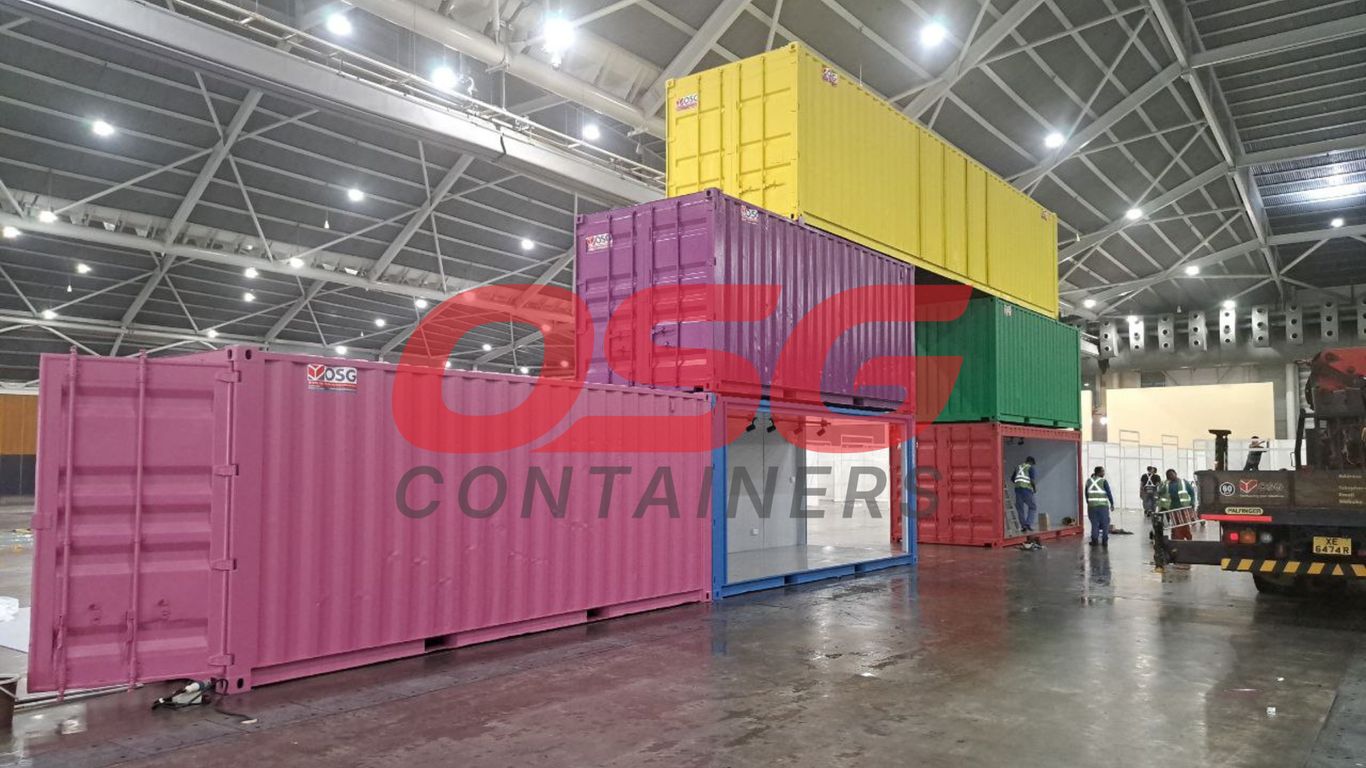
Warehouses are always looking for ways to fit more stuff into the same amount of space, right? It’s a constant puzzle. One big way to do this is by thinking vertically. This means using those tall ceilings we often ignore. We’re talking about high cube container solutions, advanced racking, and smart layouts that make every inch count. Let’s look at how to get the most out of your warehouse cube.
Key Takeaways
- Using vertical space with high-density racking and dynamic shelving can boost storage capacity by 20-30%. Adding mezzanines can increase usable area by up to 40% without needing more floor space.
- Smart warehouse layout, like U-shaped or grid designs, helps products flow better and reduces travel time. Zoning areas for specific tasks also cuts down on congestion.
- Improving how you pick and pack, and making replenishment easier, directly speeds up operations. Keeping aisles clear and reducing travel distances makes a big difference.
- Modular racking and mezzanines offer flexibility as your product list changes. This allows your storage to grow with your business and adapt to busy seasons.
- Technology like Warehouse Management Systems (WMS) helps with slotting inventory, while automation and data analysis can further optimize space and operations. Safety is also key, with clear pathways and ergonomic setups.
Maximizing Warehouse Cube With High-Density Storage
When we talk about warehouse space, we’re not just talking about the floor. We’re talking about the whole volume, from floor to ceiling. That’s the ‘cube’. Thinking vertically is the name of the game here. If you’re feeling cramped, it’s probably because you’re not using all the height you have available. It’s like having a huge closet but only using the bottom shelf – makes no sense, right?
Leveraging Vertical Space for Increased Capacity
So, how do we actually use all that air above us? It’s simpler than you might think. We can look at putting in taller racking systems. Sometimes, you can even reposition things like lights or sprinkler systems to get a bit more usable height. It’s about looking at the space you have and seeing it not just as a flat area, but as a three-dimensional volume ready to be filled. The goal is to pack more stuff into the same footprint by going up.
Here are a few ways to get more out of your vertical space:
- Taller Racking: Install shelving and pallet racks that reach higher into the ceiling. This is the most direct way to increase storage capacity.
- Mezzanines: These are like adding an extra floor within your warehouse. They’re great for creating more storage or even extra workspace without expanding the building.
- Vertical Lift Modules (VLMs) and Carousels: For smaller items, these automated systems move inventory vertically to the operator, saving floor space and reducing travel time.
Don’t just guess how much space you’re using. Actually measure it. Knowing your numbers helps you see where you’re wasting space and where you can add more. It’s about being smart with what you’ve got.
Optimizing Storage Density with Advanced Racking
Beyond just going higher, we need to think about how tightly we can pack things. This is where advanced racking comes in. Think about systems that reduce the space between items or allow for more items in the same amount of horizontal space. It’s about making every cubic foot count.
| Racking Type | Typical Capacity Increase | Notes |
|---|---|---|
| Double-Deep Racking | 20-30% | Requires specialized forklifts. |
| Drive-In/Drive-Thru | 30-50% | High density, first-in, last-out (FILO). |
| Push-Back Racking | 25-50% | Pallets stored on carts, LIFO. |
| Pallet Flow Racking | 30-60% | Gravity-fed, FIFO, good for high volume. |
The Role of High Cube Container Solutions
Sometimes, the best way to maximize space is to change how you store things at the most basic level. High cube containers, like specialized totes or bins, are designed to fit together more snugly. They often have standardized dimensions that work perfectly with advanced racking systems. This means less wasted space between individual items and more efficient use of the overall storage volume. It’s about making sure the containers themselves are part of the density solution, not just the stuff inside them.
Strategic Warehouse Layout and Zoning
Designing Efficient Product Flow
Getting products from the receiving dock to the shipping door without a hitch is the name of the game. A good layout means thinking about the path each item takes. We want to make that path as direct and smooth as possible. This often means arranging different areas of the warehouse in a logical sequence. For instance, receiving should naturally lead to putaway and then to storage. Similarly, picking areas should be close to packing and shipping.
Think about the shape of your warehouse flow. A U-shaped layout can be great if receiving and shipping are on the same side of the building. It keeps things contained and can shorten travel distances. An L-shaped layout might work better if you need to separate noisy receiving operations from quieter packing zones. For places with a huge number of different items, a grid layout with systematic aisles can simplify everything from slotting to traffic management. The key is to match the layout to what you store and how fast it moves.
Implementing Functional Zoning for Operations
Zoning is all about giving specific jobs their own space. This stops different tasks from bumping into each other and causing delays. You’ll want distinct areas for:
- Receiving: Where goods first come in.
- Putaway: Moving items from receiving to their storage spots.
- Forward Pick: The area where fast-moving items are kept for easy access.
- Reserve Storage: Where bulk inventory is held.
- Value-Added Services (VAS): Areas for kitting, labeling, or other prep work.
- Packing: Getting orders ready to ship.
- Shipping: The final staging and loading area.
Each zone needs to be sized correctly for the work it does. It also needs to be clearly marked with good signage. This helps everyone know where to go and what to do, reducing confusion and errors.
A well-zoned warehouse minimizes unnecessary movement and cross-traffic. It creates dedicated spaces for specific functions, which helps streamline operations and reduce the chances of bottlenecks forming. This structured approach is vital for maintaining a consistent workflow, especially as order volumes fluctuate.
Balancing Density and Maneuverability
This is where high cube storage really shines, but it’s also where you need to be smart. You want to pack as much as possible into your space, using that vertical height. That means using racking systems that go high and maybe even mezzanines. But you can’t just stack things to the ceiling without thinking about how people and equipment will move around.
Consider the width of your aisles. If you have large forklifts, you’ll need wider aisles than if you’re using smaller electric carts or even just people on foot. Too narrow, and you risk accidents and slow down operations. Too wide, and you’re wasting valuable floor space. It’s a trade-off. You also need to think about clear pathways for emergency exits and for maintenance. Making sure there’s enough room to turn, maneuver loads, and get equipment in and out safely is just as important as filling up the space.
| Area of Focus | Potential Gain | Key Consideration |
|---|---|---|
| Vertical Storage | 20-40% | Aisle width, equipment reach, load stability |
| Functional Zoning | 5-15% | Clear pathways, signage, staging area size |
| Product Slotting | Varies | SKU velocity, order frequency, pick path length |
| Aisle Design | Varies | Equipment type, turning radius, traffic flow |
Enhancing Operational Efficiency Through Storage Design
Designing a warehouse for true efficiency isn’t just about jamming as much inventory as possible onto racks. It’s about making sure daily operations—pick, pack, replenish—flow without frustrating slow-downs or wasted motion. With high cube storage units and even solutions like iso tank containers, storage design decisions can directly impact speed, accuracy, and safety.
Improving Pick and Pack Processes
The pick and pack operation can make or break order fulfillment speed. A warehouse layout that matches product demand and aligns frequently picked items close to packing stations trims travel time dramatically.
Some ways to boost pick and pack efficiency:
- Use dynamic slotting, shifting high-velocity items to easy-access spots
- Group fast-moving SKUs together, near main aisles or pack-out zones
- Set up clear labeling and logical bin locations to reduce search time
- Consider ergonomic tables or adjustable pack stations to fight fatigue
| Pick Method | Average Daily Picks | Avg. Picker Travel Distance |
|---|---|---|
| Random Storage | 150 | 7 miles |
| Slotting By Velocity | 250 | 4 miles |
| High Cube Racking | 300 | 2 miles |
Organizing your pick and pack area reduces labor costs while improving order accuracy. That tiny extra step—double-checking the layout—can prevent hours of headaches down the line.
Streamlining Replenishment and Cycle Counts
Replenishing pick locations and taking accurate cycle counts are two ongoing tasks that eat up time if not planned for in your design. With high cube storage (and especially when dealing with iso tank container storage or large bulk items), replenishment needs to be efficient, not an afterthought.
To streamline these processes:
- Designate clear resupply zones with enough room for safe movement
- Utilize reserve storage stacked vertically, with logical drop-down paths
- Keep most-counted SKUs at ground or low-bay level for easier, quicker counts
- Implement a cycle counting schedule based on movement (more touches = more counts)
Reducing Congestion and Travel Time
Warehouse congestion is more than annoying; it’s a hidden productivity killer. If workers constantly wait for aisle space or dodge equipment, your operational flow is broken.
Reduce congestion and save time with these strategies:
- Set wide enough aisles for both people and equipment to move safely around large racked units and iso tank containers
- Map and mark clear pathways using floor tape or signage so routes stay open
- Schedule replenishments and cycle counts during off-peak hours whenever possible
- Limit storage density in high-traffic areas to avoid traffic jams at bottlenecks
If you’re planning a high-density layout or adding storage for things like iso tank containers, always consider how people and products move—not just how tight you can squeeze them in. Aim for a steady flow, not a warehouse maze.
Scalable Storage Solutions for Growth
As your business picks up steam, the way you store your goods needs to keep pace. You can’t just keep piling things higher and higher without a plan, right? That’s where scalable storage comes in. It’s all about setting up systems that can grow with you, without forcing you to move to a bigger, more expensive building.
Modular Racking for Evolving SKUs
Think of modular racking like building blocks for your warehouse. As your product catalog changes – maybe you add new items or phase out old ones – you can easily reconfigure your racking. This means you’re not stuck with a setup that doesn’t fit your current needs. It’s pretty handy for making sure you’re using every bit of space efficiently, especially when you have a lot of different items, or SKUs, to manage.
- Adaptable Configurations: Easily change layouts to fit new product sizes or quantities.
- Reduced Waste: Avoid empty spaces caused by fixed racking that doesn’t match current inventory.
- Faster Adjustments: Quickly modify storage to accommodate promotions or seasonal shifts.
Mezzanines for Additional Work Areas
Sometimes, you need more than just storage space; you need room for people to work. Mezzanines are basically extra floors built inside your warehouse. You can put packing stations, quality control areas, or even light assembly operations up there. This keeps your main floor clear for moving goods in and out, which really helps with workflow. It’s a smart way to add usable space without expanding the building’s footprint.
| Area Added | Primary Use Cases |
|---|---|
| Mezzanine Level 1 | Packing, Kitting, Order Verification |
| Mezzanine Level 2 | Light Assembly, Returns Processing, Quality Checks |
Adapting to Seasonal Inventory Demands
Warehouses often see big swings in inventory. Think about the holidays or summer sales – suddenly, you have way more stuff to store. Scalable solutions let you handle these peaks without buying a whole new warehouse. You might use temporary high-density storage options or adjust your existing racking to fit more in for a few months. Then, when the rush is over, you can scale back down. This flexibility stops you from having too much space sitting empty most of the year.
Planning for seasonal spikes means looking at your inventory patterns. Understanding when demand goes up and down helps you choose storage methods that can expand and contract. This way, you’re not paying for unused capacity during slow periods, but you can still handle the rush when it comes.
This approach helps keep your operations running smoothly, no matter how busy things get.
Integrating Technology for Space Optimization
So, you’ve got all this vertical space with your high cube units, which is great, but how do you actually make sure you’re using it smartly? That’s where technology really steps in. It’s not just about stacking boxes higher; it’s about knowing exactly what’s where and how to get to it without wasting time or space.
Warehouse Management Systems for Slotting
Think of a Warehouse Management System (WMS) as the brain of your operation. It keeps track of every single item. When it comes to slotting, which is basically deciding where each product lives in the warehouse, a WMS is a game-changer. It uses data – like how often an item is picked, its size, and even what other items it’s often bought with – to figure out the best spot. Putting fast-moving items closer to shipping areas and higher-demand items at easier-to-reach levels can seriously cut down on travel time for your pickers. This isn’t just a guess; it’s based on real numbers. A good WMS can also help you re-slot items as your sales patterns change, so you’re always making the most of your space and your team’s effort.
Automation in High Cube Container Storage
Now, let’s talk about making things move. Automation can really take things to the next level, especially in those tall storage areas. Automated Storage and Retrieval Systems (AS/RS), for example, can handle the heavy lifting and precise placement of goods in those high racks. This means you can store more, more densely, and with less risk of damage or injury. Robots, like Autonomous Mobile Robots (AMRs), can bring empty totes to pickers or take full ones away, reducing how far your staff has to walk. This isn’t just about speed; it’s about making the warehouse safer and more efficient by letting machines do the repetitive or strenuous tasks.
Data Analytics for Continuous Improvement
Finally, all this technology generates a ton of data. You’ve got your WMS tracking inventory, your automation systems logging movements, and maybe even sensors monitoring conditions. The trick is to actually use that data. By looking at things like pick rates, order accuracy, how often shelves are restocked, and how much space you’re actually using, you can spot problems and opportunities. Maybe one zone is always congested, or a certain type of product is always out of stock. Data analytics helps you see these patterns. You can then use these insights to tweak your slotting strategy, adjust staffing, or even plan for future layout changes. It’s about constantly learning and refining your process to keep things running smoothly and making the best use of that valuable cube space.
The goal is to create a system where technology works hand-in-hand with your physical layout. It’s about having real-time information to make smart decisions, automating repetitive tasks to free up your people, and using data to constantly find ways to do things better. This approach helps you get the most out of every cubic foot of your warehouse.
Safety and Ergonomics in High Cube Environments
Working with high cube storage like a 40 ft container means safety and ergonomics really can’t be an afterthought. Warehouses using 40ft container racking, especially those pushing vertical storage to the limit, face unique risks every day—especially when shifting pallets into the top racks or navigating long, narrow 40 footer container aisles. Here’s how to stay smart about it.
Ensuring OSHA Compliance and Clear Pathways
Marked aisles and dedicated emergency routes keep both people and product out of danger’s way. Here are a few best practices:
- Use bright floor lines and directional arrows to guide both foot and forklift traffic.
- Post visible signs for load limits—especially vital when stacking heavy stock in a 40ft container setup.
- Install physical barriers at the ends of aisles to prevent accidental collisions.
- Maintain clear, obstruction-free exits and ensure emergency lighting is in place.
| Area | OSHA Requirement | Practical Tip |
|---|---|---|
| Walkways | 28" minimum width | Mark with reflective tape |
| Exit Routes | Unobstructed at all times | Schedule daily checks |
| Container Stacks | Posted load capacity | Use bold, weatherproof signage |
Tight layout? Never block exits with newly arrived 40ft containers, even for an hour. Fast decision-making relies on always-open escape routes.
Ergonomic Workstations for Reduced Strain
Handling heavy or oddly shaped items in a high cube environment gets tricky, especially with a 40 footer container stacked high. Poor setup leads to more injury and errors every time. To get it right:
- Add height-adjustable tables near picking zones.
- Use lift-assist devices for heavier goods or frequent lifts.
- Keep pick faces between knee and shoulder height—most strain happens above or below that.
- Place heavier cartons mid-bay so no one has to stoop or stretch awkwardly.
Visibility and Protection in Storage Aisles
Narrow aisles between 40 ft containers make accidents way more likely. Good visibility and sturdy barriers help lower the odds:
- Bright LED lighting helps workers spot others around blind corners or in deep racks.
- Label aisles and bays with large, readable signs.
- Use guardrails and column protectors to shield racking and workers from forklift bumps.
- Review and refresh aisle path markings as zones get re-slotted for new loads or seasonal changes.
When space is tight, a little extra care goes a long way. Spend the time up front on safety details—in the long run, it saves injuries, stress, and chaos for everyone.
Wrapping It Up
So, we’ve talked a lot about how to really make the most of your warehouse space, especially when you’re dealing with those tall storage units. It’s not just about stacking things higher, though that’s a big part of it. It’s about thinking smarter with your layout, using the right kinds of racks, and even looking at automation if it makes sense for your business. Getting this right means you can store more, find things faster, and keep your operations running smoothly without needing a whole new building. It takes some planning, sure, but the payoff in efficiency and cost savings is definitely worth it.
Frequently Asked Questions
What is a high cube storage unit in a warehouse?
A high cube storage unit is a type of shelving or racking that uses the full height of your warehouse, not just the floor space. This means you can store more items by stacking them higher, making better use of the space you already have.
How can using vertical space help my warehouse?
Using vertical space lets you store more products without making your warehouse bigger. By stacking items on tall shelves or racks, you can fit more inventory in the same area, which saves money and helps your team find things faster.
Are there safety rules for high cube storage units?
Yes, there are safety rules. You must keep aisles clear, use signs, and make sure shelves are strong enough for the weight. It’s also important to follow OSHA rules to keep everyone safe when working around tall shelves.
How do high-density racks improve warehouse storage?
High-density racks pack items closer together and often stack them higher. This increases storage by up to 30% compared to regular racks. It also helps reduce the time workers spend walking to pick items.
Can high cube storage units be changed as my business grows?
Yes, many high cube storage systems are modular, which means you can add or move shelves as your needs change. This flexibility is great for businesses that add new products or have busy seasons.
What technology can help me get the most out of high cube storage?
Warehouse management systems (WMS), barcode scanners, and automated picking robots can all help. These tools track where items are stored, help you organize products better, and speed up picking and packing, making your warehouse more efficient.