Singapore
 Australia
 Indonesia
 Japan
Japan Malaysia
 New Zealand
 Philippines
 South Korea
 Taiwan
 Thailand
 VIETNAM
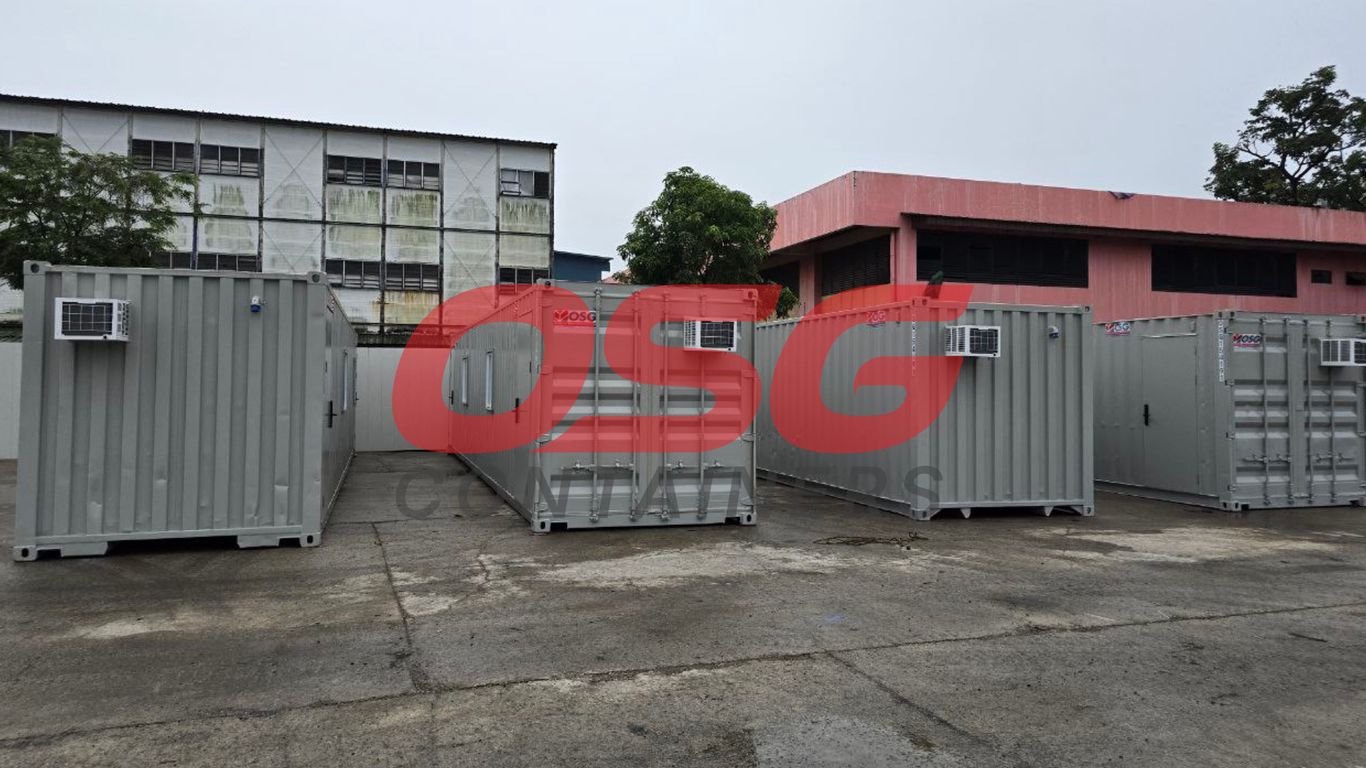
So, you’re thinking about renting containers for your project? It seems straightforward enough, right? You need a box to store stuff. But let me tell you, it’s not always as simple as just picking one up. There’s a whole bunch of stuff to consider, from how it gets damaged to who’s on the hook when something goes wrong. We’re going to break down the ins and outs of renting containers, so you don’t end up with unexpected costs or a big headache later on.
Key Takeaways
- When renting containers, understanding who is responsible for damage is key. It’s usually spelled out in the rental agreement, but the law also plays a role. Factors like how the damage happened and if you had insurance matter a lot.
- Rental agreements are super important. Make sure you know what counts as normal wear and tear versus actual damage. Always document the container’s condition when you get it and when you return it. This saves a lot of trouble.
- Both the rental company and you, the renter, have duties. The company needs to give you a good container, and you need to use it right, keep it safe, and report any problems ASAP.
- There are several ways to protect yourself financially. This includes general liability insurance, specific equipment insurance, damage waivers, and security deposits. Each has its pros and cons, so pick what fits your situation.
- A lot of problems can be avoided by just being careful. Inspecting the container thoroughly, placing it securely on your site, and making sure your team knows how to handle it properly can prevent most common issues.
Common Types of Container Damage During Rental Periods
When you rent a container, especially a general purpose container for a job site or storage, things can happen to it. It’s not always straightforward who’s responsible, but understanding the types of damage is the first step. Most rental agreements will spell out what’s considered normal wear and tear versus actual damage that you, the renter, might have to pay for.
Structural and Surface Damages
This is probably what most people think of first. Structural damage means the container’s integrity is compromised. Think big dents from a forklift hitting the side, or a corner post getting bent because the container was lifted improperly. Surface damage is a bit less severe, like deep scratches from dragging materials against the walls, or maybe some graffiti that wasn’t there when you got it. While a few minor scratches might fall under normal wear, significant dents or punctures definitely go beyond that. It’s important to document the condition when you get it so you don’t get blamed for damage that was already there.
Functional Failures and Contamination
Sometimes, the damage isn’t visible from the outside. Functional failures can happen if doors get jammed, locks break, or seals get torn. This can happen from rough handling or even attempted break-ins. Then there’s contamination. If you store certain chemicals, or if something leaks inside, the container can become contaminated. Cleaning up a contaminated container can be a big job, and sometimes it’s so bad that parts need to be replaced. This is definitely not covered under normal wear and tear.
Total Loss Scenarios Including Theft and Fire
These are the worst-case scenarios, and they can lead to a complete financial loss. Theft is a real risk, especially if the container is in a less secure location. Fire can also happen, whether accidentally or intentionally. If a container is stolen or destroyed by fire, it’s considered a total loss. In these situations, the renter is usually on the hook for the full replacement cost of the container, which can be substantial. This is why having proper security measures and insurance is so important.
Documenting the container’s condition at the start and end of the rental period is your best defense against unexpected charges. Take clear photos and create a detailed report, ideally signed by both parties.
Roles and Responsibilities of Parties in Renting Containers
When you’re renting a container, it’s not just a simple transaction. There are distinct roles and responsibilities that fall on both the company providing the container and the person or business renting it. Understanding these is key to a smooth rental period and avoiding headaches down the line.
Obligations of the Rental Company
The rental company, often called the lessor, has a few main jobs. First off, they need to give you a container that’s in good working order. This means it should be structurally sound, clean, and free from major defects that would stop you from using it as intended. They’re also responsible for getting the container to your site, unless your agreement says otherwise. Think of them as providing the equipment; they need to make sure it’s ready for action.
- Deliver a functional and clean container.
- Provide necessary documentation or certifications if required.
- Arrange transport and placement as per the agreement.
Duties of the Lessee
As the renter, or lessee, you’ve got your own set of duties. Your primary responsibility is to use the container properly and take reasonable care of it. This includes inspecting it when it arrives and noting any existing damage right away. You need to use it only at the agreed-upon location and for its intended purpose. Also, you’re generally responsible for securing the container against theft, vandalism, and bad weather. If something goes wrong, like damage or a malfunction, you need to let the rental company know ASAP.
- Inspect the container upon delivery and document its condition.
- Use the container only as specified in the rental agreement.
- Report any damages or issues immediately to the rental company.
- Secure the container against unauthorized access and environmental damage.
Third-Party Involvement and Associated Risks
Things can get complicated when other people or entities get involved. If you’re using subcontractors on your site, and they somehow damage the container, you’re usually on the hook with the rental company. You might then have to chase the subcontractor for reimbursement, but that doesn’t absolve you of your initial responsibility. Similarly, if you arrange your own transport and the carrier damages the container, that’s typically your problem to sort out with the carrier. Even things like vandalism or theft by unknown individuals can fall back on you if you haven’t taken adequate security measures.
It’s important to remember that even if someone else causes the damage, your rental agreement likely makes you liable to the rental company first. Sorting out who pays among yourselves is a separate issue.
Here’s a quick look at potential third-party issues:
| Scenario | Lessee’s Responsibility |
|---|---|
| Subcontractor | Liable to lessor; may seek recourse from subcontractor. |
| Arranged Carrier | Liable to lessor; responsible for carrier’s actions. |
| Vandalism/Theft | Liable unless site security was adequate and reported. |
Key Elements in Rental Container Agreements
Defining Normal Wear Versus Damage
When you rent a container, the agreement should clearly spell out what’s considered normal wear and tear versus actual damage. Think of it like this: a few scuffs or minor dents from regular use? Probably normal wear. A big hole punched through the side or a completely mangled door? That’s damage. The contract needs to make this distinction so there are no surprises when it’s time to return the container. It’s all about setting clear expectations upfront.
Handover Protocols and Documentation
Before you even start using the container, there should be a formal handover process. This usually involves a joint inspection with the rental company. Both parties should document the container’s condition at the start of the rental. This means taking pictures, noting any existing dents, scratches, or issues, and having both signatures on a condition report. This report is your best friend if any disputes pop up later.
Here’s a basic checklist for the handover:
- Inspect the exterior: Look for dents, rust, and structural integrity.
- Check the doors: Ensure they open, close, and lock properly.
- Examine the interior: Look for cleanliness, leaks, or damage.
- Document everything: Take clear photos or videos of any existing issues.
Prohibited Uses and Modifications
Rental agreements almost always list things you absolutely cannot do with the container. This often includes storing hazardous materials, illegal substances, or anything that violates local laws. You also can’t typically make modifications, like welding new parts onto it or painting it without permission. These clauses are there to protect the container and the rental company, but they also protect you from being held responsible for issues arising from misuse.
It’s really important to read this section carefully. Sometimes, seemingly minor actions like attaching a padlock without the company’s okay could be a violation. Always err on the side of caution and ask if you’re unsure about something.
Understanding Liability in Rental Container Scenarios
When you rent a shipping container, figuring out who’s on the hook for damages or losses is not always clear-cut. Liability comes down to the contract language, the legal framework in your region, and how everyone involved has handled the situation when something goes wrong. Let’s break down how this liability is usually sorted out.
Legal Framework and Insurance Considerations
Shipping container rentals are covered by a mix of civil codes, insurance policies, and signed agreements. Here’s how they typically interact:
- Most rental contracts spell out who is responsible for the container at any point in time and under what circumstances liability shifts.
- Civil law (like the Civil Code) generally says the person or business renting the container is liable for any damage unless they can prove the damage wasn’t their fault.
- Insurance comes into play, often covering theft, vandalism, or accidental damage, but renters should always confirm what is and isn’t included.
| Factor | Renter Responsible? | Owner Responsible? |
|---|---|---|
| Damage during use | Yes | No |
| Theft on secure site | Yes* | No |
| Damage in owner’s yard | No | Yes |
| Normal wear and tear | No | Yes |
| Damage during transport | Depends on who | Depends on who |
*If the site was properly secured and theft still occurs, liability may shift depending on evidence and agreement.
Liability for Damages and Loss
It might sound simple—if you broke it, you pay. But rental container damage can be caused by lots of things:
- Accidents during use, like collisions or mishandling
- Weather events, such as storms or floods
- Theft or vandalism, often if security is lacking
- Third-party actions (for example, another contractor at your site)
The most common scenario is the renter being held responsible for all damage that goes beyond normal wear, unless they can prove it wasn’t their fault or it happened before handover.
- Always get a clear handover protocol with photos.
- Report issues the moment you spot them.
- If a third party caused the damage, you’re still responsible to the rental company, but you can try to recover costs from whoever actually caused the damage.
Disagreements usually pop up when there’s a gray area between normal use and serious damage. Good documentation and open talk can make the process a lot smoother.
Dispute Resolution Processes
Sometimes, even after all the steps, people disagree about who should pay for what. Here’s how it typically plays out:
- Start with direct communication—settle it informally if possible
- If that fails, check the contract for a required dispute process (sometimes you’ll have to go to mediation or arbitration first)
- Legal action is usually the last resort and is rarely quick or cheap
Three quick reminders:
- Read your agreement carefully before signing, especially how liabilities and handovers are handled.
- Take lots of photos at handover and return.
- Don’t wait to bring up potential problems—early reporting could save you a lot of money and hassle.
Sorting out liability on rental containers isn’t simple, but when everyone understands their role and keeps good records, it gets a whole lot easier.
Best Practices for Minimizing Risk When Renting Containers
Rented containers are everywhere these days—construction, retail, events, you name it. But even though renting one might sound simple, a few missed steps can leave you with repair bills, headaches, or even legal fights. If you’re used to the world of container sale, you’ll notice a few differences in how risk and maintenance get handled with rentals.
Inspection and Documentation Procedures
Before you sign off or let the delivery truck leave, always give the container a solid inspection. Detailed records are your best friend if something goes wrong later.
- Inspect the container for dents, holes, leaks, or smells.
- Take clear photos from all angles, focusing on any existing flaws.
- Complete a formal handover checklist and have both renter and provider sign it.
- Repeat the process when the container is picked up, not just when it arrives.
If you skip this part, you might end up paying for damages you didn’t cause, even if it was already there from a prior rental.
On-Site Placement and Security Measures
Where and how you set up your rental container makes a huge difference. A poorly placed container is risky—and not just for your wallet, but also for the items inside.
- Place the container on level, stable ground away from heavy machinery paths.
- Use fences, doors with locks, and security cameras if possible.
- Add lighting at night to scare off thieves or vandals.
- Avoid areas with potential flooding or regular traffic jams, which increase the risk of accidental damage.
Staff Training and Operational Compliance
People mishandling the container is one of the biggest reasons rentals get damaged. Quick training now beats a long argument with the rental company later.
- Brief anyone using the container about proper handling, opening/closing, and what’s not allowed inside.
- Make sure staff know not to modify, cut, or drill into the container.
- Stress the difference between normal use and risky actions (e.g., overloading, stacking heavy items on the roof).
- Check that site practices comply with safety regulations and any restrictions from the rental contract.
Quick Reference Table: Risk Reduction Steps
| Step | Action Item |
|---|---|
| Pre-Rental Inspection | Document with photos + written checklist |
| Secure Placement | Level ground, fenced perimeter, lighting |
| Access Control | Locking doors, limited key distribution |
| Staff Training | Short orientation on handling and restrictions |
| Regular Checks | Inspect for new damage or unauthorized use weekly |
If you forget one of these areas, it’s not only more work for you but it can get costly. Keeping things simple and organized helps avoid most problems you’ll run into during a rental—something folks buying containers for container sale get drilled into their heads from day one.
Insurance and Financial Protection Options for Rental Containers
When you’re looking at containers for rent, it’s not just about the monthly fee. You’ve got to think about what happens if something goes wrong. Accidents happen, and sometimes, things get damaged or even stolen. That’s where insurance and other financial protection methods come into play. It’s all about having a plan so you’re not stuck with a massive bill.
General Liability and Equipment Insurance
Most businesses already have general liability insurance, and that’s a good start. It often covers rented equipment, but you really need to check the specifics of your policy. What are the limits? Are there any exclusions that might leave you exposed? Sometimes, it’s not enough on its own.
Then there’s equipment insurance, which is more specific. This type of policy is designed to cover the rented containers themselves. It can protect you against damage from things like vandalism, severe weather, or even just operational mishaps. It’s an extra layer of security, but it does come with a cost, and you usually need to arrange it before the rental period begins.
Contractual Damage Waivers and Security Deposits
Many rental companies offer something called a contractual damage waiver, sometimes called CDW or similar. You pay an extra fee, usually a percentage of the rental cost, and in return, they agree to waive responsibility for minor damages. This can simplify things a lot for small dings or scratches. However, it’s super important to know that these waivers almost never cover intentional damage, gross negligence, or theft. So, while they’re helpful, they aren’t a get-out-of-jail-free card for everything.
A security deposit is another common financial safeguard. You pay a lump sum upfront, and the rental company holds onto it. If there’s any damage beyond what a waiver covers, or if you have unpaid fees, they can deduct those costs from your deposit. Once the rental is over and everything is squared away, you get the remaining amount back. It’s a pretty straightforward way to handle small issues.
Here’s a quick look at how these options stack up:
| Protection Type | Benefits | Limitations |
| :————————– | :——————————————— | :———————————————— | |
| General Liability Insurance | Broad coverage, protects other assets too | Policy exclusions, coverage limits, deductibles |
| Equipment Insurance | Covers costly damages to the container | Higher premiums, requires advance arrangement |
| Damage Waiver | Easy handling of minor damages | Doesn’t cover major damage, theft, or intent |
| Security Deposit | Quick settlement for small issues | Limited amount, won’t cover significant losses |
When you’re renting containers, always read the fine print on any waiver or insurance policy. What seems like a good deal might have loopholes that leave you responsible for unexpected costs. Make sure you know exactly what is and isn’t covered before you sign anything.
Common Mistakes to Avoid When Renting Containers
Renting a container seems pretty simple at first. You find what you want, pay for it, and wait for delivery—right? But a few common slip-ups can lead to unexpected bills, schedule headaches, or even flimsy legal ground if something goes sideways. If you don’t want an avoidable mess, here’s what you need to keep an eye out for:
Overlooking Contractual Details
Not reading the rental agreement closely enough is risky. It’s easy to skim through and sign, but that stacks the odds of missing out on important rules or hidden charges.
- Review who is responsible for cleaning and routine maintenance.
- Check for penalties for early return or damages beyond normal wear.
- Clarify the process for ending or renewing the rental.
Take 15 extra minutes to break down the contract line by line. It could save you weeks of stress later.
Ignoring Container Condition on Delivery
If you just accept the container as-is, later problems are practically inevitable. Document everything when it arrives:
- Inspect for dents, holes, water leaks, broken locks, or strange smells.
- Snap photos or take videos as proof of its state.
- Report any issues to the rental company right away.
Misjudging Rental Costs and Site Requirements
The sticker price rarely tells the whole story. Delivery, pick-up, insurance, and cleaning fees can add up fast. Plus, site problems can derail the delivery itself.
| Potential Hidden Costs | Site Problems |
|---|---|
| Delivery and removal fees | No solid & level ground |
| Damage or cleaning charges | Truck access blocked |
| Insurance or deposits | Weather or flooding risks |
- Ask for an all-in quote, not just the weekly or monthly rate.
- Double-check that your site is prepped and accessible.
- Factor in the risk of overtime charges or additional days.
Quick List: Mistakes to Skip
- Signing the contract without reading the fine print.
- Failing to inspect and document container condition upon receipt.
- Underestimating how much the total rental will actually cost.
- Picking the wrong size or type of container for your real needs.
- Forgetting to prepare your site for drop-off or pick-up.
Each mistake is easy to make, and almost all of them are avoidable if you plan ahead and double-check. Bend over backwards to get things clear up-front, and your rental should stay pretty much hassle-free.
Wrapping It Up
So, when it comes to renting containers, it’s clear that things aren’t always straightforward. Who pays for what when something goes wrong really depends on the paperwork you signed, how the damage happened, and if anyone had insurance. Both the rental company and the renter have their part to play. The best way to avoid headaches later is to be super careful from the start. Take pictures, read the contract closely, and make sure everyone knows the rules. A little bit of effort upfront can save a lot of trouble and money down the road.
Frequently Asked Questions
Who is responsible if a rental container gets damaged on my job site?
It’s a bit complicated, but usually, the person renting the container (the lessee) is responsible for damage beyond normal wear and tear. This responsibility is often laid out in the rental agreement. Factors like how the damage happened, if the container was secured properly, and what the contract says all play a role. The rental company (lessor) is generally responsible for providing a sound container and for normal upkeep.
What counts as ‘normal wear and tear’ versus actual damage?
Think of normal wear and tear as minor things that happen from regular use, like small scratches on the paint or slight fading from the sun. Actual damage includes bigger issues like dents from collisions, broken locks, graffiti, or contamination from spills. Your rental contract should clearly define what’s considered normal and what’s not, often with examples.
What should I do right when I receive the rental container?
It’s super important to check the container thoroughly when it arrives. Look for any dents, scratches, rust, or other issues. Take pictures and write down everything you find in a handover document, and make sure the rental company signs it too. This protects you from being blamed for damage that was already there.
How can I protect myself from unexpected damage costs?
There are a few ways! You can get insurance, like general liability or specific equipment insurance. Some companies offer a ‘damage waiver’ for a fee, which covers minor damages but not usually major issues like theft or intentional damage. A security deposit also helps cover small costs. Always read the fine print on any of these options.
What if someone steals the container or it gets destroyed by fire?
These are considered total loss scenarios. If the container is stolen or destroyed by fire, you’ll likely be responsible for its full replacement cost, depending on your rental agreement and insurance coverage. It’s crucial to have proper security measures in place and to report any such incidents to the authorities immediately.
Are there specific ways I should use or place the container to avoid problems?
Yes! Always use the container only for its intended purpose and at the agreed-upon location. Make sure it’s placed on level, stable ground, away from heavy traffic areas on your site. Secure it properly against theft and bad weather. Also, never try to modify the container without the rental company’s written permission.