Singapore
 Australia
 Indonesia
 Japan
Japan Malaysia
 New Zealand
 Philippines
 South Korea
 Taiwan
 Thailand
 VIETNAM
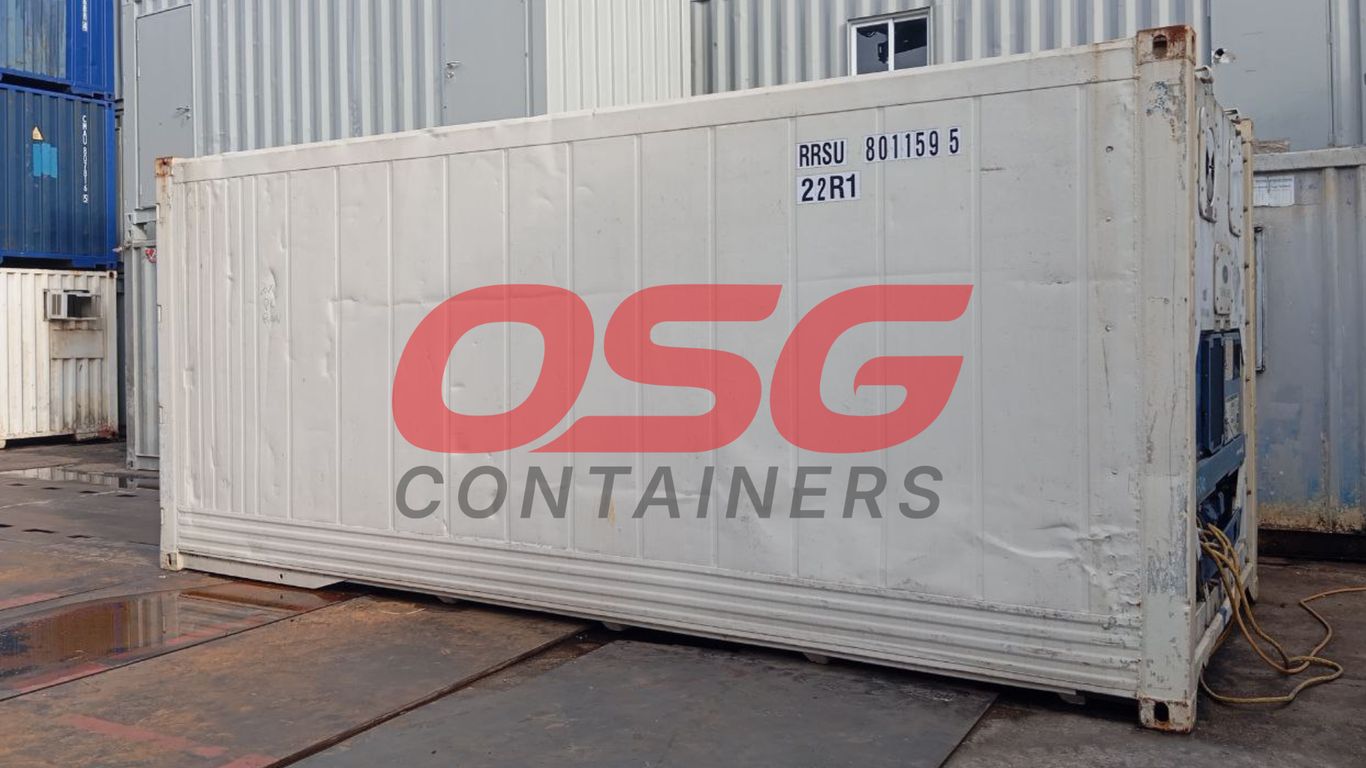
Keeping things cold during shipping isn’t just about fresh food anymore. It’s a whole system, and the container reefer is the star player. These aren’t your average shipping boxes; they’re like mini, mobile refrigerators that keep everything from vaccines to fancy flowers at just the right temperature. We’re talking about a serious business that keeps our world supplied with goods that would otherwise go bad or lose their power. So, let’s break down what makes these container reefer units tick and why they’re so important for keeping things compliant and in good shape.
Key Takeaways
- Container reefer units are specialized, insulated shipping boxes with built-in refrigeration to maintain specific temperatures for sensitive goods.
- They come in different sizes and types, like standard, high cube, and super freezer models, to handle various cargo and temperature needs, including dual-temperature options.
- Reefer systems operate by pre-cooling, loading, setting temperature, monitoring during transit, and using various power sources, with data logging for traceability.
- Strict regulations like FSMA 204 and industry standards such as ISO 10368 are driving the need for advanced monitoring and data connectivity in container reefer operations.
- While essential, container reefers face challenges like high operating costs and infrastructure limitations, but technological advancements are improving efficiency and reliability.
Fundamental Features and Types of Reefer Containers
Reefer containers, short for refrigerated containers, are the workhorses of temperature-controlled shipping. They’re essentially insulated boxes with a built-in cooling unit. This setup allows them to maintain a specific temperature, keeping sensitive cargo like food, medicines, and chemicals in good condition during transit. The core function is to create a mobile, controlled environment that protects the integrity of the reefer cargo.
Built-In Refrigeration and Insulation Technologies
The magic behind a reefer container lies in its construction. Thick, high-density insulation, often polyurethane foam, lines the walls, floor, and ceiling. This minimizes heat transfer from the outside. On one end, you’ll find the refrigeration unit. This unit circulates cold air throughout the container, actively managing the internal temperature. Sensors constantly check the temperature, and the system adjusts as needed. Many units also have an automatic defrost cycle to prevent ice buildup, which could otherwise impede airflow and cooling efficiency.
Configuration Options: Standard, High Cube, and Super Freezer Containers
Reefers aren’t one-size-fits-all. You’ll commonly see different sizes and types:
- 20 reefer container: A standard option, good for smaller loads or when space is tight. It’s easy to maneuver and fits well on various transport modes.
- 40 reefer container: Offers more space for larger shipments. This size is very popular for bulk goods.
- High Cube Reefer: These are taller versions of the standard containers, providing extra vertical space. This is great for maximizing pallet counts or shipping bulkier items.
- Super Freezer Containers: For cargo that needs extreme cold, like certain seafood or specialized pharmaceuticals, these can go down to very low temperatures, often –60°C.
Dual-Temperature and Specialized Container Reefer Applications
Some reefers are designed for even more flexibility. Dual-temperature containers have a partition that creates two separate temperature zones within a single unit. This is handy if you’re shipping mixed loads, say, frozen meat in one section and chilled dairy in another. Beyond food, specialized reefers are used for transporting sensitive chemicals, biological samples, and even artwork that requires precise climate control. They are built to handle a wide range of temperatures, typically from around –30°C to +30°C, though specialized units can go much colder or slightly warmer.
The ability to maintain precise temperature and humidity levels is what separates reefer containers from standard shipping containers. This control is vital for preventing spoilage, maintaining product quality, and meeting strict regulatory requirements for various industries.
How Container Reefer Systems Operate in Cold Chain Logistics
Refrigerated containers, or reefers, are a big part of modern cold chain logistics. These systems work hard to keep sensitive goods like food, medicine, and chemicals at the right temperature from start to finish. Here’s a close look at how they actually work.
Step-by-Step Operation from Pre-Cooling to Delivery
The process is more involved than just plugging in a fridge:
- Pre-cooling the cargo: Before loading, goods are usually pre-chilled or frozen to bring them to the target temperature. This step stops sudden temperature jumps that can damage products.
- Loading and setting controls: Cargo is loaded to allow cold air to move freely. Then, the temperature and sometimes humidity are set on the container’s control panel.
- Monitoring in transit: Built-in sensors track the inside climate. The system runs automatic defrost cycles so ice doesn’t clog the airflow. Data is recorded so everyone knows the cargo stayed within the limits.
- Unloading and traceability: When the shipment arrives, logs show if the cargo held its temperature.
A step that really matters is double-checking temperature records before unloading — it gives everyone proof that the cold chain stayed steady.
Power Sources and Intermodal Compatibility
Reefer containers go everywhere, so they need a few ways to power up:
- Port power: When docked, reefers plug into electrical outlets at terminals.
- On trucks and trains: Diesel generators or battery packs provide energy.
- Ships: Reefers get plugged into the vessel’s main power grid during sea travel.
This lets the same refrigerated container switch easily between ships, trucks, and trains, so it’s never stuck.
| Power Source | Where Used | Key Benefit |
|---|---|---|
| Port electricity | Ports/terminals | Cheap, steady power |
| Diesel generator | Trucks, trains, remote | Mobility, off-grid support |
| Vessel plug-in | Cargo ships | Continuous cooling at sea |
| Battery packs | Last-mile, short hauls | Lower emissions, flexibility |
Temperature and Humidity Monitoring Technologies
Keeping the right temperature is only possible with modern monitoring tools. Some main features include:
- Real-time temperature tracking inside the reefer
- Humidity sensors for cargo that needs extra moisture control
- Alarms for temperature swings or power loss
- Remote access to status logs and live data via the cloud or cell networks
Many large fleets fit their refrigerated containers with wireless sensors that report problems instantly, so the cold chain isn’t broken by surprise.
List of key monitoring technologies:
- Live GPS and temperature tracking
- Cloud-based data logs
- Mobile notifications for alerts
Reefer containers are smarter than ever. Their ability to move between modes, stay powered, and keep data at hand is one reason cold chain logistics keep working, even as demands get tougher.
Key Compliance Standards for Reefer Container Operations
Keeping goods safe and sound during transit isn’t just about having the right equipment; it’s also about following the rules. Different industries have different needs, and regulations are in place to make sure everyone plays by the same playbook, especially when it comes to temperature-sensitive items.
FSMA 204 and Food Safety Regulations
The Food Safety Modernization Act (FSMA) has really changed the game for food transport in the US. Specifically, Section 204 focuses on traceability. This means that if there’s a problem with food safety, regulators need to be able to quickly track where that food came from and where it went. For reefer containers carrying food, this translates to needing really good records of temperature, location, and handling throughout the journey. It’s all about preventing contamination and making sure the food we eat is safe from farm to fork.
- Detailed record-keeping: You need to document everything – pre-cooling, temperature logs during transit, and any deviations.
- Traceability: Being able to pinpoint the origin and destination of food shipments is key.
- Preventive controls: Implementing measures to stop potential hazards before they become a problem.
FSMA 204 puts a lot of responsibility on shippers and carriers to have robust systems in place for tracking food products. It’s not just a suggestion; it’s a legal requirement designed to protect public health.
ISO 10368 for Cold Chain Data Connectivity
When you’ve got reefers from different manufacturers all mixed together at a port or terminal, how do you get them all talking to the same system? That’s where ISO 10368 comes in. This international standard provides a common language for reefer containers to communicate their data. Think of it like a universal adapter for reefer information.
- Standardized communication port: Allows different monitoring systems to connect to various reefer brands.
- Data exchange: Enables the transfer of critical information like temperature setpoints, alarms, and operational status.
- Remote management: Facilitates remote adjustments and confirmations of reefer settings.
This standard is a big deal for port operators and shipping lines, as it cuts down on manual checks and speeds up operations. It means a terminal’s system can pull data from a Carrier reefer just as easily as it can from a Thermo King unit, making logistics much smoother.
Pharmaceutical and Chemical Shipping Requirements
Transporting medicines, vaccines, or certain chemicals requires an even higher level of precision and security. These aren’t just perishable goods; they can be life-saving or hazardous. Regulations here are often stricter, focusing on maintaining very specific temperature ranges, often much colder than typical food transport, and preventing any compromise to the product’s integrity or safety.
- Strict temperature validation: Often requiring a narrower temperature band and more frequent monitoring than food products.
- Security protocols: Measures to prevent tampering or theft, especially for high-value pharmaceuticals.
- Documentation for regulatory bodies: Extensive paperwork is usually needed to prove compliance for audits and inspections.
Meeting these standards isn’t just about avoiding fines; it’s about public safety and product efficacy. A slight temperature fluctuation in a vaccine shipment could render it useless, and for chemicals, it could lead to dangerous reactions.
Technological Innovations Shaping Container Reefer Performance
The world of refrigerated containers is getting smarter, and it’s changing how we move temperature-sensitive goods. Gone are the days of just setting a temperature and hoping for the best. Today, technology is stepping in to make sure everything stays just right, from the moment it leaves the factory to when it arrives at its final stop.
Integration of Telematics and Smart Monitoring Systems
Think of telematics as the eyes and ears of your reefer container. These systems use sensors and communication devices to send real-time data about the container’s condition and its cargo. This means you can see exactly where your shipment is and what its temperature is, all from your computer or phone. It’s a big step up from just guessing.
- Real-time location tracking: Know where your container is at all times.
- Continuous temperature and humidity logging: Get instant alerts if conditions go out of bounds.
- Remote diagnostics: Some systems can even tell you if a piece of equipment is starting to act up.
This constant stream of information helps prevent spoilage and makes it easier to meet strict regulations. The ability to monitor conditions remotely is a game-changer for maintaining cargo integrity.
AI-Driven Predictive Maintenance in Reefer Containers
Artificial intelligence (AI) is starting to play a big role in keeping these complex machines running smoothly. Instead of waiting for something to break, AI can analyze data from the container’s sensors to predict when a part might fail. This allows for maintenance to be scheduled before a breakdown happens, saving a lot of headaches and preventing costly delays.
AI looks at patterns in how the reefer unit is operating – things like compressor cycles, fan speeds, and energy usage. By comparing this to historical data and known failure points, it can flag potential issues long before they become critical problems. This proactive approach means less downtime and a longer lifespan for the equipment.
Energy Efficiency and Eco-Friendly Container Design
Keeping things cold uses a lot of power, and that’s a big concern for both the wallet and the planet. Newer reefer containers are being designed with energy efficiency in mind. This includes better insulation to keep the cold in and the heat out, as well as more advanced refrigeration systems that use less electricity. Some units can even adjust their cooling power based on how much is needed, rather than just running at full blast all the time. We’re also seeing more interest in alternative power sources, like solar panels on the container roofs, to help reduce reliance on traditional energy grids.
Operational Best Practices for Cold Chain Integrity
Keeping temperature-sensitive goods in perfect condition from start to finish is a big deal in cold chain logistics. It’s not just about having the right reefer container; it’s about how you use it. Think of it like preparing a delicate meal – the ingredients matter, but so does the cooking process.
Load Preparation and Temperature Stability
Before anything even goes into the container, a lot of thought needs to happen. You can’t just shove stuff in and hope for the best. Proper preparation is key to making sure the temperature stays exactly where it needs to be.
- Even Loading: Distribute your cargo evenly inside the container. This helps the cold air circulate properly around everything. Don’t pack it so tight that air can’t move, and make sure you’re not blocking any vents. Think about how air flows – you want it to reach every corner.
- Secure Packaging: Use pallets, straps, or whatever works to keep your goods from shifting around. If boxes tumble or slide, they can block airflow, damage the product, or even break the container’s seals, letting warm air in.
- Pre-Cooling: Always pre-cool the container to the target temperature before you load your cargo. Loading warm goods into a cold container makes the refrigeration unit work overtime and can take a long time to bring the temperature down, potentially affecting product quality.
The goal here is to create a stable environment from the moment the cargo is sealed inside. Any disruption, like uneven loading or shifting goods, can create hot spots or temperature fluctuations that compromise the entire shipment.
Ongoing Data Logging and Remote Traceability
Once the container is sealed and on its way, the job isn’t done. You need to keep an eye on things. Modern reefer containers come with systems that let you track temperature and other conditions in real time.
- Continuous Monitoring: Use sensors to log temperature, humidity, and even door openings. This data is your proof that you’ve maintained the cold chain. It’s also super helpful if something goes wrong.
- Remote Access: Most advanced systems allow you to check this data remotely, often via a smartphone app or web portal. This means you can see if there’s a problem without having to be physically present.
- Alert Systems: Set up alerts for any deviations from the set temperature range. If the temperature spikes or drops too much, you get notified immediately, giving you a chance to react before it’s too late.
This constant stream of data provides an auditable trail, vital for compliance and quality control.
Handling Mixed-Temperature and Sensitive Cargo
Sometimes, you need to ship different types of goods in the same container, or you’re dealing with something particularly delicate. This requires extra care.
- Dual-Temperature Containers: If you have products that need different temperatures, look into dual-temperature reefer units. These allow you to create two separate climate zones within a single container.
- Cargo Compatibility: Even within the same temperature range, some goods react poorly to others. For example, certain fruits release ethylene gas, which can damage other produce. Research your cargo’s specific needs and potential interactions.
- Airflow Management: For sensitive items, ensure that airflow is directed appropriately. Some products might need direct cold air, while others could be damaged by it. Proper stowage and vent management are critical here.
Challenges and Solutions in Reefer Container Logistics
Look, keeping things cold while they travel across the globe isn’t always a walk in the park. There are some real headaches involved, but thankfully, people are figuring out ways to deal with them.
Managing High Operating and Energy Costs
Reefer containers are power-hungry beasts. They need a constant supply of electricity to keep those temperatures stable, and let’s be honest, energy prices aren’t exactly going down. Older units can guzzle a lot of power, which eats into profits and isn’t great for the environment either. Newer models are better, using less energy, but they cost more upfront. It’s a bit of a balancing act.
- Look for efficient models: When you’re getting new containers, check for ones with variable speed compressors and good insulation. They might cost more at first, but the energy savings add up.
- Explore green power: Some containers can be fitted with solar panels, or you can look into battery-powered units. Ports are also starting to offer more renewable energy options.
- Pack smart and plan routes: How you load the container and the path it takes can make a big difference. Less work for the fridge means less power used.
The initial investment in a reefer container is substantial, and the ongoing costs for power and maintenance can be significant. This can be a real barrier, especially for smaller businesses trying to get into the temperature-controlled shipping game.
Adapting to Infrastructure and Regulatory Barriers
It’s not just about the container itself. The places these containers go – ports, warehouses – sometimes just aren’t equipped to handle them. You’ve got ports that don’t have enough "plug-in" spots for all the reefers, leading to delays. Then there’s the paperwork. Every country, sometimes every shipment, has its own set of rules and documents needed. It’s enough to make your head spin.
- Plan ahead with ports: Talk to the port operators way in advance to make sure you can get a spot and power for your containers. Sometimes, arriving at less busy times helps too.
- Use tech for paperwork: Software can help automate a lot of the documentation. Blockchain is also being explored to keep all those certificates secure and accessible.
- Stay updated on rules: Regulations change, so it’s important to keep an eye on industry news and talk to people who know the ins and outs of international shipping rules.
Scaling Container Reefer Fleets for Global Markets
As more goods need to be kept at specific temperatures, businesses need more reefers. But buying or leasing a whole fleet isn’t always easy, especially for smaller companies. It requires a lot of capital. Plus, making sure all those containers are working correctly and are compatible with different systems can be a puzzle.
- Leasing offers flexibility: Instead of buying, leasing can be a good way to get the containers you need without a massive upfront cost. It also often includes maintenance.
- Standardization helps: While not perfect, standards like ISO 10368 aim to make data communication easier between different reefer units and monitoring systems. This helps when you have a mix of older and newer equipment.
- Invest in smart tech: Modern reefer containers come with telematics that let you track temperature, location, and other vital info remotely. This makes managing a larger fleet much more doable and helps catch problems early.
Broad Industry Applications of Container Reefer Technology
Food and Perishable Goods Distribution
Reefer containers are the backbone of getting fresh food from farms to our tables. Think about all those fruits, vegetables, meats, and dairy products that need to stay at just the right temperature. Without reefers, a lot of what we eat wouldn’t make it to the grocery store in good condition. They keep things like seafood chilled, tropical fruits from ripening too fast, and frozen goods solid. It’s not just about keeping things cold, though; it’s about keeping them at a specific cold. This precision helps cut down on waste, which is a big deal for both businesses and the environment.
- Fruits and Vegetables: Maintaining optimal humidity and temperature prevents wilting and spoilage.
- Dairy and Meats: Strict temperature control is vital to prevent bacterial growth and extend shelf life.
- Seafood: From delicate fish to shellfish, precise chilling is non-negotiable for quality and safety.
- Frozen Foods: Ice cream, frozen meals, and other items require consistent sub-zero temperatures.
The ability to move these goods across vast distances, from ocean voyages to final mile delivery, all while maintaining a consistent cold environment, is what makes modern food supply chains possible. It’s a complex dance of logistics and technology.
Pharmaceutical and Medical Supply Transport
This is where reefer containers really show their importance. Many medicines, vaccines, and biological samples are incredibly sensitive to temperature fluctuations. Even a small deviation can render them useless, or worse, harmful. That’s why pharmaceutical companies rely heavily on specialized reefer containers that offer ultra-low temperatures and highly accurate monitoring. The data logs from these shipments are often scrutinized to prove that the cold chain was never broken, which is a strict regulatory requirement.
- Vaccines: Many vaccines require specific temperature ranges, often between 2°C and 8°C, to remain effective.
- Biologics: Proteins, antibodies, and other complex biological products are highly temperature-sensitive.
- Clinical Trial Samples: Maintaining the integrity of samples collected during trials is critical for research accuracy.
- Specialty Medications: Certain drugs, like insulin or chemotherapy agents, need continuous temperature control.
Non-Food Uses: Chemicals, Floriculture, and Artwork
It’s not just about food and medicine, though. Reefer technology has found its way into some surprising areas. For instance, certain chemicals need to be kept at specific temperatures to remain stable or prevent dangerous reactions. The flower industry uses them to transport delicate blooms across continents, ensuring they arrive fresh and vibrant. Even valuable artwork sometimes requires controlled environments to prevent damage from humidity or extreme temperatures during transit. These specialized applications highlight the versatility of reefer containers beyond their most common uses.
| Application | Temperature Range (Typical) | Key Requirement |
|---|---|---|
| Chemicals | -20°C to +20°C | Stability, prevention of degradation |
| Floriculture | +2°C to +15°C | Extended vase life, prevention of wilting |
| Artwork | +15°C to +25°C | Humidity control, protection from thermal shock |
| Electronics | +5°C to +25°C | Prevention of condensation and component stress |
Wrapping It Up
So, we’ve talked a lot about reefer containers and why they’re super important for getting all sorts of temperature-sensitive stuff from point A to point B without it going bad. It’s not just about keeping things cold; it’s about following rules, using smart tech, and making sure everything arrives in good shape. Whether it’s your food, your medicine, or even delicate electronics, these containers are doing a lot of heavy lifting behind the scenes. Keeping up with the latest standards and tech might seem like a hassle, but honestly, it’s what keeps the whole system running smoothly and safely for everyone.
Frequently Asked Questions
What exactly is a reefer container and why is it important?
A reefer container, short for refrigerated container, is like a special moving box with its own cooling system. It’s super important because it keeps things like food, medicine, and even flowers at just the right temperature while they travel on ships, trains, or trucks. This way, they don’t spoil or lose their quality, making global trade of these items possible.
How do these containers keep things cold?
These containers have thick, insulated walls to keep the outside heat from getting in. They also have a built-in refrigeration unit that blows cold air inside. Sensors constantly check the temperature, and the system adjusts itself to keep it steady, no matter how hot or cold it is outside.
Are there different kinds of reefer containers?
Yes, there are! You can get standard sizes, bigger ones called ‘high cube’ for more stuff, and even ‘super freezer’ types that get extremely cold for things like fish or ice cream. Some can even be set to two different temperatures at once, which is handy for shipping different items together.
How do we know the temperature stayed right during the trip?
That’s where technology comes in! Most reefers have special sensors that record the temperature the whole time. This information is often sent wirelessly so people can check it from anywhere. It’s like a digital diary for the container’s temperature, proving everything stayed safe.
What rules do these containers have to follow?
There are many rules to make sure food and medicine stay safe. For example, in the U.S., the Food Safety Modernization Act (FSMA) requires detailed records of temperature. Other rules focus on making sure we know exactly where things came from and where they’re going. Using reefers with good tracking systems helps meet these requirements.
Can reefer containers be used for anything besides food?
Absolutely! While they’re great for fruits and veggies, they’re also vital for shipping medicines, vaccines, chemicals, delicate flowers, and even valuable artwork. Anything that needs to stay at a specific temperature can benefit from being shipped in a reefer container.