Singapore
 Australia
 Indonesia
 Japan
Japan Malaysia
 New Zealand
 Philippines
 South Korea
 Taiwan
 Thailand
 VIETNAM
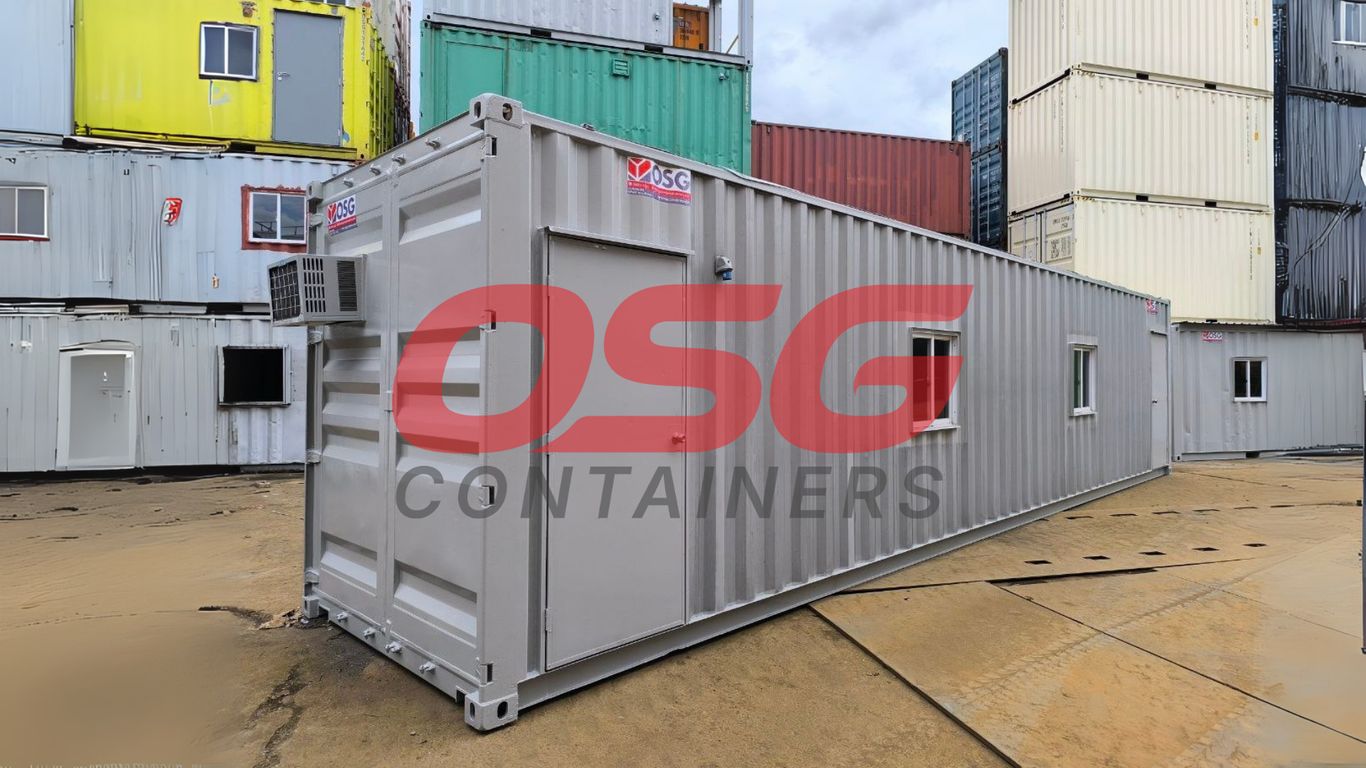
So, you’re thinking about using a 20-footer container for your next project. That’s cool, they’re pretty handy, but it’s not always as simple as just grabbing one. You’ve got to think about what you’re actually going to do with it and how it’s going to get there. There are a few things to keep in mind to make sure you don’t run into any snags. Let’s break down some of the main points you’ll want to consider before you commit.
Key Takeaways
- When planning a conversion or project, a 20 footer container offers about 160 square feet of space, which is good for smaller sites or specific uses but might feel cramped for larger jobs.
- Transporting a 20 footer container can be tricky. Sometimes they need to be paired up for rail, which can cause delays, and their weight means you need the right gear to move them around safely.
- This size container is best suited for dense, heavy items. Trying to fit bulky but light things might leave a lot of wasted space, making a larger container a better option.
- For projects like mobile labs or small stores, a 20 footer container can be a cost-effective choice, offering good security and durability for its size.
- Compared to bigger containers, a 20 footer container is easier to handle on tight job sites, but if you anticipate needing more space later, a larger option might be more economical per square foot in the long run.
Assessing Space Requirements For Your 20 Footer Container
So, you’re thinking about using a 20-foot container for your project. That’s a common choice, especially when space is a bit of a puzzle. But before you commit, let’s really get a handle on what you can fit inside and how it’s going to work on your site.
Understanding Floor Space and Volume
A standard 20-foot container gives you a decent amount of room, but it’s not endless. You’re looking at roughly 160 square feet of floor space. That might sound like a lot, but think about what you need to put in there. If you’re storing equipment, tools, or materials, you’ll want to visualize how they’ll lay out. The internal volume is around 1,170 cubic feet, which is helpful for figuring out how much can be stacked, but always remember that weight limits are just as important as space.
Here’s a quick look at the typical dimensions:
| Feature | Measurement (Approx.) |
|---|---|
| Internal Length | 19.3 ft |
| Internal Width | 7.7 ft |
| Internal Height | 7.8 ft |
| Floor Area | 160 sq ft |
| Volume | 1,170 cu ft |
Maneuverability in Confined Areas
One of the big wins for a 20-footer is its size. It’s way easier to get into tight spots than its bigger 40-foot cousin. If your job site is cramped, or if you have limited access roads, this smaller container is often the only practical option. Think about delivery trucks – a 20-footer is much less intimidating for a driver to navigate through tricky areas. This means less stress on delivery day and a better chance of getting the container exactly where you need it without a fuss.
- Easier to position on small lots.
- Less clearance needed for delivery trucks.
- More flexible placement options.
When you’re planning the placement, don’t just think about getting it onto the site. Consider how you’ll access it once it’s there. Will you need room to open doors fully? Is there space for forklifts or other equipment to work around it?
Suitability for Smaller Job Sites
For many projects, especially those in urban areas or residential settings, a 20-foot container is the go-to. It takes up less real estate, leaving more room for actual work to happen. Whether it’s a temporary workshop, a tool shed, or material storage, its compact footprint makes it a practical choice. You won’t be blocking off half the street or using up all the available space on a small build site. This efficiency in space usage can be a real game-changer for keeping your project moving smoothly.
Logistical Considerations for 20 Footer Container Transport
Getting a 20ft container where it needs to go involves a few things to think about. It’s not just about picking it up and dropping it off; there are some specific challenges and requirements that come with these handy boxes.
Challenges with Rail Transport Pairing
When you’re looking at moving your 20-foot container by train, there’s a common practice you need to be aware of. Carriers often prefer to move these containers in pairs on rail cars. This means if you’ve only got one 20ft container ready to go, it might have to wait around until another one is available to pair up with it. This can really slow things down, sometimes adding weeks to your transport timeline. It’s a bit like waiting for a bus that only leaves when it’s full, even if you’re the only one waiting.
Impact of Container Weight on Handling
Even though a 20ft container is smaller than its 40ft cousin, its weight is still a big deal when it comes to moving it. The tare weight, which is the weight of the empty container itself, is around 5,000 lbs. Add your cargo, and you can quickly reach a substantial total. Proper handling equipment is non-negotiable to avoid damage to the container, your goods, or the surrounding area. Trying to shift a loaded container without the right gear, like a heavy-duty forklift or a specialized container chassis, is a recipe for trouble. It’s always best to let the pros manage the placement.
Here’s a quick look at some weights:
| Container Size | Tare Weight (approx.) | Max Payload Capacity (approx.) |
|---|---|---|
| 20ft | 5,000 lbs (2,300 kg) | 55,000 lbs (25,000 kg) |
| 40ft | 8,300 lbs (3,750 kg) | 61,000 lbs (27,600 kg) |
Professional Equipment for Placement
When it comes to actually getting your container into its final spot, whether it’s for a conversion project or just storage, using the right equipment is key. You’ll need machinery capable of lifting and maneuvering the container safely. This might include:
- Reach Stackers: These are common at ports and rail yards and are great for stacking containers.
- Heavy-Duty Forklifts: Designed specifically for container handling, these can lift and place containers with precision.
- Tilt Trays or Roll-off Trucks: Often used for delivery and initial placement, especially on-site.
- Cranes: For more complex or elevated placement needs.
Thinking about containers for rent? While a 20ft container is often more manageable and might seem like the go-to choice for smaller sites or shorter projects, don’t forget to factor in the logistics of getting it there and positioned. The ease of moving a 20 feet container can sometimes overshadow the need for specialized equipment, but it’s still a heavy piece of machinery.
If you plan on moving the container around after it’s delivered, consider the equipment needed for that too. While a 20ft container is more manageable, frequent moves still require planning and the right tools. It’s always a good idea to discuss your site’s access and placement needs with your supplier or a logistics expert.
Cargo Suitability for a 20 Footer Container
When you’re planning a conversion project using a 20-footer, figuring out what kind of stuff it can hold is pretty important. It’s not just about fitting things in; it’s about making sure it’s the right fit for what you need to move or store.
Ideal for Dense and Heavy Items
A 20-foot container really shines when you’ve got items that pack a punch in terms of weight. Think heavy machinery, large metal components, or even bulk materials like cement. Because these containers have a lower tare weight (the weight of the container itself) compared to their larger counterparts, you can load more of your actual cargo before hitting road weight limits. This means you’re not wasting capacity on an empty container.
Optimizing Space for Machinery and Steel
If your project involves transporting or storing equipment like generators, industrial pumps, or large steel beams, a 20-footer is often a smart choice. Its dimensions are well-suited for these kinds of items, and the robust construction means it can handle the stress of heavy loads without issue. You won’t be paying for a lot of extra air space if your machinery fills up most of the container.
Weight Distribution and Loading Ease
Loading heavy items into a 20-footer can sometimes be more straightforward than into a larger container. The shorter length can make it easier to position heavy machinery using forklifts or cranes, and it helps in distributing the weight more evenly. Proper weight distribution is key to safe transport and handling, and a 20-footer can make this a bit simpler for dense cargo.
Here’s a quick look at typical weights:
| Container Type | Tare Weight (approx.) | Payload Capacity (approx.) |
|---|---|---|
| 20ft Standard | 5,000 lbs (2,300 kg) | 55,000 lbs (25,000 kg) |
| 40ft Standard | 8,300 lbs (3,750 kg) | 61,000 lbs (27,600 kg) |
While a 40-footer can carry more total weight, the 20-footer often offers a better weight-per-foot ratio for extremely dense goods, making it more efficient for certain heavy loads.
- Machinery Parts: Ideal for engines, large tools, and industrial components.
- Metal Stock: Suitable for steel bars, pipes, and fabricated metal pieces.
- Construction Materials: Good for bags of cement, aggregate, or pre-cast elements.
- Dense Goods: Works well for items like granite slabs or heavy equipment.
Conversion Project Planning with a 20 Footer Container
When you’re thinking about using a 20-foot container for a conversion project, it’s not just about the space inside. You’ve got to consider how it fits into your overall plan, especially when it comes to making it do something new, like becoming a mobile lab or a small shop. These containers are pretty adaptable, which is a big plus.
Adaptability for Mobile Labs and Stores
These containers are surprisingly good for creating on-the-go solutions. Imagine a small business needing a pop-up shop or a research team needing a field lab. A 20-footer can be outfitted with power, insulation, and custom shelving. It’s like having a portable building that you can move where the action is. Setting one up as a store means you can take it to different markets or events. For a lab, it means you can bring your equipment right to a remote site. It’s all about making your project mobile and accessible.
Cost-Effectiveness for Specific Needs
For certain projects, a 20-footer just makes financial sense. If you don’t need a massive amount of space, trying to fit your needs into a larger container is just throwing money away. You’re paying for space you won’t use, and that adds up. A 20-footer is often cheaper to buy, cheaper to transport, and cheaper to modify. It’s a smart choice when your requirements are modest but specific.
Here’s a quick look at why it can be cost-effective:
- Lower initial purchase price compared to larger containers.
- Reduced transportation costs due to smaller size and weight.
- Less material needed for modifications and insulation.
- Potentially lower site preparation costs.
Security and Durability for Site Storage
Beyond just being a space, these containers are built tough. They’re made to withstand rough seas and weather, so they’re naturally secure and durable. If you need to store valuable equipment or materials on a job site, a 20-footer offers peace of mind. It’s a locked box that’s hard to break into and can handle being out in the elements. This makes them ideal for keeping tools, sensitive electronics, or construction supplies safe when they’re not in use.
When planning a conversion, always think about the container’s original purpose. While they are strong, they were designed for shipping. Adapting them for human occupancy or specialized functions might require extra steps to ensure safety, ventilation, and structural integrity beyond their shipping role. It’s about making sure the container is suitable for its new, long-term job.
Consider these points for site storage:
- Robust steel construction deters theft.
- Weather-resistant design protects contents from rain, wind, and sun.
- Locking mechanisms can be upgraded for enhanced security.
- Stackable design allows for efficient use of limited site space if multiple units are needed.
Comparing 20 Footer Container to Larger Options
When you’re looking at conversion projects, picking the right container size is a big deal. It’s not just about getting more space; it’s about how that space works for you and your budget. The 20-footer is a solid choice for many things, but sometimes, you really need to consider what a larger container, like a 40-footer, can offer.
Cost Efficiency Per Square Foot
This is where the bigger containers often shine. While a 40-foot container costs more upfront than a 20-footer, you’re getting roughly double the usable space. This means the cost per square foot is usually lower for the 40-footer. If your project involves storing a lot of materials or creating a larger workspace, the 40-footer can be more economical in the long run.
| Feature | 20 ft Container (approx.) | 40 ft Container (approx.) |
|---|---|---|
| Floor Space | 160 sq ft | 320 sq ft |
| Volume | 1,170 cubic feet | 2,390 cubic feet |
| Cost Per Sq Ft | Higher | Lower |
Scalability for Future Growth
Think about your project’s future. If you anticipate needing more storage space down the line, or if your current project might expand, starting with a larger container makes sense. A 40-footer gives you that room to grow without having to move everything or acquire a second container later. It’s like buying a slightly bigger house now to avoid moving in a few years.
- Consider long-term needs: Will your inventory grow?
- Plan for expansion: Could your workshop become a studio?
- Avoid future hassle: One larger unit is often easier to manage than two smaller ones.
Volume-to-Weight Ratio Advantages
This is an interesting point. For projects involving bulky but not excessively heavy items, like furniture, textiles, or even modular building components, the 40-footer’s larger volume is a clear advantage. You can fit more stuff in, potentially reducing the number of trips or the need for multiple containers. However, if your cargo is extremely dense and heavy, like solid steel or large machinery, a 20-footer might be more suitable because it can handle that concentrated weight more easily without exceeding limits.
When you’re weighing your options, don’t just look at the price tag. Think about how much you can actually fit inside and how that relates to the cost. Sometimes, the ‘cheaper’ option upfront ends up costing more if you can’t fit everything you need or if you have to make extra trips.
Identifying Your 20 Footer Container
So, you’ve got your eye on a 20-footer for your project. That’s great! But before you start dreaming up all the cool things you’ll do with it, it’s a good idea to know exactly which container you’re dealing with. It’s not as simple as just grabbing any old box. They all have their own unique IDs, kind of like a social security number for steel boxes.
Understanding Standardized Marking Systems
Shipping containers aren’t just randomly stamped with letters and numbers. There’s a whole system behind it, mostly following the ISO 6346 standard. This is what makes them trackable across the globe. Think of it as the universal language for container identification. It helps everyone, from the shipping company to customs, know what they’re looking at.
Decoding Container Identification Numbers
Every container has a unique code. It usually starts with four letters that identify the owner (like a company name). Then comes a letter indicating the container’s category – ‘U’ is pretty common for freight containers. After that, you’ll see a six-digit serial number. The really neat part? There’s a final check digit. This single number is calculated from all the previous characters and acts like a built-in error checker. If someone types in the wrong number, this check digit won’t match up, flagging a potential mistake.
Here’s a breakdown of what you might see:
- Owner Code: Four letters (e.g., MAEU)
- Category Identifier: One letter (e.g., U for freight container)
- Serial Number: Six digits (e.g., 123456)
- Check Digit: One number (e.g., 7)
So, a full ID might look something like MAEU1234567.
Ensuring Accurate Tracking and Verification
Knowing these markings is super important, especially if you’re buying a used container. It tells you about its history and whether it’s still up to snuff for shipping regulations. Always double-check these markings when you’re making a purchase to avoid any nasty surprises down the road. Reputable sellers will be upfront about the container’s ID and condition. It’s all part of making sure you get the right container for your conversion project, whether it’s for a mobile lab or just secure site storage.
Wrapping Up Your 20-Footer Project
So, when you’re thinking about using a 20-foot container for your project, remember it’s not just about the size. You’ve got to consider where it’s going, how you’ll get it there, and what you’ll actually be doing with it. Sometimes, a 20-footer is perfect – easy to move, fits in tight spots, and works great for smaller jobs or specific storage needs. But if you’re planning for growth or have a lot of stuff, maybe a bigger container makes more sense in the long run. It’s all about weighing those practical limits against what you want to achieve. Don’t forget to chat with your shipping folks; they can help you figure out the best path forward so you don’t end up with a container that’s more trouble than it’s worth.
Frequently Asked Questions
What’s the biggest difference between a 20-foot and a 40-foot container?
Think of a 20-foot container like a smaller moving truck, perfect for jobs with limited space or smaller loads. A 40-foot container is like a big rig, offering much more room for your items. While both are tough, the 40-foot one can carry a lot more.
Can a 20-foot container fit in tight spots?
Yes, 20-foot containers are great for smaller job sites or areas where space is tight. They’re easier to get into tricky locations and move around compared to their larger 40-foot cousins.
What kind of stuff is best for a 20-foot container?
These containers are ideal for heavy and dense items, like machinery, steel, or tools. If your cargo is heavy but doesn’t take up a lot of space, a 20-footer is often a good choice.
Are 20-foot containers good for mobile projects?
Absolutely! Used 20-foot containers are often turned into cool things like mobile labs, small shops, or even temporary offices. They’re adaptable for many different uses on job sites.
Is a 20-foot container cheaper than a 40-foot container?
Generally, a 20-foot container has a lower starting price. However, when you look at the cost for each bit of space (like cost per square foot), a 40-foot container can sometimes be a better deal if you need a lot of room.
How do I know which container is which?
Shipping containers have a special code, like a license plate. This code usually includes letters and numbers that show who owns it, what type it is, and a unique serial number. There’s also a check number to make sure the information is correct.