Singapore
 Australia
 Indonesia
 Japan
Japan Malaysia
 New Zealand
 Philippines
 South Korea
 Taiwan
 Thailand
 VIETNAM
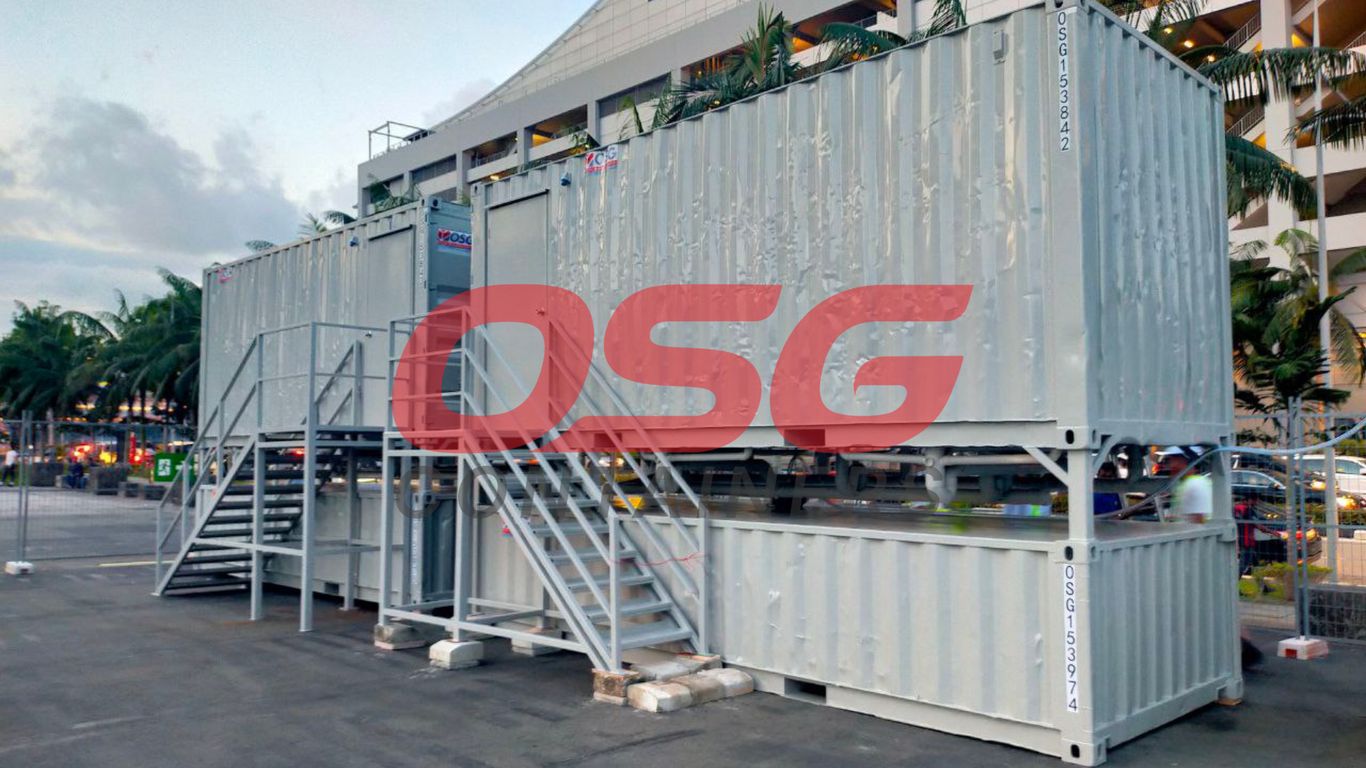
So, you’re thinking about using a 20-foot shipping container for your next project? Smart move. These things are everywhere and for good reason. They’re tough, they’re a decent size, and they don’t break the bank. But before you start dreaming about your new space, remember this: what you put it on matters. A lot. We’re talking about the foundation, the unsung hero that keeps your container build from becoming a wobbly mess. Let’s break down why that base is so important and what your options are.
Key Takeaways
- The 20-foot container is a popular choice because it’s common, versatile, and offers good value, making it great for storage or building projects.
- A strong foundation is vital for any container build to stop sinking, prevent movement, and handle moisture, especially for permanent structures like homes.
- Different foundation types exist, like strip foundations, concrete slabs, and pier foundations, each with pros and cons depending on your budget, soil, and climate.
- Modifications to a 20-foot container can affect its strength, so it’s important to consider how alterations impact load-bearing points and potential movement.
- Properly attaching the container to its foundation is key for stability, with the number of attachment points needing careful consideration, often requiring professional advice.
The Ubiquitous 20 Foot Container
A Versatile Standard Size
The 20-foot container, often called a TEU (Twenty-foot Equivalent Unit), is the workhorse of global shipping. Its standardized dimensions make it incredibly common and easy to handle. This means they’re readily available, whether you’re looking for new or used units. Because they’re so common, you won’t need to pay extra for custom cutting, saving you time and money right from the start. This widespread availability and ease of transport are key reasons why the 20ft container is such a popular choice for building projects.
Value and Accessibility
When you compare the cost per square foot, the 20ft container often comes out as the best value. It’s a cost-effective way to get a secure, durable structure. Think of it as a blank canvas. You can use it as a simple storage unit, or you can modify it with extras like insulation or shelving. For many people, it’s a much simpler and cheaper alternative to building a traditional shed, garage, or even a small office. Plus, they’re designed to be moved easily by trucks, trains, and ships, so getting one to your site is usually straightforward.
Beyond Traditional Structures
People are increasingly looking for smart, sustainable ways to add space. Whether it’s for a home office, a workshop, or just extra storage, the 20 foot container offers a solution. Unlike a permanent building that requires lengthy construction, a container can be delivered and set up relatively quickly. It’s a flexible option that can be adapted to many different needs. You’d be surprised how much a simple container can be transformed with a bit of creativity and some basic modifications.
Foundation Fundamentals For Container Builds
Why A Solid Base Is Crucial
Putting a shipping container down without a proper foundation is like building a house on sand – it might look okay for a bit, but eventually, things are going to get wobbly. These containers are tough, but the ground beneath them isn’t always. Soil can shift, expand, contract, and get soggy, especially with changes in weather or moisture. A good foundation spreads the container’s weight out, stopping it from sinking unevenly into the dirt. This keeps your container level, prevents the steel frame from twisting, and stops water from pooling around the base, which can lead to rust. It’s the first step to making sure your build is stable and lasts a long time.
Understanding Soil And Climate Factors
Before you even think about pouring concrete, you’ve got to get to know your site. Different soils behave differently. Sandy soil might drain well but can be less stable. Clay soil can expand a lot when wet and shrink when dry, causing movement. You’ll also want to consider your climate. If you get a lot of freezing and thawing, your foundation needs to go below the frost line to prevent heaving. Heavy rain means you need to think about drainage to keep water away from the container’s base. High winds or earthquake zones might require extra anchoring. Basically, what works in Arizona might not fly in Alaska.
Here’s a quick look at how soil type can affect things:
| Soil Type | Characteristics |
|---|---|
| Sand | Drains well, generally stable if compacted |
| Clay | Expands/contracts with moisture, can be unstable |
| Loam | Good balance of drainage and stability |
| Fill | Varies greatly, often needs testing and compaction |
The Role Of Site Assessment
So, you’ve looked at the soil and thought about the weather. Now, you need to do a proper site assessment. This means checking the land’s slope – you don’t want water running towards your container. You’ll want to see if there are any underground utilities you need to avoid. It’s also a good idea to check local building codes; they often have specific requirements for foundations, especially for habitable structures. Sometimes, you might need a professional to come out and test the soil’s load-bearing capacity. This isn’t just about making sure the container doesn’t sink; it’s about making sure your whole build is safe and meets any regulations.
Skipping a thorough site assessment is a gamble. You might save a little time upfront, but the potential for costly repairs or structural issues down the line is significant. It’s better to know what you’re dealing with before you start digging.
Choosing The Right Foundation Type
So, you’ve got your 20-foot container, and now it’s time to think about where it’s going to sit. This isn’t just about plopping it down; it’s about giving it a solid base so it doesn’t shift or settle weirdly over time. Picking the right foundation is a big deal, honestly. It’s like choosing the right shoes for a long hike – you want something sturdy and appropriate for the terrain.
Strip Foundations For Continuous Support
Strip foundations are basically long, continuous lines of concrete. Think of them like a concrete belt running under the walls of your structure. For container builds, this usually means pouring concrete strips where the container’s edges will rest. They’re good for distributing weight evenly along a line, which can be helpful if your container is going to have walls or other elements built along its sides. They offer more support than just a few points, but they can be a bit more involved to install than some other options.
Concrete Slabs For Permanent Placement
A concrete slab is pretty much what it sounds like: a big, flat, solid piece of concrete poured directly onto the ground. This is often seen as a more permanent solution. The entire container sits on top of this slab, meaning the weight is spread out over a large area. This is great for stability, especially if you’re planning on doing a lot of interior work or adding heavy features. However, it’s also usually the most expensive and labor-intensive option upfront. Plus, you lose out on airflow underneath the container, which might be a consideration depending on your climate and how you plan to use the space.
Pier Foundations: A Cost-Effective Option
Pier foundations are a popular choice, and for good reason. Instead of a continuous pour, you have individual concrete piers (or columns) that support the container at specific points. These are often dug down to more stable soil layers. They’re generally less material-intensive than a full slab, making them a more budget-friendly choice. They also allow for good airflow underneath the container, which can help prevent moisture issues. You’ll need to make sure the piers are spaced correctly and are strong enough to handle the load, though.
Here’s a quick look at how some common foundation types stack up:
| Foundation Type | Typical Cost | Best Soil Type | Airflow Underneath |
|---|---|---|---|
| Concrete Piers | Low | Stable / Rocky | Excellent |
| Concrete Slab | High | Flat / Sandy | None |
| Strip Foundation | Moderate | Firm Soil | Limited |
When you’re picking a foundation, think about the long haul. It’s the base of your whole project, and changing it later is a real headache. So, take your time, consider the soil, the weather, and your budget. It’s better to get it right the first time around.
Structural Integrity And Container Modifications
Shipping containers are tough, no doubt about it. They’re built to handle rough seas and heavy cargo. But when you start cutting into them for windows, doors, or to connect them with other containers, you’re changing their original design. Think of it like taking a bite out of a strong cookie – it’s not quite as solid anymore. This is where understanding how the container handles weight and movement becomes super important.
Addressing Load Bearing Points
Containers are engineered to take weight primarily at their four corner castings. This is how they’re designed to be stacked and moved. When you modify a container, you might be removing some of these strong points or creating new openings that don’t have the same support. It’s like removing a leg from a table; you need to make sure the remaining legs can still hold everything up.
The Impact Of Alterations
Every cut you make, whether it’s for a window, a door, or even an internal wall, can affect how the container’s frame holds up. To compensate for these changes, builders often add steel framing around the new openings. This helps to put back some of the strength that was lost. However, it’s not always a perfect replacement for the original structure. Joining multiple containers also changes how loads are distributed, especially if they’re not stacked directly on top of each other.
Minimizing Deflection And Movement
Even a perfectly intact container will flex a little under load. This is called deflection. For a standard container, this movement is usually minimal and not noticeable. But with modifications, or with longer containers, you might notice a bit more give, especially if you’re putting heavy things inside or if the foundation isn’t perfectly stable. It’s not necessarily a sign of failure, but it’s something to be aware of. Too much movement can make doors stick or windows hard to open.
Here’s a quick look at how modifications can affect things:
| Modification Type | Potential Impact on Structural Integrity |
|---|---|
| Window/Door Cutouts | Weakens frame; requires reinforcement |
| Joining Containers | Alters load distribution; may need extra support |
| Adding Interior Walls | Can create new load paths or block existing ones |
| Stacking Containers (non-aligned) | Requires careful load transfer calculations |
When you start altering a container, you’re essentially turning it into a custom structure. While containers are strong, they aren’t designed like traditional houses with continuous load-bearing walls. You need to think about how the weight of the roof, floors, and everything inside will be transferred down to the foundation, especially after you’ve made changes.
It’s not just about making sure the container doesn’t fall over. It’s also about making sure it stays square and level. Even small shifts can cause problems down the line, like making it hard to install finishes or causing doors and windows to bind. That’s why paying attention to how you reinforce cuts and how the container connects to its foundation is so important for the long-term health of your build.
Foundation Attachment Considerations
So, you’ve got your container sitting pretty on its foundation. Great! But how do you make sure it stays put, especially when Mother Nature decides to throw a tantrum? This is where the attachment method really matters. Just letting a container sit on blocks, relying on its sheer weight, might seem like a quick fix, but it’s not the most secure. Think about heavy winds or even a flood – that massive box could end up somewhere it shouldn’t be.
Securing Your Container
The goal is to tie your container down so it acts as one with the foundation, resisting forces that could shift or lift it. This isn’t just about preventing a disaster scenario; it’s about long-term stability. Even minor shifts over time can cause stress on the container’s structure and any modifications you’ve made. We’re talking about making sure your build stays put, year after year.
Number of Attachment Points
How many connection points do you actually need? It’s a bit of a head-scratcher, honestly. On one hand, empty containers are built tough, designed to carry a lot of weight. But here’s the thing: most container builds involve cutting holes for windows, doors, or even joining multiple containers together. Every cut weakens the original steel frame. While you can reinforce these openings, you’ve changed the container’s original load-bearing path. Plus, if you’re stacking containers in a way that doesn’t create a direct line of support down to the foundation, that adds another layer of complexity. It’s not just about the weight the container can hold, but how it distributes that weight and resists external forces.
Professional Engineering Input
Look, I’m all for DIY, but when it comes to making sure your home doesn’t become a projectile in a storm, it’s wise to get a professional opinion. Especially if your build is in an area known for extreme weather like heavy snow, hurricanes, or even earthquakes, or if you’re doing something a bit unusual like large roof overhangs or cantilevers. Sometimes, the standard recommendations just won’t cut it. A structural engineer can look at your specific site, your container modifications, and the local environmental factors to give you solid advice. They can help calculate the loads and specify the right type and number of attachments needed. It might cost a bit upfront, but it’s a small price to pay for peace of mind and the safety of your structure.
Attaching your container securely is about more than just bolting it down. It’s about understanding how forces like wind, snow, and even ground movement will interact with your modified structure and its foundation. Getting this right means your container home will be safe and sound, no matter what the weather throws at it.
The 20 Foot Container As A Building Block
Scalability and Adaptability
The 20 feet container isn’t just a box; it’s a starting point. Its standard size and robust construction make it incredibly adaptable for all sorts of projects. Think of it as a Lego brick for grown-ups. You can use one on its own for a small workshop or office, or you can link them up to create something much bigger. This ability to grow with your needs is a huge part of their appeal.
Joining and Stacking Options
One of the coolest things about these containers is how easily they can be combined. You can place them side-by-side, removing the internal walls to create wider open spaces. Or, you can stack them up, using those handy corner castings that are built right in. This stacking capability is what allows for multi-story designs, really maximizing your footprint.
Here’s a quick look at how they can be combined:
- Side-by-Side: Remove interior walls for a larger, single-level space.
- Stacked: Create multi-level structures, ideal for maximizing vertical space.
- Combined: A mix of both, allowing for complex and custom layouts.
Customization for Evolving Needs
What’s great is that a 20 feet container can change with you. Need more space later on? No problem. You can add another container. Or maybe your needs change entirely. You can add windows, doors, insulation, or even a different kind of cladding to make it look less like a shipping container and more like a permanent structure. It’s all about making the space work for you, now and in the future.
Wrapping It Up
So, when you look at a 20-foot container, it’s easy to just see a metal box. But as we’ve talked about, these things are way more than that. They’re tough, they’re everywhere, and honestly, they’re a pretty smart starting point for all sorts of projects, big or small. Whether you’re building a backyard shed, a cool office space, or even a whole house, that 20-footer gives you a solid base to work from. It’s not just about saving a few bucks, though that’s nice too. It’s about having something reliable that you can really make your own. They’re a simple idea, but they sure do make a lot of building projects a whole lot easier to get off the ground.
Frequently Asked Questions
Why is the 20-foot container so popular for building projects?
The 20-foot container is a favorite because it’s a standard size that’s easy to find and buy. It’s a good balance between having enough room and being manageable to move and work with, making it a cost-effective choice for many projects.
Do I really need a special foundation for a shipping container build?
Yes, a strong foundation is super important! Shipping containers are heavy, and the ground underneath can shift. A good foundation keeps your container level, stops it from sinking, and makes sure your whole build stays strong and safe for a long time.
What are the main types of foundations for container homes?
Common choices include concrete slabs, which offer a solid base, strip foundations that run in lines under walls, and pier foundations, which are like sturdy columns. The best one for you depends on your land, budget, and the kind of container structure you’re building.
Can I just cut holes in the container for windows and doors?
You can, but you need to be careful. Cutting into the container’s walls can weaken its structure. It’s usually best to add extra support, like steel beams, around any openings you make to keep the container strong.
How do I make sure the container is securely attached to the foundation?
Containers are typically attached to the foundation using bolts or specialized brackets. The number of attachment points needed can vary, but it’s often recommended to have more for larger or modified containers to ensure they stay put, especially in windy areas.
Can I add more containers to my project later?
Absolutely! One of the great things about 20-foot containers is how easy they are to expand. You can join them side-by-side to make a wider space or stack them to build upwards, making your project adaptable as your needs change.