Singapore
 Australia
 Indonesia
 Japan
Japan Malaysia
 New Zealand
 Philippines
 South Korea
 Taiwan
 Thailand
 VIETNAM
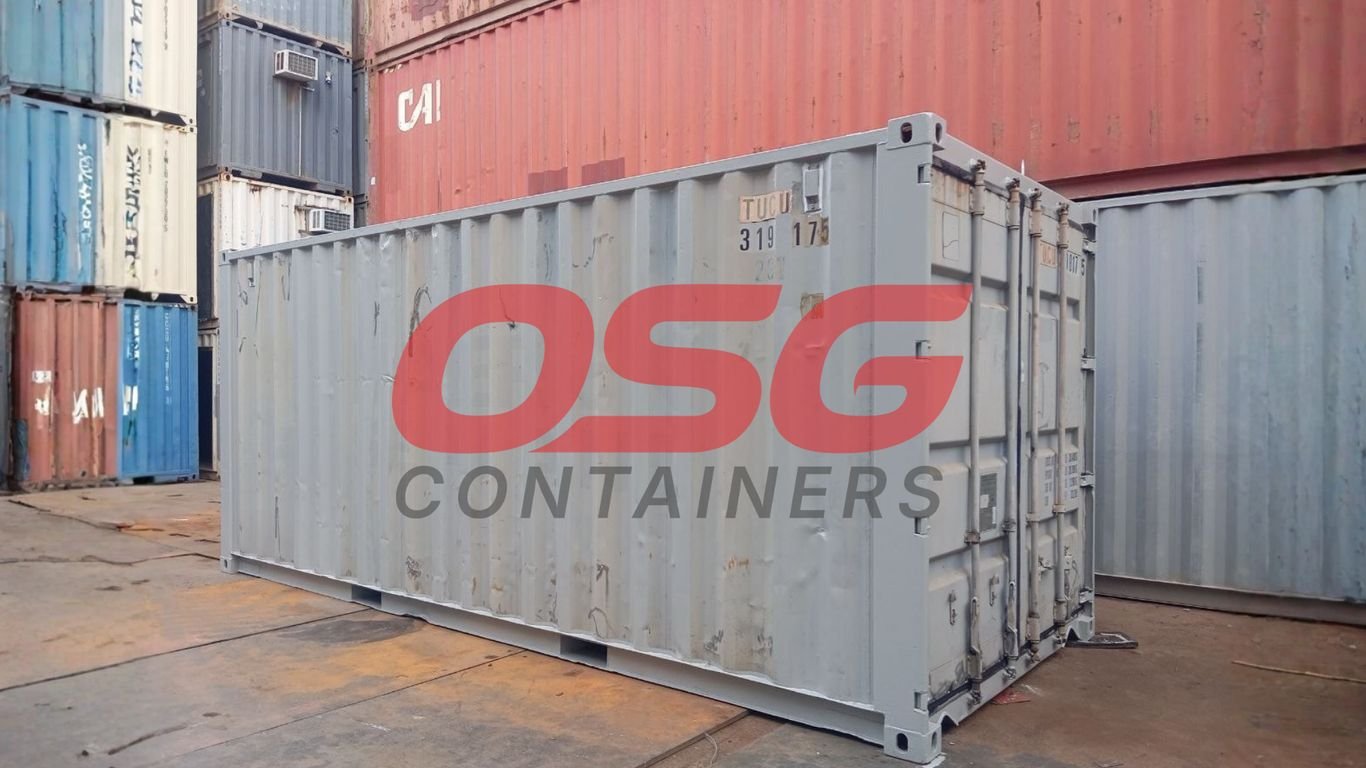
Ports are busy places, always moving goods around the world. Lately, they’ve been getting a lot of attention. Things changed a lot during the pandemic, and now ports are working hard to keep up. They’re making big upgrades to handle more cargo containers and get them where they need to go, faster and better. It’s a massive effort to modernize these vital hubs.
Key Takeaways
- Ports across the U.S. are making significant upgrades to their facilities and technology to handle the growing number of cargo containers, especially after the surge in demand seen during the pandemic.
- Investments are focused on improving efficiency, including expanding rail connections, managing chassis, and adopting automation and new technologies for handling cargo containers.
- Many ports are looking to the future by planning for increased cargo volumes, diversifying their supply chains, and focusing on long-term infrastructure development for cargo container movement.
- Several major port projects are underway, like channel expansions and terminal developments, aimed at increasing capacity and improving the flow of cargo containers.
- Environmental concerns are also a growing focus, with ports investing in ways to reduce pollution and emissions related to cargo container operations, such as cleaner trucking initiatives.
Modernizing Port Infrastructure for Increased Cargo Container Throughput
The past few years have really put our ports to the test, haven’t they? When demand for goods shot up unexpectedly, many ports found themselves handling volumes they thought were years away. It was a scramble, and while folks worked hard to keep things moving, it also showed us where the weak spots are. We’re talking about aging docks, channels that aren’t deep enough for today’s massive ships, and systems that just aren’t built for this kind of constant, high-volume traffic.
Upgrading Facilities for Pandemic-Driven Demand
That surge in cargo during the pandemic was a wake-up call. Ports that might have been planning upgrades over a decade or two suddenly had to think about doing it now. It wasn’t just about having enough space; it was about having the right equipment and the right layout to handle the sheer number of containers coming through. Some ports saw their projected volumes arrive five, even seven years ahead of schedule. This meant a lot of quick thinking and hard work to avoid even worse backups.
Investing in Automation and Technology
To keep up, ports are looking at new ways to work smarter, not just harder. This includes things like automated cranes and yard equipment. The idea is to make operations faster and more predictable, even when demand fluctuates wildly. Think about it: if machines can handle some of the repetitive tasks, human workers can focus on more complex issues. It’s about making the whole process more efficient and, hopefully, safer too.
The pressure to move more goods faster means ports can’t just rely on old methods. They need to adopt new technologies that can handle the increased flow and adapt to changing needs.
Addressing Aging Docks and Channels
This is a big one. A lot of port infrastructure is, frankly, old. We’re talking about docks and piers that have been around for decades, showing their age with corrosion and reduced load capacity. Plus, the ships themselves are getting bigger. To accommodate these giants, channels need to be deeper and wider. It’s a massive undertaking, requiring significant investment to repair, replace, and build new facilities that can handle the ships and cargo of today and tomorrow. It’s not just about keeping up; it’s about staying competitive on the global stage.
Strategic Investments in Cargo Container Handling Capabilities
Expanding Rail Connections and Chassis Management
Ports are really digging into making sure cargo can move smoothly once it leaves the ship. A big part of this is beefing up rail connections. Think of it like adding more train tracks so containers can get to their inland destinations faster. Many ports are expanding their rail yards, which means they can handle more trains at once and load/unload them quicker. This is super important for getting goods out of the port and reducing that dreaded congestion.
Then there’s the whole chassis situation. You know, those wheeled frames that containers sit on to be moved around the port and onto trucks or trains? Making sure there are enough of them, and that they’re in good working order, is a constant challenge. Ports are investing in better chassis management systems, sometimes even building their own repair facilities, to keep these essential pieces of equipment available and ready to roll. Without enough working chassis, everything else grinds to a halt.
Enhancing Terminal Efficiency and Capacity
Ports are also looking at how to make their actual terminal space work harder. This involves a few things. They’re adding more space for containers to be stacked, which sounds simple but makes a huge difference in how many boxes can be stored. They’re also bringing in bigger, faster cranes that can lift containers on and off ships more quickly. Some terminals are even being redesigned to handle two of the world’s largest ships at the same time. It’s all about squeezing more out of the existing footprint and making the whole process faster.
Here’s a quick look at what some ports are doing:
- Port of Long Beach: Doubling its rail yard size to handle three times the on-dock rail volume.
- Port of Savannah: Transforming a terminal into a container-only facility, aiming for a capacity of 2 million TEUs annually.
- Port of Houston: Widening and deepening its ship channel to allow for more vessel traffic and reduce delays.
The goal here is pretty straightforward: move more containers, faster, with fewer hiccups. It’s about making the port a more reliable and efficient gateway for global trade.
Focusing on Zero-Emission and Autonomous Operations
Looking ahead, there’s a big push towards greener and smarter operations. This means investing in equipment that doesn’t pollute, like electric cranes and trucks. Some ports are setting up charging stations for these electric trucks, which are a big part of moving containers from the port to local warehouses.
There’s also talk about autonomous operations. Imagine self-driving vehicles moving containers around the terminal or even automated cranes working around the clock. While this is still in the early stages for many ports, the idea is to improve safety and efficiency even further. It’s a long-term vision, but one that many ports are starting to explore through pilot programs and research.
The Evolving Role of the Cargo Container in Global Trade
Meeting Future Cargo Volume Projections
So, the big question is, what’s next for cargo containers and global trade? We saw a massive surge during the pandemic, right? Ports were slammed, and things got pretty backed up. Now, things are calming down a bit, but that doesn’t mean the pressure is off. Shipping companies and ports are looking ahead, trying to figure out how to handle even more goods in the coming years. It’s not just about having enough ships; it’s about making sure the whole system, from the moment a container leaves a factory to when it reaches its final stop, can keep up.
The goal is to build systems that can flex and adapt, not just handle the current load but also whatever comes next.
Diversifying Supply Chains Through Port Strategies
Remember how everyone was talking about supply chain issues? Well, a big part of that was relying too much on just a few places. Now, companies are realizing they need to spread things out. This means looking at different ports, not just the usual suspects on the West Coast. East Coast and Gulf Coast ports are getting more attention, and that’s changing how goods move around. It’s like not putting all your eggs in one basket, but for shipping.
- Shifting Carrier Preferences: More shipping lines are looking at East Coast ports to avoid West Coast congestion and costs.
- Infrastructure Investment: Ports are upgrading to handle larger ships and more containers, making them attractive alternatives.
- Resilience Planning: Companies are actively seeking ways to make their supply chains less vulnerable to disruptions.
The Importance of Long-Term Infrastructure Planning
Building and improving ports isn’t a quick fix. These projects take years, sometimes decades, from the drawing board to completion. That’s why planning ahead is so important. Ports need to think about what kind of cargo volumes they’ll see in 5, 10, or even 20 years and build the facilities to match. This includes everything from deeper channels for bigger ships to better connections for trucks and trains.
Planning for the future of cargo movement means looking beyond immediate needs. It requires foresight to invest in infrastructure that will support economic growth and trade for decades to come, adapting to new technologies and changing global demands.
Here’s a look at some projected cargo volume changes:
| Year | Projected TEUs (Millions) |
|---|---|
| 2025 | 55 |
| 2030 | 62 |
| 2035 | 70 |
Note: These are illustrative projections and actual volumes may vary.
Key Port Projects Enhancing Cargo Container Logistics
Ports across the nation are busy with projects to handle more shipping containers and move them faster. It’s not just about building bigger docks; it’s about smarter systems and better connections.
Port of New York and New Jersey’s Corridor Improvements
The Port of New York and New Jersey is working on its Port Street Corridor Improvement project. This aims to update a main road leading into Port Newark and the Elizabeth Port Authority Marine Terminal. The goal is to make getting in and out of the port smoother and safer for trucks. They’ve also added a new charging station for electric drayage trucks at Port Newark, recognizing that these trucks are a big part of the port’s emissions.
Port of Houston’s Ship Channel Expansion
Known as Project 11, the Port of Houston is widening its ship channel from 530 feet to 700 feet and deepening parts of it. This work, expected to wrap up in 2029, means bigger ships can get through more easily and at more times of the day. This is a big deal for a port that already sees a lot of ship traffic and handles a huge amount of cargo by weight.
Ports of Long Beach and Los Angeles’ Terminal Developments
These neighboring ports are making big moves. The Port of Long Beach is doubling its rail yard size, which will significantly increase how much cargo can be moved by train right at the dock. They’re also expanding a terminal to create more space for containers and build a new wharf that can handle two massive cargo ships at once. Over in Los Angeles, plans are in the works for a brand-new container terminal designed for the largest ships out there, aiming to boost efficiency and throughput for years to come.
These projects are about more than just increasing capacity; they’re about making the entire supply chain more reliable and efficient. By investing in infrastructure, ports are preparing for future trade volumes and ensuring goods can move without unnecessary delays.
Here’s a look at some of the key improvements:
- Rail Connectivity: Expanding on-dock rail yards to move containers directly from ship to train, cutting down on truck traffic.
- Terminal Space: Increasing the area for storing containers, allowing ports to handle more volume and larger vessels.
- Channel Depth and Width: Dredging and widening waterways to accommodate the ever-growing size of modern cargo ships.
- Roadway Upgrades: Improving access roads for drayage trucks, including better traffic flow and safety features.
Environmental Considerations in Cargo Container Operations
Reducing Pollution at Berth
Ports are increasingly focused on cutting down pollution that comes from ships while they’re docked. Think about it: ships often run auxiliary engines just to keep things powered up when they’re not moving. These engines can put out a lot of stuff into the air. So, ports are looking at ways to make this better. Some places are bringing in shore power, which lets ships plug into the local electricity grid instead of running their own engines. It’s a big step towards cleaner air right at the docks. California, for example, has rules that require certain types of ships to control their emissions when they’re sitting idle.
Investing in Carbon Emission Reductions
Beyond just what happens when a ship is tied up, there’s a broader push to cut carbon emissions across the board. This involves looking at everything from the fuel ships use to the equipment operating on the docks. Some ports are exploring cleaner fuels or even electric power for their own operations. The goal is to lower the overall carbon footprint of moving goods. It’s not just about meeting regulations; it’s also about responding to what customers and the public expect.
Sustainable Drayage Trucking Initiatives
Once cargo containers leave the ship, they need to get to their next stop, and that’s often done by trucks. This part of the process, called drayage, can also create pollution. So, there’s a growing effort to make drayage more sustainable. This includes encouraging the use of electric or other low-emission trucks. Some ports are even setting up charging infrastructure to support these cleaner vehicles. It’s all part of a bigger picture to make the entire journey of a cargo container as green as possible.
The push for greener port operations isn’t just about following rules; it’s becoming a competitive advantage. Companies are increasingly looking at the environmental impact of their supply chains, and ports that can demonstrate strong sustainability practices are more attractive partners. This means investing in cleaner technologies and processes is not just good for the planet, but also good for business in the long run.
Expanding Cargo Container Capacity and Competitiveness
Ports across the nation are making big moves to handle more cargo and stay ahead of the game. Think of it like upgrading your house – you need more space and better tools if you’re expecting more guests, right? Well, ports are doing the same, but with massive amounts of goods.
Port of Charleston’s Rail and Wharf Expansion
The Port of Charleston is really going all out to keep its spot as a top container port. They’re not just adding a little here and there; they’re talking about a major overhaul. The new Leatherman Rail Facility, set to open soon, will be a powerhouse, capable of handling a million rail lifts each year. That’s a lot of containers moving on and off trains. Plus, they’re extending the wharf at the Leatherman Terminal. This means more room for those giant ship-to-shore cranes that load and unload ships. It’s all about making sure they can handle bigger ships and more cargo, whether it’s a standard 20ft container or a larger 40 ft container.
- Building a dedicated road: A mile-long road just for trucks moving between the port and the rail yard will help keep traffic flowing smoothly, away from regular highway traffic.
- More crane space: Extending the wharf by 1,600 feet means space for five more ship-to-shore cranes.
- Future-proofing: These upgrades are designed to meet expected cargo increases for decades.
The goal is simple: make it easier and faster to move goods. This means less waiting time for ships and trucks, and ultimately, a more reliable flow of products to and from the port.
Port of Savannah’s Container-Only Terminal Transformation
Savannah is also making waves, focusing on a container-only terminal. This specialization helps streamline operations. By dedicating an entire terminal just for containers, they can optimize everything from crane movements to truck traffic. It’s about creating a super-efficient hub that can process a huge volume of containers, including both 20ft container and 40 ft container units, without the mix of other cargo types.
Port of Virginia’s Deepest and Widest Channel
Down in Virginia, the focus is on the water itself. They’ve been working on making their shipping channel the deepest and widest it can be. This allows the largest ships in the world to come and go without any issues. Think of it as widening the highway for massive container ships. A deeper, wider channel means bigger vessels can dock, carrying more cargo in a single trip. This directly boosts the port’s capacity and makes it more attractive to shipping lines looking for efficiency and scale.
| Project Aspect | Improvement |
|---|---|
| Channel Depth | Deepest in the region |
| Channel Width | Widest in the region |
| Ship Capacity | Accommodates largest global container ships |
| Impact on Competitiveness | Increased cargo volume potential |
Cargo Container Movement and National Defense
Strategic Seaports Supporting Military Deployments
Our ports aren’t just about moving everyday goods; they’re also a big deal for national defense. The U.S. Department of Defense has actually named fifteen commercial seaports as “Strategic Seaports.” Think of these places as key hubs that can quickly get military equipment and personnel where they need to go. They often have large open areas for staging equipment, good connections to train lines, and the ability to handle all sorts of cargo, not just standard container 20 ft boxes. This capability is super important when the military needs to ramp up operations quickly, like during past deployments overseas where combat vehicles and aircraft were loaded up at these very ports.
Utilizing Port Capabilities for Emergency Relief
Beyond military needs, these same port facilities are lifelines during national emergencies. When natural disasters strike, agencies like FEMA can rely on these ports to get essential supplies and aid into affected areas. The infrastructure that supports moving large volumes of goods for trade can be rapidly repurposed to deliver relief supplies, food, and equipment. It’s a testament to the flexibility of port operations that they can switch gears from commercial shipping to humanitarian aid so effectively.
Balancing Commercial Shipping with Military Needs
Here’s where things get a bit tricky. As commercial shipping continues to grow, and ports handle more and more container traffic, there’s a potential strain on the resources that the military relies on. Those large staging areas and rail connections that are vital for defense operations can get crowded with commercial cargo. It’s a constant balancing act to make sure that while we’re keeping global trade flowing, we’re also maintaining the readiness and capacity needed for national security. Finding ways to manage this dual use is key to keeping both our economy and our defense strong.
- Staging Areas: Sufficient space is needed to gather military equipment and personnel before deployment.
- Rail Connectivity: Direct and efficient rail links are vital for moving heavy military assets inland or to other staging points.
- Cargo Handling: Ports must be equipped to handle diverse military equipment, which may not always fit neatly into a standard container 20 ft.
- Workforce Skills: Specialized labor is required for loading and securing military hardware.
Looking Ahead
So, it’s pretty clear that cargo containers aren’t just sitting around at the docks anymore. Ports all over are busy upgrading and expanding, trying to keep up with how much stuff we all want to buy. It’s a huge job, with lots of concrete and steel, but also a lot of planning to make sure everything keeps moving. From making channels deeper to adding more rail lines and even thinking about cleaner ways to move goods, the whole system is changing. It’s not just about getting things from ships to trucks; it’s about building a more reliable way to get goods where they need to go, for years to come.
Frequently Asked Questions
Why are ports making big changes right now?
During the pandemic, a lot more goods needed to be shipped, and ports got super busy, busier than expected. This showed that some ports needed to be updated and made bigger to handle all the stuff. Now, ports are investing in new equipment and technology to make sure they can handle even more cargo in the future and do it faster.
What kind of upgrades are ports doing?
Ports are doing a lot of things! They’re making docks stronger, digging channels deeper so bigger ships can fit, and adding more train tracks to move goods away from the port quickly. Some are also using robots and smart technology to help load and unload ships and trucks more efficiently.
Are ports trying to be cleaner for the environment?
Yes, many ports are working on being more eco-friendly. They’re looking for ways to reduce pollution from ships while they’re docked and are exploring cleaner ways for trucks to move goods to and from the port, like using electric trucks.
How do these port changes help regular people?
When ports work better and faster, it helps get products to stores quicker and sometimes at a lower cost. It also means that if there’s a problem somewhere else in the world, we have more options for getting our goods because ports are prepared for different situations.
What’s the deal with automation at ports?
Automation means using machines and computers to do jobs that people used to do, like moving containers around. It can make things faster and safer, but it’s also a big change for the workers. Ports are trying to find a balance between using new technology and keeping their workers happy.
Why are some ports important for the military?
Some ports are called ‘Strategic Seaports’ because they are really important for the country’s defense. They have big areas to gather military equipment and good connections to trains, which helps the military move soldiers and supplies when needed, like during emergencies or when sending troops overseas.