Singapore
 Australia
 Indonesia
 Japan
Japan Malaysia
 New Zealand
 Philippines
 South Korea
 Taiwan
 Thailand
 VIETNAM
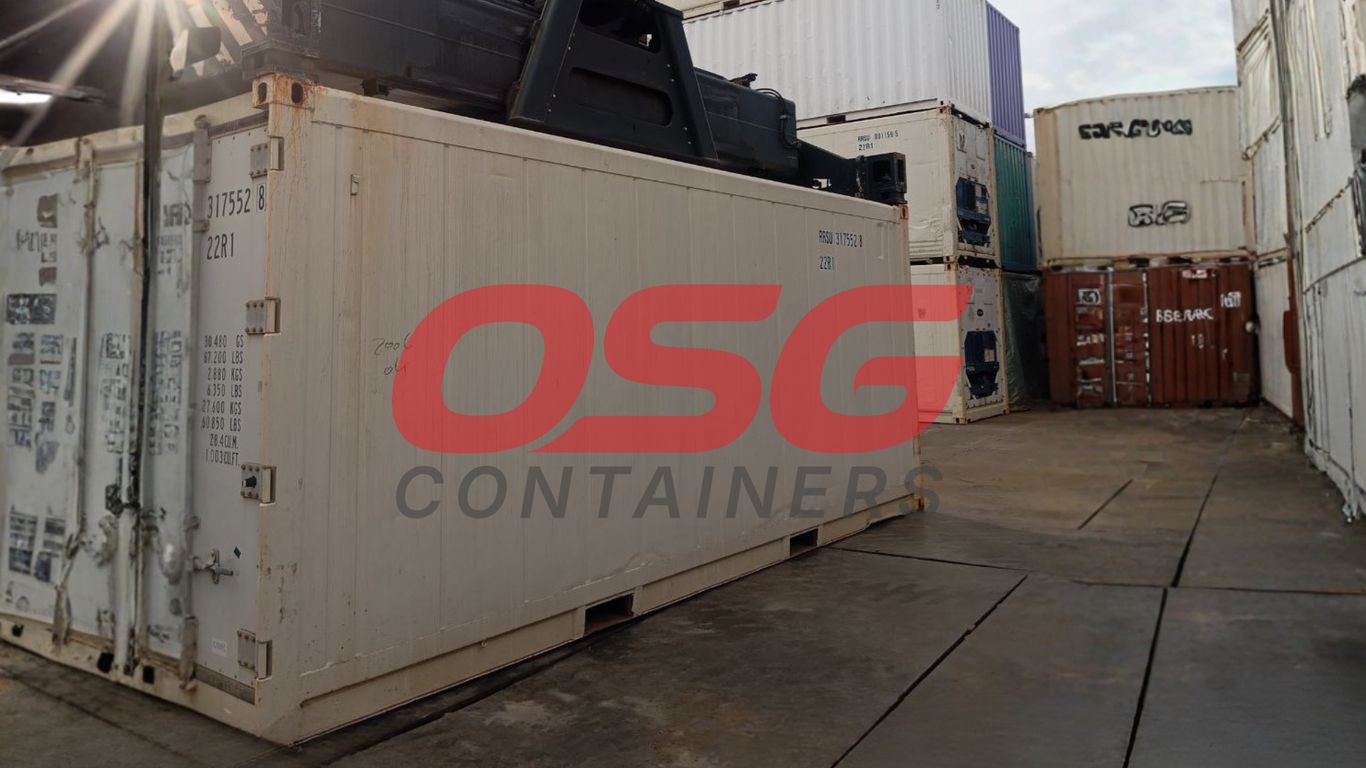
You see them everywhere, right? Those metal boxes stacked high on ships or sitting in yards. The 20 feet container is kind of a big deal in shipping, and for good reason. It’s not the biggest, and it’s not the smallest, but it seems to hit a sweet spot for a lot of people. This article is going to look at why that is, digging into how it manages to balance being easy to use, not too expensive, and still hold a decent amount of stuff. We’ll break down what makes this particular container size so popular and useful for so many different jobs.
Key Takeaways
- The 20 feet container is a standard size, measuring 20 ft x 8 ft x 8.5 ft, offering about 33 cubic meters of space. This makes it a versatile option for many types of cargo.
- It’s ideal for goods that are heavy or high-value, as they often reach weight limits before volume limits. Its smaller size also helps it navigate roads and rail networks more easily.
- Shipping costs for a 20 feet container are influenced by base freight rates, fuel adjustments, currency changes, and terminal fees. Planning ahead, especially during peak seasons, can help manage these costs.
- For shipments that don’t fill the entire container, choosing between Full Container Load (FCL) and Less Than Container Load (LCL) depends on the volume and weight of your goods. Calculators can help make this decision.
- Proper packing, using materials like ISPM-15 pallets, moisture control, and secure loading are important for safe transit and customs clearance. Hazardous materials require specific handling and labeling.
Understanding the 20-Feet Container’s Dimensions and Capacity
Standardized Dimensions for Global Interoperability
The 20-feet container, often called a ‘twenty-footer’, is a global standard for a reason. It’s built to strict ISO specifications, meaning it fits pretty much anywhere in the world’s shipping infrastructure. Think of it like a universal adapter for cargo. Its external measurements are pretty fixed: 20 feet long, 8 feet wide, and 8.5 feet high. This standardization is what makes intermodal transport – moving goods between ships, trains, and trucks – so smooth. You don’t have to worry about whether a container will fit on a specific ship or truck; if it’s a standard 20 ft container, it’s designed to.
Usable Volume: A Sweet Spot for Shippers
While the outside dimensions are standard, what really matters to shippers is the inside space. A typical 20 ft container offers about 33 cubic meters of volume. This amount hits a sweet spot for many types of cargo. It’s not so big that you’re paying for a lot of empty space if you don’t have a full load, but it’s large enough to carry a decent amount of goods. This balance between size and capacity makes the 20-foot container incredibly popular for small to medium-sized shipments. It’s often more cost-effective than its larger 40-foot cousin when your cargo doesn’t quite fill that up.
Internal Dimensions and Pallet Configurations
Getting the most out of your 20 ft container means knowing how to pack it efficiently. The internal space is roughly 5.9 meters long, 2.35 meters wide, and 2.39 meters high. How you arrange your goods, especially if you’re using pallets, makes a big difference. Here’s a general idea:
- Euro Pallets (1.2m x 0.8m): You can typically fit around 11 Euro pallets inside, often loaded alternately lengthwise and crosswise to maximize space.
- US Standard Pallets (40in x 48in): For these, you can usually fit about 10 pallets, arranged in two neat rows.
It’s always a good idea to plan your loading carefully. Sometimes, oddly shaped items can make standard pallet counts tricky. Using online calculators can help you figure out if everything will fit before you even start packing.
The tare weight, or the weight of the empty container itself, is around 2,300 kg. Most shipping lines set a maximum gross weight limit, often around 28 metric tons (about 25,400 kg payload). Always check the specific limits for your carrier and any local road weight restrictions to avoid issues.
Cargo Suitability and Operational Advantages
Ideal Cargo Types for the 20-Feet Container
The 20-feet container works best for cargo that’s heavy, dense, or doesn’t take up a huge amount of space. It’s pretty versatile, and people use it for all sorts of stuff:
- General consumer goods—think electronics, apparel, furniture, boxed or palletized shipments
- Machinery and industrial parts
- Dense materials—metal coils, tiles, cement bags (you’ll hit weight limits before you run out of room!)
- Perishables, if you have a refrigerated variant
- High-value products where secure, lockable transport is needed
Here’s a quick table showing what kind of standard pallet loads fit inside:
| Pallet Type | Number Fit (Standard Loading) |
|---|---|
| US (40"x48") | Up to 10 |
| Euro (120×80 cm) | Up to 11 |
You usually max out the container’s weight with heavy cargo before you ever fill up the floor space, so it’s more about density than volume sometimes.
Maneuverability in Diverse Infrastructure
A big reason people still love the 20-footer is its manageability:
- Fits into older or crowded docks, warehouses, and truck terminals
- Moves easily on a standard flatbed or rail car, not needing special permits like bigger boxes
- Easier to position in urban or construction sites with limited room
If you’re shipping somewhere without massive cargo handling gear, the 20-foot container can squeeze in and out with way less hassle. When the roads are narrow or the crane capacity is limited, bigger containers just won’t work.
Weight Limits and Payload Considerations
Shipping lines and authorities pay a lot of attention to weight.
- A standard 20-foot container weighs about 2,300 kg when empty (that’s the ‘tare weight’).
- The max gross weight is typically about 28,000 kg, but is always subject to local road laws, which can differ.
- That gives you a usable payload (stuff you can actually load) of around 25,700 kg.
Quick check table:
| Container Spec | kg |
|---|---|
| Tare (empty) | ~2,300 |
| Max Gross Weight | ~28,000 |
| Max Payload | ~25,700 |
Always double check with your carrier and the particular country’s road laws. Overloading a container won’t just result in fines—it can get your cargo pulled aside, delayed, or offloaded entirely.
- Use a CBM (cubic meter) calculator to verify it’ll all fit, and pay attention to the scale to avoid weight headaches later.
- If you’re shipping dense stuff, weight will be your biggest limit. For lighter, bulkier goods, you’ll run out of space first.
- Plan ahead, especially before peak shipping seasons, to make sure you get the right slot and don’t get bumped by overbooking.
The 20-footer’s sweet spot is right in the middle—it’s small enough to fit anywhere, strong enough for heavy loads, and flexible for everything from construction to retail stock shipments.
Cost Dynamics of Shipping with a 20-Feet Container
Base Freight Rates and Fuel Adjustments
The actual price you pay to move your goods isn’t just a flat number. The base freight rate is the starting point, covering the main leg of the journey from one port to another. But this number can change. Think of it like gas prices for your car; they go up and down. Shipping companies often add a Fuel Adjustment Factor (BAF) to account for the volatile cost of bunker fuel. This is usually reviewed periodically, sometimes quarterly, so it’s good to keep an eye on it, especially if you’re planning shipments far in advance. The base rate is just the beginning of the cost story.
Currency Fluctuations and Terminal Handling Charges
If you’re shipping internationally, currency exchange rates play a big role. A Currency Adjustment Factor (CAF) might be added to offset risks when the US dollar fluctuates against the local currency of the destination or origin. On top of the ocean freight, you’ll also face charges at the ports themselves. Terminal Handling Charges (THC) cover the costs of loading and unloading your container from the ship and moving it around the terminal. These are often set by port authorities and can be a significant part of the overall cost.
Special Surcharges and Peak Season Planning
Beyond the standard fees, there are other potential costs. Some routes might have special surcharges, like for navigating busy canals, dealing with port congestion, or even for security reasons on certain routes. Planning is key here. If you’re shipping during peak seasons, like the months leading up to the holidays (roughly July through November) or just before Chinese New Year, expect prices to be higher and space on ships to fill up fast. Booking early can sometimes help lock in better rates and guarantee you a spot.
Understanding these different cost components is vital for accurate budgeting. It’s not just about the sticker price; a lot of smaller fees can add up quickly if you’re not prepared.
Full Container Load vs. Less Than Container Load
Deciding between a Full Container Load (FCL) and a Less Than Container Load (LCL) is a big part of figuring out the best way to ship your goods using a 20-foot container. It really comes down to how much stuff you have and how much you’re willing to pay.
When FCL Makes Financial Sense
If you’ve got enough cargo to fill up most of a 20-foot container, going FCL is usually the way to go. You’re essentially renting the whole container for yourself. This means you have control over when it’s packed, sealed, and shipped. It’s often more cost-effective when your shipment starts to take up a good chunk of space, say around 28 cubic meters or if it weighs close to the container’s maximum payload.
- Full control over the container’s seal and contents.
- Potentially faster transit times as there’s no need for consolidation at origin or deconsolidation at destination.
- Reduced risk of damage from other shippers’ goods.
When you book FCL, you’re paying for the entire container, regardless of whether you fill it to the brim. This can be a great deal if you have a substantial amount of cargo, but it can be wasteful if you only have a small shipment.
Benefits of LCL for Smaller Shipments
LCL is the smart choice when you don’t have enough cargo to fill a whole container. In this scenario, your goods are grouped together with shipments from other people heading to the same destination. You only pay for the space your items actually take up, which can be a huge money saver for smaller businesses or for sending out samples.
- Cost-effective for small volumes: You pay per cubic meter or weight, not for the whole container.
- Flexibility: Good for businesses that ship smaller quantities more frequently.
- Access to global shipping: Allows smaller businesses to participate in international trade.
However, LCL shipments usually take a bit longer because they need to be consolidated at the origin and then broken down at the destination. There’s also a bit more handling involved, which can increase the chance of minor damage, though reputable carriers take great care.
Utilizing Calculators for Optimal Choice
Figuring out whether FCL or LCL is the better option can be tricky. A good rule of thumb is to look at your total volume. If your cargo takes up less than half of a 20-foot container’s capacity, LCL is often the more economical choice. Many shipping companies and online platforms offer volume calculators. You just input your shipment’s dimensions, and they’ll help you see how much space you’re using and suggest the most cost-effective shipping method. It’s a simple step that can save you a lot of money and hassle.
Packing and Securing Goods for Transit
Alright, so you’ve got your 20-footer booked and ready to go. Now comes the part where you actually get your stuff into the container. This isn’t just about shoving things in and hoping for the best; there’s a bit of strategy involved to make sure your cargo arrives in one piece.
Customs Compliance with Pallet and Crate Standards
First things first, customs. If you’re shipping internationally, you’ll want to pay attention to regulations like ISPM-15. This is basically a set of international rules for treating wood packaging materials to stop the spread of pests. Using pallets or crates that meet these standards means your shipment is less likely to get held up or rejected at the border. It’s a small detail, but it can save you a massive headache.
Moisture Control and Cargo Stabilization
Containers can get pretty steamy inside, especially when they go from a hot climate to a cold one. This condensation can wreck your goods. To fight this, people often use desiccants – those little packets you find in new shoes or electronics – to soak up moisture. You can also use shrink wrap to create a barrier. Beyond moisture, you need to stop things from sliding around. Proper weight distribution is key; you don’t want all the heavy stuff on one side. Use things like ratchet straps or inflatable air bags to fill gaps and keep your cargo snug and stable during the journey.
Handling Hazardous Materials Safely
Shipping hazardous materials, or hazmat, is a whole different ballgame. There are strict rules about how these items must be packed, labeled, and declared. You’ll need to follow guidelines like the IMDG Code (International Maritime Dangerous Goods Code). This involves specific labeling that clearly shows what the hazard is, making sure the packaging is up to snuff, and often requires special permits or declarations. It’s not something to mess around with; getting it wrong can have serious consequences.
When you’re packing, think about the journey. Your container will be moved by ships, trucks, and trains. It’ll be lifted, stacked, and jostled. Anything that can shift, break, or get damaged needs to be secured. It’s like packing a suitcase for a long trip – you want to make sure everything is in its right place and won’t get messed up along the way.
The 20-Feet Container as a Versatile Asset
The 20-feet container, often called the "dry van," is a real workhorse in the shipping world. You see them everywhere, stacked high on ships and trucks. It’s not just about moving stuff from point A to point B; these containers are incredibly adaptable. Their standardized size and robust construction make them suitable for a huge range of uses, far beyond just international freight.
Adaptability for Various Commodity Needs
The 20 ft sea container isn’t picky about what it carries. While it’s great for general goods like clothing, electronics, or furniture, it can also handle more specialized cargo. Think about things like machinery parts, textiles, or even certain types of bulk materials like cement or steel coils. If you need to ship perishables, there are refrigerated (reefer) versions available. For oversized items that don’t fit standard dimensions, you can look at open-top or flat-rack containers, which are still based on the 20-foot footprint.
Here’s a quick look at how they adapt:
- Dry Goods: Standard boxes, furniture, electronics, textiles.
- Industrial Parts: Metal components, machinery, tooling.
- Bulk Materials: Cement, tiles, coils (within weight limits).
- Specialized: Refrigerated cargo (food, pharmaceuticals), oversized items (using open-top or flat-rack variants).
Repurposing for Alternative Uses
Once a 20 ft container has finished its shipping career, its life isn’t over. Many people and businesses find new ways to use them. Because they’re built tough and are weather-resistant, they make great storage units. Construction sites often use them for tools and materials. But it goes further than just storage. People have converted them into pop-up shops, small offices, workshops, and even homes. It’s a way to get a sturdy structure at a lower cost and it’s better for the environment than building something new from scratch.
The beauty of the 20-foot container lies in its modularity and durability. It’s a pre-built, weather-proof box that can be easily transported and modified. This makes it an attractive option for temporary structures or for those looking for a cost-effective building solution.
Cost-Effectiveness for Small to Medium Enterprises
For smaller businesses, the 20-foot container hits a sweet spot. It offers a good amount of space without the higher cost of a larger 40-foot container, especially if your shipment doesn’t fill the bigger one. You pay for what you need, essentially. Plus, because it’s the most common size, you’ll find plenty of options and competitive pricing for shipping. This makes international trade more accessible for companies that might not have massive cargo volumes. It’s a practical choice that balances capacity and budget.
Factors Influencing 20-Feet Container Costs
So, you’re looking at shipping something and the 20-foot container seems like the right fit. Great choice for a lot of things! But what actually goes into the price tag? It’s not just a flat fee, you know. Several things can nudge that number up or down, and it’s good to have a handle on them before you book.
Container Purchase Price and Condition
First off, are you buying a container outright, or just renting it for the trip? If you’re buying, the price can really vary. A brand-new container will cost more, obviously, but it’s going to be in top shape, no dents or rust to worry about. On the other hand, a used container can be a real bargain, but you’ve got to check it over carefully. Sometimes, a cheaper used one might need repairs down the line, which adds to your overall cost. Think about it like buying a used car – you might save upfront, but you could end up paying more later if it’s a lemon.
- New Containers: Generally cost more but offer better condition and longevity.
- Used Containers: Cheaper initially, but inspect thoroughly for damage, rust, and structural integrity.
- One-Trip Containers: Often a good middle ground, used only once from the factory, offering near-new condition at a lower price than brand new.
Transportation and Delivery Expenses
Once you’ve got your container, how does it get to you, or how does your cargo get into it and then to the port? This is where delivery fees come into play. If the container needs to be trucked a long distance from a depot or port to your facility, that’s going to add up. The further it travels, the more you pay. Also, consider the type of truck and any special equipment needed, especially if your site is tricky to access. Sometimes, getting it from the port to your warehouse and then back to the port for loading can involve multiple transport legs, each with its own cost.
The total cost of moving a container isn’t just the freight rate. Think about all the ground transportation involved, from your door to the port and back again. These local drayage fees can be a significant part of the budget, especially if you’re far from a major shipping hub.
Professional Services for Conversions
Now, this one might seem a bit out of left field for just shipping, but it’s important if you’re thinking about repurposing a container. If you plan to convert a 20-footer into an office, a tiny home, or anything else, the cost of professional services can be substantial. This includes things like:
- Design and Engineering: Getting plans drawn up and approved.
- Modifications: Cutting, welding, adding insulation, windows, and doors.
- Plumbing and Electrical: Installing necessary utilities.
- Finishing: Interior and exterior finishes, painting, flooring.
These services add a whole new layer of expense beyond just the container itself and its initial transport. It’s a different ballgame than just shipping goods, but it’s a factor that influences the overall cost of acquiring and using a 20-foot container for various purposes.
The Little Box That Does It All
So, after looking at all this, it’s pretty clear why the 20-foot container is such a big deal. It’s not too big, not too small, and just works for a ton of different shipping needs. Whether you’re sending clothes overseas or need to move some heavy parts, this container hits that sweet spot. It’s tough, it fits on ships, trains, and trucks without much fuss, and honestly, it’s usually the most sensible choice for a lot of businesses, especially smaller ones. It really does manage to balance what you need to ship with what it costs to get it there, and that’s why you see them everywhere.
Frequently Asked Questions
What are the exact dimensions of a 20-foot shipping container?
A standard 20-foot container is about 20 feet long, 8 feet wide, and 8 feet 6 inches tall (6.10 m x 2.44 m x 2.59 m). Inside, you get around 5.9 meters in length, 2.35 meters in width, and 2.39 meters in height, giving you about 33 cubic meters of space.
How much weight can a 20-foot container safely hold?
Most 20-foot containers can handle up to 28,000 kg (about 61,700 pounds) of cargo. Always check with your shipping company and local road rules, as limits can change depending on where you are and what you’re shipping.
What types of goods are best suited for a 20-foot container?
These containers are great for things like clothing, electronics, small machines, food, and even heavy items like cement or metal parts. They work well for both light and heavy cargo, especially when you need to keep the load under certain weight limits.
Is it better to use Full Container Load (FCL) or Less Than Container Load (LCL)?
If you have enough goods to fill most of the container (about 28 cubic meters or 15 tons), FCL is usually cheaper and gives you more control over loading and timing. For smaller shipments, LCL lets you share container space and only pay for what you use, but it may take longer and need extra handling.
How much does it cost to buy and move a 20-foot container?
A used 20-foot container can cost around $1,200 to $4,000, depending on its condition and location. Delivery costs can range from $500 to $5,000, based on how far it needs to go and how easy it is to reach your site. Special features or conversions will add to the price.
Can a 20-foot container be used for things other than shipping?
Yes! Many people turn them into storage sheds, offices, tiny homes, or even shops. Their strong steel walls and standard size make them easy to move and set up almost anywhere, making them popular for creative building projects.