Singapore
 Australia
 Indonesia
 Japan
Japan Malaysia
 New Zealand
 Philippines
 South Korea
 Taiwan
 Thailand
 VIETNAM
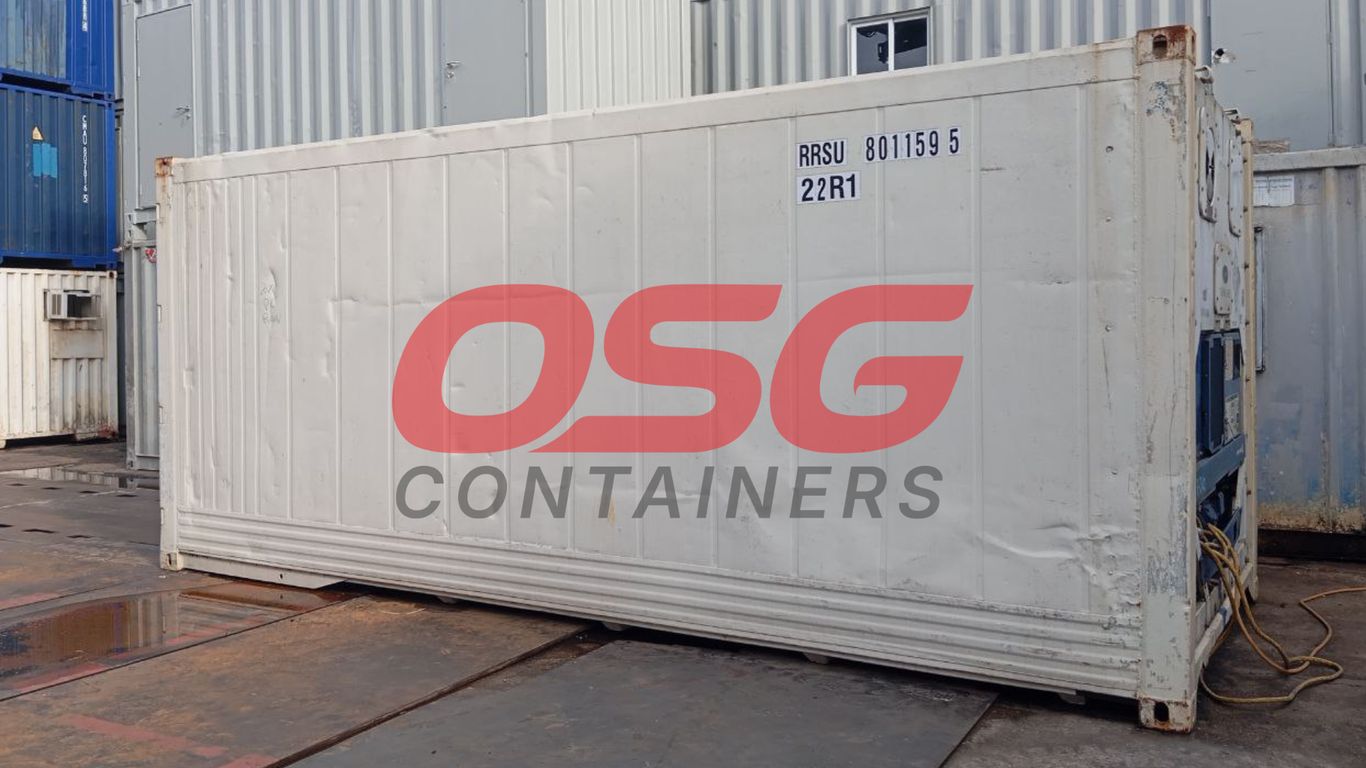
Ever wonder how your favorite fruits from across the globe or that important medicine get to you without spoiling? It’s all thanks to something called a cntr reefer container. These aren’t your average shipping boxes; they’re like high-tech, mobile refrigerators designed to keep things at just the right temperature. We’re going to break down what makes these containers so special and why they’re a big deal for keeping sensitive cargo in good shape.
Key Takeaways
- A cntr reefer is a specialized shipping container that actively controls the temperature inside, acting like a big portable fridge or freezer.
- These containers are vital for transporting a wide range of temperature-sensitive items, from fresh produce and frozen foods to pharmaceuticals and vaccines.
- Advanced technology allows for precise temperature control, often with settings that can be adjusted to very specific degrees, which is critical for maintaining product quality and safety.
- Proper handling, including managing airflow and adhering to pre-trip inspection protocols, is important to ensure the cntr reefer functions optimally and protects the cargo.
- Cntr reefers play a big role in the global cold chain, minimizing spoilage, keeping products effective during transit, and helping businesses meet strict rules.
The Critical Role Of Cntr Reefers In Global Logistics
You know, getting stuff from point A to point B is one thing, but keeping it just right temperature-wise? That’s a whole other ballgame. Especially when you’re talking about things that go bad fast or need to stay super stable. That’s where cntr reefer containers really shine. They’re not just boxes; they’re like mobile, climate-controlled rooms that make sure your sensitive cargo arrives in the same condition it left.
Ensuring Product Efficacy During Transit
Think about medicines or vaccines. If they get too warm, they can stop working. It’s not just about quality; it’s about whether they’ll actually do what they’re supposed to do when they get to the doctor’s office or pharmacy. Cntr reefers are built to keep these items within really tight temperature limits. This consistency is what makes sure that life-saving drug or that important vaccine is still good to go when it’s needed.
Minimizing Spoilage And Food Loss
It’s pretty wild how much food travels around the world. Without reefers, a lot of that fresh fruit, veggies, and meat would just turn into waste before it even gets to the store. These containers act like a shield, keeping the temperature steady and preventing the spoilage that happens when things get too hot or fluctuate too much. This means less food wasted and more good stuff available for everyone.
Meeting Stringent Regulatory Requirements
Lots of industries, especially food and medicine, have really strict rules about how their products are shipped. They often need to stay within specific temperature ranges, and companies need proof that they did. Cntr reefers have systems that can track and record the temperature the whole way. This data is super important for showing that everything was handled correctly and meets all the rules. It helps avoid big problems like recalls or shipments being rejected.
Keeping things at the right temperature isn’t just a nice-to-have; it’s often a must-have. Messing this up can lead to serious financial losses and, in some cases, even public health issues. The technology in these containers is designed to prevent those kinds of failures from happening.
Here’s a quick look at why they’re so important:
- Temperature Control: They actively cool or heat to maintain set points.
- Humidity Management: Some can also control the moisture in the air.
- Monitoring: Advanced systems track conditions and can alert if something goes wrong.
- Reliability: Built for long journeys and consistent performance.
Understanding Cntr Reefer Technology And Purpose
What Is A Reefer Container?
A cntr reefer container, or refrigerated container, is basically a specialized shipping box with its own built-in cooling system. Unlike a regular container that just sits there, a reefer actively works to keep the inside temperature exactly where it needs to be. It’s not just insulated; it’s a controlled environment on wheels, or rather, on a ship or truck. This active temperature management is what makes them so important for anything that can’t handle big temperature swings.
The Core Purpose Of Cntr Reefer Containers
The main job of these containers is to protect cargo that’s sensitive to temperature during its entire journey. Think about all the fresh food we eat, or the medicines that keep us healthy. If those items get too warm or too cold, they can spoil, lose their effectiveness, or become unsafe.Cntr reefers are designed to prevent that. They are the backbone of the global cold chain, making sure that everything from your morning fruit to vital vaccines arrives in good condition.
Key Features Of Cntr Reefer Technology
What makes a reefer tick? It’s a combination of smart engineering. The refrigeration unit is the obvious part, but there’s more to it. The insulation has to be top-notch to keep the cold air in and the warm air out. Then there are the control systems that let you set and monitor the exact temperature. Some advanced models even go further, managing humidity and the air composition inside.
Here’s a quick look at what’s inside:
- Refrigeration Unit: The engine that cools or heats the interior.
- Insulation: High-quality materials that create a thermal barrier.
- Control Panel: The interface for setting and checking temperatures.
- Power Supply: Needs a constant source, usually from the ship, truck, or a generator.
The technology inside a reefer container is all about maintaining a stable internal climate, regardless of what’s happening outside. This precision is what prevents spoilage and keeps sensitive goods safe.
The reliability of the refrigeration unit and the integrity of the insulation are paramount. Any weakness here can lead to temperature fluctuations, which is exactly what we’re trying to avoid.
Advanced Cntr Reefer Systems For Optimal Cargo Protection
Cutting-Edge Reefer Technology
Forget the old days of just stuffing ice into boxes. Modern reefer containers are seriously high-tech. They’re not just about blasting cold air; they actively manage the environment inside. This means slowing down how fast fruits ripen, keeping medicines stable, and generally making sure whatever you’re shipping arrives in the same condition it left. It’s all about precision.
Precise Temperature Control Capabilities
This is where the real magic happens. Keeping things at the exact right temperature is non-negotiable for sensitive goods. We’re talking about units that can maintain a temperature within a very tight range, often just a degree or two off the target. This level of control is vital for everything from high-value pharmaceuticals to delicate produce.
Here’s a quick look at what makes this control possible:
- Advanced Compressors: These are the workhorses, adjusting cooling power based on real-time needs.
- Sophisticated Sensors: Multiple sensors constantly monitor the internal temperature and humidity.
- Smart Algorithms: Software interprets sensor data and tells the compressor and fans exactly what to do.
- High-Quality Insulation: The container walls themselves are designed to keep the cold in and the heat out, reducing the strain on the cooling unit.
The goal is to create a stable environment where the cargo is protected from external conditions and internal fluctuations. This careful management is what separates a successful shipment from a costly loss.
Controlled Atmosphere And Humidity Management
Beyond just temperature, some cargo benefits from controlling the air inside the container. This is where controlled atmosphere (CA) technology comes in. CA systems can adjust the levels of oxygen and carbon dioxide. For things like fruits and vegetables, this can slow down ripening and spoilage, extending their shelf life significantly. Managing humidity is also important. Too much moisture can lead to mold, while too little can cause produce to dry out. The reefer unit, often working with specialized equipment, helps keep these levels in check, making sure your cargo arrives in the best possible condition.
Maintaining Cntr Reefer Cargo Integrity
The Importance Of Consistent Temperature
Keeping your cargo at the right temperature is really the whole point of using a reefer container. It’s not just about keeping things cold; it’s about keeping them at a specific cold. Even a small temperature spike or dip can mess things up for sensitive items. Think about it like this: if you’re shipping fresh berries, a few hours too warm and they start to soften and spoil. If they get too cold, they can freeze and get mushy. The reefer unit works hard to stay within that narrow, pre-set range, but it needs a good environment to do its job. Good insulation in the container walls helps a lot here, meaning the cooling unit doesn’t have to work overtime just to fight off the outside heat.
Protecting Cargo Quality Through Proper Handling
So, how do we make sure the stuff inside stays good? It starts with setting the right temperature, sure, but there’s more to it. How you load the container makes a big difference. You need to let the cold air move around the cargo. If you pack boxes too tightly or block the vents, you’ll get warm spots. That’s bad news. Proper loading also means the cargo itself isn’t getting bashed around during transit, which can also affect its ability to handle the cold.
Here are some key points for handling:
- Airflow is key: Make sure there’s space for air to circulate around all the goods. Don’t pack things so tight that air can’t get through.
- Proper stacking: Don’t stack items so high that they block the vents or crush lower items. Keep the stacks stable.
- Secure the load: Prevent shifting during transit. Loose cargo can get damaged and also disrupt airflow patterns.
The reliability of the refrigeration unit and the integrity of the insulation are paramount. Any compromise in these areas can lead to temperature deviations, potentially damaging the cargo. Therefore, regular maintenance and pre-trip inspections are non-negotiable steps in the reefer handling process.
Ensuring Airflow And Load Security
When loading a reefer, think about how the cold air needs to move. Most reefers have vents, usually at the bottom or top, and the air needs to circulate freely around the entire load. Blocking these vents with boxes or other items creates hot spots, which can ruin sensitive cargo. It’s like trying to cool a room when all the vents are covered – it just doesn’t work well.
Beyond just airflow, securing the load is also super important. During transit, ships, trains, and trucks all experience movement. If your cargo isn’t properly secured, it can shift, tumble, and get damaged. This not only ruins the product but can also block those critical airflow paths we just talked about. So, using dunnage, straps, or whatever is needed to keep everything in place is a big part of keeping the cargo in good condition.
Specialized Cntr Reefer Applications
Cntr reefers aren’t just for your everyday cargo. They’ve got some pretty specific jobs where they really shine, handling things that need extra care or are going to some unusual places.
Cntr Reefers For Offshore Use
These containers are a lifesaver way out at sea, especially on oil and gas rigs. Think about it: keeping food, drinks, and important supplies cold and fresh when you’re miles from land and dealing with constant movement and rough weather. A reefer container used offshore often needs to be extra tough, built to withstand the rocking of the waves and the harsh marine environment. They need a solid power connection to keep the cooling unit running non-stop. It’s all about creating a reliable, cold space no matter how wild the ocean gets. This ensures the crew has access to safe, usable supplies.
Handling Perishable Cargo
This is probably the most common use for a reefer container, but it’s worth talking about. When you’re moving anything that spoils quickly – like fresh fruits, vegetables, dairy, meat, or even certain chemicals – a container reefer is pretty much a must-have. The goal is to keep the temperature exactly where it needs to be, from the moment it’s loaded until it reaches its final stop. Even a small temperature spike can ruin a whole shipment. That’s why the technology inside these units is so good at cooling fast and holding that temperature steady, even when the weather outside is doing its own thing.
Here’s a quick look at what makes them so good for perishables:
- Precise Temperature Settings: You can dial in the exact temperature needed, often within a degree or two.
- Rapid Cooling: They can bring the internal temperature down quickly after loading.
- Consistent Hold: Advanced systems keep the temperature stable throughout the journey.
- Monitoring: Many units track temperature and can alert you to any issues.
The integrity of the cold chain relies heavily on the consistent performance of the reefer refrigerated container. Any lapse can mean the difference between a usable product and a total loss.
Transporting Pharmaceuticals And Vaccines
When it comes to medicines and vaccines, temperature control isn’t just about quality; it’s about effectiveness and safety. A vaccine that gets too warm can become useless, and that’s a serious public health concern. Pharmaceuticals often have very specific temperature requirements to maintain their potency. A standard shipping container just won’t cut it. Cntr reefers are designed with the precision needed to keep these vital goods within tight temperature ranges, often requiring detailed logs to prove they stayed within spec. This makes the refrigerated container a critical piece of equipment for the healthcare supply chain.
Cntr Reefer Handling Guidelines And Best Practices
Reefer Handling Guideline Overview
So, you’ve got temperature-sensitive goods that need to travel. That’s where cntr reefer containers come in, but just having the container isn’t the whole story. How you handle it matters a lot. It’s not just about setting the temperature and hoping for the best; there are a few key things to keep in mind to make sure your cargo arrives in tip-top shape. Think of it like packing a fragile item – you need to be careful and follow certain steps. Proper handling is just as important as the technology inside it.
Pre-Trip Inspection Protocols
Before any sensitive cargo gets loaded, the reefer unit needs a thorough check-up. This isn’t something to skip. It’s a vital step to prevent problems down the line. The inspection usually involves:
- Checking the refrigeration unit: Making sure it powers on, cools effectively, and that all alarms are functioning.
- Inspecting the container seals: Looking for any damage or wear that could let warm air in or cold air out.
- Verifying power connections: Ensuring the unit has a reliable power source for its journey.
- Testing temperature settings: Confirming the thermostat is accurate and can maintain the set point.
A well-maintained reefer unit is the first line of defense against temperature fluctuations. Skipping this step is like going on a long road trip without checking your car’s oil – you’re just asking for trouble.
The Importance Of A Reliable Fleet
Having a dependable fleet of reefer containers is super important. Older containers can sometimes struggle to keep up, using more power and being more prone to those temperature swings we really want to avoid. Modern reefers, on the other hand, have better insulation and more reliable cooling units. This means less chance of temperature hiccups during transit. It’s all about having containers that are not only efficient but also dependable, no matter the journey.
Here’s a quick look at why fleet reliability matters:
- Reduced Risk of Spoilage: Newer units are less likely to break down or have cooling failures.
- Consistent Temperature: Advanced technology in modern reefers provides more precise temperature control.
- Energy Efficiency: Up-to-date containers often consume less power, which is good for the environment and can sometimes impact costs.
- Fewer Delays: Reliable equipment means fewer unexpected issues that could hold up your shipment.
The Unsung Heroes of Sensitive Shipments
So, when you really think about it, these reefer containers are pretty amazing pieces of tech. They’re not just big metal boxes; they’re like super-powered refrigerators that can handle journeys across oceans. Keeping things like your favorite fruits, veggies, or even important medicines at the exact right temperature is a big job, and these containers are built to do just that. From the fancy cooling units to the insulated walls, every part works together to make sure your cargo arrives in the best possible shape. It’s a complex system, but it’s what keeps our global supply chain moving for all sorts of sensitive goods.
Frequently Asked Questions
What exactly is a “Cntr Reefer Container”?
A “Cntr Reefer Container” is basically a special shipping box that has its own built-in refrigerator. Think of it like a super-sized, mobile fridge or freezer that keeps your stuff at just the right temperature while it travels, whether that’s across the ocean or across the country.
Why are these containers so important for shipping?
They’re super important because they keep temperature-sensitive items, like fresh fruits, frozen foods, and even medicines, from going bad. Without them, many of the foods we love and the medicines we need wouldn’t be able to reach us in good condition because they’d spoil during the long journey.
How does a reefer container keep things cold?
These containers have a powerful cooling machine attached to them. This machine can be set to keep the inside at a very specific temperature, just like your home refrigerator. It works hard to make sure the air inside stays cool, no matter how hot or cold it is outside.
What’s the biggest challenge when using a reefer container?
One of the biggest challenges is making sure the temperature stays steady. Even small changes can be bad for delicate items. Also, it’s really important not to block the airflow inside the container, because that’s how the cold air gets to all the cargo. Proper handling is key!
Can these containers also heat things up?
Yes, they can! While we often think of them as refrigerators, many reefer units can also provide heat. This is useful for shipping items that need to stay above freezing but still require a controlled temperature, like certain chemicals or plants.
What happens if the cooling unit breaks down during a trip?
That’s a major concern! That’s why regular maintenance and checks are so important. If a unit breaks down, the cargo can spoil quickly. Shipping companies have backup plans, like having spare units or quickly transferring the cargo to another reefer, but it’s always a race against time to prevent loss.