Singapore
 Australia
 Indonesia
 Japan
Japan Malaysia
 New Zealand
 Philippines
 South Korea
 Taiwan
 Thailand
 VIETNAM
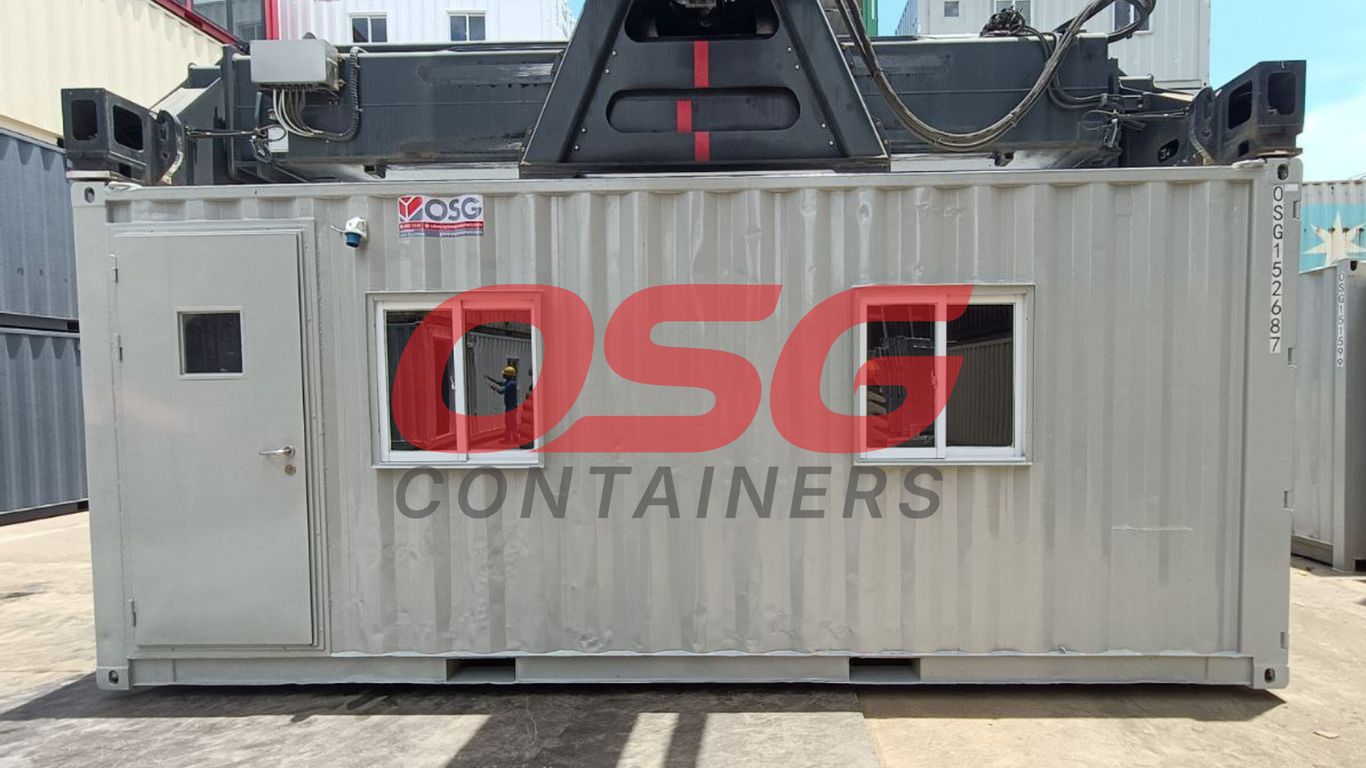
So, you’ve got a 20ft container, and you’re wondering how to get the most out of it? It’s a pretty common situation, honestly. Whether you’re trying to store a bunch of stuff, start a small business, or even build something cool, figuring out how to use that space well is key. It’s not as simple as just tossing things in, you know? We’re going to break down how to really make that 20ft container work for you, covering everything from what it actually measures to the best ways to pack it up. Let’s get this figured out.
Key Takeaways
- A standard 20ft container has external dimensions of 20’L x 8’W x 8’6″H, with internal space around 19’8″L x 7’8.5″W x 7’10″H, offering about 1,172 cubic feet of volume.
- Maximizing space involves strategic packing, like breaking down large items, stacking heavier things first, using uniform packing units, and filling any gaps.
- 20ft containers are super versatile, used for everything from tiny homes and DIY projects to retail storage, portable offices, and secure storage for valuables.
- These containers are built tough with steel, featuring secure locks and weather resistance, but it’s important to consider their weight capacity for safe loading.
- Using a 20ft container is often a cost-effective solution for both personal and business needs, offering durable and affordable storage or workspace options.
Maximizing Space Within Your 20ft Container
So, you’ve got a 20ft container and you’re wondering how to fit everything you need inside without it becoming a chaotic jumble. It’s a common puzzle, really. You want to use every inch, but you also don’t want to spend ages digging for something later. Let’s talk about making that space work for you.
Strategic Packing for Optimal Volume
Getting things into your container efficiently is key. Think about how you’d pack a moving truck, but with more permanence. The goal is to create a stable, organized load that uses the entire volume. It’s not just about shoving things in; it’s about planning. Understanding the internal dimensions is the first step to maximizing your usable space. A standard 20ft container offers roughly 19 feet 8 inches in length, 7 feet 8.5 inches in width, and 7 feet 10 inches in height, giving you about 150.6 square feet of floor space and 1,172 cubic feet of volume to work with.
Here’s a breakdown of smart packing techniques:
- Stack heavier items first: Always put the heaviest, sturdiest items at the bottom and towards the front (the end with the doors). This prevents lighter things from getting crushed and makes the whole load more stable.
- Use uniform packing units: Boxes, crates, or pallets are your best friends here. They create neat, stackable units that fit together much better than random shapes. If you’re using boxes, try to get them in similar sizes.
- Consider weight distribution: While maximizing space, don’t forget about the container’s weight capacity. Distribute weight evenly to avoid making one side too heavy.
Disassembling Bulky Items
If you have furniture or equipment that can be taken apart, do it. This makes them easier to pack and takes up less awkward space. Keep all the parts and hardware together in a labeled bag. This simple step can free up a surprising amount of room and make your packing process much smoother.
Filling Gaps for Load Stability
Once you have your main items in place, use smaller items, blankets, or packing materials to fill any empty spaces. This stops things from shifting around during transport or if the container gets moved. You don’t want anything rolling or tipping. This not only protects your items but also makes the load safer and more secure.
Proper packing isn’t just about fitting more in; it’s about creating a secure and organized unit that can withstand movement and protect its contents. Think of it as Tetris, but with real-world consequences.
| Dimension | External (Approx.) | Internal (Approx.) |
|---|---|---|
| Length | 20 ft | 19 ft 8 in |
| Width | 8 ft | 7 ft 8.5 in |
| Height | 8 ft 6 in | 7 ft 10 in |
Versatile Applications for a 20ft Container
So, you’ve got a 20ft container sitting there, and you’re thinking, ‘What else can I do with this thing besides just piling stuff in it?’ Well, turns out, these metal boxes are surprisingly adaptable. They’re not just for hauling goods across the ocean anymore; people are getting pretty creative with them, and businesses are finding all sorts of uses.
Creating Portable Office Spaces
With more folks working remotely or needing a dedicated spot away from the main house, a 20ft container can be a real game-changer. You can actually turn one into a pretty comfortable office. Think about adding insulation, some basic electrical wiring for lights and your computer, and maybe even internet hookups. It’s a solid option for construction sites that need an office right there on the job, or for any business that needs a bit more workspace without the hassle of a big building project. It’s a way to get a functional office set up pretty quickly.
Secure Storage for Valuables
When you’ve got items that you really need to keep safe, a 20ft container is a good choice. Whether it’s important business inventory, sensitive documents, or personal belongings you’re storing for a while, these containers are built tough. Their steel construction and strong locking mechanisms mean your stuff is protected from the weather and, you know, from people who shouldn’t be getting into it. It offers a good amount of peace of mind.
The adaptability of a 20ft container means it can be more than just a box. It’s a foundation for creative solutions, whether that’s a home, a shop, or a secure place for your belongings. Their sturdy build and straightforward design make them a practical choice for many different situations.
Residential Solutions: Tiny Homes and DIY Projects
Lots of people are now converting these cargo containers into actual homes or extra living spaces. It’s a way to get a place that’s often cheaper and, honestly, kind of unique. You can stack them, put them together, whatever fits your needs and your land. It’s a big deal for folks who want to build their own place without all the usual construction headaches. Plus, using an old container is a bit better for the planet than making brand new building materials. Imagine a backyard office, a guest room for visitors, an art studio, or even a small pool house. Their strong metal shell means they can handle a lot, and you can really customize the inside to make it your own. A standard 20ft container gives you about 160 square feet of interior space, which is enough for a compact living area, a small office, or a dedicated hobby room.
Cost-Effective Advantages of a 20ft Container
When you’re trying to figure out how to get more space without breaking the bank, a 20ft container really stands out. It’s not just about the sticker price, which is already pretty reasonable. Think of it more like a smart buy that pays off over time.
Affordable Alternative to Traditional Construction
For folks needing extra room at home, buying a 20ft container is often way cheaper than renting a storage unit every month. You own it outright, and you can put it right on your property. No more driving across town to grab something. It’s a solid plan for managing stuff during a move, a home renovation, or just to clear out the garage. You can even find good deals on used ones that are still really strong. It’s a practical way to get more space without a big, ongoing bill.
For businesses, these containers are a lifesaver. Construction sites, for instance, need a safe place for tools and materials. A 20ft container is perfect for that. It keeps everything dry and secure, and you can move it around as the project progresses. Retailers use them for extra stock, especially during busy times, or even as temporary shops. The locks keep things safe, and you can set them up almost anywhere for a short period. It’s a much more budget-friendly approach than building an addition or renting a larger warehouse space if your needs aren’t massive.
Long-Term Durability and Savings
These containers are built tough. They’re made from strong steel, designed to handle rough weather and travel. This means they last a really long time. If you buy a new one, you’re looking at decades of use. Even a good quality used container can give you many years of service. This toughness means you don’t have to worry about constant repairs or replacements, which really adds up to savings over the years. It’s a one-time purchase that gives you reliable space for a very long time.
Here’s a quick look at why they’re a smart financial choice:
- Initial Cost: Significantly lower than building new structures or long-term commercial leases.
- Maintenance: Minimal upkeep required due to robust steel construction.
- Lifespan: Can last for decades, providing ongoing value.
- Versatility: Can be repurposed for various needs, extending its utility.
The initial outlay for a 20ft container is considerably less than traditional construction. Its robust build means minimal maintenance, translating to lower overall costs, especially when you factor in its extended lifespan and potential for repurposing.
Budget-Friendly Storage Solutions
When you consider the lifespan and how many different ways you can use a 20ft container, the value you get for your money is hard to beat. You’re not just buying a box; you’re getting a flexible asset that can be changed to fit different jobs. Whether it’s for storing inventory, setting up a quick shop, or even making a small office, the utility you get for the price is impressive. It’s a smart move for any business trying to make their budget work harder without giving up functionality.
Commercial Utility of a 20ft Container
Businesses are finding these containers super useful, and for good reason. They offer a flexible and cost-effective way to manage various commercial needs. Whether you’re a small startup or a growing enterprise, a 20 foot container can be a game-changer.
Inventory Management and Pop-Up Retail
Need more space for your products, especially during peak seasons? A 20 ft sea container is a great solution. It provides secure, on-site storage for inventory, keeping it safe and accessible. Retailers can also use these containers to create temporary pop-up shops. Imagine setting up a stylish boutique or a seasonal sales point almost anywhere, with minimal setup time and cost. This adaptability is fantastic for testing new markets or reaching customers at events.
- Secure storage for seasonal stock
- Quick deployment for pop-up stores
- Reduced need for expensive warehouse leases
- Easy relocation as business needs change
On-Site Storage for Construction Projects
Construction sites often require a secure place to store tools, equipment, and materials. A 20 foot container is perfect for this. It keeps everything protected from the elements and theft, and it can be easily moved around the job site as needed. This means less downtime and less worry about your valuable assets.
The robust steel construction of a 20 ft container offers a high level of security, protecting everything from tools to sensitive documents from both weather and unauthorized access. This makes them an ideal choice for businesses that need reliable, on-site storage solutions.
Flexible Asset for Evolving Business Needs
Container rentals offer a dynamic way to scale your business operations. As your company grows or its needs shift, a 20 foot container can be repurposed or relocated. This flexibility means you’re not tied down by fixed infrastructure. It’s a smart way to manage space without the commitment of traditional building or long-term leases. Think of it as a movable piece of your business infrastructure that adapts with you.
Ensuring Security and Durability
When you’re looking at a 20ft container, one of the first things you’ll notice is just how tough they are. These aren’t flimsy sheds; they’re built like metal fortresses.
Robust Steel Construction
These containers are typically made from thick, corrugated steel. This design isn’t just for show; it gives them incredible strength. Think about it – they’re designed to withstand the rough conditions of being shipped across oceans, stacked high on boats, and moved around by cranes. So, keeping your stuff safe on solid ground is pretty much a piece of cake for them. Many use a type of steel called Corten, which is known for resisting rust and corrosion. This means even if the paint gets scratched, it’s less likely to turn into a big, flaky rust problem over time. It’s this solid build that makes them a reliable choice for protecting your belongings from the elements and general wear and tear.
Weather Resistance and Protection
Shipping containers are made to keep cargo dry and protected, no matter what the weather throws at them. They have rubber seals around the doors that do a pretty good job of keeping rain and moisture out. The steel itself is a solid barrier against wind and sun. However, it’s always a good idea to give older or used containers a once-over. Check the door seals for any damage and look at the paintwork. Sometimes, condensation can still be a problem inside, especially if you’re storing sensitive items. In those cases, adding some ventilation or using moisture absorbers can really help. The main goal is to keep the inside dry.
Here’s a quick look at some features and what they mean for protection:
| Feature | Benefit |
|---|---|
| Corrugated Steel | Strength, durability, protection from weather |
| Corten Steel | Resists rust and corrosion |
| Door Seals | Stops water and dust from getting in |
Secure Locking Mechanisms
Keeping your belongings safe is a big deal, and the doors on a 20ft container are designed with security in mind. They usually come with heavy-duty locking bars that swing into place. You can then secure these bars with your own padlock. If you’re storing really valuable items, you can even add extra security features, like specialized container locks or hasps. The key is to use a good quality, weather-resistant padlock that fits the container’s locking mechanism properly. It’s not just about keeping people out; it’s also about making sure the doors stay shut tight, especially if the container is being moved.
The robust construction and secure locking systems mean your items are shielded from both the elements and unwanted access, offering genuine peace of mind for whatever you choose to store inside.
Planning Your 20ft Container Interior
So, you’ve got your 20ft container, and now it’s time to figure out what goes where inside. This isn’t just about shoving stuff in; it’s about making the space work for you, whatever you plan to do with it. Whether it’s for storage, a workshop, or even a tiny home, a little planning goes a long way.
Designing for Intended Purpose
First off, what’s this container going to do? If it’s for storing inventory, you’ll want to think about shelving and easy access. For an office, you’ll need space for desks, maybe a small kitchenette, and definitely some power outlets. If it’s a DIY project like a garden shed, maybe you need room for tools and a workbench. Knowing the end goal is the most important step before you even think about loading anything.
Optimizing Layout Before Loading
Before you start putting things in, sketch out a plan. Think about how you’ll move around inside and how you’ll access items. It’s like playing a giant game of Tetris, but with a purpose. Consider:
- Flow: How will you get in and out? Where will the most frequently used items go?
- Vertical Space: Don’t forget the ceiling! Shelving units or even a small loft can add a lot of usable space.
- Accessibility: Will you need to get to items in the back often? If so, pack them last or arrange things so they’re not buried.
Considering Internal Dimensions
It’s easy to think of a 20ft container as just that – 20 feet long. But the actual usable space inside is a bit less due to the walls. Here’s a quick rundown:
| Dimension | External (Approx.) | Internal (Approx.) |
|---|---|---|
| Length | 20 ft | 19 ft 8 in |
| Width | 8 ft | 7 ft 8.5 in |
| Height | 8 ft 6 in | 7 ft 10 in |
This means you’ve got roughly 150 square feet of floor space to work with, and about 1,170 cubic feet of volume. Keep these numbers in mind when you’re planning where furniture or storage units will go. It helps avoid that "oops, that doesn’t quite fit" moment later on.
Wrapping It Up
So, there you have it. A 20-footer container is way more than just a metal box. It’s a really useful tool for businesses that need to get creative with space, whether that’s for storing inventory, setting up a temporary shop, or even creating a functional office on a job site. They’re tough, they’re pretty affordable compared to building, and you can move them around as your business grows or changes. By thinking smart about how you pack and use the space, you can really get a lot out of these containers. It’s a simple solution that can make a big difference for companies looking to manage their resources better.
Frequently Asked Questions
What are the actual outside and inside sizes of a 20ft container?
A typical 20ft container measures about 20 feet long, 8 feet wide, and 8.5 feet tall on the outside. The inside space is a little smaller, usually around 19.5 feet long, 7.5 feet wide, and almost 8 feet tall. This gives you a good amount of room to work with, but remember the walls take up a little bit of that space.
How can I fit more stuff into my 20ft container?
To pack more, be smart about it! If possible, take apart large items like furniture. Stack heavier things at the bottom and lighter things on top. Use boxes or pallets to keep things organized. Make sure to fill up any empty spots with smaller items or padding so nothing moves around and gets damaged. It’s like playing a giant game of Tetris!
What are some cool things people do with 20ft containers besides just storing things?
People get really creative! They turn them into tiny homes, backyard offices, small shops, workshops, or even guest rooms. They are strong and can be changed a lot to become almost anything you need. They are a great option for DIY projects.
Are 20ft containers safe for storing valuable items?
Yes, 20ft containers are a solid choice for protecting valuable items. They are built from strong steel and have secure locking mechanisms, which helps keep your belongings safe from both the weather and unwanted access. They offer good peace of mind for storage.
Is a 20ft container cheaper than building something new?
Generally, yes. Using a 20ft container is often a much more affordable option compared to building a new room addition or a traditional structure. They offer a durable and practical solution for storage or workspace needs without the high cost of new construction.
How long do 20ft containers usually last?
These containers are built to last a very long time because they are made from strong steel and designed to handle tough conditions. If you get a new one, you can expect decades of use. Even a good quality used container can provide many years of reliable service, making them a smart long-term investment.