Singapore
 Australia
 Indonesia
 Japan
Japan Malaysia
 New Zealand
 Philippines
 South Korea
 Taiwan
 Thailand
 VIETNAM
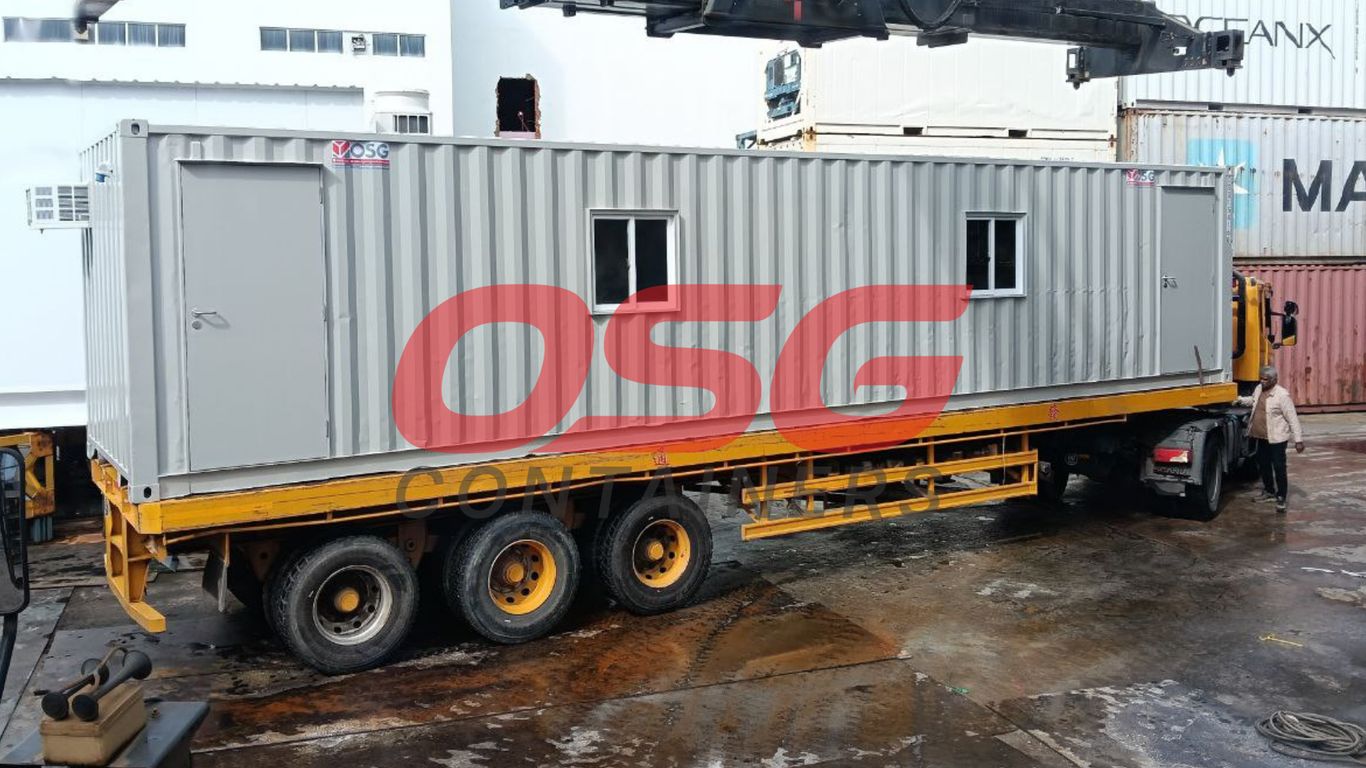
So, you’ve got a 20ft container on the way, or maybe you’re thinking about getting one. That’s cool. But now comes the big question: what exactly fits inside? It’s easy to just guess, but that can lead to a lot of wasted space or, worse, needing a second container you didn’t plan for. We’re going to break down what a 20 footer container can really hold, how to pack it like a pro, and when it’s the right choice for you. Let’s get this sorted.
Key Takeaways
- A standard 20ft container provides about 33 cubic meters of space, which is enough for a small car, some furniture, or a lot of boxes.
- Don’t just guess how much will fit; use floor plans or visual aids to plan your packing, especially for larger items like furniture or vehicles.
- Packing smart means taking things apart when possible, using all available space, and considering weight limits to avoid problems.
- While a 20ft container is versatile, think about high cube options for extra height or larger containers (like 40ft) if you have bulky but light goods.
- Common mistakes include guessing the space wrong, not paying attention to the weight capacity, and picking the wrong container type for what you need.
Understanding The Versatile Container 20 Feet
What Defines A 20ft Shipping Container?
The 20 foot sea container is a real workhorse in the world of moving stuff and keeping it safe. Think of it as a tough, standard-sized steel box. It’s built to handle pretty much anything the weather or rough handling can throw at it, whether it’s sitting on a ship, a train, or just parked in your yard. Its strength comes from the materials used, usually a type of steel that’s good at resisting rust and wear. This makes it a reliable choice for both temporary storage and long-distance transport. It’s the go-to size for a lot of people because it’s manageable yet offers a good amount of space.
Key Dimensions And Capacity Of A 20ft Container
Knowing the exact measurements of a 20ft container is super helpful when you’re planning what to put inside. It’s not just about the outside size; the inside space is what really matters for packing.
| Feature | Measurement (Approximate) |
|---|---|
| External Length | 20 feet (6.1 m) |
| External Width | 8 feet (2.44 m) |
| External Height | 8.6 feet (2.59 m) |
| Internal Length | 19.4 feet (5.9 m) |
| Internal Width | 7.8 feet (2.35 m) |
| Internal Height | 7.9 feet (2.39 m) |
| Internal Volume | 1,170 cubic feet (33 m³) |
This space is often enough to hold the contents of a small apartment or a good amount of business inventory. It’s a surprising amount of room packed into a standard footprint.
Material Strength And Durability Of The Container 20 Feet
These containers are made to last. They’re typically constructed from corten steel, which is known for its ability to form a protective rust layer, making it resistant to corrosion. This means they can sit outside for years without falling apart. They’re also designed to be stacked, which is why they’re so common on cargo ships and in storage yards.
- Weather Resistance: Built to withstand rain, wind, and sun.
- Stackable Design: Can be piled high for efficient storage and transport.
- Security: Heavy-duty steel and lockable doors offer good protection.
- Longevity: With proper care, they can last for decades.
The robust construction of a 20 foot sea container means it’s not just for shipping. Its durability makes it a practical choice for a variety of storage needs, from personal belongings to business equipment, offering peace of mind that your items are protected from the elements and potential theft.
Practical Applications For A Container 20 Feet
So, you’ve got a 20ft container. Now what? These steel boxes are way more than just a way to ship stuff across the ocean. They’re like a blank canvas for all sorts of storage and setup needs, whether you’re a homeowner, a small business owner, or even planning an event. A 20 ft container really is a versatile piece of equipment.
Home Storage Solutions With A 20ft Container
Think of a 20 feet container as a super-secure, weather-proof extension of your home. It’s perfect for when you’re renovating and need to stash furniture and belongings safely out of the way. Or maybe your garage is just overflowing with stuff. This is where a 20ft container really shines for personal use. It can easily hold the contents of a two-bedroom house, making it a great option for temporary storage during a move or a big decluttering project.
- Moving House: Stash furniture, boxes, and appliances while you pack or unpack.
- Renovations: Keep your valuables safe and dry from dust and damage.
- Seasonal Storage: Store garden furniture, holiday decorations, or sports equipment.
- Long-Term Decluttering: Free up space in your home by storing items you don’t need daily.
Business Inventory and Equipment Storage Needs
For small to medium-sized businesses, a 20 ft container can be a lifesaver, especially when warehouse space is tight or just too expensive. It’s a flexible and affordable way to manage stock, whether you’re a retailer needing extra room during busy seasons or a startup with inventory overflow. You can even get containers with special access features, like double doors or full side access, to make managing your stock a lot easier.
Here’s a quick look at how businesses use them:
| Use Case | Description |
|---|---|
| Inventory Management | Extra space for retail stock, seasonal goods, or e-commerce fulfillment. |
| Equipment Storage | Securely store tools, machinery, or construction equipment on-site. |
| Temporary Office/Site Hub | Convert into a basic office, break room, or command center for projects. |
| Archival Storage | Keep important documents and records safe and organized. |
When using a 20ft container for business, always consider accessibility. You’ll want to be able to get items in and out easily, so think about door placement and how you’ll arrange the interior for quick access during busy periods.
Shipping Vehicles In A 20ft Container
Yes, you can ship vehicles in a 20ft container! It’s a common practice for moving cars, motorcycles, or even small boats. The key is proper securing and planning. You’ll need to make sure the vehicle is properly blocked and braced to prevent any movement during transit. This method offers more protection than open-air transport and is often more cost-effective for a single vehicle than specialized car carriers.
- Cars & Trucks: Standard sedans and smaller trucks fit well.
- Motorcycles: Easy to secure and transport.
- Boats (Small): Smaller watercraft can often be loaded and secured.
- Equipment: Tractors, ATVs, and other recreational vehicles.
The 20 ft container offers a secure and relatively straightforward way to transport vehicles, protecting them from the elements and potential damage during their journey.
Maximizing Space Within Your Container 20 Feet
So, you’ve got your 20-foot container, and now it’s time to figure out how to get the most out of it. It’s a bit like playing Tetris, but with real stuff. The trick is to think vertically and pack smart. Don’t just guess how much will fit; use floor plans or visual aids to plan your packing, especially for larger items like furniture or vehicles.
How Much Stuff Can I Really Fit Inside A 20ft Container?
A standard 20ft container offers about 33 cubic meters of usable space. That’s a decent amount, enough for a small car, a few pieces of furniture, or a lot of boxes. It’s easy to underestimate, though, so planning is key. Aiming to fill about 85% of the space is often a good target. This leaves a little room for maneuvering and helps prevent damage during transit.
Estimating Volume For Your Container 20 Feet Shipment
Before you start loading, it’s smart to get a handle on the volume you’re working with. Think about the dimensions: roughly 19.3 feet long, 7.7 feet wide, and 7.8 feet high for a standard container. For a High Cube, you get an extra foot of height. It’s helpful to imagine a cross-section of your container. The bottom layer would be loaded with heavy items, middle-weight items on top, and finally, lighter or fragile items at the very top. This careful planning helps you use the container’s capacity efficiently.
Packing Furniture Into A 20ft Container
When packing furniture, disassembling items when possible is a big help. Beds, tables, and chairs can often be taken apart. This not only makes them take up less room but also reduces the risk of damage. It also creates more uniform shapes that stack better. Remember to use sturdy boxes for smaller items, as these also stack well. Fill any empty spaces within larger items or between boxes with smaller boxes, blankets, or packing materials. This stops things from shifting around during transit. Heavy items should ideally go towards the bottom and sides for stability, and try to keep the weight evenly distributed on both sides to prevent tilting.
Here are some smart packing strategies:
- Disassemble when possible: Furniture like beds, tables, and chairs can often be taken apart to take up less space.
- Box it up: Use sturdy boxes for smaller items. This creates uniform shapes that stack better.
- Fill the gaps: Use smaller boxes, blankets, or packing materials to fill any empty spaces within larger items or between boxes. This stops things from shifting around during transit.
- Create a loading plan: Before you start, map out what goes where. Heavy items should go at the bottom and towards the back to keep the container stable.
Don’t just guess how much will fit; use floor plans or visual aids to plan your packing, especially for larger items like furniture or vehicles. Thinking vertically and packing smart can make a big difference in how much you can safely store.
Consider using container shelving, especially if you’re storing tools, inventory, or lots of smaller items. It turns that empty vertical space into organized storage. You can get all sorts of shelving units, from simple boltless racks that are easy to put up, to more heavy-duty industrial systems.
Choosing The Right Container 20 Feet For Your Needs
So, you’re looking at a 20-foot container. Great choice for a lot of things, but not all 20-footers are exactly the same, and picking the wrong one can lead to some real headaches. It’s like buying a tool – you need the right one for the job, right?
Standard Vs. High Cube 20ft Container Options
When you think ’20-foot container,’ you probably picture a standard one. It’s the classic. But then there’s the ‘High Cube’ version. What’s the difference? Mostly height. A High Cube gives you about an extra foot of vertical space inside. This might not sound like a lot, but if you’re storing tall items, like certain types of equipment, furniture, or even stacked goods, that extra foot can be a game-changer. It means you can fit more in, or fit things that just wouldn’t go in a standard one.
Here’s a quick look:
| Feature | Standard 20ft Container | High Cube 20ft Container |
|---|---|---|
| Internal Height | Approx. 7.9 feet | Approx. 8.9 feet |
| Extra Height | N/A | Approx. 1 foot |
Think about what you’re putting inside. If it’s mostly boxes and standard furniture, a regular 20ft might be fine. But if you’ve got anything that’s a bit on the tall side, the High Cube is definitely worth considering. It can save you from having to rent a second container or leaving things behind.
Evaluating Quality Parameters For A Container 20 Feet
Buying or renting a container means you want it to last and keep your stuff safe. So, what should you look for? First off, check for damage. We’re talking rust, dents, holes – anything that compromises the steel. These containers are built tough, usually from corten steel, which is meant to handle the weather, but they aren’t indestructible. Look for signs of major wear and tear.
- Structural Integrity: Make sure the frame and walls are solid. No major bends or weak spots.
- Door Functionality: The doors need to open, close, and seal properly. This is your main access and security point.
- Water Tightness: A good container should keep the rain out. Check the seals around the doors and the roof.
- Flooring: The floor should be sturdy and free from rot or damage.
A container that looks good on the outside might have hidden issues. It’s always best to inspect it in person if you can, or ask for detailed photos and a condition report from the seller or rental company. Don’t just assume it’s good to go.
Reasons To Choose A Container 20 Feet For Storage
Why pick a 20-foot container over other options? Well, they hit a sweet spot for many people. They’re big enough to hold a good amount of stuff – think contents of a small house or a decent amount of business inventory – but they’re not so massive that they’re impossible to place or move.
- Versatility: They work for home storage, business inventory, equipment, even temporary office spaces.
- Security: They’re made of strong steel and lockable, offering good protection against theft and the elements.
- Mobility: While heavy, they are designed to be moved by specialized trucks and cranes, making them adaptable for different locations.
- Cost-Effectiveness: For the space and security they offer, they are often more affordable than building permanent structures or renting traditional warehouse space.
Basically, if you need a secure, weather-resistant, and movable storage unit that isn’t excessively large, the 20-foot container is a solid contender.
Logistics And Transportation Of A Container 20 Feet
So, you’ve got your 20-foot container, and now it’s time to get it where it needs to go. This is where the real magic of these steel boxes shines. They’re built for movement, designed to hop between ships, trains, and trucks without a fuss. It’s all about making sure your stuff gets from point A to point B efficiently.
Utilizing Containers For Delivery And Logistics
Think of a 20-foot container as a standardized package for global trade. Because they all have the same basic dimensions and those handy corner fittings, they can be easily grabbed by cranes, stacked on ships, and loaded onto flatbed trucks. This standardization is what makes international shipping work. You don’t need special handling for every single item; you just need to handle the container. This cuts down on time and cost. Plus, when you use containers, you’re often using more fuel-efficient transport methods like large cargo ships, which is better for the environment too.
Easy Movement And Use Of A 20ft Container
Getting a 20-foot container from one place to another is surprisingly straightforward, thanks to its design. They’re built tough, so they can handle being moved around quite a bit. Whether it’s being lifted by a crane at a port or slid onto the back of a truck, the process is pretty standard. This ease of movement is a big reason why they’re so popular for both shipping goods and for temporary storage on-site. You can often get them delivered right to your business or home.
Here’s a quick look at how they typically move:
- Ocean Freight: Stacked high on massive cargo ships, forming the backbone of international trade.
- Rail Transport: Loaded onto specialized rail cars for long-distance overland journeys.
- Road Transport: Hauled by trucks, often using specialized trailers for delivery to the final destination.
Regulations And Permits For Transporting Goods
While containers make transport easier, there are still rules to follow. Depending on where you’re sending your container, you might need specific permits or have to follow certain regulations. This is especially true if you’re moving goods across borders or into different states. It’s always a good idea to check with the shipping company or local authorities about any requirements. This could include customs declarations, weight limits for roads, or even specific rules about what you can pack inside.
Planning your container’s journey involves more than just booking a truck. You need to consider the entire route, potential customs checks, and any local laws that might affect delivery. Getting this right upfront saves a lot of headaches later on.
Wrapping It Up
So, after all that talk about the 20-foot container, it’s pretty clear these things are super handy. Whether you’re moving house, need extra space for your business, or just want to stash some stuff, they really do fit a lot of needs. It’s not just about shoving things in, though; thinking about how you pack and what you’re putting in makes a big difference. And hey, if a 20-footer isn’t quite cutting it, there are always other options out there. Picking the right container and packing it smart? That’s the real key to saving yourself a headache down the road. Happy storing!
Frequently Asked Questions
How much stuff can really fit inside a 20ft container?
A standard 20ft container gives you about 33 cubic meters of room. Think of it like a good-sized bedroom! You could likely fit the furniture from a small apartment, maybe a couple of sofas, beds, and some appliances. It’s also a great space for roughly 300 to 900 moving boxes, depending on how big they are and how you pack them.
What’s the difference between a regular 20ft container and a ‘High Cube’ one?
A ‘High Cube’ 20ft container is simply a bit taller than the regular one. This extra height means more space, usually around 37 cubic meters instead of 33. It’s really useful if you have taller items or want to stack things higher to use the space better.
Can I actually fit a car inside a 20ft container?
Yes, usually! Most standard cars can fit inside a 20ft container. However, fitting two cars can be tricky and might require special arrangements or even overlapping them, which isn’t always recommended due to potential damage. Always check the specific car size and any country import rules.
How durable are 20ft containers?
These containers are built tough! They’re made from strong steel, often a type called corten steel, which is made to fight off rust and handle bad weather. They can be stacked on ships or in yards and are designed to last for many years, usually 10 to 20 years or even more, without falling apart.
Are 20ft containers good for business storage?
Absolutely! For businesses, especially smaller ones, a 20ft container can be a game-changer. It’s a flexible and cheaper way to store extra stock, equipment, or inventory when warehouse space is limited. You can even get them with special doors for easier access.
What are the main dimensions of a 20ft container?
A standard 20ft container is about 20 feet long, 8 feet wide, and 8.6 feet high on the outside. Inside, it’s roughly 19.4 feet long, 7.8 feet wide, and 7.9 feet high. This gives you a usable space of about 1,170 cubic feet or 33 cubic meters.