Singapore
 Australia
 Indonesia
 Japan
Japan Malaysia
 New Zealand
 Philippines
 South Korea
 Taiwan
 Thailand
 VIETNAM
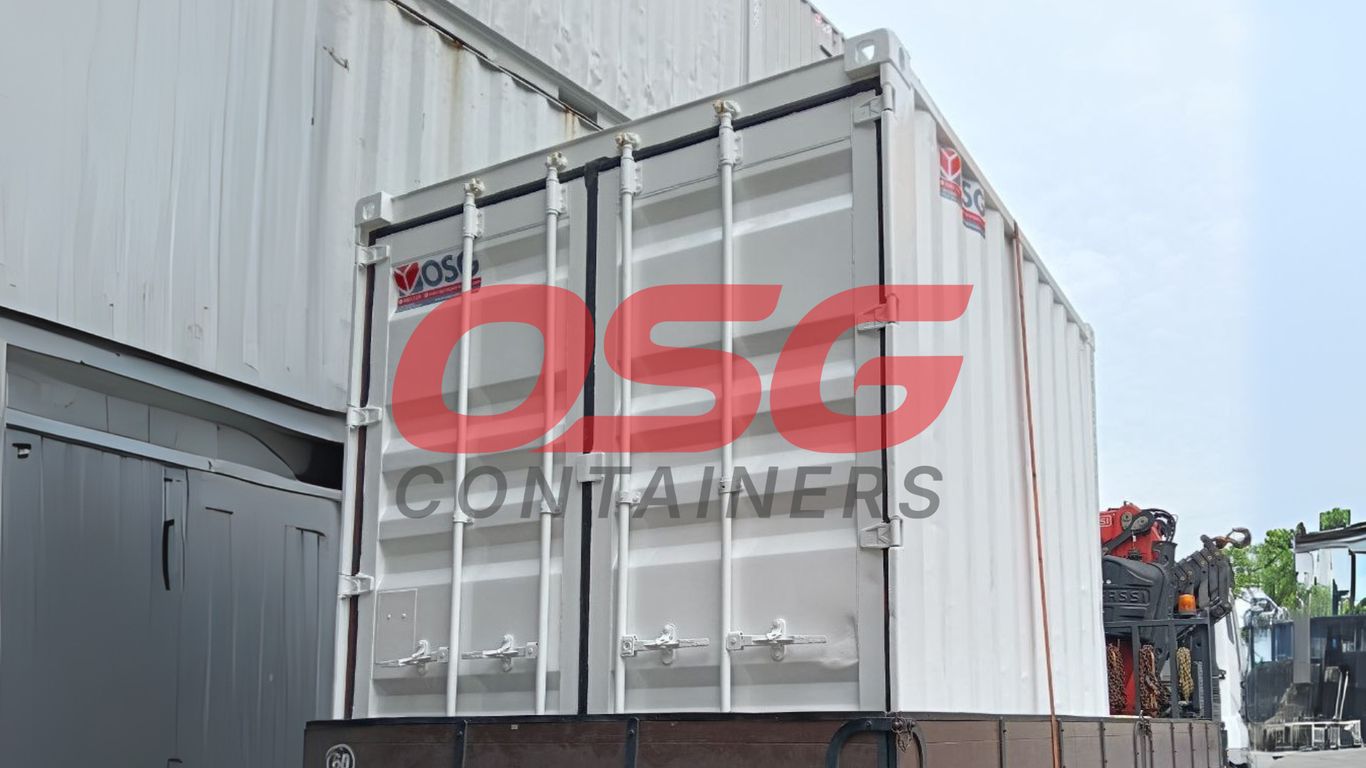
When you’ve got stuff to ship that’s just too big, too tall, or shaped in a way that makes a regular container a total no-go, that’s where the CNTR open top container really comes into its own. It’s not like your average shipping box; it’s designed with a bit more flexibility in mind. Think of it as a more adaptable solution for those tricky loads that just won’t fit through standard doors. We’re talking about making the tough jobs a whole lot simpler.
Key Takeaways
- The CNTR open top container is different because it lacks a solid roof, usually covered by a heavy-duty tarp, which allows for loading from above.
- These containers are ideal for oversized items, heavy industrial equipment, and construction materials that don’t fit easily into standard containers.
- Loading and unloading from the top with equipment like cranes significantly speeds up the process and reduces the risk of damaging the cargo.
- The reinforced structure and numerous tie-down points are crucial for securely handling and transporting heavy and bulky items.
- Using strategic packing and proper securing techniques is vital to maximize efficiency and safety when shipping with a CNTR open top.
Understanding CNTR Open Top Container Design
When you’re dealing with cargo that’s a bit too big or awkward for a standard shipping box, the CNTR open top container really comes into its own. Unlike the typical containers you see, these have a roof that’s either completely open or covered by a removable frame and a heavy-duty tarpaulin. This design isn’t just a minor tweak; it’s a practical solution for specific shipping challenges. Think of it as a more adaptable version of the standard 20 footer container or 40 feet container, built for flexibility.
Key Features and Design Elements
The defining characteristic is, of course, the open top. This allows for loading and unloading from above, usually with cranes or other lifting equipment. The sides are typically reinforced to handle the stresses of lifting and securing bulky items. You’ll also find numerous lashing points all around the interior and exterior. These are super important for securing the cargo itself and also for anchoring the tarpaulin cover.
- Open top for overhead access: Simplifies loading of tall or irregularly shaped items.
- Durable tarpaulin cover: Provides protection from weather elements like rain and wind.
- Reinforced structure: Built to withstand the demands of heavy lifting and securing.
- Multiple lashing points: Essential for safely securing cargo and the cover.
Open Top Versus Standard Container
So, how does it stack up against a regular container? A standard container is like a sealed box, great for general cargo where you can load and unload through the doors. But if your item is taller than the door opening or wider than the container’s internal width, you’re out of luck. The open top bypasses this limitation entirely. While a standard container offers high protection from the elements, the open top’s protection is moderate, relying heavily on the tarpaulin.
| Feature | Standard Container | CNTR Open Top Container |
|---|---|---|
| Roof | Fixed | Open (Tarpaulin) |
| Primary Loading | Doors | Top/Sides |
| Best For | General Cargo | Tall/Irregular Cargo |
| Weather Protection | High | Moderate (with tarp) |
Tarpaulin Cover and Reinforcements
The tarpaulin is more than just a sheet; it’s a robust, weather-resistant cover designed to shield your goods. It’s usually made from strong vinyl or canvas material. Proper tensioning and securing of this tarp are vital. The container’s frame is also built stronger than a standard one, with extra bracing to support the weight of the cargo when it’s being lifted from the top and to provide secure points for tying down the cover.
The design prioritizes ease of access for oversized items, trading a fully enclosed structure for the ability to load and unload from above, which is a game-changer for certain types of freight.
Ideal Cargo for CNTR Open Top Shipping
So, what kind of stuff actually benefits from a CNTR open top container? It’s not for everything, obviously. You wouldn’t use one for, say, a reefer container shipment where temperature control is key. But for certain types of cargo, these containers are a lifesaver. They really shine when standard containers just won’t cut it. If you’re looking into container renting for specific needs, open tops are worth considering.
Oversized and Irregular Goods
This is where open tops really earn their keep. If you’ve got items that are too tall, too wide, or just plain awkward, a standard container’s doors are going to be a problem. Think big industrial machinery, construction beams, or even large artistic pieces. The open top design means you can lift these items straight in from above, often with a crane. It makes the impossible, well, possible.
- Large industrial equipment
- Construction materials like pipes or beams
- Oddly shaped manufactured goods
- Scrap metal or bulk raw materials
Heavy Industrial Equipment
When you’re dealing with machinery that weighs a ton and is also quite tall, standard containers become a real challenge. The ability to load directly from the top with heavy-duty cranes simplifies the process immensely. This is especially true for equipment that might have delicate parts that could be damaged trying to maneuver them through narrow doors. The open top allows for a more direct and controlled placement.
Construction Materials and Components
Think about long steel beams, large pre-fabricated wall sections, or even bulky pipes. These items often exceed the height or width limitations of standard containers. Open tops provide the necessary clearance and the ability to secure these materials effectively from above, preventing movement during transit. This makes them perfect for project-based logistics where materials need to arrive on-site and be unloaded efficiently.
Loading tall or wide items into a standard container can be a logistical nightmare, often requiring specialized equipment and significant time. Open top containers bypass these issues by allowing direct overhead loading, which is a game-changer for many industries.
| Cargo Type | Why CNTR Open Top is Ideal |
|---|---|
| Oversized Machinery | Top loading bypasses height/width restrictions of doors. |
| Long Construction Beams | Allows for direct overhead placement and secure lashing. |
| Bulky Pre-fabricated Parts | Simplifies loading of items too wide or tall for standard doors. |
| Loose Bulk Materials (e.g., scrap) | Easy top loading and covering with tarpaulin for protection. |
Operational Advantages of CNTR Open Top
Simplified Loading and Unloading Processes
Forget about trying to force awkward items through standard container doors. CNTR open top containers really change the game here. Because there’s no roof, you can just lift things straight in from above. This is a massive time saver, especially when you’re dealing with tall or bulky equipment. Cranes can do their job much faster, and you spend less time wrestling with your cargo.
- Top loading eliminates size constraints imposed by container doors.
- Speeds up the loading and unloading process significantly.
- Reduces the risk of damage to cargo during handling.
Enhanced Efficiency for Non-Standard Shipments
When your cargo doesn’t fit neatly into a typical box, standard containers become a real headache. Open tops, however, are built for this exact scenario. They offer a more flexible approach, making the entire shipping process smoother. This means less hassle and fewer delays when you’re moving things that are just a bit out of the ordinary.
The flexibility offered by the open top design can significantly streamline logistics for non-standard shipments, reducing both time and potential for damage.
Reduced Risk of Cargo Damage
Trying to maneuver large or oddly shaped items through narrow container doors can easily lead to scrapes, dents, or worse. With an open top, you’re lifting cargo directly into place. This overhead approach minimizes the chances of your goods bumping into door frames or getting jammed. Plus, the strong tarpaulin cover provides good protection from the elements once everything is loaded.
The primary benefit is the ability to load and unload cargo from above, which greatly reduces the likelihood of accidental damage during these critical phases.
Handling Heavy and Bulky Items
Superior Load-Bearing Capabilities
CNTR open top containers are built tough, and that’s putting it mildly. They’re designed to handle serious weight, the kind that would make a standard container sweat. We’re talking about massive metal coils, hefty industrial machinery components, or even large pre-fabricated sections for buildings. The reinforced structure means you can push the limits on weight without quite as much worry as you might have with other container types. It’s a really solid choice when you’ve got those seriously heavy loads to move.
Top Loading for Difficult Maneuvers
Sometimes, getting cargo into a container is half the battle. For items that are just too awkward or tall to fit through conventional doors, top loading is a game-changer. Using a crane or other lifting equipment, you can simply lower the item directly into the open top. This makes handling things that are difficult to maneuver a whole lot easier. Think of large pieces of equipment or machinery parts that have odd shapes – top loading simplifies the whole process.
Securing Substantial Shipments
Once your heavy or bulky item is in place, securing it properly is absolutely key. Since there’s no roof, everything relies on how well you tie things down. A loose load in an open top container isn’t just a risk to your cargo; it’s a major safety hazard. You’ll want to make sure you’re using plenty of strong tie-down points and appropriate bracing to keep everything stable during transit. It’s about making sure that massive piece of equipment stays put, no matter what the road or sea throws at it.
Here’s a quick look at what makes them suitable:
- Reinforced Floor and Walls: Built to withstand significant downward pressure and lateral forces.
- Open Top Access: Allows for direct lifting and placement of heavy items.
- Ample Tie-Down Points: Strategically placed to secure large, awkward loads effectively.
When dealing with exceptionally heavy or bulky items, the structural integrity and loading flexibility of an open top container become paramount. It’s not just about fitting the item; it’s about safely and efficiently getting it from point A to point B without compromise.
Specialized Transport Applications
Transporting Tall or Over-Height Cargo
When you’ve got items that just don’t fit under a standard container roof, open top containers really shine. Think about those massive wind turbine blades or tall industrial machinery. Because there’s no fixed roof, you can stack these items higher than you could in a regular container. Cranes can easily lift them straight in from the top, which is a huge deal when you’re dealing with something that’s, say, 15 feet tall. It makes moving things that would otherwise be a logistical headache much more straightforward.
Shipping Delicate or Valuable Items
It might seem counterintuitive, but open top containers can be great for delicate stuff too. We’re not just talking about brute strength here. These containers come with plenty of tie-down points. This means you can really secure things like large sculptures, antique cars, or sensitive scientific equipment. You can add extra padding and bracing, making sure that even if the journey gets a bit bumpy, your valuable cargo stays put and protected. It’s all about creating a custom, secure fit for whatever you’re shipping.
Bulk Raw Materials and Loose Goods
For things like large quantities of grain, scrap metal, or even lumber, open top containers are a natural fit. You can just dump or load these materials from above, which is way faster than trying to stuff them through a side door. This makes loading and unloading incredibly efficient, especially when you’re dealing with materials that aren’t easily palletized or boxed. It cuts down on labor and gets your goods moving quicker.
The flexibility of open top containers means they can adapt to a wide range of unusual shipping needs. Their design isn’t just about accommodating size; it’s about providing practical solutions for loading, securing, and protecting cargo that standard containers simply can’t handle. This makes them indispensable for specific industries and specialized transport jobs.
| Cargo Type | Key Benefit of Open Top Container |
|---|---|
| Wind Turbine Blades | Height clearance, top loading |
| Large Sculptures | Securement points, protection |
| Bulk Grain | Ease of filling from above |
| Antique Cars | Custom bracing, secure transport |
| Industrial Generators | Top loading, space accommodation |
Maximizing Efficiency with CNTR Open Top
So, you’ve got some seriously awkward cargo that just won’t play nice with standard containers. That’s where the CNTR open top really shines. It’s not just about getting your stuff from point A to point B; it’s about making the whole process smoother and quicker, especially when you’re dealing with those oddball shapes and sizes. Think about how much time and hassle you can save when loading isn’t a wrestling match with tight door frames.
Strategic Packing Techniques
When you’re using an open top, your packing game needs a bit of a tweak. It’s less about just filling a box and more about smart placement from the start. You’ve got to think about stability and how to best use that open space.
- Start with the heaviest items at the bottom, centered. This gives you a solid base and stops the container from getting wobbly.
- Use vertical space wisely. Only stack things if they’re stable and can be tied down securely. Don’t go too high if it makes the whole thing top-heavy.
- Plan your lifting. If a crane is doing the work, make sure the cargo is balanced and has good lifting points. This directly impacts where you put it inside.
- Fill any gaps. Use bracing, dunnage, or even smaller, secured items to stop things from sliding around. This is super important for weirdly shaped loads.
Properly Securing Your Cargo
This is probably the most critical step. With no roof, everything hinges on how well you tie things down. A load that’s not secured properly in an open top container is just asking for trouble, not to mention a big safety hazard.
With no solid roof overhead, the integrity of your shipment relies entirely on robust securing methods. Proper lashing and bracing are not just recommendations; they are absolute necessities to prevent movement and potential damage during transit.
Utilizing Vertical Space Effectively
Don’t forget about the height you have available! Open top containers allow you to load from above, which means you can often stack items higher than you might think. Just remember the golden rule: stability first. If you can stack it securely and tie it down well, you can make the most of that vertical real estate. This can mean fitting more into a single container, which saves you money and time.
Here’s a quick look at how loading differs:
| Loading Method | Standard Container | CNTR Open Top Container |
|---|---|---|
| Primary Access | End Doors | Top (Crane/Lift) |
| Secondary Access | Sides (limited) | Sides (limited) |
| Best For | Standardized goods | Tall, bulky, or irregularly shaped items |
| Speed | Moderate | Potentially faster for specific cargo |
Getting your cargo loaded and secured correctly is key to a smooth journey. It might take a little extra planning, but the payoff in efficiency and reduced risk is totally worth it.
Wrapping It Up
So, when you’ve got cargo that’s just too big, too tall, or just plain awkward for a regular box, the CNTR open top container really steps up. It’s not just about getting stuff from point A to point B; it’s about doing it without a massive headache. Loading from the top makes a world of difference, especially with heavy machinery or construction materials. While they might cost a little more upfront, the ease of use, reduced risk of damage, and faster loading times can really add up. For anyone dealing with those non-standard shipments, an open top container is definitely worth a serious look. It’s a practical solution for some seriously tricky shipping jobs.
Frequently Asked Questions
What makes an open top container different from a regular one?
Think of a regular shipping container like a box with doors. An open top container is similar, but it’s missing the solid roof. Instead, it has a strong, waterproof cover, usually a tarp, that you can take off or roll back. This makes it way easier to load really tall or oddly shaped things from the top, which just wouldn’t fit through the doors of a standard container.
When is it a good idea to use an open top container?
You’ll want to use an open top container when your cargo is too tall, too wide, or just too awkward to slide into a regular container through its end doors. This could be big industrial machines, long pipes, large construction pieces, or even things like statues. The open top lets you easily lift these items in, often using a crane.
Is my stuff safe in an open top container without a solid roof?
Absolutely! Even though it doesn’t have a hard roof, it comes with a tough, waterproof tarp that shields your cargo from rain, wind, and other bad weather. Plus, these containers have lots of strong tie-down points inside to keep everything securely in place during the whole trip.
What’s the biggest benefit of using an open top container?
The biggest benefit is how much easier it makes loading and unloading for items that just won’t fit in a normal container. You can lift things straight in from the top, which saves a lot of time and hassle compared to struggling with standard doors.
Can I still stack open top containers?
Yes, you can stack them, but it depends on the type. If the open top container has a removable steel roof, it can be stacked like a regular container. If it only has a tarp cover, stacking might be limited or not recommended, as the tarp isn’t designed to support weight from above.
What kind of items are NOT good for open top containers?
Open top containers aren’t the best choice for things that need complete protection from the weather, like sensitive electronics or certain food products, unless you can guarantee the tarp will keep them perfectly dry and secure. They are also not ideal for very fine bulk materials that could blow away easily, even with a tarp.