Singapore
 Australia
 Indonesia
 Japan
Japan Malaysia
 New Zealand
 Philippines
 South Korea
 Taiwan
 Thailand
 VIETNAM
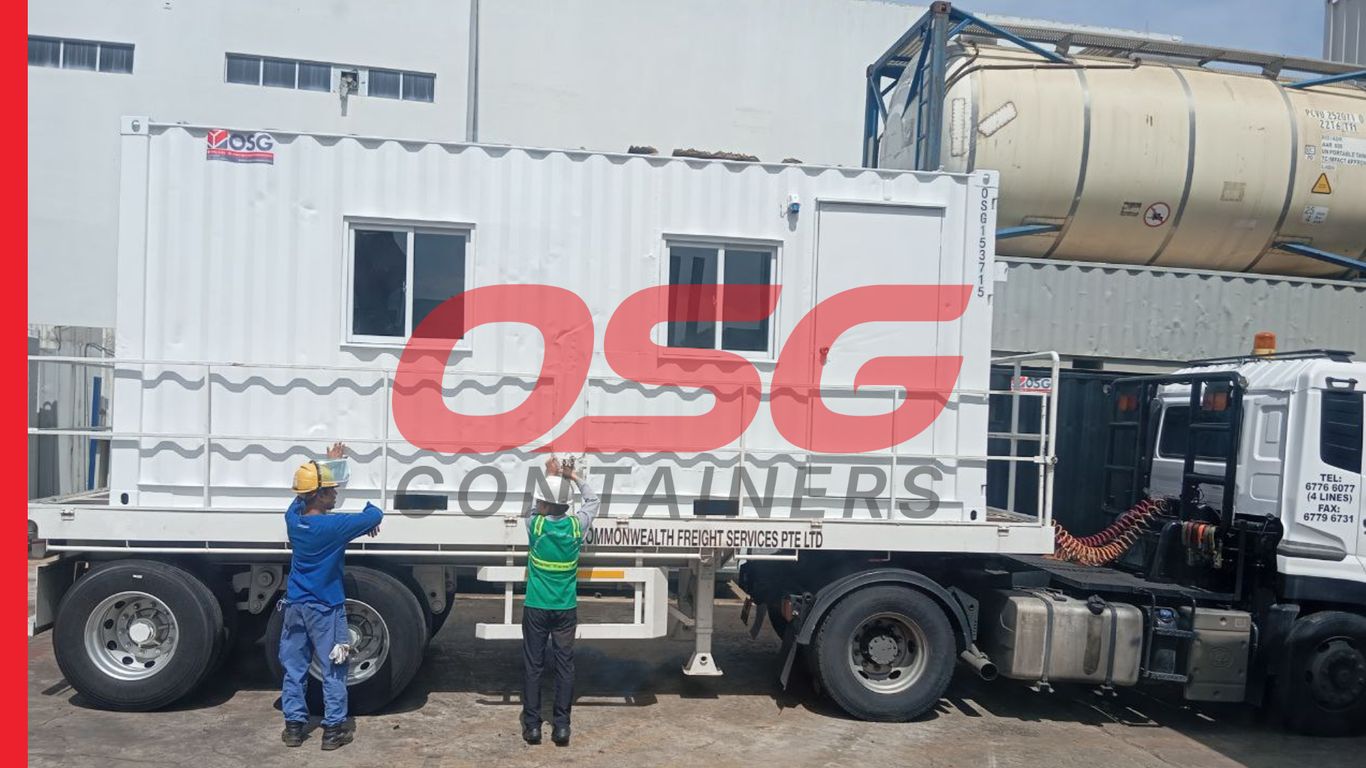
You know, those metal boxes you see everywhere? They’re more than just big storage bins. Especially the 20 ft container, it’s become a real workhorse on job sites and in businesses. People are finding all sorts of ways to use them, not just for shipping stuff across the ocean. Think about it – they’re tough, they’re easy to move around, and you can even change them up to do different jobs. We’re going to look at why this particular container size is so handy and how it’s making things easier for a lot of different operations.
Key Takeaways
- The 20 ft container is a flexible option for many uses beyond just shipping, fitting well on active sites.
- These containers can be set up quickly, moved easily to different spots, and are a cost-effective choice for businesses.
- Using a container 20 ft helps make operations smoother, especially with moving goods around and sharing information.
- Built tough, these containers offer strong protection against weather and theft, making them reliable for storing items.
- New tech is making containers smarter, and using them in new ways, like for storage or accessing export markets, shows their ongoing value.
The Versatile 20 Ft Container on Active Sites
Understanding the 20 Ft Container’s Role
When you think about active sites – think construction zones, event venues, or even temporary industrial operations – you might not immediately picture a shipping container. But these sturdy metal boxes are way more than just boxes for moving stuff overseas. The 20-foot container, in particular, has become a real workhorse. It’s not just about hauling goods anymore; it’s about providing flexible, on-site solutions that keep projects moving. These containers are essentially modular units that can be adapted for a surprising number of tasks right where the action is. They offer a practical way to manage space, store equipment, and even create temporary workspaces, all without the hassle of building permanent structures.
Key Advantages of the 20 Ft Container
So, what makes the 20-footer so popular on these busy sites? For starters, they’re built tough. Made from Corten steel, they can handle pretty much any weather thrown at them, from scorching sun to heavy rain. This means whatever you put inside is generally safe and dry. Plus, they’re a standard size, which makes them easy to move around with regular equipment. This uniformity is a big deal when you’re trying to coordinate a lot of different moving parts on a site.
Here are a few more reasons they’re a go-to:
- Durability: They’re designed to survive rough seas and harsh conditions, so they’re more than capable of handling the demands of an active site.
- Portability: Need to move it? No problem. They can be loaded onto trucks or ships easily, making them great for projects that change locations.
- Security: Their solid construction offers a good level of protection against theft and damage.
- Adaptability: With a bit of modification, they can become offices, storage units, workshops, or even basic living quarters.
Applications Beyond Traditional Shipping
Forget just shipping cargo. On active sites, a 20-foot container can be transformed. Need a secure place to store tools and materials overnight? A container works. Have a team that needs a temporary office or break room? A modified container fits the bill. They’re also used for housing generators, setting up first-aid stations, or even as secure holding areas for sensitive equipment. It’s all about using what’s available in a smart, practical way to get the job done.
The real beauty of these containers on active sites is their ability to provide immediate, on-demand infrastructure. They can be deployed quickly to meet evolving needs, offering a level of flexibility that traditional construction simply can’t match. This makes them invaluable for projects with tight timelines or unpredictable requirements.
Think about a construction project. You need a place for blueprints, tools, and maybe even a small workshop. Instead of building a shed that takes time and money, a 20-foot container can be delivered, possibly modified with shelves or a door, and be ready for use in a matter of days. It’s a straightforward solution that cuts down on delays and keeps the project on track.
Strategic Deployment of the 20 Ft Container
Getting a 20 ft container where you need it, when you need it, is a big part of making things work on active sites. It’s not just about having the container; it’s about putting it to work smartly. Think about it like setting up a temporary office or a storage hub – you want it to be easy to get there and easy to move if you need to shift operations.
Rapid Deployment for Evolving Needs
When projects are moving fast, you can’t wait around for permanent structures. A 20 foot sea container can show up and be ready to go in a matter of days or weeks, not months. This speed is a lifesaver when demand for space pops up unexpectedly, like during busy construction phases or when a site’s needs change on the fly. It means you can adapt quickly without getting bogged down.
Flexibility in Site Selection
One of the best things about a 20 ft sea container is that it’s not tied down. You can put it almost anywhere. Need storage near a specific work zone? No problem. Have to set up a temporary workshop on a remote location? Easy. This mobility means you can place your resources exactly where they’re most effective, even if the site itself is temporary or hard to reach. It’s a game-changer for sites that are constantly shifting or expanding.
Cost-Effectiveness in Deployment
Setting up a 20gp container is usually way cheaper than building something permanent. You save on construction costs, permits, and all the hassle that comes with traditional building. Plus, because they’re so easy to move, you don’t get stuck with unused structures when a project wraps up. You can redeploy them elsewhere or sell them, which keeps costs down over the long run. It’s a practical way to manage resources without breaking the bank.
The ability to quickly place and relocate these units means that operational setups can be adjusted on the fly, responding to project changes or new logistical demands without significant delays or capital investment in fixed infrastructure. This agility is key for maintaining momentum on dynamic work sites.
Here’s a quick look at why this matters:
- Speed to Operation: Get functional space ready much faster than traditional builds.
- Location Agility: Position units precisely where needed, even in challenging spots.
- Resource Optimization: Avoid costs associated with permanent structures and unused assets.
- Scalability: Easily add or remove units as project scope changes.
Operational Efficiency with the 20 Ft Container
When you’re working on a busy site, things can get hectic fast. Making sure everything flows smoothly is a big deal, and that’s where the 20 ft container really shines. It’s not just about having a box to put stuff in; it’s about how it helps keep the whole operation moving.
Optimizing Cargo Rotation and Repositioning
Getting containers where they need to be, especially when they’re empty, can be a real headache. Think about it: a container comes in with goods, gets unloaded, and then what? If there’s no immediate need for it to go back out with another load, it just sits there, taking up space and costing money. A well-planned system for rotating and repositioning these empty containers is key to keeping your supply chain humming. This means having a good idea of where empties are and where they’ll be needed next. Sometimes, it’s about quickly getting an empty container from a port to an export loading point so it doesn’t have to make a separate trip back to the terminal. This kind of quick turnaround saves time and reduces those annoying fees that pop up when containers sit around too long.
Here’s a quick look at why this matters:
- Reduces Idle Time: Less time spent waiting means more time being productive.
- Lowers Costs: Avoids storage fees and extra transport charges.
- Increases Asset Velocity: Keeps containers circulating, which is good for business.
- Improves Planning: Better visibility means fewer surprises.
Streamlining Transloading Processes
Transloading is basically moving goods from one type of container to another. Why do this? Well, sometimes it makes more sense to move cargo from a big shipping container into smaller, local ones, or vice versa. This can be super helpful if you’re dealing with goods that need to go to different places locally, or if you’re trying to avoid extra charges on international containers. It’s like a transfer point. You get the goods out of the shipping container, which can then be sent back or used for something else, and the goods are put into a different container ready for their next step. This is especially useful when the import and export flows don’t quite match up.
The decision to transload and where to do it involves weighing the benefits against the drawbacks. It’s a strategic move to keep goods moving efficiently, especially when dealing with complex logistics networks where import and export demands aren’t perfectly aligned.
Enhancing Information Exchange Among Stakeholders
For all this to work, everyone involved needs to be on the same page. That means the shipping company, the trucking company, the warehouse folks, and whoever is managing the site all need to know what’s going on. When you’re dealing with 20 ft containers, especially on active sites, having clear communication about where containers are, when they’ll be needed, and their status is a game-changer. This could involve simple check-in/check-out procedures or more advanced digital tracking. The better the information flows between different parties, the fewer mistakes happen, and the smoother everything runs. It cuts down on confusion and makes sure that the right container is in the right place at the right time, without a lot of fuss.
Security and Durability of the 20 Ft Container
Robust Protection for Valuable Items
When you’re dealing with active sites, whether it’s a construction zone, a remote research station, or a temporary event setup, keeping your gear and materials safe is a big deal. The 20 ft container is built tough, and that’s a major part of why it’s so useful. These things are made from strong Corten steel, which is designed to stand up to pretty rough conditions. Think about it – they’re built to handle being stacked high on ships, tossed around by cranes, and exposed to salty air and all sorts of weather. This means they’re not just flimsy boxes; they’re serious pieces of equipment designed for the long haul.
Weatherproof Design for Climate Resilience
No matter what the weather throws at you, a 20 ft container is usually up to the task. The seams are welded tight, and the doors have rubber seals, making them pretty much airtight and watertight. This is super important for keeping whatever’s inside dry and protected from rain, snow, and even dust. You don’t want your tools rusting away or your supplies getting ruined by moisture, right? The steel itself is also treated to resist rust, so even if it gets scratched, it’s not going to fall apart overnight. They can handle extreme heat and cold without much fuss, which is a big plus when you’re working in unpredictable environments.
Enhanced Security Features for On-Site Storage
Beyond just being a strong box, containers offer a good level of security. They come with heavy-duty doors that can be secured with padlocks, and these aren’t your average flimsy locks. You can get high-security options too, making it really difficult for anyone to just walk in and take things. For sites where you might be storing expensive equipment or sensitive materials, this is a huge advantage. It gives you peace of mind knowing that your assets are protected when you’re not actively working on them. Plus, their standardized size and appearance mean they don’t necessarily scream ‘look at me, I’m full of valuables,’ which can be a deterrent in itself.
The inherent strength and weather resistance of a 20 ft container mean it can serve as a reliable, secure outpost for equipment and supplies on any active site. Its construction is designed to endure, offering a level of protection that traditional temporary structures often can’t match, all while being relatively easy to secure against unauthorized access.
Here’s a quick look at what makes them so tough:
- Material: Made from Corten steel, which is known for its strength and resistance to corrosion.
- Construction: Welded seams and robust door frames create a sealed, sturdy unit.
- Flooring: Typically uses marine-grade plywood, capable of supporting significant weight (often up to 30 tonnes).
- Locking Mechanisms: Designed to accommodate heavy-duty, high-security padlocks.
While a standard container is already quite secure, you can always add more layers of protection. Think about adding extra locking bars, alarm systems, or even integrating them with site-wide surveillance. It really depends on what you’re storing and how critical the security is for your specific operation.
Innovation and Future of the 20 Ft Container
The Digitalization of Container Assets
We’re seeing a big shift towards making containers ‘smart’. Think of it like giving them a brain. This means attaching sensors and tech that can tell you exactly where a container is and what’s happening inside it. It’s not just about tracking anymore; it’s about knowing the conditions – like temperature or humidity – in real-time. This kind of data is a game-changer for keeping sensitive goods safe and for planning logistics way better. This digital layer is transforming how we view and manage these metal boxes, turning them from simple storage units into active participants in the supply chain.
Smart Container Technology Integration
Integrating smart tech isn’t just a futuristic idea; it’s happening now. We’re talking about IoT devices that communicate constantly. This allows for:
- Real-time Location Tracking: Knowing precisely where your container is, down to the meter.
- Condition Monitoring: Sensors can detect shocks, tilt, temperature fluctuations, and humidity levels.
- Predictive Maintenance: Data can help anticipate when a container might need repairs, preventing costly breakdowns.
- Automated Data Logging: Information is recorded automatically, reducing manual errors and saving time.
This level of integration means fewer surprises and more control over your assets.
Sustainable Practices in Container Usage
There’s a growing focus on making container use more environmentally friendly. This includes:
- Repurposing: Giving retired shipping containers a new life in construction, housing, or as on-site storage. This cuts down on waste and the need for new materials.
- Eco-friendly Materials: Exploring the use of more sustainable materials in container manufacturing and modifications, like bamboo flooring.
- Optimized Logistics: Using smart technology to reduce empty miles and improve route planning, which lowers fuel consumption.
The push for sustainability means we’re looking at containers not just for their utility, but also for their environmental footprint. It’s about making smarter choices that benefit both business and the planet.
It’s pretty cool to think about how these standard boxes are evolving. They’re becoming more connected, more informative, and greener. This innovation means they’ll likely stay a key player on active sites for a long time to come, adapting to whatever new challenges pop up.
Maximizing Value with the 20 Ft Container
So, you’ve got these 20-foot containers on your site, and you’re probably thinking, ‘What else can I do with them besides just storing stuff?’ Well, it turns out there’s quite a bit more to it. These aren’t just metal boxes; they’re tools that can really help you get more bang for your buck.
Repurposing for Self-Storage Solutions
Think about it: setting up a traditional storage unit facility takes ages and costs a fortune. With a 20 ft container, you can get a storage space up and running way faster. You just need a spot, and you can have it ready for customers in weeks, not months or years. This is super handy if you suddenly see a big jump in people needing storage, like during busy moving seasons or after a local event that causes a lot of disruption.
- Quick setup: Deliver, modify, and rent out. Easy.
- Flexible locations: Put them where the demand is, even if it’s just temporary.
- Customer appeal: People like the security and convenience of a dedicated unit.
These containers offer a practical and speedy way to tap into the self-storage market. They’re a solid choice for businesses looking to expand their services without a massive upfront investment in brick-and-mortar buildings.
Facilitating Access to Export Markets
Getting your products out to international buyers can be a headache, especially for smaller companies. A 20 ft container can be a game-changer here. Instead of trying to fill a massive ship, you can consolidate smaller batches of goods into these containers. This makes it way easier and cheaper to get your products onto international shipping routes. It opens up global markets that might have seemed out of reach before.
Here’s a quick look at how it helps:
- Consolidation: Combine smaller shipments into one container load.
- Cost reduction: Lower per-unit shipping costs for smaller businesses.
- Market access: Reach customers in new countries more easily.
Customization for Diverse Industrial Needs
What’s cool about these containers is that they’re not just one-size-fits-all. You can actually modify them for all sorts of specific jobs. Need a mobile workshop? Done. How about a secure site office? No problem. They can be fitted out with insulation, ventilation, special doors, or even become part of a larger modular structure. This adaptability means you can tailor a container to fit a very particular need on an active site, making operations smoother and more efficient.
| Modification Type | Common Use Case |
|---|---|
| Insulated | Temperature-sensitive goods storage |
| Ventilated | Agricultural products, preventing moisture |
| Office Fit-out | On-site project management, site supervision |
| Workshop | Mobile repair and maintenance station |
Wrapping It Up
So, when you look at a 20-foot container sitting on a busy site, remember it’s more than just a metal box. It’s a workhorse, helping keep things organized, secure, and moving forward. Whether it’s holding tools, materials, or even acting as a temporary office, these containers are pretty handy. They’re tough, they can go pretty much anywhere, and they make a lot of sense for keeping active sites running smoothly. Honestly, they’re a simple but smart solution that really makes a difference on the ground.
Frequently Asked Questions
What makes a 20-foot container so useful on busy work sites?
A 20-foot container is like a tough, portable box. It’s great because you can quickly put it where you need it for storing tools, materials, or even as a temporary office. It’s strong enough to protect things from bad weather and theft, and you can move it around easily as the work site changes.
Can these containers be used for more than just storing stuff?
Absolutely! While they’re fantastic for storage, people also turn them into cool spaces like pop-up shops, extra rooms for events, or even small workshops. Their simple design means they can be changed to fit lots of different jobs, not just shipping.
How quickly can a 20-foot container be set up and ready to use?
It’s super fast! Instead of building something solid, you can have a container delivered and ready to go in just a few weeks. This is a big deal when you need storage or a workspace right away, like when a project suddenly needs more supplies or when lots of people are moving.
Are these containers safe from bad weather and theft?
Yes, they are built tough! They’re made of strong steel that can handle rain, wind, and sun without a problem. Plus, they have strong doors with locks, making them very secure for keeping valuable items safe when they’re not being used.
What does ‘smart container technology’ mean for these boxes?
Smart containers have technology inside, like GPS trackers and sensors. This means you can see exactly where the container is at all times, check its temperature, or even get an alert if someone tries to open it. It helps keep track of everything and makes sure your stuff stays in good condition.
Is using these containers good for the environment?
Using containers, especially ones that have already been used for shipping, is a smart way to reuse materials. It means fewer new things need to be made. Plus, they are built to last a very long time, so they don’t need to be replaced often, which is also good for the planet.