Singapore
 Australia
 Indonesia
 Japan
Japan Malaysia
 New Zealand
 Philippines
 South Korea
 Taiwan
 Thailand
 VIETNAM
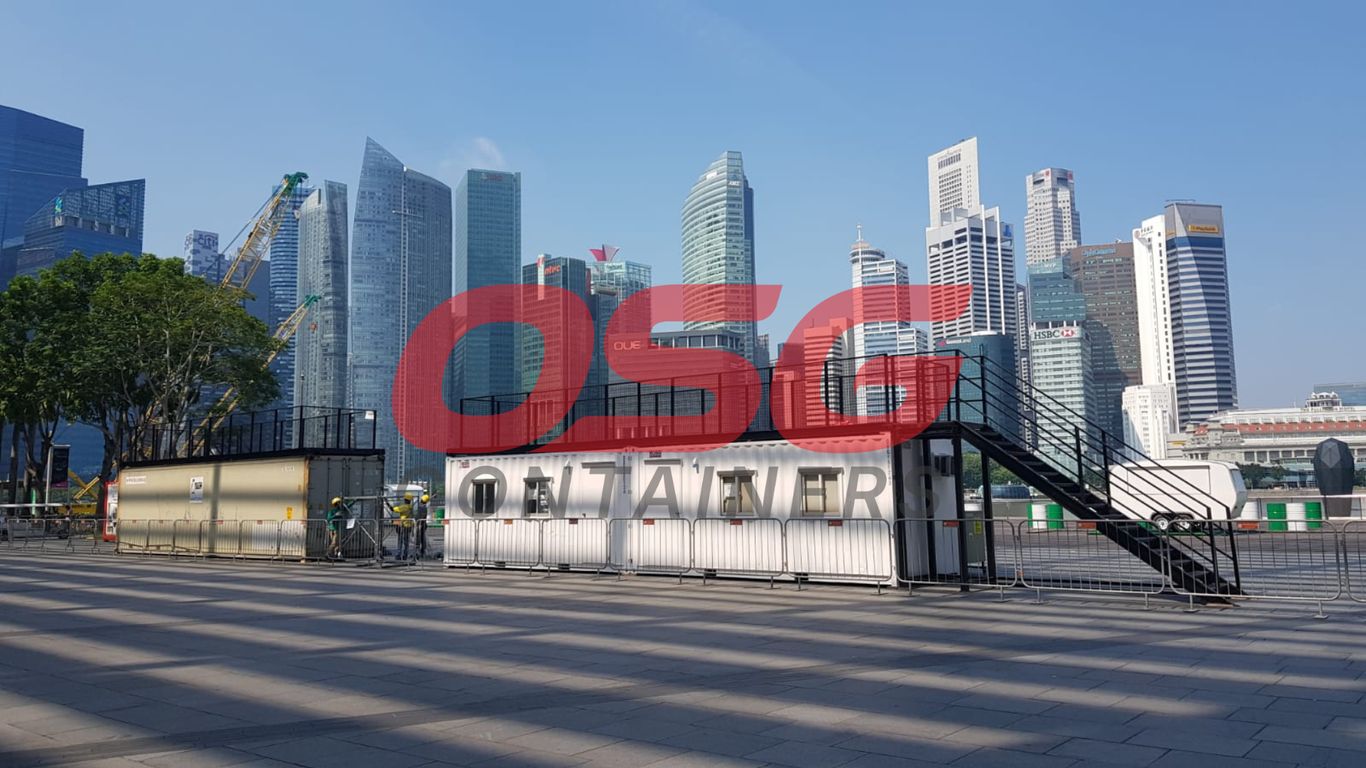
It’s pretty wild how much shipping containers have changed things. They used to just be those big metal boxes you saw on ships or trains, right? Now, they’re popping up everywhere, being used for all sorts of stuff that’s totally reshaping how we build and live. It’s like we discovered a whole new way to put things together, and honestly, it’s pretty cool to see.
Key Takeaways
- Shipping containers offer a modular and prefabricated approach to building, making construction faster and more efficient.
- Repurposing shipping containers is a sustainable practice that reduces waste and lowers carbon footprints.
- From affordable homes to trendy retail spaces, shipping containers provide versatile and cost-effective solutions for various applications.
- Modern technology is being integrated into shipping containers for better tracking, security, and automation in logistics.
- The adaptability and innovative use of shipping containers are redefining modern infrastructure across residential, commercial, and transport sectors.
The Evolving Shipping Container in Modern Logistics
Streamlining Road and Multimodal Transport
Shipping containers have fundamentally changed how we move goods, especially when it comes to getting them from ports to their final destinations. Think about all the trucks you see on the highway – a lot of those are carrying containers. The design of these containers now focuses on making that whole process quicker. We’re seeing features that help load and unload them faster, which cuts down on waiting times at warehouses and distribution centers. This isn’t just about convenience; it saves real money and gets products to people sooner. Plus, they’re built to be easily transferred between trucks, trains, and ships. This makes moving cargo across different types of transport much less of a headache.
Efficiency Through Container Innovation
It’s not just about moving stuff; it’s about doing it smartly. That’s where new ideas in container design come into play. We’re seeing containers that are getting lighter but staying strong, which means we can ship more without running into weight limits on the road. Some are even being made with special materials or designs to handle specific types of cargo better, like temperature-sensitive goods or fragile items. The goal is to make every trip count and reduce waste.
- Faster Loading/Unloading: New designs focus on getting cargo in and out quickly to cut down on waiting times.
- Easier Transitions: Containers are made to switch between trucks, trains, and ships without needing major changes.
- Weight and Space Optimization: They’re getting lighter but stronger, meaning more can be shipped and we stay within road weight limits.
The evolution of shipping containers shows that even basic tools can be improved with new thinking. They’re becoming active parts of the logistics system, not just passive boxes. This makes moving goods faster and more reliable.
Integration with Automated Logistics
This is where things get really interesting. Containers are being designed to work better with all the new automated systems popping up in warehouses and ports. Imagine robots loading and unloading trucks or automated sorting systems. Containers that can communicate their contents or dimensions make these automated processes much smoother. This means less waiting around and fewer mistakes. Even specialized containers are being adapted so they can be more easily handled by automated cranes and equipment, speeding up the whole process.
| Feature | Benefit |
|---|---|
| IoT Sensors | Real-time tracking and condition monitoring |
| Advanced Locking | Enhanced security against theft and tampering |
| Structural Integrity | Prevents accidents and cargo breaches |
Technological Advancements Enhancing Shipping Containers
Smart Containers with IoT Integration
These aren’t your grandpa’s shipping containers anymore. We’re seeing a big shift towards ‘smart’ containers, packed with sensors and connected through the Internet of Things (IoT). This means they can tell us exactly where they are, what the temperature is inside, and even if someone’s tried to mess with them. It’s like giving each container a little brain and a voice, sending real-time updates to everyone involved in the supply chain. This kind of constant information flow helps prevent problems before they even start, like spoilage or theft, and makes sure everything arrives right on schedule.
Enhanced Security and Monitoring
Security is a huge concern when you’re moving valuable goods across the globe. Newer container designs are beefing up protection in a few key ways. You’ll find better locking mechanisms that are much harder to break into. Plus, those IoT sensors we just talked about? They’re also used for security. If a container is moved unexpectedly or the temperature goes out of bounds for sensitive cargo, an alert can be sent out right away. This helps stop theft and makes sure your stuff arrives in good shape. Even specialized units, like those for liquids, have advanced monitoring to keep everything contained safely.
Adaptability for Evolving Commerce
Commerce is always changing, and what people need to ship changes with it. Containers are becoming more adaptable to all sorts of different cargo. Whether it’s something delicate like artwork or something that needs to stay cold, like medicine, containers can be customized. This flexibility means they can handle pretty much anything the modern market throws at them. Even things like open top containers are being adapted so they can be more easily handled by automated cranes and equipment, speeding up the whole process.
The evolution of shipping containers shows that even basic tools can be reinvented with technology. They’re becoming active players in the logistics network, not just passive boxes. This makes moving goods faster, safer, and more transparent.
Shipping Containers Revolutionizing Construction and Architecture
It’s pretty wild how these big metal boxes, originally just for hauling stuff across oceans, are now changing how we build things. We’re talking about a total shift in construction, moving towards smarter, faster, and more eco-friendly methods. Shipping containers are becoming the go-to building blocks for a new era of infrastructure.
Modular Design and Prefabricated Solutions
Think about it: instead of building everything from scratch on-site, which can be slow and messy, we can now use pre-made modules. Shipping containers are perfect for this. They come in standard sizes, like the common 20 ft container, which makes planning and assembly way simpler. Builders can modify these containers off-site in controlled environments, then just bring them to the location and put them together. It’s like adult LEGOs, but for buildings!
- Speed: Construction time is cut down significantly because much of the work happens elsewhere.
- Consistency: Factory conditions mean better quality control and fewer mistakes.
- Flexibility: Containers can be combined, stacked, or arranged in countless ways to fit different needs.
This modular approach means less disruption at the actual building site, which is a big deal in busy areas.
Cost-Effectiveness and Efficiency
Let’s be real, building can get expensive. Shipping containers offer a more budget-friendly option. Because they’re mass-produced and readily available, their base cost is relatively low. Add to that the savings in labor and time due to the prefabricated nature, and you’ve got a winning combination for efficiency. Projects that might take months with traditional methods can often be completed in weeks using container modules. This speed and lower material cost translate directly into savings for developers and clients alike.
| Feature | Traditional Building | Container Building |
|---|---|---|
| Initial Material Cost | High | Moderate |
| Labor Time | Long | Short |
| Site Disruption | High | Low |
| Project Speed | Slow | Fast |
Modern Architectural Aesthetics
Don’t let the industrial look fool you; these containers are incredibly flexible. Architects and homeowners are getting really creative, stacking and arranging them in all sorts of ways to create unique living spaces. Whether you want a cozy single-family home or something a bit more elaborate, a 20 foot sea container can be adapted. You can even get them pre-fabricated, all wired and plumbed, making the setup super fast. It’s like having a custom Lego set for your house, but way cooler.
Using old shipping containers is a fantastic way to be more environmentally friendly. Instead of making new materials, we’re reusing something that already exists. This cuts down on waste and the energy needed to produce new building supplies. A 20 foot sea container, once retired from its shipping duties, can get a whole new life as part of a home, office, or even a school.
Innovative Applications Beyond Traditional Transport
It’s pretty wild how much these big metal boxes have changed, right? They aren’t just simple rectangles for stuff anymore. We’re seeing some serious tech getting packed into them, making them smarter and more useful than ever before. Think about it – we’ve gone from basic steel boxes to high-tech units that can tell you exactly where they are and what’s happening inside. But the real story is how they’re popping up in places you’d never expect, totally changing how we think about spaces and commerce.
Transforming Commercial and Public Spaces
Shipping containers are really shaking things up when it comes to how we build commercial and public spots. Forget those old, slow construction methods; these metal boxes offer a faster, more flexible way to get things done. Businesses are catching on, and so are communities. They’re being used for everything from temporary event structures to permanent community hubs.
Versatile Retail and Restaurant Concepts
Think about your favorite trendy cafe or a pop-up shop you stumbled upon. Chances are, it might have been a shipping container. Their industrial look is super popular right now, and businesses love how quickly they can set up shop. Plus, moving a container business to a new location is way easier than rebuilding a brick-and-mortar store. It’s perfect for testing out new markets or just keeping things fresh.
- Quick Setup: Get your business up and running in weeks, not months.
- Mobility: Easily relocate your store or restaurant if needed.
- Unique Aesthetics: Stand out with a modern, industrial vibe that customers notice.
- Cost Savings: Lower initial investment compared to traditional buildings.
Compact Living Solutions
Beyond businesses, containers are also solving housing needs. Single containers can be transformed into efficient, stylish studios or small homes. Stacking and connecting them allows for the creation of apartment buildings and housing complexes. Their robust nature also makes them suitable for remote locations and self-sufficient living setups.
These adaptable structures are proving that a standardized shipping container can be much more than just a box for goods; it can be a foundation for a home, a shop, or a community space, offering practical solutions with a distinct visual appeal.
| Application Type | Key Benefit |
|---|---|
| Retail Pop-ups | Rapid deployment and lower overhead |
| Food Stalls | Mobility and unique customer experience |
| Temporary Shelters | Quick assembly in disaster-stricken areas |
| Small Dwellings | Affordable and customizable living spaces |
The Symbiotic Relationship of Container and Infrastructure
Impact on Logistics, Infrastructure and Equipment
It’s pretty wild how much these big metal boxes have changed everything, right? They aren’t just simple rectangles for stuff anymore. The whole global trade system kind of relies on these things being standardized and easy to move from a truck to a train to a ship. This has really pushed ports to get bigger and better, with more cranes and smarter ways to move containers around. Think about it – before containers, loading and unloading ships was a total mess, taking ages and costing a fortune. Now, it’s way more organized. Even specialized units like the isotank, designed for liquids, need specific infrastructure to handle them safely and efficiently.
Container Plus Chassis: A Symbiotic Relationship
This is where things get really interesting. The container itself is only half the story. It needs something to move it around on land, and that’s where the chassis comes in. These are basically the frames with wheels that trucks use to haul containers. They’ve had to evolve too, getting stronger and more adaptable to handle different container sizes and weights. The container and the chassis work together; one can’t do its job without the other. It’s like a partnership. When you see a truck driving down the highway with a container on it, that’s the symbiotic relationship in action.
Here’s a quick look at how they depend on each other:
- Containers: Provide standardized, secure cargo units.
- Chassis: Offer the mobile platform for land transport.
- Ports & Terminals: Need specialized equipment (like cranes and straddle carriers) to move containers between ships, trains, and chassis.
- Rail Networks: Require specific track gauges and loading facilities for containerized freight.
The evolution of shipping containers is a clear sign that even the most basic industrial tools can be reinvented with technology. They’re becoming active participants in the logistics network, not just passive carriers. This shift is making the movement of goods faster, safer, and more transparent than we could have imagined just a few decades ago.
The Future of Container Ecosystems
Looking ahead, this partnership is only going to get more complex and integrated. We’re seeing more "smart" containers with sensors that tell you exactly where they are and what the conditions are inside. This real-time information helps prevent problems, like spoilage or theft, and makes sure everything arrives on time. Plus, these containers are being designed to work better with all the new automated systems popping up in warehouses and ports. Think about robots loading and unloading trucks or automated sorting systems. Containers that can communicate their contents or dimensions make these automated processes much smoother. This means less waiting around and fewer mistakes. It’s all about using technology to make the whole process more reliable and less prone to errors.
The Enduring Influence of the Shipping Container
A Brief History of Shipping Containers
It’s pretty wild to think about how much the world changed when those big metal boxes started showing up everywhere. Before the mid-20th century, moving goods around was a real hassle. Cargo was loaded and unloaded by hand, piece by piece, at every stop. This was slow, expensive, and things got lost or damaged a lot. Then, in 1956, a guy named Malcolm McLean came along with a simple, yet brilliant idea: a standardized metal container. This single innovation completely changed how we move stuff globally. Suddenly, you could load a container once and it could go on a truck, then a train, then a ship, all without anyone touching the actual goods inside. It was a game-changer, cutting down costs and time dramatically.
Evolution of Shipping Containers Over the Years
These containers haven’t just sat around being the same old boxes. They’ve gotten better over time. Early on, they were pretty basic, but as trade grew and technology advanced, so did the containers. We’ve seen them get stronger, sometimes lighter, and definitely more secure. Think about it: they need to withstand rough seas, extreme temperatures, and the constant bumps of travel. Plus, with today’s focus on tracking everything, many containers now have smart features built-in. They’ve evolved from simple cargo holders to sophisticated parts of a global logistics network.
Here’s a quick look at some key changes:
- Standardization: The initial adoption of standard sizes (like 20-foot and 40-foot) was the first big step.
- Material Science: Improvements in steel alloys have made them more durable and resistant to corrosion.
- Security Features: Enhanced locking mechanisms and tamper-evident seals are now common.
- Smart Technology: Integration of GPS trackers, sensors for temperature and humidity, and RFID tags.
The Bottom Line: Essential to Global Trade
So, what’s the big takeaway here? Shipping containers are way more than just transport tools. They’re the backbone of modern global commerce. They’ve made international trade possible on the scale we see today, influencing everything from port design to the price of goods on store shelves. Their impact is so huge that it’s hard to imagine the world without them. They’ve become a symbol of connection, moving everything from your morning coffee beans to the components of your smartphone across vast distances.
The humble shipping container, born from a need for efficiency, has quietly reshaped our world. Its standardized form and robust nature have not only revolutionized logistics but also sparked creativity in construction and urban design, proving its lasting value far beyond its initial purpose.
It’s amazing how a simple metal box can have such a profound and lasting influence on how we live, work, and connect with each other around the globe.
More Than Just Boxes
So, it’s pretty clear these aren’t just simple metal boxes anymore. Shipping containers have really evolved from being just transport tools to becoming actual pieces of infrastructure. They’re getting smarter with built-in tech for tracking and security, and they’re changing how we build everything from houses to shops. It’s kind of amazing how something so basic has become so adaptable and important in so many different areas. The way we move goods is faster and more reliable because of them, and the future looks like they’ll keep finding new roles, making our world a bit more efficient and maybe even more sustainable.
Frequently Asked Questions
What exactly is a shipping container used for besides moving stuff?
Shipping containers are super useful for lots of things other than just carrying goods on ships! People use them to build homes, shops, offices, and even cool cafes. They’re strong, easy to move, and can be changed into almost anything you can imagine, making them great for building things quickly and without spending too much money.
How do “smart” shipping containers work?
Smart containers have special gadgets called sensors, like tiny computers, that can send information. They can tell you where the container is at any moment, what the temperature is inside, and if someone tried to open it. This helps keep track of your stuff and makes sure it stays safe and in good condition while it’s traveling.
Are shipping containers good for building houses?
Yes, they are! Building with shipping containers is becoming really popular because it’s faster and usually cheaper than building with regular materials. They’re like big, strong building blocks that can be put together to make homes, apartments, or even whole neighborhoods. Plus, using them is a good way to recycle.
How do shipping containers help make shipping faster?
Shipping containers are designed to be easy to move between different kinds of transport, like trucks, trains, and ships. This means workers don’t have to unload and reload everything piece by piece. They can just move the whole container, which saves a lot of time and makes the whole process of getting goods from one place to another much quicker.
Can shipping containers be used for businesses like stores or restaurants?
Absolutely! Many businesses use shipping containers to create unique and trendy shops or eateries. They can be set up much faster than traditional buildings, and they often have a cool, modern look that customers like. If a business wants to move, they can even relocate the container shop to a new spot.
What makes shipping containers so important for global trade?
Shipping containers are like the backbone of moving goods all around the world. Because they are all the same size and shape, they can be easily stacked and moved by special machines and vehicles. This standardization makes it possible to ship huge amounts of products efficiently and affordably, connecting countries and economies.