Singapore
 Australia
 Indonesia
 Japan
Japan Malaysia
 New Zealand
 Philippines
 South Korea
 Taiwan
 Thailand
 VIETNAM
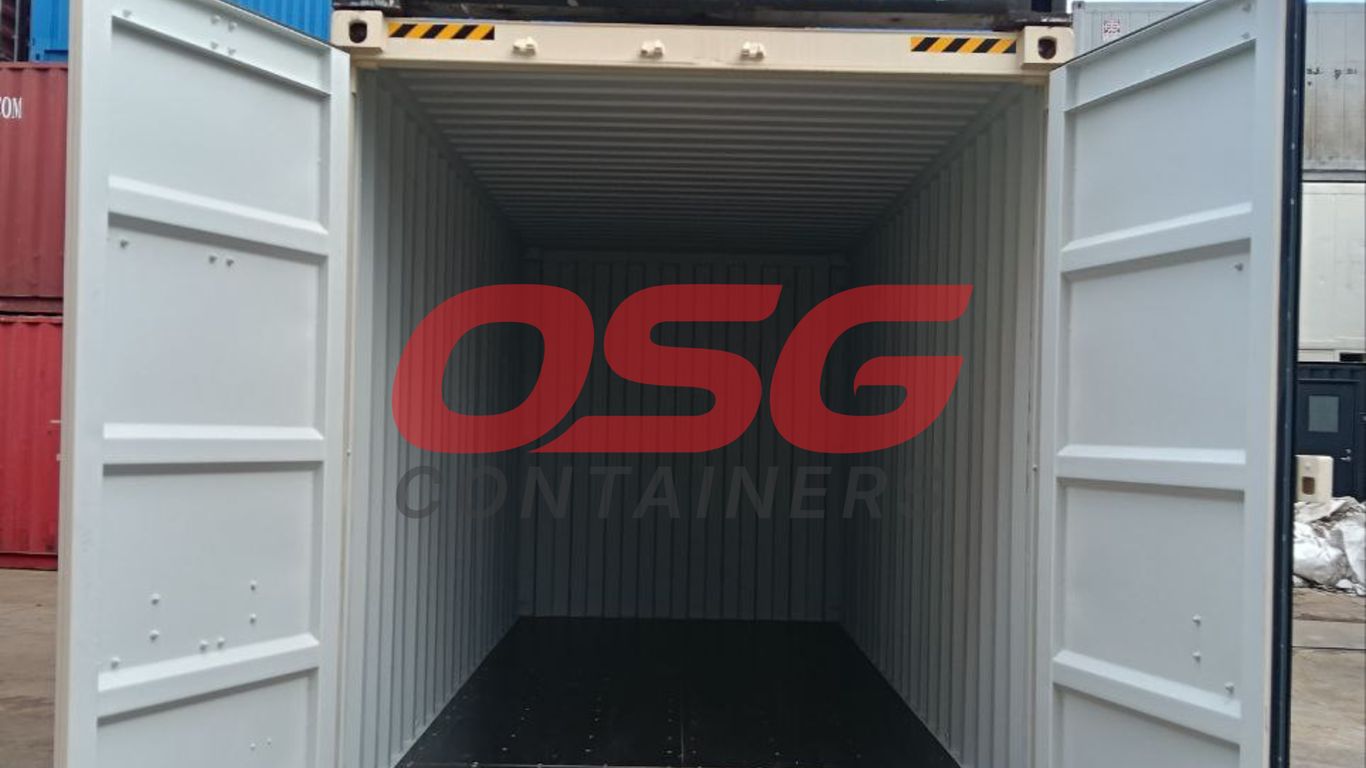
So, you’re thinking about getting a shipping container? Specifically, the 20-footer. It’s a popular choice, and for good reason. It seems like everyone’s using them for everything these days, from storing extra stuff to setting up little workshops. But what makes this particular size so special? It really comes down to how it balances fitting a decent amount of stuff without being a total pain to move, and all without costing an arm and a leg. Let’s break down why the 20 foot sea container is such a go-to.
Key Takeaways
- The 20 foot sea container offers a smart mix of usable space, roughly 1,172 cubic feet, and manageable dimensions (20′ L x 8′ W x 8’6″ H exterior), making it practical for various needs.
- These containers are built tough from materials like Corten steel, designed to last for decades with minimal upkeep, even in rough weather.
- From a cost perspective, the 20 foot sea container is often cheaper per unit of cargo and has lower handling expenses, which is great for smaller businesses.
- Their standardized size means they fit easily into global shipping infrastructure and are simple to move using common transport methods like trucks and trains.
- Beyond shipping, 20 foot sea containers are incredibly versatile, easily converted into secure storage, mobile offices, workshops, or even retail spaces.
The Popularity of the 20 Foot Sea Container
Why the 20 Ft Container Is the Most Popular Size
The 20-foot shipping container is a real workhorse in the logistics world, and honestly, it’s not hard to see why. It hits that sweet spot for a lot of different needs. Think about it: it’s big enough to hold a decent amount of stuff, whether you’re moving a small household or stocking up inventory for a business, but it’s not so massive that it becomes a headache to handle or store. This size is super common, meaning you’ll find them readily available and often at a better price point compared to larger options. Plus, its standardized dimensions make it easy to plan for transport and placement, whether it’s going on a truck, a train, or a ship.
This container size is popular because it offers a practical balance between capacity, cost, and ease of handling.
Balancing Size, Cost, and Flexibility
When you’re trying to figure out what kind of container you need, it often comes down to a balancing act. You want something that fits your stuff, doesn’t break the bank, and can be moved around without too much fuss. The 20-foot container really shines here. It offers a good chunk of space – usually around 1,170 cubic feet – which is plenty for many applications. This capacity means you can often get your goods moved in one go, saving you the hassle and cost of using multiple smaller containers or trying to cram things into something too small. It’s a practical choice for businesses needing extra storage or for individuals making a move.
Here’s a quick look at what makes the 20-footer so appealing:
- Manageable Size: It’s large enough for significant storage or transport but small enough to be placed in tighter spots and handled with standard equipment.
- Cost-Effective: Generally more affordable to purchase or rent than larger containers, and often cheaper to transport due to its size.
- Versatile: Suitable for a wide range of uses, from simple storage to more complex modifications.
The 20-foot container strikes a great balance. It’s manageable in size, generally more affordable than its larger counterparts, and flexible enough for a wide range of uses, from simple storage to more complex conversions.
Key Takeaways for the 20 Ft Container
The 20 ft sea container is a popular choice because it balances size, cost, and flexibility well. These containers are used for various purposes, including business storage, construction site needs, and both domestic and international shipping. They can also be converted into functional spaces like on-site offices or workshops. While offering significant capacity, the 20 ft container is more manageable and often cheaper to transport than larger options like the 40 ft container. Proper planning for loading, packing, and handling is important to maximize the usable space and prevent issues during transit.
Maximizing Your 20 Foot Sea Container Space
So, you’ve got a 20-foot container and you want to make sure you’re getting the most out of it. It’s a pretty common goal, right? Whether you’re storing business inventory, moving your home, or even planning a cool conversion project, every bit of space counts. Let’s talk about how to pack smart and avoid common headaches.
Understanding Interior Dimensions and Usable Space
First off, remember that the listed dimensions aren’t exactly what you get inside. The walls, the floor, the ceiling – they all take up a little bit of room. A standard 20 ft container has an interior volume of about 33.2 cubic meters. But if you’re looking at a 20 ft high cube container, you get a bit more breathing room, around 37.4 cubic meters, thanks to that extra height. That extra foot can make a surprising difference, especially with taller items.
It’s not just about the total volume, though. Think about the shape of your stuff. Bulky, oddly shaped items can leave a lot of wasted air space. The key is to fill those gaps.
Here’s a quick look at the typical interior space:
| Dimension | Measurement (Feet) | Measurement (Meters) |
|---|---|---|
| Length | 19′ 4" | 5.9 m |
| Width | 7′ 8.5" | 2.35 m |
| Height | 7′ 10" | 2.38 m |
| Total Volume | ~1,172 cu ft | ~33.2 m³ |
How Packing Method Affects Capacity
This is where things get interesting. How you load your container can seriously impact how much you fit. Just tossing things in there won’t cut it if you want to maximize space. You need a plan.
- Plan your loading: Before you start, think about what’s going in and in what order. Heavy items should go on the bottom, and lighter, more fragile things on top.
- Fill the gaps: Use smaller items, blankets, or packing materials to fill any empty spaces between larger objects. This stops things from shifting during transit and makes the most of every inch.
- Utilize vertical space: Don’t just load to waist height. Stack items carefully, making sure they are secure, to take advantage of the full height of the container.
Maximizing Usable Space and Avoiding Headaches
Getting the most out of your 20-footer is all about smart packing and organization. It’s not just about cramming things in; it’s about fitting them efficiently and safely.
Remember that the exterior dimensions are not your usable interior space. The steel walls, floor, and ceiling take up valuable inches. Always account for this difference when planning your load to avoid surprises.
Consider how you arrange items. Placing items snugly against the walls and filling in any voids with smaller, sturdy objects can significantly increase the amount you can fit. For businesses, this means more inventory can be stored or transported, leading to better cost efficiency. For individuals moving, it means potentially fitting more belongings into a single container, saving on extra trips or larger container rentals. Proper weight distribution is also key; overloading one side can cause issues during transport.
Cost-Effectiveness of the 20 Footer Container
When you’re looking at shipping or storage, the price tag is always a big deal, right? The 20-footer really shines here because it just makes sense financially for a lot of situations. It’s not just about the initial purchase price, though that’s part of it. It’s about how much you save over time and how it fits into your budget without breaking the bank.
Lower Per-Unit Cargo Expenses
Think about it: a smaller container usually means lower costs. You’re paying less for the space itself, and often, you can fill it up more efficiently with the right kind of cargo. This is especially true if you’re shipping things that are dense or heavy. A 20-footer can be packed to its weight limit with items like machinery parts or raw materials, which might not even fill a larger container. This means you’re getting more value for your money on a per-pound or per-item basis.
Here’s a look at how cargo type can affect container choice:
| Cargo Type | Ideal Container Size | Cost Efficiency Benefit of 20-Footer |
|---|---|---|
| Heavy Machinery | 20-Footer | Maximizes weight limit, lower cost per unit |
| Mixed Consumer Goods | 20-Footer or 40-Footer | Can be more cost-effective if load is less than 40-footer capacity |
| Bulk Lightweight Goods | 40-Footer or larger | 20-Footer may not be cost-effective due to volume limitations |
Reduced Handling and Logistics Costs
Moving these containers around costs money, whether it’s at the port, in a warehouse, or on the road. Because 20-footers are lighter and more compact than their bigger siblings, they’re generally cheaper to handle. Cranes, forklifts, and trucks don’t have to work as hard, and the process is often quicker. This speed and ease translate directly into savings on labor and equipment time. It’s a small detail that adds up significantly, especially if you’re moving a lot of containers.
Economic Advantages for Small and Medium Businesses
This is where the 20-footer really proves its worth. Lots of small and medium-sized businesses (SMEs) don’t need to ship massive amounts of goods all the time. Trying to fill a huge 40-foot container can be wasteful and expensive if you don’t have enough product. The 20-footer offers a perfect middle ground. It provides enough space for typical SME shipments without forcing them to pay for capacity they won’t use. This flexibility helps these businesses stay competitive and manage their finances more effectively.
The economic advantage of the 20-footer isn’t just about its sticker price. It’s woven into the fabric of logistics, from how easily it’s moved to how efficiently it can be filled. For many, it’s the sweet spot that balances capacity needs with budget realities.
Here’s a quick rundown of why it’s a smart financial choice:
- Lower Shipping Fees: Generally cheaper to transport due to size and weight.
- Reduced Storage Costs: Takes up less space, so storage fees are often lower.
- Optimized for Smaller Loads: Perfect for businesses that don’t need massive shipping volumes.
- Easier to Maneuver: Less complex and costly handling at terminals and warehouses.
- Good Resale Value: Used containers can still be sold, recouping some of the initial investment.
Versatile Applications of the 20 Foot Sea Container
Storage for Businesses and Construction Sites
The 20 feet container is a real workhorse when it comes to keeping things safe and out of the way. For businesses, it’s a simple way to add more room for inventory, store stuff you only need sometimes, or just keep equipment secure when it’s not in use. Imagine a small shop needing extra space for holiday decorations or a landscaping business needing a place for all its tools and materials. A 20ft container gives you that space without having to build something permanent. On construction sites, they’re almost a must-have. They act as tough lock-ups for expensive tools, machinery, and building supplies, keeping them safe from thieves and the weather. This is super handy if your site is out in the middle of nowhere or if you’re just short on space. Plus, you can put a 20ft container right where you need it, which is really practical.
Transporting Goods Domestically and Internationally
Of course, these containers were made for shipping, and they still do a great job. Because their size is standard, they fit right into how things get moved around the world. Whether you’re sending products across the country or shipping them overseas, a 20 feet container offers a solid way to move all sorts of cargo. It’s the go-to size for a lot of folks because it hits that sweet spot between being big enough to hold a good amount of stuff but not so huge that it’s a pain to move or store.
| Cargo Type | Example Items |
|---|---|
| General Goods | Boxes, packaged items, household products |
| Machinery | Small to medium-sized industrial equipment |
| Furniture | Household or office furniture sets |
| Construction | Tools, materials, small equipment |
| Agricultural | Packaged grains, feed, small farm equipment |
Repurposing and Modification Potential
Once a container has done its job shipping things, its strong build means it can be used for other things. People turn them into workshops, extra storage sheds, or even small offices. Since they’re basically strong metal boxes, you can add windows, doors, insulation, and even electrical wiring. Their ability to be changed is a big reason why they’re so popular beyond just moving goods.
- Mobile Offices: A comfortable, secure space for project managers or site supervisors.
- Storage Sheds/Workshops: Ideal for garages, gardens, or small businesses needing dedicated space.
- Pop-Up Retail: Temporary shops or kiosks for events, markets, or seasonal sales.
The inherent strength and weather-resistant design of a 20 ft container mean it can last for decades, especially when used for stationary purposes like storage. With basic care, these units offer a reliable and long-term solution for various needs.
Logistical Advantages of the 20 Footer Container
When you’re moving goods around, whether it’s across town or across the globe, how easy it is to handle that container makes a big difference. The 20 ft container really shines here, and it’s not just by accident. Its design and size play a huge role in making logistics smoother and cheaper.
Standardization in Global Infrastructure
The 20-foot sea container is a global standard. Think of it like a universal adapter for shipping. Ports, cranes, trains, and trucks worldwide are built to handle this specific size. This means when your container arrives at a port, there’s a very high chance it will fit right into the existing system without any special arrangements. It’s a predictable piece of the puzzle in a complex global network.
Efficiency in Intermodal Transportation
Moving cargo from a ship to a train, and then onto a truck, is called intermodal transport. The 20 ft container is practically built for this. Its manageable size makes switching between these different modes of transport much simpler. Unlike larger containers that might need more specialized equipment or take longer to transfer, the 20-footer just slots into the process more easily. This efficiency saves time and reduces the chances of delays.
Ease of Transportation and Positioning
Getting your container exactly where you need it can be a challenge, especially in crowded areas. A 20 ft container is significantly easier to maneuver and position than its larger counterparts. Whether you’re placing it on a tight construction site, a small business lot, or even a residential driveway, its smaller footprint makes it more practical. This ease of handling often translates directly into lower transportation and placement costs.
The widespread adoption of the 20-foot container size has created a predictable and efficient global logistics network. This predictability is a huge benefit for businesses planning their supply chains.
Here’s a quick look at why its size matters for logistics:
- Global Compatibility: Designed to fit standard port equipment and transport vehicles everywhere.
- Streamlined Transfers: Simplifies the process of moving goods between ships, trains, and trucks.
- Site Flexibility: Easier to place and maneuver in various locations, including those with limited space.
- Cost Savings: Reduced handling times and equipment needs often lead to lower overall logistics expenses.
The Enduring Value of the 20 Foot Sea Container
Durability and Longevity
These containers are built like tanks, and that’s a huge part of why they stick around for so long. They’re typically made from Corten steel, a type of metal that’s really good at fighting off rust and corrosion. Imagine these things traveling across oceans, getting splashed with saltwater and baked by the sun – they’re designed to take a beating. The corrugated sides aren’t just for looks; they add a ton of strength, making the whole box super rigid. This means they can be stacked high on ships or in a yard without collapsing.
With a bit of basic care, a 20-foot container can easily last 25 to 30 years, and sometimes even longer if it’s mostly used for stationary storage. It’s not like they need constant attention, either. Most of the time, it’s about checking a few key things to keep them in shape.
- Door Seals: Keep an eye on the rubber seals around the doors. If they start to crack or get brittle, swap them out. This is key to keeping the inside dry and protected from the weather.
- Surface Rust: If you spot any rust spots forming on the surface, deal with them quickly. A good clean and a fresh coat of paint can stop it from spreading.
- Drainage: Make sure water can drain away from the bottom of the container. Standing water is a prime spot for rust to start.
- Paint Job: A new coat of decent paint every few years doesn’t just make it look better; it adds another layer of protection against the elements.
The tough materials and smart design mean these containers can handle pretty rough conditions without much fuss. They’re made for a hard life, which means fewer worries for you.
A Practical, No-Fuss Solution
When you need a reliable space for storage or transport, the 20-foot container just works. It’s a standard size, so getting it moved around is usually straightforward. You don’t have to overthink it; it fits into existing systems for trucks, trains, and ships without a lot of hassle. For businesses, especially smaller ones, it’s a way to get extra space or move goods without a massive investment.
The Sweet Spot of Capacity and Manageability
What makes the 20-footer so special is that it hits that perfect balance. It’s big enough to hold a decent amount of stuff – think inventory, equipment, or household goods – but it’s not so massive that it becomes a nightmare to handle. You can get it placed relatively easily on a site, and moving it between locations is generally less complicated and cheaper than dealing with larger containers. It’s the go-to size for a reason: it gets the job done without being overly burdensome.
The Takeaway: Why the 20-Footer Wins
So, after looking at all the ins and outs, it’s pretty clear why the 20-foot container is such a popular choice. It just hits that sweet spot. You get a good chunk of storage space without it being too much to handle, and the cost is usually way more reasonable than you might think. Plus, getting one moved and set up isn’t usually a huge headache. Whether you’re stashing away some gear, setting up a temporary workshop, or even thinking about a small office space, this container size really does offer a practical, no-fuss solution that works for a lot of different situations. It’s a solid option that balances what you need with what you can afford and manage easily.
Frequently Asked Questions
What are the main reasons a 20-foot container is so popular?
The 20-foot container is a favorite because it’s just the right size for many jobs. It’s big enough to hold a good amount of things, like for a small business or moving a small home, but it’s not so huge that it’s hard to move or find a place for. Plus, they’re easy to find and usually cost less than bigger containers.
How much space is really inside a 20-foot container?
A standard 20-foot container gives you about 1,170 cubic feet of room inside. Remember, the walls are thick, so the inside space is a bit smaller than the outside. It’s enough space for many things, like the furniture from a small apartment or a good amount of business supplies.
Can I fit heavy items in a 20-foot container?
Yes, these containers are built strong! A 20-footer can usually hold up to about 28,000 kilograms (or around 62,000 pounds) of cargo. This means you can pack them with heavy things like machines or building materials, but you must be careful not to go over the weight limit.
Are 20-foot containers good for storing things outside?
Absolutely! They are made from tough steel, like Corten steel, which is designed to resist rust and weather. They can handle being outside for many years, keeping your stored items safe and dry. They’re a great choice for secure outdoor storage.
What are some cool ways people use 20-foot containers besides shipping?
People get really creative! They turn them into extra storage sheds, workshops, small offices, or even pop-up shops for events. Because they’re strong and weather-proof, they can be easily changed with windows, doors, and insulation to become useful spaces.
Is a 20-foot container cheaper to move than a bigger one?
Yes, generally it is. Smaller containers are lighter and easier to handle. This means trucks and cranes don’t need as much effort, and the whole moving process can be quicker and cost less. It’s simpler to place them in tight spots too, which saves time and money.