Singapore
 Australia
 Indonesia
 Japan
Japan Malaysia
 New Zealand
 Philippines
 South Korea
 Taiwan
 Thailand
 VIETNAM
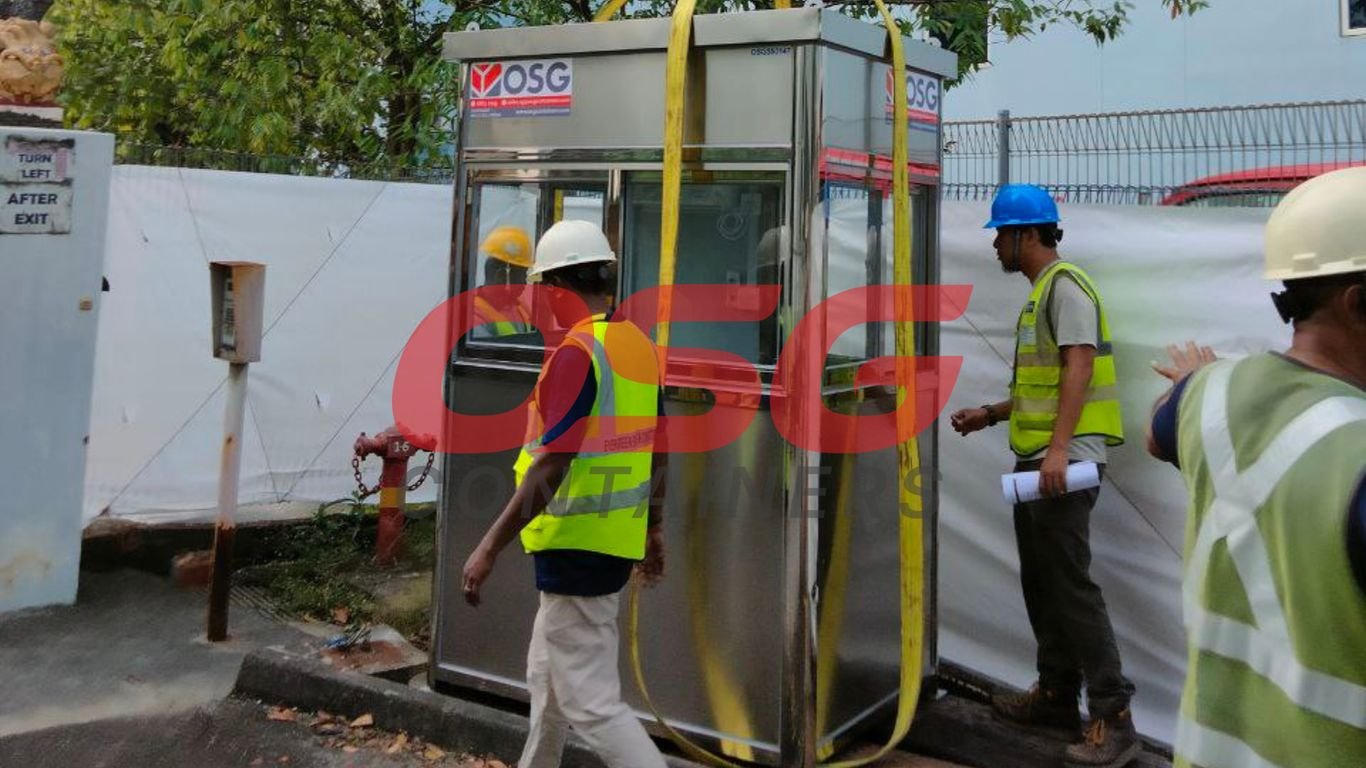
Keeping a place secure is a big deal, right? Whether it’s your home, your business, or even a big government building, you want to know who’s coming and going. That’s where a guard house comes in. It’s not just a little shed; it’s a key part of making sure only the right people get in and that everyone stays safe. We’ll look at what these structures do and why they’re so useful.
Key Takeaways
- A guard house is a dedicated structure for security staff to watch over and control who enters and leaves a property.
- These stations are important for checking IDs, managing who comes in, and keeping an eye on things.
- Good guard houses are built tough, can handle bad weather, and give guards a clear view of everything happening.
- They help stop people who shouldn’t be there from getting in, acting as a visible deterrent.
- Guard houses can be set up in many places, from housing areas to big industrial sites and government buildings, making them really versatile for security.
Understanding The Guard House
What Is A Guard House?
Think of a guard house as a small, dedicated building, usually placed right at the entrance of a property. It’s basically a command post for the security folks. Their job is to keep an eye on who’s coming and going, and to make sure only authorized people get in. You see them everywhere – at the gates of fancy neighborhoods, around big factories, and even at government buildings. It’s the first point of contact for anyone trying to enter, and it’s where the security team gets set up to do their job.
The Purpose Of A Guard House
The main reason for having a guard house is pretty straightforward: security and control. It’s a physical barrier and a monitoring station all rolled into one. Guards stationed there can check IDs, manage visitor logs, and generally keep an eye on the perimeter. This helps prevent unauthorized access, which is a big deal for places that need to be secure. It’s not just about stopping bad guys; it’s also about making sure legitimate visitors and residents have a smooth, controlled entry. Plus, it gives the security personnel a safe and comfortable place to work from, which is important for their effectiveness.
Key Features Of A Guard House
So, what makes a guard house actually work well? It’s a mix of things, really.
- Visibility: Big windows are a must. Guards need to see clearly in all directions, especially at the entrance. Good lighting helps too, especially at night.
- Durability: These things need to be tough. They’re often made from strong materials like steel or reinforced panels, and sometimes even bullet-resistant glass. They need to stand up to the weather and any potential trouble.
- Communication: Having a way to talk to people outside and back to a main office is key. This could be a simple intercom or more advanced video systems.
- Comfort: It might sound minor, but guards need a decent place to work. This means things like heating and air conditioning so they aren’t freezing in winter or sweltering in summer. A comfortable guard is a more alert guard.
A guard house isn’t just a box with a person in it. It’s a carefully designed part of a larger security plan, meant to be functional, secure, and a deterrent all at once. It’s the frontline defense, and getting it right makes a big difference.
Here’s a quick look at some common features:
| Feature | Description |
|---|---|
| Reinforced Walls | Provides protection against impacts and potential threats. |
| Large Windows | Maximizes the guard’s field of vision for monitoring. |
| HVAC System | Ensures a comfortable working environment for security personnel. |
| Intercom System | Facilitates clear communication with visitors and central security. |
| Integrated Lighting | Improves visibility during nighttime operations and low-light conditions. |
Guard House Functionality And Benefits
Guard houses are way more than just little buildings at the entrance. They’re actually pretty important for keeping things secure and running smoothly. Think of them as the first line of defense and a central point for managing who comes and goes.
Access Control And Monitoring
This is probably the most obvious job of a guard house. The person inside is there to check people and vehicles. They verify IDs, look at visitor logs, and make sure only authorized folks get through. It’s not just about stopping bad guys; it’s also about keeping track of who’s on the property. Modern guard houses often have systems like video intercoms or key card readers to make this process quicker and more secure. This controlled entry is key to preventing unauthorized access.
Here’s a quick look at how access control works:
- Verification: Checking IDs, passes, or digital credentials.
- Logging: Recording who enters and when.
- Communication: Using intercoms or cameras to talk to visitors before granting entry.
- Enforcement: Following set rules for who is allowed on the premises.
Surveillance And Threat Detection
Guard houses aren’t just for watching the front gate. They often have windows that give a good view of the surrounding area, and many are equipped with cameras. These cameras can cover a wide area, helping guards spot suspicious activity or potential problems before they get out of hand. Some advanced systems can even read license plates automatically, which speeds things up and adds another layer of security.
Having a visible security presence at entry points can significantly deter criminal activity. It sends a clear message that the property is monitored and protected.
Deterrence Of Unauthorized Access
Just having a guard house and a uniformed guard there makes a difference. It’s a visible sign that the property is protected. People who might be thinking about trespassing or causing trouble are less likely to try it when they see a security checkpoint. It’s a simple but effective way to discourage unwanted visitors and keep the property safe.
Communication And Operations Hub
Beyond just watching and controlling access, guard houses often serve as a mini command center. Guards might use radios, phones, or other communication devices to stay in touch with other security personnel, management, or even emergency services. This makes it easier to coordinate responses if something happens. They can also manage other security systems from this central point, making operations more efficient.
Enhancing Security With Guard House Integration
Integrating Access Control Systems
Guard houses are way more than just little buildings at the entrance. When you hook them up with the right tech, they become serious security powerhouses. Think about linking your guard house to a solid access control system. This means guards can check IDs, scan badges, or even use phone apps to let people in. It’s not just about stopping random people; it’s about knowing exactly who is coming and going. This kind of system can log everything, which is super helpful if something happens later.
Here’s a quick look at how it works:
- Verification: Guards can quickly check credentials against a database.
- Logging: Every entry and exit is recorded automatically.
- Remote Management: Some systems let guards manage access from a central point, even if they aren’t right at the gate.
The real benefit here is speed and accuracy. No more fumbling with paper logs or trying to remember faces. It makes the whole process smoother and much more secure.
Integrating technology transforms a simple guard house into a smart security checkpoint. It’s about making the process efficient for authorized people while keeping unauthorized individuals out.
Improving Visibility and Surveillance
Having a guard house is good, but making sure the guard inside can actually see what’s going on is even better. This means equipping the guard house with good windows, maybe even wrap-around ones, so the guard has a clear view of the road and the surrounding area. On top of that, adding cameras is a no-brainer. High-definition cameras can cover blind spots and record everything, day or night. Think about adding things like motion-activated lights or even license plate readers. These tools give the guard more eyes and ears, making the whole property safer.
Providing Shelter and Comfort for Personnel
Let’s be honest, sitting in a small booth all day, in any kind of weather, isn’t exactly fun. A good guard house needs to be comfortable for the people working there. This means making sure it’s properly insulated, has heating and air conditioning, and maybe even a comfortable chair. When guards are comfortable, they can focus better on their job, which is keeping everyone safe. It might seem like a small thing, but a comfortable guard is a more alert guard. Plus, having a place to grab a quick drink or use the restroom without leaving their post is a big plus for morale and efficiency.
Guard House Applications Across Industries
Guard houses aren’t just for fancy gated communities or big corporate buildings. They pop up in all sorts of places where controlling who comes and goes is a big deal. Think about it, from keeping track of who’s entering a busy industrial yard to making sure only authorized folks get into a sensitive government site, these little structures are pretty important.
Residential Communities and Gated Access
In neighborhoods with gates, guard houses are the first line of defense. They’re where residents might wave hello to the guard, or where visitors get checked in. It’s not just about stopping trouble; it’s also about making residents feel safe and secure. Sometimes, these guard houses are pretty basic, just a small booth. Other times, they’re more like mini-offices with all the tech to manage who’s coming and going, like checking IDs or letting guests in remotely.
Commercial and Industrial Facilities
For businesses, especially those with lots of trucks or valuable goods, guard houses are key. They control access to loading docks, parking lots, and sensitive areas. Imagine a place that deals with shipping containers, maybe even specialized ones like reefer refrigerated containers to keep things cold. A guard house here would monitor all the comings and goings of these ship containers, making sure only authorized drivers and vehicles get through. They might also keep an eye on the whole area using cameras.
- Monitoring vehicle traffic: Keeping tabs on trucks, vans, and employee cars.
- Controlling access to specific zones: Like warehouses or production areas.
- Managing deliveries and shipments: Logging all incoming and outgoing goods.
- Providing a point of contact: For drivers and visitors.
In industrial settings, guard houses often need to be tough. They might be built from sturdy materials, sometimes even repurposed from old shipping containers, to withstand the rough environment and provide a secure base for guards.
Government and Military Installations
When you think about government buildings or military bases, security is obviously a top priority. Guard houses here are often heavily fortified. They’re not just checking IDs; they’re part of a much larger security network. These structures need to be robust, often with advanced communication systems and surveillance gear. They are critical for maintaining national security and protecting sensitive information or personnel. The guards in these locations have a serious job, and their guard house is their command center for managing entry points.
- Strict credential verification: Ensuring only authorized personnel enter.
- Integrated surveillance systems: Monitoring all activity around the perimeter.
- Emergency response coordination: Acting as a hub during critical situations.
- Physical security measures: Often including reinforced structures and advanced barriers.
Designing For Durability And Effectiveness
Weather Resistance And Material Selection
When you’re setting up a guard house, you really want it to last. Think about where it’s going to sit. Is it going to get pounded by rain, snow, or intense sun? The materials you pick matter a lot for how long it stays in good shape. We’re talking about things like galvanized steel, which holds up well against rust, or maybe some tough composite panels. The goal is to build something that can handle whatever the weather throws at it without falling apart. You also want to make sure it’s insulated properly, so the guards inside aren’t freezing in the winter or sweating buckets in the summer. That makes a big difference in how well they can do their job.
Optimizing Visibility For Guards
It’s pretty simple, really: guards need to see what’s going on. That means the windows are super important. You want them to be large enough and placed in a way that gives the person inside a clear view of everything around the guard house. No blind spots allowed! Think about 360-degree visibility if possible. Sometimes, special glass is used, like tinted or even bullet-resistant types, but it still needs to be clear enough for good sightlines. Making sure the guard can see approaching vehicles and people without straining is key to catching potential problems early.
Customization For Specific Security Needs
Not all security situations are the same, right? That’s why guard houses can be customized. Maybe you need a place that’s extra tough, like with ballistic protection. Or perhaps you need specific communication gear installed, like radios or intercoms. You might also need space for extra equipment, like monitors for security cameras. It’s about tailoring the guard house to fit the exact job it needs to do. This could include:
- Adding specialized lighting for nighttime patrols.
- Installing heating and cooling systems for comfort.
- Integrating alarm systems or access control keypads.
- Choosing specific paint colors or finishes to match the surroundings.
Building a guard house isn’t just about putting up walls and a roof. It’s about creating a functional space that supports security personnel and helps them do their job effectively. Thinking through the details of construction and features from the start saves a lot of headaches down the road and makes the whole setup much more reliable.
Wrapping It Up
So, when you really look at it, guard houses are more than just little buildings at the entrance. They’re like the first line of defense, making sure only the right people get in and keeping an eye on things. They give security folks a safe spot to do their job, no matter the weather, and can be kitted out with all sorts of tech to make things run smoother. Whether it’s a fancy gated community or a busy industrial site, having a guard house really does make a difference in keeping the place secure and controlled. It’s a pretty simple idea, but it works.
Frequently Asked Questions
What exactly is a guard house?
A guard house is basically a small, secure building that sits at the entrance of a place. Its main job is to give security guards a safe spot to watch over the area and control who comes in and out. Think of it as a command center for security at a gate or entrance.
Why do places need guard houses?
Guard houses are super important for keeping places safe. They help manage who enters and leaves, stop people who aren’t supposed to be there from getting in, and give guards a place to keep an eye on things. They’re like the first line of defense for security.
What kind of stuff is usually inside a guard house?
Inside a guard house, you’ll typically find things like communication devices (phones, radios), cameras to see what’s going on, and systems to check IDs or passes. They also need to be comfortable for the guards, so they often have heating and cooling.
Can guard houses be used anywhere?
Yes, guard houses are used in lots of different places! You see them at apartment complexes, office buildings, factories, schools, and even military bases. Anywhere that needs controlled entry and security can use one.
How do guard houses help stop bad guys?
Just having a guard house with a security guard present makes people think twice before trying to sneak in or cause trouble. It shows that the place is protected and that someone is watching, which often scares away potential troublemakers.
Are guard houses built to last?
Definitely! Good guard houses are made from strong materials like steel and tough glass to handle bad weather and even attempts to break in. They’re built to be tough and keep the guards safe and comfortable while they do their job.