Singapore
 Australia
 Indonesia
 Japan
Japan Malaysia
 New Zealand
 Philippines
 South Korea
 Taiwan
 Thailand
 VIETNAM
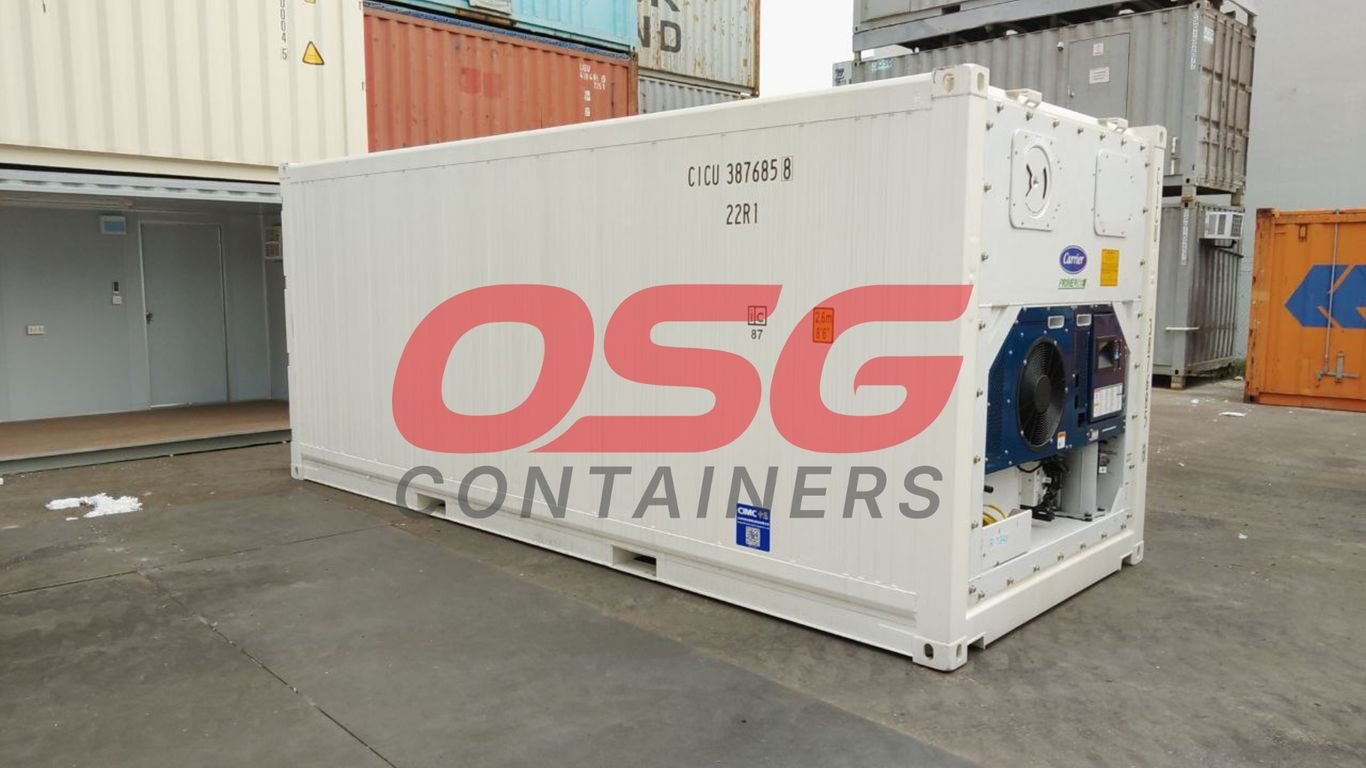
Ever wondered what goes on inside those big, refrigerated shipping boxes when they’re traveling across the ocean or land? These aren’t just plain metal boxes; they’re like high-tech mobile refrigerators. We’re talking about container reefer units, and they play a huge role in getting your food, medicines, and other temperature-sensitive stuff from point A to point B without spoiling. Let’s take a peek behind the curtain and see how these amazing machines work to keep things cool (or warm!) during their long journeys.
Key Takeaways
- A container reefer is essentially a large, specialized shipping container with its own built-in refrigeration system, designed to keep cargo at specific temperatures during transit.
- These units are equipped with advanced cooling systems, insulation, and ventilation to maintain consistent temperatures, ranging typically from -30°C to +30°C, with some capable of even lower temperatures.
- Maintaining the right conditions involves precise temperature control, managing humidity levels, and ensuring proper airflow through features like T-flooring to prevent spoilage.
- Reefer containers require a constant power source, often supplied by the ship, shore power outlets, or portable generator sets (gensets) when on land.
- Proper stowage and pre-cooling of cargo are vital, alongside the container’s functions, to ensure that goods like fruits, meats, and pharmaceuticals arrive in optimal condition.
Understanding The Reefer Container
What Is A Reefer Container?
So, what exactly is a reefer container? Think of it as a giant, mobile refrigerator designed for the long haul. These specialized shipping units, short for ‘refrigerated containers,’ are built to keep temperature-sensitive goods in perfect condition, whether they’re crossing oceans or just going across the country. We’re talking about everything from fresh fruits and vegetables to frozen meats, fish, dairy products, and even non-food items like flowers and medicines. The main job of a reefer container is to maintain a set temperature, not necessarily to cool down warm cargo. It’s all about preserving the quality and safety of what’s inside during transit.
The Evolution Of Refrigerated Transport
Shipping perishable items across long distances used to be a real gamble. Back in the day, people tried using ice and salt, which helped a bit, but it wasn’t very reliable. Things really changed in the 1960s when a company called Matson Navigation introduced the first reefer container with its own built-in cooling system. This was a game-changer! By the 1970s, these containers were being specifically designed for container ships, making the whole process of shipping delicate goods by sea much smoother and more dependable. It really opened up global trade for a whole range of products that just couldn’t make the journey before.
Key Functions Of A Reefer Container
Reefer containers are pretty sophisticated pieces of equipment. They’re not just insulated boxes with a fan. They combine several key functions to do their job:
- Temperature Control: This is the big one. They can maintain temperatures from as low as -30°C (-22°F) up to 30°C (86°F), depending on the model and the cargo’s needs.
- Insulation: The walls, floor, and ceiling are heavily insulated to keep the outside weather from affecting the inside temperature.
- Air Circulation: A built-in fan system pushes cool air throughout the container, usually from the floor upwards, to keep the temperature even.
- Monitoring: Modern reefer containers have systems to track and control temperature, humidity, and airflow, often with remote capabilities.
The core purpose of a reefer container is to create a stable micro-environment for the cargo. This environment is carefully controlled to prevent spoilage, maintain freshness, and meet specific regulatory requirements for different types of goods. It’s a complex system working to protect valuable shipments.
Core Components Of A Reefer Container
So, what makes a reefer refrigerated container tick? It’s not just a metal box with a fridge stuck on the end. These units are pretty sophisticated pieces of equipment, designed to keep your temperature-sensitive goods safe and sound, whether they’re crossing the street or the ocean. Let’s break down the main parts that make this whole operation possible.
The Integrated Cooling System
This is the heart of the reefer. Think of it as a heavy-duty industrial refrigerator built right into the container. It’s designed to run non-stop, no matter where it is – on a ship, a truck, or just sitting in a yard. This system uses special gases to cool things down, and it’s powerful enough to maintain a specific temperature, often anywhere from a chilly -30°C up to a warm 30°C. It’s important to remember that this system is mostly for maintaining a temperature, not for rapidly cooling down warm cargo. You usually need to pre-cool your goods before they go in.
Insulation And Structural Integrity
Keeping that temperature stable is a big job, and it relies heavily on good insulation. The walls, floor, and ceiling of a reefer are built with materials that act like a thermos, keeping the cold air in and the outside heat out. This is what allows the cooling system to work efficiently without constantly running at full blast. The structural integrity is also key; these containers need to withstand the rigors of shipping, stacking, and handling.
Advanced Monitoring And Control
Modern reefer containers aren’t just set-and-forget devices. They come with advanced control panels, often located on the exterior, that let operators manage the temperature, humidity, and ventilation. Many also have internal sensors and data loggers that record temperature readings throughout the journey. This information is super useful for tracking the cargo’s condition and can be accessed later if there are any questions about how the shipment was handled. It’s all about having visibility into what’s happening inside that insulated box.
Maintaining Optimal Conditions Within The Container
Keeping your cargo in the right state during a long journey is the whole point of a reefer, right? It’s not just about setting a temperature and forgetting it. There’s a bit more to it than that, making sure everything stays just as it should.
Precise Temperature Regulation
This is probably the most obvious part. Different goods need different temperatures. You wouldn’t store ice cream and fresh lettuce the same way. Reefers are built to handle a wide range, usually from about 30°C down to -30°C, and some special ones can go even colder, like super freezers hitting -60°C. The set temperature is directly tied to the type of cargo being shipped.
Here’s a quick look at some common temperature ranges:
| Cargo Type | Typical Temperature Range | Notes |
|---|---|---|
| Frozen Goods | -18°C to -25°C | For items like meat, fish, and ice cream. |
| Chilled Goods | 0°C to 5°C | For produce, dairy, and some beverages. |
| Pharmaceuticals | 2°C to 8°C | Requires strict temperature control. |
| Super Frozen | -60°C to -20°C | For highly specialized products. |
Humidity Control For Cargo
Beyond just temperature, the amount of moisture in the air, or humidity, matters a lot for certain items. Some things, like certain electronics or even some types of produce, can be damaged by too much dampness. Newer reefer units have a dehumidification feature that can pull moisture out of the air. While older units might aim for 60-85% relative humidity (RH), newer ones can often get down to 50% RH or even lower if needed. It’s all about matching the container’s environment to what the cargo can handle.
Ventilation For Air Exchange
Think of it like breathing for your cargo. Many goods, especially fresh produce, release gases and heat as they sit. Ventilation helps to remove these and bring in fresh air. This keeps the temperature stable and prevents stuffiness. The airflow is usually directed from the bottom up, thanks to the special T-flooring inside the container. It’s important that this airflow isn’t blocked. If cargo is packed too tightly or if there are gaps, the air can’t circulate properly, leading to warm spots.
Proper airflow is key. If you block the vents or pack things too tightly, you can create ‘heat sinks’ – areas where warm air gets trapped and can’t escape. This is bad news for temperature-sensitive goods.
So, when packing, you want to make sure there’s space for air to move around the cargo. This often means using pallets and ensuring boxes are positioned correctly, especially near the doors where air might try to escape.
Operational Aspects Of Reefer Containers
So, how do these high-tech boxes actually run? It’s not just about plugging them in and hoping for the best. There’s a whole system working behind the scenes to keep your cargo at that perfect temperature, whether it’s a scorching hot day or a freezing cold night.
Powering The Reefer Unit
Reefer containers aren’t magic; they need juice to keep things cool (or warm!). This power usually comes from a few different places. On a ship, they’ll tap into the vessel’s electrical grid. If the container is on land, like at a terminal or a depot, it’ll be plugged into a shore power outlet. Sometimes, especially for trucks or in places without reliable power, a portable generator called a ‘genset’ is used. This constant power supply is absolutely vital for the refrigeration unit to do its job. Without it, the temperature starts to creep up, and that’s bad news for sensitive goods.
Airflow Dynamics And T-Flooring
Getting the cold air where it needs to go is a big deal. Reefer containers are designed with a special ‘T-floor’ system. Think of it like a hidden network of channels under the cargo. The cooling unit blows cold air into these channels, and it then rises up through the gaps between pallets or through vents in the boxes. This bottom-up approach helps distribute the air evenly throughout the entire load. It’s all about making sure every single item gets the same treatment, preventing warm spots from forming. The way you stack your cargo matters a lot here; you don’t want to block these crucial air pathways.
Drainage Systems For Moisture
When you’re cooling air, you naturally get condensation. That’s just science. So, reefer containers have built-in drainage systems to handle this moisture. Little holes or pipes collect the water that forms on the inside walls and ceiling and direct it out of the container. This prevents water from pooling up, which could damage the cargo or even the container itself. It’s a simple but important part of keeping the internal environment dry and stable.
Keeping the internal environment stable is the name of the game. It’s not just about hitting a temperature number; it’s about maintaining that number consistently and managing other factors like airflow and moisture. This requires a well-functioning system that’s properly powered and set up correctly for the specific cargo being shipped.
Here’s a quick look at how different types of reefers can handle temperatures:
| Container Type | Temperature Range |
|---|---|
| 20ft Standard Reefer | -30°C to +30°C |
| 40ft High Cube Standard Reefer | -35°C to +30°C |
| 40ft High Cube Controlled Atmosphere | -30°C to +30°C |
| 40ft High Cube Super Freezer | -60°C to -20°C |
Cargo Considerations For Reefer Transport
When you’re shipping goods in a refrigerated container, or reefer cargo, it’s not just about setting the temperature and forgetting about it. How you pack and manage the cargo inside the reefer container makes a big difference. Getting this right means your goods arrive in the best possible condition.
Stowage Principles For Air Circulation
Properly arranging your reefer cargo is super important for making sure the cold air can get everywhere it needs to. Think of it like a ventilation system for your goods. If the air can’t move freely, you’ll end up with warm spots, and that’s bad news for anything perishable.
- Don’t block the airflow: Make sure there’s space between pallets and the container walls, especially near the doors. You can use cardboard or wood to close gaps and force the air to circulate upwards and through the cargo, not just around it.
- Vertical flow is key: Many reefers use a T-floor design to push cold air up through the cargo. Boxes should be stacked so this air can move vertically. If you’re shipping frozen goods, you want air to flow around them, so tight packing is better. For chilled goods, air needs to go through them, so vented boxes are a must.
- Respect the load lines: Don’t stuff cargo beyond the end of the T-floor or above any marked load lines. This ensures the air can do its job.
Temperature Requirements For Different Goods
Different types of reefer cargo have very specific temperature needs. What works for frozen fish won’t work for fresh fruit. It’s all about keeping the product in its ideal state.
| Cargo Type | Typical Temperature Range | Notes |
|---|---|---|
| Frozen Meats | -18°C to -25°C | Maintain consistent frozen state. |
| Fresh Produce | 0°C to 10°C | Varies greatly by fruit/vegetable type. |
| Dairy Products | 2°C to 6°C | Keep chilled, avoid freezing. |
| Pharmaceuticals | 2°C to 8°C | Strict temperature control needed. |
| Flowers | 1°C to 4°C | Extend vase life, prevent wilting. |
Pre-Cooling Cargo Versus Container
This is a common point of confusion. A reefer unit is designed to maintain a temperature, not to cool down a large mass of warm product quickly. Trying to cool down warm cargo inside the container can take a very long time and put a lot of strain on the cooling system, potentially leading to spoilage.
It’s almost always better to pre-cool your cargo to the desired temperature before it’s loaded into the refrigerated container. The container should then be pre-cooled as well, especially if it’s being loaded in a warm environment. This way, the reefer unit just needs to hold the temperature steady during transit, which it’s built to do. Loading warm goods into a cold container is a recipe for disaster.
The Future Of Reefer Technology
Innovations In Reefer Design
Reefer containers are getting smarter, and it’s not just about keeping things cold anymore. Manufacturers are packing more tech into these metal boxes. Think about units that can actively manage not just temperature, but also humidity and even the air composition inside. Some advanced models can create controlled atmospheres, which is a game-changer for really delicate cargo like certain fruits or pharmaceuticals. These aren’t just insulated boxes with a fridge attached; they’re becoming sophisticated, self-contained environments. We’re also seeing a push for lighter, more durable materials that can handle the rough life of shipping while also being easier on fuel consumption during transport.
Enhanced Visibility And Control
Gone are the days of just hoping your cargo is okay. The latest reefer tech offers incredible insight into what’s happening inside. We’re talking about real-time data streams that let you see the exact temperature, humidity, and even door openings, no matter where the container is in the world. This information is usually accessible via online platforms or apps, giving shippers and receivers a clear picture of the cargo’s condition throughout its journey. Some systems even use AI to predict potential issues before they become problems, like flagging a temperature fluctuation that might be a sign of a failing component.
Here’s a look at what kind of data you can expect:
- Real-time temperature readings
- Humidity levels
- Power status of the reefer unit
- Location tracking (GPS)
- Alerts for deviations from set parameters
- Door opening and closing logs
Sustainability In Refrigerated Shipping
There’s a big focus on making reefer transport greener. A lot of this involves making the cooling systems more energy-efficient. Newer units use less power, and there’s a lot of research into using more environmentally friendly refrigerants that have less impact on the ozone layer and global warming. Some companies are even experimenting with reefer containers that can be powered by renewable energy sources when docked, or by more efficient generator sets (gensets) that reduce fuel burn and emissions. The goal is to cut down on the carbon footprint of shipping temperature-sensitive goods, which is a pretty big deal when you consider how much of our food and medicine travels this way.
The drive towards sustainability in reefer technology isn’t just about environmental responsibility; it’s also about long-term cost savings. More efficient units mean lower energy bills, and better diagnostics can prevent costly spoilage and equipment failures. It’s a win-win for businesses and the planet.
Wrapping It Up
So, when you think about those fresh berries or that frozen pizza making their way to your plate, remember the complex journey they took. Reefer containers are basically giant, high-tech refrigerators on wheels, ships, and trains. They work hard to keep things at just the right temperature, controlling humidity and airflow to stop spoilage. It’s a pretty amazing piece of engineering that lets us enjoy food and medicine from all over the world, no matter the distance. These containers are a big deal for keeping our food fresh and safe, and they’ll likely keep getting smarter and more efficient as time goes on.
Frequently Asked Questions
What exactly is a reefer container?
Think of a reefer container as a giant, super-strong refrigerator on wheels, or rather, on a ship, truck, or train! It’s a special kind of shipping box designed to keep things like fruits, veggies, meat, and even medicines at a very specific, consistent temperature while they travel long distances. It’s built to keep things cold, or sometimes even warm, depending on what’s inside.
How does a reefer container keep things cold?
Inside each reefer container is a powerful cooling system, kind of like the one in your kitchen but much bigger and tougher. This system uses special gases to make cold air. The container itself is also super well-insulated, like a top-notch thermos, to keep the outside heat from getting in and the cold air from escaping. It’s all about maintaining that perfect temperature.
Can a reefer container warm things up too?
Yes, it can! While they are mostly known for keeping things frozen or chilled, reefer containers can also be set to maintain warmer temperatures, up to about 30°C (86°F). This is useful for certain products that need to be kept above freezing but still require a controlled temperature during their journey.
How does the cold air get to all the stuff inside?
Reefer containers have a clever design called a ‘T-floor’. This special floor helps push the cold air from the bottom of the container and spread it evenly all around the cargo. This makes sure that every single item inside, from the front to the back, gets the same amount of cold air, preventing any spots from getting too warm or too cold.
What happens if the power goes out?
Reefer containers need electricity to run their cooling systems. They usually get power from the ship, a truck, a train, or a special generator called a ‘genset’. If the power source is interrupted, the container will start to warm up. That’s why it’s super important to have reliable power throughout the entire trip to prevent the cargo from spoiling.
Do I need to cool my stuff before putting it in the reefer?
Generally, yes! The reefer container’s job is to *keep* things at the right temperature, not to cool them down from scratch. So, it’s best to ‘pre-cool’ your cargo to the desired temperature before loading it. This way, the reefer can easily maintain that temperature for the whole journey, ensuring your goods arrive in perfect condition.