Singapore
 Australia
 Indonesia
 Japan
Japan Malaysia
 New Zealand
 Philippines
 South Korea
 Taiwan
 Thailand
 VIETNAM
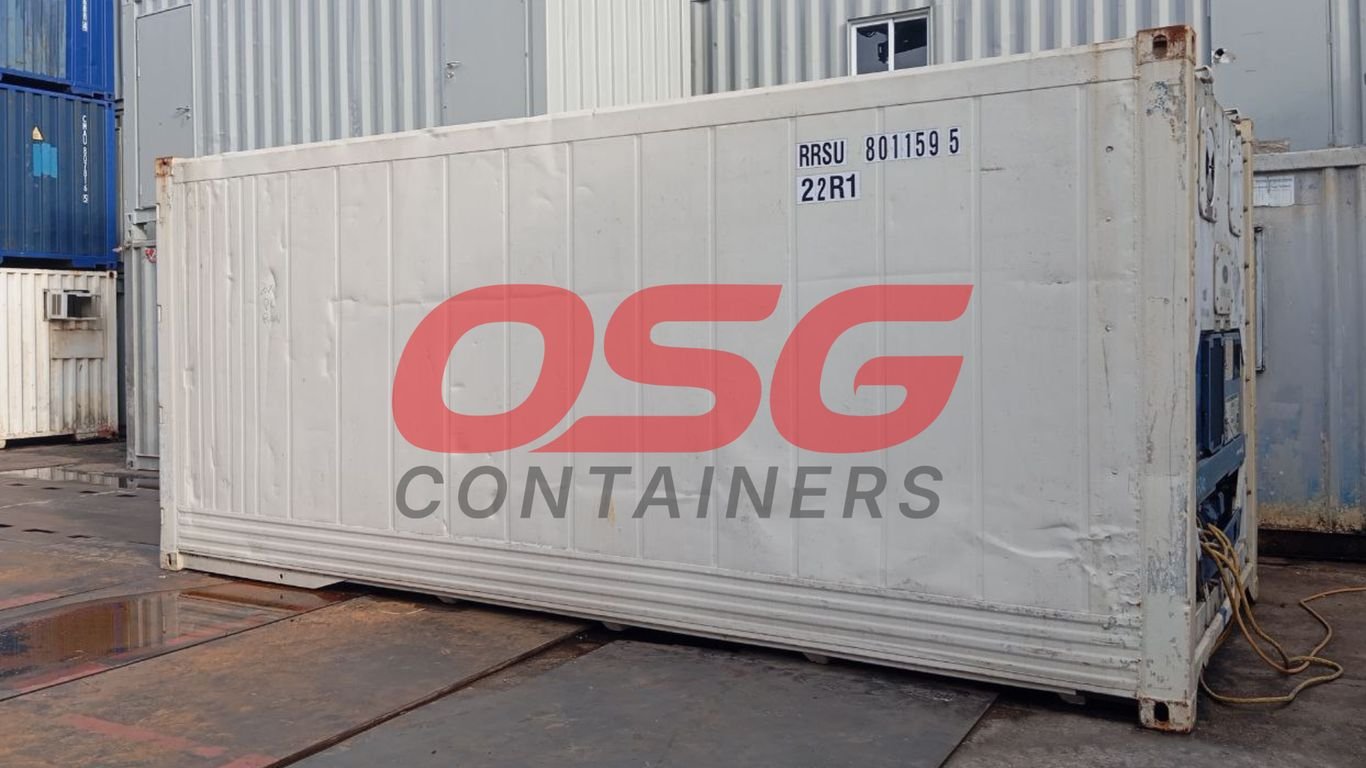
Keeping temperature-sensitive goods fresh during transit is a big deal. When the cooling system in a reefer refrigerated container goes haywire, it’s not just a minor inconvenience; it can lead to spoiled products, hefty fines, and major delays. Understanding why these systems fail and how to keep them running smoothly is key for anyone involved in transporting perishables.
Key Takeaways
- Failure of a reefer refrigerated container can result in spoiled cargo, leading to significant financial losses for all parties involved.
- Regulatory bodies have strict temperature requirements for transporting certain goods, and violations due to reefer failure can lead to fines and legal trouble.
- Common causes of reefer refrigerated container breakdowns include issues with the compressor, refrigerant leaks, electrical faults, and faulty thermostats.
- Regular maintenance, including cleaning coils, checking refrigerant levels, and inspecting electrical connections, is vital for preventing reefer refrigerated container failures.
- Proactive strategies like scheduled professional servicing and driver pre-trip inspections help catch potential problems early, ensuring the reliability of the reefer refrigerated container.
Consequences of Temperature Control Failure in Reefer Refrigerated Containers
When the temperature control in a reefer container goes haywire, it’s not just a minor inconvenience; it can lead to a cascade of serious problems. The primary concern is always the cargo itself. Perishable goods, pharmaceuticals, and even certain chemicals are highly sensitive to temperature fluctuations. A failure to maintain the set temperature, even for a short period, can render an entire shipment unusable, leading to significant financial losses for everyone involved.
Beyond the immediate loss of product, there are other major fallout effects:
- Financial Ruin: Beyond the cost of the spoiled goods, you’re looking at the cost of disposal, potential lawsuits from the buyer, and the loss of future business. It can really add up.
- Regulatory Headaches: Many industries, especially food and pharmaceuticals, have strict regulations regarding temperature control during transport. Failing to meet these standards can result in hefty fines and even temporary bans from operating.
- Damaged Reputation: Consistently delivering compromised goods erodes trust. Customers will look elsewhere if they can’t rely on your service to get their products to them in perfect condition. This can be the hardest thing to recover from.
- Logistical Nightmares: A breakdown means delays. These delays ripple through the supply chain, affecting production schedules, retail availability, and consumer access to products.
The domino effect of a reefer failure is substantial. It’s not just about a broken machine; it’s about the integrity of the supply chain and the trust placed in the logistics provider. Addressing these failures quickly and preventing them is paramount to keeping goods moving and businesses healthy.
Here’s a quick look at what can happen:
| Consequence | Impact |
|---|---|
| Cargo Spoilage | Goods become unsellable, leading to direct financial loss. |
| Regulatory Fines | Penalties for not meeting transport temperature requirements. |
| Delivery Delays | Disruptions to supply chains, impacting downstream operations. |
| Reputational Damage | Loss of customer trust and future business opportunities. |
| Increased Operational Costs | Costs associated with disposal, claims, and emergency repairs. |
Common Causes of Reefer Refrigerated Container Breakdowns
Refrigerated containers, or reefers, are complex machines, and like any machine, they can break down. When this happens, it’s not just an inconvenience; it can mean spoiled cargo and lost money. Understanding the usual suspects behind these breakdowns is the first step in keeping your cool.
Compressor Malfunctions and Failure
The compressor is basically the heart of the reefer’s cooling system. It’s responsible for circulating the refrigerant that makes the magic happen. When it goes kaput, the whole cooling process stops. This can happen due to normal wear and tear over time, but also from electrical problems or, quite commonly, a lack of proper lubrication. If the refrigerant level gets too low, the compressor has to work overtime, which can lead to overheating and eventual failure. It’s a critical component, and its failure means no more cooling.
Refrigerant Leaks and Loss of Cooling Capacity
Refrigerant is the stuff that actually does the cooling. If there’s a leak, the system loses its refrigerant, and with less refrigerant, it just can’t cool effectively anymore. You might notice the temperature inside the container starting to creep up, even if the unit is running. These leaks can be tricky to spot sometimes, often starting small. Regular checks for oil drips around the compressor or other parts of the system can sometimes be an early warning sign that refrigerant might be escaping.
Electrical System Faults and Wiring Issues
Reefers have a pretty intricate electrical system that controls everything from the thermostat to the compressor. Worn-out wires, loose connections, or blown fuses can all cause major headaches. Moisture getting into the system can lead to corrosion, which messes with the electrical flow and can cause short circuits. Sometimes, it’s as simple as a tripped breaker, but other times it can be more complex wiring problems that need a professional’s touch.
Thermostat and Sensor Inaccuracies
These are the brains of the operation, telling the reefer what temperature to maintain. If the thermostat or the temperature sensors aren’t working right, they can send the wrong signals. This might mean the unit runs too much, trying to cool a space that’s already cold enough, or worse, it might not run enough, letting the temperature rise. Faulty sensors can lead to erratic temperature swings, making it hard to keep your cargo in the ideal zone. It’s like having a thermostat that thinks it’s winter when it’s actually summer – not helpful!
Here are some common issues that can lead to these breakdowns:
- Compressor Issues: Overheating, low oil levels, or electrical shorts.
- Refrigerant Problems: Leaks in lines, valves, or seals, leading to low charge.
- Electrical Glitches: Corroded connections, frayed wires, or faulty control boards.
- Sensor Errors: Inaccurate readings due to damage or calibration drift.
Keeping an eye on these common failure points can save a lot of trouble down the road. Simple checks can often catch problems before they become major breakdowns, protecting your cargo and your schedule.
Addressing Specific Reefer Refrigerated Container Component Failures
Sometimes, even with good maintenance, parts of your reefer unit can act up. It’s good to know what might be going wrong so you can either try a quick fix or know what to tell the repair person.
Evaporator Coil Icing and Airflow Blockages
The evaporator coil is where the magic happens – it absorbs heat from inside the trailer. If ice builds up on these coils, it’s like putting a blanket over them. This usually happens when the defrost cycle isn’t working right or if there’s not enough airflow. Think of it like trying to breathe through a straw that’s partly blocked. When airflow gets choked off, the unit can’t cool effectively, and ice can start to form. This is especially a problem if the cargo is packed too tightly against the vents or if a "return air bulkhead" gets pulled into the unit, sucking up plastic wrap or other packing materials. A blocked evaporator coil means your cargo isn’t getting cooled, plain and simple.
Condenser Coil Clogging and Heat Exchange Issues
Now, the condenser is the opposite – it’s where the unit dumps the heat it pulled from inside. It looks a bit like a car radiator. If this thing gets clogged with road grime, dust, or even just leaves, it can’t get rid of heat properly. This makes the whole system work harder and less efficiently. High discharge pressure is a common sign that your condenser is struggling. You might need to give it a good rinse with low-pressure water. If it’s really bad, a professional might need to use a special cleaner.
Damaged Door Seals and Air Infiltration
This one’s pretty straightforward. Your trailer doors are sealed to keep the cold air in and the warm air out. If those rubber seals are cracked, torn, or just worn out, warm, humid air will sneak in. It’s like having a leaky window in your house during winter. The reefer unit will have to run constantly to try and keep up, burning more fuel and still maybe not hitting the target temperature. It’s a good idea to give these seals a quick check before every trip. Sometimes, a temporary fix with tape can help in a pinch, but they really need to be replaced.
Knowing these common component issues can help you spot problems early. It’s not about becoming a mechanic overnight, but about recognizing the signs so you can act fast and protect your load.
Immediate Actions During a Reefer Refrigerated Container Emergency
Okay, so your reefer unit is acting up. It’s not a fun situation, but panicking won’t help. The first thing you need to do is get a handle on what’s actually happening. Don’t just assume the worst; check the facts.
Here’s a quick rundown of what to do right away:
- Verify Cargo Temperature: Grab a reliable thermometer and check the actual temperature inside the container. Compare this reading to what the reefer’s display says. If there’s a big difference, or if the temperature is climbing, you need to act fast to save your load.
- Inspect Door Seals: Take a good look at the seals around the doors. Are they torn, cracked, or pulled away? Even a small gap can let in a lot of warm air. If you find a problem, you might be able to temporarily secure it with tape or some other quick fix until you can get it properly repaired.
- Listen for Strange Noises: Turn off the main noise of the unit for a second and just listen. Are you hearing any grinding, hissing, or unusual rattling? These sounds can point to specific problems, like issues with the compressor or a refrigerant leak. Make a mental note (or a real note!) of what you hear to tell the repair person later.
- Check the Power: Make sure the reefer is getting power. Is it plugged in correctly to the truck or an external source? Look for any tripped circuit breakers or blown fuses in the unit’s electrical panel. Sometimes, it’s something as simple as a loose connection.
- Clear Air Vents: Sometimes, the problem isn’t with the unit itself, but with how air is moving. Make sure that the cargo isn’t blocking any of the vents inside the container. Blocked vents mean uneven cooling, and that’s bad news for your goods.
When a reefer unit starts to fail, it’s like a medical emergency for your cargo. The quicker you can assess the situation and take basic steps to stabilize it, the better the chances of preventing total loss. Think of these initial checks as first aid for your refrigerated shipment.
If you’ve gone through these checks and the problem persists, or if you suspect a more serious issue like a refrigerant leak or compressor failure, it’s time to call in the professionals. Trying to fix complex mechanical or electrical problems yourself without the right knowledge and tools can often make things worse and more expensive in the long run.
Preventive Maintenance for Reefer Refrigerated Containers
Keeping your reefer unit running smoothly is all about staying ahead of potential problems. Think of it like taking your car in for regular oil changes – you do it to avoid a breakdown down the road. For reefers, this means a few key things.
Regular Inspections of Hoses, Belts, and Seals
This is where you catch the little things before they become big headaches. You’ll want to give the hoses and belts a good once-over. Look for any signs of cracking, fraying, or excessive wear. If a belt snaps or a hose blows, your cooling stops, plain and simple. And don’t forget the door seals! A worn-out seal lets warm air sneak in, making the unit work overtime and potentially spoiling your cargo. It’s a simple check, but super important.
Routine Cleaning of Condenser and Evaporator Coils
These coils are like the lungs of your reefer. If they get clogged with dirt, dust, or debris, the unit can’t breathe properly, and that means it can’t cool effectively. Regular cleaning, especially of the condenser coils which are exposed to the elements, is a must. You don’t want them looking like they’ve been through a dust storm. A clean coil means better airflow and more efficient cooling.
Monitoring Refrigerant Levels and Compressor Health
Refrigerant is what makes the cooling happen. If the levels are low, it’s usually because there’s a leak somewhere. Finding and fixing these leaks early is way better than dealing with a complete loss of cooling. Also, keep an ear out for any strange noises coming from the compressor. It’s the heart of the system, and if it’s struggling, you need to know about it. Checking oil and coolant levels is part of this too.
Ensuring Proper Electrical Connections and Component Sealing
Moisture and electricity don’t mix well, especially in a reefer unit that’s out in the weather. Make sure all electrical connections are tight and protected. Using waterproof connectors and sealing exposed parts can really help prevent corrosion and short circuits. Even the guard house needs to be checked for proper sealing around its electrical components.
A proactive approach to maintenance isn’t just about fixing things when they break. It’s about preventing them from breaking in the first place. This saves time, money, and a whole lot of stress.
Here’s a quick look at typical service intervals:
- PM A (Dry Inspection): Every 1,500 hours or 6 months.
- PM B (Wet Inspection): Every 3,000 hours or 1 year (includes oil and filter changes).
- Coolant Replacement: Every 6,000 to 12,000 hours, depending on the type.
Proactive Strategies for Reefer Refrigerated Container Reliability
Keeping those refrigerated shipping containers running smoothly is all about staying ahead of the game. It’s not just about fixing things when they break, but about making sure they don’t break in the first place. Think of it like taking care of your car – regular check-ups save you from a breakdown on the side of the road, right? The same goes for your reefers, whether they’re on a truck, a train, or even part of a larger shipment involving iso tank containers.
Scheduled Professional Servicing and Calibration
This is probably the most important thing you can do. You wouldn’t skip your doctor’s appointments, and your reefer shouldn’t skip its.
- Get it serviced regularly: Most manufacturers suggest checks every 90 days, but if you’re hauling a lot or it’s super hot out, you might want to do it more often. The cooling system works harder when it’s hot, so it needs a bit more attention.
- Calibrate those sensors: The thermostat and temperature sensors are the eyes and ears of your reefer. If they’re not reading accurately, the whole system can go haywire. Professional servicing includes making sure these are spot-on.
- Check the refrigerant: Technicians can check your refrigerant levels and look for tiny leaks you might not even see. Keeping the right amount of refrigerant is key to keeping things cold.
Ignoring scheduled maintenance is like playing Russian roulette with your cargo. A small issue, like a worn belt or a slightly low refrigerant charge, can quickly turn into a major problem, leading to spoiled goods and lost money. It’s far cheaper and less stressful to catch these things early.
Driver Pre-Trip Inspections for Early Detection
While the pros handle the deep dives, the drivers are the first line of defense. A quick look before each trip can catch a lot of potential headaches.
- Visual check: Look for anything obviously wrong – cracked hoses, frayed belts, or any leaks around the unit. Check that the door seals look good and aren’t damaged.
- Listen up: When you start the unit, listen for any weird noises. Grinding, squealing, or anything that sounds ‘off’ is a red flag.
- Check the basics: Make sure the power supply is good and that the air vents aren’t blocked. For diesel units, always check the fuel level.
Addressing Minor Issues Before They Escalate
This is where being proactive really pays off. Saw a little drip? Heard a funny noise? Don’t just hope it goes away. Address it.
- Small leaks: If you see a small oil or refrigerant leak, get it fixed. It might seem minor now, but it can get much worse and lead to a complete system failure.
- Door seals: If a door seal isn’t quite right, it lets warm air in. This makes the unit work harder and can lead to temperature fluctuations. A quick fix now saves energy and prevents spoilage.
- Coil cleaning: If the condenser or evaporator coils are dirty, they can’t do their job efficiently. Regular cleaning, often part of scheduled maintenance but sometimes a quick driver task, keeps things running cool. This is important for all types of ship containers that rely on these systems.
Taking these steps consistently helps maintain the integrity of your refrigerated cargo, whether it’s a single reefer unit or a fleet of containers. It’s about building reliability into your operation, reducing unexpected downtime, and keeping your customers happy.
Keeping Your Cool
So, when a reefer unit decides to take a break, it’s not just an inconvenience; it’s a potential disaster for your cargo and your business. From spoiled food to missed deadlines, the fallout can be pretty significant. That’s why staying on top of maintenance is so important. Regularly checking things like the thermostat, compressor, and seals can catch small problems before they turn into big, expensive headaches. Think of it like taking your car in for oil changes – it just makes sense to keep the important stuff running smoothly. By being proactive, you’re not just saving money on repairs, you’re also making sure those valuable goods arrive fresh and on time, every time. It’s all about preventing those costly breakdowns and keeping your operation running cool.
Frequently Asked Questions
What’s the biggest problem if a reefer’s temperature control stops working?
The main issue is that your cargo could go bad. If you’re carrying things like fresh food or medicine that need to stay cold, a temperature problem can ruin them. This means a big loss of money and potentially trouble with rules and regulations.
Why do reefer units sometimes stop working?
Reefers can break down for several reasons. The cooling machine (compressor) might stop working, the stuff that makes it cold (refrigerant) could leak out, or there could be problems with the wires and electricity. Sometimes the part that tells it the temperature (thermostat) gets messed up too.
What can I do right away if I think my reefer isn’t working right?
First, check the actual temperature inside the trailer with a separate thermometer. Then, look closely at the rubber seals around the doors to make sure they’re tight. Listen for any weird noises coming from the unit, and check if it’s getting power.
How can I help prevent my reefer from breaking down?
Regular check-ups are key! This means cleaning the parts that get hot (condenser coils) and cold (evaporator coils), making sure there’s enough coolant, and checking all the wires and connections. It’s also important to keep an eye on the door seals and make sure they aren’t worn out.
What’s the difference between a condenser and an evaporator coil?
Think of the condenser like the radiator in a car – it gets rid of heat from the cooling system. The evaporator coil is inside the trailer; it’s the part that actually absorbs the heat from the air to make it cold. Both need to be clean and working well.
Can a reefer unit cool down warm products?
Not really. Reefer units are designed to keep things cold that are *already* cold. They aren’t meant to cool down a whole load of warm items. If you put warm stuff in, the reefer will struggle and might not be able to keep up, leading to spoiled goods.