Singapore
 Australia
 Indonesia
 Japan
Japan Malaysia
 New Zealand
 Philippines
 South Korea
 Taiwan
 Thailand
 VIETNAM
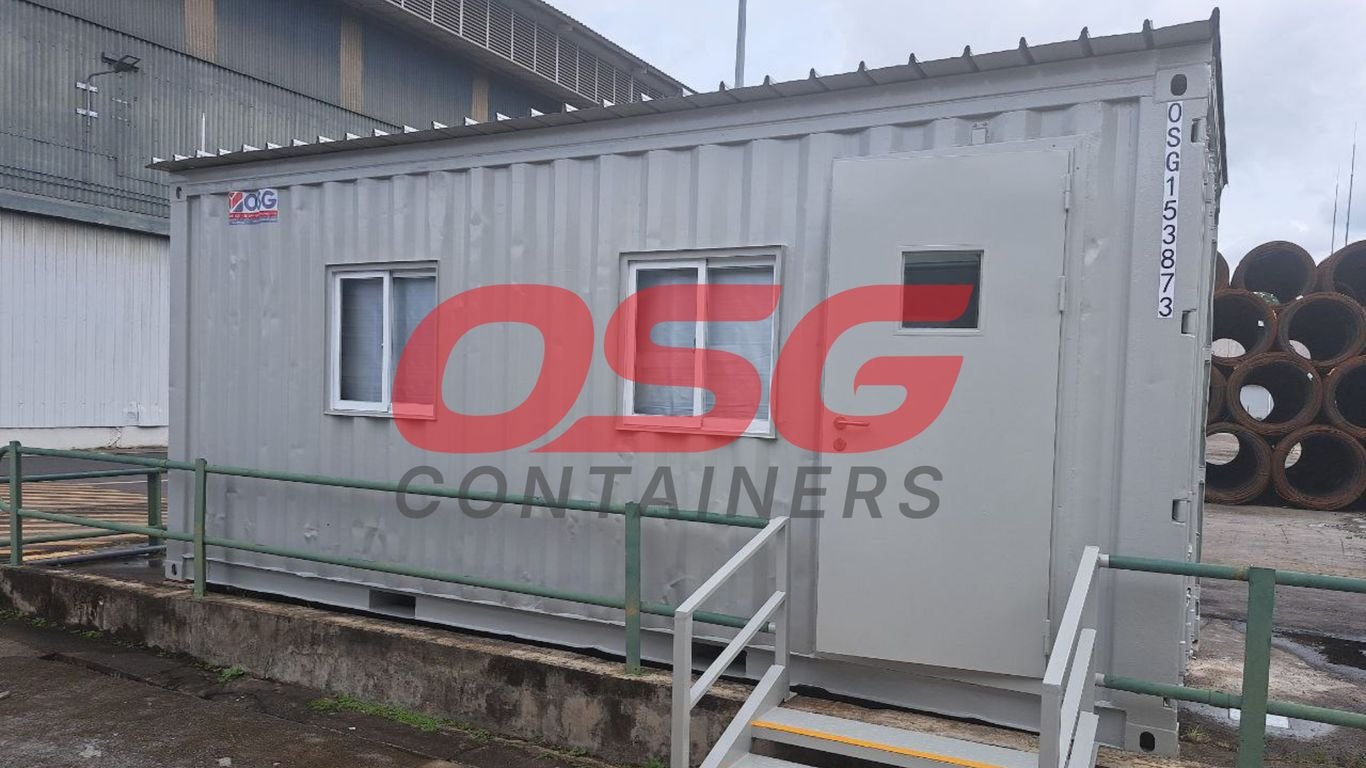
You know, those big metal boxes you see on ships and trains? Turns out, they’re way more than just containers for stuff. A 20 ft sea container, for example, can be a real game-changer for businesses. It’s like a blank canvas you can turn into almost anything you need. Think pop-up shops, mobile offices, secure storage, even workshops. They’re tough, they’re pretty affordable, and you can move them around. It’s a pretty smart way to get creative with your business space without breaking the bank.
Key Takeaways
- A 20 ft sea container can be easily turned into a temporary retail space, offering a flexible way to test markets or run seasonal sales.
- These containers provide sturdy, on-site office solutions for businesses operating in remote or changing locations, like construction sites.
- They offer secure, weatherproof storage for outdoor industries, protecting valuable equipment and materials from the elements and theft.
- Modified containers serve as efficient workshops or fabrication units, providing a cost-effective and customizable workspace for tradespeople.
- Shipping containers are adaptable for various business needs, from pop-up showrooms and event units to secure record storage and emergency response facilities.
Transforming Retail With Pop-Up Shops
Traditional retail spaces can be a real headache, right? High rents, long leases, and you’re stuck in one spot. That’s where shipping container pop-up shops come in. They’re shaking things up, offering a way for businesses to be where the action is, without all the usual drama. Think of it as a flexible, tough little shop that you can put almost anywhere.
Scalable Retail Models
Pop-up shops built from shipping containers are fantastic for businesses that need to grow or shrink their footprint easily. You can start with one container for a small boutique or a coffee stand, and if things go well, you can add more containers to create a bigger space or even a small retail village. It’s perfect for testing out new product lines or seasonal sales without a huge commitment. You can even move them around to catch different crowds.
- Seasonal & Holiday Retailers: Perfect for Christmas markets, Halloween stores, or summer festival vendors. You set up when you need to sell and pack it away when you don’t.
- Direct-to-Consumer Brands: Online shops can dip their toes into physical retail. Test a location, get face-to-face with customers, and see if a brick-and-mortar presence makes sense.
- Food & Beverage Vendors: Mobile cafés, food trucks, or specialty snack stands can operate from a container, offering a unique customer experience.
Temporary Storefront Solutions
Need a shop for a specific event or a short-term promotion? A container pop-up is your answer. They can be set up quickly, often in just a few days, and then moved or removed just as easily. This means you can be part of festivals, farmers’ markets, or even set up outside a larger store for a special sale. The ability to deploy a fully functional retail space rapidly is a game-changer for event-based businesses.
Here’s a quick look at how container sizes fit different needs:
| Container Size | Best For |
|---|---|
| 10ft Container | Kiosks, ticket booths, small vendor stands |
| 20ft Container | Mobile boutiques, food & beverage stalls, pop-up shops |
| 40ft Container | Flagship retail stores, multi-brand spaces, event activations |
Urban Market Presence
Getting your brand noticed in busy city centers can be tough. Shipping container pop-ups let you grab attention in high-traffic areas. You can place them in parks, on street corners, or in existing parking lots to reach customers where they already are. It’s a smart way to build brand awareness and drive sales, especially if you’re looking to test a new urban market without the risk of a long-term lease. Plus, they look pretty cool and modern, which helps you stand out.
Setting up a pop-up shop in a shipping container isn’t just about having a temporary place to sell things. It’s about creating an experience. You can customize the look, add big windows, good lighting, and even climate control to make it comfortable for shoppers and appealing to your brand’s image. It’s a blank canvas that’s ready to become your next retail success story.
Mobile Offices For Field Operations
When your work takes you to different sites, having a reliable base is key. Industries like construction, film production, or event management often find themselves moving from one location to the next. This is where a mobile office built from a cargo container really shines. You can outfit a standard 40-foot unit with insulation, electricity, desks, and even air conditioning. It’s a solid alternative to renting temporary cabins, offering more durability and a better return if you decide to sell it later.
On-Site Project Command Centers
These containers are perfect for keeping your project organized and your team connected. They can serve as a central hub for planning, communication, and decision-making right where the action is happening. Having a dedicated space on-site means less time wasted traveling back and forth to a permanent office.
Flexible Staff Break Areas
Long days on a remote site can be tough. A converted container offers a comfortable and secure spot for your crew to take a break, grab a bite, or just get out of the elements. It shows you care about your team’s well-being, which can make a big difference in morale and productivity.
Transportable Business Hubs
Need to set up shop in a new area quickly? A cargo container office is fully transportable. You can move it from one job site to the next with relative ease. This flexibility is a huge advantage for businesses that have operations spread out or that change locations frequently. It’s a smart investment for keeping your business running smoothly, no matter where the work takes you. You can even rent container options if you don’t want to commit to a purchase.
Setting up a functional workspace on location doesn’t have to be complicated or expensive. These units provide a sturdy, adaptable solution that moves with your business needs.
Here are some common uses:
- Project management and coordination
- Health and safety monitoring stations
- Temporary administrative offices
- IT and communication hubs
Secure Storage For Outdoor Industries
Outdoor industries, like landscaping, farming, and construction, often deal with expensive equipment, sensitive materials, and the unpredictable weather. Finding a reliable, secure place to keep everything can be a real headache. That’s where shipping containers really shine. They offer a tough, weatherproof shell that keeps your gear safe from rain, sun, and even pests. Plus, they’re a solid defense against theft, which is a big plus when you’ve got valuable tools or supplies sitting around.
Equipment Protection for Landscapers
Landscaping businesses have a lot of specialized equipment – mowers, trimmers, blowers, and more. Keeping all this out in the open or in a flimsy shed just isn’t practical. A container, especially a sturdy 40 high q container, can house all your power tools and machinery. You can even outfit it with shelving to keep smaller items organized. This not only protects your investment from the elements but also makes it easier to manage your inventory and reduces the risk of tools going missing.
Weatherproof Storage for Farms
Farms have unique storage needs, from feed and seed to harvested produce. Containers can be adapted for a variety of uses. They can keep feed dry and pest-free, which is important for animal health and reducing waste. With a bit of modification, like adding insulation or even refrigeration, they can even be used for temporary produce cooling. This keeps your harvest in better condition for longer, potentially increasing your profits.
Secure Chemical and Fertilizer Lockups
Storing chemicals and fertilizers requires special attention to safety and compliance. These materials need to be kept secure and away from unauthorized access, and also protected from environmental factors that could degrade them or cause leaks. A dedicated container acts as a secure lockup, helping you meet safety regulations. It keeps these potentially hazardous materials contained and out of the elements, preventing accidents and environmental contamination.
- Security: Prevents unauthorized access to chemicals and fertilizers.
- Containment: Minimizes risk of spills or leaks affecting the environment.
- Compliance: Helps meet regulatory requirements for storing hazardous materials.
- Durability: Protects contents from weather damage and degradation.
Using containers for outdoor industry storage isn’t just about having a place to put things. It’s about smart business. It means less worry about weather damage, theft, or compliance issues. You get a durable, adaptable solution that can be placed right where you need it, saving time and hassle.
Efficient Workshops And Fabrication Units
Customizable Trade Workspaces
Forget about building a whole new structure from scratch. Shipping containers can be turned into really practical workshops for all sorts of trades. Think about carpenters needing a place to cut wood and store tools, or mechanics needing a spot for repairs. These container workshops are tough, made of steel, so they can handle a lot of use. You can set them up with workbenches, tool chests, and even specialized equipment. They offer a solid, secure space that you can tailor exactly to what your trade requires. It’s a smart way to get a dedicated workspace without the huge cost and time of traditional building.
Cost-Effective Startup Solutions
Starting a new business, especially in a trade or fabrication, can be expensive. A shipping container workshop is a much cheaper way to get going. Instead of renting expensive commercial space or building something new, you can buy a modified container. This saves a ton of money upfront. Plus, they’re quick to set up, so you can start making money sooner. This makes them perfect for small businesses, freelancers, or anyone testing out a new product or service. You get a professional-looking and functional workspace without breaking the bank.
Durable, Long-Lasting Structures
These aren’t flimsy sheds. Shipping containers are built to withstand harsh weather and rough handling during shipping across oceans. When you convert one into a workshop, you’re starting with a super strong, weather-resistant shell. This means your tools, materials, and projects are protected from rain, wind, and even potential theft. The steel construction means they can take a beating, whether it’s from heavy machinery or just daily wear and tear. You can count on a container workshop to last for years, providing a reliable space for your business operations.
Here are some common modifications that make these containers great workshops:
- Electrical Systems: Adding wiring, outlets, and lighting suitable for power tools and equipment.
- Ventilation: Installing vents or HVAC systems to keep the air fresh and manage temperature.
- Flooring: Upgrading to durable, chemical-resistant, or reinforced flooring for heavy use.
- Storage Solutions: Incorporating shelving, cabinets, and workbenches to organize tools and materials.
- Access: Adding secure doors, roll-up gates, or windows for easy entry and light.
The real advantage of using shipping containers for workshops lies in their adaptability. You’re not just getting a box; you’re getting a foundation that can be modified to fit the specific demands of your craft or manufacturing process. This flexibility means you can create a workspace that truly supports your workflow and boosts productivity.
Record Retention And Archive Solutions
Secure Document Storage
Keeping track of important papers can be a real headache, right? Especially for businesses in fields like law, finance, or healthcare, where keeping records for ages is the law. Instead of paying a fortune for a fancy off-site archive facility, a lot of companies are finding that modified shipping containers are a pretty smart way to go for storing documents. You can outfit them with shelves, good lighting, and insulation to make sure everything stays safe and sound. It’s a practical choice for companies that need to follow the rules and want to keep a close eye on their own archives.
Climate-Controlled Archives
Some records are more sensitive than others. Think old photographs, important contracts, or even digital backups that need a stable environment. Standard containers can get pretty hot or cold, which isn’t great for paper or electronics over time. That’s where climate control comes in. By adding heating, ventilation, and air conditioning (HVAC) systems, you can create a stable environment inside the container. This keeps humidity in check and prevents extreme temperature swings, protecting your valuable documents from damage. It’s like giving your archives their own little secure, climate-controlled room, but way more affordable than a traditional facility.
Compliance-Focused File Housing
When you’re dealing with legal or regulatory requirements for record keeping, you can’t just stuff files anywhere. You need a system that’s secure, organized, and meets specific standards. Shipping containers offer a way to achieve this without breaking the bank. You can set them up on your own property, giving you direct access and control over your records. This makes audits easier and helps you maintain compliance. Plus, you can add security features like reinforced doors and locks to keep unauthorized people out. It’s a straightforward solution for keeping your business on the right side of record-keeping laws.
Engaging Mobile Showrooms And Event Units
Branded Exhibition Booths
Forget those flimsy tent booths that blow over in the slightest breeze. Shipping containers offer a robust and eye-catching alternative for trade shows and events. These units provide a solid, secure foundation that can be customized to perfectly represent your brand. Think large windows, custom paint jobs, and integrated signage that makes you stand out from the crowd. They’re not just booths; they’re portable brand statements. We’ve seen companies in container singapore use them for everything from showcasing new tech gadgets to acting as a temporary art gallery at festivals. It’s a smart way to make a big impression without the hassle of building a permanent structure.
Reusable Marketing Assets
One of the best things about using a container for your showroom or event space is its reusability. Once an event is over, you don’t just pack it away and forget about it. You can easily transport it to the next location, whether that’s a different city, a seasonal market, or even your own company grounds for an open house. This makes them incredibly cost-effective over time. Instead of renting new booth space or building temporary setups repeatedly, you have a consistent, branded asset that travels with you. It simplifies logistics and keeps your brand visible across multiple activations.
Multimedia Display Integration
Modern showrooms need more than just products on shelves. Shipping containers are surprisingly adaptable for integrating technology. You can easily install screens for video presentations, interactive touch displays, or even sound systems to create an immersive experience. Imagine a car company using a container to showcase a new model, with screens inside detailing its features and performance. Or a software company using it as a demo space at a tech conference. The sturdy walls and roof provide a great canvas for mounting equipment, and electrical work can be done to power all your multimedia needs. It turns a simple metal box into a dynamic engagement hub.
Rapid Deployment For Emergency Response
When disaster strikes, every minute counts. Shipping containers offer a surprisingly effective way to get critical resources where they’re needed, fast. Think of them as ready-made shelters or operational bases that can be moved quickly.
Field Clinics And Medical Units
These containers can be transformed into fully functional medical stations. With basic modifications like adding windows for light and ventilation, plus interior fittings for medical equipment, they become instant treatment areas. They’re sturdy enough to handle rough terrain and can be set up in remote locations where traditional buildings aren’t an option. This rapid setup can mean the difference between life and death for those needing immediate care.
Temporary Command Posts
During emergencies, having a central point for coordination is vital. A modified container can serve as a command center, housing communication equipment, maps, and staff. Its durability means it can withstand harsh weather, and its mobility allows it to be placed strategically near the affected area. This keeps response teams organized and informed.
Supply Distribution Centers
Getting essential supplies like food, water, and medicine to people in need is a huge logistical challenge. Containers can be quickly deployed as temporary distribution hubs. They provide secure, weather-resistant storage for these vital goods, making it easier to manage and hand out supplies efficiently to affected populations. Their standardized size also makes them easy to stack and arrange for optimal flow.
The ability to quickly reposition these units based on evolving needs is a major advantage. Whether it’s a flood, earthquake, or public health crisis, these containers provide a flexible and robust solution for on-the-ground operations.
Wrapping It Up
So, we’ve seen how these big metal boxes, the 20-foot sea containers, are way more than just something to haul goods. They’re like building blocks for all sorts of businesses now. From pop-up shops and mobile offices to secure storage and even workshops, they offer a tough, adaptable, and often cheaper way to get things done. Businesses can start small and grow, moving their operations around as needed. It’s pretty neat how something so simple can be changed to fit so many different jobs, making them a really smart tool for anyone looking to be flexible and save some cash.
Frequently Asked Questions
What exactly is a shipping container business?
Think of a shipping container as a super strong, metal box that used to carry goods across the sea. Now, businesses are changing these boxes into all sorts of useful spaces, like small stores, offices, workshops, or even storage units. It’s like having a building that you can move around!
Are these containers safe for storing things?
Yes, they are very safe! They are made of tough steel, which makes them hard to break into. Plus, they keep your stuff protected from bad weather like rain, wind, and snow. You can even add special locks or alarms for extra security.
Can I really turn a container into a shop or office?
Absolutely! People do this all the time. You can add windows, doors, electricity, insulation to keep it comfy inside, and even paint it to look cool. It’s a great way to start a business without the huge cost of renting a regular building.
How easy is it to move a container business?
Moving them is pretty straightforward. Special trucks can pick up the container and take it to a new spot. This is super helpful if your business needs to be in different places at different times, like for seasonal events or different job sites.
Are shipping containers good for the environment?
Using old shipping containers is a smart way to help the planet. Instead of making brand new buildings, we’re reusing these strong metal boxes. This means less waste and less need for new materials, which is a good thing for everyone.
What kinds of businesses work best with containers?
Lots of different kinds! Small shops, food trucks, pop-up stores, construction site offices, storage for farms or landscapers, and even places to fix things are all great fits. If you need a flexible, tough, and affordable space, a container might be perfect for you.