Singapore
 Australia
 Indonesia
 Japan
Japan Malaysia
 New Zealand
 Philippines
 South Korea
 Taiwan
 Thailand
 VIETNAM
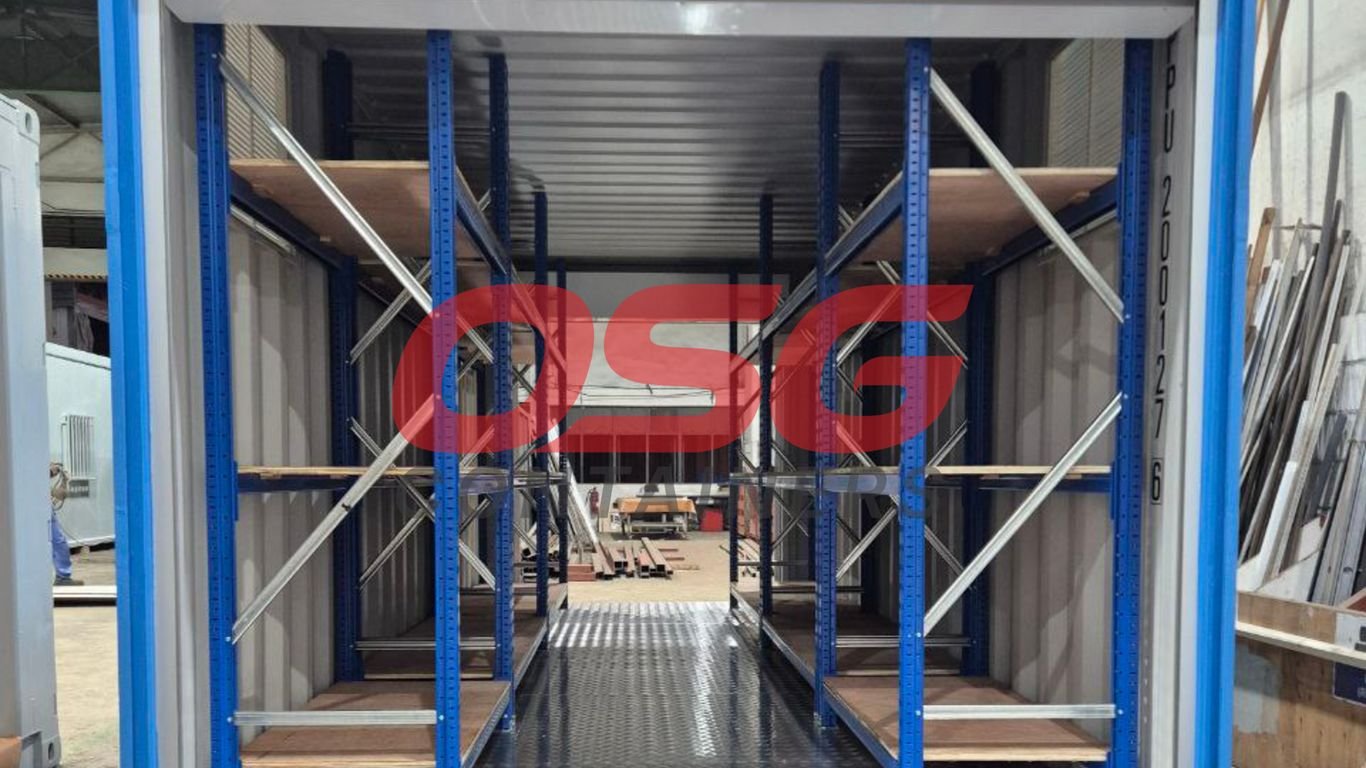
Shipping things that need to stay cold or at a specific temperature can be tricky. You can’t just stick them on any old truck or boat and hope for the best. That’s where the reefer container comes in. These aren’t your average shipping boxes; they’re like high-tech refrigerators on wheels, designed to keep all sorts of temperature-sensitive stuff safe during its journey. Whether it’s your lunch or life-saving medicine, understanding how these reefer containers work is pretty important.
Key Takeaways
- A reefer container uses a built-in refrigeration unit and insulated walls to keep cargo at a set temperature.
- Advanced features like humidity control and air purification help preserve delicate cargo.
- Proper loading and consistent temperature checks are vital for maintaining cargo quality.
- Reefer technology minimizes spoilage and helps meet strict rules for transporting goods.
- Regular inspections and specialized types of reefer containers ensure reliability for various needs.
Understanding The Reefer Container’s Core Functionality
So, what exactly makes a reefer container tick? It’s not just a metal box with a fancy sticker; it’s a carefully designed piece of equipment built to keep things at a very specific temperature, no matter what’s happening outside. Think of it like a high-tech cooler that can travel the globe.
Precise Temperature Control Systems
The real magic of a reefer container lies in its ability to maintain a steady temperature. This isn’t about just getting things cold; it’s about keeping them within a really narrow range. For some cargo, like certain medicines or delicate fruits, even a few degrees can make a big difference in whether they stay good or go bad. The systems inside are designed to be super accurate, often only allowing for a degree or two of variation from the set point. This precision is what protects the integrity of sensitive goods during their entire journey.
Integrated Refrigeration Unit
At the heart of every reefer is its refrigeration unit. This is the powerhouse that does the actual cooling or heating. It’s not an add-on; it’s built right into the container. These units are pretty robust and can be set to a wide range of temperatures, from well below freezing for frozen goods to just cool enough for fresh produce. They work continuously to circulate air and maintain the desired internal climate.
Here’s a quick look at what the unit does:
- Cooling/Heating: Actively adjusts the internal temperature.
- Air Circulation: Moves the conditioned air throughout the container.
- De-icing: Prevents frost buildup on cooling coils, which can reduce efficiency.
Insulated Walls For Thermal Integrity
All that fancy refrigeration tech wouldn’t do much good if the cold air just escaped. That’s where the insulated walls come in. These containers are built with thick, high-quality insulation sandwiched between the inner and outer metal walls. This insulation acts like a barrier, keeping the outside heat from getting in and the inside cold from getting out. It’s this combination of active cooling and passive insulation that makes reefers so effective at keeping cargo at its required temperature for extended periods.
The insulation is key to minimizing the workload on the refrigeration unit. A well-insulated container requires less energy to maintain its temperature, which is good for both the cargo and the environment.
Without these insulated walls, the refrigeration unit would be constantly fighting a losing battle against the external environment, leading to temperature fluctuations and potential spoilage.
Advanced Environmental Controls Within A Reefer Container
Reefer containers are more than just insulated boxes with a cooling unit. They’re sophisticated environments designed to actively manage conditions for your sensitive cargo. Beyond just setting a temperature, these units offer a suite of features that keep things just right.
Humidity Management For Cargo Preservation
Keeping the temperature steady is only half the battle. For many goods, especially produce and certain pharmaceuticals, controlling the moisture in the air is just as important. Too much humidity can lead to mold and spoilage, while too little can cause products to dry out and lose quality. Modern reefers can actively manage this.
- Dehumidification: Removes excess moisture from the air.
- Humidification: Adds moisture when needed to prevent drying.
- Monitoring: Sensors constantly track humidity levels, allowing for adjustments.
Maintaining the correct humidity level is critical for extending the shelf life of many perishable items.
Controlled Atmosphere Capabilities
Some high-value or extremely sensitive cargoes benefit from more than just temperature and humidity control. Controlled Atmosphere (CA) technology takes it a step further by adjusting the levels of oxygen, nitrogen, and carbon dioxide inside the container. This can significantly slow down the ripening process of fruits and vegetables, keeping them fresher for longer.
CA systems work by carefully regulating the gas composition within the sealed container. This creates an environment that mimics conditions ideal for preserving specific types of cargo, often extending their viability for weeks or even months beyond what’s possible with standard refrigeration alone.
Air Purification Systems
Even with careful loading, the air inside a container can accumulate unwanted elements. Ethylene gas, a natural byproduct of ripening fruits, can accelerate spoilage. Other odors or contaminants can also affect cargo quality. Air purification systems, often using activated carbon filters or other technologies, help to scrub the air clean.
- Removes ethylene gas to slow ripening.
- Filters out odors that could transfer to other goods.
- Helps maintain a neutral, clean environment.
Ensuring Cargo Integrity Through Proper Reefer Handling
So, you’ve got your fancy reefer container all set up, but just having the box isn’t the whole story. How you actually handle it, from the moment you start loading to when it arrives, makes a huge difference. It’s not just about setting the temperature and walking away; there are a few key things to pay attention to if you want your stuff to get there in good shape.
Importance Of Consistent Temperature Maintenance
Keeping your cargo at the right temperature is pretty much the main reason you’re using a reefer in the first place. It’s not just about keeping things cold, but keeping them at a specific cold. Even a small bump up or down in temperature can cause problems for sensitive items. Imagine shipping fresh berries – a few hours too warm and they start to get soft and go bad. Too cold, and they might freeze and turn mushy. The reefer unit works hard to stay within that narrow, pre-set range, but it needs a good environment to do its job effectively. The container’s insulated walls help a lot with this, meaning the cooling unit doesn’t have to fight as hard against the outside heat.
The goal is to create a stable environment where the cargo is protected from external conditions and internal fluctuations. This careful management is what separates a successful shipment from a costly loss.
Airflow Management For Optimal Cooling
Ever notice how some parts of your home fridge are colder than others? That can happen in a reefer container too, if the air can’t move around properly. Blocking the airflow is a common mistake that can lead to uneven temperatures, which is bad news for your cargo’s quality and how long it will last. Cold air needs to circulate freely around all the goods to keep them at the desired temperature. This means you can’t just stuff the container full without thinking. You need to leave space for air to move, especially around the vents. Think about how you’d arrange items in a cooler to make sure the ice packs can do their job everywhere.
- Leave space: Make sure there’s room for air to circulate around all the goods. Don’t pack things too tightly against the walls or ceiling.
- Stack smart: Don’t stack items so high that they block the air vents or crush the items below.
- Secure the load: Prevent items from shifting around during transit. This can damage products and mess up the airflow.
Loading Procedures For Even Temperature Distribution
How you load the container makes a big difference in keeping the temperature steady throughout. You need to let the cold air move around the cargo. If you pack boxes too tightly or block the vents, you’ll get warm spots. That’s bad news. Proper loading also means the cargo itself isn’t getting bashed around during transit, which can also affect its ability to handle the cold.
Here’s a quick rundown of what to keep in mind:
- Check the vents: Before you start loading, locate all the air vents inside the container. Make sure nothing is placed in a way that blocks them.
- Pallet placement: Use pallets to keep cargo off the floor, which can sometimes be colder or damper. This also helps air circulate underneath.
- Spacing is key: Leave a small gap between stacks of cargo and between the cargo and the container walls. This allows the cold air to reach every part of the load.
- Secure loose items: If you have items that aren’t on pallets, make sure they are secured so they don’t shift and block airflow or get damaged.
The Role Of Reefer Technology In Protecting Sensitive Goods
Reefer containers are more than just insulated boxes with a cooling unit; they are sophisticated pieces of equipment designed to keep delicate items safe during transit. Think about it – a lot of the food we eat, from fruits and vegetables to meat and dairy, needs to stay cold to avoid going bad. Reefers make sure that happens, cutting down on waste and making sure that food gets to us in good shape.
Minimizing Spoilage And Food Loss
This is a big one. Without reefers, the amount of food that spoils during shipping would be astronomical. These containers act like a controlled environment, keeping temperatures steady. This prevents the kind of temperature swings that speed up spoilage. It means less food ends up in the trash and more good food makes it to our tables.
- Consistent temperature maintenance: Keeps produce fresh longer.
- Reduced risk of bacterial growth: Crucial for meats and dairy.
- Extended shelf life: Allows for wider distribution of perishable goods.
Ensuring Product Efficacy During Transit
When you’re shipping things like medicines or vaccines, keeping them at the right temperature isn’t just about quality; it’s about making sure they actually work. If a vaccine gets too warm, it can become useless, and that’s a big problem. Reefer containers are built to maintain these precise temperatures, often with very tight tolerances, from the moment the product leaves the factory until it reaches its destination. This consistent control is what keeps these vital goods effective and safe for use.
The integrity of the cold chain is directly tied to the reliability of the reefer container. Any deviation can render sensitive products ineffective or even dangerous.
Meeting Stringent Regulatory Requirements
Many industries, especially pharmaceuticals and food, have strict rules about how their products must be handled and transported. These regulations often specify exact temperature ranges and require detailed records of that temperature throughout the journey. Reefer containers, with their advanced monitoring systems, can provide this data, showing that the cargo was kept within the required parameters. This documentation is vital for compliance and can prevent costly recalls or rejections.
| Industry | Example Sensitive Goods | Typical Temperature Range (°C) | Regulatory Importance |
|---|---|---|---|
| Pharmaceuticals | Vaccines, Insulin | 2 to 8 | Product efficacy, patient safety |
| Food | Fresh Berries, Seafood | -1 to 4 | Food safety, spoilage prevention |
| Biotechnology | Blood Plasma, Samples | -20 to -80 | Sample integrity, research validity |
Essential Checks For Reefer Container Reliability
Before you even think about loading up your precious cargo, giving the reefer container a good once-over is super important. It’s like checking your car before a long road trip – you don’t want to get stranded with spoiled goods, right? These checks aren’t just a formality; they’re your first line of defense against temperature mishaps and costly delays.
Pre-Trip Inspection Protocols
This is where you catch potential problems before they become big headaches. A thorough pre-trip inspection (PTI) is non-negotiable. It involves a few key steps to make sure the container and its cooling unit are in tip-top shape. Think of it as a health check for your reefer.
- System Test: You’ll want to run the refrigeration unit itself. This means powering it up and letting it run for a bit to confirm it can actually reach and maintain the temperature you need, whether that’s freezing cold or just cool.
- Seal Check: Take a good look at the door seals. Are they cracked, torn, or missing? Also, check the container walls for any dents or damage. Any gap can let warm air in or cold air out, messing with your temperature.
- Power Connection: Make sure the power cable and plug are in good condition, with no fraying or damage. You also need to confirm the power source itself is stable and working correctly.
Skipping these checks is a gamble. You might get lucky, but if you don’t, the consequences can be severe, impacting not just your product but also your reputation.
System Test and Seal Checks
Let’s break down those inspection points a bit more. The system test is pretty straightforward: you’re verifying the machinery works. This usually involves setting the unit to a specific temperature and monitoring its performance for a set period. You’re looking for consistent cooling or heating, without any weird noises or error codes flashing on the control panel.
When it comes to seals, they’re often overlooked but are incredibly important. Think of them like the weather stripping on your house windows. If they’re compromised, you lose energy efficiency, and in a reefer’s case, temperature stability. A quick visual inspection is usually enough, but sometimes a light test (shining a flashlight from inside and looking for light leaks from the outside) can reveal tiny gaps you might otherwise miss.
Control Panel Verification
This is your command center. The control panel is where you set the temperature, monitor the current conditions, and see any alerts. It’s vital that this panel is accurate and responsive. You need to confirm that:
- The displayed temperature matches the actual temperature inside the container (you can use a separate thermometer for this).
- You can easily adjust the temperature settings.
- Any alarms or warning lights function correctly.
- The data logging features, if present, are working to record the trip’s temperature history.
Sometimes, the settings might be entered incorrectly, or the panel might be glitchy. A quick verification here saves a lot of trouble later on. It’s all about making sure the brain of the reefer is thinking straight.
Specialized Reefer Container Applications
Cold Treatment For Pest Control
Sometimes, you need more than just cold. For certain fruits and vegetables heading to places like the USA, there’s a special process called ‘cold treatment’. It’s basically a way to kill off tiny pests and bugs without using any chemicals. The idea is to get the fruit’s internal temperature down to a specific level and keep it there for a set amount of time. Think of it like a long, cold nap for the produce that makes it safe for import. These reefer containers can be programmed to do this, and sometimes they even slowly warm the cargo back up afterward to avoid shocking it. Often, extra temperature probes are placed right inside the fruit itself to make sure the treatment is working perfectly.
Superfreezer Containers For Ultra-Cold Cargo
When you’re dealing with things that need to be kept really cold, like some high-end fish or special medicines, standard reefers just won’t cut it. That’s where superfreezer containers come in. These specialized reefer containers can drop the temperature way down, sometimes as low as -70°C. They’re built to keep these ultra-sensitive items frozen solid throughout the entire trip. It’s a big deal for maintaining the quality and effectiveness of these very specific types of cargo.
Reefer Containers For Offshore Use
These aren’t just for crossing oceans with your average shipment. Reefer containers have found a really important place in some tough spots, like on offshore oil and gas rigs. Imagine needing to keep food and supplies cold way out at sea, often with rough weather to deal with. That’s where these specialized containers come in. They’re often built a bit tougher, maybe with extra support to handle constant movement, and they need to connect reliably to the rig’s power. The main idea is to create a steady, cold space, no matter how much the ocean is tossing things around. It’s a different kind of challenge compared to keeping a container reefer steady on land or a ship, but the core job of protecting the cargo remains the same. They’re a vital piece of equipment for keeping crews fed and operations running smoothly in remote locations, proving that container reefer tech is adaptable to many environments.
The Bottom Line
So, when you think about all the stuff that needs to stay just right – your medicines, your fancy cheeses, maybe even those imported fruits – it’s pretty wild to imagine how it all gets here in one piece. These reefer containers, with their fancy cooling bits and insulated walls, are basically the unsung heroes of keeping things fresh and working. It’s not just about setting a temperature; it’s a whole system working to keep things stable, no matter what’s happening outside. Pretty neat, huh?
Frequently Asked Questions
What exactly is a reefer container and what makes it special?
A reefer container is like a super-fridge on wheels (or on a ship!). It’s a special shipping container that has its own cooling system built right in. This lets it keep things at a very specific temperature, whether that’s super cold for frozen goods or just cool enough for fresh produce. It’s designed to protect temperature-sensitive items during their long journeys.
How does a reefer container keep things cold or at the right temperature?
It has a powerful refrigeration unit attached, usually at one end. This unit works like a regular fridge, but a much bigger and tougher one! The container walls are also made with thick insulation, like a really good thermos, to stop outside heat from getting in and the cold air from escaping. Smart controls let people set the exact temperature needed.
Can reefer containers only keep things cold, or can they also heat things up?
That’s a great question! While they are mostly known for cooling, many reefer containers can also provide heat. This is useful for certain sensitive items that might be damaged by cold weather during transit, like some types of electronics or even specific plants. They can maintain a set temperature, whether it’s below freezing or a bit warmer than room temperature.
Why is airflow inside the reefer container so important?
Think of it like breathing. The cold air needs to be able to move all around the cargo to keep everything at the same temperature. If boxes are packed too tightly or block the vents, some spots might get too warm while others are too cold. This uneven cooling can ruin the cargo. So, proper loading ensures air can circulate freely, keeping everything perfectly chilled (or heated!).
What happens if the reefer container’s temperature goes wrong?
If the temperature isn’t kept right, sensitive cargo can be ruined. For food, this means it can spoil much faster, leading to waste. For medicines or vaccines, it could mean they stop working, which is a serious health risk. Modern reefers have alarm systems that alert operators if the temperature starts to drift, giving them a chance to fix the problem before it’s too late.
Are there different kinds of reefer containers for different jobs?
Yes, there are! While most are general-purpose for keeping things cool, some are specialized. There are ‘cold treatment’ containers used to kill pests on fruits and vegetables without chemicals. Others are ‘super freezer’ containers that can get incredibly cold, like -70°C, for things like rare medicines. Some are even designed for tough conditions, like on oil rigs out at sea.