Singapore
 Australia
 Indonesia
 Japan
Japan Malaysia
 New Zealand
 Philippines
 South Korea
 Taiwan
 Thailand
 VIETNAM
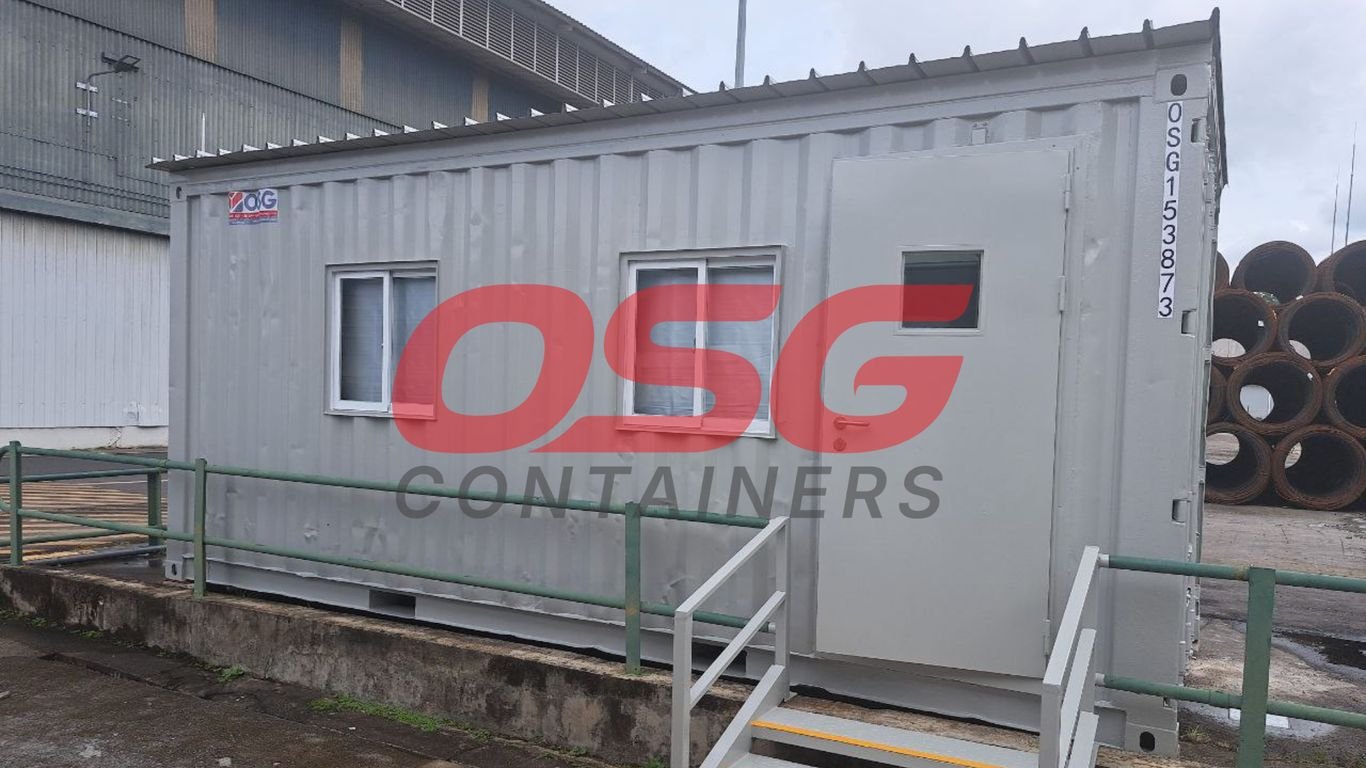
Thinking about setting up a new office space, or maybe just need a bit more room for your team? You might have seen those metal boxes around, the ones that used to travel the seas. Turns out, they can be pretty neat offices now. They’re called office containers, and they’re becoming a popular choice for businesses. Let’s look at why these modular workspaces are actually working so well.
Key Takeaways
- Office containers offer flexible ways to expand your workspace, either by placing them side-by-side for more floor space or stacking them for vertical expansion.
- These containers are incredibly versatile, serving as compact single units, larger multi-container layouts, or quick office solutions needed anywhere.
- Designing your ideal office container involves customizing layouts for your specific workflow, incorporating natural light, and personalizing the space to help people work better.
- Choosing office containers can be more cost-effective than traditional building, with lower initial costs, reduced maintenance, and faster setup times.
- Repurposing shipping containers for office use is a sustainable choice, reducing waste and minimizing environmental impact compared to new construction.
Maximizing Space With Modular Office Containers
So, you’ve got your eye on a container office, and you’re wondering how to really make it work, especially when space is a concern. The beauty of these units is their modularity. They’re not just single boxes; they’re like building blocks you can arrange and stack to fit your needs. This means you can get a lot of office space without needing a huge plot of land.
Expanding Your Workspace With Modular Designs
When your team grows or your projects demand more room, the modular design of container offices really comes into play. You don’t have to start over or build an addition. Instead, you can simply add more containers. This flexibility lets your workspace grow with you, which is a big deal for businesses that are expanding.
Connecting Containers Side-By-Side
Need a wider area for your team to collaborate, or perhaps distinct zones for different tasks? Placing containers next to each other is a straightforward way to increase your floor space. You can create a more open-plan feel or set up separate areas for meetings, focused work, and common spaces. It’s a simple method to get more usable square footage without building upwards.
Here’s a quick look at how you might arrange a few containers:
| Layout Type | Description |
|---|---|
| Side-by-Side | Two or more containers placed next to each other, creating a wider floor plan. |
| L-Shape | Containers arranged at a right angle, offering distinct functional areas. |
| U-Shape | Three or more containers forming a courtyard or enclosed space. |
| Linear Expansion | Adding containers in a straight line for a long, connected workspace. |
Stacking For Vertical Space
If ground space is tight, especially in busy urban areas, stacking containers is a smart move. You can place one unit on top of another, effectively doubling or even tripling your usable office area without taking up more land. This approach not only maximizes your footprint but can also lead to some interesting architectural designs. Just remember to plan for proper structural support and access, like external stairs.
When planning your container office, think about how you’ll actually use the space day-to-day. Consider things like natural light, airflow, power needs, and noise levels to make sure it’s a comfortable and productive place to work.
The Versatility Of Office Containers
Single Unit Compact Solutions
Sometimes, you just need a small, dedicated space to get work done. A single shipping container, often around 20 or 40 feet long, can be transformed into a surprisingly functional office. Think of it as a private pod for focused work, a quiet meeting room for a few people, or even a compact sales office for a small business. These units are great for adding a bit of extra workspace without taking up a huge amount of room. They can be placed in parking lots, on unused corners of a property, or even in a backyard. It’s a simple way to get a professional workspace set up quickly.
Multi-Container Expansive Layouts
What if your team is bigger, or you need different zones for different tasks? That’s where the modular nature of these containers really shines. You can connect multiple units side-by-side to create wider, more open floor plans. Or, you can stack them to build a two-story office, maximizing your footprint. This flexibility means you can design a layout that perfectly fits your workflow, whether you need individual offices, collaborative areas, or a mix of both. It’s not just about adding space; it’s about creating a custom environment.
Instant Office Solutions Anywhere
Need an office on a remote construction site? Or perhaps a temporary setup for a special event? Office containers are fantastic for these situations. Because they’re built for transport, they can be delivered and set up pretty much anywhere. This means you can have a fully equipped workspace ready to go in a fraction of the time it would take to build something traditional. They’re perfect for:
- Job site offices
- Event management hubs
- Temporary retail spaces
- Pop-up information booths
The ability to deploy a functional office space quickly, wherever it’s needed, is a major advantage for businesses that operate on the move or require flexible, short-term solutions.
It’s important to note that while we’re talking about office containers, the same principles apply to other types of modified containers, like specialized units for storage or even refrigerated container setups if climate control is a concern for sensitive materials. The core idea is repurposing these robust structures for practical business needs, moving beyond just basic storage or the more specialized iso container tanks.
Designing Your Ideal Office Container Layout
So, you’ve got your container, or maybe a few, and now it’s time to make them actually work as an office. This is where the fun really begins, turning a blank metal box into a space that helps you get stuff done. It’s not just about throwing in a desk; it’s about thinking through how you and your team will use the space every single day.
Customizing Layouts For Workflow
Don’t just settle for what’s standard if it doesn’t fit your workflow. You can adjust layouts, add specific types of doors or windows, and even think about how natural light comes in. It’s about creating a functional environment that helps you get things done. When you’re planning your container office, think about how you’ll actually use the space day-to-day. Consider things like:
- Traffic Flow: How will people move between different areas? Avoid bottlenecks.
- Task Zones: Designate specific areas for focused work, collaboration, and breaks.
- Storage Needs: Plan for where files, equipment, and personal items will go.
The beauty of modular containers is their adaptability. You’re not locked into a fixed structure. You can reconfigure, expand, or even shrink your workspace as your business needs evolve, making it a truly dynamic solution.
Incorporating Natural Light And Ventilation
Maximizing natural light and ensuring good airflow are key to making any office feel welcoming and productive. Think about where the sun hits your container throughout the day and position workstations accordingly. Adding windows and perhaps even skylights can make a huge difference. Ventilation is just as important; you don’t want stale air making people feel sluggish. Consider installing windows that open, or even a simple ventilation system.
Here are a few ways to think about light and air:
- Window Placement: Strategically place windows to capture daylight and cross-breezes. Larger windows or glass doors can open up the space.
- Ventilation Options: Beyond opening windows, consider small exhaust fans or passive vents to keep air circulating.
- Light Reflectivity: Use lighter paint colors on the interior walls and ceilings to bounce natural light around the space.
Personalizing The Space For Productivity
Once the functional layout is sorted, it’s time to make the space your own. Personalization isn’t just about aesthetics; it’s about creating an environment where people feel comfortable and motivated. This could mean adding plants, choosing specific color schemes, or setting up ergonomic workstations. Even small touches can boost morale and focus. Think about what makes your team tick and how the office can support that.
Consider these elements for a personalized touch:
- Acoustics: If noise is an issue, look into sound-dampening materials for walls or floors.
- Color Psychology: Use colors that promote focus or creativity, depending on the work done in the space.
- Breakout Areas: Even a small, comfortable corner with a couple of chairs can provide a much-needed mental reset.
Cost-Effectiveness Of Office Containers
Lower Initial Investment Than Traditional Construction
Let’s talk money. Building a traditional office space can really drain your budget. You’ve got materials, labor, permits – it all adds up fast. Office containers, on the other hand, start with a structure that’s already built. Think of it: walls, a roof, a floor, all ready to go. This means you’re cutting down on a huge chunk of the costs associated with new construction. The upfront price for a container office is generally much lower than putting up a brick-and-mortar building. Plus, if you’re just starting out or need a temporary setup, container rentals offer a flexible way to get the space you need without a massive capital outlay.
Reduced Maintenance And Long-Term Savings
These things are built tough. Shipping containers are designed to handle rough seas and tough weather, so they’re incredibly durable. This means they usually need less upkeep over time compared to conventional buildings. Fewer leaks, less wear and tear – it all adds up to savings down the road. You won’t be shelling out as much for constant repairs or renovations. It’s a solid investment that keeps paying off by staying in good shape with minimal fuss.
Speed Of Deployment For Immediate Use
Time is money, right? With office containers, you can get your workspace up and running way faster than traditional building methods. Forget waiting months for construction to finish. These units can be delivered, set up, and made ready for work in a fraction of the time. This means your team can start being productive sooner, which is a big win for any business, especially if you need space quickly for a new project or to accommodate rapid growth. It’s about getting operational without the long delays.
When you’re looking at your budget and your timeline, office containers present a really practical option. They cut down on the big initial costs and keep maintenance expenses low, all while getting you set up and working much faster than you might expect. It’s a smart way to manage resources effectively.
Here’s a quick look at why they make financial sense:
- Lower Upfront Costs: Significantly less expensive than new construction.
- Durability: Built to last, reducing repair expenses.
- Fast Setup: Get your office operational quickly, minimizing downtime.
- Flexibility: Options like container rentals allow for scalable solutions without long-term commitment.
Sustainability And Office Containers
Repurposing Shipping Containers For Reduced Waste
It’s pretty cool when you think about it: taking something that’s already been made and giving it a whole new life. That’s exactly what happens with shipping container offices. Instead of letting old containers just sit around, taking up space and eventually becoming scrap, they get transformed into functional workspaces. This whole process cuts down on the need for new raw materials, which is a big win for the environment. Think about all the concrete, steel, and wood that would normally go into building a traditional office – a lot of that is avoided here. It’s a straightforward way to make a business look good while also doing good.
Minimizing Carbon Footprint Compared To New Builds
When you compare building a new office from scratch to converting a shipping container, the difference in environmental impact is pretty significant. Manufacturing new building materials, like steel beams or concrete, uses a ton of energy and releases a lot of greenhouse gases. Shipping containers, on the other hand, have already completed their primary journey. The energy needed to modify them into offices is considerably less than what’s required for new construction. This means a smaller carbon footprint right from the start.
Here’s a general idea of the impact:
| Construction Type | Estimated Carbon Footprint (Relative) |
|---|---|
| Traditional New Build | High |
| Converted Shipping Container | Low |
The focus on repurposing existing structures is a key part of making office containers a more eco-friendly choice for businesses looking to reduce their environmental impact.
Aligning With Corporate Environmental Goals
Lots of companies these days are trying to be more environmentally conscious. They set goals to reduce waste, lower their energy use, and generally be better neighbors to the planet. Using office containers can really help them hit those targets. It shows stakeholders, customers, and employees that the company is serious about sustainability. It’s not just about looking green; it’s about making practical choices that contribute to a healthier environment. Plus, it can sometimes even lead to cost savings down the line, which is always a nice bonus.
Enhancing Productivity With Office Containers
Creating Inspiring and Contemporary Workspaces
Forget those drab, uninspired office spaces of the past. Container offices offer a blank canvas to build something truly modern and engaging. The unique structure itself can spark creativity, and with thoughtful design, you can transform a simple metal box into a place people actually want to work in. Think clean lines, smart use of space, and a fresh aesthetic that feels current. It’s about making a statement that your business is forward-thinking and values a good working environment.
Customizable Interiors for Employee Comfort
When you’re setting up a container office, you’re not stuck with a cookie-cutter layout. You can really tailor the inside to fit how your team works best. This means thinking about things like:
- Layout Flow: How do people move around? Do you need quiet zones for focused work, or open areas for collaboration? You can adjust walls and partitions to make it work.
- Lighting and Air: Natural light makes a huge difference. Adding well-placed windows and maybe even skylights can make the space feel bigger and more pleasant. Good ventilation is also key to keeping everyone alert and comfortable.
- Amenities: What do people need to be comfortable throughout the day? This could be anything from a small kitchenette area to comfortable seating for breaks. Even small touches can have a big impact.
The ability to customize isn’t just about aesthetics; it’s about creating a functional space that directly supports the tasks your employees perform daily. When people feel comfortable and have the tools they need readily available, their focus and output naturally improve.
Fostering a Dynamic and Efficient Work Environment
Container offices, by their very nature, can encourage a more dynamic atmosphere. Their modularity means you can easily reconfigure spaces as needs change. Need to expand for a new project? Add another container. Need to split a team into smaller groups? Rearrange the internal partitions. This flexibility means the workspace stays relevant and efficient, rather than becoming a static hindrance.
Here’s a quick look at how different setups can impact efficiency:
| Layout Type | Potential Efficiency Gains |
|---|---|
| Single Unit | Ideal for focused, individual tasks; minimal distractions. |
| Side-by-Side Units | Facilitates collaboration and clear departmental separation. |
| Stacked Units | Maximizes ground space, allowing for distinct functional zones. |
This adaptability helps prevent the common problem of outgrowing a space and becoming less productive because of it. It keeps your operations agile.
Wrapping It Up
So, we’ve looked at how these shipping container offices can really change the game for businesses. They’re not just metal boxes; they’re flexible, affordable, and can be set up pretty much anywhere. Whether you need a small spot for one person or a bigger setup for a growing team, these modular spaces can adapt. They let you get creative with your workspace, making it work for how you actually do business, not the other way around. It’s a smart move for companies that need to be nimble and efficient in today’s world.
Frequently Asked Questions
Can I connect multiple container offices together?
Yes, you absolutely can! Think of container offices like building blocks. You can place them side-by-side to make a wider space or even stack them on top of each other to build upwards. This makes it easy to create the exact size and shape of office you need.
Are container offices expensive?
Generally, container offices cost less to set up than building a traditional office from the ground up. They are also quite durable, meaning you won’t have to spend as much on repairs over time. Plus, you can get them ready to use much faster.
Can I move a container office if my business relocates?
One of the best things about container offices is that they can be moved! If your business needs to change locations, you can often take your office space with you. This makes them a very flexible option for businesses that might move around.
How do you make a container office comfortable and functional?
You can customize them a lot! This includes adding insulation for comfort, windows for light and fresh air, and planning the inside layout to fit how your team works best. You can also add things like electricity and even small kitchens or bathrooms.
Are container offices good for the environment?
Yes, they are! Using old shipping containers means we’re reusing materials instead of making new ones, which cuts down on waste. It also usually means a smaller carbon footprint compared to building a new office from scratch.
Can a container office be used for just one person or a small team?
Definitely. A single container can be a perfect, compact office for one person or a small group. It’s a great way to have a dedicated, professional workspace without needing a huge amount of room.