Singapore
 Australia
 Indonesia
 Japan
Japan Malaysia
 New Zealand
 Philippines
 South Korea
 Taiwan
 Thailand
 VIETNAM
Building things is messy. Lots of moving parts, people everywhere, and things change fast. Keeping everyone on the same page and working smoothly can be a real headache. That’s where a good site office comes in. It’s not just a place to hang your coat; it’s the nerve center for getting the job done right, on time, and without a ton of wasted effort. Think of it as the command post that helps everything run better.
Key Takeaways
- A site office brings teams closer to the action, making teamwork and communication much easier.
- Having a dedicated space helps organize project management and makes meetings more productive.
- Smart design and the right setup in your site office can really boost how much work gets done.
- Clear communication from the site office prevents delays and keeps everyone informed.
- Using mobile offices and good storage solutions makes day-to-day operations smoother and saves time.
Enhancing Collaboration Through Proximity
Having a site office right there on the job means people are closer to the action, and honestly, it just makes things run smoother. When your team isn’t spread out or having to trek back to a distant trailer, they can actually talk to each other face-to-face more often. This isn’t just about casual chats; it’s about quick questions getting answered before they become big problems.
Fostering Teamwork with On-Site Presence
When everyone’s working from the same physical space, even if it’s a temporary one, it builds a sense of being in it together. You can see who’s working on what, and it’s easier to jump in and help out or ask for a hand. This closeness cuts down on misunderstandings that can happen when people are only communicating through emails or calls.
- Quick problem-solving sessions happen naturally.
- Newer team members can learn by observing and asking questions easily.
- It helps build trust and a shared understanding of project goals.
Streamlining Communication Channels
Forget playing phone tag or waiting for emails to be read. With a site office, you can walk over to someone’s desk or pull a few people into a quick huddle. This direct line of communication is a game-changer for keeping everyone on the same page. It means less time wasted trying to track people down and more time actually getting work done.
Having a central point for communication, even a temporary one, cuts down on the ‘he said, she said’ scenarios that can derail a project. It makes information flow more like a river and less like a series of disconnected puddles.
Improving Project Oversight
Supervisors and project managers can keep a much closer eye on progress when they’re based on-site. They can see firsthand what’s happening, spot potential issues early, and make adjustments without delay. This hands-on approach to oversight is way more effective than trying to manage everything from afar. It allows for more informed decisions because you’re not relying solely on reports; you’re seeing the reality of the site.
Optimizing Workflows with a Dedicated Site Office
Centralizing Project Management
A site office acts as the central nervous system for any construction project. It’s where all the important decisions get made and where the day-to-day operations are steered. Having a dedicated space right there on the job means project managers and supervisors aren’t constantly running back and forth to a distant office. This proximity cuts down on travel time, which is time that can be better spent actually managing the project. Think about it: instead of spending an hour in traffic, a manager can use that time to walk the site, check on progress, and talk directly with the crew. This immediate access to information and personnel is key to keeping things moving smoothly.
Facilitating Efficient Meetings
Forget trying to gather everyone in a noisy, dusty corner of the site or squeezing into a small truck cab. A proper site office provides a quiet, comfortable place for meetings. Whether it’s a quick daily huddle to go over the day’s tasks or a more in-depth review of progress, having a dedicated meeting space makes these gatherings far more productive. People can focus on the discussion, not on the distractions around them. This leads to clearer instructions, better problem-solving, and fewer misunderstandings down the line.
Here’s a look at how different meeting types benefit from a site office:
- Daily Briefings: Quick check-ins to assign tasks, discuss safety, and address immediate concerns.
- Weekly Progress Reviews: More detailed discussions about milestones, resource allocation, and potential roadblocks.
- Subcontractor Coordination: Bringing different trades together to align schedules and work sequences.
- Client Updates: Providing a professional space to meet with stakeholders and discuss project status.
Providing Essential Amenities
Beyond just a place to sit, a site office offers practical amenities that make a real difference to the team’s ability to work effectively. Things like a place to store personal belongings securely, a spot to grab a coffee and take a short break, or even just a clean restroom can significantly impact morale and focus. When workers feel looked after and have the basic comforts they need, they’re more likely to stay engaged and productive throughout the day. It shows that the project values their well-being, which can go a long way.
A well-equipped site office isn’t just about having desks and chairs; it’s about creating an environment where work can happen efficiently and comfortably. It’s a practical investment that pays off in saved time, better communication, and a more focused workforce.
Boosting Productivity with Strategic Site Office Design
Maximizing Space with Modular Units
When you’re working on a construction site, space is always a hot commodity. That’s where modular units, like a standard 20ft container, really shine. They’re not just boxes; they’re smart solutions for making the most of what you have. You can link them together, stack them, or arrange them however makes sense for your team and the project. This flexibility means your office can grow or shrink as needed, which is pretty handy when project demands change.
Ensuring Ergonomic Workstations
Think about how much time people spend in the site office. Making it comfortable and functional is a big deal for keeping everyone sharp. This means looking at things like adjustable chairs and desks that are the right height. Good lighting and a layout that lets people move around easily without bumping into things also make a difference. A well-designed workspace helps people focus and reduces that end-of-day slump.
Integrating Essential Equipment
It’s not just about desks and chairs. The right equipment makes the office a real hub for getting things done. This could include:
- Reliable internet and phone access for communication.
- Printers and scanners for document management.
- Whiteboards or large screens for planning and reviews.
- Adequate power outlets for all the gadgets.
Having the right tools readily available in the site office means less time spent searching for what you need and more time actually working. It keeps the project moving forward smoothly.
Here’s a quick look at how different setups can work:
| Unit Type | Typical Use Case |
|---|---|
| 20ft Container | Basic office, storage, or small meeting space |
| Linked Units | Larger office, multiple workstations, conference room |
| Stacked Units | Maximizing footprint for multi-level facilities |
The Role of the Site Office in Communication
A site office isn’t just a place to park your hard hat; it’s the central nervous system for project communication. When everyone’s under one roof, or at least within shouting distance, information flows a lot more freely. This proximity cuts down on misunderstandings and speeds up decision-making.
Preventing Delays Through Clear Communication
Miscommunication on a job site can lead to some serious headaches, not to mention costly delays. Think about it: a simple instruction missed or misinterpreted can mean a whole section of work needs to be redone. A dedicated site office acts as a hub where plans are reviewed, questions are asked directly, and everyone’s on the same page. This avoids those awkward moments where two crews are working on the same thing without realizing it, or worse, working against each other.
- Daily huddles to discuss the day’s tasks.
- A central bulletin board for important notices and updates.
- Designated space for reviewing blueprints and project plans together.
When information is readily available and easily shared, the chances of errors decrease significantly. It’s about making sure the right message gets to the right person at the right time, without getting lost in translation or buried under a pile of emails.
Leveraging Mobile Technology for Updates
While face-to-face is great, we’re not living in the past. Modern site offices integrate technology to keep communication lines open even when people are spread out. Think about tablets for accessing digital plans, walkie-talkies for quick check-ins, or even just a reliable Wi-Fi connection so supervisors can send photos and updates from different parts of the site.
| Technology | Benefit |
|---|---|
| Mobile Radios | Instant, short-range communication |
| Tablets/Smartphones | Access to digital plans, photos, and reports |
| Project Management Apps | Centralized task tracking and updates |
Establishing Effective Field-to-Office Dialogue
It’s not just about talking on the site; it’s also about talking back to the main office or stakeholders. The site office provides a formal point of contact. This means that reports, progress updates, and any issues that arise can be documented and communicated clearly and consistently. This structured approach helps keep everyone informed, from the crew chief to the project manager back at headquarters, making sure that any necessary resources or decisions are made promptly.
Site Office Solutions for Enhanced Efficiency
Utilizing Mobile Offices for Supervisors
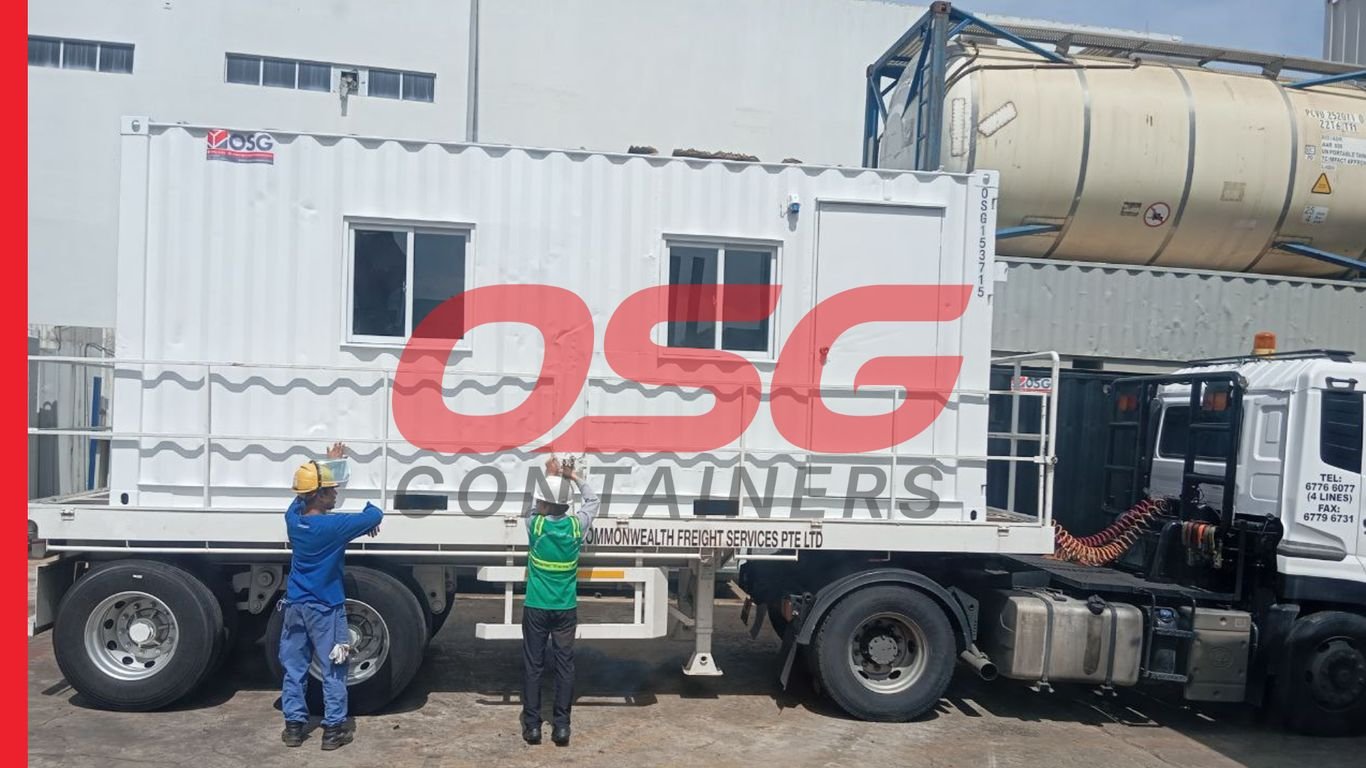
Having supervisors working right there on the job site, instead of driving back and forth, saves a ton of time. Mobile offices give them a proper place to work, with good lighting, windows, desks, and heating or cooling. This means they can be more present and responsive to what’s happening. It’s a big step up from trying to manage things from a distant office or a makeshift setup.
Implementing On-Site Storage Solutions
Losing tools to weather or theft, or having materials go missing, really adds up. It also wastes time when people have to search for equipment or make extra trips for supplies. Mobile storage units, available in various sizes, keep everything organized and secure. This means tools and materials are protected from the elements and less likely to get lost or stolen. When people can find what they need quickly, they get back to work faster.
Choosing the Right-Sized Field Office
It’s not just about having an office on site; it’s about having the right one. This includes thinking about:
- Team Size: How many people need to use the office regularly?
- Project Phase: Does the office need to accommodate more people or functions as the project progresses?
- Required Amenities: What specific equipment or facilities are needed (e.g., meeting space, private workstations)?
Container offices, for example, offer a sturdy and adaptable option that can be configured to fit different needs. Getting the size and setup right from the start means less hassle and better workflow down the line.
Making smart choices about where your team works and where your equipment is stored can have a surprisingly big impact on how smoothly things run. It’s about cutting down on wasted time and keeping things secure so everyone can focus on the job at hand.
Measuring Success with a Functional Site Office
So, how do you know if your site office is actually doing its job? It’s not just about having a place to sit; it’s about seeing real results. We need to look at how the office helps get the work done faster and better. Tracking output and task completion is a direct way to see if the setup is working.
Tracking Output and Task Completion
This is pretty straightforward. You can look at daily or weekly reports. Are tasks getting finished on time? Are there fewer mistakes happening now that everyone has a central place to coordinate? It’s about seeing if the project is moving along smoothly. A good site office should make this process clearer, not more confusing.
Analyzing Material and Equipment Usage
Think about it: if your site office, maybe a sturdy 20 foot container converted for your needs, is well-organized, people can find what they need. This means less time wasted looking for tools or materials. You can track how much material is being used versus what’s planned. Are you running out of things too quickly? Or maybe you have way too much left over? This can point to issues with planning or communication, which the site office is supposed to help fix. A well-managed office space, even a compact 20 foot unit, can lead to smarter usage of resources.
Utilizing Data for Continuous Improvement
Every project generates data. Your site office is the perfect place to collect and look at it. This could be anything from how long certain tasks take to how many site visits are needed. By reviewing this information, you can spot patterns. Maybe a certain type of meeting in the office always leads to a productive day, or perhaps a specific layout makes it hard for supervisors to check on progress. Using this data helps you make smart changes for this project and for the next one. It’s all about learning and getting better.
A functional site office isn’t just a building; it’s a tool. It should actively contribute to the project’s success by making things easier for the people working on it. If it’s not helping, it’s probably getting in the way.
Here are some things to keep an eye on:
- Timeliness: Are project milestones being met without constant delays?
- Resource Management: Is there a noticeable reduction in wasted materials or equipment downtime?
- Team Feedback: What are the workers and supervisors saying about how the office impacts their day-to-day work?
- Safety Incidents: Is there a correlation between the office’s functionality and a decrease in on-site accidents?
By paying attention to these areas, you can really tell if your site office is a win or just taking up space.
Wrapping It Up
So, when you really look at it, having a solid site office isn’t just about having a place to sit down. It’s about making sure everyone’s on the same page and can actually get their work done without a ton of hassle. Think about it – less time wasted hunting for tools, clearer communication, and a better spot for supervisors to keep an eye on things. It all adds up. By setting up a good workspace right there on the job, companies can really see a difference in how smoothly things run and how much gets accomplished. It’s not some fancy trick, just a smart way to make the whole project work better.
Frequently Asked Questions
What’s the main point of having an office on a construction site?
A site office is like a home base for the people in charge. It gives them a place to work, meet up, and keep important papers safe. Even if it’s small, it’s called a site hut and helps things run smoother.
What’s a ‘modular’ construction field office?
Imagine a building made in pieces at a factory and then put together on the job site. That’s a modular field office. It’s a flexible option that can be put up quickly and changed if needed.
What makes an office layout work well?
A good office layout is easy for people to use and get around in. It considers who needs to be there, how much space there is, and makes sure everyone can easily reach what they need to do their job without feeling cramped.
What basic stuff do you need in a construction site office?
You’ll need furniture to sit and work at, places to store things, ways to talk to people (like phones or radios), and any tech tools needed for the job. Having these makes the workspace organized and helps people get more done.
Why is safety so important in a site office?
Keeping the site office safe helps prevent accidents and injuries. It means following rules, having the right safety gear, and making sure everything is up to code. A safe place to work means people can focus on their jobs without worry.
How can having an office close to the work help?
When the office is right there on the job site, it makes it easier for teams to talk and work together. People can quickly grab what they need, and it feels more secure for personal items. Plus, it helps everyone stay focused and get more done.