Singapore
 Australia
 Indonesia
 Japan
Japan Malaysia
 New Zealand
 Philippines
 South Korea
 Taiwan
 Thailand
 VIETNAM
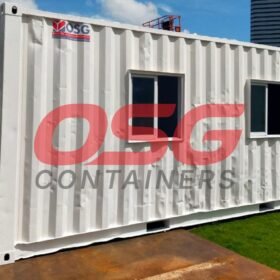
So, you’re thinking about office space, huh? Maybe for a construction site, a new project, or just a temporary spot for your team. Traditional buildings can be a real hassle – expensive, slow to build, and a pain to move. But there’s this neat alternative: container offices. They’re basically old shipping containers that get turned into functional workspaces. People are using them for all sorts of things, from quick setups to more permanent solutions. Let’s talk about why these containers are becoming such a popular choice for businesses needing a place to work, both now and down the road.
Key Takeaways
- Container offices can be set up really fast, which is great when you need to start operations right away without waiting for a traditional building.
- Their modular design means you can easily add more space as your business grows or move the whole office if needed, without having to tear anything down.
- Compared to building from scratch, container offices often cost less because they take less time to build and need simpler foundations.
- Using old shipping containers is good for the environment because it means less waste, and they can be made energy-efficient.
- These offices are super strong and can handle tough weather, and with a bit of upkeep, they can last for a really long time.
Rapid Deployment For Immediate Operations
When you need to get a project off the ground now, waiting for a traditional building to go up just isn’t an option. That’s where container offices really come into their own. They’re designed to be put to work fast, cutting down on the delays that can really eat into a project’s budget and timeline.
Quick Setup Minimizes Project Delays
Forget about weeks or even months of construction hassle. These units can often be delivered and set up in a matter of days, sometimes even hours. This means your project managers, site supervisors, and admin staff can start working from day one. No more scrambling to find temporary space or dealing with the headaches of traditional site setup.
Eliminating Need For Traditional Foundations
One of the biggest time-savers is that container offices don’t need fancy, permanent foundations. They can usually just be placed on a level, compacted surface. This cuts down on site prep work significantly. You’re not pouring concrete that you’ll just have to break up later, which saves time and money.
Establishing Operational Bases Swiftly
Think about it: you need a place for meetings, planning, and keeping track of everything happening on site. Container offices provide that immediate, professional base. They can be configured to include:
- Desks and workstations
- Meeting tables
- Storage for plans and equipment
- Basic amenities like lighting and power
The ability to quickly set up a functional workspace directly on the construction grounds means teams can hit the ground running. This immediate operational capability is a game-changer for project timelines and overall site efficiency.
Flexibility And Modular Design Opportunities
One of the biggest draws of using shipping containers for workspaces is how adaptable they are. Think of each container, like a standard 40 foot container, as a building block. You can arrange these blocks in all sorts of ways to create the exact space you need. This means you aren’t stuck with a rigid structure that can’t change as your needs do. It’s a really practical approach, especially when you consider options like the rental of containers for short-term projects.
Scalability For Growing Businesses
Businesses often start small and then grow. Container offices are perfect for this. You can begin with a single unit, maybe for a small team or a specific department. As your company expands, you just add more containers. They can be connected side-by-side or even stacked to build up, making the most of your available land. This way, your workspace grows with you without the hassle of major construction.
Easy Relocation Without Demolition
This is a huge advantage. When a project ends or your business needs to move, you don’t have to tear anything down. Since containers are built for transport, moving them is much simpler than dismantling a traditional building. You can pick up an entire office setup and redeploy it somewhere else, often with minimal fuss. This makes them ideal for temporary sites or companies that move frequently.
Multi-Purpose Adaptability For Various Needs
These containers aren’t just for one thing. A single container can be set up as a reception area, a private office, a meeting room, or even a break space. When you combine multiple units, the possibilities really open up. You could have a main administrative hub connected to a separate conference room, or a series of individual offices. It’s about creating a functional layout that suits the specific tasks and workflow of your team. This adaptability is why they’re becoming popular for everything from construction site offices to pop-up retail spaces.
The modular nature of container offices means you can design a workspace that perfectly fits your current needs and can easily be reconfigured or expanded later. It’s a smart way to build a functional and adaptable office environment.
Here’s a quick look at how configurations can change:
- Single Unit: Ideal for small teams, site supervisors, or as a dedicated meeting room.
- Two Units: Can be joined to create a larger open-plan office or separate spaces like an office and a break room.
- Multi-Unit Stacks/Clusters: Perfect for larger operations, allowing for multiple departments, extensive meeting facilities, or even a complete container home setup with added amenities.
Cost Efficiencies Compared To Traditional Buildings
When you’re looking at setting up a workspace, especially for projects that don’t last forever or for businesses that are just getting off the ground, the price tag can be a big deal. Traditional buildings often come with a hefty price, not just for the construction itself, but for all the prep work that goes into them. Container offices, on the other hand, tend to be a lot easier on the wallet.
Reduced Construction Time And Labor
One of the biggest money-savers with container offices is how fast they go up. Since the containers are often modified and prepared off-site, a lot of the work happens before they even get to your location. This means less time spent by workers on-site, which directly cuts down on labor costs. Plus, the whole process is generally quicker, meaning you can get your operations up and running sooner. Think about it: while a traditional building might take months to frame and finish, a container office can often be ready in weeks, sometimes even days.
Minimal Site Preparation Expenses
Traditional buildings usually need a lot of groundwork. We’re talking about extensive excavation, pouring large concrete foundations, and making sure the land is perfectly level. Container offices don’t need all that fuss. They can often be placed on simple, level foundations, like concrete blocks or a basic slab. This dramatically cuts down on the costs associated with heavy machinery, materials for foundations, and the labor to install them. It’s a much simpler approach that saves both time and money.
Predictable Pricing For Budget Management
With container offices, what you see is pretty much what you get when it comes to cost. Because they’re built using standardized units and often come with pre-set designs or clear modification plans, the pricing is usually very straightforward. You get a clear quote upfront, and there are fewer surprises down the line. This makes budgeting much easier, especially for smaller businesses or project managers who need to keep a close eye on expenses. It helps avoid those nasty budget overruns that can happen with conventional construction projects.
The financial benefits of container offices often outweigh those of conventional construction. Several cost advantages stand out: reduced construction time, minimal site preparation, and predictable pricing. This makes them a smart choice for businesses looking for affordable and efficient workspace solutions.
Here’s a quick look at how they stack up:
- Faster Project Start: Get operational much quicker than with traditional builds.
- Lower Upfront Costs: Less money spent on site prep and foundation work.
- Budget Certainty: Fixed pricing helps avoid unexpected expenses.
- Reduced Material Waste: Repurposing containers means less waste and lower material costs.
Sustainability And Environmental Benefits
Repurposing Steel For Reduced Waste
Using old shipping containers for offices is a smart way to cut down on waste. Instead of making brand new materials, we’re giving these steel boxes a second life. Think about it – each container used means less raw material needs to be mined and processed, which saves a ton of energy and cuts down on pollution. It’s a pretty straightforward way to be more eco-friendly.
Energy Efficiency Through Integrated Systems
Container offices can be surprisingly good for the planet once they’re set up. We can add good insulation, smart ventilation, and efficient windows. This means you don’t need to blast the AC or heat all the time. Plus, the flat roofs are perfect for slapping on solar panels or even a green roof. This makes them way more energy-efficient than you might expect, saving you money on bills and reducing your carbon footprint.
Preserving Natural Environments With Minimal Disruption
One of the best things about container offices is how little they mess up the land. You don’t need massive concrete foundations like you do for a regular building. They can often be placed on simple blocks or a gravel base. This means less digging, less disruption to the soil, and less impact on local plants and animals. It’s a much gentler way to build.
When you choose a container office, you’re making a visible statement about your company’s commitment to the environment. It shows you’re thinking about the future and trying to do things a little differently.
Here’s a quick look at why they’re a greener choice:
- Diverts Waste: Reuses thousands of kilograms of steel that would otherwise end up in landfills.
- Lowers Carbon Footprint: Significantly reduces the emissions associated with manufacturing new building materials.
- Minimizes Site Impact: Requires less land preparation, preserving natural landscapes.
- Promotes Renewables: Easily accommodates solar panels and other green energy solutions.
Enhanced Mobility For Modern Work Environments
Construction Site Headquarters
For any construction project, big or small, having a central point of operations is key. Container offices are fantastic for this. They can be dropped right onto the job site, giving your project managers and site supervisors a dedicated space to work from. This means less time spent running back and forth to a distant office and more time actually managing the project. You can even link a few together to create a bigger complex for larger sites, with separate areas for different teams or meetings. It really streamlines how things get done on-site.
Remote Field Offices
Sometimes, your work takes you far from the usual city bustle. Think about remote research stations, mining operations, or even temporary setups for events. Getting traditional buildings to these places can be a huge headache, or just not possible. Container offices, however, can be transported to almost any location that a truck can reach. They provide a solid, secure, and comfortable workspace no matter how isolated the location. They’re built tough, so they can handle pretty rough conditions and keep your team productive, even miles from anywhere. Need to set up a temporary facility for a few months? A container office is a practical solution. We’ve even seen them used for things like mobile toilet singapore facilities at large outdoor events where permanent structures aren’t feasible.
Pop-Up Corporate Campuses
Businesses are getting more creative with how and where they work. Instead of being tied to one big building, companies are exploring distributed models. Container offices make this easy. You can create a "pop-up" campus for a specific project, a temporary training program, or even to test out a new location. They can be set up quickly and then just as easily moved or dismantled when they’re no longer needed. This kind of flexibility is perfect for companies that need to adapt quickly to changing market demands or project requirements. It’s a way to have a professional workspace that moves with your business needs.
The ability to deploy a functional office space almost anywhere, with minimal fuss, is a major advantage. It means projects can start faster and teams can operate more efficiently, regardless of their physical location.
Here’s a quick look at how they fit different mobile needs:
- Construction Sites: Central command, site supervision, material staging.
- Remote Locations: Research outposts, field operations, temporary housing.
- Events & Projects: Command centers, ticketing booths, temporary staff facilities.
- Disaster Relief: Rapid deployment of administrative or medical units.
Customization Options To Meet Modern Workplace Standards
Climate Control and Essential Amenities
Container offices aren’t just bare metal boxes anymore. You can outfit them with all the creature comforts you’d expect in a permanent building. Think about heating and cooling – getting a good HVAC system installed means your team stays comfortable year-round, no matter what the weather’s doing outside. We’re talking about proper insulation that keeps the heat in during winter and the cool air circulating in summer. Plus, you can add plumbing for restrooms and even small kitchenettes, so people don’t have to leave the site for basic needs. It really makes a difference in productivity when everyone’s comfortable and has what they need right there.
Integrated Technology Infrastructure
Getting connected is a big deal these days, and container offices can handle it. You can run all the necessary wiring for reliable internet access, whether that’s fiber optic or a strong Wi-Fi setup. Plenty of power outlets are a given, so all your computers, printers, and other gear can be plugged in without a fuss. We can also set up dedicated spaces for servers or networking equipment if needed. The goal is to make sure your container office is as connected and functional as any traditional building, supporting all your digital workflows.
Aesthetic Enhancements For Professional Appeal
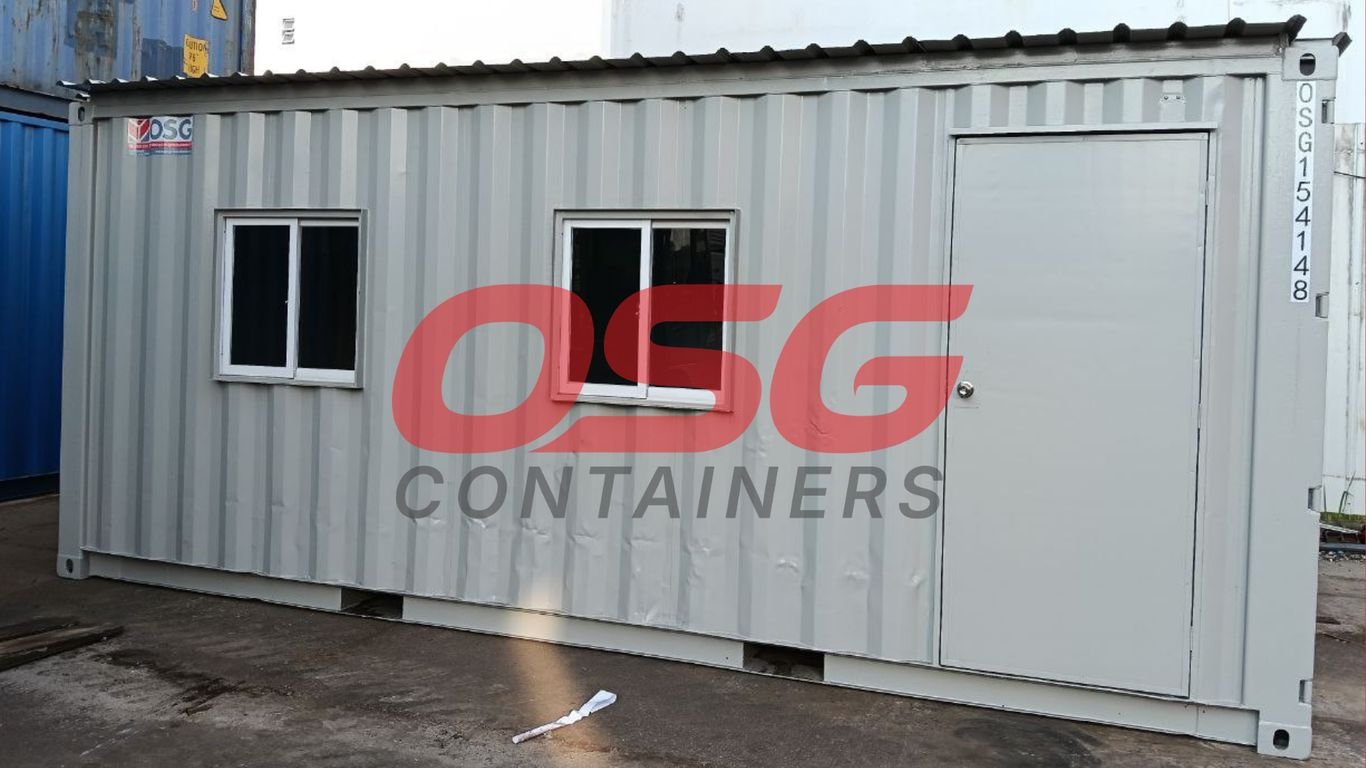
Forget the rough, industrial look if that’s not your vibe. Container offices can be made to look really sharp. You can choose different exterior paint colors, add custom signage with your company logo, or even install attractive cladding. Inside, options abound for flooring, wall finishes, and ceiling treatments. Adding windows or even glass doors can make the space feel more open and let in natural light. It’s all about creating a professional environment that reflects well on your business and makes people feel good about working there.
Structural Advantages And Long-Term Durability
Weather Resistance For Harsh Conditions
Shipping containers are built tough, designed to handle the salty air and rough seas of international shipping. This means they’re naturally good at resisting wind, rain, and even extreme temperature swings. You’re essentially getting a pre-built, super-strong shell that can stand up to a lot of what Mother Nature throws at it. This makes them a reliable choice for offices in places where the weather isn’t always friendly, like construction sites or remote field locations. No need to worry about leaks or structural damage from a strong gust of wind.
Load-Bearing Strength For Modular Design
These steel boxes aren’t just strong on the outside; their rigid frame is engineered to support significant weight. This is why they can be stacked multiple units high. This inherent load-bearing capability is what makes them so flexible for modular construction. You can connect them side-by-side or stack them up to create multi-story buildings without needing complex internal support structures for each individual unit. This allows for creative layouts and expansion as your needs change.
Longevity With Proper Maintenance
When you get down to it, a shipping container is made of thick steel. With a bit of care, like keeping up with any necessary paint touch-ups or addressing rust spots early, these structures can last for a very long time – think decades. They don’t rot like wood or degrade as quickly as some other temporary building materials. This long lifespan means your initial investment keeps working for you project after project, year after year. It’s a solid structure that’s built to stick around.
The robust construction of repurposed shipping containers means they offer a level of durability that often surpasses traditional temporary structures. Their steel composition provides a secure and resilient environment, capable of withstanding significant environmental stresses and daily wear and tear, contributing to their extended service life.
Wrapping It Up
So, whether you need a place to work for a few months on a construction site or a more permanent setup for your growing business, container offices really do make a lot of sense. They’re quick to get going, you can move them around if you need to, and they don’t cost a fortune compared to building something traditional. Plus, using them is a pretty good way to be a bit kinder to the planet. They’re tough, adaptable, and can be made to feel like a real office, not just a temporary box. It’s clear these repurposed containers are more than just a trend; they’re a smart choice for businesses looking for practical, flexible, and affordable workspaces today and into the future.
Frequently Asked Questions
What exactly is a container office?
A container office is basically a big metal box, like the ones used to ship things on boats or trains, that has been changed into a place to work. It’s strong, can be moved around, and can be set up pretty quickly to be used as an office space.
Are container offices easy to set up?
Yes, they are! Instead of taking a long time to build something from scratch, container offices can be delivered and ready to use in just a few days, sometimes even faster. This means you can start working right away without big delays.
Can I move a container office if my business moves?
Absolutely! One of the best things about them is that they are portable. If you need to move your business or your project moves to a new location, you can just pick up the container office and take it with you. No need to tear it down and rebuild.
Are container offices good for the environment?
They can be! By using old shipping containers, we’re reusing materials that might otherwise be thrown away. Plus, they can be made energy-efficient with good insulation and systems, which helps save power and be kinder to the planet.
Can I make a container office look nice and have all the things I need inside?
Definitely. You can add things like heating and air conditioning, good lighting, internet connections, and even bathrooms or small kitchens. They can be customized to feel like a modern, comfortable, and professional office, not just a plain metal box.
Are container offices strong and safe?
Yes, they are built to be very strong because they have to handle tough conditions during shipping. They are made of sturdy steel and can be set up safely. When they are turned into offices, they are made to meet safety rules, just like regular buildings.