Singapore
 Australia
 Indonesia
 Japan
Japan Malaysia
 New Zealand
 Philippines
 South Korea
 Taiwan
 Thailand
 VIETNAM
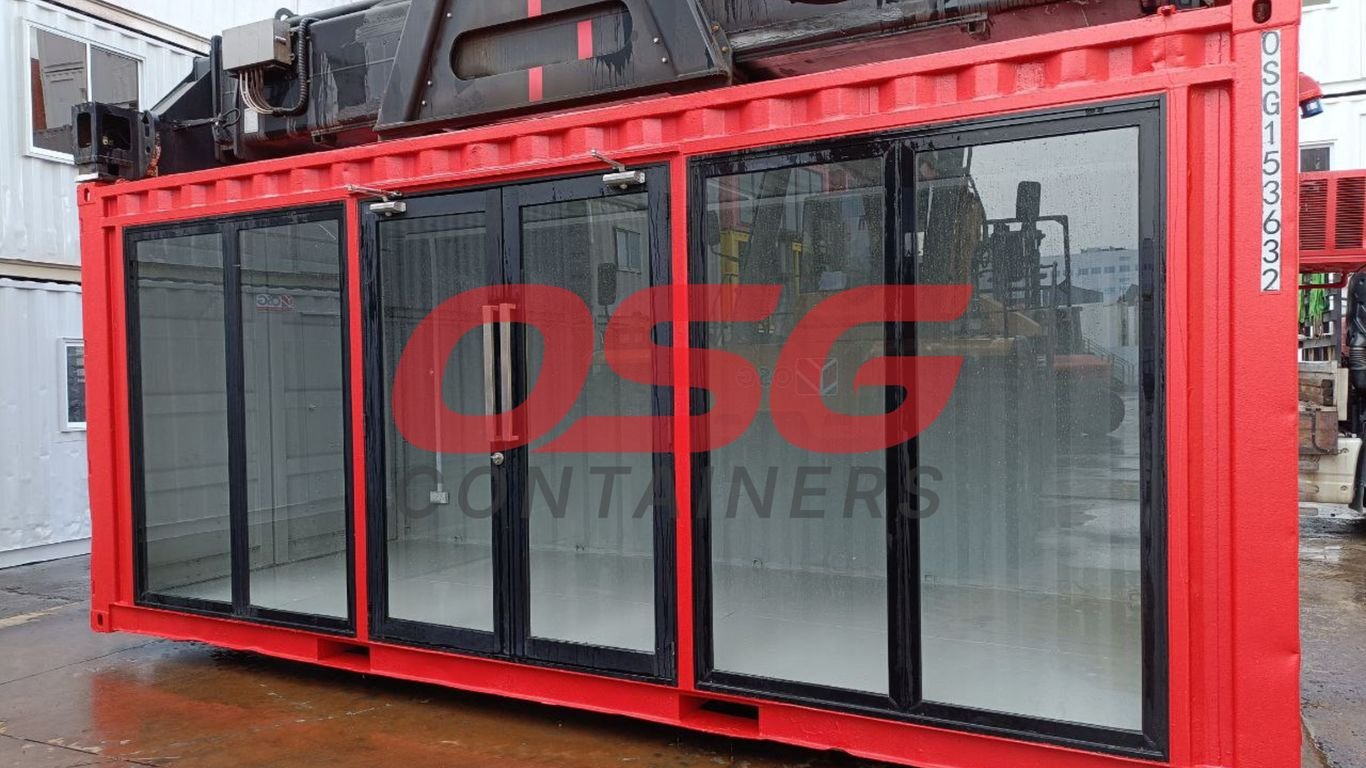
So, you’re looking at a 20 ft container and wondering what’s the deal? These metal boxes seem pretty straightforward, right? But there’s actually a lot to know about them, whether you’re moving your stuff, shipping goods for your business, or just need a solid place to store things. We’re going to break down the sizes, what they can hold, and when you should use one. It’s not as complicated as it might seem, and knowing the basics can save you a lot of headaches later.
Key Takeaways
- A 20 ft container is a versatile option for moving or storing items, fitting everything from household goods to vehicles.
- Different types exist, like standard, high-cube, open-top, flat-rack, and refrigerated, each suited for specific cargo.
- Weight limits and internal dimensions are important to know for packing and transport safety.
- Common uses include residential moves, business inventory shipping, and vehicle storage.
- Costs vary based on whether the container is new or used, and factors like delivery and customization.
Container Dimensions And Specifications
When you’re looking at a 20-foot container, the first thing to get straight are its measurements. It sounds simple, but knowing the difference between the outside size and the inside space is pretty important for planning.
The outside dimensions dictate where the container can physically go, whether it’s on a truck, a train, or your property. The inside dimensions, on the other hand, tell you what you can actually pack in. Even the door opening is a bit smaller than the main interior width and height, which can be a snag if you’re trying to slide in something just barely too big.
Most 20-foot containers come in two main flavors: standard and high-cube. The standard one is about 8 feet 6 inches tall. The high-cube version gives you an extra foot of height, making it 9 feet 6 inches tall. This extra bit of room is handy for stacking things or for taller equipment.
Here’s a quick look at the typical measurements:
| Measurement | External Dimension | Internal Dimension |
|---|---|---|
| Length | 20 ft (6.06 m) | 19 ft 4 in (5.90 m) |
| Width | 8 ft (2.44 m) | 7 ft 8 in (2.34 m) |
| Height (Standard) | 8 ft 6 in (2.59 m) | 7 ft 10 in (2.39 m) |
| Height (High-Cube) | 9 ft 6 in (2.89 m) | 8 ft 10 in (2.69 m) |
So, while the length and width are pretty much the same across the board for 20-footers, that extra height in a high-cube can make a surprising difference in how much you can fit, especially if you’re stacking items.
It’s easy to just think of a container as a box, but the specific dimensions, especially the internal volume and door clearance, really matter when you’re trying to pack efficiently. Getting these details right upfront saves a lot of hassle later on.
Standard Dry Van Containers
When you think of a shipping container, the standard dry van is probably what comes to mind. These are the workhorses of the shipping world, built tough and designed to keep your general cargo safe and dry. They’re basically a big, strong metal box, watertight and weatherproof, ready to handle pretty much anything that isn’t perishable or doesn’t need special temperature control.
Think of them as your go-to for moving household goods, business inventory, furniture, or equipment. They’re the most common type you’ll see, used globally by shipping companies and for on-site storage.
Here’s a quick rundown of what makes them tick:
- Dimensions: Typically, they measure 20 feet long, 8 feet wide, and 8 feet 6 inches high.
- Construction: Made from durable steel, they’re built to withstand harsh weather and rough handling during transit.
- Security: They come with sturdy doors that can be locked, offering a secure space for your belongings.
- Versatility: While they’re standard, they’re incredibly versatile, suitable for a wide range of items.
These containers are the backbone of global trade for a reason: they’re reliable, secure, and cost-effective for moving a vast array of non-specialized goods.
If you’re shipping general merchandise, personal effects, or business stock, the standard dry van is usually your best bet. It’s the most straightforward option, balancing capacity with ease of transport and security.
High-Cube Containers For Extra Volume
Sometimes, a standard container just doesn’t cut it. That’s where the high-cube 20-foot container comes in. Think of it as the standard version’s taller sibling. It’s got the same footprint – same length and width – so it fits in the same spots, but it gives you about an extra foot of vertical space. This might not sound like a lot, but it can make a big difference.
The main advantage of a high-cube container is that extra foot of height, pushing its internal height to 9 feet 6 inches. This extra room is a game-changer for a few reasons. You can stack more boxes or goods on top of each other, which is great if you’re trying to maximize every inch of space. It’s also super handy if you’re shipping items that are just a bit too tall for a standard container, like certain types of machinery or tall furniture that can’t be easily disassembled.
Here’s a quick look at how the volume stacks up:
| Container Type | Internal Volume (Approx.) |
|---|---|
| Standard 20 ft | 1,172 cubic feet |
| High-Cube 20 ft | 1,316 cubic feet |
So, while the floor space remains the same, the high-cube offers a significant boost in overall capacity due to its increased height. This makes it a smart choice for bulky but lightweight goods, or when you need that little bit of extra clearance.
When planning your shipment, always consider the height of your items. That extra foot in a high-cube container can prevent a lot of headaches, especially if you’re dealing with awkwardly shaped or tall objects that would otherwise be a tight squeeze or simply wouldn’t fit at all.
Open Top Containers
Sometimes, the stuff you need to ship just won’t fit through a regular door. That’s where open top containers come in handy. Instead of a solid roof, these have a heavy-duty tarpaulin cover that can be rolled back or removed entirely. This makes loading really tall or awkwardly shaped items from above a breeze.
Think about loading up large machinery, industrial pipes, or even construction materials that are too bulky to maneuver through standard container doors. With an open top, you can use a crane or forklift to just drop the cargo straight in. It’s a game-changer for certain types of heavy equipment or oversized loads that would be a nightmare to fit otherwise.
The main advantage of an open top container is its top-loading capability, which simplifies the handling of bulky and tall cargo.
Here’s a quick look at what makes them different:
- Removable Tarp: The roof is a flexible, weather-resistant tarp, not metal. This is the defining feature.
- Top Access: Loading and unloading is done from above, usually with lifting equipment.
- Open Sides (Sometimes): Some open top containers also have sides that can be removed or folded down, offering even more flexibility for oddly shaped items.
While they’re great for specific jobs, they aren’t ideal for everything. For instance, you wouldn’t use an open top container for sensitive goods that need complete protection from the elements, as the tarp, while strong, isn’t as secure as a solid metal roof. They also don’t offer the same level of security against theft as a fully enclosed container. They are not a substitute for an isotank, which is designed for liquids.
Typical Uses:
- Oversized machinery
- Construction materials (like steel beams or pipes)
- Heavy equipment
- Scrap metal
When you’re dealing with cargo that defies normal dimensions, an open top container is often the most practical solution. It’s all about making the loading process as straightforward as possible for those tricky items.
Flat Rack Containers
When you’ve got cargo that’s just too big, too wide, or too heavy for a standard shipping container, a flat rack is often the answer. Think of it as a platform with walls on the ends, but no roof or sides. This design makes it super easy to load bulky items from the top or sides.
These containers are ideal for oversized equipment, construction materials, vehicles, or anything that won’t fit through the doors of a regular container. They offer a lot of flexibility for oddly shaped or massive loads that other container types just can’t handle. The end walls can sometimes fold down, giving you even more space to work with.
Here’s a quick look at what makes them special:
- Open Sides and Top: Allows for loading of items that exceed standard container dimensions.
- Foldable End Walls: Provides flexibility for securing different types of cargo.
- Heavy-Duty Construction: Built to withstand the rigors of shipping, even with awkward loads.
Flat racks are particularly useful for things like:
- Construction machinery
- Large pipes and industrial equipment
- Boats or other vehicles that can’t be driven or easily disassembled
Loading a flat rack container requires careful planning to ensure the cargo is properly secured and balanced. Because there are no walls to contain the load, everything must be lashed down tightly to prevent shifting during transit. This is not a job for the faint of heart, and often requires specialized equipment and expertise.
While they offer great capacity for oversized items, remember that cargo loaded onto a flat rack is more exposed to the elements than in a closed container. You’ll need to consider protective coverings if your goods are sensitive to weather.
Refrigerated (Reefer) Containers
When you’ve got stuff that needs to stay cold, like food or certain medicines, a standard container just won’t cut it. That’s where refrigerated, or ‘reefer,’ containers come in. These aren’t just insulated boxes; they have their own built-in refrigeration units, kind of like a big, tough fridge on wheels. They’re designed to keep a consistent temperature, whether it’s freezing or just cool, for the entire journey.
These specialized containers are essential for maintaining the integrity and safety of temperature-sensitive cargo.
Reefers are a bit heavier than standard dry vans because of all that extra equipment. They also have a slightly smaller internal volume, usually around 990 to 1,100 cubic feet, because the cooling machinery takes up some space. But if your goods can’t handle temperature fluctuations, the trade-off is absolutely worth it.
Here’s a quick look at what makes them tick:
- Temperature Control: They can maintain a set temperature, often ranging from -25°C (-13°F) to +25°C (77°F), depending on the model and what you need.
- Power Source: The refrigeration unit needs a power source, usually supplied by the shipping line or a generator set attached to the container.
- Ideal For: Perishable foods (fruits, vegetables, meat, dairy), pharmaceuticals, chemicals, and anything else that spoils or degrades if not kept at a specific temperature.
Using a reefer container means you’re investing in the quality and safety of your product. It’s not just about shipping; it’s about preserving value and meeting strict industry standards. The technology inside these units is pretty advanced, working hard to keep your cargo in the exact condition it needs to be, no matter how long the trip or how hot it gets outside.
Weight Limits And Payload Capabilities
When you’re figuring out what you can actually put inside a 20-foot container, it’s not just about how much space there is. You also have to think about weight. Every container has a tare weight, which is just the weight of the empty container itself. For a standard 20-foot container, this is usually around 5,000 to 5,300 pounds (about 2,300 to 2,400 kg). This might seem like a lot, but it’s important because you subtract this from the total allowed weight.
The real number you need to focus on is the payload capacity – that’s the maximum weight of cargo you can load into the container. For most standard 20-foot containers, this is typically around 47,000 to 48,000 pounds (roughly 21,300 to 21,800 kg). High-cube versions or specially reinforced ones might let you carry a bit more, but you always have to check the total weight limit.
Here’s a quick look at how tare weight and payload can differ:
| Container Type | Tare Weight (approx. lbs) | Max Payload (approx. lbs) |
|---|---|---|
| Standard 20ft | 5,071 | 47,620 |
| High-Cube 20ft | 5,335 | 61,861 |
| Open Top 20ft | ~5,100 | 62,170 |
| Reefer 20ft | 6,062 | 60,600 |
It’s super important to know these limits. Going over them isn’t just a safety risk; it can cause major headaches with shipping companies, potentially leading to fines, delays, or your shipment being rejected at the port. Always double-check with your carrier or logistics provider, as local regulations or specific transport methods can sometimes impose even stricter limits than what the container itself is rated for.
Remember, the maximum gross weight is the container’s weight plus your cargo. This total figure must stay within the limits set by the road, rail, or sea carriers. Don’t just guess; accurate weighing is key to a smooth shipping process.
Maximizing Space: What Fits Inside
So, you’ve got a 20-foot container and you’re wondering just how much stuff you can actually cram in there. It’s a bit like a puzzle, right? But with a little planning, you can fit a surprising amount. The key is to think vertically and use every inch wisely.
When you’re packing, especially with furniture and boxes, breaking down larger items can make a huge difference. Think about taking legs off tables or disassembling bed frames if you can. This makes them flatter and easier to stack. For boxes, try to use uniform sizes if possible, as they stack more neatly. Heavier items should always go on the bottom, and you want to distribute the weight evenly across the floor. Nobody wants a container tipping over!
Here’s a quick look at what you might fit:
- Household Goods: For a medium-sized home (think 3-4 bedrooms), a 20-footer can often handle major appliances, several pieces of furniture like beds and sofas, and around 300 standard moving boxes. If you can take apart bigger furniture pieces, even better.
- Vehicles: Yes, you can fit a car in here! Usually, one mid-sized sedan fits comfortably. You might even squeeze in a couple of motorcycles or bicycles alongside it, or perhaps some spare tires and boxes if you’re really strategic.
- Palletized Cargo: Businesses often use these for inventory. You can typically fit 10 standard pallets (1.2m x 1.0m) or 11 Euro pallets (1.2m x 0.8m) in a single layer. If your goods aren’t too heavy, you might be able to stack lighter items on top of the pallets, but always check weight limits.
Don’t forget about the door opening! It’s slightly smaller than the internal width and height, so make sure your biggest items can actually get through.
Remember, whether it’s your entire house, business stock, or a vehicle, careful arrangement is what makes the difference between a packed container and a maximally packed container. Take your time planning the loading process, and you’ll likely be impressed with how much you can fit.
Household Goods And Furniture
Moving house can feel like a huge undertaking, and figuring out how to get all your stuff from point A to point B is a big part of that. For many, a 20-foot container hits the sweet spot for relocating the contents of a medium-sized home. We’re talking about the furniture, appliances, and all those boxes filled with memories and necessities.
You can typically fit the belongings of a 3-4 bedroom home into a single 20-foot container. This includes larger items like refrigerators, washers, dryers, multiple beds, sofas, and dining sets. If you’re smart about packing, you can also fit around 300 standard moving boxes. For bigger pieces of furniture, like wardrobes or large tables, consider if they can be disassembled. Taking them apart and packing them flat can save a surprising amount of space, making room for more or allowing for easier loading.
Here’s a rough idea of what you might be able to pack:
- Major Appliances: Refrigerators, washing machines, dryers.
- Furniture: 2-3 queen-sized beds, 2 sofas, a dining table with chairs.
- Boxes: Approximately 300 standard moving boxes (think 18" x 18" x 18").
- Other Items: Bookshelves, cabinets, lamps, and smaller decor items.
When packing your household goods, think about weight distribution. Place heavier items at the bottom and towards the center of the container to maintain stability during transit. Use blankets and padding to protect furniture from scratches and dents.
It’s all about strategic packing. Using the vertical space by stacking lighter items on top of heavier, sturdier ones (like furniture) can make a big difference. Just be sure everything is secured so it doesn’t shift around during the journey. If you’re moving internationally, planning your packing well in advance is key to making sure everything arrives in good condition.
Vehicles And Motorcycles
When you think about what fits inside a 20-foot container, vehicles and motorcycles often come to mind. It’s a pretty common use, actually. You can comfortably fit one standard-sized car inside a 20-foot container. This is great for shipping a car overseas, moving a vehicle to a new location, or even storing a classic car.
Beyond a single car, you can also pack in multiple motorcycles. Depending on their size and how you arrange them, you might fit anywhere from two to four bikes. Smaller recreational vehicles or even a collection of bicycles can also find a home in these containers. If you’re shipping a car, don’t forget to consider if you can use the space around it for boxes or spare parts. Just be sure to measure everything carefully to make sure it all fits without any issues.
Here’s a quick look at what you might fit:
- 1 mid-sized sedan
- 2-4 motorcycles
- Several bicycles
- Small ATVs or dirt bikes
Remember, the key is smart packing. You want to secure the vehicle properly so it doesn’t shift during transit. Using wheel chocks and tie-down straps is a good idea. It’s also important to check the container’s weight limits to ensure you’re not overloading it, especially with heavier vehicles.
Loading a vehicle requires careful planning. You’ll want to ensure it’s properly secured to prevent movement during transit. Using ramps and tie-downs is standard practice, but always double-check that everything is stable before closing the doors.
Palletized Cargo And Business Inventory
When it comes to moving business inventory or shipping goods on pallets, the 20-foot container is a really solid choice. It’s not too big, not too small, and fits on most standard trucks and trains, making it pretty easy to get your stuff where it needs to go, whether that’s across town or across the ocean.
The real advantage here is how efficiently you can load palletized goods. Businesses often use standard-sized pallets, and you can fit a good number of them inside a 20-footer. This makes it ideal for everything from sending out finished products to receiving raw materials.
Here’s a quick look at how many pallets typically fit:
| Pallet Type | Max Pallets per 20ft Container |
|---|---|
| Standard | 10 |
| Euro | 11 |
This capacity means you can move a decent amount of stock without needing a much larger, more expensive container. It’s great for smaller businesses or for specific product lines.
Beyond just pallets, these containers are also used for all sorts of business equipment. Think tools, machinery parts, office furniture if you’re relocating, or even supplies for a trade show. The sturdy, weatherproof design keeps everything protected during transit.
Loading a container efficiently is key. You want to arrange pallets so they don’t shift, and if you’re stacking lighter items on top, make sure they’re secured. Proper weight distribution is also important for safe transport.
So, if you’ve got inventory to move, especially if it’s already on pallets, the 20-foot container offers a practical and cost-effective solution. It balances capacity with ease of handling, which is a big win for many businesses.
Residential Moves And Storage
Moving your whole life can feel like a huge task, right? Well, a 20-foot container can actually make it a lot simpler, especially if you’re dealing with a medium-sized home. Think about everything from your couch and dining table to all those boxes of books and kitchen stuff. A 20-foot container is often the sweet spot for fitting the contents of a 2-3 bedroom home. It’s way more convenient than renting a truck multiple times or trying to cram everything into a smaller space.
Beyond just moving, these containers are lifesavers for temporary storage. Maybe your new house isn’t ready yet, or your renovation project is taking longer than expected (aren’t they always?). Instead of stressing about where to put your belongings, you can have a secure, weather-proof container right on your property. This means no more constant trips to a storage unit across town. Everything you need is just a short walk away, safe and sound.
Here’s a quick look at what you can typically fit:
- Furniture: Couches, beds (even a couple of queen-sized ones), dressers, tables, chairs, bookshelves.
- Appliances: Refrigerators, washing machines, dryers.
- Boxes: Around 300 standard moving boxes, plus any other odds and ends.
When planning your move or storage, remember that disassembling larger furniture pieces can free up a surprising amount of space. Also, think about packing items inside appliances or drawers to maximize every inch.
Using a 20-foot container for residential needs offers a practical and often more affordable solution than traditional moving and storage services. It gives you control over your belongings and peace of mind during stressful transitions.
Commercial Shipping And Pallets
When it comes to moving goods for your business, the 20-foot container is a real workhorse. It’s a popular choice because it’s manageable in size, making it easier to get into tight spots, whether that’s a busy loading dock or a smaller warehouse. This container size is perfect for businesses that don’t need the massive capacity of a 40-foot unit but still have a decent amount of inventory to move.
Think about palletized cargo. These containers are designed with this in mind. You can typically fit a good number of standard pallets inside, which is great for streamlining your loading and unloading process. It means less manual handling and quicker turnarounds.
Here’s a quick look at how many pallets can usually fit:
| Pallet Type | Max Pallets per 20ft Container |
|—|—|—|
| Standard (1.2m x 1.0m) | 10 |
| Euro (1.2m x 0.8m) | 11 |
Beyond just pallets, these containers are also used for all sorts of business inventory. Whether you’re shipping raw materials, finished products, equipment, or supplies, a 20-foot container offers a secure and weather-resistant space. It’s a solid option for both domestic and international shipments, especially if you’re not filling a larger container to its absolute maximum.
Planning your load is key. Think about how you’ll stack items, distribute weight evenly, and secure everything so it doesn’t shift during transit. Proper packing can make the difference between goods arriving in perfect condition or damaged.
For businesses, using 20-foot containers often strikes a good balance between cost and capacity. You’re not paying for space you don’t need, but you still get a reliable way to transport your goods. It’s a practical solution for many commercial shipping needs.
Cost Factors When Renting Or Buying
So, you’re thinking about getting a 20-foot container, huh? Whether you plan to rent one for a bit or buy it outright, the price tag isn’t just about the metal box itself. There are a bunch of things that can nudge that final number up or down.
First off, new versus used is a big one. A brand-new container, fresh from the factory and likely only used for one trip, will cost you more. We’re talking maybe $2,500 to $5,000. Used containers, on the other hand, have seen some action. They might have a few dents or a bit of rust, but they’re a lot cheaper, usually in the $1,500 to $3,000 range. If you’re on a tight budget and just need something ‘wind and watertight’ for storage, a used one is often the way to go.
Then there’s delivery. That price you see online? It probably doesn’t include getting it to your doorstep. The further away you are from the supplier, the more you’ll pay for transport. And if your site is tricky to get to, or if they need a crane to put it in place, expect extra fees. Don’t forget about moving it later, either – that’s another cost to factor in.
| Modification | Estimated Cost (USD) |
|---|---|
| Extra Door Cut-In | $400 – $1,000 |
| Basic Vent Installation | $100 – $300 |
| Paint or Custom Graphics | $300 – $1,000 |
| Lockbox/Security Upgrade | $50 – $150 |
| Internal Shelving | $200 – $800 |
Want to add a window, an extra door, or some shelving? All those customizations add up. Simple things like a lockbox are pretty cheap, but if you’re thinking of turning it into a small office or something more complex, the costs can climb pretty quickly. It’s always a good idea to get a clear breakdown of any extra work before you agree to it.
Before you commit, really think about what you need. Sometimes, all those fancy add-ons aren’t necessary and just increase the price. For basic storage, a standard container might be perfectly fine and save you a good chunk of change.
Here’s a quick rundown of what influences the price:
- Condition: New containers cost more than used ones.
- Location: Delivery fees vary based on distance and site accessibility.
- Modifications: Any custom additions will increase the overall cost.
- Market Demand: Sometimes, if a certain type of container is hard to find in your area, prices can go up.
Used Vs. New Containers
When you’re looking at getting a 20-foot container, one of the first big decisions you’ll face is whether to go with a brand-new unit or a pre-owned one. It’s not just about the price tag, though that’s definitely a major factor. Each option has its own set of pros and cons that can really impact your project.
New containers are typically made for a single trip from the factory, meaning they’re in pristine condition, free from dents, rust, or significant wear and tear. They offer the peace of mind that comes with a perfect starting point. On the flip side, they come with a higher upfront cost. Think of it as paying a premium for that untouched quality.
Used containers, on the other hand, have seen a bit of life. They’ve been through the rigors of international shipping, so you might find some cosmetic imperfections like minor dents, scratches, or a bit of surface rust. However, if you’re on a tighter budget or your needs are more about basic storage and less about appearances, a used container can be a fantastic deal. The key is to ensure it’s still ‘wind and watertight’ – meaning it’s structurally sound and won’t leak.
Here’s a quick look at what you might expect:
- New Containers:
- Pristine condition, minimal to no cosmetic flaws.
- Often only used for one factory-to-destination trip.
- Higher purchase price.
- Ideal for projects where appearance matters or for long-term, critical storage.
- Used Containers:
- May have dents, scratches, and surface rust.
- Have completed multiple shipping voyages.
- Significantly lower purchase price.
- Great for general storage, workshops, or projects where aesthetics aren’t the top priority, provided they are structurally sound.
The availability and price of both new and used containers can fluctuate based on your location and current market demand. Sometimes, a used container in a high-demand area might even cost more than a new one elsewhere. Always get quotes for both options and consider delivery costs, as that can add a substantial amount to the final price.
When choosing, think about what you’ll be using the container for. If it’s going to be a backyard shed or a temporary storage unit, a used one is probably the way to go. If you’re planning to convert it into a stylish office space or need it for highly sensitive goods, investing in a new one might be worth the extra expense.
Benefits Of Choosing A 20-Foot Container
So, why is the 20-foot sea container such a popular choice? It really comes down to a few key advantages that make it super practical for a lot of different jobs. It strikes a great balance between being big enough for substantial loads but small enough to be manageable and cost-effective.
Think about it: you can fit a decent amount of stuff inside. We’re talking about the contents of a small house, a car, or a good number of pallets for a business. But it’s not so massive that it becomes a logistical nightmare to move or store.
Here are some of the main reasons people go for the 20-footer:
- Cost-Effectiveness: Generally, these containers are cheaper to buy or rent than their larger counterparts. This makes them a smart pick for smaller businesses, personal projects, or anyone watching their budget.
- Versatility: Whether you’re moving household goods, storing equipment, or shipping inventory, the 20-foot container can handle it. There are also specialized versions like high-cube or refrigerated units if your cargo needs something specific.
- Ease of Transport: Because of their size, 20-foot containers are easier to get around. They fit on most standard trucks and can be delivered to more locations than bigger units. This simplifies the whole process of getting your stuff from point A to point B.
- Durability and Security: Built from strong steel, these containers are designed to withstand tough conditions. They offer solid protection against weather, pests, and theft, keeping your belongings safe and sound.
When you’re trying to figure out the best container for your needs, it’s easy to get caught up in thinking bigger is always better. But for many situations, the 20-foot container hits that sweet spot. It’s a workhorse that gets the job done without breaking the bank or causing a headache with transport.
Compared to larger options, the initial investment for a 20-foot container is significantly lower. This makes it accessible for startups, individuals needing temporary storage, or businesses that don’t require massive amounts of space all at once. Plus, if your needs grow, you can always add another 20-foot container, offering a flexible way to scale up your storage or shipping capacity without being locked into a huge, expensive unit.
Affordability And Scalability
When you’re looking at shipping containers, especially the 20-footers, the price tag is often a big draw. They’re generally the most budget-friendly option out there, whether you’re buying one outright or just renting it for a while. This makes them a really smart choice for folks just starting a business, or even for individuals who need some extra storage space without breaking the bank. You’re not looking at the same kind of investment as a larger container, which is a relief for many.
But it’s not just about the initial cost. The real beauty of the 20-foot container is how it can grow with you. Think about it: if your business expands or your storage needs increase, you don’t have to go through the hassle of finding a whole new, bigger space. You can simply add another 20-foot container right next to the first one, or even stack them if your setup allows. It’s like building with LEGOs, but for serious storage and shipping needs. This flexibility means you’re not locked into a long-term lease for space you might not need yet, and you can adapt as things change.
Here’s a quick look at how prices can stack up:
| Container Type | Average Purchase Price | Monthly Rental (USD) |
|---|---|---|
| 20-Foot (Standard) | $2,000 – $3,500 | $75 – $200 |
| 40-Foot (Standard) | $3,500 – $6,000 | $125 – $300 |
The ability to scale up by adding more units, rather than committing to a single, larger, more expensive container, offers significant financial flexibility. This modular approach allows businesses and individuals to manage costs effectively, paying only for the space they currently require while having a clear path to expansion.
So, if you’re trying to keep costs down while keeping your options open, the 20-foot container really hits that sweet spot. It’s a practical solution that doesn’t demand a huge upfront commitment and can easily adapt to your changing requirements.
Mobility And Accessibility
One of the biggest perks of the 20-foot container is how easy it is to move around. Think about it: these things are built to fit on pretty much any standard truck or trailer you see on the road. This means getting your stuff from point A to point B, whether that’s across town or across the country, is way less complicated than you might think.
It’s this widespread compatibility that makes them a go-to choice for so many different shipping needs.
Here’s why their size is such a game-changer:
- Fits Standard Transport: Most trucking companies and shipping lines are set up to handle 20-footers. You won’t usually need special equipment or a custom transport plan.
- Easy Delivery: Because they’re not excessively large, they can often be delivered to places larger containers can’t access, like tighter urban areas or residential driveways.
- Versatile Shipping: Whether it’s a short local haul or part of a longer international journey, the 20-foot container is a standard unit that integrates smoothly into global shipping networks.
The ability to easily load, transport, and unload a 20-foot container without a lot of fuss is a major advantage. It simplifies logistics, saving time and reducing the chances of something going wrong during transit.
This ease of movement translates directly into cost savings and fewer headaches, especially for smaller businesses or individuals managing a move.
Durability And Security
These 20-foot containers are built tough, designed to handle pretty much anything the shipping world throws at them. We’re talking about steel walls that can take a beating, keeping your stuff protected from the elements like rain, sun, and even snow. Plus, they’re pretty good at resisting pests, which is always a plus when you’re storing things long-term.
When it comes to keeping things safe, these containers really shine. They come with heavy-duty doors and locking mechanisms that make it really hard for anyone to just walk in and take what’s yours. This makes them a much more secure option than a simple shed or a flimsy temporary structure.
Here’s a quick look at what makes them so robust:
- Weatherproof Construction: The steel exterior shields your cargo from harsh weather conditions, preventing rust and water damage.
- Pest Resistance: The sealed nature of the container keeps out unwanted critters.
- Robust Locking Systems: Standard containers feature secure locking rods, and you can easily add extra security like lockboxes.
- Structural Integrity: Built to withstand stacking and the rigors of transit, they can handle bumps and jostles without compromising contents.
The solid steel construction and secure locking points mean you can have peace of mind, whether your container is sitting on a dock, in a yard, or on the move.
For businesses and individuals alike, this means your inventory, personal belongings, or equipment are kept safe and sound. It’s like having a mini-fortress for your goods, ready to face whatever comes its way.
Frequently Asked Questions
So, you’ve been reading all about 20-foot containers, and maybe some questions are still bouncing around in your head. That’s totally normal! These metal boxes are pretty handy, but there’s always a bit more to know. Let’s clear up some common queries.
What are the exact outside and inside measurements of a 20-foot container?
It’s good to know what you’re working with, right? The outside dimensions are pretty standard:
| Measurement | External Dimension |
|---|---|
| Length | 20 ft (6.06 m) |
| Width | 8 ft (2.44 m) |
| Height | 8 ft 6 in (2.59 m) |
Inside, it’s a bit less because of the walls, but you still get a good amount of space:
| Measurement | Internal Dimension |
|---|---|
| Length | 19 ft 4 in (5.90 m) |
| Width | 7 ft 8 in (2.34 m) |
| Height | 7 ft 10 in (2.39 m) |
How much weight can a 20-foot container actually hold?
This is super important for shipping and safety. A typical 20-foot container can handle a maximum payload of around 47,620 pounds (21,600 kg). Keep in mind, the container itself has a weight (called tare weight), which is usually about 5,000 pounds (2,300-2,400 kg). Always check the specific container’s rating plate for the exact limits.
What kinds of things are best suited for a 20-foot container?
These containers are surprisingly versatile. You can fit:
- The contents of a 3-4 bedroom home, including furniture and boxes.
- One standard car or several motorcycles.
- Around 10 standard pallets or 11 Euro pallets of business inventory.
- Specialized items like machinery or construction materials, especially with open-top or flat-rack versions.
Are there different types of 20-foot containers?
Yes, there are! Beyond the standard ‘dry van’ container, you’ll find:
- High-Cube Containers: These are a bit taller, giving you extra vertical space for bulkier items.
- Open Top Containers: They have a removable tarpaulin roof, perfect for loading tall items from above, like machinery.
- Flat Rack Containers: These have no side walls, just a base and end walls, ideal for oversized cargo like vehicles or large equipment.
- Refrigerated (Reefer) Containers: Equipped with their own cooling units, these are essential for shipping temperature-sensitive goods like food or medicine.
Choosing the right type of container from the start can save you a lot of headaches down the line. It’s not just about fitting things in; it’s about making sure they get there safely and efficiently.
What’s the difference between buying and renting a 20-foot container?
Buying means you own it outright, which can be cost-effective if you need it long-term or plan to modify it. Renting is more flexible, usually with lower upfront costs, making it great for temporary storage or short-term shipping needs. Rental costs typically range from $75 to $200 per month, while buying a used one might cost between $2,000 and $3,500.
Wrapping Up: 20-Foot Containers in a Nutshell
So, that’s the rundown on 20-foot containers. They might look like simple metal boxes, but there’s actually a lot to them. Whether you’re moving your stuff across town, sending goods overseas, or just need a solid place to keep things safe, a 20-foot container can get the job done. They’re pretty easy to move around, tough enough for rough weather, and you can even turn them into something totally new if you’re feeling creative. The size and how much they hold work for a bunch of different needs, and the price is usually pretty reasonable compared to other options. If you’re thinking about using one, just make sure you know what you need to fit inside and check the specs. With a little bit of planning, a 20-foot container can be a really handy solution for all sorts of projects.
Frequently Asked Questions
What are the exact outside and inside measurements of a 20-foot container?
A standard 20-foot container measures about 20 feet long, 8 feet wide, and 8 feet 6 inches tall from the outside. Inside, you get a bit less space: roughly 19 feet 4 inches long, 7 feet 8 inches wide, and 7 feet 10 inches high. These numbers can vary slightly depending on the container’s specific type or maker.
How much weight can a 20-foot container hold?
Most 20-foot containers can safely carry up to around 21,600 kilograms (about 47,620 pounds) of stuff. The container itself weighs about 2,300 to 2,400 kilograms when empty. It’s always best to check the container’s label for the exact weight limits to stay safe.
What kind of items can I fit inside a 20-foot container?
A 20-foot container is quite spacious! It can hold the contents of a 3-4 bedroom home, including furniture, appliances, and many boxes. It’s also big enough for one standard car or several motorcycles. For businesses, it can hold about 10 regular-sized pallets or 11 smaller Euro pallets of goods.
Are there different kinds of 20-foot containers?
Yes, there are! The most common types are standard dry vans (for general cargo), high-cube containers (which are taller for extra space), open-top containers (with a tarp roof for tall items), flat-rack containers (with no sides for large equipment), and refrigerated containers (reefers) that keep things cold.
How much does it cost to rent or buy a 20-foot container?
The price can change based on whether you buy a used or new container. Used ones typically range from $1,500 to $3,000, while new ones can cost $2,500 to $5,000. Monthly rentals are usually much cheaper, often between $75 and $200.
Why choose a 20-foot container over a larger one?
Twenty-foot containers are often more affordable to rent or buy, making them a great choice for smaller projects or businesses with tight budgets. They’re also easier to move around and can fit in more places, offering great flexibility and security for your belongings or inventory.