Singapore
 Australia
 Indonesia
 Japan
Japan Malaysia
 New Zealand
 Philippines
 South Korea
 Taiwan
 Thailand
 VIETNAM
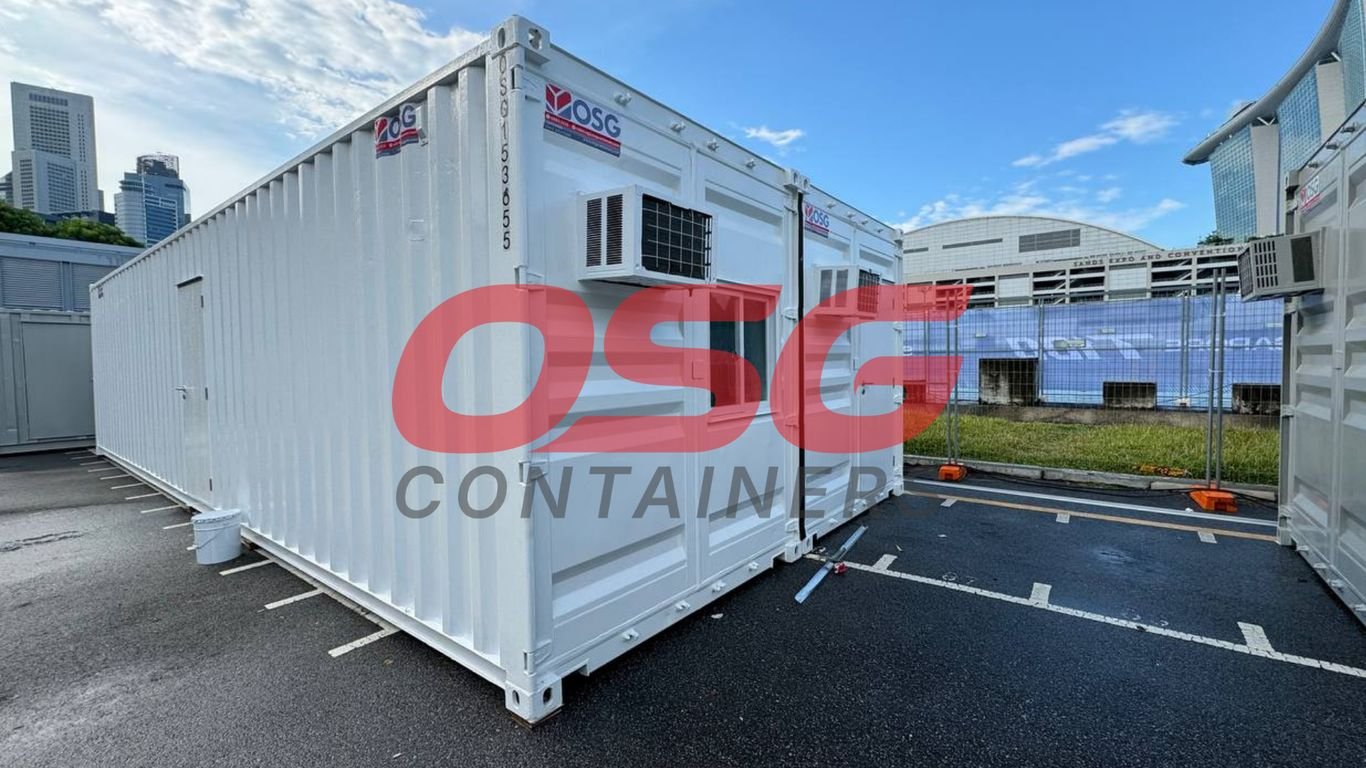
Thinking about renting a shipping container for your business or a big project? It’s a smart move, especially with office space prices going up. Whether you need a place to store stuff or want to set up a temporary office, these containers are pretty handy. But before you jump in, there are a few things to figure out. This guide will walk you through what you need to consider for a smooth office container rental experience.
Key Takeaways
- Figure out exactly what you need the container for, how big it should be, and any special features you might want.
- Shop around for a rental company that has good reviews and offers solid, weather-proof containers.
- Get clear on all the costs involved, including the rental price, any deposits, and delivery fees.
- Always read the rental agreement carefully to know what you’re signing up for, especially regarding delivery and upkeep.
- Make sure your site is ready for delivery and check if you need any local permits before the container arrives.
Understanding Your Office Container Rental Needs
So, you’re thinking about getting a container office? That’s a smart move, especially if you need flexible workspace without the usual hassle. Before you even start looking at companies, let’s figure out exactly what you need. This isn’t just about picking a box; it’s about finding a solution that works for you.
Determining Purpose and Requirements
First off, what’s this container office actually for? Is it a temporary spot for a construction site manager, a quiet place for a writer to focus, or maybe a small retail space for a pop-up shop? Knowing the main job it needs to do is key. This will influence everything from the size to the features you’ll want. For example, a construction site office might need to be tough and easily accessible, while a creative studio might prioritize light and ventilation.
Assessing Necessary Size and Capacity
Once you know the purpose, you can think about size. Containers come in standard sizes, usually 20-foot or 40-foot lengths. Don’t just guess; try to visualize what will go inside. Will it be just a desk and a chair, or do you need space for filing cabinets, a small meeting area, or even equipment? It’s better to have a little extra room than to feel cramped. You might even want to sketch out a floor plan to see how things will fit.
Here’s a quick look at common container sizes:
| Size | Interior Dimensions (approx.) | Usable Floor Space (approx.) |
|---|---|---|
| 20-foot | 19′ L x 7.7′ W x 7.9′ H | 145 sq ft |
| 40-foot | 39′ L x 7.7′ W x 7.9′ H | 290 sq ft |
Envisioning Ideal Container Features
Beyond the basic shell, what features would make this container office truly functional? Think about things like:
- Doors and Windows: How many do you need, and where should they be placed for easy access and natural light?
- Insulation and Climate Control: Will it get too hot or cold? You might need insulation, heating, or air conditioning.
- Electrical and Lighting: Do you need power for computers, lights, or other equipment? Make sure the provider can set this up.
- Security: What kind of locks or security features are important to you?
Considering these details upfront helps you communicate your needs clearly to potential rental companies. It saves time and avoids misunderstandings later on. You’re not just renting a container; you’re setting up a functional workspace.
Selecting a Reputable Office Container Provider
Alright, so you’ve figured out what you need the container for and how big it has to be. Now comes the part where you find the company that’s going to rent it to you. This isn’t just about picking the first name you see online, you know? It’s about finding someone reliable, someone who won’t leave you hanging with a leaky box or surprise fees.
Researching Potential Rental Companies
First off, you gotta do a little digging. Look for companies that specialize in container rentals, especially in your area. Local outfits often have a better handle on delivery logistics and might be more flexible. Check out their websites, see what kind of containers they have, and if they seem professional. Don’t be afraid to ask friends or colleagues if they’ve used any services before – word-of-mouth is pretty solid.
- Look for companies with a good online presence and clear contact information.
- See if they offer different sizes and types of containers.
- Check if they have customer reviews or testimonials available.
Evaluating Provider’s Track Record
Once you’ve got a few names, it’s time to see who’s actually good at what they do. A company’s history tells you a lot. Are they known for showing up on time? Do they fix problems quickly? You want a provider that’s been around and has a solid reputation for dependable service. It’s like picking a contractor for your house – you want someone you can trust.
A provider that’s upfront about their maintenance schedules and how they check their containers before renting them out is usually a good sign. It shows they care about the quality of what they’re giving you.
Examining Container Quality and Integrity
This is a big one. The container itself needs to be in good shape. You don’t want rust holes, doors that won’t close right, or leaks. Ask about their inspection process and what they do to make sure each container is wind- and watertight. If you’re storing sensitive equipment or important documents, this is non-negotiable. Some companies might even let you view a container before you rent it, which is always a plus if you can swing it.
Navigating Office Container Rental Costs
Figuring out the cost of renting an office container can feel a bit like a puzzle, but it doesn’t have to be complicated. Most companies break down their pricing, and understanding these parts will help you budget better. The total price you pay depends on a few key things, so it’s smart to get all the details upfront.
Comparing Rates and Rental Terms
Rental rates can vary quite a bit between providers and even based on the container’s size and condition. A standard 20-foot container will generally cost less than a larger 40-foot unit. You’ll also find that longer rental periods often come with a lower monthly rate. Some companies might offer discounts if you commit to a year or more, while others stick to a flat monthly fee. It’s always a good idea to ask about any minimum rental periods, especially if you’re not entirely sure how long you’ll need the space.
Here’s a quick look at how duration can affect costs:
- Short-Term (1-3 months): Typically the highest per-month rate, offering flexibility.
- Mid-Term (4-11 months): Rates often decrease slightly per month.
- Long-Term (12+ months): Usually comes with the best monthly discounts.
Understanding Deposits and Fees
Beyond the basic rental charge, there are other costs to keep in mind. Many companies require an upfront security deposit. This is usually refundable at the end of your rental, provided the container is returned in good condition, without significant damage or excessive cleaning needed. Some providers might also have administrative fees or other one-time charges. Always ask for a full breakdown of any additional fees so there are no surprises.
Be wary of companies that aren’t upfront about all the costs involved. A reputable provider will be happy to explain every charge clearly, helping you make an informed decision.
Clarifying Delivery Costs
Don’t forget to factor in the cost of getting the container to your site and picking it up later. Delivery fees can be a significant part of the overall expense. These costs often depend on the distance from the rental company’s depot to your location. Some companies include delivery in their package, while others charge it separately. It’s worth confirming if your specific zip code or site accessibility might impact the delivery price. Similarly, inquire about the cost for the eventual pickup.
Key Features for Your Office Container
When you’re looking at renting an office container, whether it’s a brand new unit or one of the many used office containers for sale, there are a few things you’ll want to check to make sure it’s going to work for you. It’s not just about having a box on your property; it’s about having a functional and secure space. Think about it like picking out a new tool – you want it to be reliable and do the job right.
Ensuring Security Features
Security is a big deal, right? You don’t want your stuff, or your workspace, to be an easy target. Most good site office container rentals will come with sturdy, lockable doors. It’s worth asking about the type of locking mechanism they use and if there are any extra security features built-in. Some might have reinforced doors or frames. If you plan on storing valuable equipment or sensitive documents, you might want to add your own heavy-duty padlock. Always confirm the security measures before signing any rental agreement.
Verifying Wind and Watertight Condition
This is super important. Nobody wants a leaky office or one that feels like it’s going to blow away in the next gust of wind. When the container arrives, give it a good look-over. Check the seals around the doors and any other openings. You can even do a quick test by closing the doors and looking for light coming through – if you see light, water might get in too. A container that’s not watertight can lead to mold, damaged belongings, and a generally unpleasant environment.
Considering Doors and Hardware
The doors are your main point of entry and exit, so they need to function smoothly. Check that they open and close without sticking or scraping. The hinges should look solid, and the handles should feel secure. If you’re getting a larger container, you might need double doors for easier access, especially if you plan on moving equipment in and out regularly. Think about how you’ll be using the space and what kind of door setup makes the most sense for your workflow. It’s the little details like good hardware that make a big difference in daily use.
Planning for Office Container Delivery and Site Preparation
So, you’ve picked out the perfect container and figured out what you need it for. Great! Now comes the part where you actually get it to your location and set it up. This isn’t just a ‘drop it and forget it’ kind of deal; a little planning here goes a long way to avoid headaches later.
Coordinating Delivery Logistics
Getting the container to your site requires some thought. You need to make sure the delivery truck can actually get there and, more importantly, get out. Think about:
- Access Routes: Are your driveways wide enough? Are there any low-hanging branches or power lines that could be an issue? If you’re in a tight spot, talk to the rental company about specialized delivery trucks or alternative placement options.
- Delivery Window: Most companies will give you a timeframe for delivery. Try to be available during that window. It’s good to be there to greet the driver, point out the exact spot you want the container, and do a quick check.
- Site Accessibility: The ground where the container will sit needs to be relatively level and firm. If it’s too soft, the container could sink, especially after rain. You might need to arrange for gravel or concrete blocks to create a stable base.
Preparing Your Site for Placement
Before the truck even pulls up, you need to get your chosen spot ready. This means clearing the area of anything that might get in the way.
- Clear Obstructions: Remove any vehicles, equipment, debris, or even landscaping that’s in the way. You need a clear path for the truck and plenty of space for the container itself.
- Level the Ground: As mentioned, a level surface is key. If the ground isn’t naturally flat, you might need to do some minor grading or use materials like crushed stone or concrete pads to create a stable foundation. This prevents the container from tilting and makes it easier to open the doors.
- Consider Future Needs: Think about how you’ll be using the container. If you plan to access it frequently, placing it near an entrance or loading dock makes sense. If it’s for long-term storage, a less-trafficked area might be better.
Checking Local Permit Requirements
This is a big one that people sometimes overlook. Depending on where you live and what your local rules are, you might need a permit to have a container on your property, even if it’s just temporary.
- City/County Ordinances: Contact your local building or planning department. They can tell you if permits are required for temporary structures or storage containers.
- Homeowner Association (HOA) Rules: If you’re in an HOA, check their guidelines. They often have specific rules about what you can and cannot place on your property.
- Zoning Laws: Some areas have zoning restrictions that might affect container placement, especially for commercial use on residential property.
Failing to check for permits can lead to fines or even being forced to remove the container, so it’s always better to be safe than sorry. A quick call to your local municipality can save you a lot of trouble down the line.
Getting these details sorted before delivery day means your office container will be placed correctly and ready for use without any unexpected surprises.
Managing Your Office Container Rental Agreement
So, you’ve picked out the perfect container and figured out delivery. Now comes the part that might seem a bit dry, but it’s super important: the rental agreement. Think of it as the rulebook for your container rental. Reading this document carefully before you sign can save you a lot of headaches down the road. It lays out all the nitty-gritty details, so you know exactly what you’re getting into.
Reviewing the Rental Contract Carefully
This is where you get the full picture. Most rental companies will give you a contract that covers everything from the monthly cost to what happens if something goes wrong. You’ll want to look for:
- Rental Rate and Payment Schedule: How much does it cost each month, and when is payment due? Are there any late fees?
- Duration of Rental: How long is the initial rental period? What are the options if you need it longer?
- Responsibilities for Upkeep: Who is responsible for minor maintenance? What about damage? This is a big one.
- Delivery and Pickup Terms: What are the specifics about when and how the container will be delivered and picked up?
- Insurance and Liability: What happens if the container is damaged or stolen? Is there insurance you should consider?
Don’t just skim this document. Take your time, and if anything is unclear, ask questions. It’s better to get clarification now than to be surprised later.
Understanding Lease Duration Options
Rental agreements usually come with different timeframes. You might have options like:
- Month-to-Month: This offers the most flexibility. You can keep the container for as long as you need it, and usually, you can end the rental with a certain amount of notice.
- Fixed-Term Leases: These might be for a set period, like 6 months or a year. Sometimes, these can come with a slightly lower monthly rate, but you’re committed for that duration.
- Long-Term Rentals: If you know you’ll need the container for an extended period, discuss options for longer-term agreements. These might involve special pricing or terms.
It’s all about matching the lease duration to your project’s timeline. If your project is a bit up in the air, a month-to-month option is probably your best bet.
Clarifying Responsibilities for Upkeep
This section of the agreement is key to avoiding unexpected charges. It spells out who fixes what. Generally, the rental company is responsible for major structural issues or defects that were present when you got the container. However, you’ll likely be responsible for:
- Damage from misuse: If you accidentally damage the container through improper use, you’ll probably have to pay for repairs.
- Keeping it clean: Most agreements require you to return the container in a reasonably clean condition. Sweeping out debris is usually your job.
- Security: You’re responsible for keeping the container locked and secure when it’s on your site.
Always confirm what constitutes normal wear and tear versus damage that will incur charges. A quick check of the container’s condition when it’s delivered and again before it’s picked up can help prevent disputes.
Optimizing Your Office Container’s Use
So, you’ve got your office container all set up. Now what? It’s time to make sure you’re getting the most out of it. Think of it like setting up your home office – a little planning goes a long way.
Positioning for Maximum Convenience
Where you put the container matters. If you’re using it for easy access to supplies or equipment, placing the doors close to your main work area or a loading dock makes a huge difference. Imagine needing a specific tool and having to walk across the whole site versus just a few steps. It saves time and hassle, especially on busy days.
Performing Initial Site Checks
Once the container is in place, give it a quick once-over. Check the floor, walls, and doors. Make sure everything looks like it did when you agreed to the rental. If you notice any new dings or issues, it’s best to mention them to the rental company right away. This way, you’re both on the same page, and there won’t be any surprises later.
Implementing Best Practices for Organization
Getting organized inside is key. Here are a few ideas:
- Create a simple layout: Even a basic map of where things go can be super helpful. Label shelves or sections so you know exactly what’s where.
- Use pallets or shelving: Don’t just stack things on the floor. Pallets or shelves keep items off the ground, improve air circulation, and make it much easier to find what you need.
- Watch for moisture: While these containers are tough, condensation can happen, especially in humid areas. Occasionally opening the doors for a bit of fresh air can help keep things dry.
Regular check-ins are a good idea, especially for longer rentals. A quick look for rust spots or any signs of wear can prevent bigger problems down the line. It’s all about keeping your workspace functional and your belongings safe.
Concluding Your Office Container Rental
So, you’ve used your rented office container, and now it’s time to wrap things up. This part of the process is usually pretty straightforward, but a little planning goes a long way to avoid any last-minute headaches. It’s all about making sure the container leaves your site as smoothly as it arrived.
Scheduling Container Pickup
When you’re done with the container, the first step is to let your rental provider know. They’ll arrange for a truck to come and get it. It’s a good idea to give them a heads-up a week or so in advance, especially if you’re renting during a busy season. This gives them time to schedule it and you time to get everything ready.
- Contact your provider to schedule the pickup.
- Confirm the date and time window for the truck’s arrival.
- Make sure the area around the container is clear for the truck and crane.
Considering Rental Extension Options
Sometimes, plans change. Maybe your project took a little longer than expected, or you found a new use for the space. Most rental companies are pretty flexible. If you think you might need the container for a bit longer, reach out to your provider as soon as possible. They can usually adjust your rental agreement, though there might be a different rate for an extended period.
It’s always better to ask about extending your rental early rather than waiting until the last minute. This way, you avoid potential issues with the container being scheduled for pickup elsewhere.
Ensuring a Smooth Return Process
Before the pickup truck shows up, give the container a quick once-over. Emptying it completely and giving it a good sweep is usually all that’s needed. Most rental agreements specify that the container should be returned in the same condition it was received, minus normal wear and tear. Removing all your belongings and any trash will help prevent extra cleaning fees. If you notice any damage that wasn’t there when you got it, it’s best to discuss it with the provider beforehand. This transparency can save you trouble later on.
Wrapping It Up
So, you’ve looked at what goes into renting a shipping container, whether it’s for stashing stuff or setting up a small office. It’s not rocket science, but taking a moment to figure out the size you need, finding a company you can trust, and understanding all the costs upfront really makes a difference. Don’t forget to check out the lease details and get your site ready before delivery day. By keeping these points in mind, you’ll be well on your way to getting a container that works for you without a bunch of headaches. It’s a pretty straightforward process once you break it down, and honestly, it’s a smart way to get extra space when you need it.
Frequently Asked Questions
What’s the first thing I should figure out before renting a container?
Before you do anything else, think about why you need the container. Is it for storing tools, extra office supplies, or maybe to build a small workspace? Knowing your main goal helps you decide how big the container needs to be and what special features are important.
How do I pick a good company to rent from?
Look for companies that have good reviews and a solid history. It’s smart to ask about the condition of their containers – are they strong, waterproof, and free from rust? A reliable company will be clear about prices and make sure their containers are safe and sound.
What costs are involved besides the monthly rent?
Besides the basic rent, you might have to pay a deposit, which you usually get back if the container is in good shape. Also, ask about delivery fees, as these can change depending on where you are. Sometimes there are small setup or administrative fees too.
What makes a container office safe and secure?
For security, make sure the container has a strong lock system or a place to add your own heavy-duty padlock. It’s also crucial that the container is wind and watertight, meaning it has no holes or leaks that could let in bad weather or unwanted visitors.
What do I need to do to get the container delivered?
You’ll need to pick a good spot on your property that’s easy for a big truck to access. Make sure the ground is level and clear of any obstacles. It’s also a good idea to check if you need any permits from your local town or city before the container arrives.
What if I need the container for longer than I first thought?
Most rental companies are pretty flexible. If you realize you need the container for more time, just contact your provider as soon as possible to talk about extending your rental agreement. They can usually adjust your contract to fit your new timeline.