Singapore
 Australia
 Indonesia
 Japan
Japan Malaysia
 New Zealand
 Philippines
 South Korea
 Taiwan
 Thailand
 VIETNAM
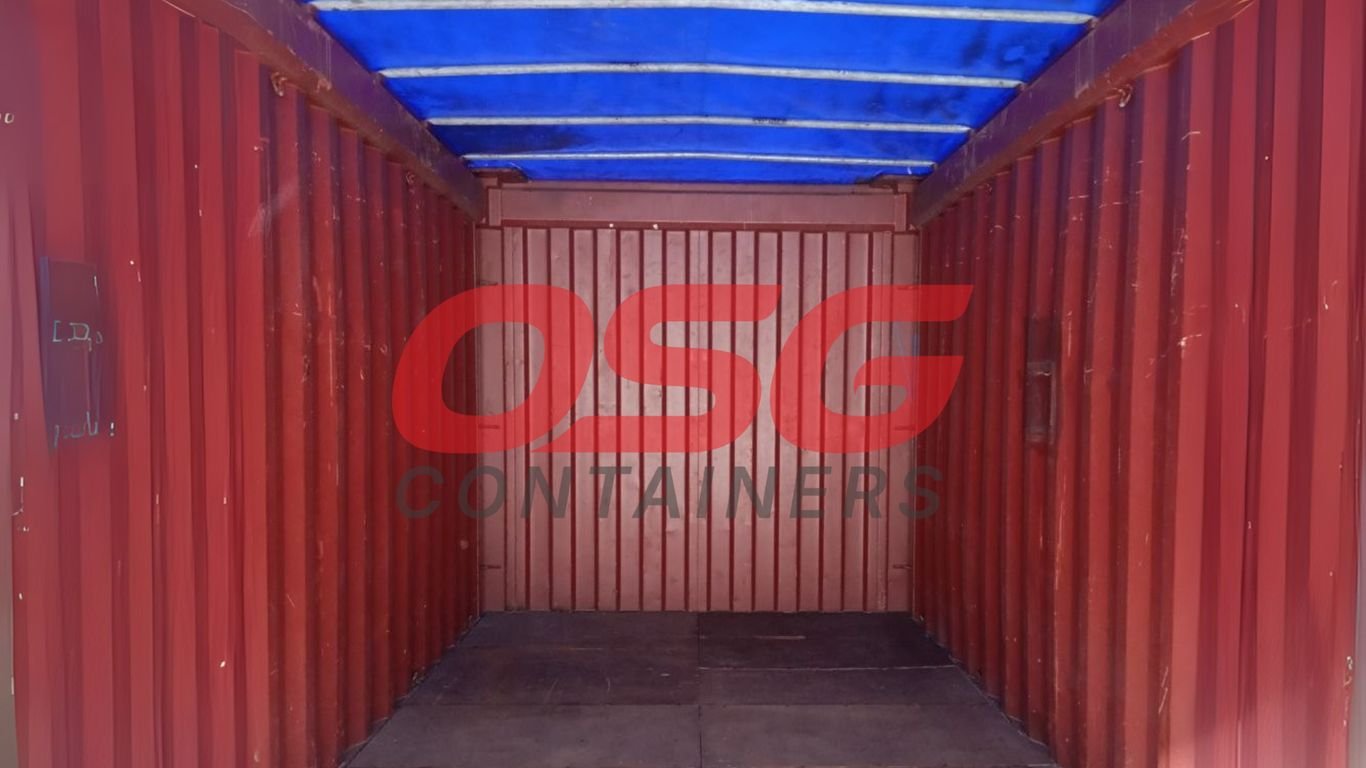
So, you’re looking into shipping containers, huh? Specifically, the big ones – the 40-footers. They’re everywhere, and for good reason. Think of them as the workhorses of moving stuff around the world, whether it’s across the ocean or just to a storage yard. We’re going to break down what makes these 40 footer container units tick, from how much they can actually hold to where they make the most sense to use. It’s not as complicated as it sounds, and understanding the basics can save you a lot of hassle and cash.
Key Takeaways
- A standard 40-foot container is roughly 40 feet long, 8 feet wide, and 8.5 feet tall, offering a significant amount of space for cargo.
- These containers can hold about 67 cubic meters or 2,390 cubic feet of goods, making them suitable for large shipments, furniture, or even vehicles.
- There are different types of 40-foot containers, like High Cube (extra height) and Reefer (refrigerated), designed for specific cargo needs.
- Using a 40-footer often makes sense for larger loads (Full Container Load – FCL) as it can be more cost-effective per cubic meter than smaller options.
- Whether buying or renting, understanding the condition (grade) of a 40 footer container is important for its intended use, be it shipping or on-site storage.
Understanding 40-Foot Container Dimensions and Capacity
External and Internal Measurements of a 40-Footer
When you’re looking at a 40-foot container, the first thing that comes to mind is its size. These are the workhorses of global shipping, and knowing the exact measurements is pretty important for planning. On the outside, a standard 40 ft container measures about 40 feet long, 8 feet wide, and 8 feet 6 inches tall. That’s the shell you see. But what really matters for packing is the space inside. Because of the walls and the floor structure, the internal dimensions are a bit smaller. You’re typically looking at around 39 feet 5 inches in length, 7 feet 7 inches in width, and 7 feet 9 inches in height. The door opening is also a key measurement, usually about 7 feet 8 inches wide and 7 feet 6 inches high, which is something to keep in mind when you’re trying to load larger items.
Calculating Usable Space: Volume and Weight
So, how much can you actually fit inside? That’s where volume and weight come in. The usable internal volume of a standard 40-foot container is roughly 67 cubic meters, or about 2,390 cubic feet. This is your go-to number for bulky items that aren’t too heavy. But you also have to consider the weight limits. A standard 40ft container has a maximum payload capacity of around 27,600 kg (about 61,200 lbs). This is critical for dense materials like machinery or metal parts. You need to balance both. Sometimes you might fill the container with lighter goods but not hit the weight limit. Other times, heavy items can get you close to the weight limit long before the box is visually full. Planning your load carefully is key to making the most of the space and staying within legal limits. It’s not just about volume; weight is a big deal too.
Standard vs. High Cube: Height Differences
When you’re shopping for a 40-foot container, you’ll often see two main types: the standard and the High Cube. They’re the same length and width, but the High Cube offers extra height. This can make a big difference if you have taller items or need to stack more. A standard 40-footer is about 8 feet 6 inches tall externally, while a High Cube is 9 feet 6 inches tall. This extra foot of height in a High Cube container adds about 9 cubic meters of volume, bringing its total capacity to around 76 cubic meters. This extra space can be really useful for certain types of cargo, like furniture or lighter, bulkier goods. It’s worth checking the specs to see which type best suits your needs. While an iso tank container has its own specific dimensions, for general cargo, the standard and High Cube are the most common choices.
Always double-check the exact internal and external dimensions, as well as weight capacities, for the specific container you plan to use. Manufacturers can have slight variations, and knowing these precise numbers can prevent a lot of headaches during loading and transit.
Maximizing Cargo Space Within a 40-Foot Container
So, you’ve got a 40-foot container, and you’re wondering what exactly can be crammed inside? It’s a pretty big box, so the possibilities are quite extensive. Think of it as a mobile warehouse. You can fit a whole lot of stuff in here, from household goods to industrial equipment. The sheer volume means you can often consolidate shipments, saving you time and hassle. Proper loading is key to maximizing your container’s capacity and ensuring cargo safety.
What Can Fit Inside a 40-Foot Container?
It’s easy to get carried away with all the space a 40-footer offers, especially a high cube container with its extra height. But remember, it’s not just about filling it up visually. You’ve got volume and weight limits to consider. Generally, you can fit a wide range of items, from furniture and appliances for a household move to machinery and raw materials for industrial purposes. The key is planning how it all goes in.
Here’s a general idea of what typically goes into a 40-footer:
- Household goods and personal belongings
- Machinery and industrial equipment
- Raw materials like lumber or metal
- Palletized goods and finished products
- Vehicles (with proper securing)
Pallet Loading Strategies for Efficiency
Loading isn’t just about shoving things in there; there’s a bit of a method to the madness to make sure everything arrives in one piece and you’re not paying for wasted space. When loading pallets, think about how they’ll fit together. You can often load them lengthwise or widthwise, depending on the pallet size and the container’s internal dimensions. Alternating the direction of pallets can sometimes help fill gaps more effectively. Using dunnage, like airbags or bracing, between pallets is a good idea to stop them from shifting during transit. This is especially important if you’re using a high cube container, as the extra height can mean more potential for movement if not secured properly.
Balancing Volume and Weight Limits
This is where a little planning goes a long way. You need to distribute the weight evenly. This keeps the container stable on the truck, the ship, or the train, and it prevents damage to the container floor and the cargo itself. It’s easy to fill up a 40-foot container with lighter goods but not reach the maximum weight limit. Other times, you might have heavy items that get you close to the weight limit long before the container is visually full. Always check the specific weight limits for your container – they can vary. A good rule of thumb is to place heavier items on the bottom and distribute weight evenly from front to back and side to side.
Always double-check the exact specifications for the container you are using, as internal dimensions and weight capacities can differ slightly between manufacturers and types, like standard versus high cube containers. Planning your load carefully is key to making the most of the space and staying within legal limits.
Here’s a quick look at the difference between volume and weight considerations:
| Factor | Description | When it Matters Most |
|---|---|---|
| Volume (Cubic Meters) | How much physical space the cargo occupies. | Bulky, lighter items (e.g., furniture, foam products). |
| Weight (Kilograms/Tons) | The total mass of the cargo. | Dense, heavy items (e.g., machinery, metal parts, stone). |
The Versatility of 40-Foot Containers Beyond Shipping
So, you’ve got a 40-foot container. What else can you do with it besides just moving stuff across the ocean? Turns out, quite a bit. These big metal boxes are tough and can be used for all sorts of things.
Repurposing for Secure Storage Solutions
Need extra space for your business inventory, tools on a construction site, or even seasonal equipment? A 40-footer parked on your property can be a really practical storage unit. It’s built to withstand the weather and keep your items safe from theft. Think of it as a super-durable, portable shed that you can place almost anywhere. It’s often a much cheaper option than renting warehouse space, especially for temporary needs.
Modular Building Applications
People are getting pretty creative with these containers, turning them into all sorts of structures. They’re a great starting point for modular buildings because they’re already a solid, enclosed unit. You can modify them to become:
- Pop-up shops or cafes: Eye-catching and relatively quick to set up for events or temporary retail.
- Temporary offices or workshops: Perfect for job sites or event management, easily outfitted with insulation and power.
- Small homes or studios: A budget-friendly way to get extra living space or a dedicated art studio.
- Classrooms or event stages: Providing a ready-made structure that can be deployed quickly.
Industrial and Commercial Uses
Beyond storage and modular buildings, 40-foot containers find their way into many industrial and commercial settings. They can be outfitted to serve as mobile command centers, on-site maintenance facilities, or even specialized processing units. Their standardized size makes them easy to transport and integrate into existing operations. The robust construction means they can handle demanding environments.
The beauty of these containers lies in their standardized design and tough build. This makes them easy to move around, transport, and change up for different jobs. They’re a go-to choice for many practical needs that go way beyond just shipping goods from one place to another.
Key Advantages of Utilizing 40-Foot Containers
So, why are these big metal boxes so popular? It really boils down to a few solid points that make them a go-to choice for a lot of different needs, not just shipping.
Space Efficiency for Large Shipments
Let’s face it, a 40-footer just holds a lot. When you’re moving big loads or a ton of smaller items, packing them into one large container instead of several smaller ones saves a lot of hassle. You’re not juggling multiple shipments, and it generally means fewer trips. This is a big deal for keeping logistics simple and getting things where they need to go without a fuss.
Cost-Effectiveness Per Cubic Meter
While a 40-foot container is a bigger investment upfront than a 20-footer, when you break down the cost by the amount of space you get, it often works out cheaper. Think of it like buying in bulk – you usually get a better price per unit. For businesses moving significant quantities of goods, this can add up to real savings.
| Container Size | Approximate Internal Volume (Cubic Meters) | Approximate Cost Per Cubic Meter (Example) |
|---|---|---|
| 20-Foot | 33 | $150 |
| 40-Foot | 67 | $120 |
Note: Costs are illustrative and vary widely based on market conditions, location, and container type.
Global Availability and Standardization
These containers are pretty much everywhere. Their standardized design means they fit into global shipping infrastructure – ships, trains, and trucks are all built to handle them. This makes moving goods internationally much smoother because you don’t have to worry as much about compatibility issues. It’s like a universal language for cargo.
Enhanced Security for Goods
These containers are built tough. They’re made of strong steel and designed to be sealed up tight. This provides a good level of protection against weather, dust, and, importantly, tampering. When your goods are inside a locked 40-footer, you can have a bit more peace of mind that they’re safe during transit or while in storage.
The real strength of a 40-foot container lies in its combination of sheer volume and its role as a globally recognized standard. This dual advantage makes it incredibly practical for anyone needing to move large quantities of goods efficiently and securely across distances.
Factors Influencing 40-Foot Container Costs
So, you’re thinking about getting a 40-foot container, huh? It’s a pretty big purchase, and naturally, the price tag is a big question. It’s not just a simple number, though. A bunch of things can nudge that price up or down, and it’s good to know what you’re getting into before you hand over your cash.
Impact of Container Condition on Price
The biggest factor, honestly, is the condition. Are you looking for something brand new, straight from the factory? That’s going to cost more, but you get that pristine, untouched quality. Or maybe a used one, like a "one-trip" container that’s only been used once to bring goods over from overseas? These are often in pretty good shape and can save you some money. Then there are older, "cargo-worthy" containers. They’ve seen more action, might have a few dents or rust spots, but they’re still solid for storage or shipping if they pass inspection. The cheaper they are, the more likely they’ve had a rougher life.
New vs. Used Container Price Ranges
When you’re comparing prices, make sure you know exactly what you’re getting. A super cheap container might need repairs down the line, costing you more in the long run. Always ask for details about its history and condition. As of early 2026, a new 40-foot container might set you back anywhere from $2,000 to $5,000. Used ones, depending on their grade, could range from $1,000 up to $3,000 or more. High Cube versions will likely be at the higher end of these ranges. Remember, these are just ballpark figures, and actual prices can swing quite a bit.
| Container Type | Approximate Price Range (USD) |
|---|---|
| New | $2,000 – $5,000 |
| Used (One-Trip) | $1,500 – $3,500 |
| Used (Cargo-Worthy) | $1,000 – $2,500 |
Additional Costs to Consider
Don’t forget about potential extra costs too. Things like modifications, painting, or adding security features will add to your initial outlay. It’s always a good idea to get a few quotes and really understand all the charges before you commit. Delivery fees can also add up, especially if you’re far from a port or depot.
Planning ahead is key. If you wait too long, you might find yourself stuck with limited options, higher prices, or even delays. Understanding these busy periods helps you make better decisions and avoid unnecessary headaches. It’s all about being strategic with your booking windows.
Navigating the Purchase of a 40-Foot Container
So, you’ve decided a 40-foot container is the way to go. That’s great! Buying one is usually pretty straightforward, but there are a few things to keep in mind to make sure you get exactly what you need. Think of it like buying a used car – you want to know what you’re getting into before you hand over your cash.
Where to Buy New and Used Containers
The easiest way to buy a 40-foot container is usually through a specialized dealer. These companies deal with containers all the time and can help you find new or used ones. They often have a range of options based on condition and price, which is super helpful. You can also find them through online marketplaces, but always do your homework on the seller. Sometimes, you might even find local businesses selling off retired containers.
Assessing Container Condition Before Purchase
When you’re comparing prices, make sure you know exactly what you’re getting. A super cheap container might need repairs down the line, costing you more in the long run. Always ask for details about its history and condition. Look for:
- Structural Integrity: Check for major dents, rust holes, or bent corners. The frame needs to be solid.
- Door Functionality: Make sure the doors open and close smoothly and the seals are intact. This is key for keeping your cargo safe and dry.
- Watertightness: Ask if it’s been tested for leaks. You don’t want any surprises when the rain hits.
- Floor Condition: The flooring should be sturdy and free from rot or damage.
Understanding Price Variations
Prices can really swing depending on a few factors. New containers are, of course, going to cost more than used ones. High Cube (HC) versions, which offer extra height, also tend to be pricier. The condition of a used container plays a huge role too – a ‘one-trip’ container will cost more than a ‘wind and watertight’ (WWT) unit that’s seen a lot of use.
Here’s a rough idea of what you might expect (prices are estimates as of early 2026 and can change):
| Container Type | Estimated Price Range (USD) |
|---|---|
| New 40′ Standard | $2,500 – $4,500 |
| New 40′ High Cube | $2,800 – $5,000 |
| Used 40′ WWT | $1,200 – $2,500 |
| Used 40′ HC WWT | $1,500 – $2,800 |
Remember, these are just ballpark figures. Delivery fees, taxes, and any modifications you want will add to the total cost. It’s always a good idea to get a few quotes and really understand all the charges before you commit.
Special Considerations for 40-Foot Container Cargo
Alright, so you’ve got your 40-footer ready to go, but before you start stuffing it full, there are a few things you really need to think about, especially depending on what you’re shipping. It’s not just about filling up the space; it’s about doing it safely and legally.
Loading Requirements for Different Goods
Different types of cargo need different approaches. For instance, heavy machinery needs to be secured so it doesn’t slide around, which could damage the container or other goods. Perishable items might need specific temperature controls, which means you’d be looking at a reefer container, not a standard one. Even something like electronics needs protection from moisture, so using desiccants is a good idea.
- Fragile items: Pack them well, use plenty of cushioning, and place them where they won’t get crushed.
- Heavy items: Distribute the weight evenly. Don’t put all the heavy stuff on one side or end.
- Temperature-sensitive goods: Use a reefer container and monitor the temperature settings.
- Liquids: Ensure containers are sealed tightly and upright. Consider using airbags to fill empty space and prevent tipping.
Handling Hazardous Materials Safely
Shipping hazardous materials, or ‘hazmat,’ is where things get really serious. You can’t just throw a drum of chemicals in there and hope for the best. There are strict rules, like the International Maritime Dangerous Goods (IMDG) Code, that you absolutely have to follow for international shipping. It’s not optional.
First off, you need to know exactly what you’re shipping. This means having the Material Safety Data Sheet (MSDS) and the correct UN number. The shipping company needs this information way ahead of time, and they get the final say on whether they’ll take your cargo. They’ll want to know:
- Proper Classification: What kind of hazard is it? Flammable? Toxic? Corrosive?
- Correct Packaging: Is it in approved containers that can handle the journey?
- Labeling and Placarding: Does the container and the packages have the right warning labels?
- Documentation: Is all the paperwork, like the MSDS, accurate and ready?
Mistakes with hazmat can lead to big fines, serious delays, and dangerous situations for everyone involved. If you’re not an expert, it’s best to work with people who are.
Securing Cargo for Transit
Once everything is loaded, you can’t just close the doors and forget about it. Cargo needs to be secured so it doesn’t shift during the voyage. This is super important, especially on rough seas. You can use things like:
- Ratchet Straps: To tie down heavier items and keep them from moving.
- Airbags: These inflatable bags can be placed in empty spaces to brace cargo and prevent shifting.
- Blocking and Bracing: Using wood or other materials to physically stop items from moving.
Properly securing your cargo is key to preventing damage and ensuring a safe journey for your goods. Always check that everything is tight and stable before the container is sealed and moved.
So, What’s the Real Deal with a 40-Footer?
Alright, so we’ve talked a lot about these big 40-foot containers. They’re not just giant metal boxes, are they? They’re pretty much the backbone for moving a ton of stuff all over the place, from across the sea to just down the road. Whether you’re shipping a whole house full of furniture, need a solid place to store equipment, or even thinking about building something unique, these containers are seriously handy. They’re built tough, fit into the global shipping system easily, and for bigger jobs, they usually make good financial sense. Keep what we’ve covered in mind, and you’ll be able to figure out if a 40-footer is the right move for whatever you’ve got planned.
Frequently Asked Questions
What are the main outside and inside sizes of a 40-foot container?
A standard 40-foot container is about 40 feet long, 8 feet wide, and 8.5 feet tall on the outside. The inside is a bit smaller, around 39.5 feet long, 7.8 feet wide, and 7.9 feet tall because the walls take up some space. Think of it like the thickness of the metal.
How much stuff can I actually fit inside a 40-foot container?
You can pack about 67 cubic meters of items inside, which is a huge amount of space! That’s roughly 2,390 cubic feet. It’s enough room for a lot of furniture, many boxes, or even a few cars if you pack them carefully.
Are there different kinds of 40-foot containers?
Yes, there are! The most common types are the standard container and the ‘High Cube’ container. The High Cube is the same length and width but is about a foot taller, giving you extra space for taller items or more things stacked up.
What’s the difference between volume and weight limits?
Volume is how much space you have inside, measured in cubic meters or feet. It’s important for bulky items. Weight is how much the container can hold before it’s too heavy, measured in tons or pounds. You need to pay attention to both, as you can fill up the space but still be under the weight limit, or hit the weight limit before the container is full.
Can I use a 40-foot container for things other than shipping?
Absolutely! Many people use them for secure storage, like for equipment on a construction site or extra inventory for a business. They’re also used for building projects, like small offices, homes, or workshops, because they are sturdy and weather-resistant.
How much does a 40-foot container usually cost?
The price can change a lot! A brand new one might cost between $2,000 and $5,000. Used ones are cheaper, maybe $1,000 to $3,000, depending on how good their condition is. Prices can go up or down based on how many are available and how much people want them.