Singapore
 Australia
 Indonesia
 Japan
Japan Malaysia
 New Zealand
 Philippines
 South Korea
 Taiwan
 Thailand
 VIETNAM
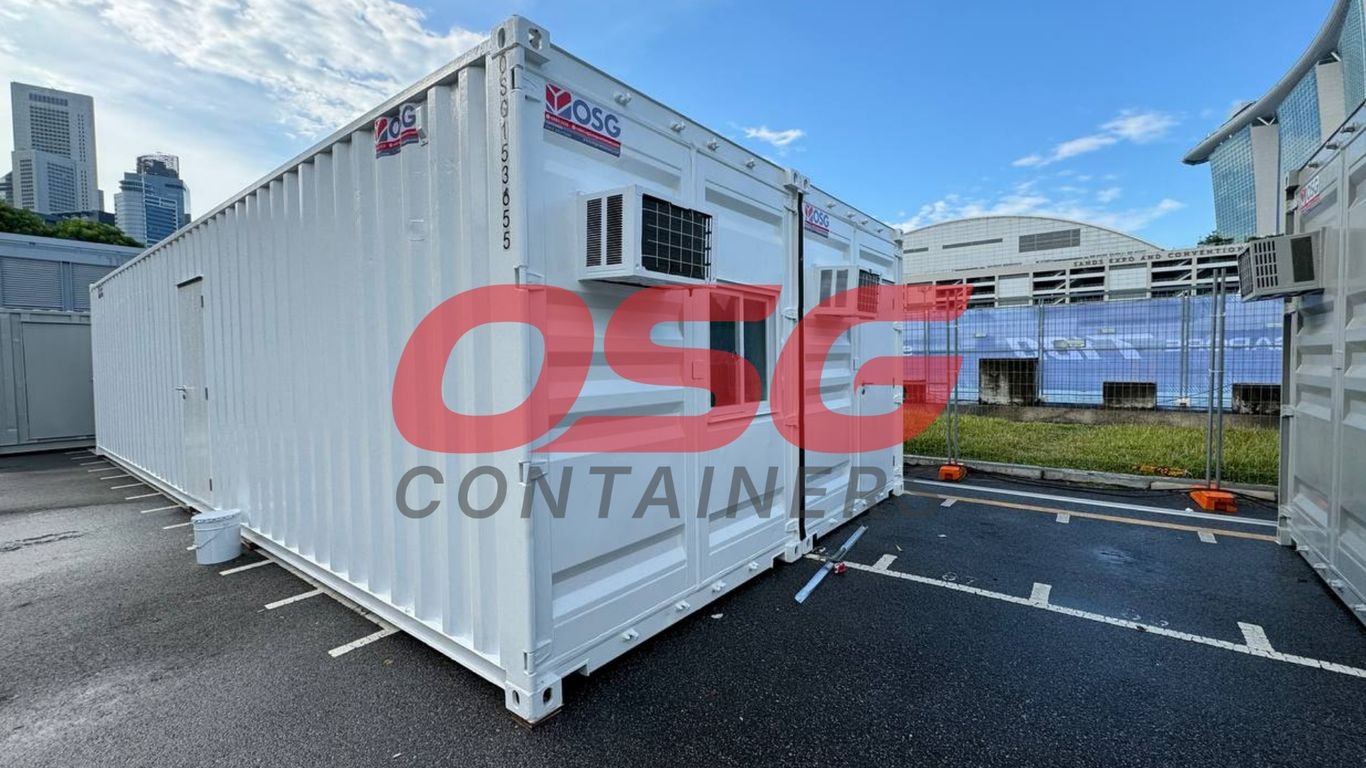
If your business operates on job sites, construction zones, or industrial locations, you already know that having an efficient, weather-resistant office on-site makes all the difference. A dependable workspace keeps your team organized, your documents secure, and your project running smoothly. Two of the most popular solutions are mobile office trailers and shipping container offices, often called ground-level offices (GLOs). Both offer convenience and mobility, but they’re built very differently. Choosing the right one depends on your project length, budget, and work conditions. Here’s a complete breakdown of how they compare.
Key Takeaways
- When it comes to initial costs, both office containers and mobile trailers can be in a similar price range, but the long-term value heavily depends on your usage and maintenance expectations.
- For short-term projects, a mobile office trailer might seem simpler, but for multiple projects or needs lasting years, a container office often pays for itself through its durability and lower upkeep.
- Maintenance is a big difference: mobile trailers need regular upkeep on tires, brakes, and axles, while office containers, made of steel, require much less attention.
- Office containers are generally more secure and structurally sound, offering better protection against weather, vandalism, and theft compared to the lighter build of mobile office trailers.
- Choosing an office container is a more sustainable option as it repurposes existing shipping containers, reducing waste and the demand for new construction materials.
Initial Investment: Office Container vs. Mobile Trailer
Getting started with a new workspace on your site? You have two main choices: office container rental (like a site office container), or one of those mobile office trailers. Each comes with its own set of initial costs and things to think about before signing any paperwork.
Upfront Purchase Price Comparison
It’s a common myth that office containers are always more expensive than mobile office trailers, but the sticker price is often quite close. Here’s a quick breakdown to help you compare:
| Option | Price Range (USD) | Notes |
|---|---|---|
| Rent a Container Office | $2,000 – $6,000+ | Used office containers for sale may be cheaper |
| Mobile Office Trailer | $4,000 – $10,000+ | Often includes basic setup costs |
- Office container rental offers flexibility and can be a good budget choice for short-term needs.
- Used office containers for sale make ownership an option if you foresee long-term or repeat use.
- Mobile office trailers sometimes include add-on features that drive up initial costs.
Setup And Installation Expenses
Getting your office set up could cost you a bit more, depending on what’s already at your site:
- Mobile office trailers usually need jacking and blocking—this might cost a few hundred bucks.
- Site office containers have to be moved in with a crane or forklift, which sometimes costs up to $1,000 for delivery and placement.
- Both options might require stairs, ramps, or speed bumps for safety.
Planning ahead and having the right gear on-site can really help keep setup costs from running wild. Nobody likes surprise bills at the last minute.
Understanding Depreciation And Taxes
Both mobile trailers and container offices generally follow a seven-year depreciation schedule for tax purposes. It doesn’t mean both actually last seven years—just that you can write them off over that time.
- Office containers (especially used models) often continue giving you value long after they’re “depreciated” for taxes, since their steel bodies are tough and hard to damage.
- Mobile trailers might need more frequent repair or replacement, so their longer term value can decrease faster in practice—even if the tax rules are the same.
- If you buy rather than rent a container office, think about residual value: containers can sometimes be resold for a decent chunk of your investment back at the end.
When you compare all the costs, office containers look better for longer-term, rougher sites—especially if you can find used office containers for sale. But for a quick, cheap solution for a month or two, mobile trailers still have their place.
Long-Term Value: Durability And Lifespan
When you’re thinking about an office space, especially one that might need to move around or sit on a job site for a while, how long it’s going to last and how tough it is really matters. It’s not just about the initial price tag; it’s about what you get for your money over the years.
Assessing The Lifespan Of Each Option
Mobile office trailers, the kind you often see on construction sites, are built to be moved. They have wheels, axles, and a frame designed for transport. When they’re just sitting in one spot, a well-maintained trailer might last about 20 years. But, and this is a big ‘but’, start moving it around frequently, and that lifespan can drop significantly. All those bumps and jostles on the road really take a toll on the frame, the siding, and even the flooring.
Shipping container offices, on the other hand, are built like tanks. They’re made from strong steel and are designed to be stacked high and shipped across oceans. This means they’re already used to rough handling. Because of this, a container office can easily last 25 years or more, even if you move it around a few times. Their robust construction means they hold their value and continue to serve you reliably for a longer period.
Container Office Durability In Harsh Conditions
These steel boxes are no strangers to tough weather. They’re built to withstand being out at sea, which means they can handle rain, snow, extreme heat, and strong winds pretty well. When they’re properly treated, they resist rust and corrosion. You’re also less likely to see dents or frame damage from everyday use or minor impacts compared to a trailer.
Wear And Tear On Mobile Office Trailers
Trailers have more moving parts, literally. The tires, brakes, and suspension system all need regular checks and eventually replacement. If the trailer is moved often, these components wear out faster. The exterior panels can also be more susceptible to dents and damage from weather or accidental bumps. It’s just the nature of their design – they’re built for transport, not necessarily for decades of stationary use in tough environments.
The key difference often comes down to the materials and design intent. Containers are built for extreme, long-term durability in transit, while trailers are built for portability with a more limited lifespan, especially when frequently relocated.
Operational Costs: Maintenance And Upkeep
When you’re looking at the long haul, the costs to keep your office space running smoothly really start to matter. This is where mobile office trailers and shipping container offices show some pretty big differences.
Maintenance Requirements For Mobile Trailers
Mobile office trailers, with their wheels, axles, and suspension systems, are basically like a vehicle that sits still most of the time. These parts, especially the tires and brakes, need regular checks. Think about it – they’re designed to roll, so even when they’re parked, those components are still subject to wear and tear, not to mention rust and damage from the elements. If you plan on moving the trailer even a few times a year, you’re looking at more frequent inspections and potential replacements for these mechanical bits. It’s not uncommon for these trailers to need new tires, brake adjustments, or even suspension work over their lifespan, adding to the ongoing expenses.
Low Maintenance Advantages Of Office Containers
Shipping container offices, on the other hand, are built like tanks. They’re made of thick, reinforced steel and don’t have any of those moving parts that trailers do. No tires to replace, no brakes to adjust, no suspension to worry about. Their main maintenance needs usually involve keeping the exterior coating in good shape to prevent rust, especially in salty or humid environments. A good paint job or sealant can go a long way. They’re also naturally resistant to dents and frame damage, which means fewer unexpected repair bills. This lack of complex mechanical components is a huge win for keeping operational costs down.
Cost Savings From Reduced Repairs
So, what does this mean for your wallet? Well, fewer parts that can break down means fewer repair calls. While a mobile trailer might need a few hundred dollars here and there for tire rotations or brake checks, a container office’s maintenance is often just preventative. You’re not dealing with the same kind of wear and tear that affects a trailer’s chassis and undercarriage. Over several years, the savings from avoiding those trailer-specific repairs can really add up, making the container office a more budget-friendly choice in the long run.
The simplicity of a container’s design translates directly into lower upkeep. Without the constant need to service mechanical components, your focus and budget can stay on your business, not on fixing the office structure itself.
Here’s a quick look at what you might expect:
- Mobile Trailers: Regular tire checks, brake inspections, potential suspension repairs, rust treatment on the chassis.
- Container Offices: Periodic inspection of exterior paint/coatings, occasional resealing of doors/windows, minimal structural upkeep needed.
Logistics And Mobility: Transportation Considerations
Transportation Costs For Both Solutions
Getting your office space from point A to point B is a big part of the equation, and honestly, it can add up. Both mobile office trailers and shipping container offices need to be moved, but how they travel and what that costs can be quite different. Generally, you’re looking at paying somewhere between $2.50 to $5 per mile for transport, depending on how far you need to go and if the location is easy to get to. The real kicker, though, isn’t just the mileage.
Permitting Needs For Mobile Trailers
This is where things can get a bit tricky with mobile trailers. Because they’re built to be road-legal, they often have specific dimensions. Sometimes, these dimensions, especially height or width, can exceed standard road limits. When that happens, you’re looking at needing special permits. These aren’t usually a one-time thing; if you move the trailer often, you’ll need to get these permits each time. Each permit can cost a few hundred dollars, so if your projects involve moving your office frequently, those permit fees can really start to pile up. It’s something to factor in when you’re planning your budget.
Ease Of Transport For Office Containers
Shipping containers, on the other hand, have a bit of an advantage here. They’re designed to fit neatly onto standard truck beds. This means they usually don’t require those special oversize load permits that trailers sometimes do. This simplicity in transport can save you both time and money, especially if you’re moving your office from one job site to another regularly. Because they’re built for global shipping, they’re pretty robust and can handle the journey. If your business is the type that moves around a lot, this ease of transport with containers is a pretty big deal.
Security And Structural Integrity
When you’re setting up an office, especially if it’s going to house valuable equipment, sensitive documents, or just be a place where people work, security and how well it’s built are pretty big deals. You want to know your stuff is safe from the elements and from people who shouldn’t be there. Let’s break down how office containers and mobile trailers stack up.
Security Features Of Office Containers
Office containers, which are essentially repurposed shipping containers, are built tough. They’re made from thick, high-grade steel. This makes them incredibly strong and resistant to damage. Think about it – these things are designed to be stacked high on ships and travel across oceans, facing all sorts of weather. They usually come with solid, lockable doors that are hard to force open. This inherent strength means they offer a really good level of protection against break-ins and vandalism. Plus, their solid walls are a great barrier against wind and rain, keeping everything inside dry and secure.
Vulnerability Of Mobile Office Trailers
Mobile office trailers, on the other hand, are generally built with lighter materials. While they’re designed to be moved, this often means they aren’t as robust as a steel container. The walls might be thinner, and the windows and doors can sometimes be easier to compromise. If you’ve got a site where theft or vandalism is a real concern, a trailer might not offer the same peace of mind as a container. They can be more susceptible to damage from impacts or attempted forced entry.
Protection Against Weather And Vandalism
Both options aim to protect you from the weather, but containers often have an edge. Their steel construction is excellent at withstanding high winds and heavy precipitation. They’re less likely to suffer dents or frame damage from minor impacts compared to a trailer. For vandalism, the sheer toughness of a container makes it a less appealing target for casual damage. While a trailer can be secured, a container’s robust structure provides an extra layer of defense that’s hard to beat. It’s like comparing a fortress to a sturdy shed; both offer shelter, but one is built for serious resilience.
Here’s a quick look at how they compare:
| Feature | Office Container | Mobile Office Trailer |
|---|---|---|
| Primary Material | High-grade steel | Lighter composite materials |
| Theft Resistance | Very High | Moderate |
| Vandalism Resistance | Very High | Moderate |
| Wind Resistance | Excellent | Good |
| Impact Resistance | Excellent | Fair |
When choosing between a container office and a mobile trailer, think about the specific risks of your location. If your site is prone to theft, vandalism, or extreme weather, the superior structural integrity and security of a steel container office are significant advantages. It’s about investing in a space that not only functions as an office but also reliably protects your assets and personnel.
Sustainability And Environmental Impact
When we talk about office spaces, it’s easy to get caught up in the immediate costs and convenience. But what about the planet? Both office containers and mobile trailers have different stories to tell when it comes to their environmental footprint.
Repurposing Shipping Containers For Offices
This is where shipping containers really shine. Think about it: these massive steel boxes have already made their journey across oceans. Instead of letting them rust away in a yard, we’re giving them a whole new life as functional office spaces. It’s a form of upcycling, really. By using a container that already exists, we cut down on the need to manufacture new building materials. This means less energy used, fewer raw resources pulled from the earth, and a lot less waste heading to the landfill. It’s a pretty direct way to reduce the environmental impact of your project.
Environmental Footprint Of Mobile Office Trailers
Mobile office trailers, on the other hand, are typically built from scratch. While they serve a purpose, their creation involves manufacturing new materials. This process, from sourcing raw components to assembly, generally uses more energy and resources compared to repurposing a container. Plus, because they often have a shorter lifespan and might be replaced more frequently, they can contribute more to material waste over time. It’s not that they’re inherently bad, but they don’t quite hit the same sustainability marks as a converted container.
Choosing A Greener Office Solution
So, if being environmentally conscious is a big deal for your business, the choice becomes clearer. Here’s a quick rundown:
- Reduced Material Demand: Container offices use existing structures, lessening the need for new steel, wood, and concrete.
- Waste Reduction: Repurposing containers diverts them from scrap yards, contributing to a circular economy.
- Lower Embodied Energy: The energy used to create a new trailer is generally higher than the energy needed to modify an existing container.
While both options offer mobility, the sustainability angle heavily favors repurposed shipping containers. They represent a smart choice for businesses looking to minimize their environmental impact without sacrificing functionality.
Ultimately, opting for a container office is a tangible step towards a more sustainable business practice. It’s a way to build the space you need while being mindful of the world around us.
Wrapping It Up: Which Office is Right for Your Site?
So, when it comes down to it, picking between a mobile office trailer and a shipping container office really depends on what you need. If you’ve got a short gig and need something quick, a trailer might do the trick. But for the long haul, especially if your site is a bit rough or the weather’s unpredictable, a container office just makes more sense. They’re tougher, more secure, and honestly, they tend to last longer without costing a fortune in upkeep. For most businesses that are on job sites a lot, a container is probably the way to go for a solid, dependable workspace that won’t let you down.
Frequently Asked Questions
What’s the main difference between a container office and a mobile trailer office?
Think of it this way: a mobile trailer office is like a temporary pop-up shop, designed for quick use and easy moving, often for shorter projects. A container office, on the other hand, is built from sturdy shipping containers, making it super strong and long-lasting, perfect for tougher jobs or when you need an office for many years.
Which one costs more to buy at first?
Surprisingly, the starting price for both is usually pretty similar. The real cost difference shows up over time. While a trailer might seem cheaper initially, a container office often saves you money in the long run because it needs less fixing and lasts much longer.
How hard is it to set up each type of office?
Setting them up depends on what tools you have. If you have things like forklifts or cranes, it’s pretty straightforward for both. Without those, a trailer might need a bit less fuss, costing a few hundred dollars for leveling. A container usually needs a crane or similar equipment, which can cost up to $1,000 to move into place.
Which office lasts longer and needs fewer repairs?
Container offices are built tough from steel and don’t have wheels or suspension systems that wear out. They can easily last 25 years or more and need very little upkeep. Mobile trailers, with their tires and brakes, tend to need more maintenance and might not last as long, especially if you move them around a lot.
Is one safer than the other?
Yes, container offices are generally much more secure. They’re made of thick steel, making them very strong against break-ins, bad weather, and vandalism. Mobile trailers are lighter and can be more vulnerable to damage or theft.
Which is better for the environment?
Container offices win here! They give old shipping containers a new life, which is great for recycling. Mobile trailers are often built new and, because they don’t last as long, they can create more waste over time. So, a container office is usually the greener choice.