Singapore
 Australia
 Indonesia
 Japan
Japan Malaysia
 New Zealand
 Philippines
 South Korea
 Taiwan
 Thailand
 VIETNAM
When you’ve got a project going on, big or small, you sometimes need a bit of extra space or a place to work right on site. Building something permanent just doesn’t make sense for temporary needs, and that’s where renting containers comes in handy. These tough steel boxes offer a simple answer for storage, workspace, and a whole lot more. Let’s break down why renting containers is a smart move for your next project.
Key Takeaways
- Renting containers offers secure, weather-resistant storage and workspace solutions that are easy to move around.
- These units are flexible, serving as mobile offices, job site shelters, or simple storage for materials and equipment.
- You can customize containers with features like shelving, heating, and cooling to better suit your project’s specific needs.
- Renting is often more cost-effective than building, with predictable payments and lower initial expenses.
- Always check local rules and permits before renting a container to avoid any issues down the road.
Understanding The Benefits Of Renting Containers
When you’re managing a project, especially one with a tight schedule or valuable gear, having a dependable spot for storage or a temporary workspace is a big deal. Renting a container can take a lot of that stress off your shoulders. You get a strong, protected space without the hassle or expense of putting up something permanent. It’s a straightforward solution that offers a lot of advantages.
Secure And Economical Temporary Solutions
One of the main reasons people go for container rentals is how safe and affordable they are. These units are built to last, usually from heavy-duty steel, and they come with strong locks. This means your tools, materials, or even important documents are protected from theft and the weather. When you compare it to renting traditional storage units or building temporary sheds, container rentals often have lower initial costs and predictable monthly payments. It’s a smart way to manage your budget without compromising on security.
Portability And On-Site Convenience
Need to shift your office or storage unit from one part of the job site to another? No problem. Containers are made to be moved. They can be lifted by cranes or forklifts and transported without much fuss. This flexibility is a huge plus on large construction sites or when projects change locations. You can have your workspace or storage right where you need it, exactly when you need it, saving you time and hassle.
Weatherproof Protection For Contents
Projects can face all sorts of weather conditions. Rain, snow, harsh sun – your belongings need protection. Rental containers are built to be weatherproof. They’re sealed tight to keep moisture out and are often insulated to help manage temperature. This means your equipment, inventory, or temporary office setup stays dry and protected, no matter what the weather is doing outside. It’s like having a small, mobile warehouse or office that can handle the elements.
Practical Applications For Rental Containers
Renting a container isn’t just about having a place to stash your stuff. These sturdy steel boxes are surprisingly versatile and can be a real game-changer for all sorts of temporary projects. Think of them as blank canvases ready to be adapted to your specific needs, saving you time and hassle.
Mobile Offices and Job Site Shelters
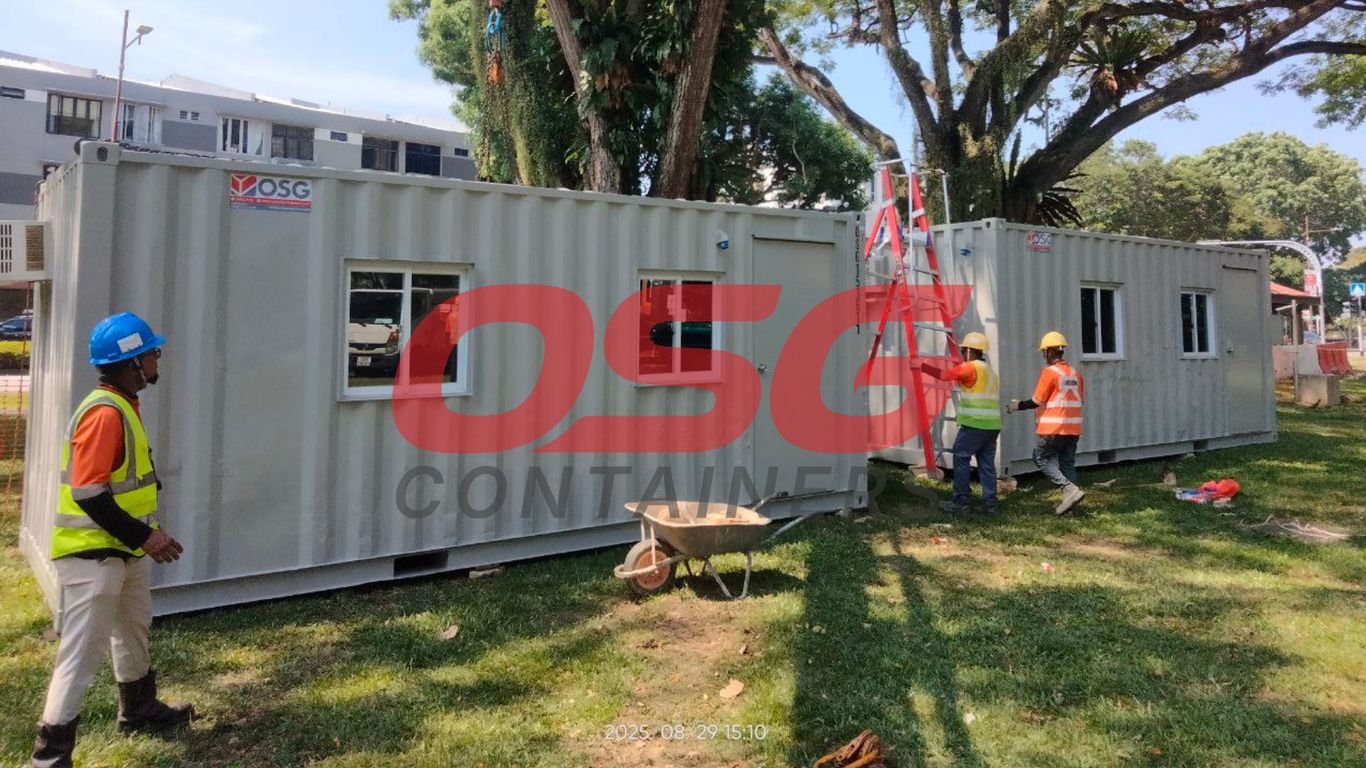
Need a command center right in the middle of the action? A rental container can be quickly transformed into a functional mobile office or a secure shelter for your crew. Forget about commuting back and forth to a permanent office. These units can be outfitted with essentials like heating, air conditioning, lighting, and even basic furniture, providing a comfortable and protected workspace directly on your job site. This is a lifesaver for construction projects, outdoor events, or any situation where you need a reliable base of operations close at hand.
Temporary Storage Solutions
This is probably the most common reason folks rent containers, and for good reason. Whether you’re renovating your home and need to clear out space, dealing with seasonal inventory overflow, or simply need a secure spot for equipment between projects, a container is a solid choice. They’re built tough and designed to keep your belongings safe from the elements – think rain, snow, and extreme heat. Plus, with robust locking mechanisms, they offer peace of mind against theft.
Versatile Uses Beyond Storage
People get really creative with these containers. They can be adapted into workshops for hobbyists, studios for artists, or even pop-up shops for small businesses. Imagine turning one into a secure bike storage area for an apartment complex, a small concession stand for an event, or a dedicated, organized space for all your tools and materials. The possibilities really open up when you consider modifications.
Here are just a few more ideas:
- Workshops: Outfit with workbenches and tool storage.
- Art Studios: Provide a dedicated, weather-protected creative space.
- Pop-Up Shops: Create a temporary retail presence.
- Event Command Centers: Manage logistics and operations on-site.
- Equipment Storage: Keep valuable tools and machinery secure.
The beauty of a rental container lies in its adaptability. It’s not just a box; it’s a flexible solution that can be tailored to fit the unique demands of your project, whether that’s providing shelter, storage, or a functional workspace.
Customizing Your Rental Container For Project Needs
Modified Containers For Specific Requirements
So, you’ve got a container on the way, but a plain steel box isn’t quite cutting it for your needs? No worries, that’s where customization comes in. Think of it like getting a plain t-shirt and then adding your own patches and designs – you can do the same with these containers. Sometimes, a standard container just won’t do. Maybe you need a place to work, or perhaps you’re setting up a temporary shop. Companies can modify containers to fit all sorts of jobs. We’re talking about adding things like:
- Shelving: Great for organizing tools, inventory, or supplies.
- HVAC Systems: Keep things cool in the summer and warm in the winter, making it a comfortable workspace.
- Electrical Panels: Power up your equipment or lights.
- Toilets: For remote sites where facilities are scarce.
- Different Doors: Need a roll-up door for easy access to equipment? Or maybe a standard personnel door?
They can even do structural modifications, like cutting out entire walls for open-air setups. Imagine a container turned into a cool outdoor seating area or a ticket booth with a serving window. It really opens up the possibilities.
Essential Amenities For Workspace Comfort
If you’re planning to use your container as a temporary office or a break room on a job site, comfort is key. Nobody wants to work in a stuffy, dark box all day. Here are some things that make a big difference:
- Lighting: Proper lighting can transform a dark space into a functional work area.
- Ventilation: Beyond HVAC, simple vents can help keep the air fresh.
- Insulation: Makes a huge difference in temperature control and noise reduction.
- Flooring: Adding a more durable or comfortable flooring option can improve the feel.
When you’re thinking about customizing, it’s always best to talk to the rental company about what’s possible. They’ve probably seen it all and can guide you on what modifications are practical and cost-effective for your specific situation. Don’t be afraid to ask questions – they’re there to help you get exactly what you need.
The Cost-Effectiveness Of Renting Containers
When you’re planning a project, thinking about the budget is always a big deal. Building something permanent just to use it for a short time? That’s usually a recipe for overspending. Renting freight containers for rent offers a much smarter financial approach. It lets you get the space you need without the long-term financial commitment of buying or building.
Avoiding High Costs Of Permanent Structures
Putting up a new building, even a small one, involves a lot of expenses. You’ve got materials, labor, permits, and then you’re stuck with it even after the project wraps up. Renting a container sidesteps all of that. You get a sturdy, secure space delivered right to your site, and when you’re done, it’s simply picked up. No lingering costs, no wasted investment in something you no longer need.
Predictable Monthly Payments
One of the best parts about renting container units is knowing exactly what you’ll pay each month. Most rental agreements are straightforward, with a set fee for the duration of your rental. This makes budgeting way easier. You can plan your project expenses with confidence, knowing there won’t be surprise bills popping up.
Here’s a general idea of what you might expect for monthly rental costs, but remember, these are just estimates and can change based on location and rental company:
| Container Size | Approximate Monthly Cost |
|---|---|
| 10-foot | $130 – $200 |
| 20-foot | $150 – $230 |
| 40-foot | $120 – $250 |
Don’t forget to factor in potential delivery and pickup fees, which can vary.
Lower Upfront Expenses
Compared to buying property, hiring contractors, and purchasing building materials, the initial cost of renting a container is significantly lower. You typically only need to cover the first month’s rent and possibly a delivery fee. This frees up capital that can be used for other critical aspects of your project, like materials or labor.
Renting a container is a flexible financial tool. It allows businesses and individuals to access necessary space on demand, paying only for the time it’s actually used. This approach is particularly beneficial for projects with uncertain timelines or fluctuating space requirements, preventing the burden of ownership for temporary needs.
Ensuring Compliance With Local Regulations
Checking Municipal Requirements
Before you even think about signing a rental agreement, it’s a really good idea to check what your local town or city has to say about having a container on your property. Sometimes, there are specific rules about where you can put them, how long they can stay, or even if you can have them at all. It’s not always obvious, and you don’t want to get a surprise notice telling you to move it.
Understanding Permit Needs
Depending on where you are and how long you plan to keep the container, you might need a permit. This is especially true for longer-term rentals or if the container is going to be used as a temporary office or workspace. Getting the right paperwork sorted upfront can save you a lot of trouble down the line. Don’t assume you don’t need one; always ask.
Avoiding Fines And Headaches
Nobody wants to deal with fines or having to move a container unexpectedly. Taking a little time to figure out the local rules and get any necessary permits means your project can proceed without these kinds of interruptions. It’s all about being prepared and avoiding those "oops" moments that can cost you time and money.
Here’s a quick rundown of what to consider:
- Zoning Laws: Check if your area has rules about temporary structures.
- Duration Limits: Some places limit how long a container can stay.
- Placement Restrictions: There might be rules about how close it can be to property lines or streets.
- Permit Applications: Find out what forms you need and where to submit them.
It’s always better to be proactive. A quick call to your local planning or building department can clear up a lot of questions. They’re usually happy to help you understand the requirements so you can stay on the right side of the rules.
Sustainability Through Container Rentals
Opting for a container rental is a smart move for projects that care about the planet. Instead of building something new that uses up a lot of raw materials and energy, you’re giving an existing structure a new job. These cargo containers are built tough and can last for decades, so renting them means they get used to their full potential. It’s a great way to support a more circular economy where resources are reused instead of just thrown away.
Promoting A Circular Economy
When you rent a container, you’re basically joining a system that keeps useful materials in play for longer. Think about it: these containers have already traveled the world, and instead of being scrapped, they get a second life. This reduces the demand for new manufacturing, which in turn cuts down on mining, logging, and the energy needed to make brand-new products. It’s a simple idea, but it makes a big difference in reducing waste and conserving resources.
Reducing The Need For New Construction
Building permanent structures often means digging up land, using concrete, steel, and wood, and creating a lot of disruption. With a container rental, you bypass most of that. You get a ready-made space that can be placed where you need it and then removed with minimal impact on the site. This is especially helpful for temporary projects where a permanent building just doesn’t make sense. It saves resources and avoids the environmental footprint associated with traditional building.
Supporting Green Building Initiatives
Many projects are now aiming to be more eco-friendly, and container rentals fit right in. They can be a key component in green building plans, helping projects meet certain environmental standards. Using repurposed cargo containers shows a commitment to sustainability. It’s a practical way to build responsibly and contribute to a healthier environment, proving that you don’t need to sacrifice functionality for eco-consciousness.
Renting containers is a practical way to reduce your project’s environmental impact. It’s about making the most of what already exists and avoiding the waste and resource drain of new construction. This approach aligns perfectly with the growing need for more sustainable practices in all kinds of projects, big or small.
Here’s a quick look at how renting containers helps:
- Less Raw Material Use: Avoids the need for new steel, wood, and concrete.
- Lower Carbon Footprint: Reduces emissions associated with manufacturing and transport of new materials.
- Waste Reduction: Gives existing structures a longer lifespan, diverting them from landfills.
- Minimal Site Disruption: Easy to place and remove, preserving the landscape.
Expert Guidance For Container Selection
Choosing The Right Size
Figuring out the right container size is more than just a guess. You really need to think about what’s going inside. Start by making a detailed list of everything you plan to store or use the space for. Don’t just eyeball it. For example, if you’re storing furniture, picture how much room a sofa takes up, then add in chairs, tables, and all the smaller bits and pieces. It adds up fast. Websites often have tools to help you estimate, but it’s usually better to go a bit bigger than too small. You don’t want to be stuck with a container that’s overflowing.
Here’s a quick guide to common sizes:
- 10-foot: Good for smaller job sites, storing tools, or a few pieces of furniture.
- 20-foot: A popular choice for general storage, moving household items, or medium-sized projects.
- 40-foot: Offers a lot more space, ideal for large inventories, equipment, or extensive project needs.
Understanding Modification Options
Sometimes, a standard container just won’t cut it. You might need specific features to make it work for your project. Think about what you’ll be doing inside or with the container. Do you need extra shelving for organization? Maybe specific lighting or ventilation? Some companies can add windows, doors, or even insulation. It’s worth asking about these possibilities early on, as modifications can tailor the container precisely to your needs, making it more functional and efficient for whatever temporary task you have.
Tailored Quotes For Specific Situations
When you’re ready to get pricing, don’t just look for a generic number. A good rental company will want to understand your specific situation to give you an accurate quote. This means they’ll ask about:
- The exact size and type of container you need.
- How long you plan to rent it.
- Where it needs to be delivered and if there are any access challenges.
- Any modifications you might require.
Asking detailed questions upfront helps avoid surprises later. It ensures you’re getting exactly what you need at a fair price, without hidden fees or unexpected charges. A clear quote means a smoother rental experience.
Comparing different providers based on these specifics will help you find the best value, not just the lowest price. Look at what’s included in their rental terms, like delivery fees and any potential setup costs.
Wrapping It Up
So, when you’re in a bind and need extra space, whether it’s for storing stuff or setting up a temporary office, renting a shipping container really makes sense. They’re tough, they show up when you need them, and you can move them around pretty easily. Plus, you can get them set up with lights, AC, and even desks if you need a proper workspace. It’s a straightforward way to get what you need without a huge commitment. Just give the rental company a call, figure out what size works, and they’ll handle the rest. It’s a practical choice for a lot of different situations.
Frequently Asked Questions
What different sizes of containers can I rent?
You can usually find containers in a few common sizes, like 10-foot, 20-foot, and 40-foot lengths. This helps you choose the best fit for whatever you need to store or use, whether it’s just a few tools or a lot of equipment.
How long do I have to rent a container?
Rental periods are really flexible! You can rent a container for as short as a few weeks or for many months, depending on how long your project lasts. Just let the rental company know if you need it longer.
Are rental containers safe and secure?
Most containers are made of strong steel and have good locks, making them pretty secure against theft and weather. For extra safety, make sure to get a container with a sturdy lock and pick a good spot to place it.
Can I move the container myself if I need to change its location?
Usually, you can’t move the container yourself. Rental companies have special trucks for moving them. If you need to move it to a different spot, it’s best to contact the rental company to arrange their moving service and find out about any extra costs.
What’s the main difference between renting and buying a container?
Renting is a good choice if you only need the container for a short time and want to spend less money upfront. The rental company usually takes care of any needed repairs. Buying makes more sense if you plan to use it for many years, but then you’re responsible for all the upkeep and moving it yourself.
Are there any things I can’t store in a rental container?
Generally, you can’t store dangerous materials, food that goes bad quickly, or anything illegal. It’s always a good idea to check with the rental company about their specific rules on what is and isn’t allowed.