Singapore
 Australia
 Indonesia
 Japan
Japan Malaysia
 New Zealand
 Philippines
 South Korea
 Taiwan
 Thailand
 VIETNAM
So, you’re thinking about getting a 20 footer container? Smart move. These things are super handy for all sorts of stuff, not just shipping goods around the world. Whether you need extra storage for your business, a place to keep your lawnmower, or even want to build a cool little office or shop, a 20 footer container can totally do the trick. But before you hand over your cash, there are a few things you should really know to make sure you get the right one for your needs. It’s not as simple as just picking one off the lot, you know?
Key Takeaways
- A standard 20 footer container measures 20 feet long, 8 feet wide, and 8.5 feet tall, offering about 1,170 cubic feet of space. High-cube versions add an extra foot of height.
- These containers are incredibly versatile, used for shipping, on-site storage, residential storage, pop-up shops, offices, workshops, and even emergency shelters.
- When buying, decide between new (one-trip) containers, which are pristine but pricier, or used containers, which are more affordable but may have cosmetic wear.
- Check the container’s grade (like Cargo Worthy or Wind and Watertight) and inspect for rust, dents, and structural integrity, especially with used units.
- Consider customization options, delivery, and look for a reputable supplier who offers warranties or post-purchase support for peace of mind.
Understanding The Versatile 20 Footer Container
When you’re looking at storage or transport options, the 20 ft container really stands out. It’s like the Swiss Army knife of the shipping world – useful for a whole bunch of things. Whether you’re a business owner needing a secure spot for inventory, someone planning a home renovation, or just need to move stuff around, knowing the basics about these containers is a good idea.
What Is A 20 Footer Container?
A 20 ft container is basically a tough, standardized steel box. Its main job is to keep goods safe while they’re being stored or moved. They’re built to last and are used everywhere, from big shipping ports to construction sites and even for creative projects.
Standard Dimensions And Capacity
Let’s get down to the nitty-gritty. The standard 20 ft container has some pretty specific measurements that make it work with all sorts of equipment and transport.
| Measurement | Size |
|---|---|
| External Length | 20 feet |
| External Width | 8 feet |
| External Height | 8 feet 6 inches |
| Internal Length | Approx. 19 feet 4 inches |
| Internal Width | Approx. 7 feet 8 inches |
| Internal Height | Approx. 7 feet 10 inches |
| Cubic Capacity | Around 1,170 cubic feet |
| Max Payload | About 62,000 lbs (varies by grade) |
| Empty Weight | Around 5,000 lbs |
This size is a sweet spot for many applications, balancing space with manageability.
High-Cube Variations Explained
Now, sometimes you need a little more room. That’s where the ‘high-cube’ version comes in. It’s the same length and width as the standard 20 ft container, but it’s a full foot taller.
- Standard 20 ft: 8’6" tall
- 20 ft High-Cube: 9’6" tall
This extra height is a big deal if you’re storing taller items or planning to convert the container into something like an office or living space where headroom matters. It gives you about 13% more space inside.
These containers are built to withstand harsh weather and rough handling during transit. Their corrugated steel walls add strength, and the robust doors are designed for security.
Exploring Popular Applications For A 20 Footer Container
So, you’ve got your eye on a 20-foot container. That’s a smart move, these things are seriously versatile. They’re not just for hauling stuff across the ocean anymore, though that’s still a big one. Think of them as a blank canvas for all sorts of needs.
Shipping and Logistics Hub
This is what they were built for, right? Moving goods around the planet. A 20-footer is a standard size, making it easy to handle on ships, trains, and trucks. They’re tough, they keep your cargo safe from the weather and sticky fingers, and they stack up nicely. If you’re in the import/export game, these are your bread and butter.
On-Site and Residential Storage Solutions
Forget renting a storage unit that you have to drive to. A 20-foot container can sit right on your property. Construction sites use them to keep tools and materials secure. Businesses might use them for extra inventory when things get busy. Even homeowners can use them for storing seasonal gear, furniture during a renovation, or just to clear out the garage. They offer a secure, weatherproof space that’s literally at your doorstep.
Creative Conversions: Offices, Shops, and Studios
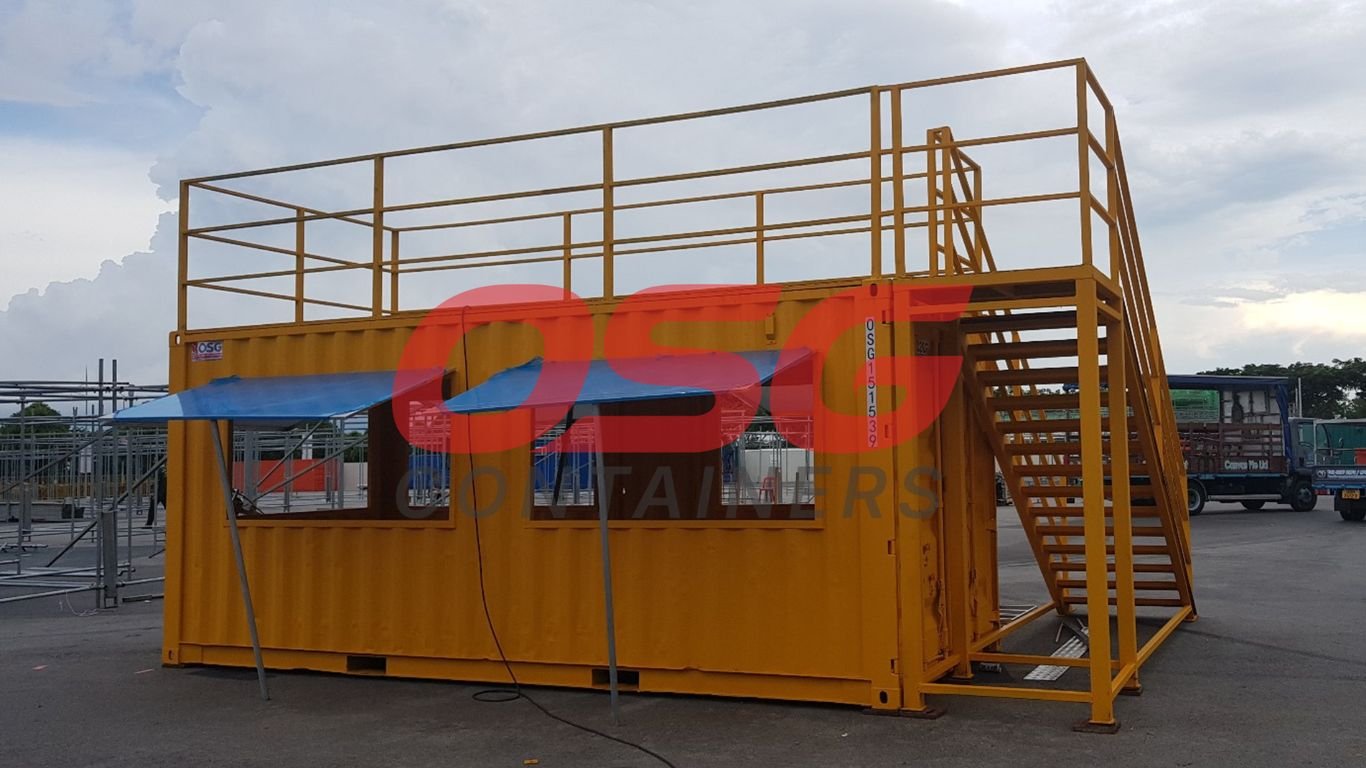
This is where things get really interesting. People are turning these containers into all sorts of cool spaces. Need a small office on a remote job site? Done. Want a unique pop-up shop for your business? Easy. Artists and crafters are making workshops out of them. They’re surprisingly adaptable for these kinds of projects.
Emergency Shelters and Temporary Housing
When disaster strikes, speed and sturdiness are key. Shipping containers can be quickly deployed to provide shelter for people or serve as temporary medical facilities. Their robust construction means they can withstand tough conditions, offering a reliable solution when it’s needed most.
The beauty of the 20-foot container lies in its simplicity and strength. It’s a standardized, durable box that can be adapted for a surprising number of uses beyond its original purpose. This adaptability is what makes it such a popular choice for so many different people and businesses.
Here’s a quick look at what a standard 20-foot container offers:
- External Dimensions: 20 ft (L) x 8 ft (W) x 8.5 ft (H)
- Internal Volume: Around 1,170 cubic feet
- Max Payload: Typically over 60,000 lbs
- Material: Cor-Ten steel (known for its weather resistance)
Key Factors When Purchasing A 20 Footer Container
So, you’re looking at getting a 20-foot container. That’s a solid choice, they’re super handy for a lot of things. But before you hand over your cash, there are a few things you really should think about. It’s not just about picking one that looks okay; you want one that’s going to do the job you need it to do, for as long as you need it.
New Versus Used: Making The Right Choice
This is a big one. You can get a brand-new container, often called a ‘one-trip’ container because it’s only been used once to ship something. These are usually in tip-top shape, no dents, no rust, looking pretty sharp. They’re great if you want something that looks good and will last ages. The downside? They cost more. Then there are used containers. These are cheaper, which is a big plus, but they’ve seen some action. You might find some dings, maybe a bit of rust, or paint that’s seen better days. For basic storage, a used one is often perfectly fine, but you need to check it out.
Understanding Container Grades
Used containers aren’t all the same. They get graded based on their condition. You’ll hear terms like ‘Cargo Worthy’ (CW) and ‘Wind and Watertight’ (WWT). Cargo Worthy means it’s still good enough for shipping, so it’s structurally sound. Wind and Watertight means it’s sealed up tight against the weather, which is good for storage, but it might not be up to snuff for actual transport. There are also lower grades, like ‘As-Is’, which you should probably avoid unless you know exactly what you’re doing.
Here’s a quick rundown:
- Cargo Worthy (CW): Structurally sound, suitable for shipping and storage. Often has some cosmetic wear.
- Wind and Watertight (WWT): No holes, keeps the elements out. Good for storage, but might not pass inspection for shipping.
- As-Is: Cheapest option, but expect significant damage. Best avoided for most uses.
Material And Build Quality Considerations
Most containers are made from a type of steel called COR-TEN, which is designed to resist rust. That’s good! But even COR-TEN can rust if it’s not maintained or if it’s been in a really harsh environment. When you’re looking at a container, check the corners, the door seals, and the floor. Are there any big rust spots? Are the doors opening and closing okay? A solid build means it’ll last longer, whether you’re using it for storing equipment or even thinking about converting it into something else, like an office or a workshop. It’s worth noting that while a 20-foot container is popular, sometimes a 40-foot container might be a better fit if you need more space, or even a container 40 feet long if your needs are larger.
When you’re buying, especially a used container, think about where it’s been. Containers that have been near the sea might have more rust issues than those that have mostly traveled inland. It’s a small detail, but it can make a difference in how long your container holds up.
Assessing Cargo Worthy And Wind/Watertight Grades
This ties back to the grades. If you plan on moving goods, you absolutely need a Cargo Worthy container. It needs to be able to handle the stress of being stacked and moved. If you’re just using it for storage on your property, then Wind and Watertight might be enough. You can usually get a certificate to prove a container is Cargo Worthy, which is a good sign. For WWT, you’re mostly relying on the seller’s word and your own inspection to make sure it’s sealed up tight. Don’t just take their word for it; check those seals yourself!
Importance Of Security Features
If you’re storing anything valuable, security is key. Most containers come with pretty sturdy doors, but you can often add extra security. Look for containers that have reinforced lock rods or a place to add a heavy-duty padlock. Some people even add lock boxes, which are metal covers that protect the padlock from bolt cutters. Think about what you’ll be storing and how secure it needs to be. It’s not just about keeping the weather out; it’s about keeping people out too.
Portability And Ease Of Transport
Twenty-foot containers are pretty manageable. They can be moved with a standard flatbed truck and a forklift or crane. However, you need to make sure you have a place to put it and a way to get it there. Will the truck be able to access your site? Do you have the space for it? If you’re thinking about moving it around a lot, that’s something to consider. While container renting might seem like an option, buying outright gives you more freedom. If you’re comparing sizes, remember that a 20-footer is easier to move than a 40-foot container, but if you need the space, the extra effort for a 40 feet container might be worth it.
Evaluating Condition And Features
So, you’ve figured out the size and maybe even the type of container you need. Now comes the part where you really need to look closely: the actual condition and what features it’s packing. This isn’t just about looks; it’s about making sure the container does what you need it to do, whether that’s holding up to a sea voyage or just sitting on your property storing stuff.
Assessing Cargo Worthy and Wind/Watertight Grades
When you’re looking at containers, you’ll hear terms like "Cargo Worthy" (CW) and "Wind and Watertight" (WWT). These aren’t just fancy labels; they tell you a lot about the container’s past and its future capabilities. A Cargo Worthy container has been inspected and certified to handle international shipping, meaning it’s structurally sound and can protect goods from the elements during transit. Think of it as the gold standard for shipping. WWT containers, on the other hand, are great for land-based storage. They’ll keep the wind and rain out, which is perfect for storing equipment or personal belongings on your property, but they won’t pass the strict checks needed for ocean freight.
Here’s a quick rundown:
- Cargo Worthy (CW): Certified for international shipping. Structurally sound, even with some cosmetic wear. Good for shipping and secure, long-term storage.
- Wind and Watertight (WWT): Not certified for shipping. Prevents wind and water intrusion. Ideal for on-site storage, workshops, or temporary structures where shipping certification isn’t a concern.
- As-Is: No guarantees. May have significant damage. Generally not recommended unless you’re prepared for repairs.
When buying used, always ask for documentation or proof of certification if you need a specific grade. Don’t just take someone’s word for it; verify the container’s status.
Importance of Security Features
Beyond just being a metal box, a container’s security features are pretty important, especially if you’re storing valuable items or using it as a workspace. You’ll want to check out the doors and locking mechanisms. Are the original locking bars still there and in good shape? Some containers might have had extra security measures added, like reinforced door frames or hasp locks for padlocks. If you’re planning on modifying the container, think about how you’ll secure it after the changes are made. A container that’s easy to break into isn’t much good for storage, right?
Portability and Ease of Transport
Even though we’re talking about 20-foot containers, they’re still heavy beasts. You need to think about how you’re going to get it from the seller to your location, and if you might need to move it again later. Most containers have forklift pockets, which are handy for smaller moves or repositioning on-site. For longer distances, you’ll need a specialized trailer and a truck capable of handling the weight. Some containers might have extra tie-down points or lifting eyes that could make transport or securing it easier. If you anticipate moving the container frequently, consider its overall design and whether it has features that simplify loading and unloading.
Customization And Supplier Selection
Exploring Modification Possibilities
So, you’ve got your 20-footer picked out. Now what? Well, a big part of what makes these containers so popular is that you can actually change them up to fit exactly what you need. Think beyond just a plain steel box. People turn these into everything from backyard workshops to fancy coffee stands. You can add windows, doors, insulation, shelving, even climate control if you’re feeling fancy. It’s all about making the container work for your specific project. If you’re planning on using it for something other than just dumping stuff in it, definitely think about what modifications you might want down the line. It’s usually way easier and cheaper to get these done before the container is delivered, or by the supplier themselves, rather than trying to hack it yourself later.
Here are some common modifications people go for:
- Extra Doors/Windows: For better access and light.
- Insulation: Keeps things cooler in summer and warmer in winter.
- Shelving & Storage Systems: To organize whatever you’re putting inside.
- Ventilation: Important if you’re storing anything that needs airflow or if you’ll be spending time inside.
- Electrical Outlets & Lighting: Turning it into a functional workspace.
Choosing A Reputable Supplier
Finding the right place to buy your container is almost as important as picking the container itself. You don’t want to end up with a rusty, beat-up box when you were promised something decent. A good supplier will be upfront about the condition of their containers and what you can expect. Look around, read reviews if you can find them. See what other people have said about their experience. Did they deliver on time? Was the container as described? A supplier who’s been around and has good feedback is usually a safe bet.
When you’re talking to potential suppliers, ask them about:
- Delivery: How do they get it to you? What’s the cost? Can they put it exactly where you want it?
- Container Grades: Make sure they explain the different grades (like ‘cargo worthy’ or ‘wind and watertight’) and help you pick the right one for your needs.
- Inspection: Can you see the container before you buy it, especially if it’s a used one? Seeing it in person can save a lot of headaches.
Buying a container is a bit of an investment, and you want to make sure you’re getting good value. Don’t be afraid to ask a lot of questions. A good supplier will be happy to answer them and guide you through the process. They want you to be happy with your purchase, too.
Warranty And Post-Purchase Support
This is a big one, especially if you’re buying a used container or planning on doing modifications. What happens if you get it and there’s a leak you didn’t see, or a door doesn’t quite close right? A solid warranty from the supplier can give you some serious peace of mind. Some places offer guarantees against leaks, for example. It’s worth asking about what kind of support they offer after you’ve paid and the container is sitting in your yard. Knowing you have someone to call if something isn’t right can make all the difference.
Wrapping It Up
So, picking out a 20-footer might seem straightforward, but as we’ve seen, there’s quite a bit to think about. Whether you’re after a brand-new one for a fancy conversion or a used one that’s seen a bit of the world but still has plenty of life left for storage, knowing the grades and what to look for really matters. Don’t forget to think about where it’s going and if you’ll need any special features. Taking a little time to figure out your needs upfront means you’ll end up with a container that actually works for you, saving you headaches down the road. Happy container hunting!
Frequently Asked Questions
What exactly is a 20-foot container?
Think of a 20-foot container as a sturdy, standard-sized metal box. It’s built tough to hold and move goods safely, whether that’s across the ocean or just across town. It’s about 20 feet long, 8 feet wide, and 8.5 feet tall, making it super useful for lots of different jobs.
What’s the difference between a new and a used container?
A new container, often called a ‘one-trip’ container, has only been used once to bring stuff from where it was made. It looks almost perfect, with no rust or major dents. A used container has seen more action and might have some scratches, dents, or faded paint, but it’s usually cheaper and still works great for many uses like storage.
What does ‘Cargo Worthy’ or ‘Wind and Watertight’ mean for used containers?
‘Cargo Worthy’ means the container is strong enough to be used for shipping goods and can handle being moved around. ‘Wind and Watertight’ means it’s sealed up tight so rain and wind can’t get in, which is great for storage, even if it’s not perfect for shipping.
Can I turn a 20-foot container into something else, like an office?
Absolutely! People get really creative with these containers. You can add windows, doors, insulation, electricity, and even AC to make them into offices, workshops, small shops, or extra rooms. They’re like a blank canvas for building projects.
How do I know if I’m buying from a good seller?
Look for sellers with good reviews from other customers. It’s also smart to ask them questions about the container’s condition and if they offer any kind of guarantee. If you can, seeing the container before you buy it is always a good idea, especially if it’s used.
Is a ‘High-Cube’ container different from a regular 20-footer?
Yes, a High-Cube 20-footer is just a bit taller than the standard one. It gives you an extra foot of height inside, which can be really helpful if you need to store taller items or want more headroom for a conversion project.