Singapore
 Australia
 Indonesia
 Japan
Japan Malaysia
 New Zealand
 Philippines
 South Korea
 Taiwan
 Thailand
 VIETNAM
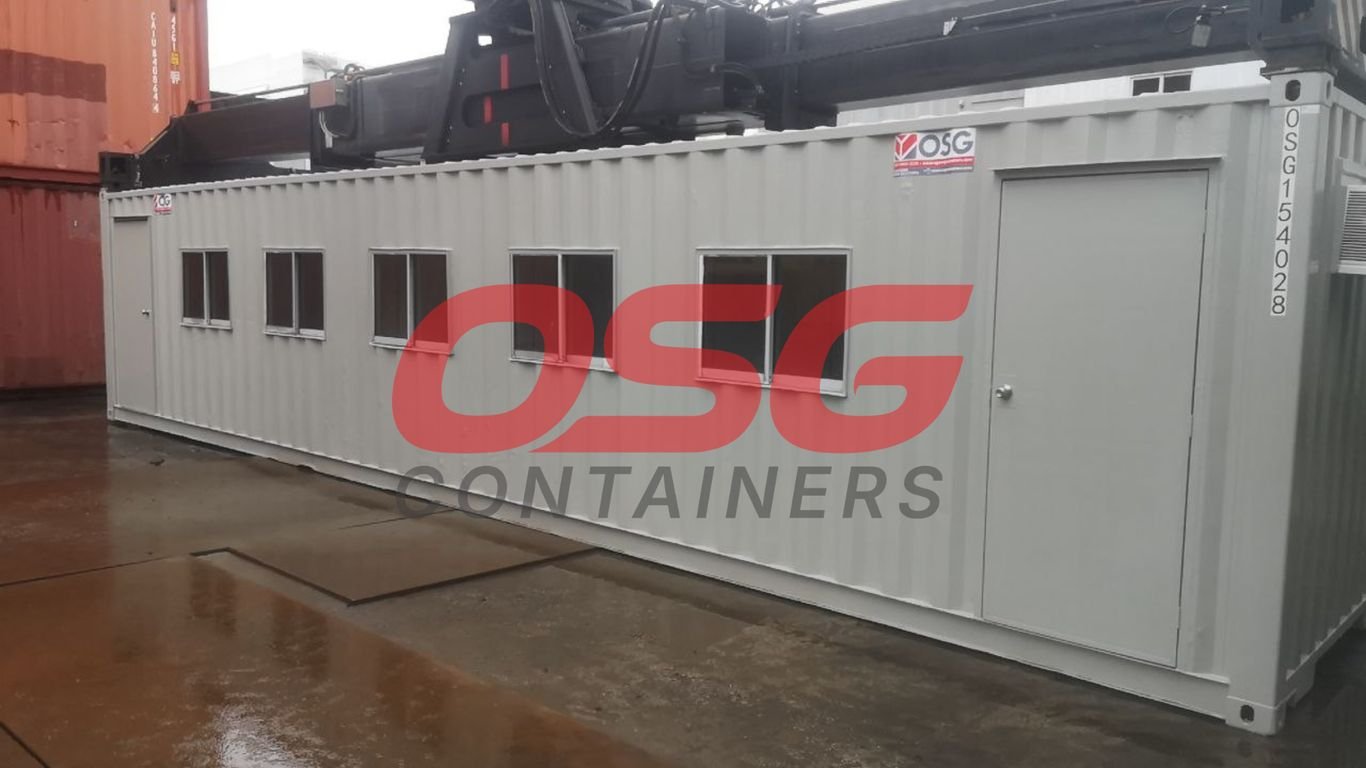
Thinking about setting up a new office space, but worried about the time and cost? You’re not alone. Many businesses today need places to work that can be put up quickly and don’t break the bank. Traditional offices can be slow and expensive to build. That’s where container office solutions come in. These modular workspaces offer a smart way to get your team set up and working, no matter your industry or project needs. They are strong, can be adapted to what you need, and are even better for the environment than you might think.
Key Takeaways
- Container offices are built fast, saving you time on project deployment.
- They offer a professional look without the high cost of traditional buildings.
- Made from steel, these work environments are tough and secure.
- You can change the inside to fit different jobs and add more units as your team grows.
- Using these modular units is a greener choice for construction and reduces waste.
Understanding The Container Office Concept
What Is a Container Office?
So, what exactly are we talking about when we say "container office"? Basically, it’s a workspace built using old shipping containers. You know, those big metal boxes you see on cargo ships and trains? We take those, clean them up, and turn them into functional, modern offices. It’s a smart way to get a new workspace without the hassle and cost of traditional construction. Think of them as sturdy, pre-fab modules that can be arranged and outfitted to suit pretty much any business need. They offer a flexible alternative to sticking with a fixed building that might not fit your needs anymore.
Transforming Shipping Containers Into Workspaces
Turning a shipping container into an office isn’t just about slapping some windows in. It’s a whole process. First, the containers are inspected and often refurbished. Then, they’re modified with insulation, flooring, electrical wiring, and plumbing. The real magic happens in the design phase, where the interior is laid out to create specific zones. You might have individual workstations, a meeting area, or even a small break room, all within the confines of the container. They can be used as standalone units or linked together to create larger, multi-room complexes. It’s about repurposing something industrial into something practical and comfortable for everyday work.
Key Benefits Of Container Offices
Why would a business choose a container office? Well, there are a few big reasons:
- Speed: They can be deployed much faster than traditional buildings. Need an office on-site next week? A container office is often the answer.
- Flexibility: You can easily add more units if your team grows or reconfigure the space as your needs change. They aren’t permanent structures in the same way.
- Cost: Generally, they are more budget-friendly than building a new office from scratch, especially for temporary or project-based needs.
- Mobility: If your project moves, your office can move with you. This is a huge advantage for certain industries.
The core idea is to create adaptable environments that support how people actually work today. It’s less about the building itself and more about the functionality and responsiveness it provides to a business.
Designing Your Adaptable Container Office
When you start thinking about a container office, the real fun begins with how you can shape it. It’s not just about stacking metal boxes; it’s about creating a space that actually works for your team and your projects. Think of these containers as really sturdy, pre-made building blocks that you can arrange however you need.
Customizable Layouts For Diverse Functions
The biggest draw here is how flexible these spaces are. You can pretty much set up the inside however you want. Need a quiet spot for someone to really focus? We can create individual workstations. Got a team that needs to get together and talk things through? A larger container can be turned into a meeting room, complete with tables and all the hookups for your tech. Some places even add small kitchenettes or bathrooms to make the space totally self-sufficient, which is super handy for remote sites.
Here are a few common ways people set them up:
- Private Workstations: Think of these as little pods for focused tasks.
- Meeting & Conference Areas: Bigger spaces for working together and giving presentations.
- Command Centers: Hubs for managing projects and operations.
- Break Rooms: Comfortable spots for staff to take a breather.
Creating Functional Zones Within A Container
It’s not just about having a place to sit; it’s about having the right place for the task at hand. This means less time wasted trying to make a space work and more time actually getting things done. A standard 20ft container can be outfitted for almost anything. You can divide the space to create distinct areas for different activities. Maybe one end is for quiet work, and the other is set up for collaboration. This practical approach just makes sense for how we work now.
The goal is to make the container office feel like any other professional workspace, just built faster and more affordably. It’s about bringing the comforts of a traditional office to wherever your project happens to be.
Personalized, Function-Driven Settings
Forget the idea of a one-size-fits-all office. Container offices let you tailor the environment to your team’s specific needs. Whether it’s a construction site needing a tough site office or a tech startup wanting a creative hub, the inside can be customized. You can add specific workstations, meeting areas, or even quiet zones. This focus on function means people have what they need right where they need it, cutting down on distractions and helping everyone concentrate better. It’s about creating a workspace that actively supports the work, rather than getting in the way.
The Advantages Of Modular Container Workspaces
Speedy Deployment For Project Needs
Forget waiting months for a traditional building to be finished. Container offices are built off-site, often in a factory setting, which means they can be ready to go in a matter of weeks. This speed is a huge plus when you need a functional workspace up and running fast, especially for projects with tight deadlines. It’s like getting a ready-made office delivered right to your doorstep, saving you a ton of time and hassle.
Scalability And Versatility In Office Design
One of the coolest things about container offices is how easily they can grow or shrink with your needs. Need to add a few more desks for new hires? Just add another container unit. Want to create a separate meeting room or a quiet zone? A container can be easily adapted for that. This modularity means you’re not stuck with a space that’s too big or too small. It’s about having a workspace that fits your team perfectly, no matter how it changes.
Here’s a quick look at how they stack up:
- Quick Setup: Get a new workspace operational much faster than traditional construction.
- Adaptable Layouts: Design spaces that match how your team actually works.
- Future-Ready: Easily adjust to changing team sizes or project demands.
Cost Efficiency Compared To Traditional Builds
When you compare the price tag, container offices often come out ahead of conventional construction. You skip a lot of the labor costs, material waste, and lengthy planning permissions that come with building from scratch. Plus, because they’re standardized, the manufacturing process is more streamlined, which translates to savings. It’s a smart way to get a quality workspace without the massive upfront investment.
Container offices offer a practical solution for businesses needing flexible, fast, and budget-friendly workspaces. Their modular nature allows for easy expansion or reconfiguration, making them a smart choice for a variety of applications.
Applications For Container Offices
Shipping container offices aren’t just for one type of business. Their adaptability means they pop up in all sorts of places where a quick, sturdy, and functional workspace is needed. Think about projects that are temporary, in remote locations, or just need a setup that can be put in place fast. A standard 20 ft container, for instance, can be transformed into a fully equipped office, meeting room, or command center.
Construction Site Offices
For construction projects, having a reliable site office is a must. These spaces need to withstand tough conditions and provide a comfortable spot for project managers and site supervisors. Container offices fit the bill perfectly. They can be delivered and set up quickly, often right on the job site, giving teams a central point for operations, planning, and breaks. A 20 feet container can be outfitted with desks, storage, and even basic amenities, making it a practical choice.
Remote Mining Operations
When you’re working in remote areas like mining sites, bringing in a traditional office is a huge undertaking. Container offices offer a much simpler solution. They can be transported to isolated locations and quickly assembled into functional workspaces. These units can house operations staff, provide a place for equipment, and serve as a communication hub. The durability of a container 20 ft makes it suitable for harsh environments.
Temporary Event Command Centers
Organizing a large event, whether it’s a festival, a sporting competition, or a conference, requires a central command center. Container offices can be deployed rapidly to serve this purpose. They can house event staff, manage logistics, coordinate security, and act as a communication hub. Their modular nature means you can scale up by linking multiple units if needed, and they can be removed just as easily once the event is over.
Corporate Expansion Needs
Sometimes, a company grows faster than expected, or a new project requires a dedicated team space. Instead of waiting months for a traditional office build-out, container offices provide an immediate solution. They can be used as temporary overflow space, project-specific offices, or even as a permanent, cost-effective addition to an existing campus. The flexibility of a 20 feet container allows businesses to adapt their space without major disruption.
- Rapid Deployment: Get a functional workspace on-site in days, not months.
- Customizable Interiors: Tailor the space for specific needs, from private offices to open-plan collaboration areas.
- Relocatable: Easily move the office to a new location if project requirements change.
The beauty of these modular workspaces lies in their ability to be whatever you need them to be, wherever you need them to be. They offer a practical, no-nonsense approach to creating functional environments quickly and efficiently.
Sustainability And Future Proofing
Recyclable Materials In Construction
When you think about building an office, the first thing that comes to mind might be wood, concrete, and steel. Traditional building methods can create a lot of waste, and frankly, a bit of a mess. Container offices, however, start with a different approach. They often use repurposed shipping containers, which are typically made of strong steel. This reuse alone cuts down on the need for new raw materials, which is a big win for the environment. Because a lot of the work happens in a factory setting, there’s less noise, dust, and traffic right where your office will be. It’s a cleaner way to get a workspace built.
Energy-Efficient Design Features
These aren’t just basic boxes. Modern container offices are designed with energy efficiency in mind. Think about features like:
- Smart Insulation: High-quality insulation keeps the inside temperature stable, meaning less energy is needed for heating in the winter and cooling in the summer.
- Natural Light Optimization: Windows are often placed strategically to make the most of natural light, reducing the need for artificial lighting during the day.
- Ready for Renewables: Many units are built with rooftop solar panels in mind, or even come with them pre-installed, helping to lower your energy bills and carbon footprint.
These buildings are engineered to be tough. Shipping containers are built to withstand harsh sea conditions, so when they’re converted, they retain that durability. This means they can last for decades with proper care, reducing the need for frequent replacements and further saving resources over time. It’s a practical choice that’s good for your budget and the planet.
Supporting Circular Construction Practices
Container offices fit right into the idea of a circular economy. This means using materials that can be reused or recycled at the end of their life. Since the main structure is steel, it’s highly recyclable. Plus, the modular nature means that if your needs change, a container office can often be relocated or reconfigured rather than demolished. This adaptability means less waste overall. It’s about building spaces that can evolve and be repurposed, aligning with a more sustainable future for construction.
Enhancing Productivity With Container Offices
Quick Adaptation For Diverse Tasks
Container offices really shine when it comes to being flexible. Unlike a fixed building, you can change these spaces up pretty easily. Need a spot for a big team meeting one day and then quiet individual work the next? A container setup can handle that. Think about a standard 20ft container; it can be outfitted for almost anything. It’s not just about having a place to sit; it’s about having the right place for the task at hand. This means less time wasted trying to make a space work and more time actually getting things done. It’s a practical approach to office design that just makes sense for how we work now.
Uninterrupted Workflows And Workforce Satisfaction
Forget the one-size-fits-all office. Container offices let you tailor the environment to your team’s specific needs. Whether it’s a construction site needing a robust site office or a tech startup wanting a creative hub, the interior can be customized. You can add specific workstations, meeting areas, or even quiet zones. This focus on function means people have what they need right where they need it, cutting down on distractions and boosting focus. It’s about creating a workspace that actively supports the work, rather than getting in the way.
Container offices offer a tangible way to make collaboration more fluid. They move beyond the limitations of fixed walls and traditional layouts, allowing for spontaneous interaction and focused teamwork.
Working Smarter, Not Harder
Ultimately, container offices are about making work more efficient and enjoyable. They allow for personalized workspaces that fit different tasks, from quiet focus areas to lively brainstorming zones. This means less time wasted trying to make a bad space work and more time actually getting things done. It’s about creating a work environment that supports productivity without feeling rigid or impersonal. A 20 foot container can become a surprisingly effective meeting room or a quiet zone for deep thinking, proving that smart design trumps size.
Here’s how they help:
- Quick Setup: Get a new collaborative zone ready in days, not months.
- Flexible Layouts: Easily reconfigure spaces as project needs change.
- Tech Integration: Built-in tools for smooth communication between remote and in-person staff.
Wrapping It Up
So, container offices are really more than just a quick fix. They offer a smart way for businesses to get the workspace they need, and fast, without spending a fortune. We’ve seen how these metal boxes can be changed into all sorts of useful spaces, from quiet spots for focused work to areas where teams can really connect. They give you a way to adjust your office as your company grows or needs change, and that’s a big deal. If you’re looking for a more sensible way to create a work environment that actually helps your team get things done, checking out container offices is definitely worth considering. It’s a solid choice for building a modern office that’s both practical and inspiring.
Frequently Asked Questions
What exactly is a container office?
Think of a container office as a shipping container that’s been turned into a fully functional workspace. It’s like a ready-made office room that you can place almost anywhere. These are built tough, just like the containers used for shipping goods, but they come with insulation, electricity, and everything you need to work comfortably.
How fast can I get a container office set up?
One of the biggest perks is speed! Instead of waiting months for a traditional building, a container office can be ready to go in just a few weeks. They are often built in a factory and then delivered to your site, making setup super quick so you can start working right away.
Can I change the inside of a container office?
Absolutely! These offices are very flexible. You can design the inside to be whatever you need – maybe a private office for one person, a meeting room for your team, or even a larger space connected with other containers for a co-working area. You can add things like desks, air conditioning, and even bathrooms.
Are container offices good for the environment?
Yes, they can be! Using old shipping containers means you’re recycling materials. Plus, they are often built with energy-saving features, which is great for the planet. It’s a more eco-friendly way to build compared to traditional methods.
Are container offices permanent?
Container offices can be either temporary or permanent. Many are designed to last for many years, just like regular buildings, and meet all the safety rules. If you need a temporary spot for a project, they can also be moved or taken down when you’re done.
Can container offices be moved to a new location?
Yes, that’s one of the cool things about them! Certain container office setups can be moved to a different site if your business needs change. This makes them really adaptable, especially if you’re not sure where you’ll be working long-term.